
Share this:
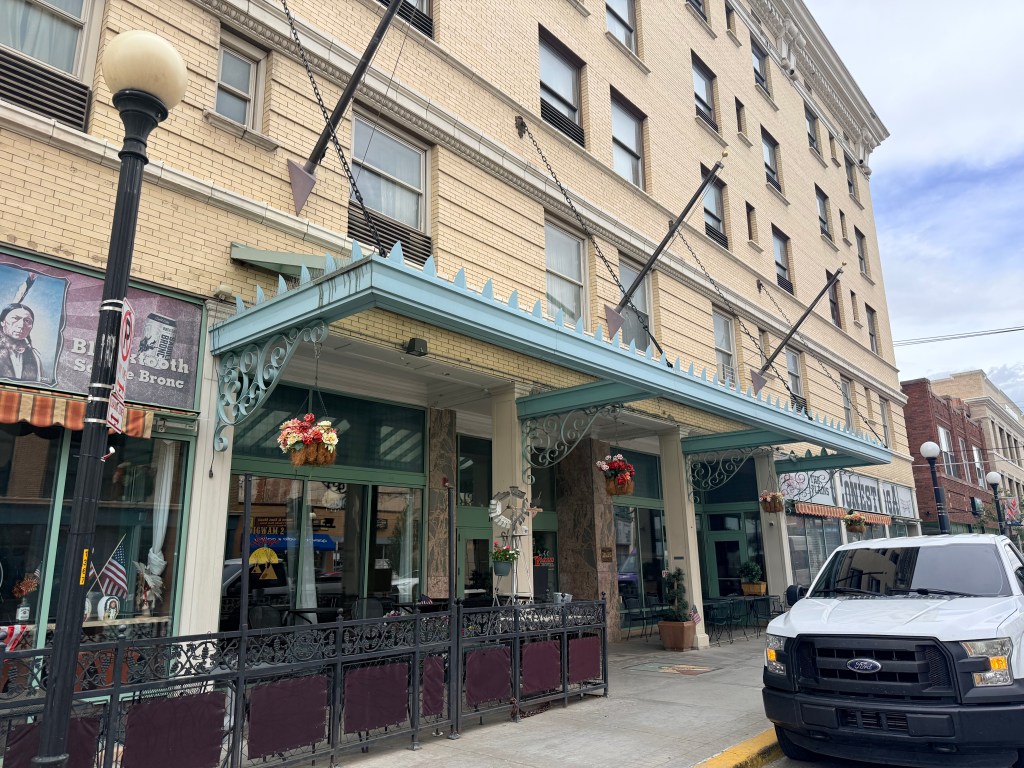
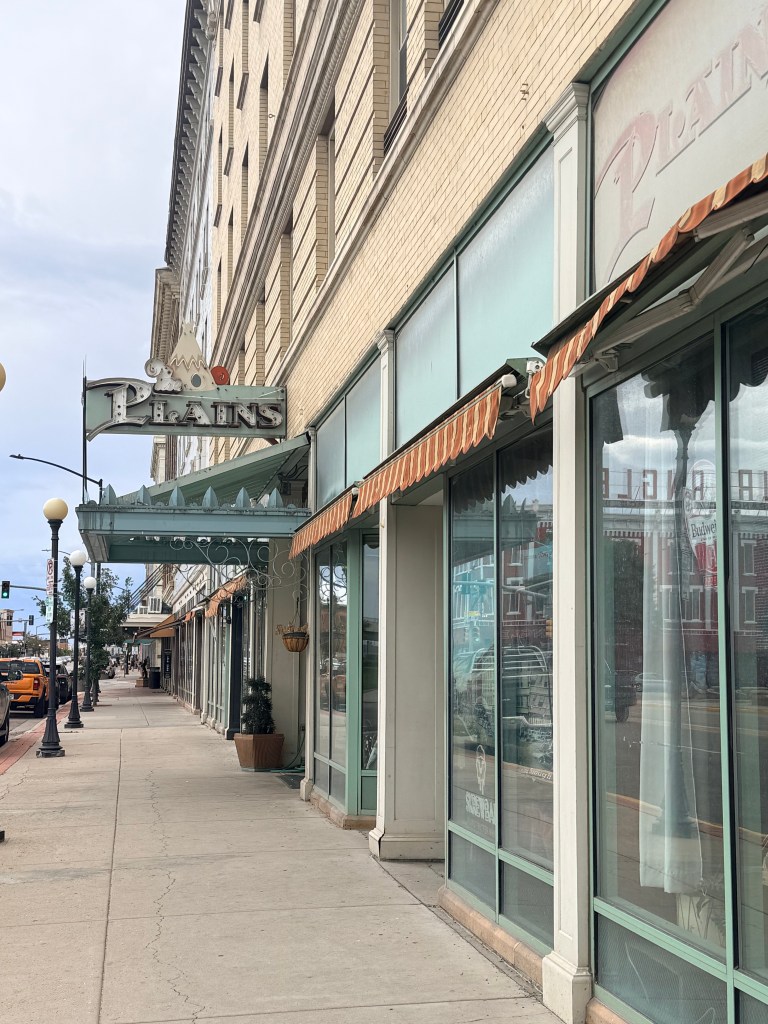
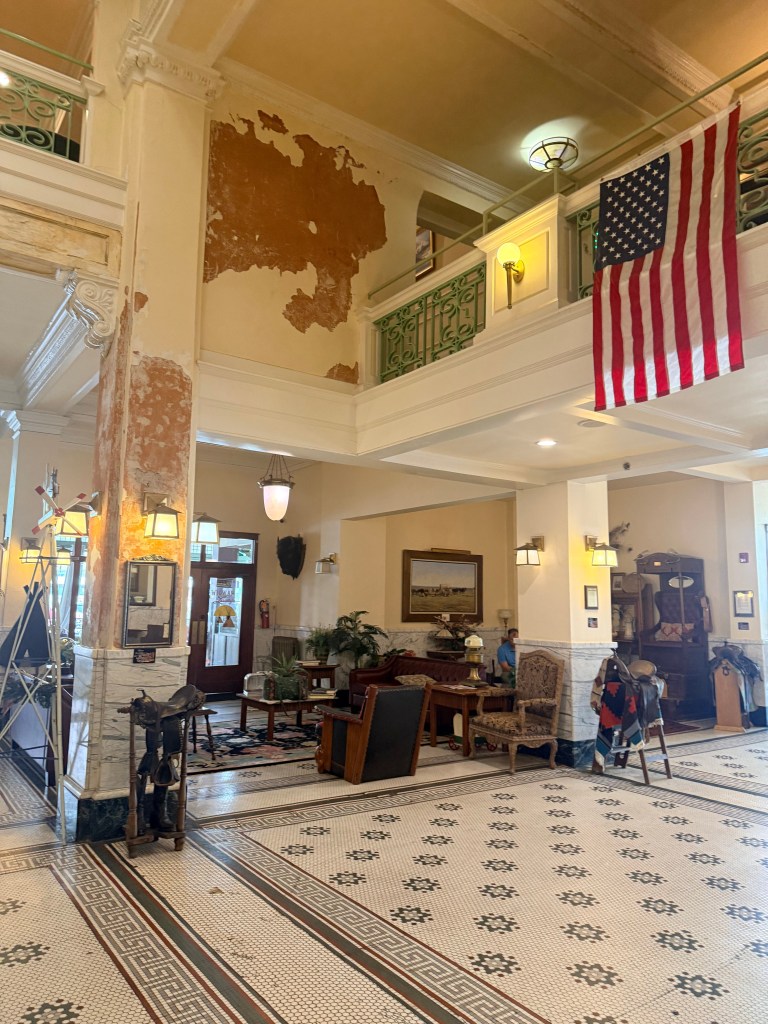
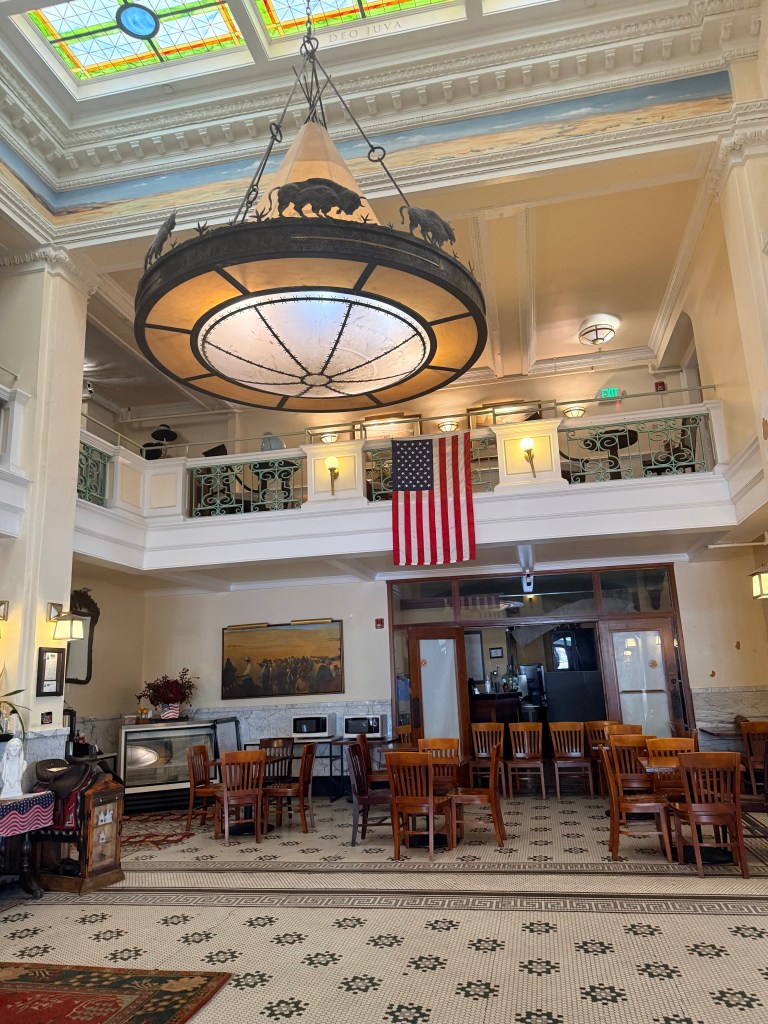
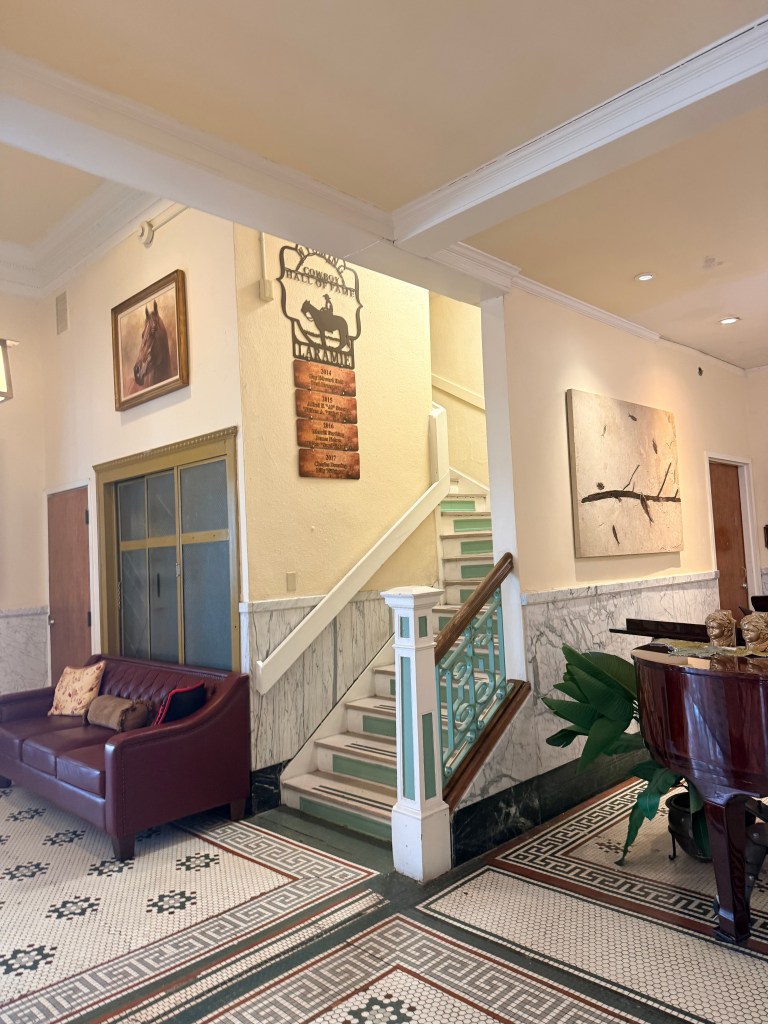
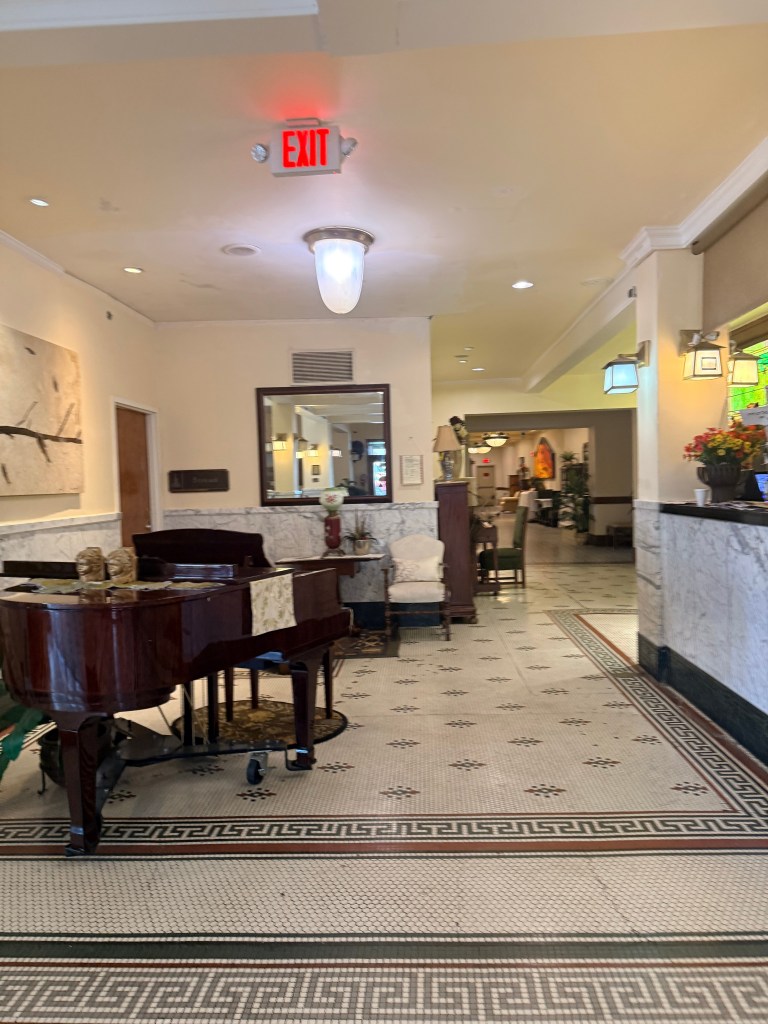
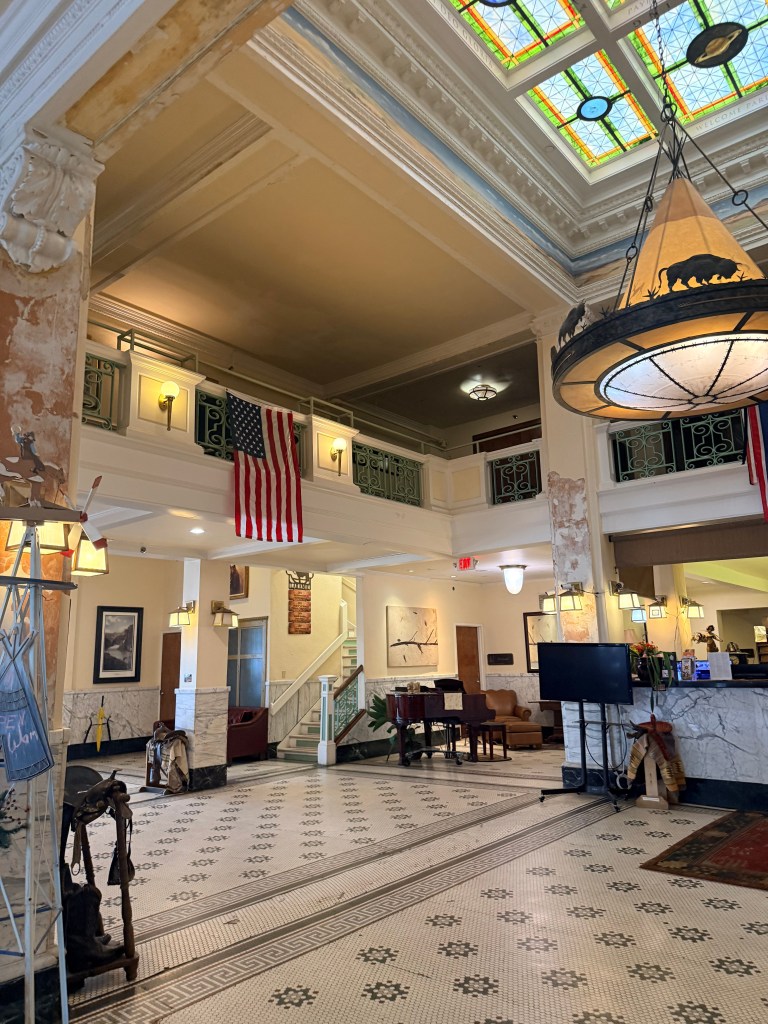
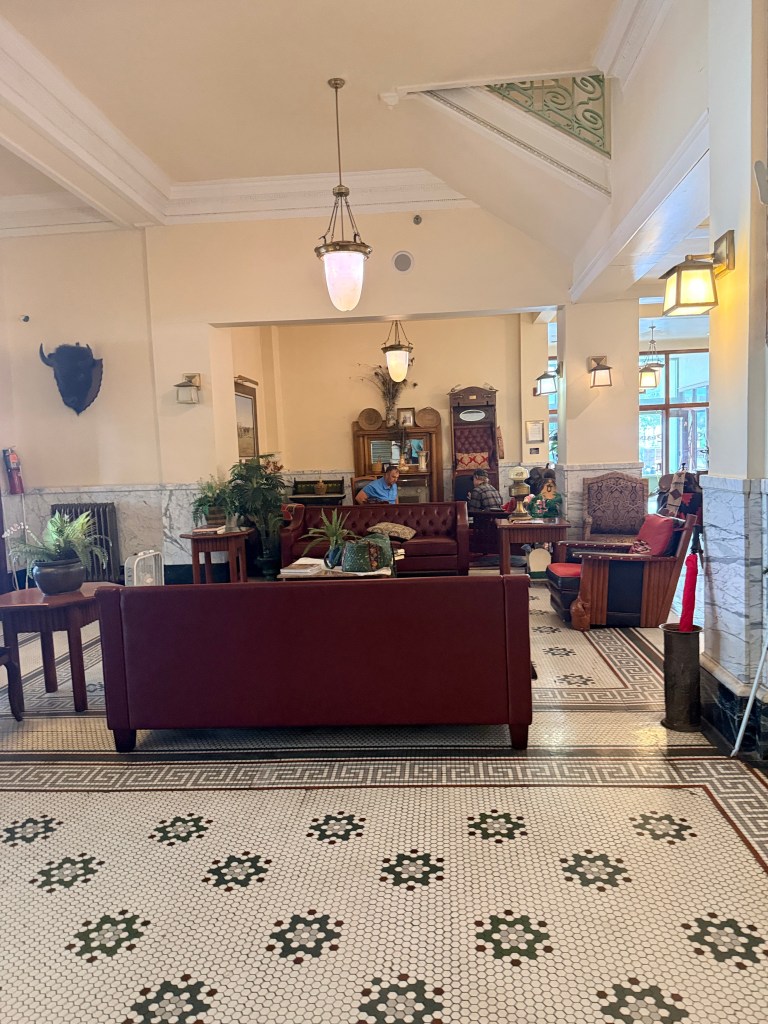
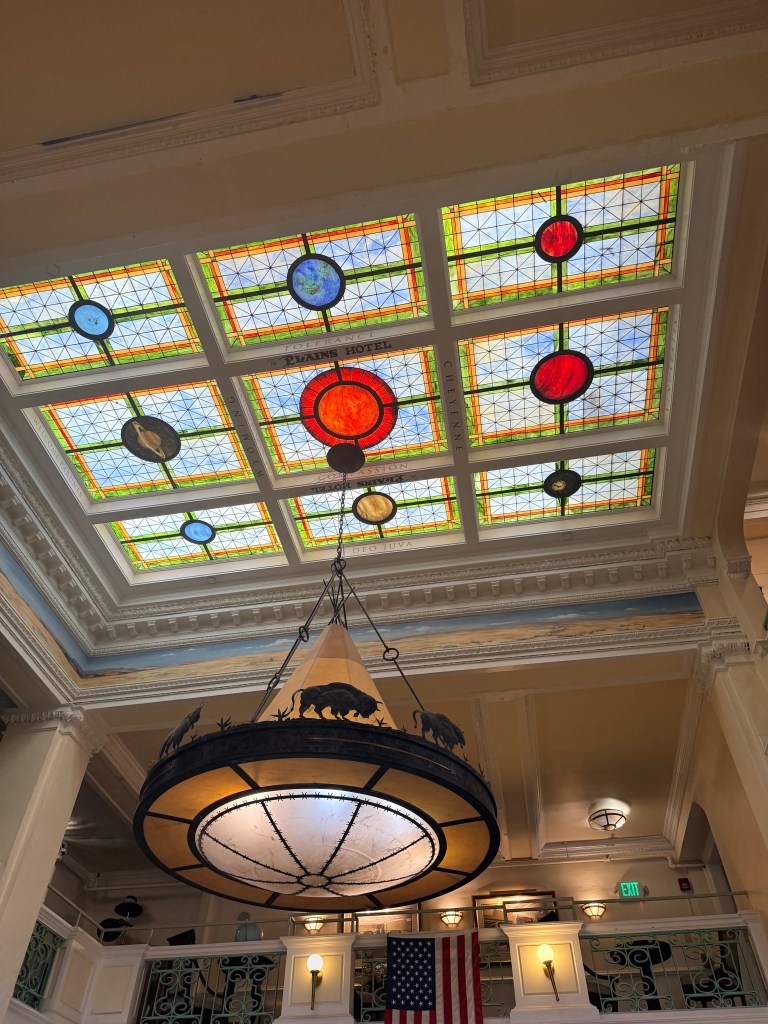
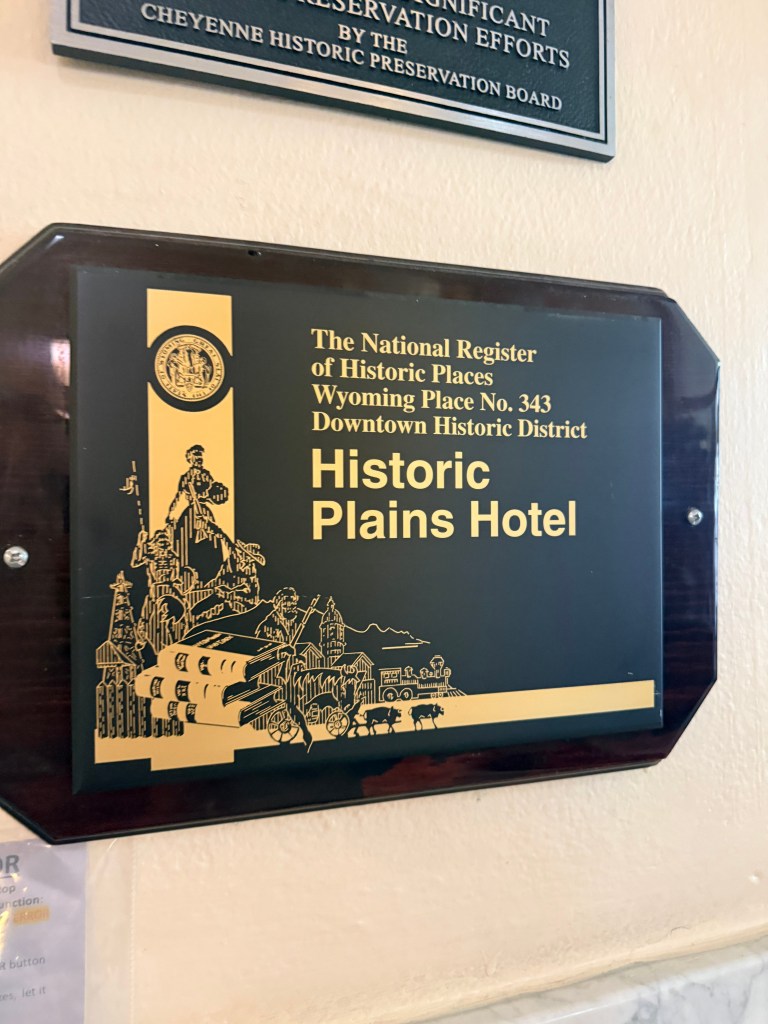
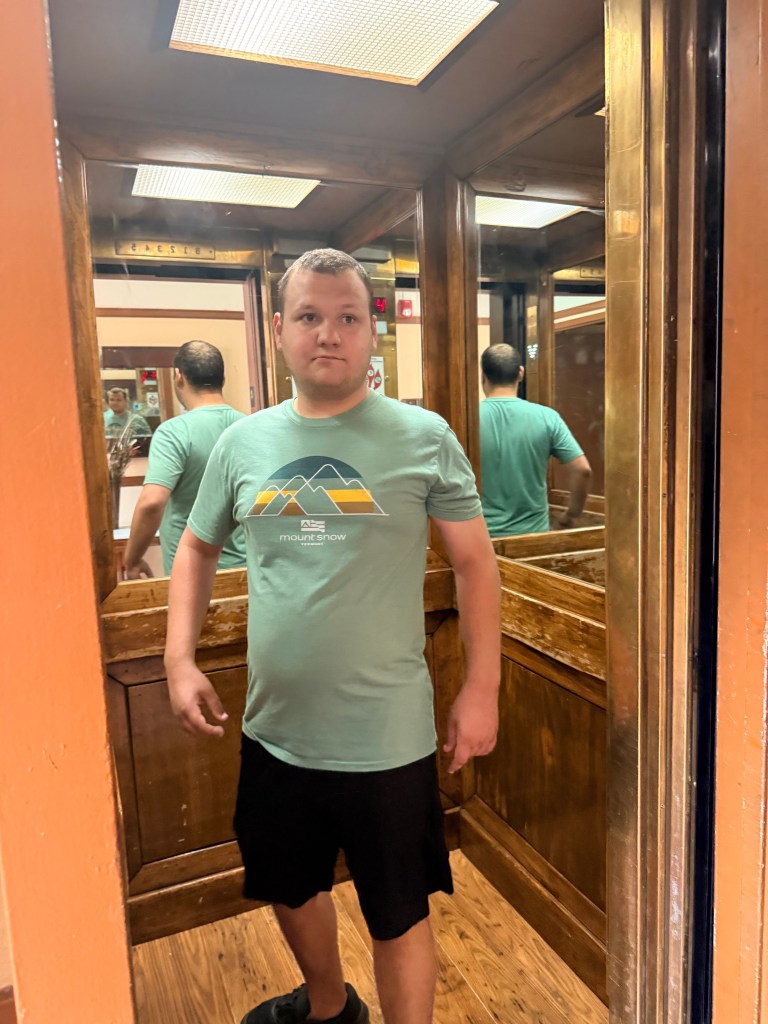
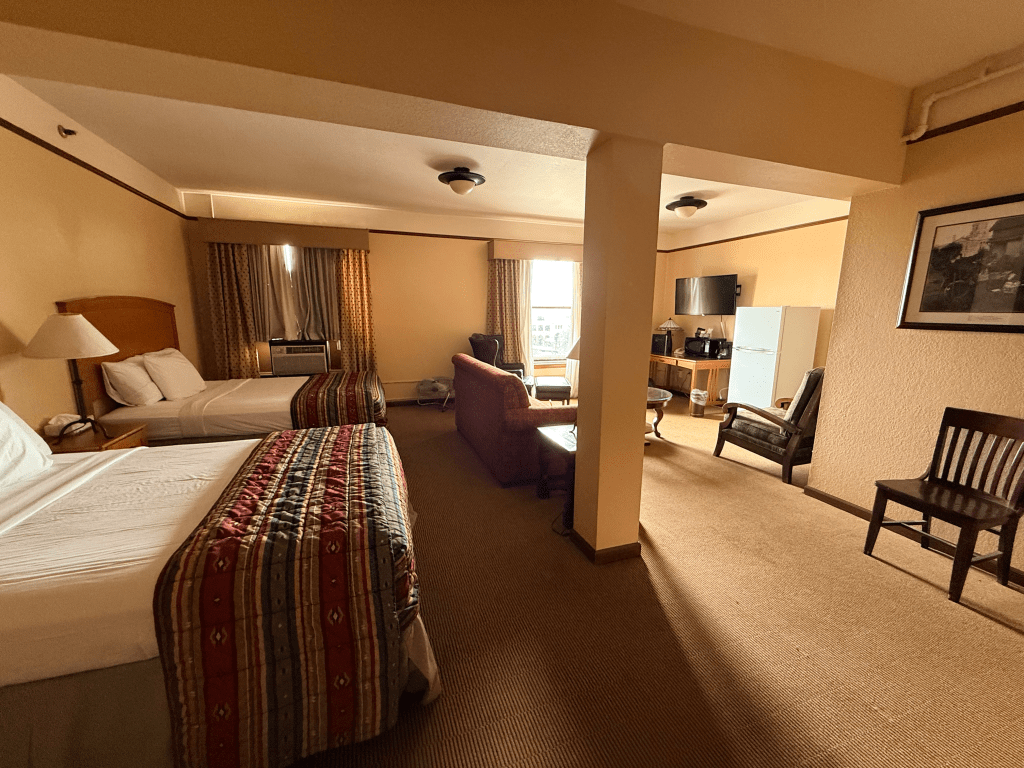
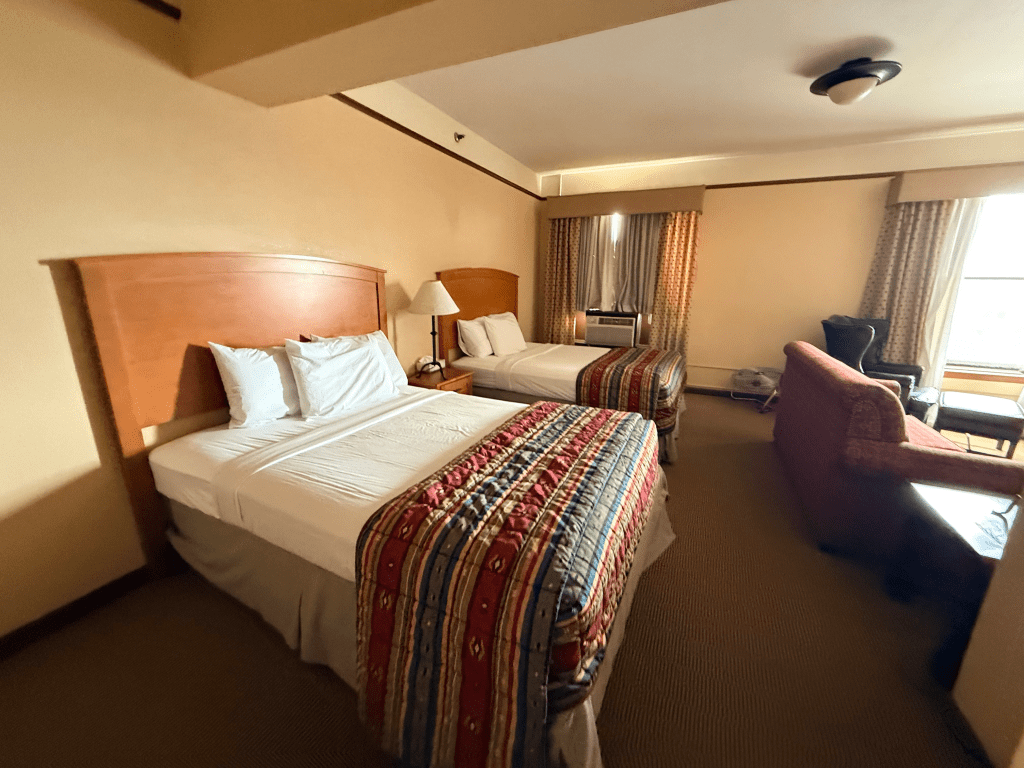
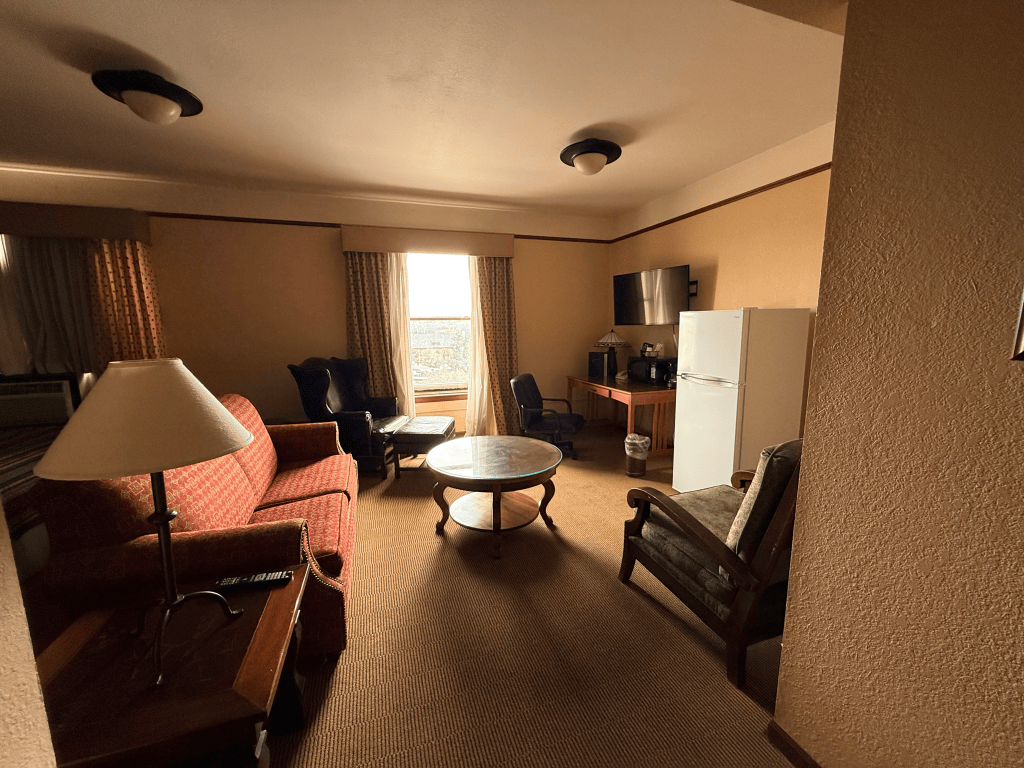
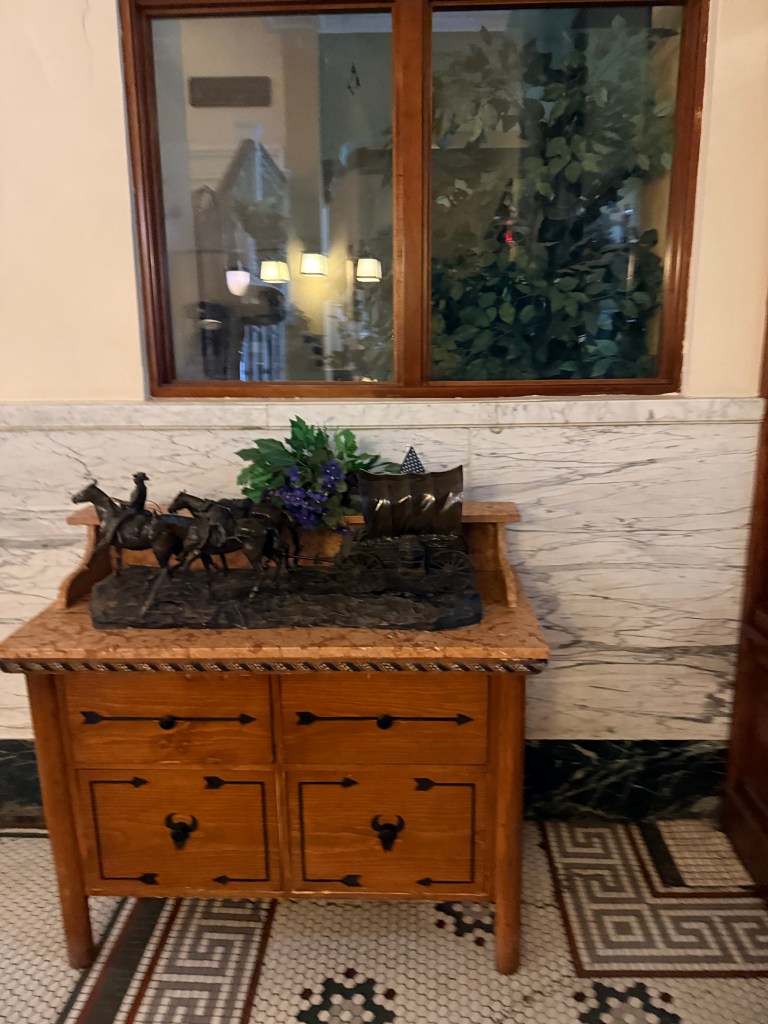
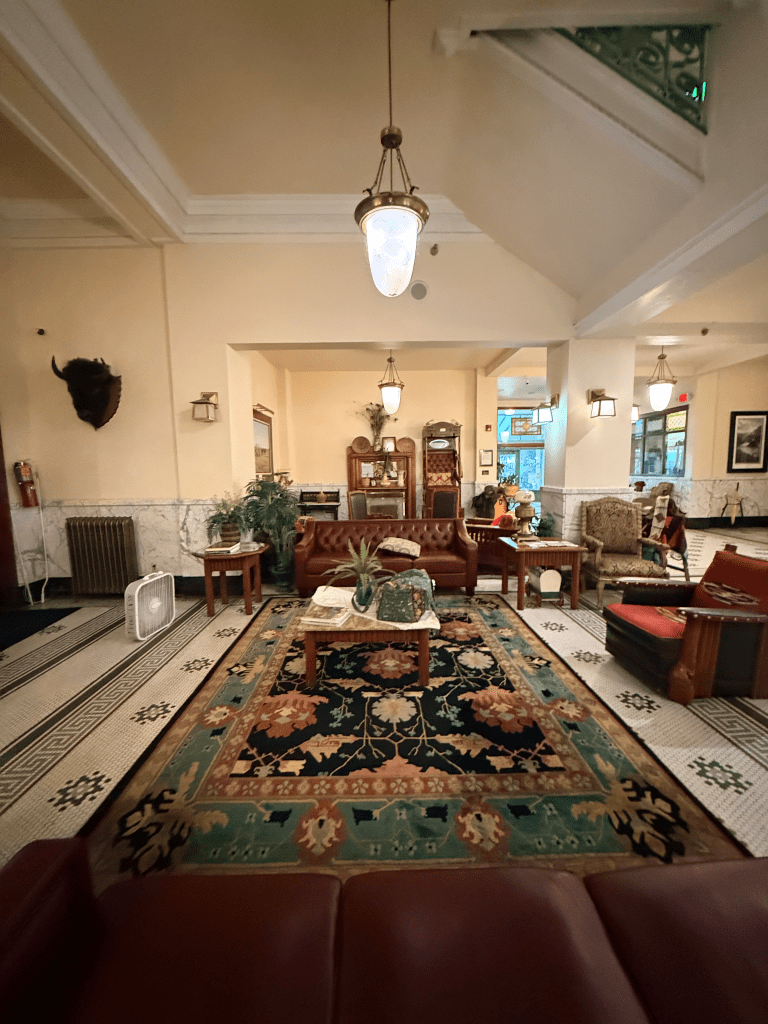
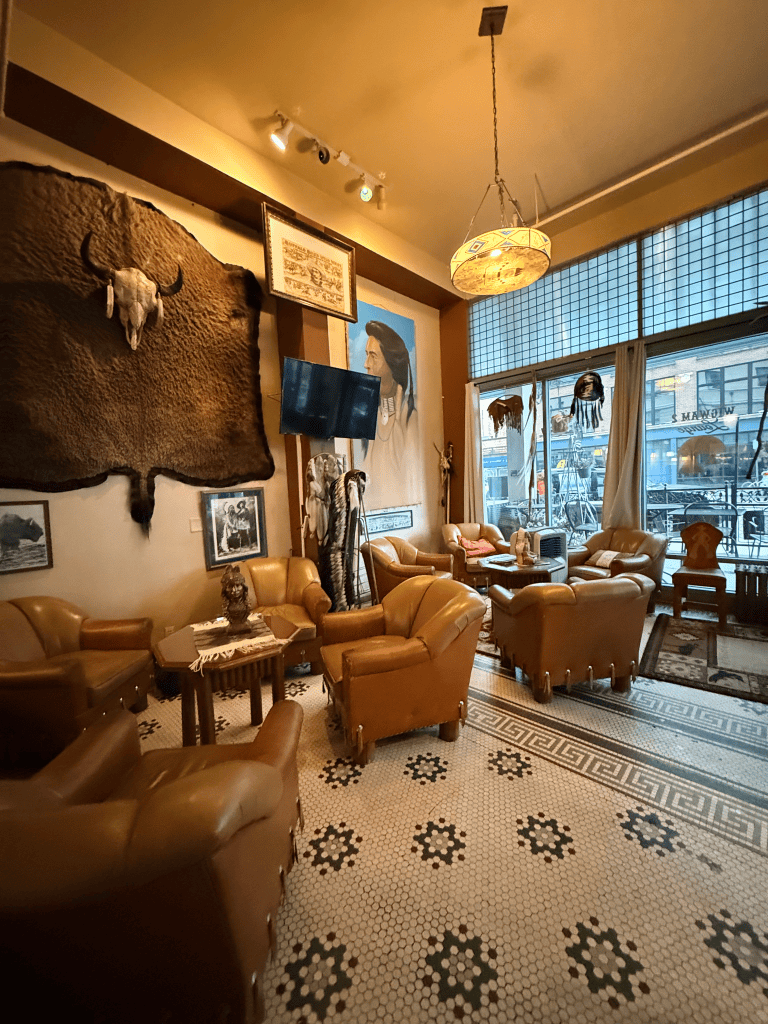
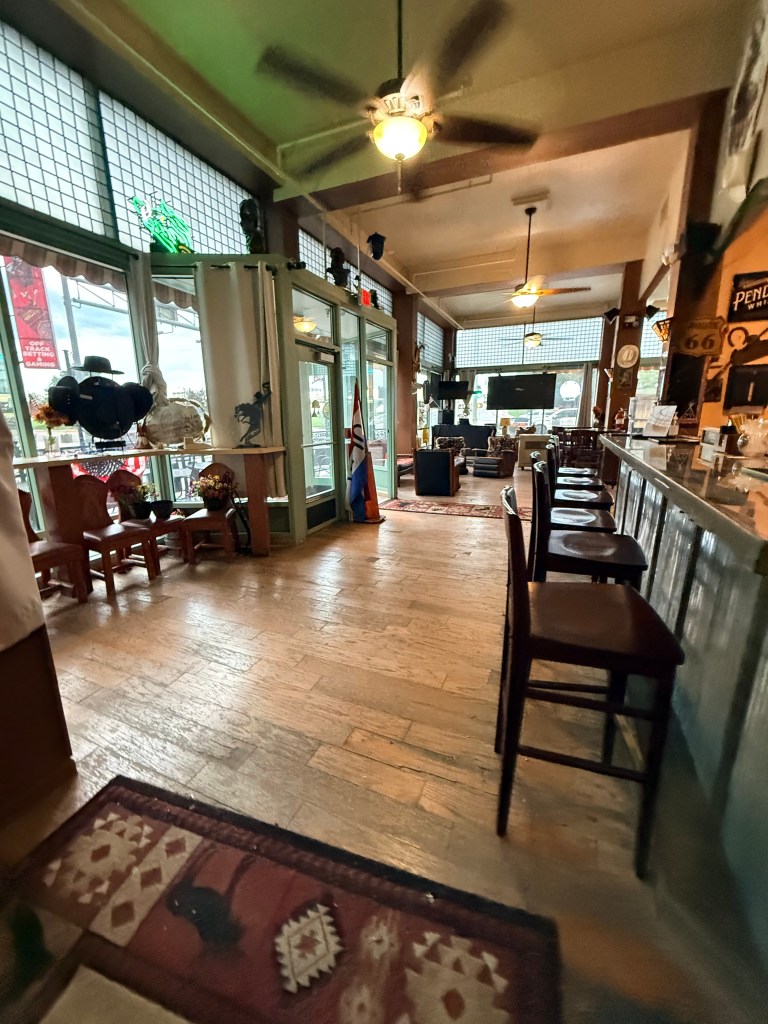
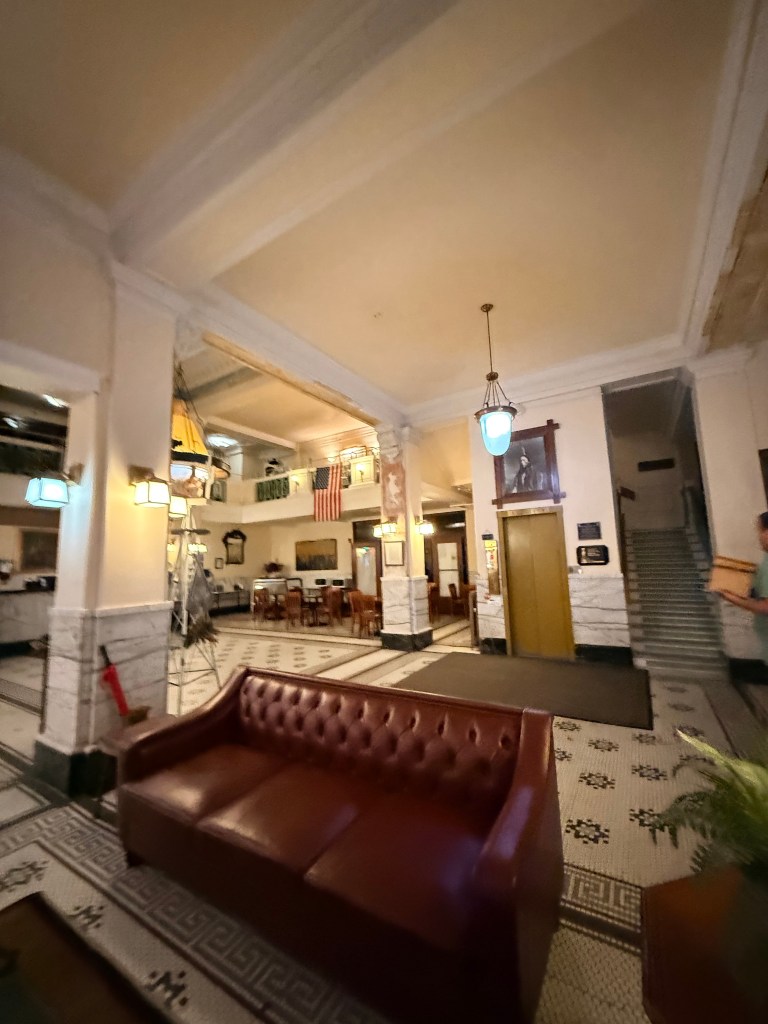
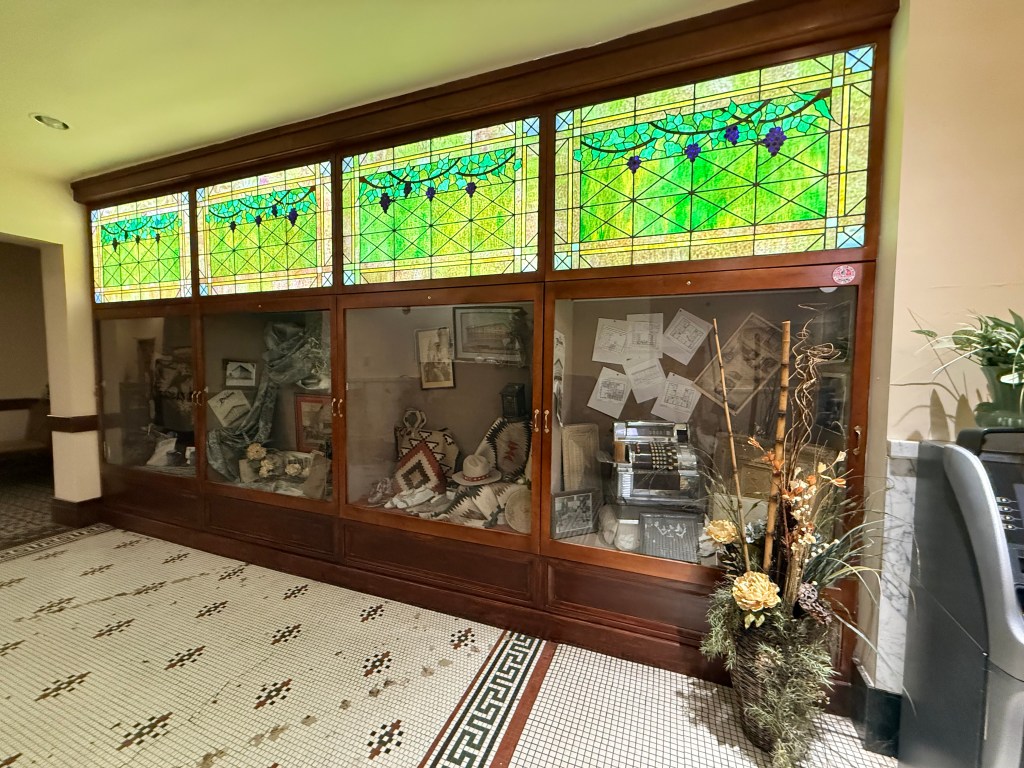
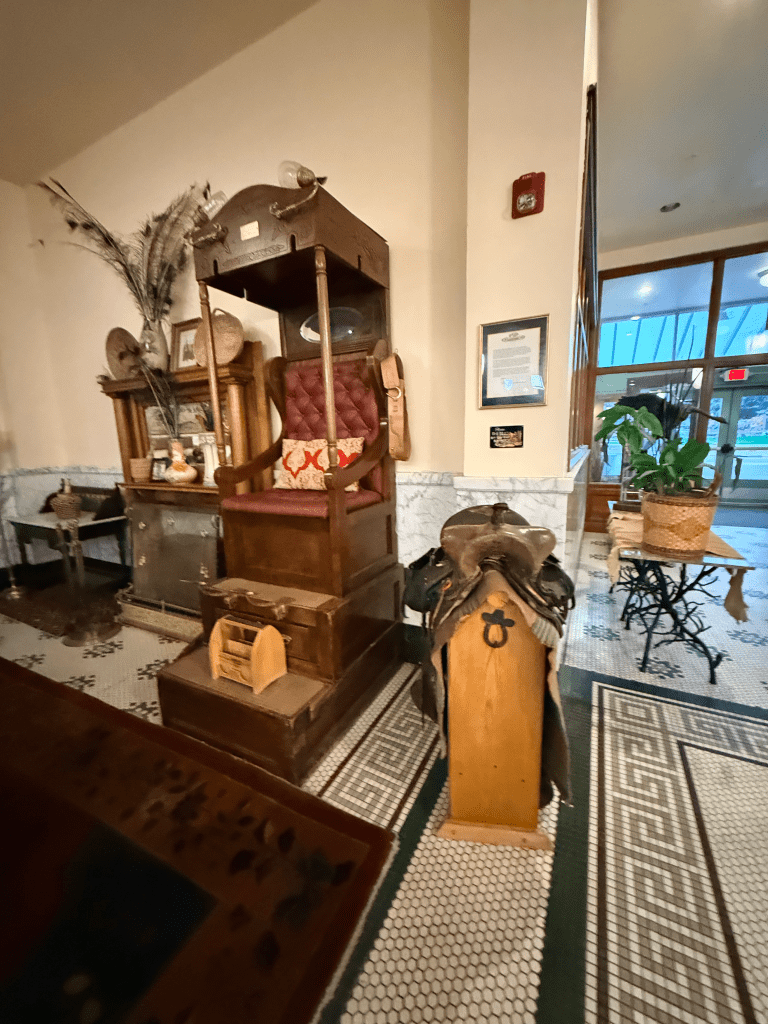
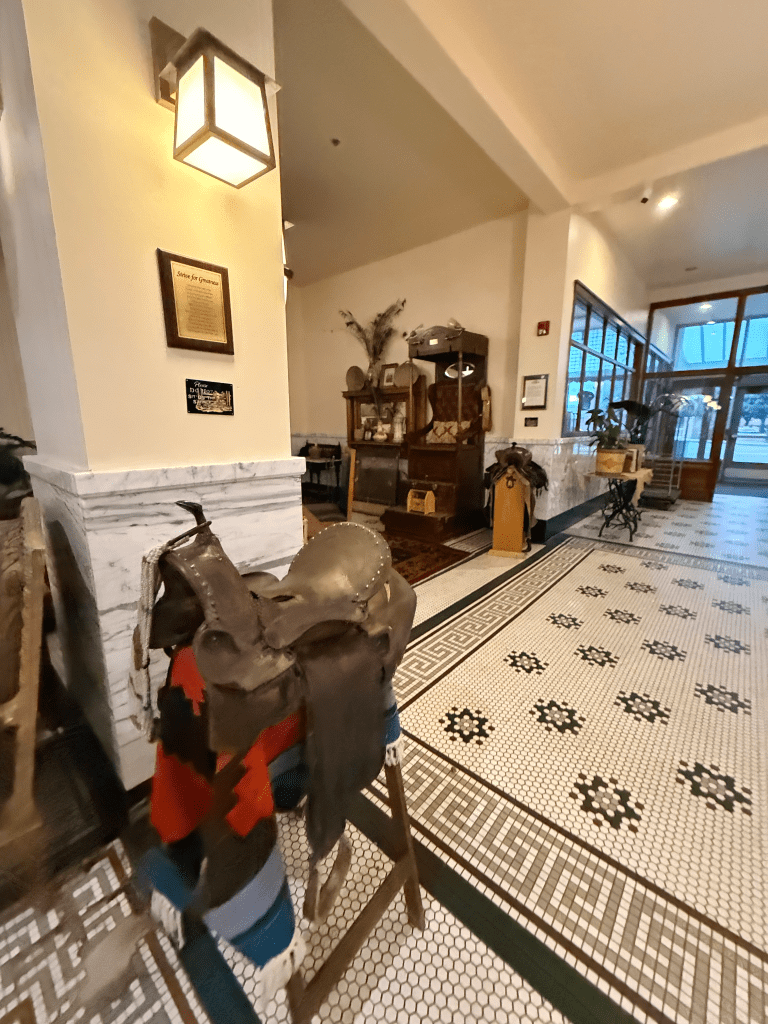
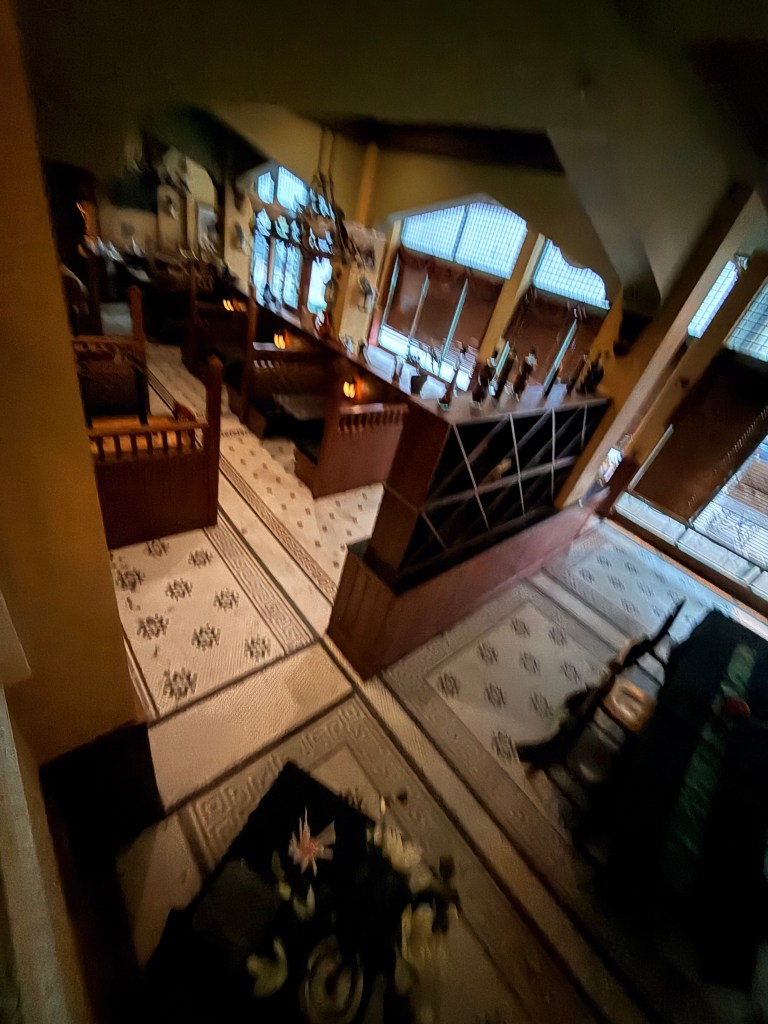
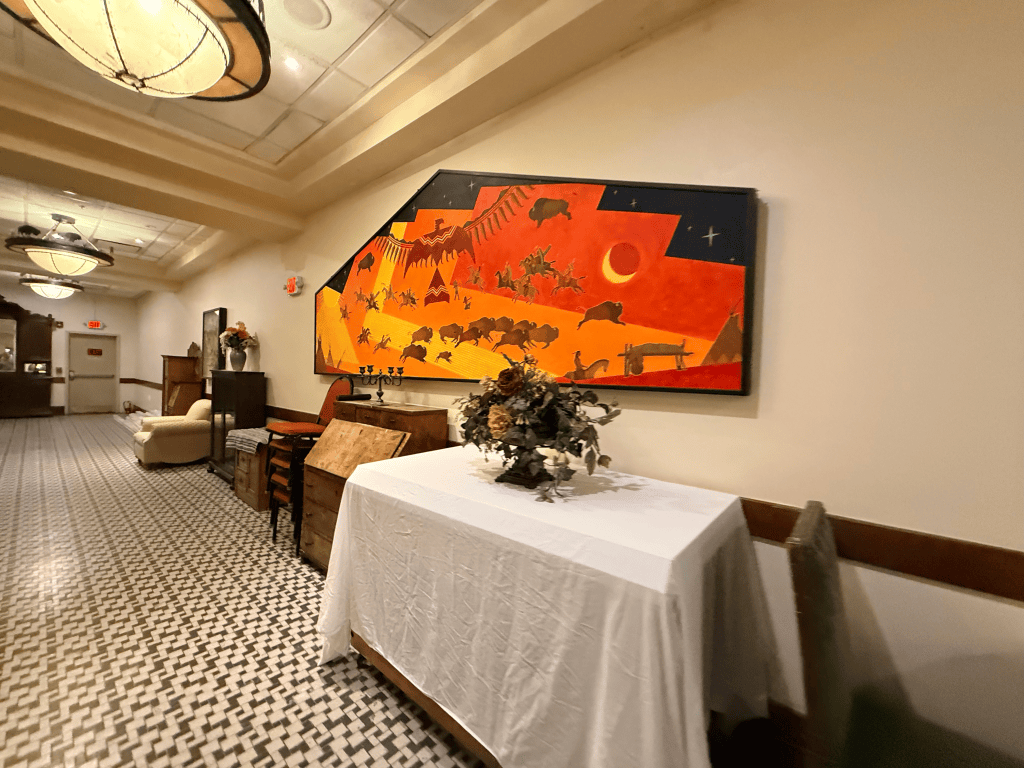
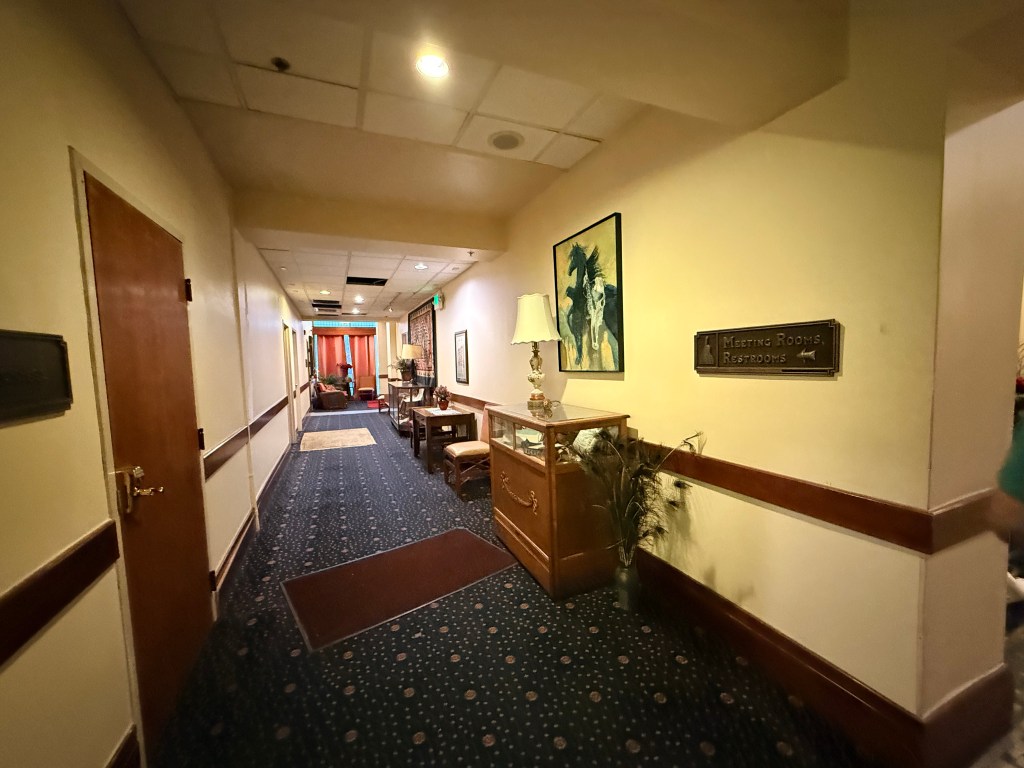
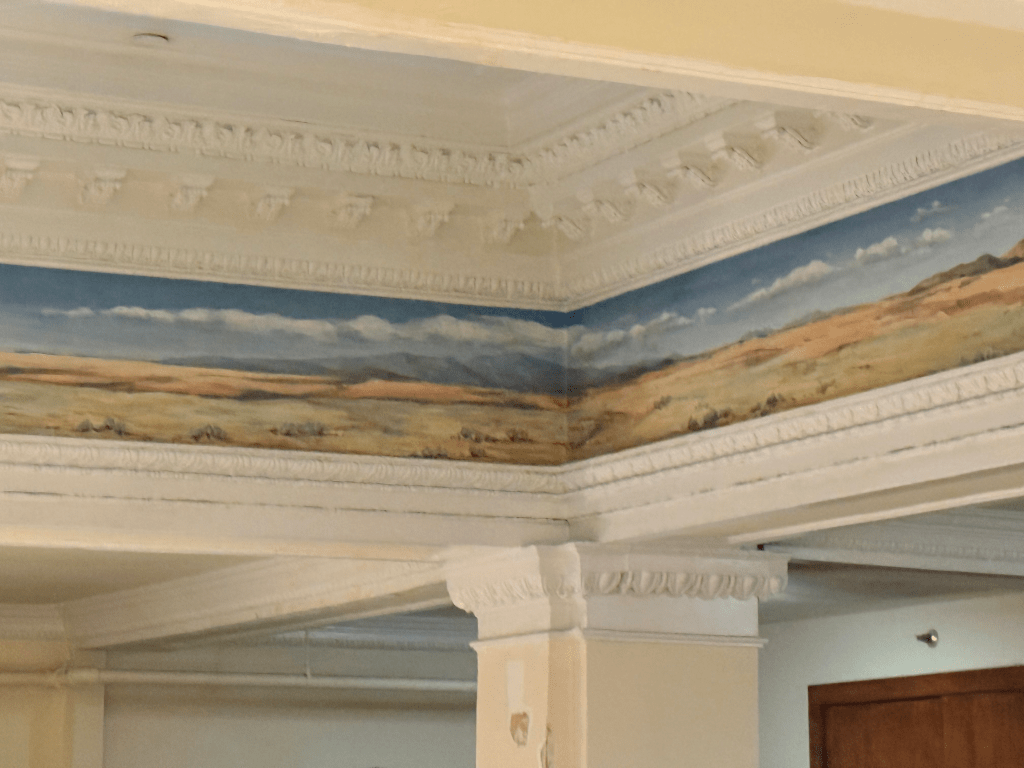
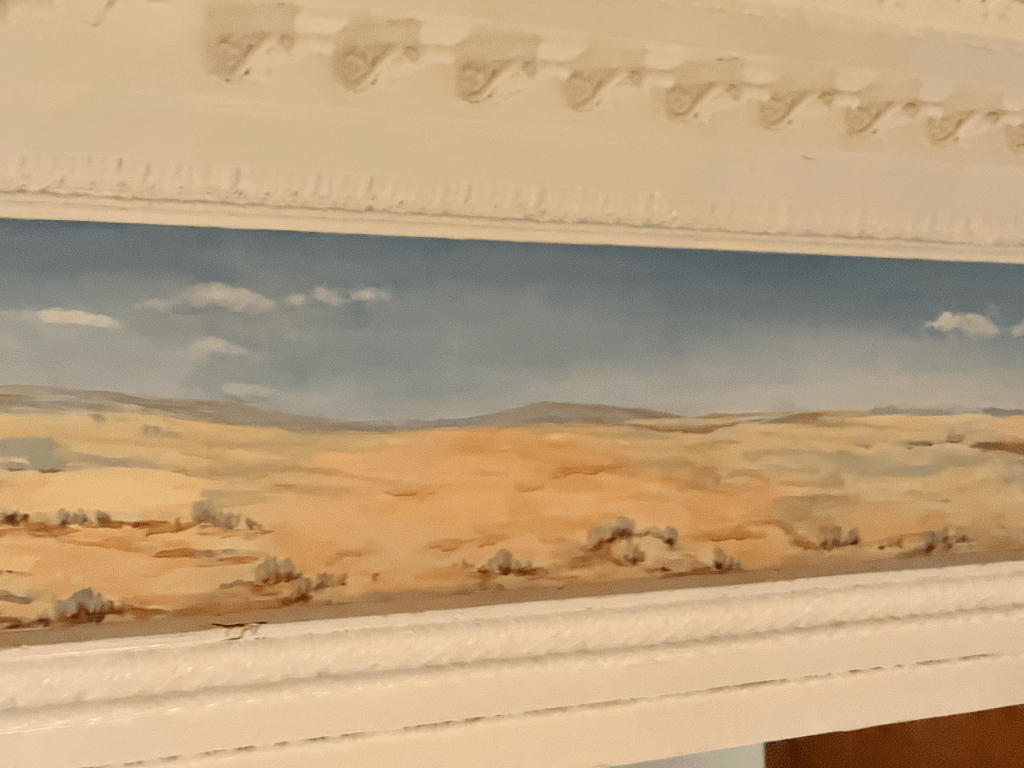
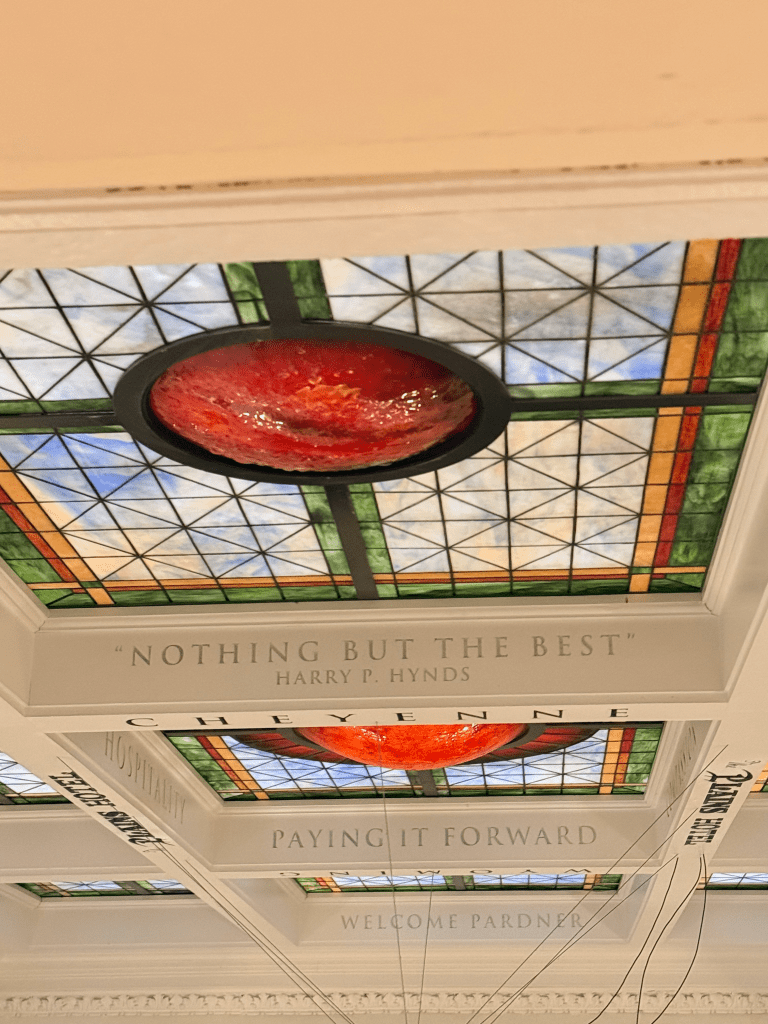
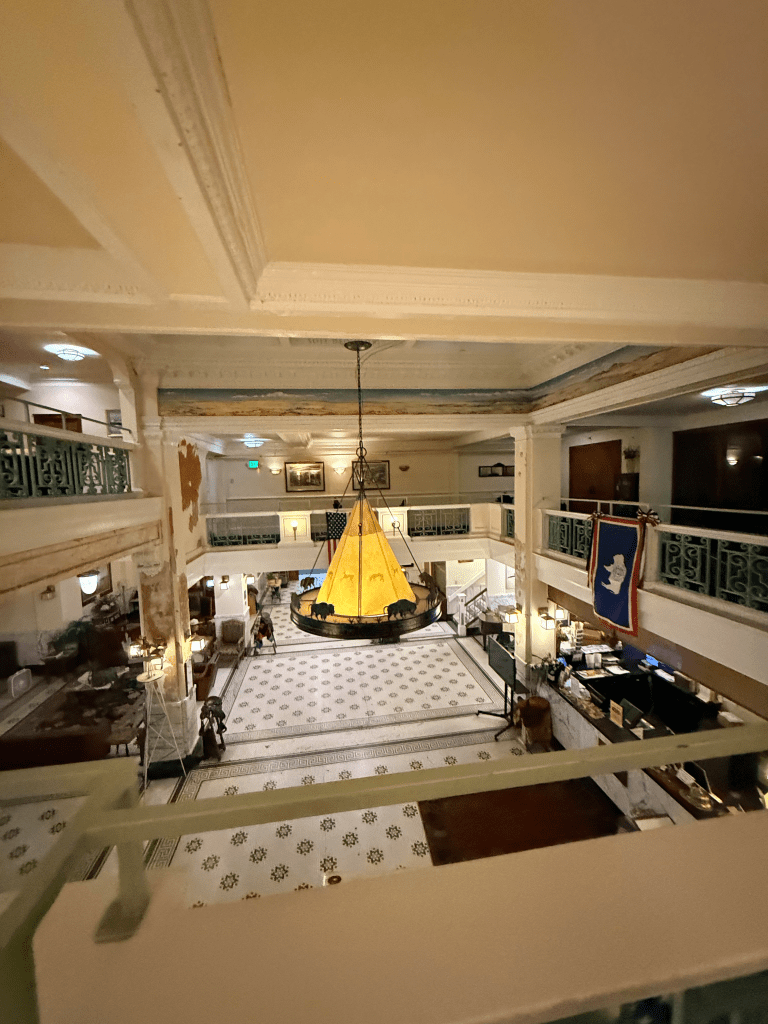
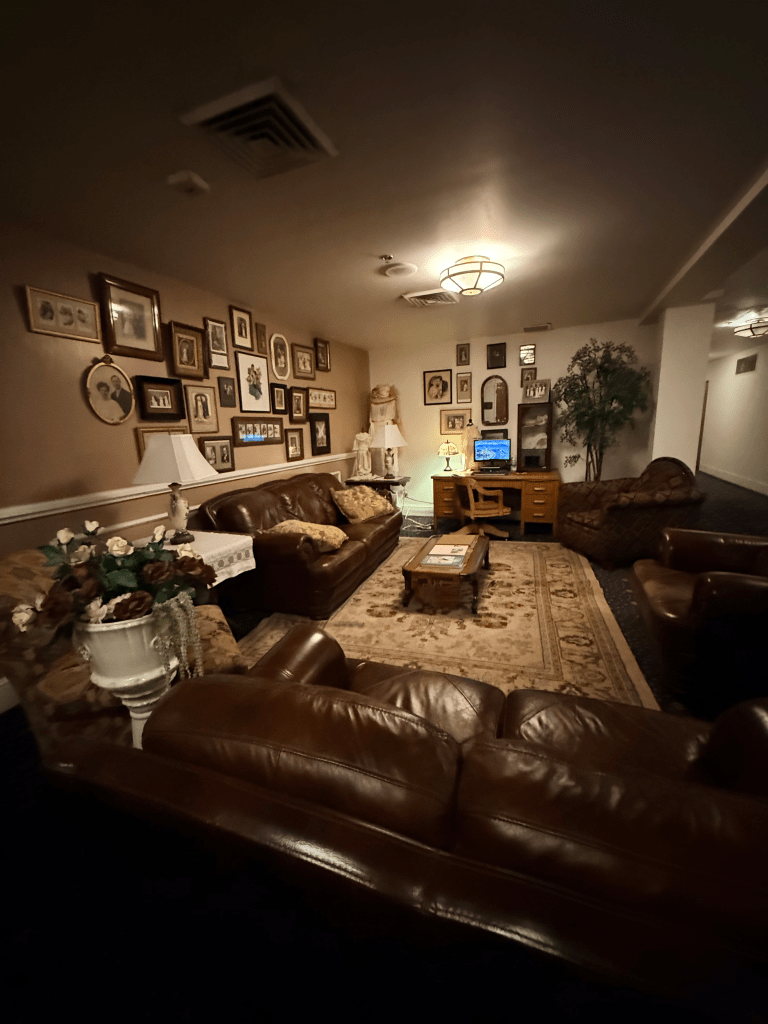
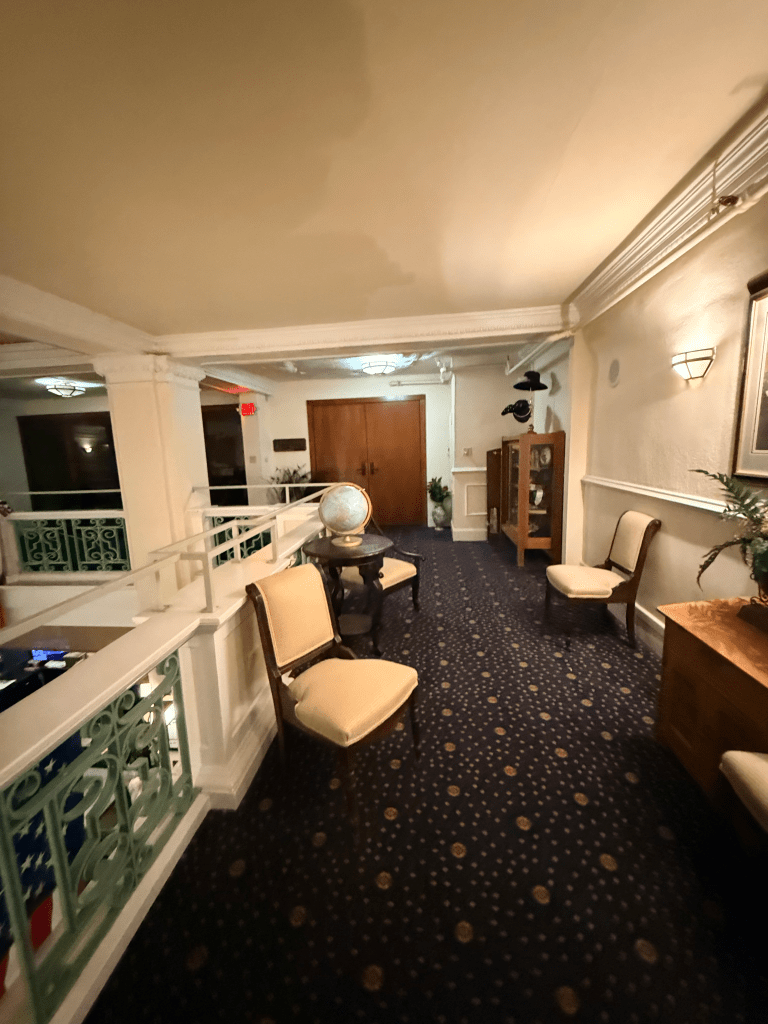
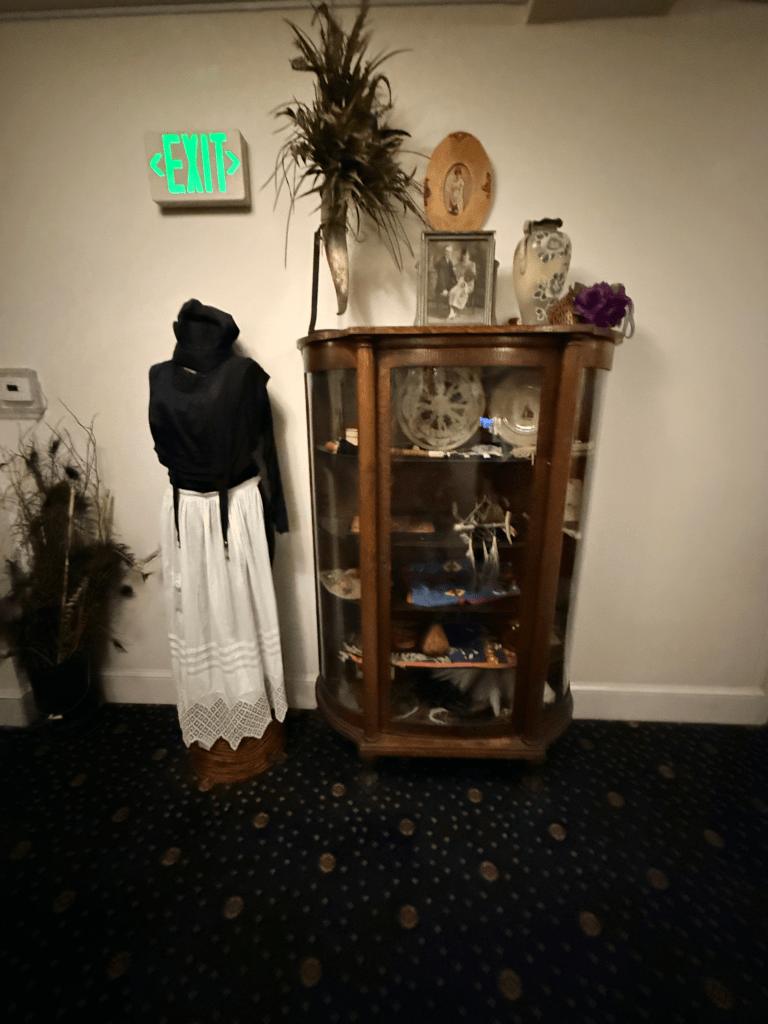
Last night we stayed at The Historic Plains Hotel. In the late 1800s the City of Cheyenne, was called “The Magic City of the Plains,” so it was only appropriate when a luxurious hotel opened in the year 1911, it called itself the “Plains Hotel.” The concept of the elegant hotel was born at the annual $1 dinner of the Industrial Club (now the formally known as the Chamber of Commerce) in December 1909. Remember the walnut bar that Ole won? It was built for here!
It reminded me of the El Reno on Route 66, but smaller. When we arrived, the reservation I made through Booking.com on September 9, 2025 was not in the system… this is why I always travel with hard copies of receipts! It made life much easier. And no worries, in no time, I had a room and off Hunter and I went.
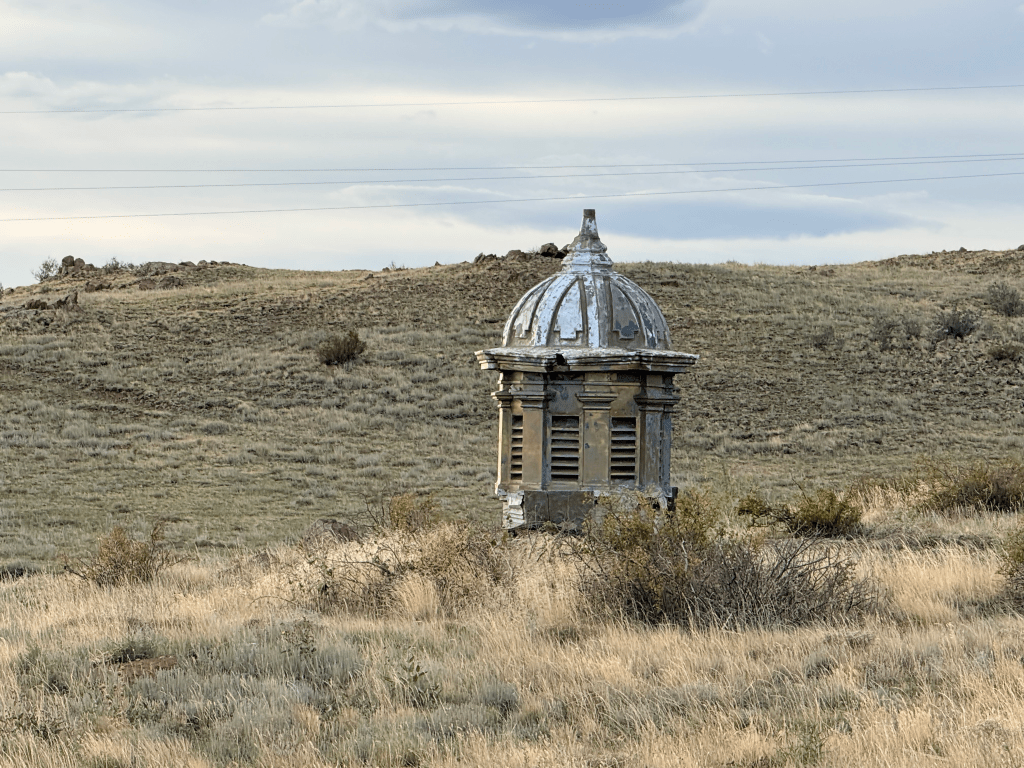
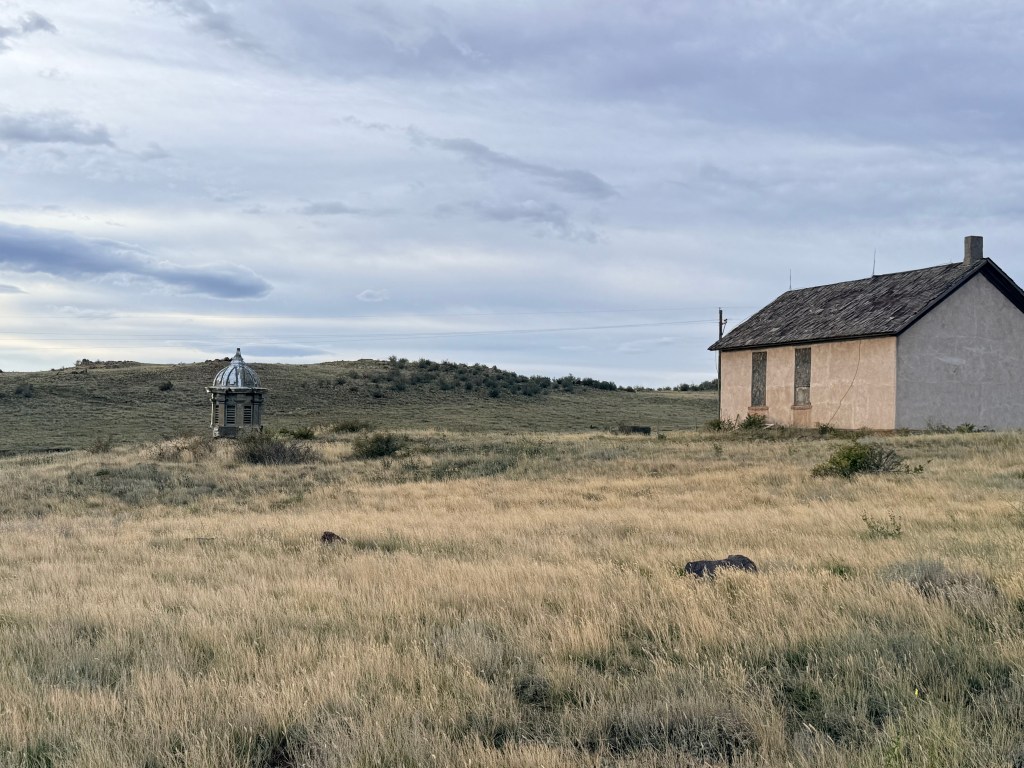
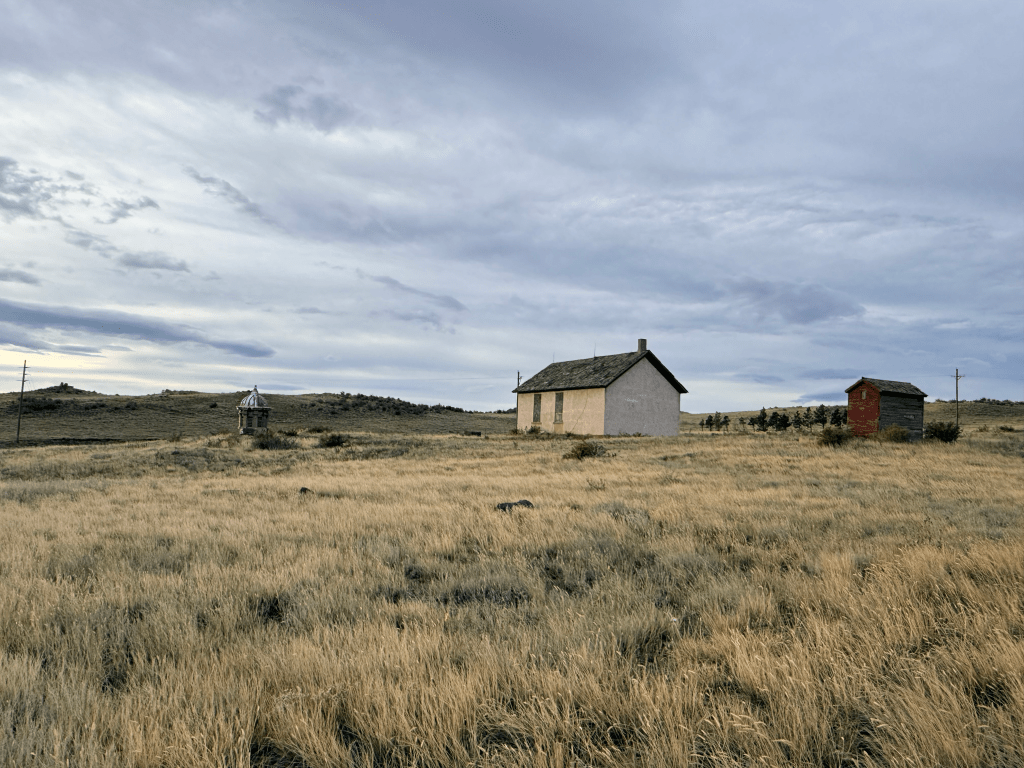
I woke up wildly before the alarm this morning, so Hunter and I got a crazy early start at sunrise which was great cause this morning was busy with lots of iconic stops… the first being the Wyoming Capitol Building’s original dome known as The Dome on the Range. When the Capitol went through its big restoration, the old copper dome had to come off. It wasn’t in good enough shape to go back on the building, but it was too historic to toss, so the state kept it and set it out on the prairie as a standalone piece of history. They turned it into an art installation, placing it on a raised platform with interpretive panels so people can walk right up to it and see the original dome exactly as it looked after more than a century of Wyoming weather.
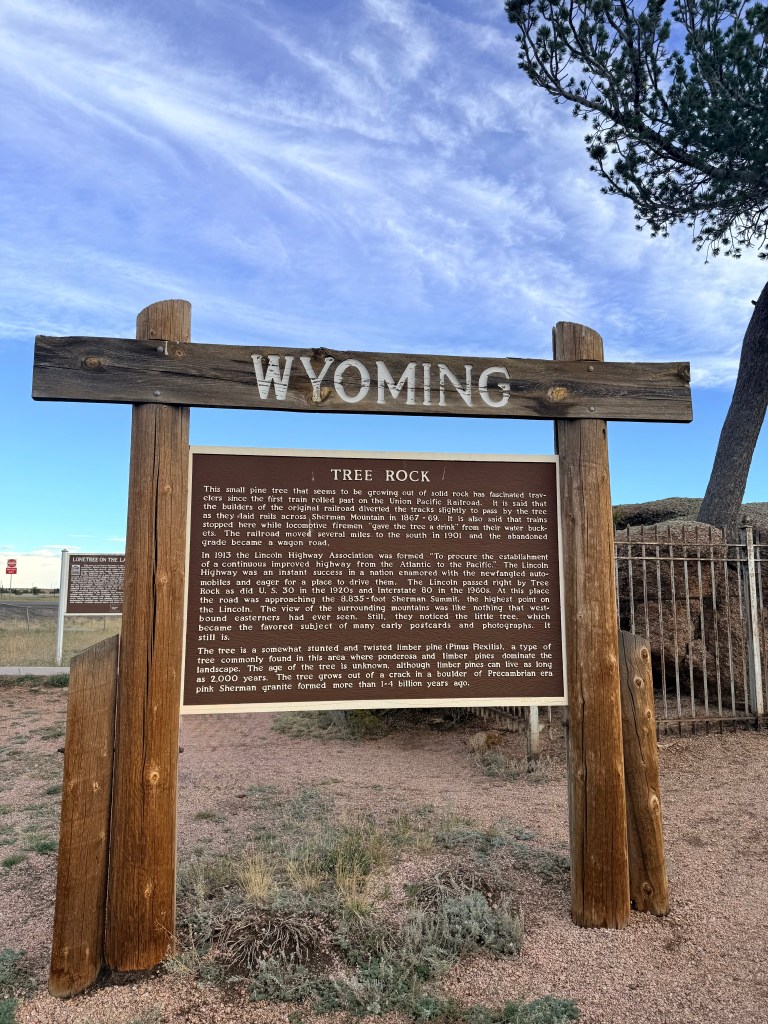
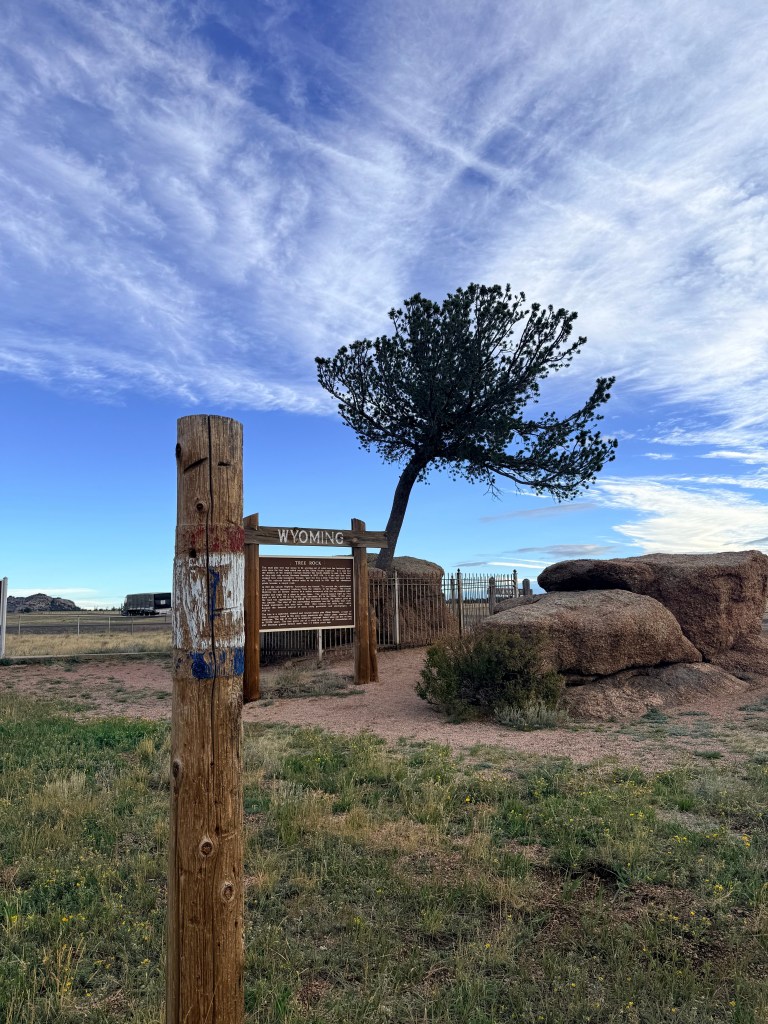
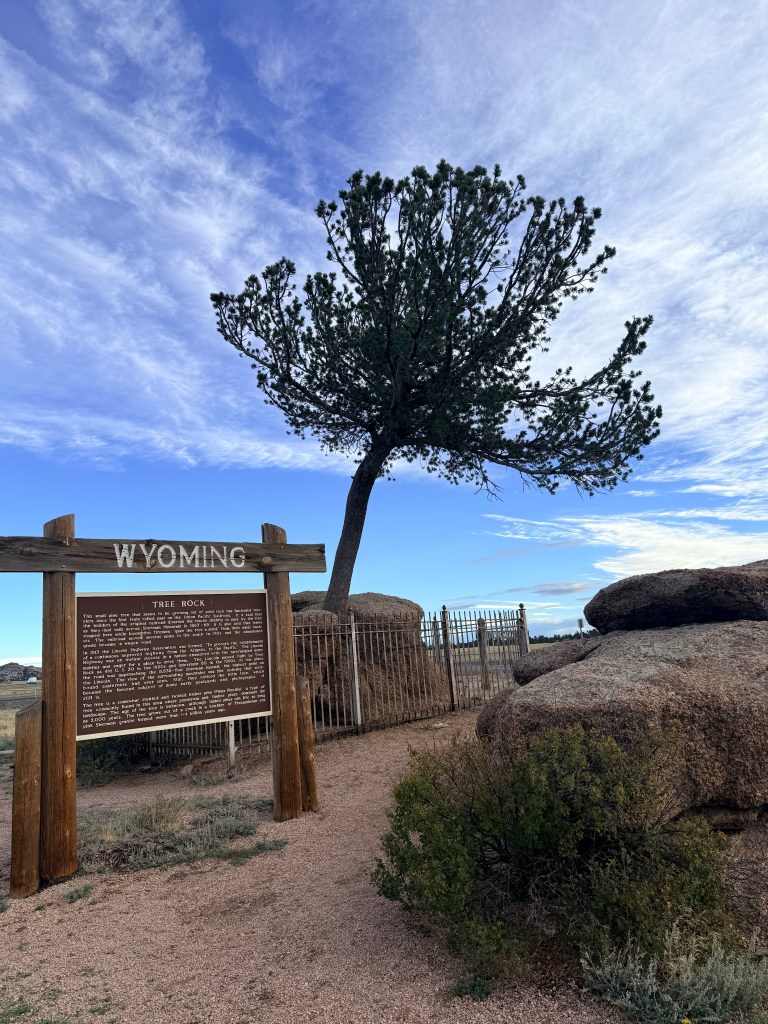
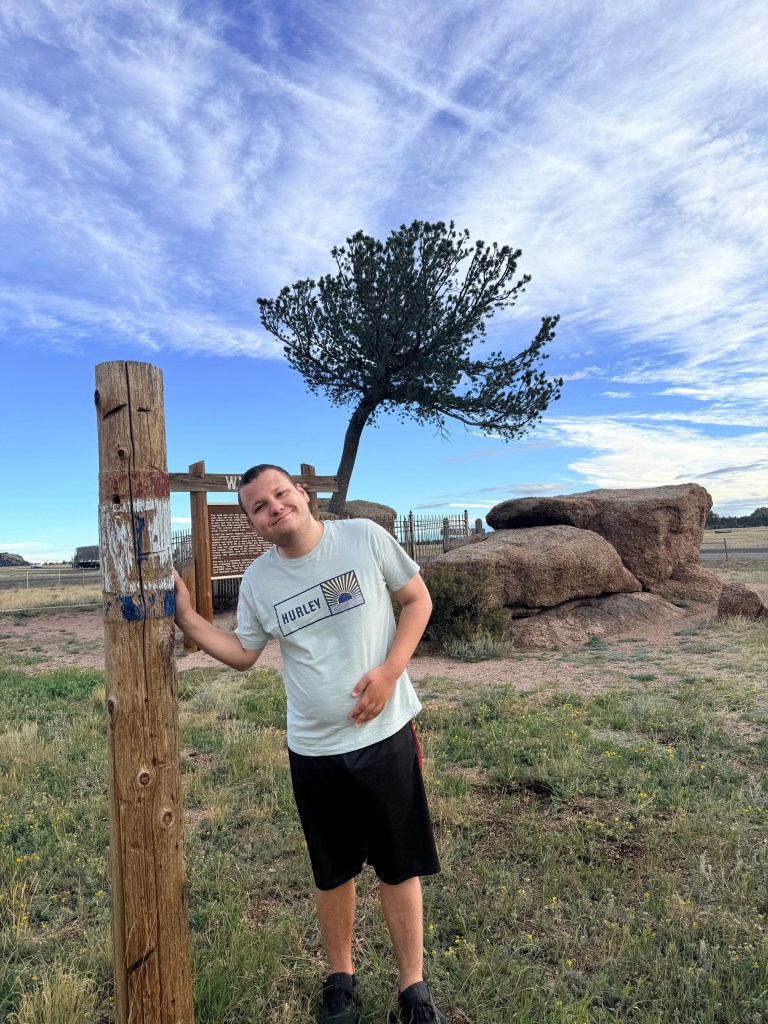
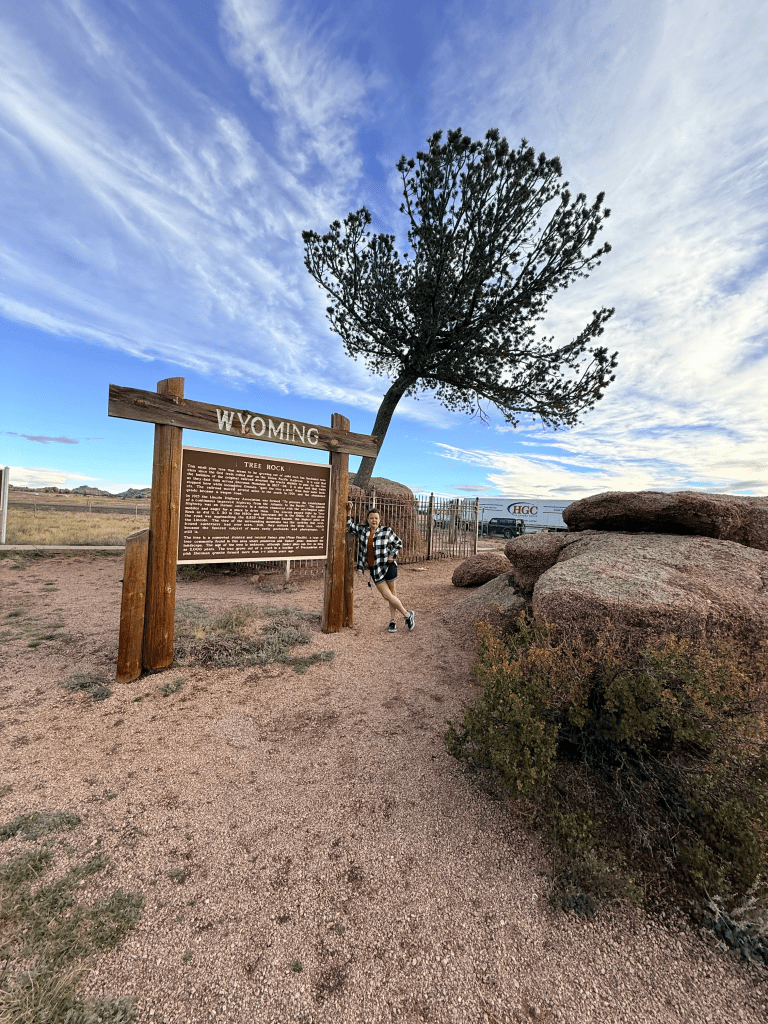
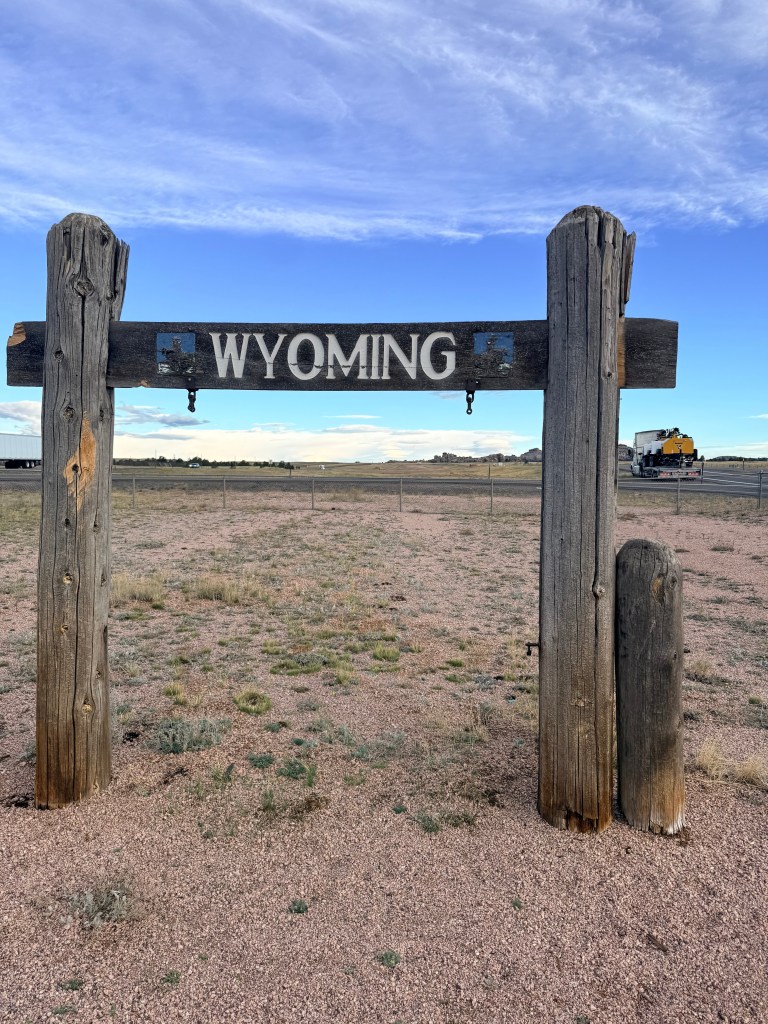
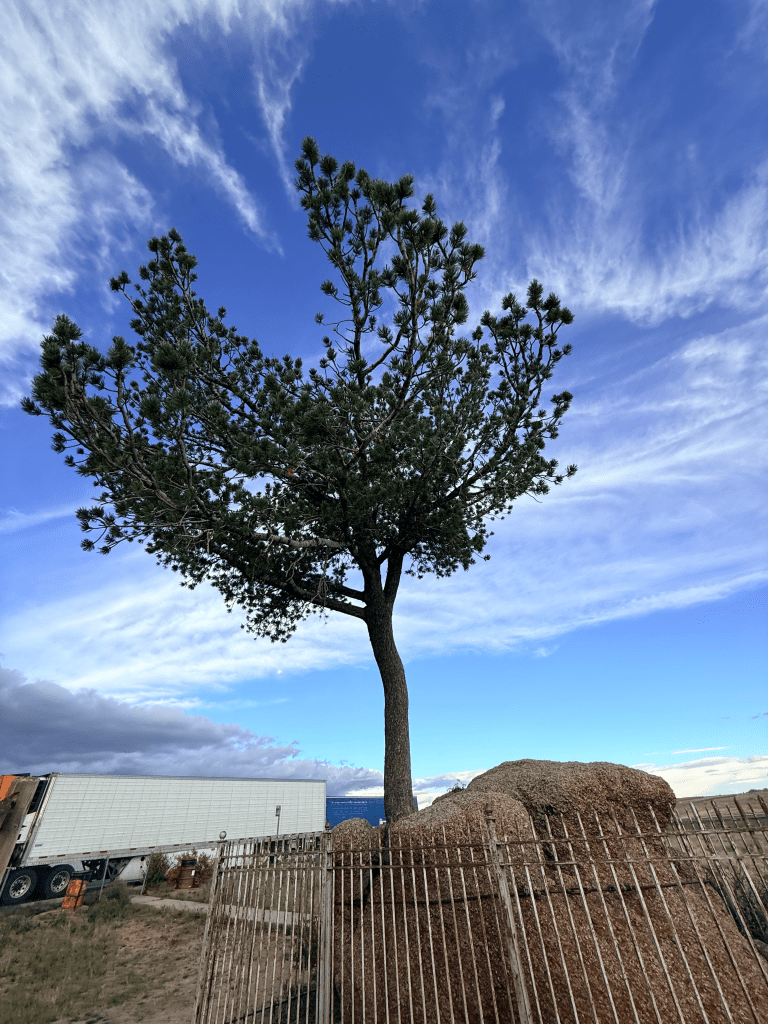
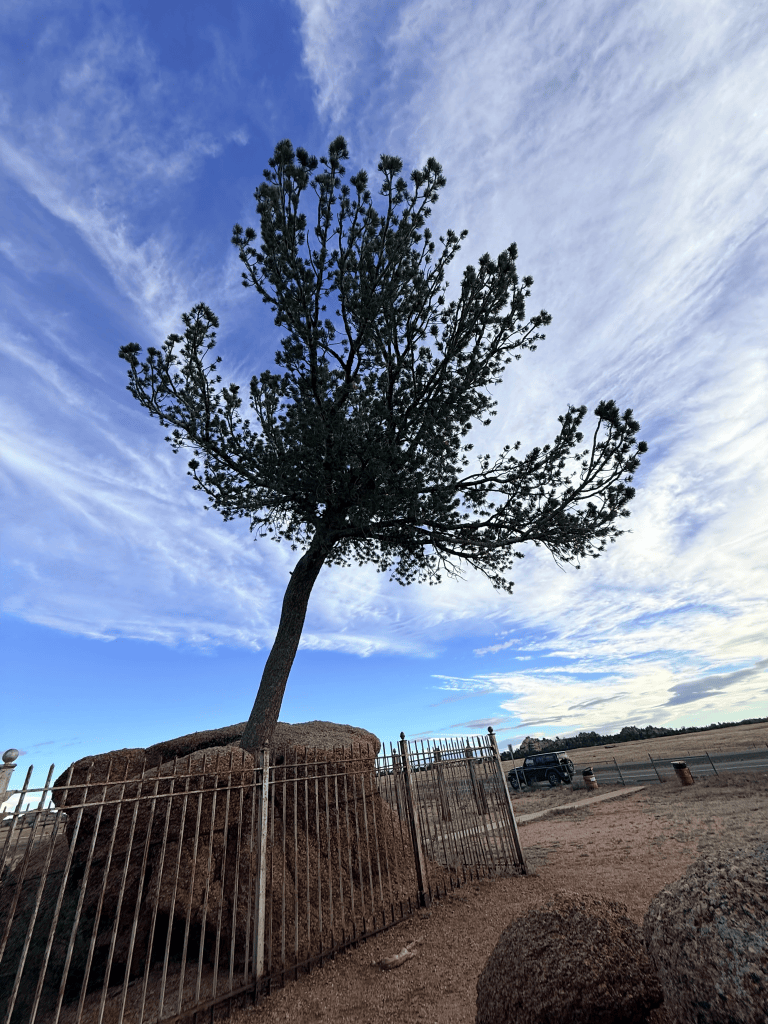
Next was The Tree in the Rock, which is exactly what it sounds like… a full‑grown pine tree that somehow rooted itself straight into a granite boulder. Early travelers on the Overland Trail and later the Lincoln Highway used it as a landmark because it made no sense then and still doesn’t now. The railroad even built a fence around it so trains wouldn’t hit it.
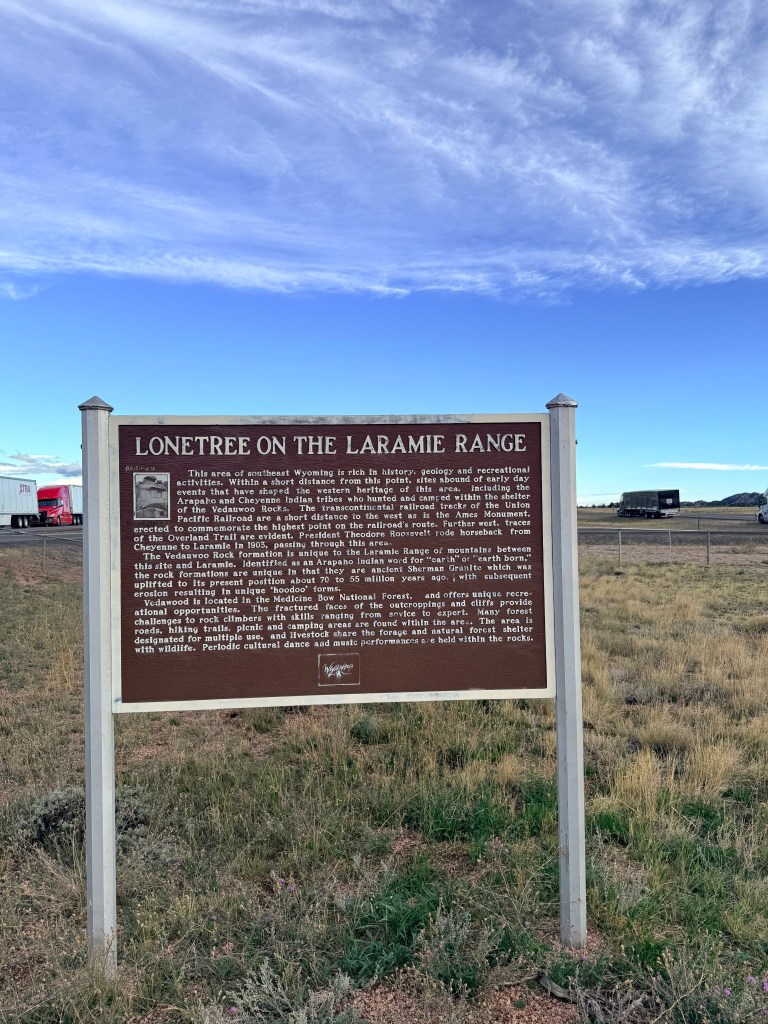
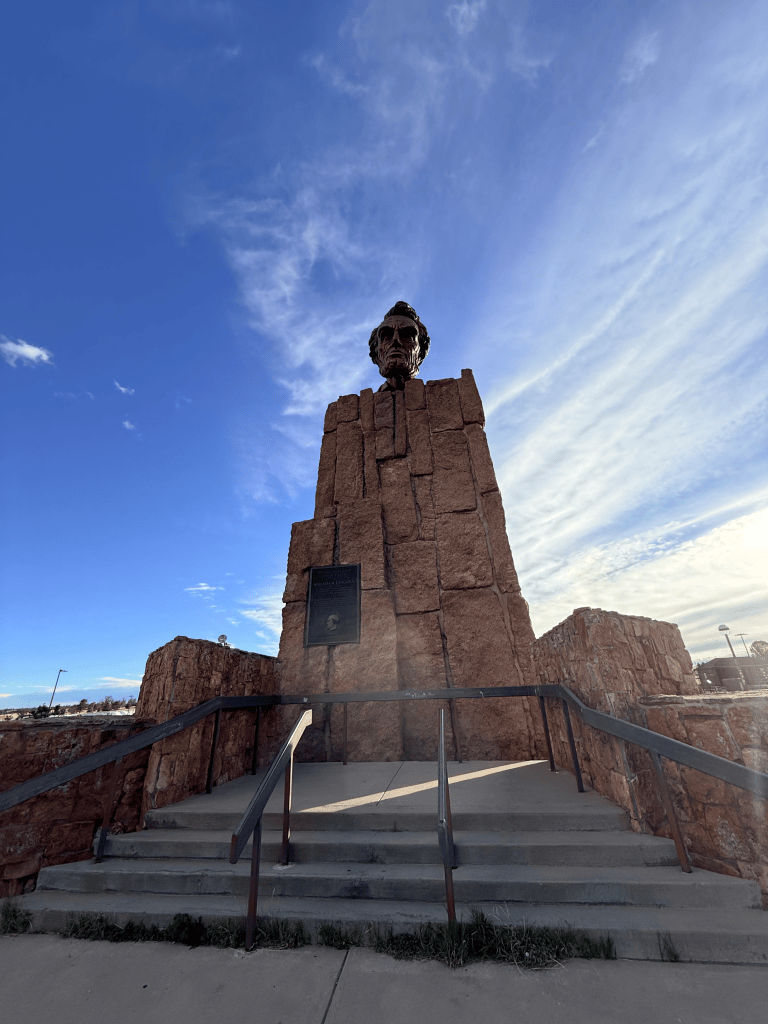
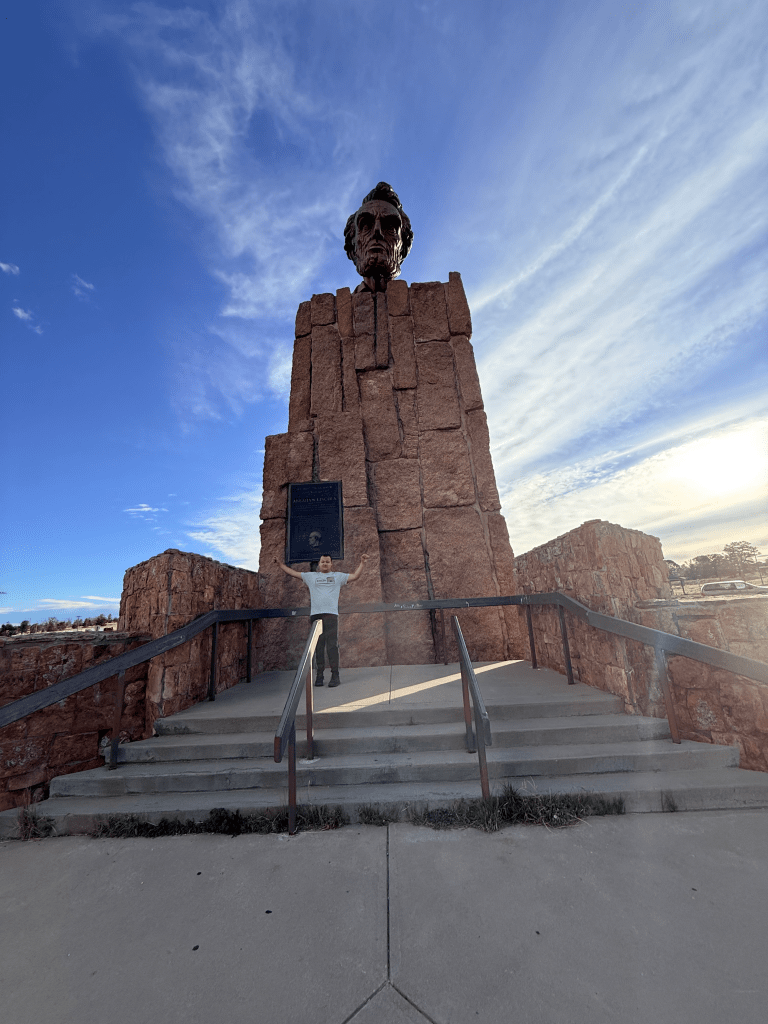
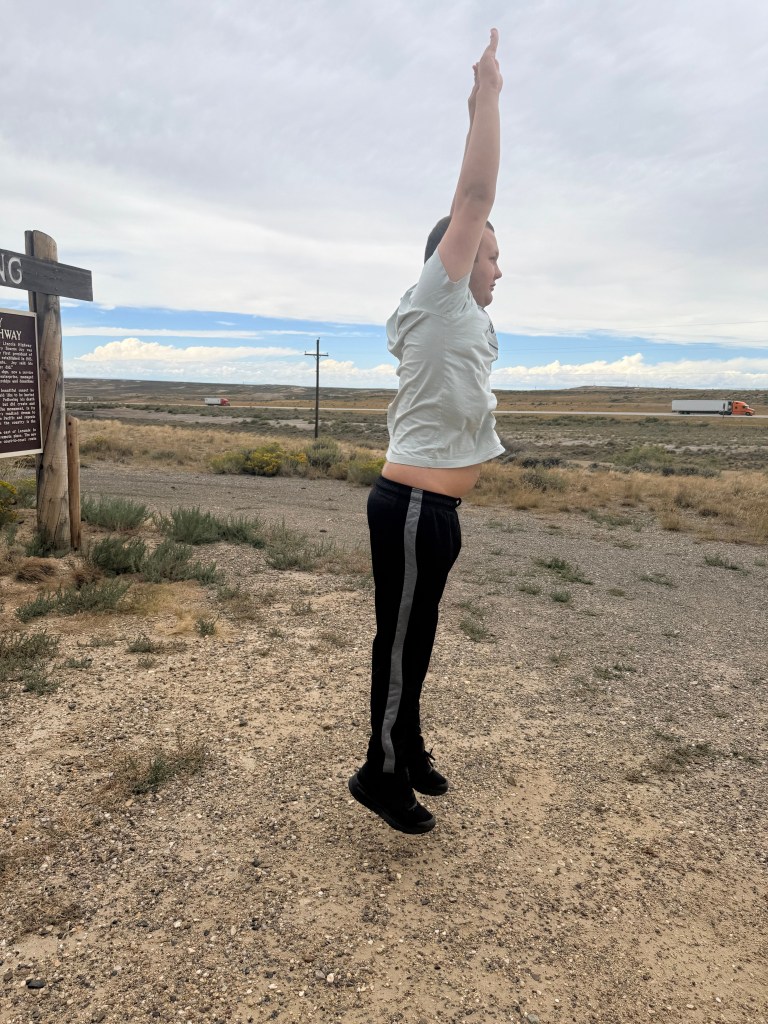
From there we stopped at the Lincoln Memorial rest area, which also has the Henry Joy memorial. Hunter and I sprinted into the restrooms and put on pants because it was freezing at a very windy fifty five degrees.
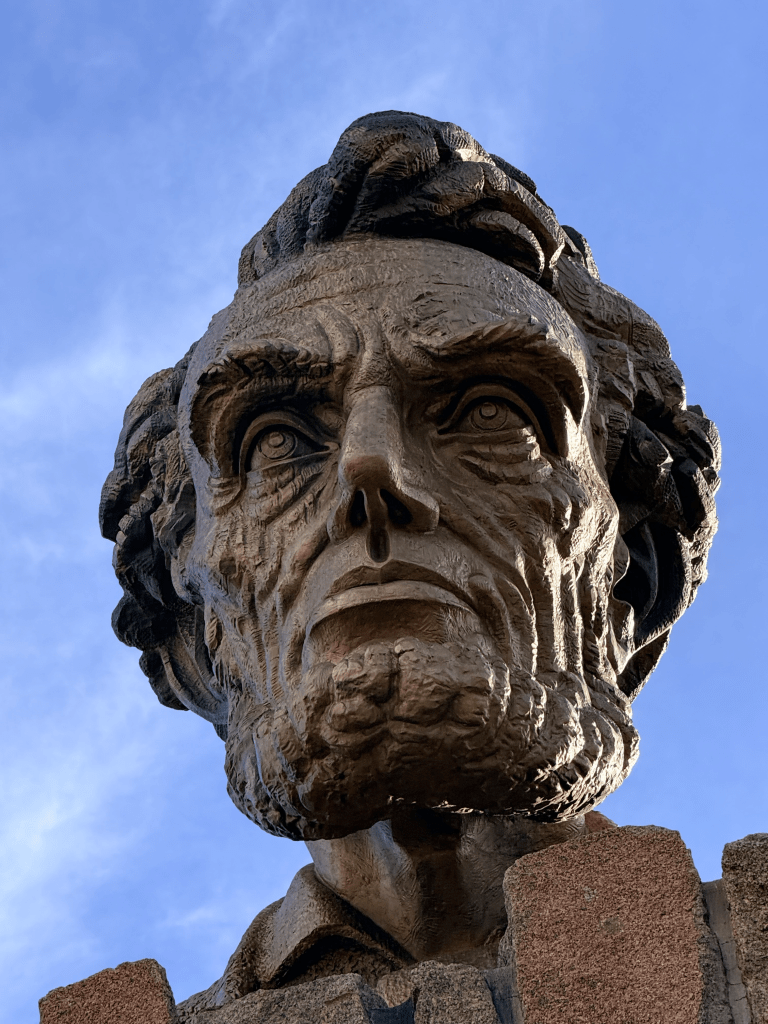
The Lincoln Memorial here is the huge stone pedestal with the giant bronze head of Abraham Lincoln on top (and not a nice kindly Lincoln either). It marks the highest point on Interstate 80 and honors Lincoln’s role in pushing for the transcontinental railroad, which eventually shaped the entire corridor the Lincoln Highway follows.
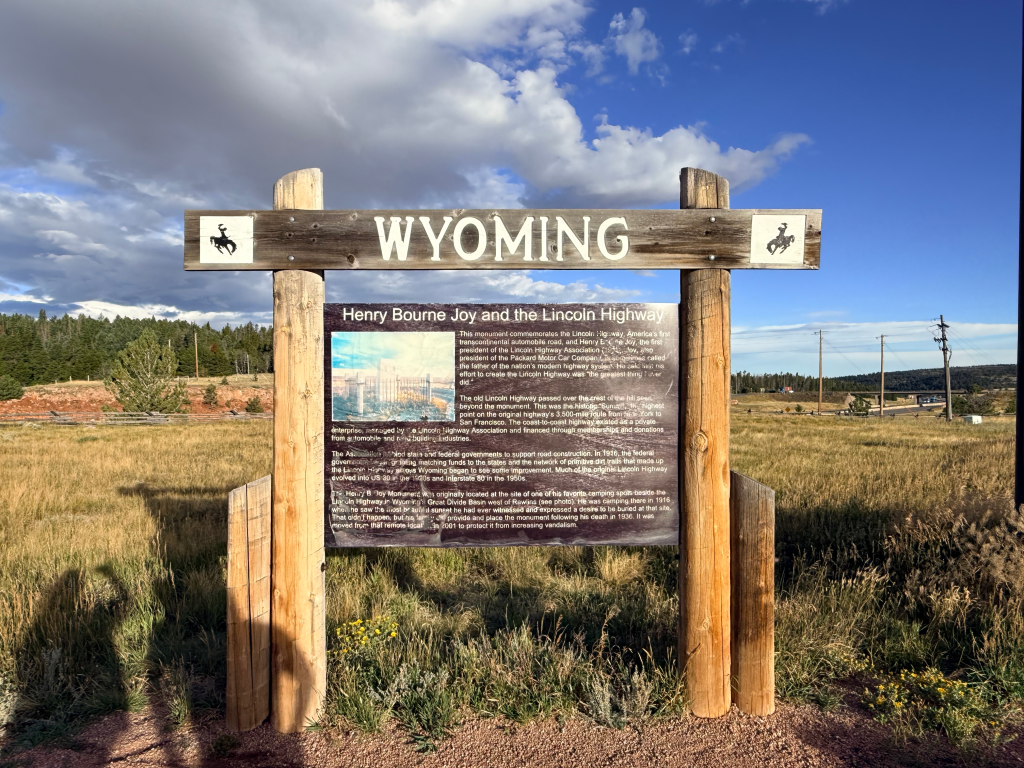
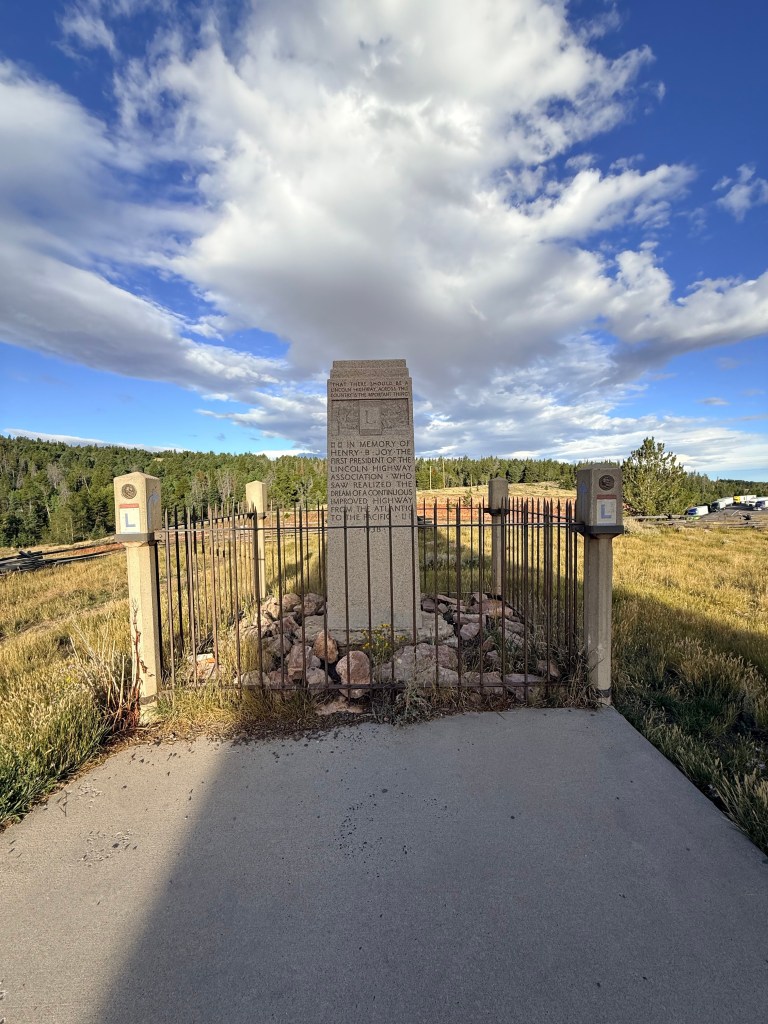
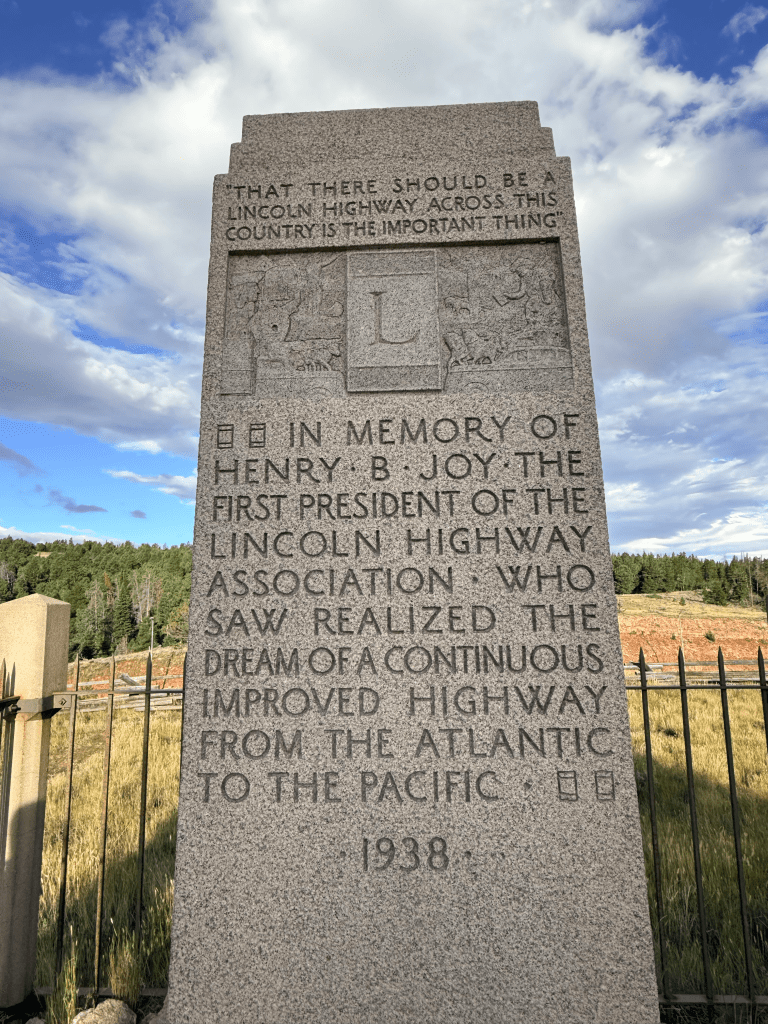
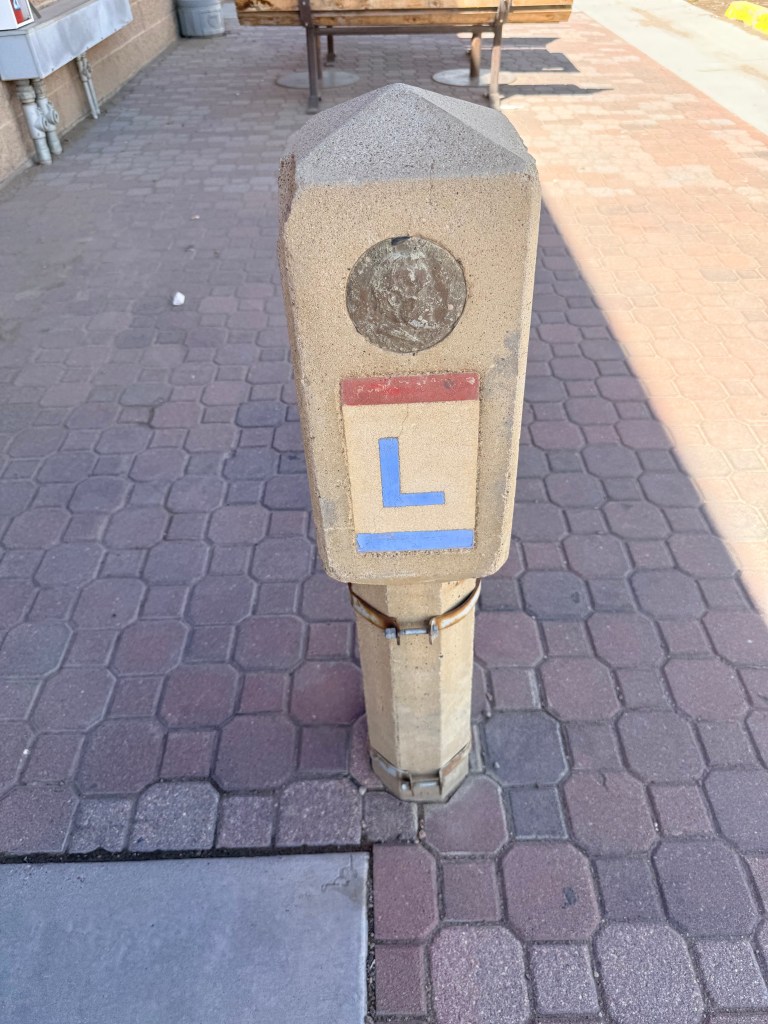
Right behind it is the Henry B. Joy memorial. Joy was the president of Packard and one of the driving forces behind the Lincoln Highway Association. He spent years promoting, funding, and mapping the route, and he is basically the reason the Lincoln Highway became the first coast to coast road in the United States. The memorial marks his contribution to early American road travel and the development of cross‑country motoring.
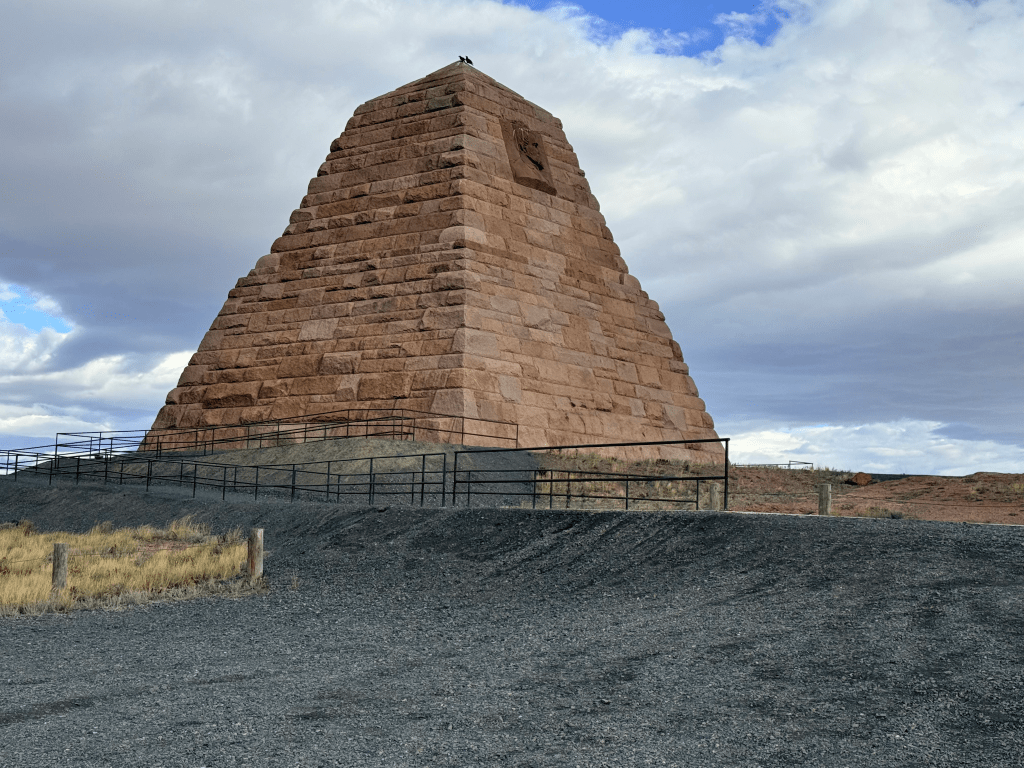
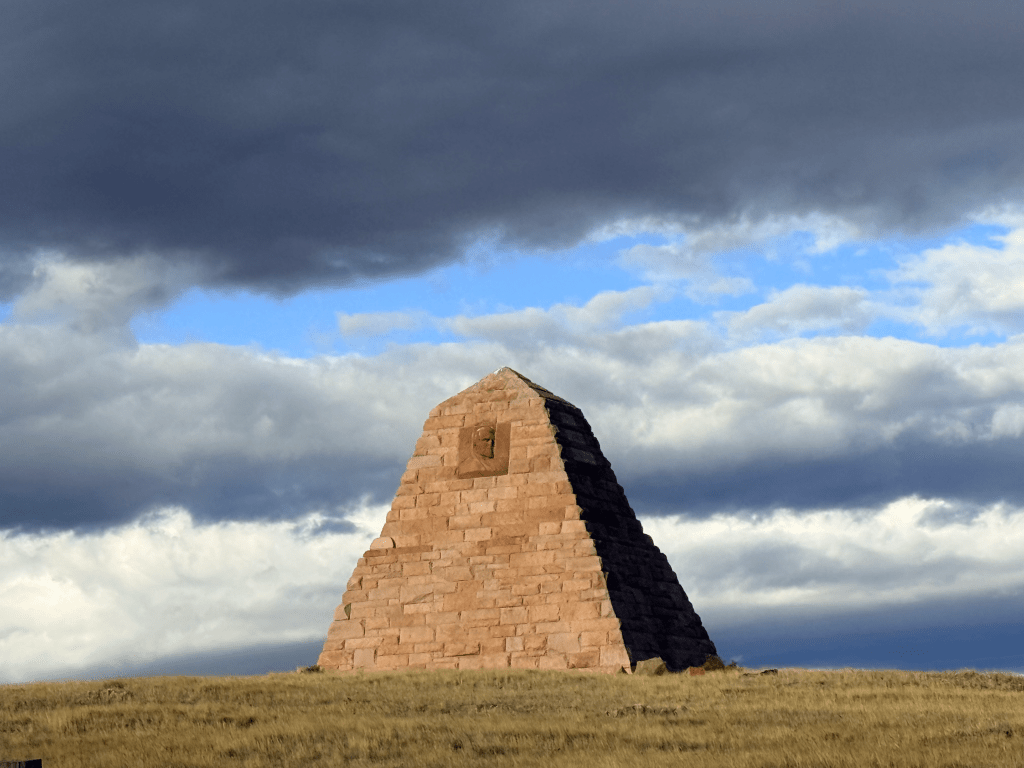
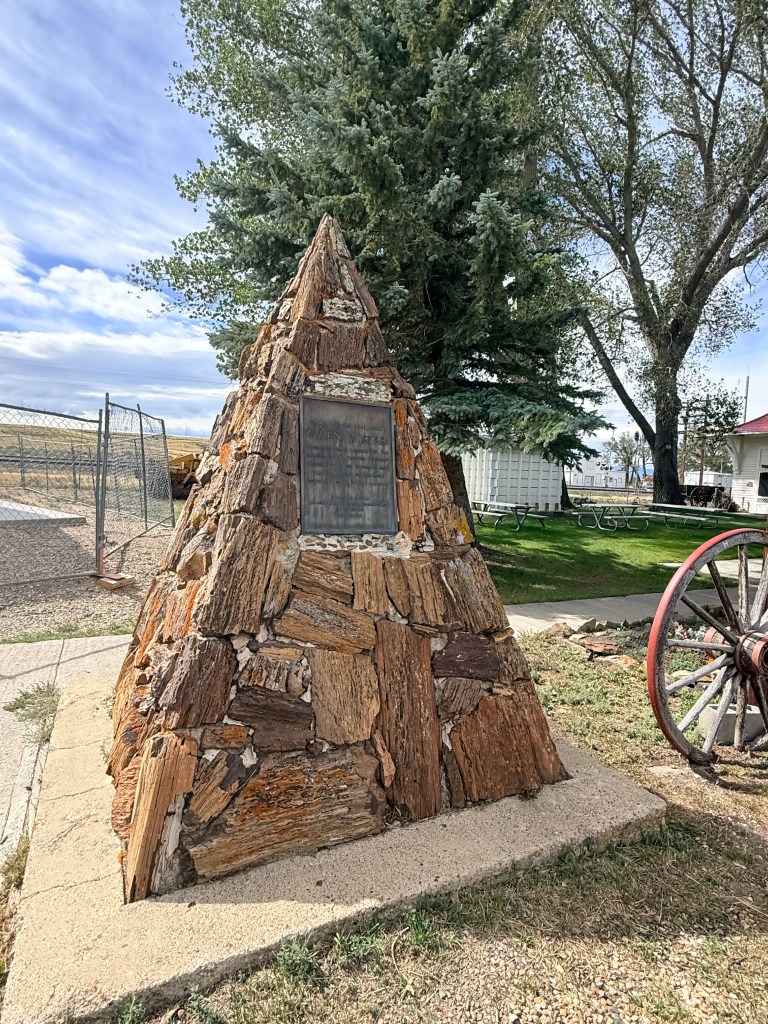
Next was the Ames Monument, which always looks like it was dropped there by accident, a giant stone pyramid sitting in the middle of open Wyoming. It was built in the 1880s by the Union Pacific Railroad to honor Oakes and Oliver Ames, two brothers who helped finance the Transcontinental Railroad. They were important, but they were not exactly angels. Both were tied up in the Crédit Mobilier scandal, one of the biggest political and financial messes of the era. The monument was partly a way for the railroad to clean up their legacy while still acknowledging their role in getting the line built. It marks the highest point on the original rail route, so trains once passed right below it.
We tried to find the Sherman Turntable, which was used to turn locomotives around on the steep grades of Sherman Hill. It is still out there, but between the wind, the cold, and Hunter being absolutely done, we did not make it. If the weather had been better, we probably could have tracked it down.
After that, we hopped back onto the 1913 dirt road toward historic town of Tie Siding. This road was beyond anything I have driven so far. At best I could do thirty miles an hour, but most of the time I was crawling at twenty. About halfway in, I realized I was on completely private property. So that was great. I just hoped nobody came out with a shotgun, but honestly it is so remote I do not know how anyone would even know you were there. I spent most of the drive praying for my tire health.
This is incredibly personal, and I debated whether or not to share it, but I am usually pretty transparent with my life, so here it is. I have been dreading today. I almost did not do this trip because of this stop. I remember nothing of the moment. I do not know where I was when I first heard. I do not remember a single conversation I had about the horrific act. All I know is that Matthew Shepard has been stitched across my heart since his murder in 1998. So with that, how do I not honor him by going to see him.
Except this is not him. I cannot go where they found him. I would never make it out. But a bench, a small bench outside the College of Arts and Sciences building at the University of Wyoming is the only tribute this city and this state have for the victim of one of the most horrific premeditated acts of violence we have seen. In 2018, his remains were interred in the National Cathedral in Washington DC.
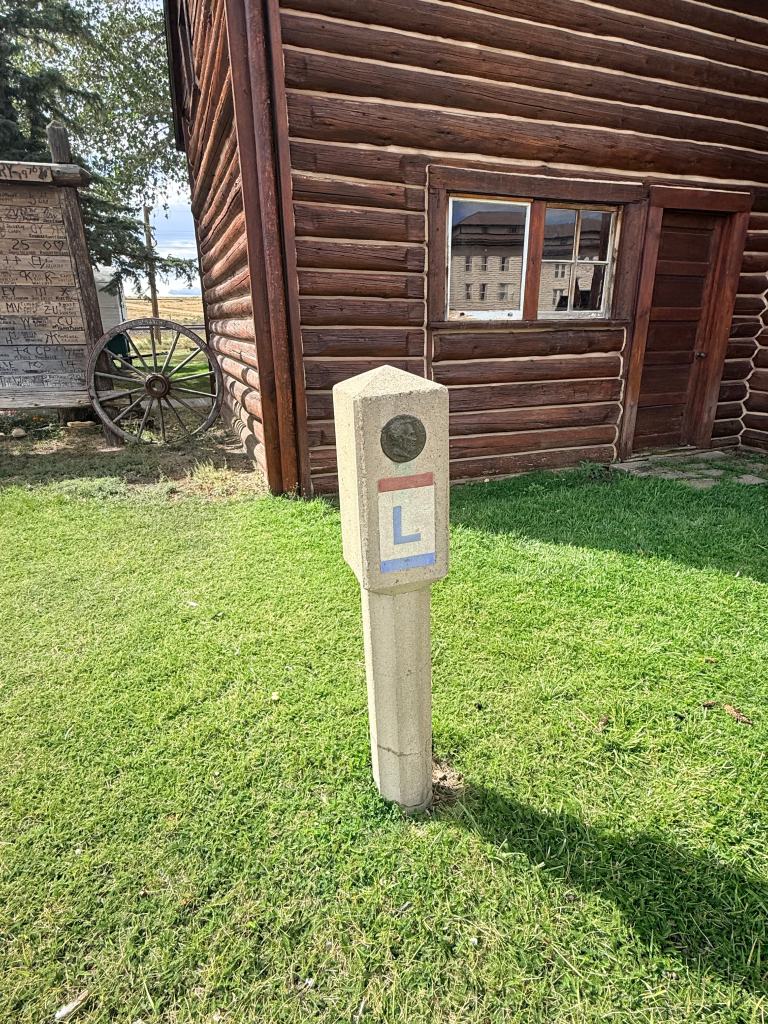
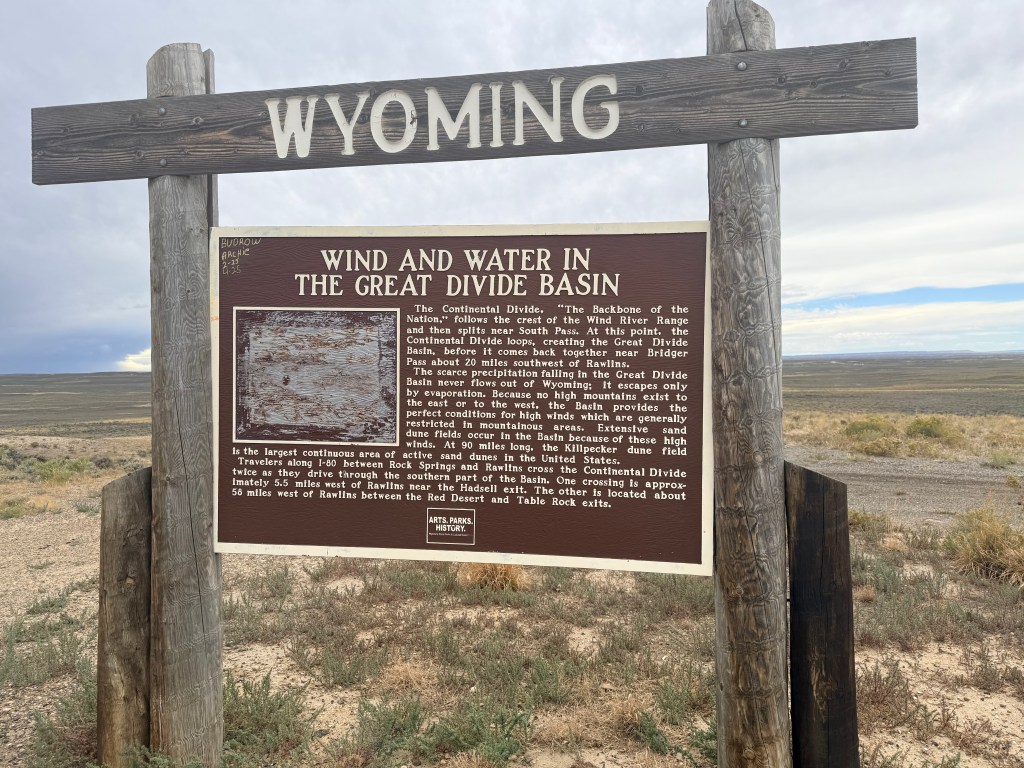
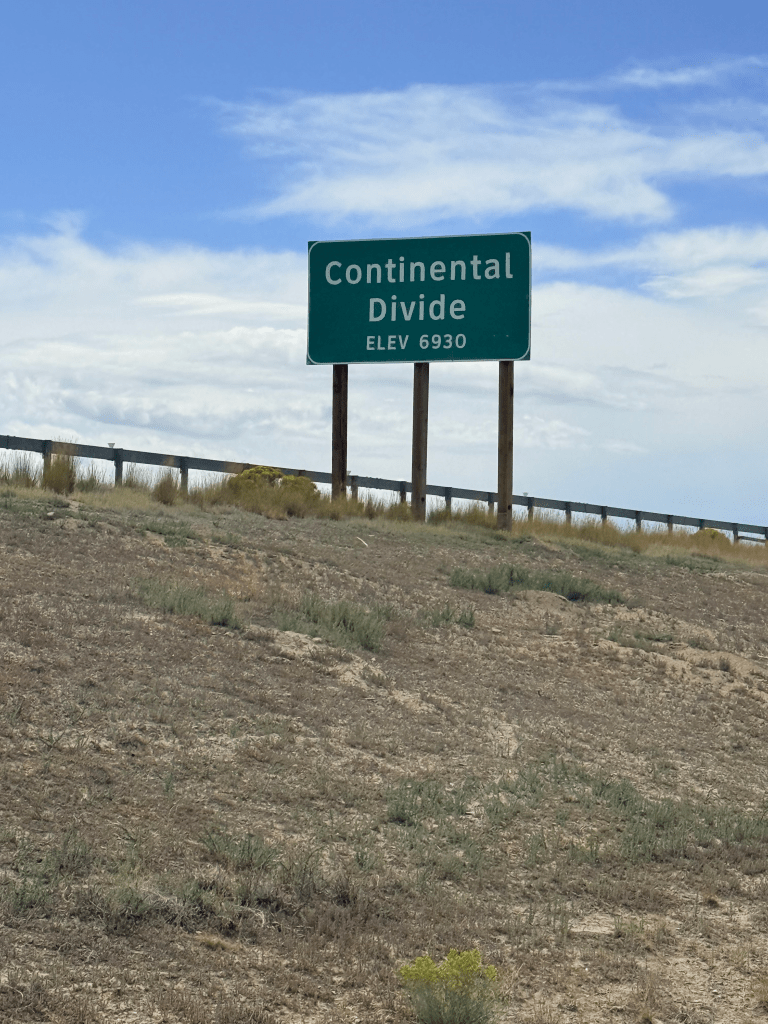
But as we were leaving the Ames Monument, before I realized I was on private land, I saw this. And then, just as we finally got off the private property and a more humane road reappeared, we saw another one. Yes, technically it is science, but I am choosing to believe it was a small acknowledgment that I was headed the right way, doing the right thing.


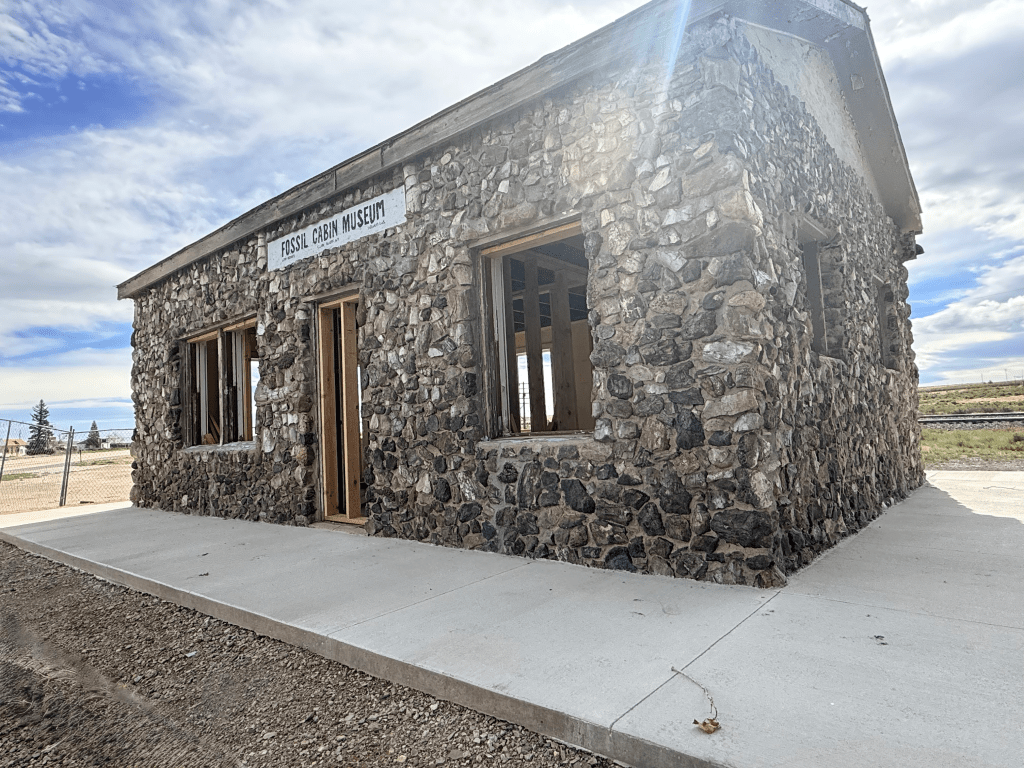
We made our way up to Medicine Bow, which is incredibly out of the way on the original 1913 route. The only things up there are the Virginian Hotel and the Fossil Cabin. The Fossil Cabin used to sit right next to Como Bluff, one of the largest dinosaur graveyards in the country. Entire layers of exposed earth are packed with bones, fossil beds, and prehistoric debris. That bluff is the whole reason the Fossil Cabin exists. When it was built in 1932, the owner used thousands of dinosaur bones collected from the bluff to construct the walls. Someone genuinely thought that was a good idea.
The cabin became a major Lincoln Highway roadside stop and was once dubbed the “world’s oldest building” by Ripley’s. In May 2026, crews moved the entire fifty‑two‑ton structure seven miles to its new permanent home at the Medicine Bow Museum, where it will be preserved for future generations. The old gas station and visitor buildings are long gone, but the bone‑built cabin now sits safely in town, stabilized and awaiting restoration.
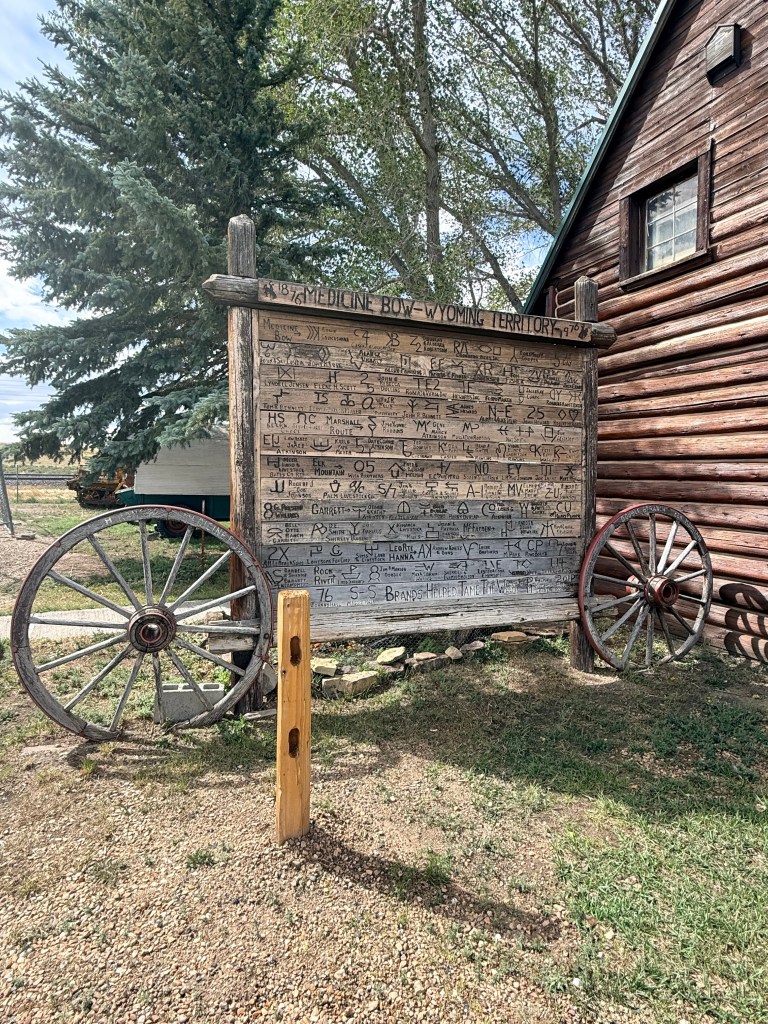
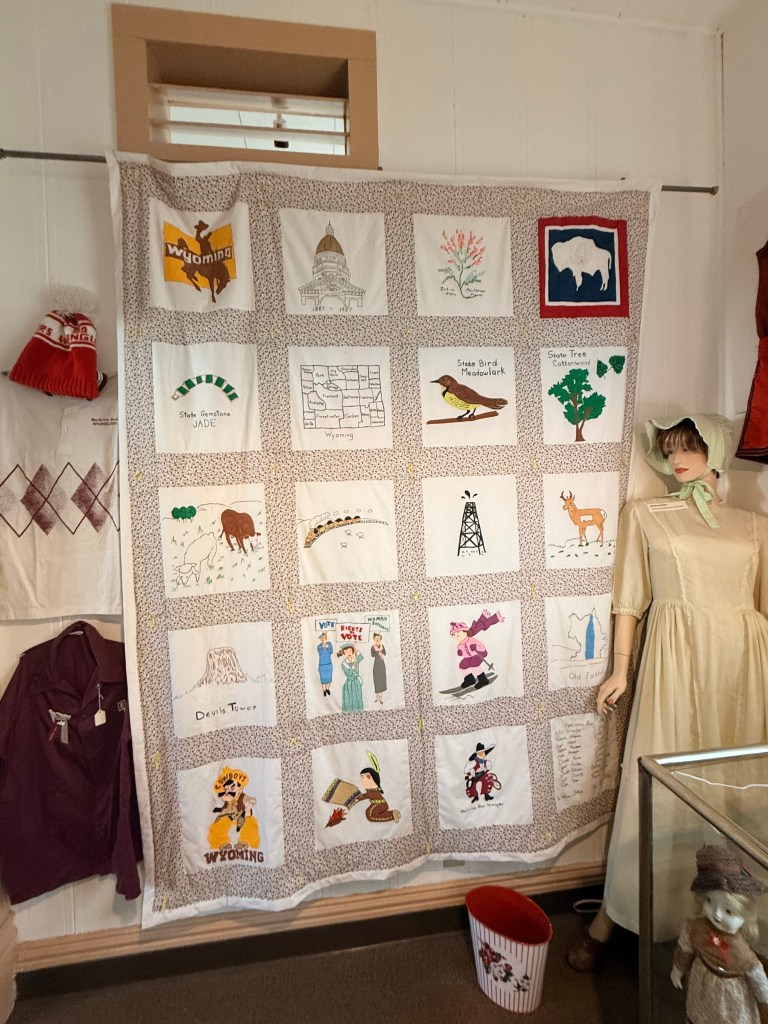
The rest of the Medicine Bow Museum was adorable, and we grabbed some merch. They actually had Lincoln Highway stuff. Nobody else does, so that was a win.
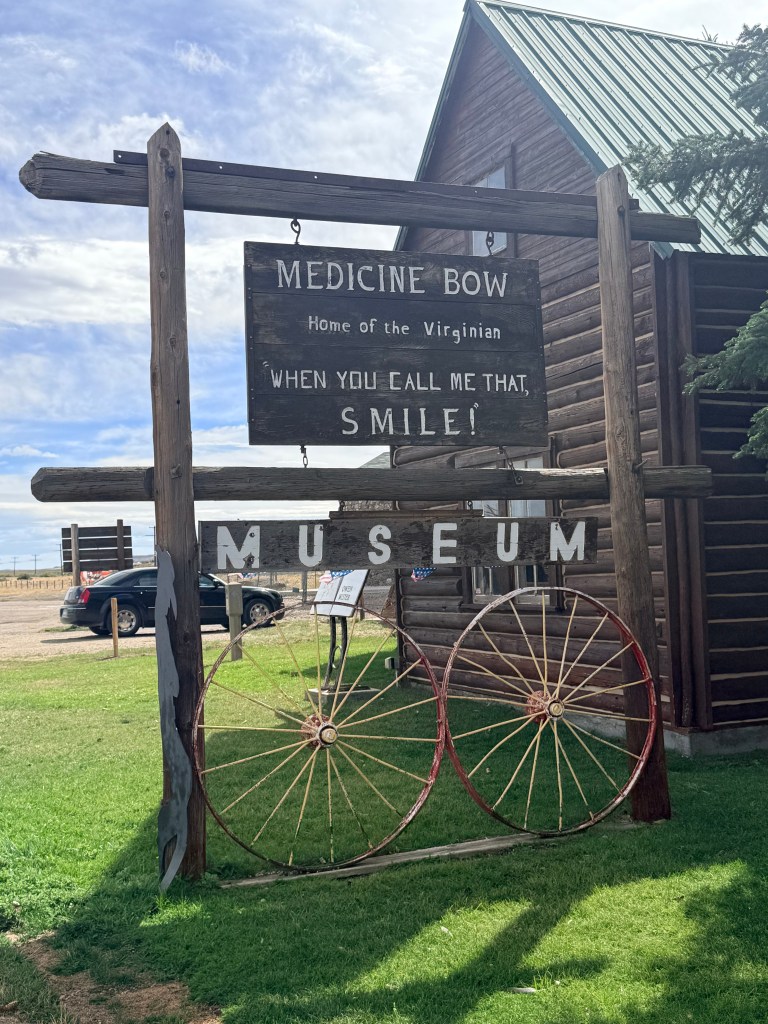
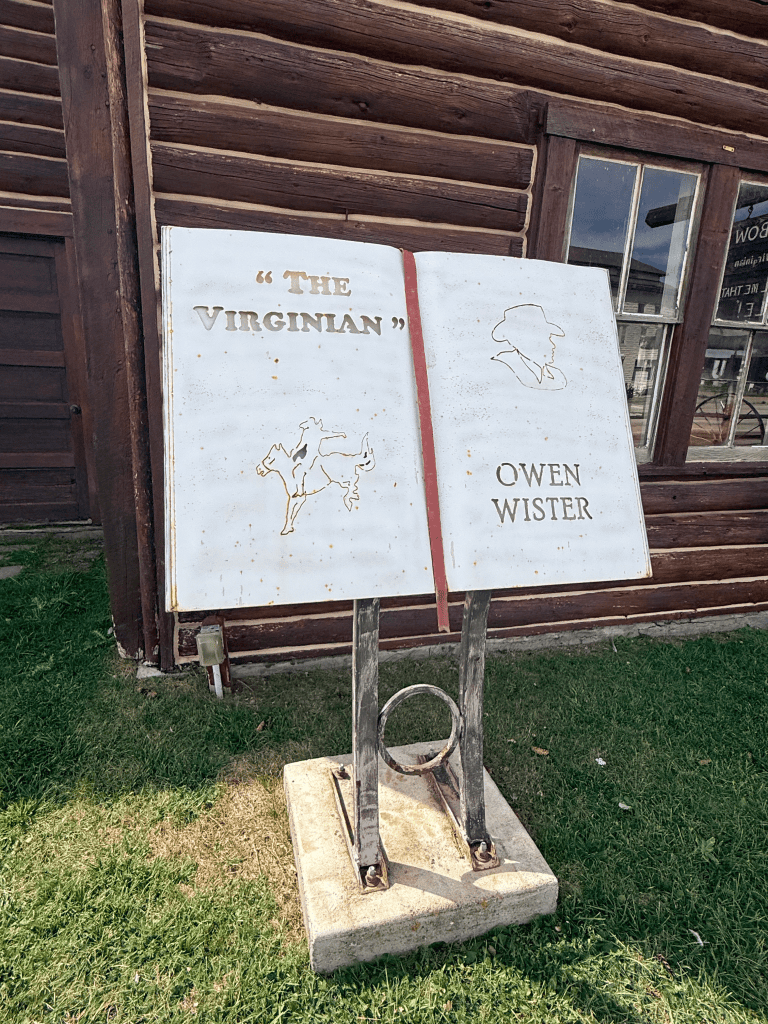
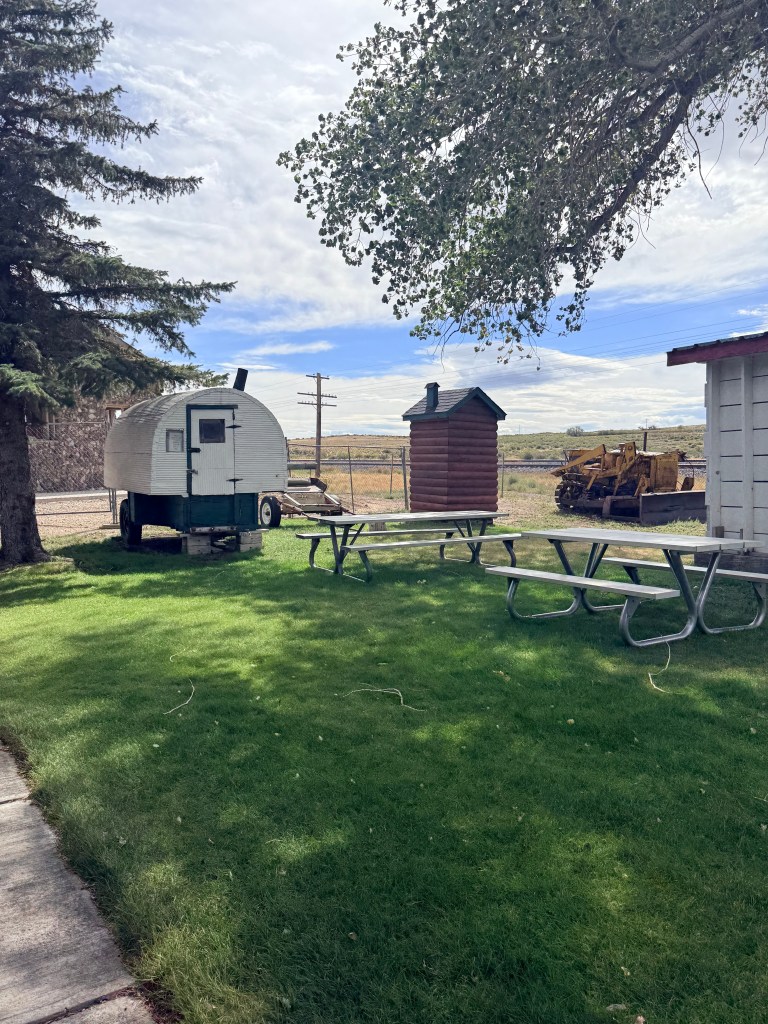
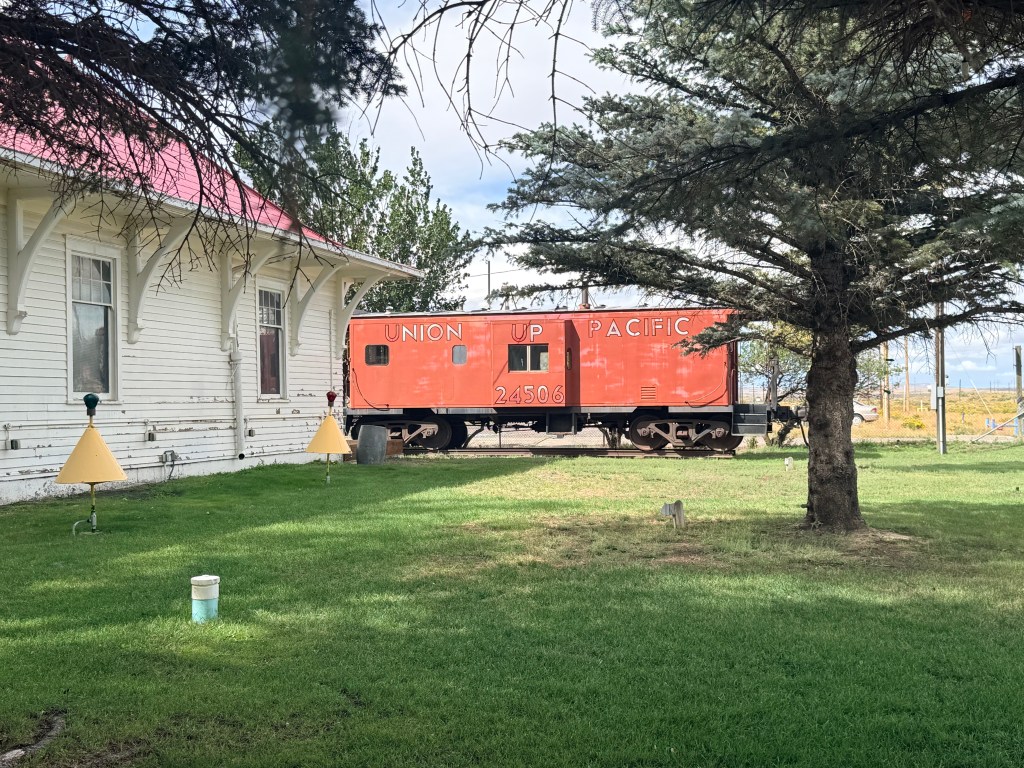
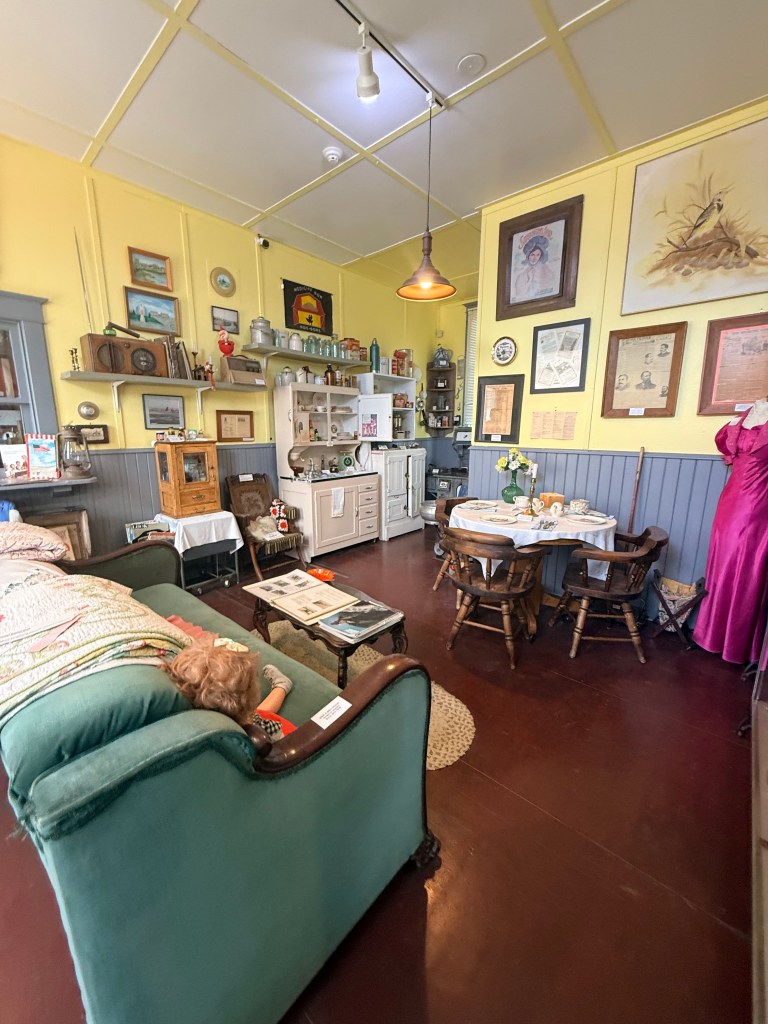
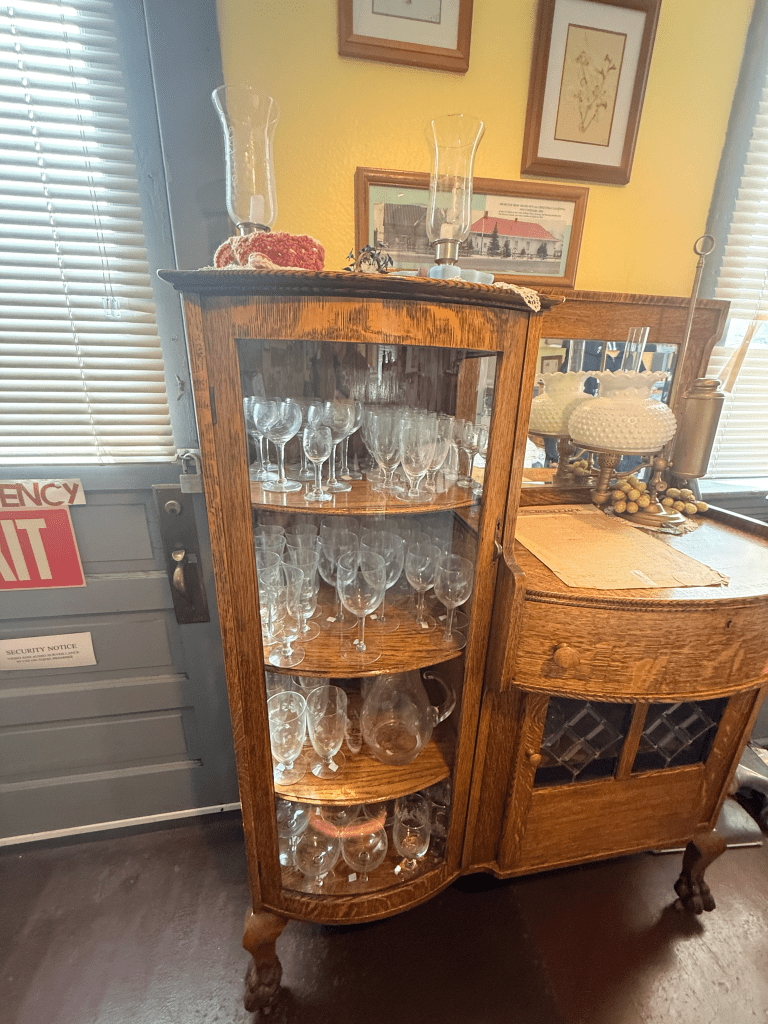
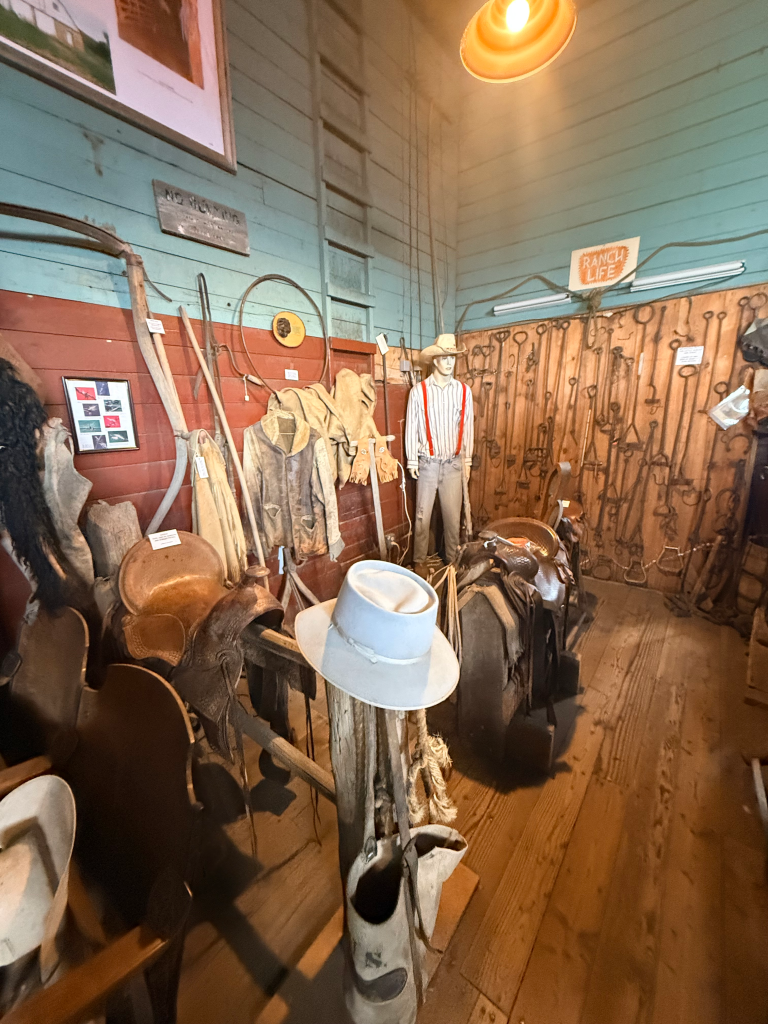
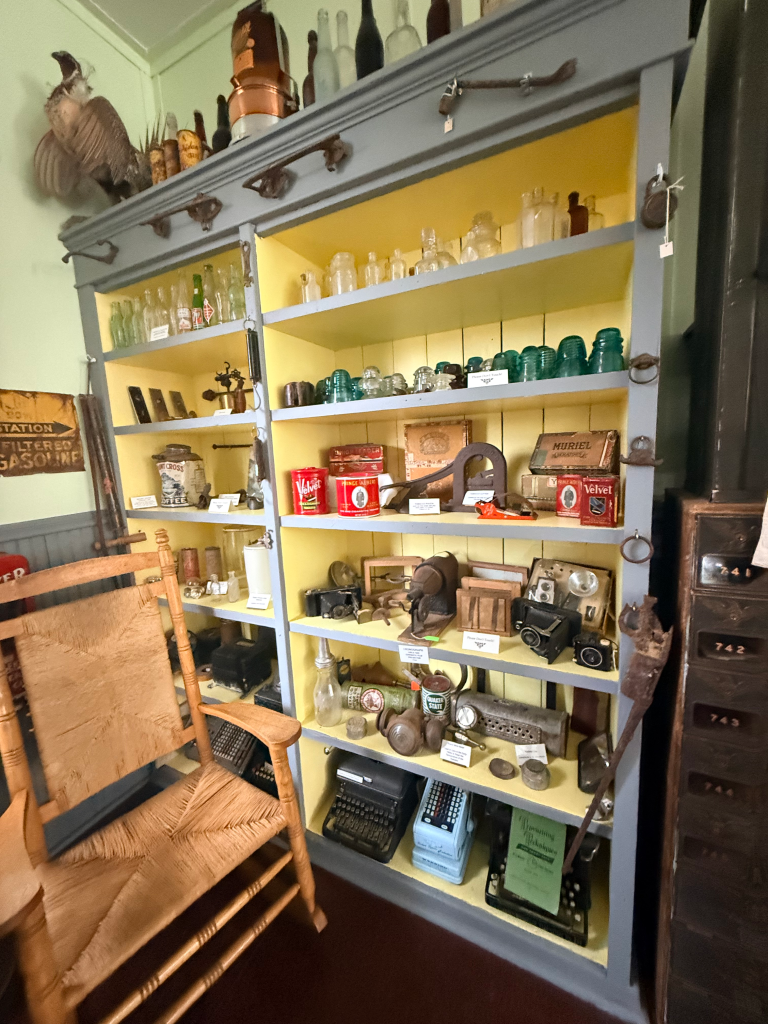
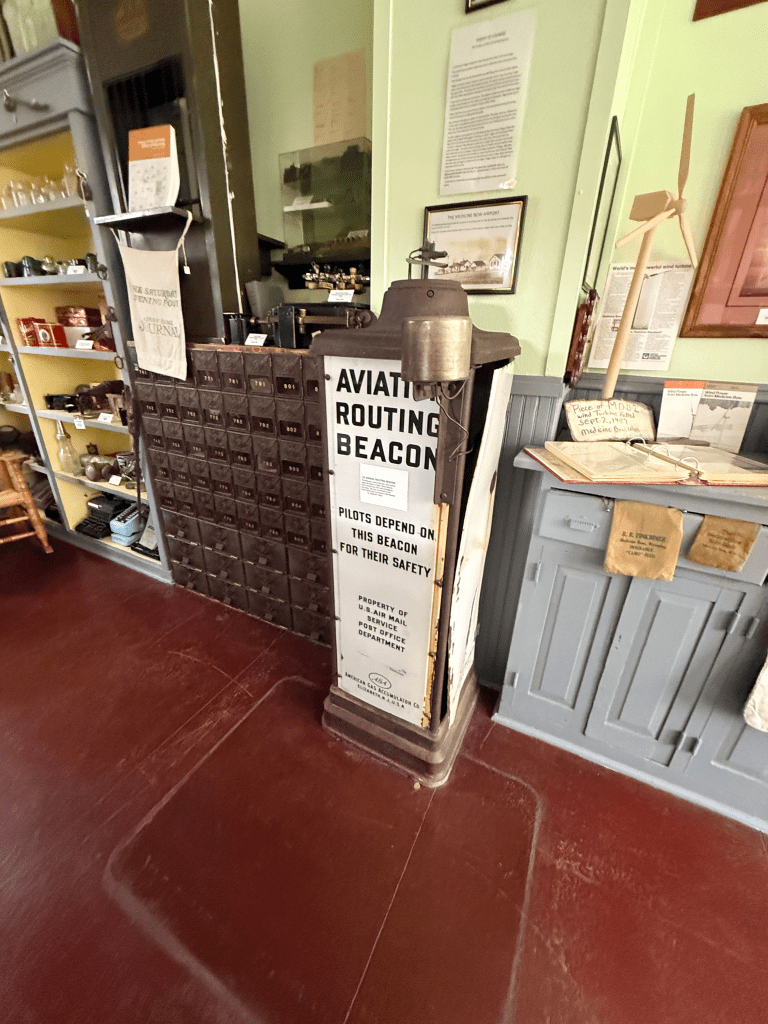
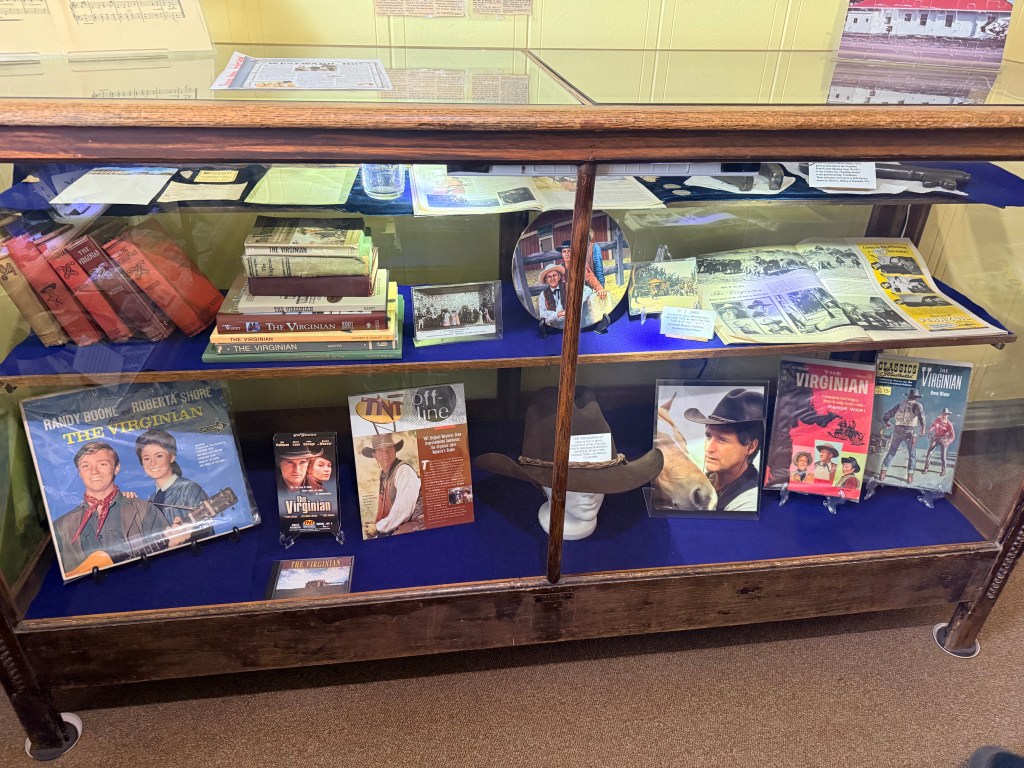
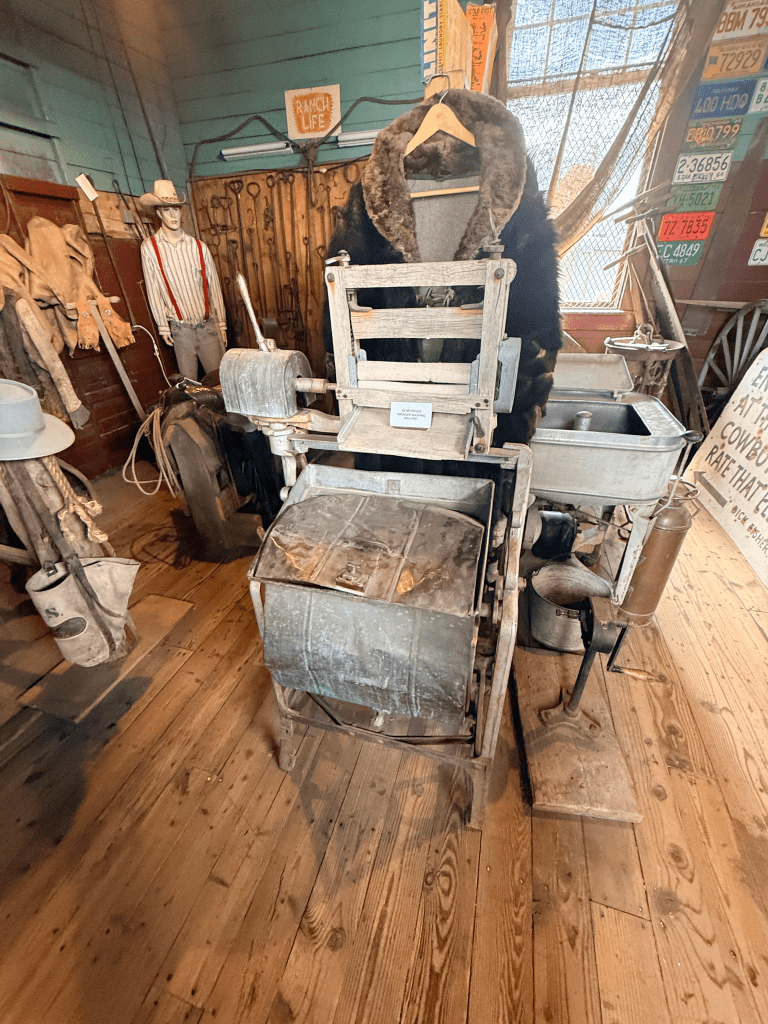
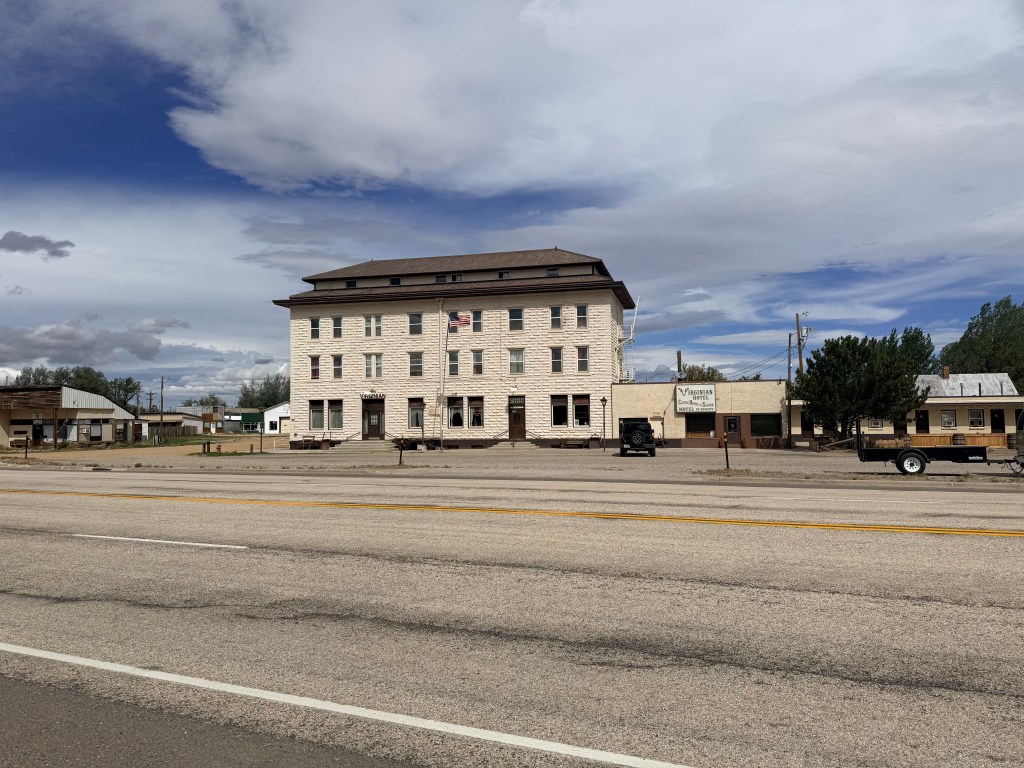
We went across the street to the Virginian Hotel. The saloon was locked, so we took pictures through the window. The café was open, and we fully planned to get lunch, but there was a sign saying they were doing chores around the hotel and to text them to come right over. I did. Ten minutes later, nobody showed up, so Hunter and I left. We did get pictures of the café and dining room, and I will link that section for Josh and Pops when they stay there if they want to see the inside.
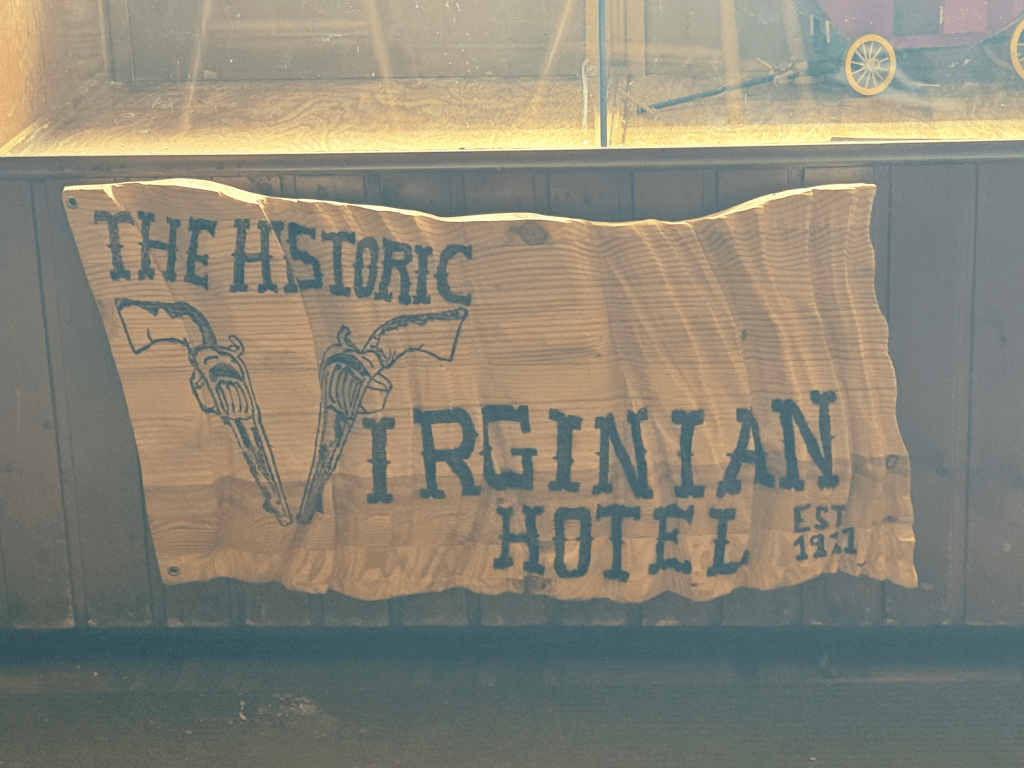
The Virginian Hotel has been holding court in Medicine Bow since 1911, looking like it strutted straight out of an old Western. Named after Owen Wister’s The Virginian, it is all brick swagger, creaky floors, and a saloon that feels ready for a cowboy to kick the doors open. Part hotel, part time capsule. Has anyone actually read the book? Seen the movie? Watched the TV show?
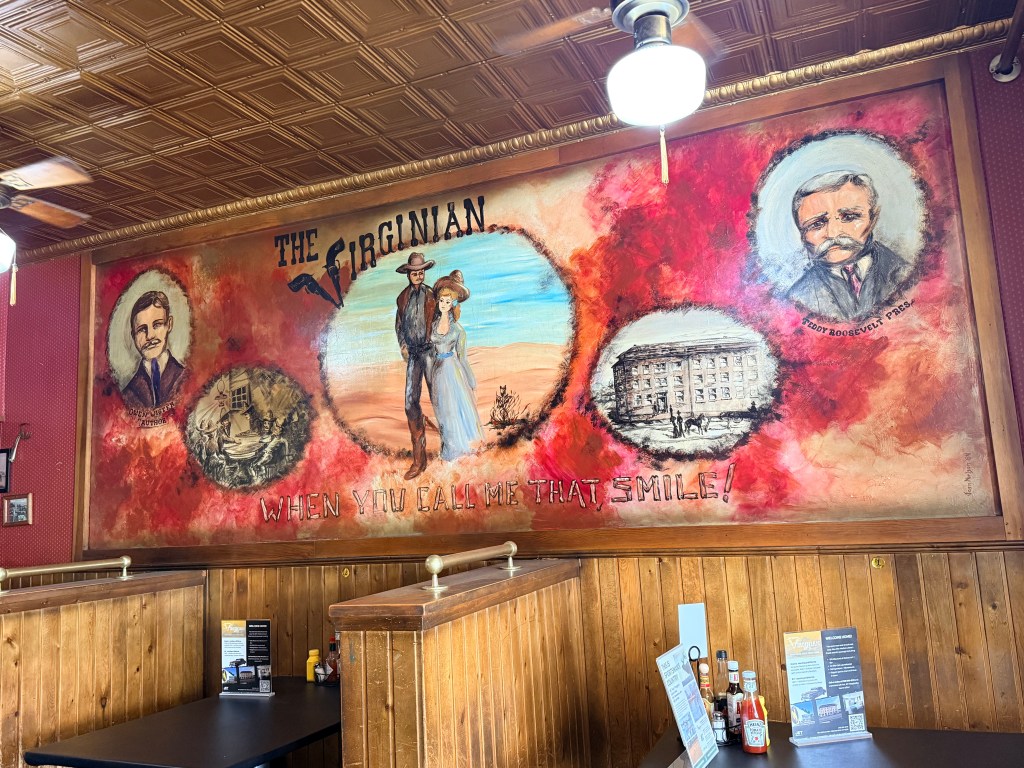
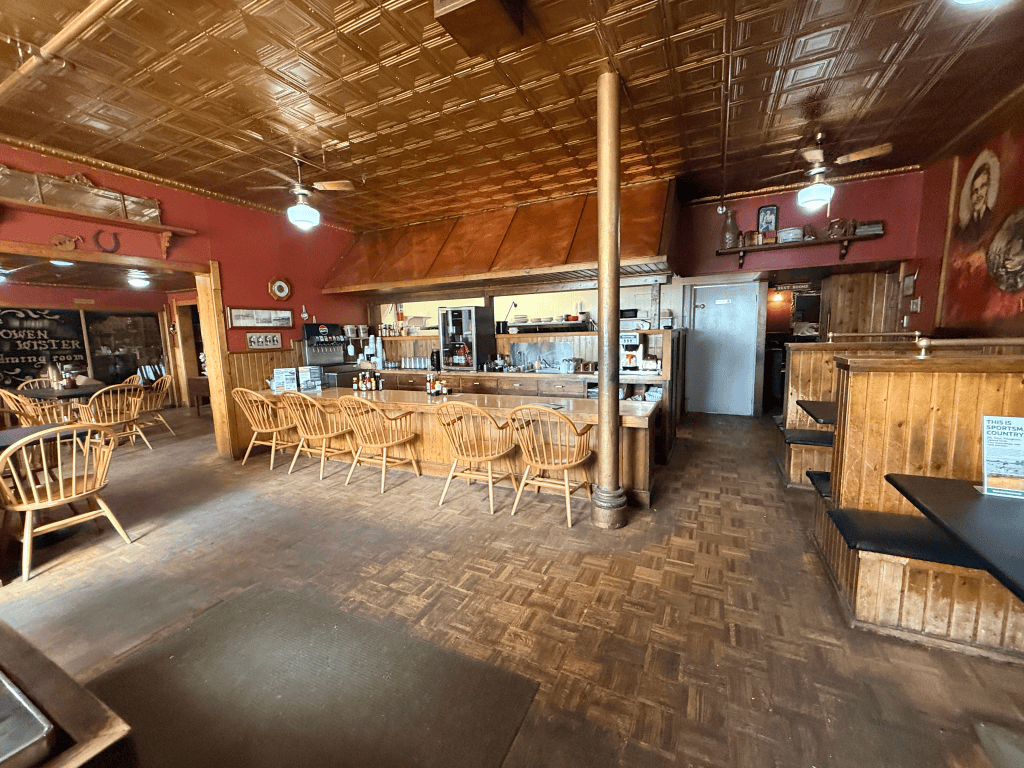
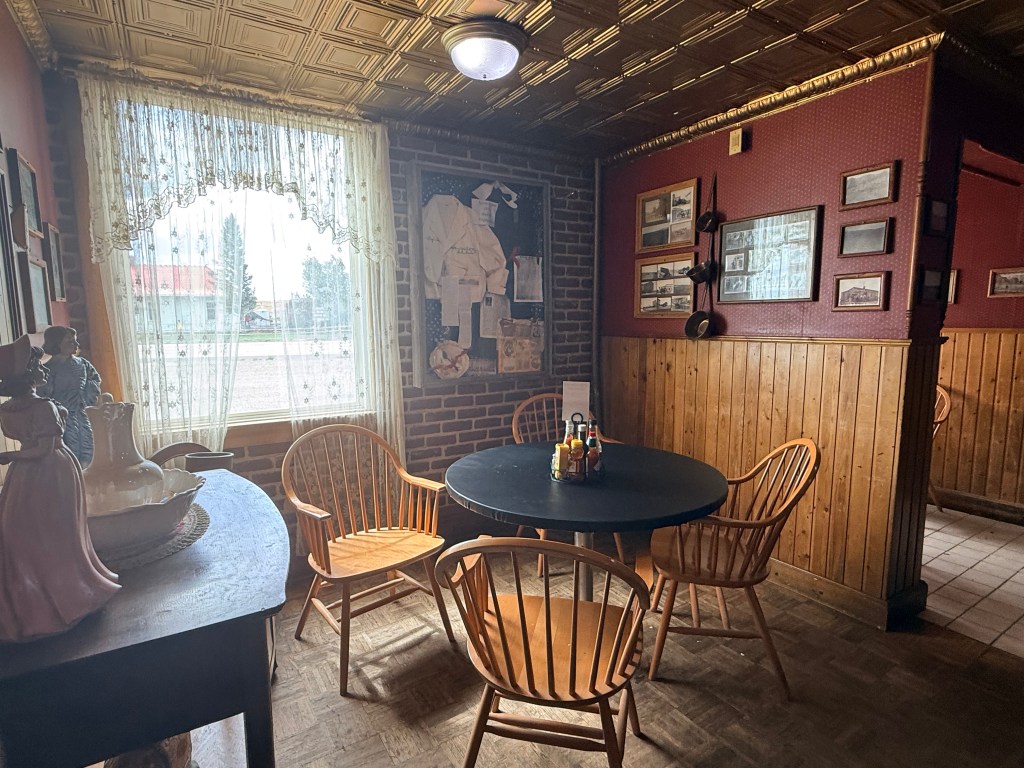
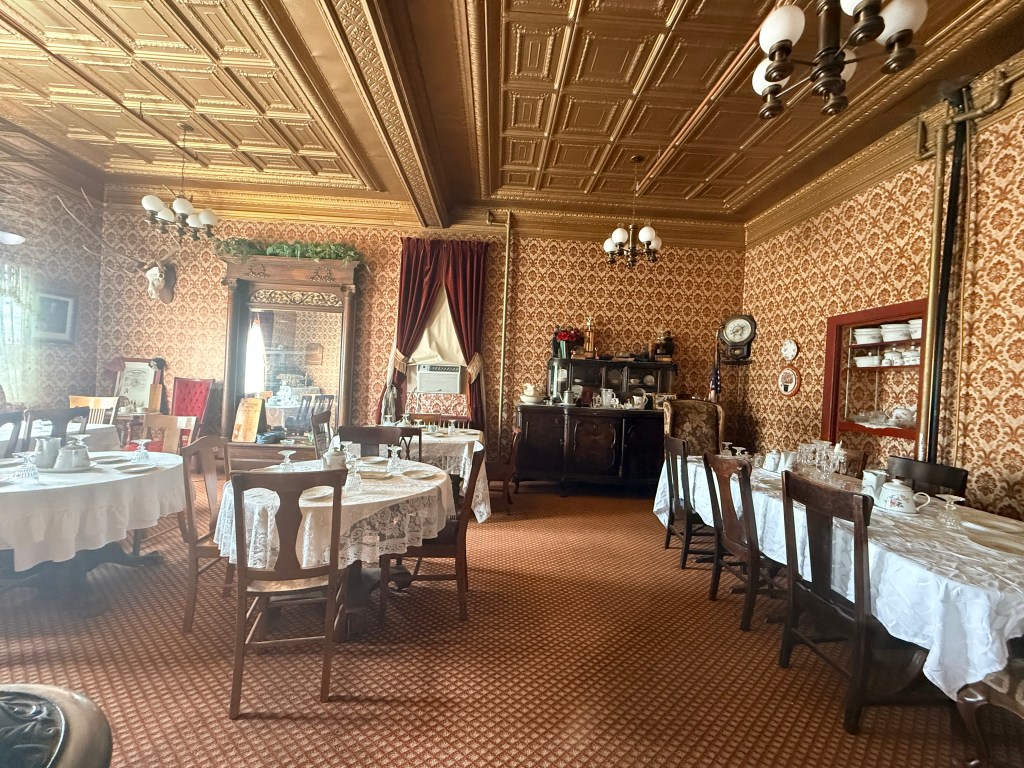
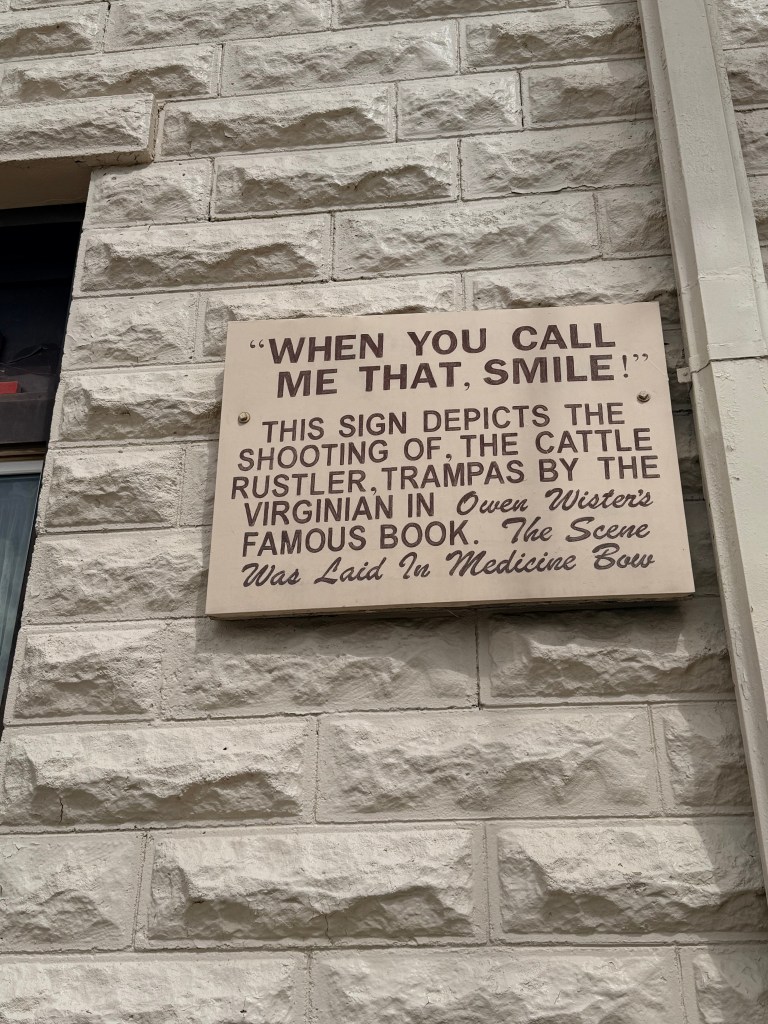
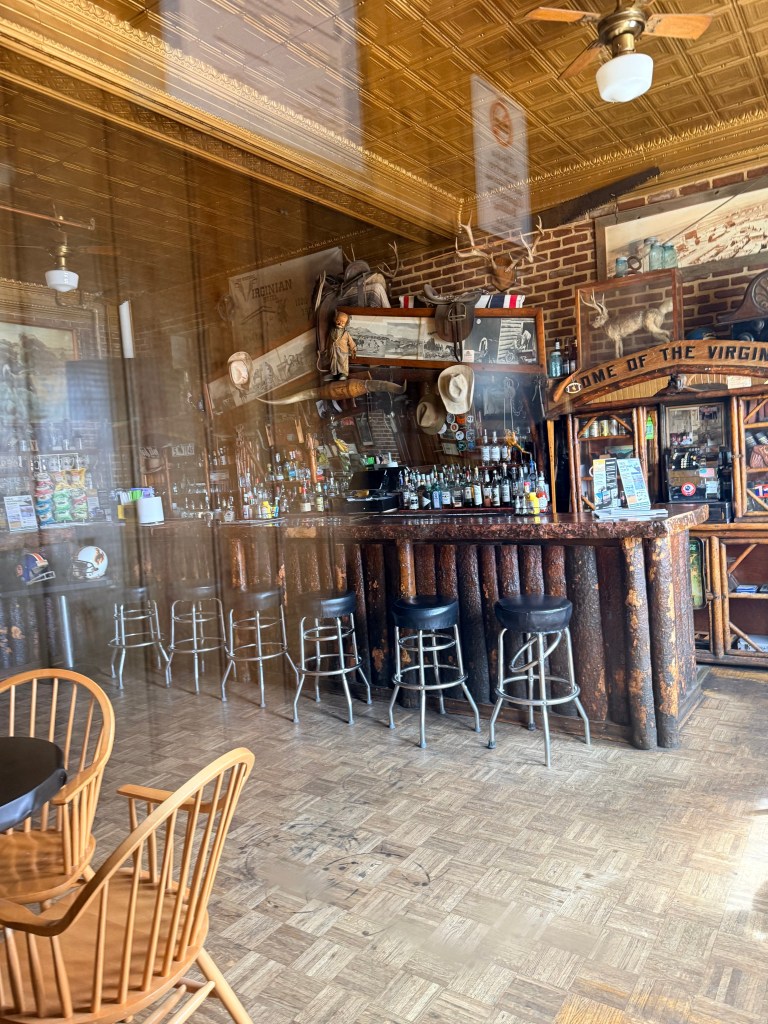
And for the record, I have never read the book, never seen the movie, and never watched the TV show, so I truly do not care. I only came up here because it is part of the 1913 route and I wanted to see the Fossil Cabin.
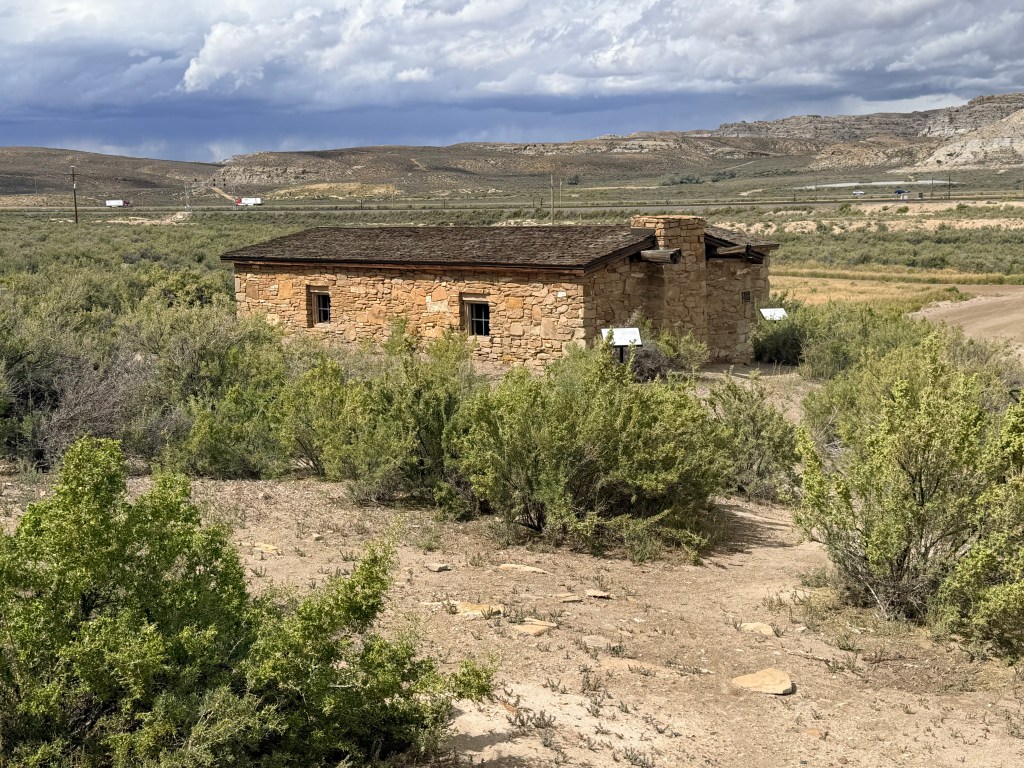
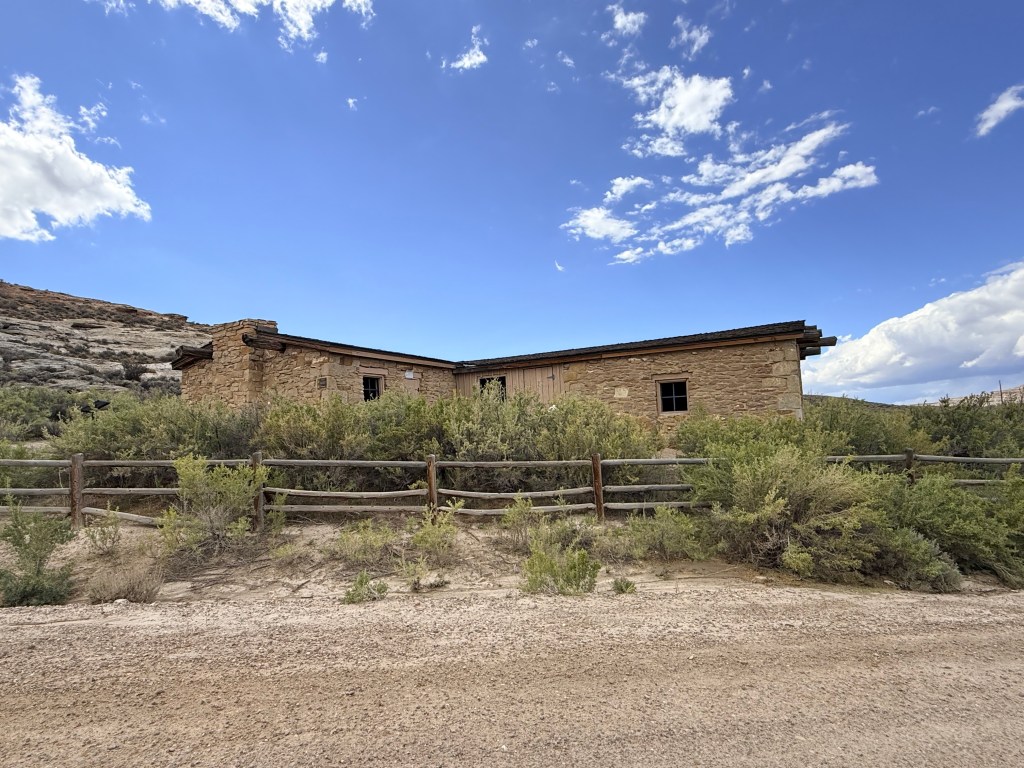
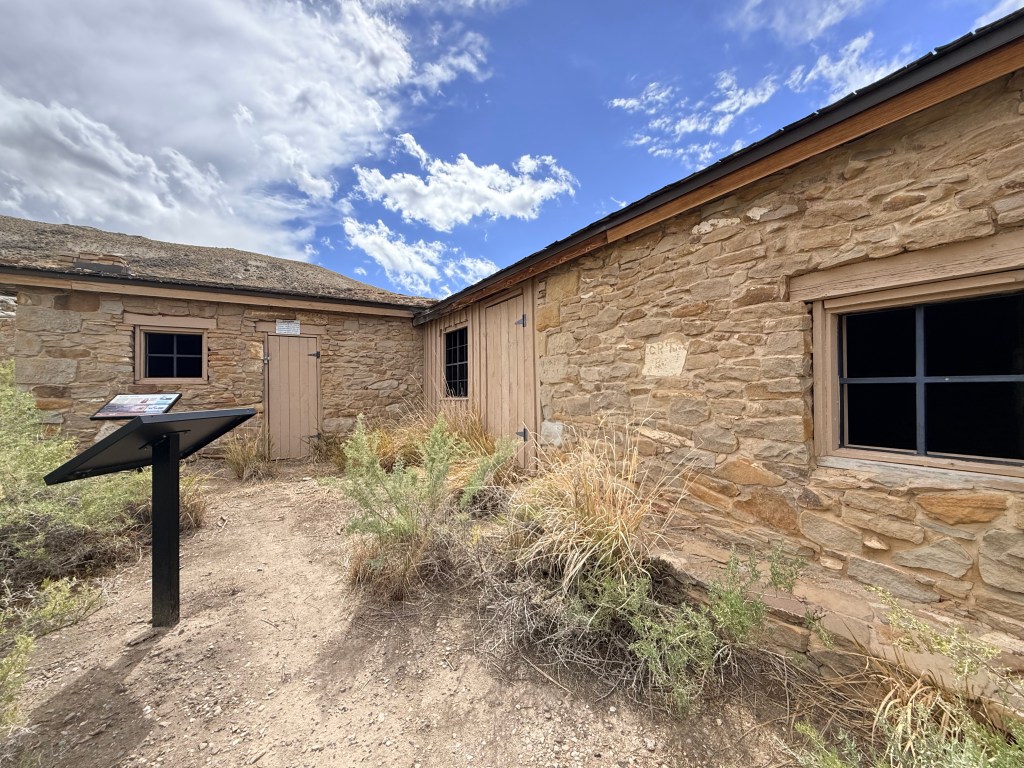
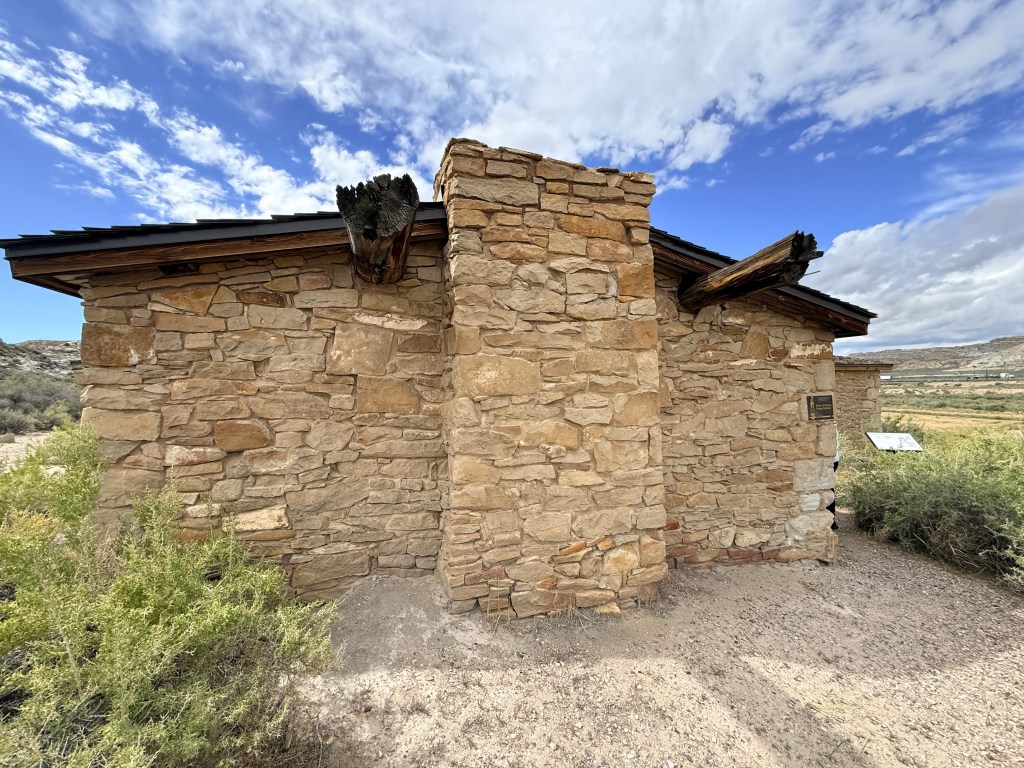
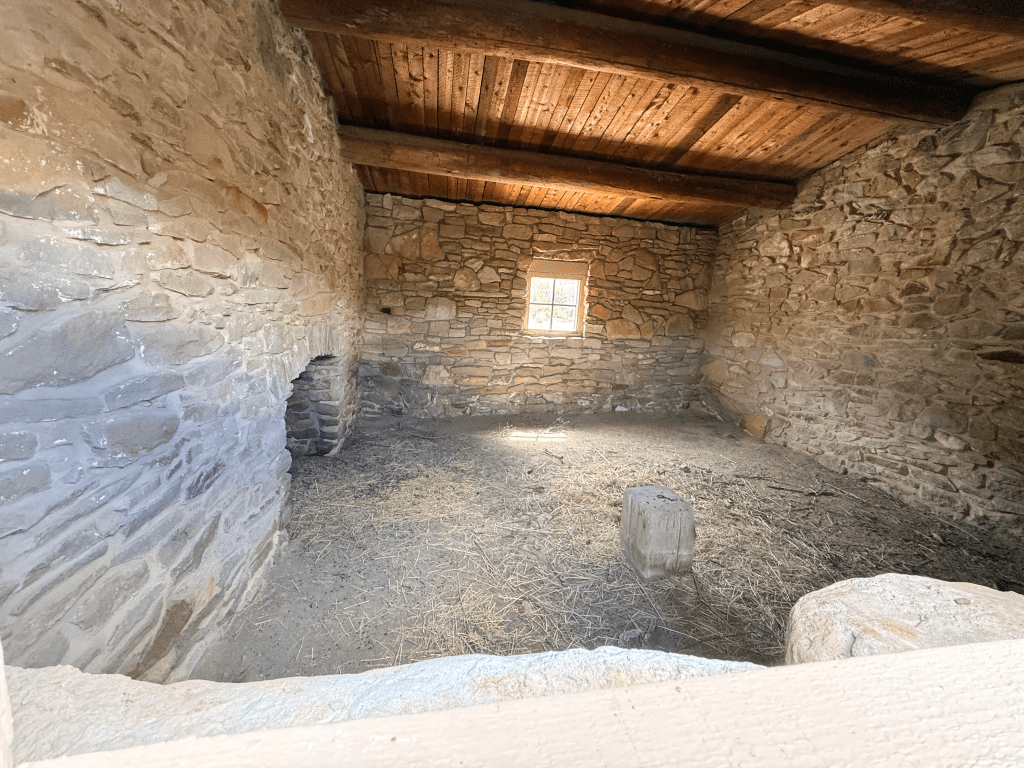
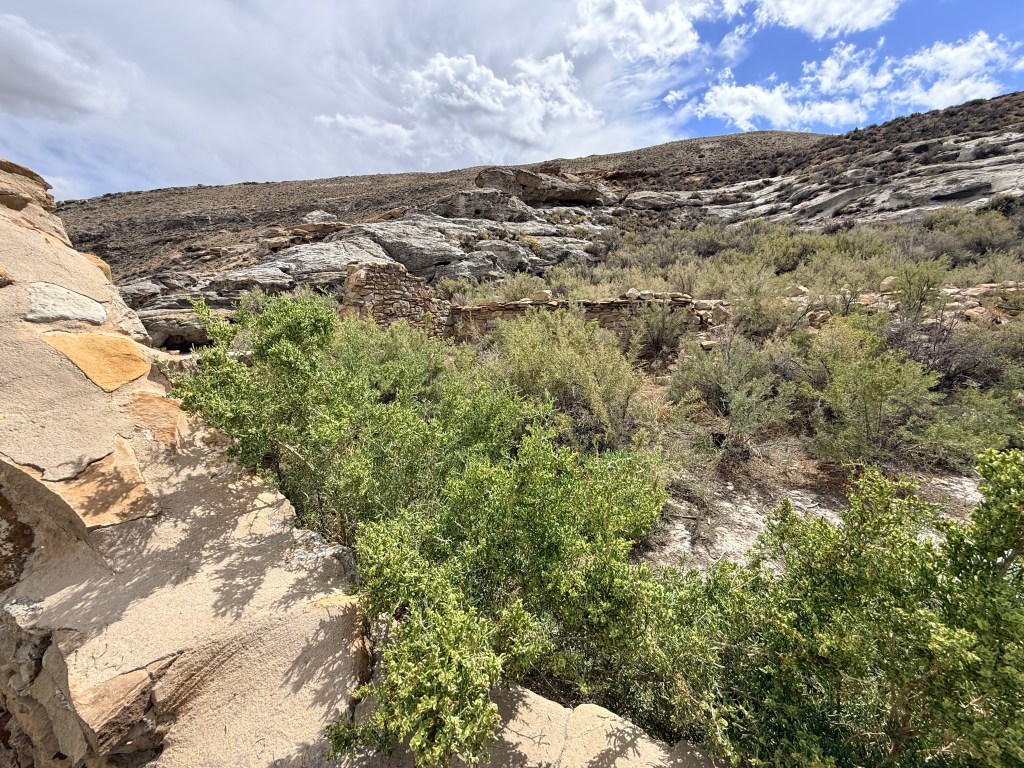
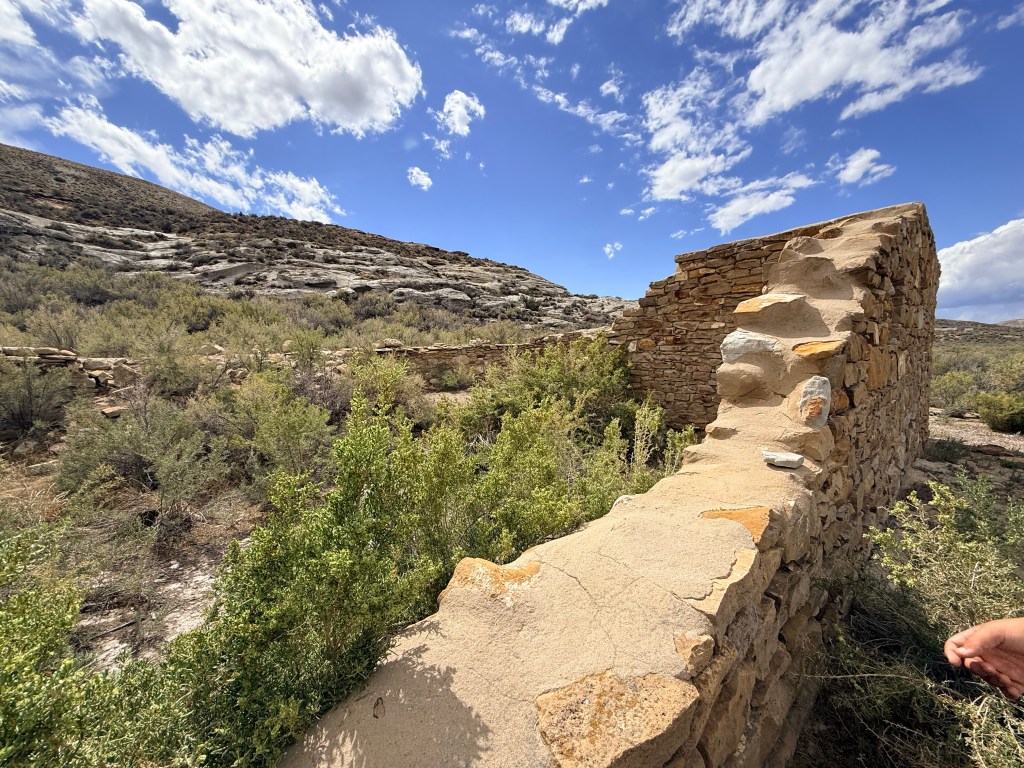
Then we finally hit our first Pony Express station! Point of Rocks Pony Express Station is one of the few original stations still standing in Wyoming. It sits out in the middle of nowhere, tucked against a sandstone ridge, looking exactly like something the Pony Express riders would have sprinted toward in the 1860s. The building is small, low, and practical, built from local stone because that was the only thing that could survive the wind out here. Riders would swap horses, grab whatever supplies they needed, and head straight back out into the emptiness.
It later served as a stage stop and freight station, and today it is one of the best preserved Pony Express structures on the entire route. There is no visitor center, no big display, nothing fancy. Just the building, the ridge, and the wind. It feels untouched, which is exactly what makes it worth the stop.

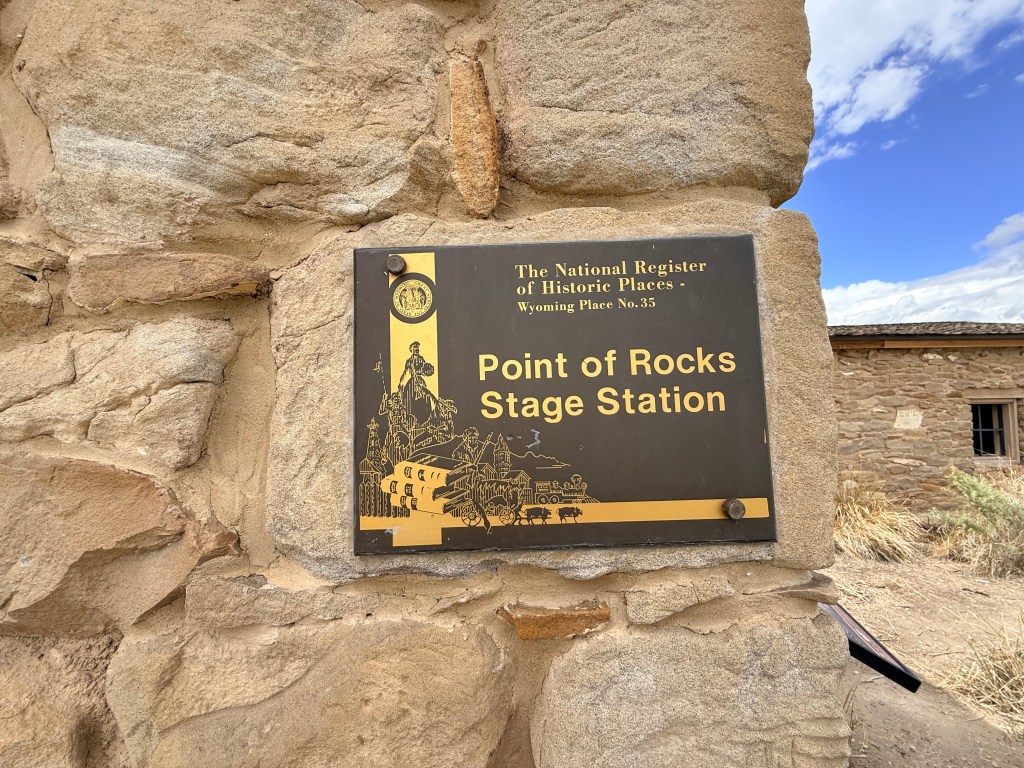
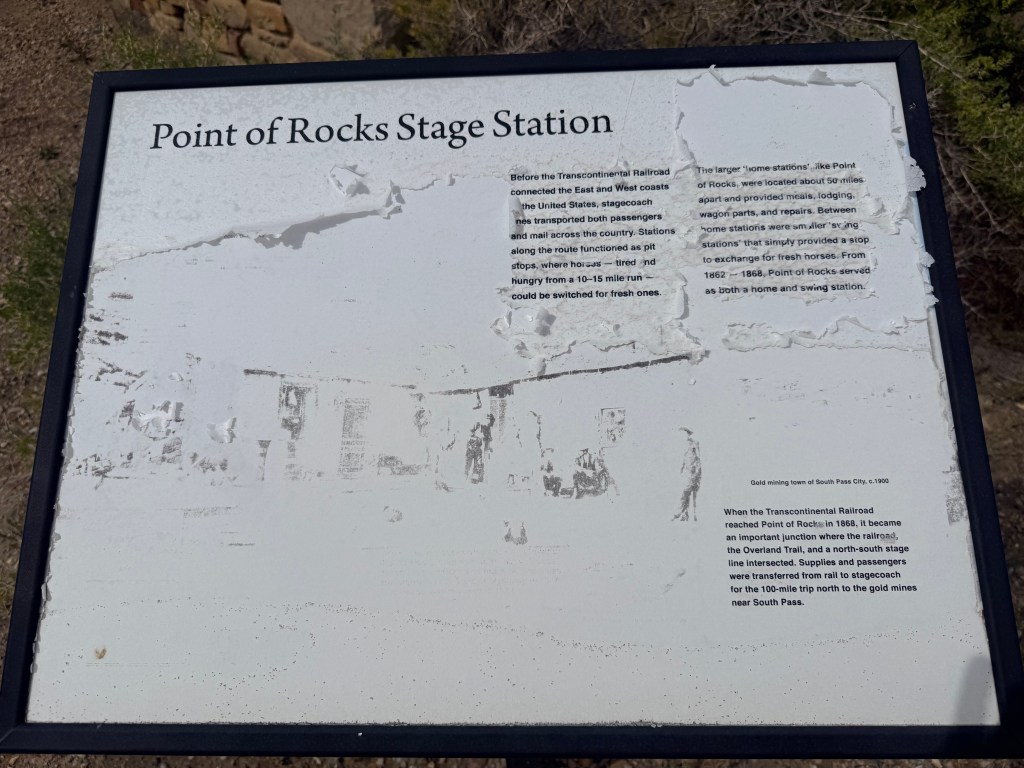
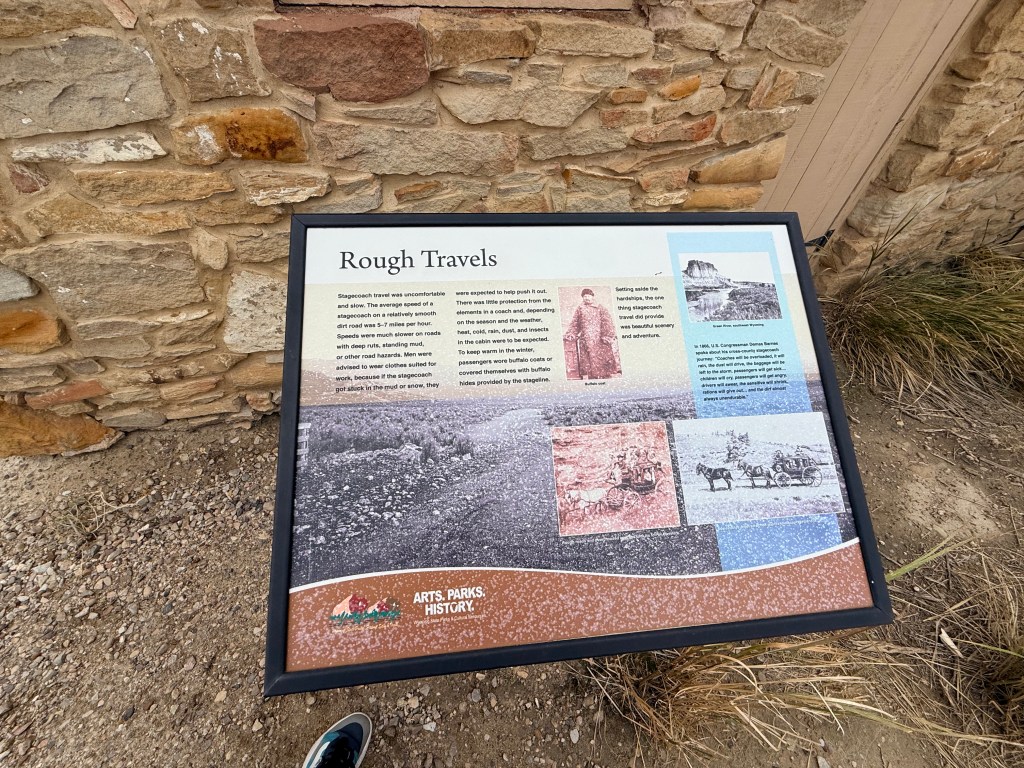
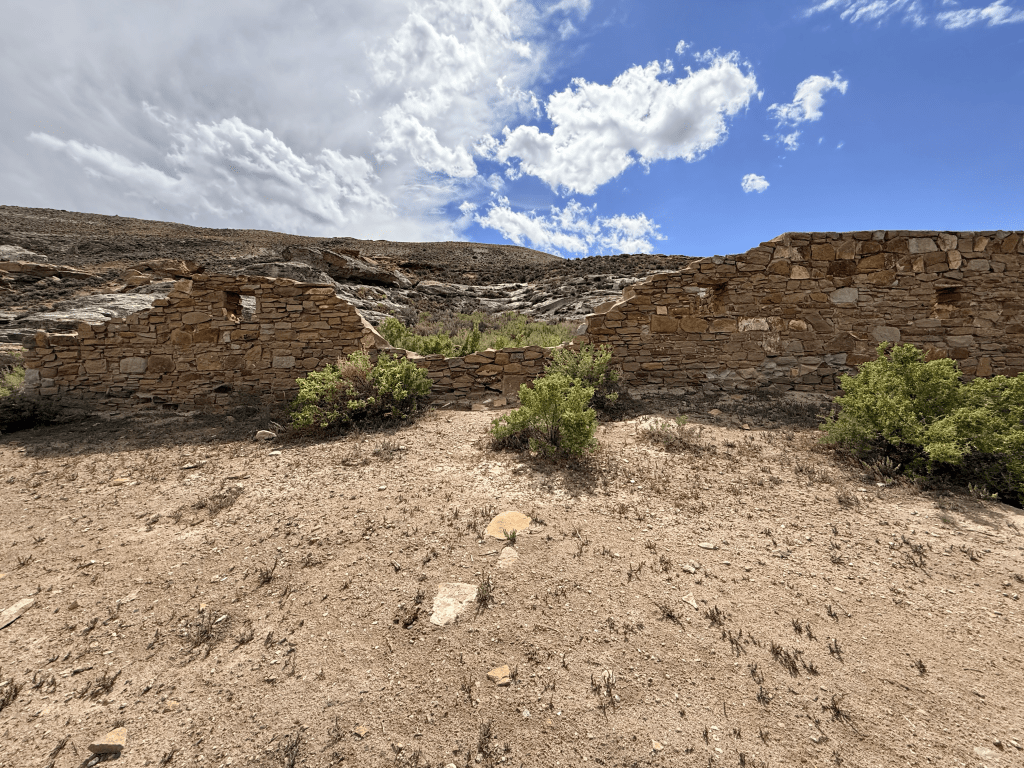
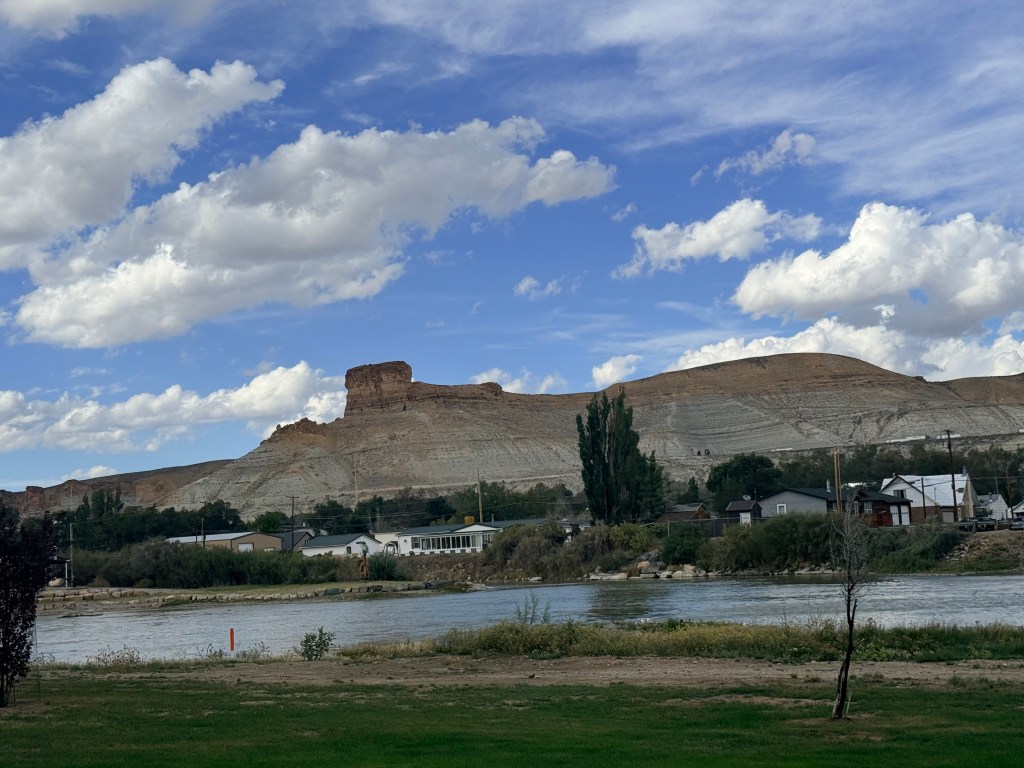
Then we attempted the Wild Horse Loop in Green River… It is a twenty‑four mile gravel drive across White Mountain where wild mustangs roam completely free. If you time it right, you can see entire bands of horses cresting the ridges like they are posing for a Western poster. Pronghorn, eagles, and the occasional “was that a coyote” moment round out the cast.
The road itself is simple. No visitor center. No big pull‑offs. Just open land, sky, and horses that do not care you are there. Early morning and late afternoon are the best chances to see them… except we didn’t… we may try again in the morning.
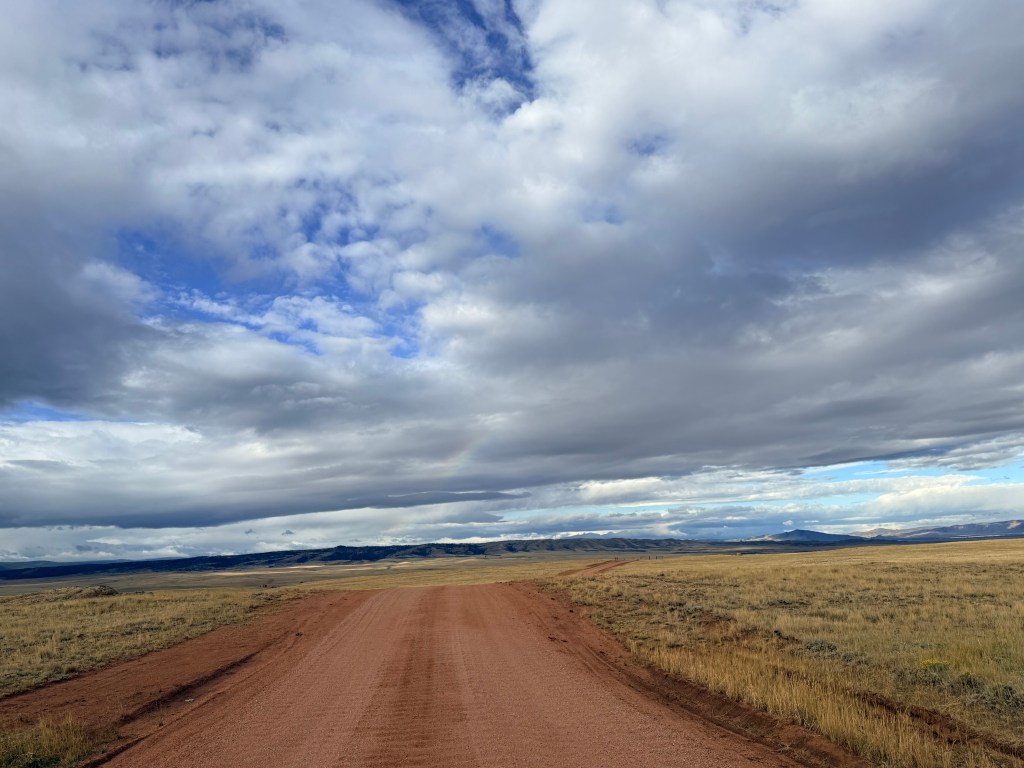
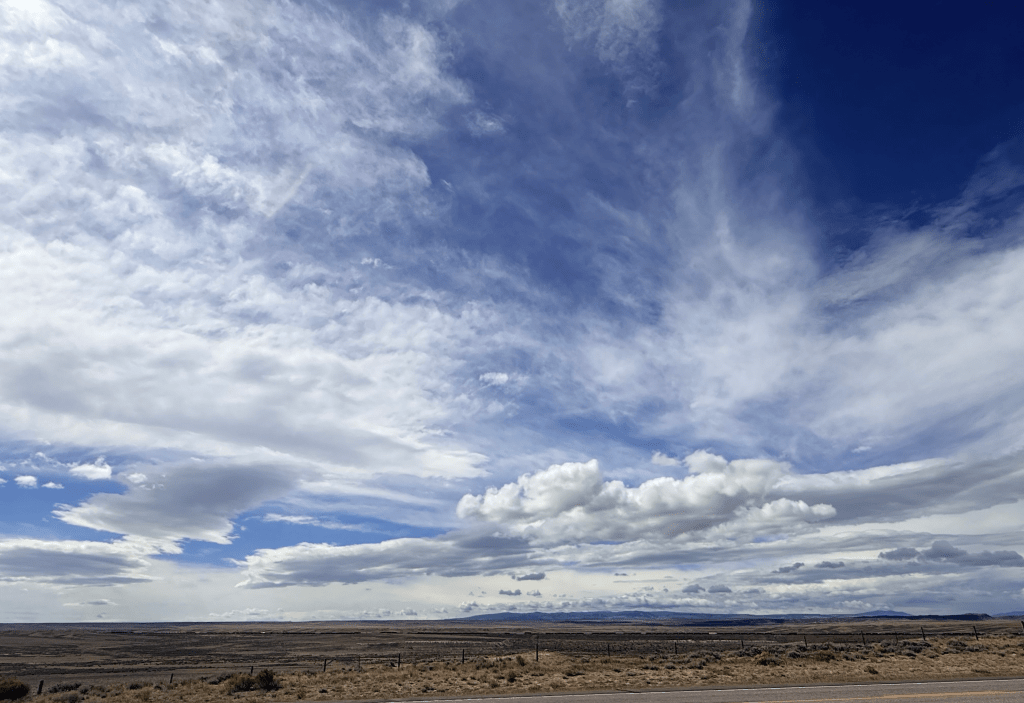
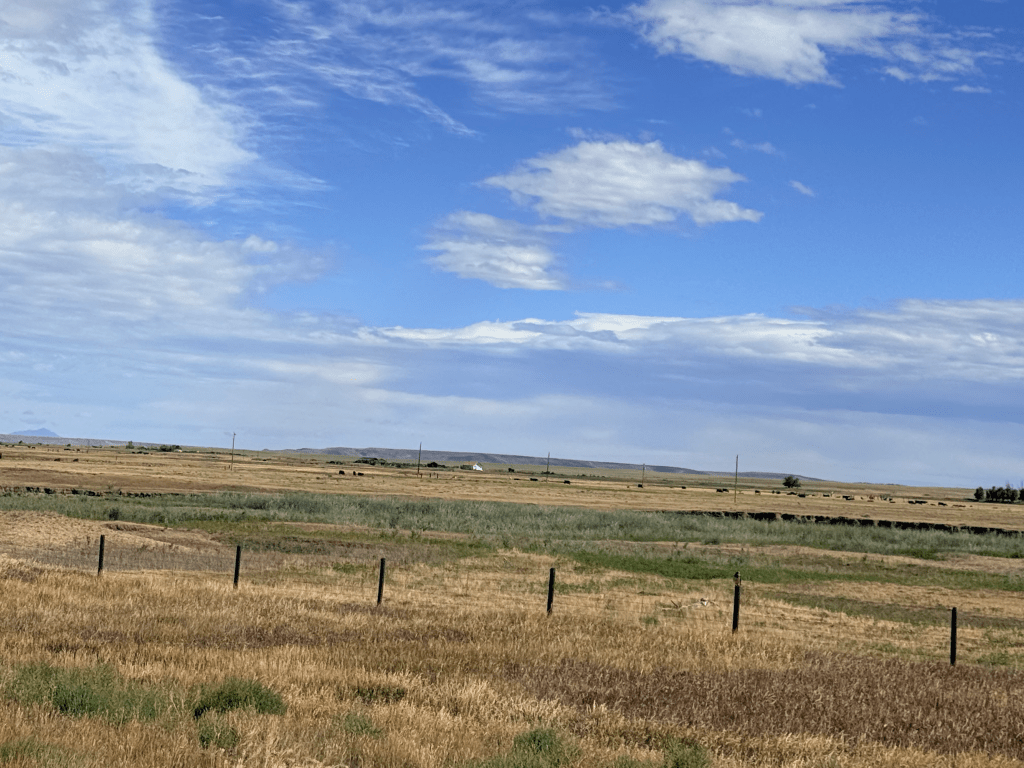
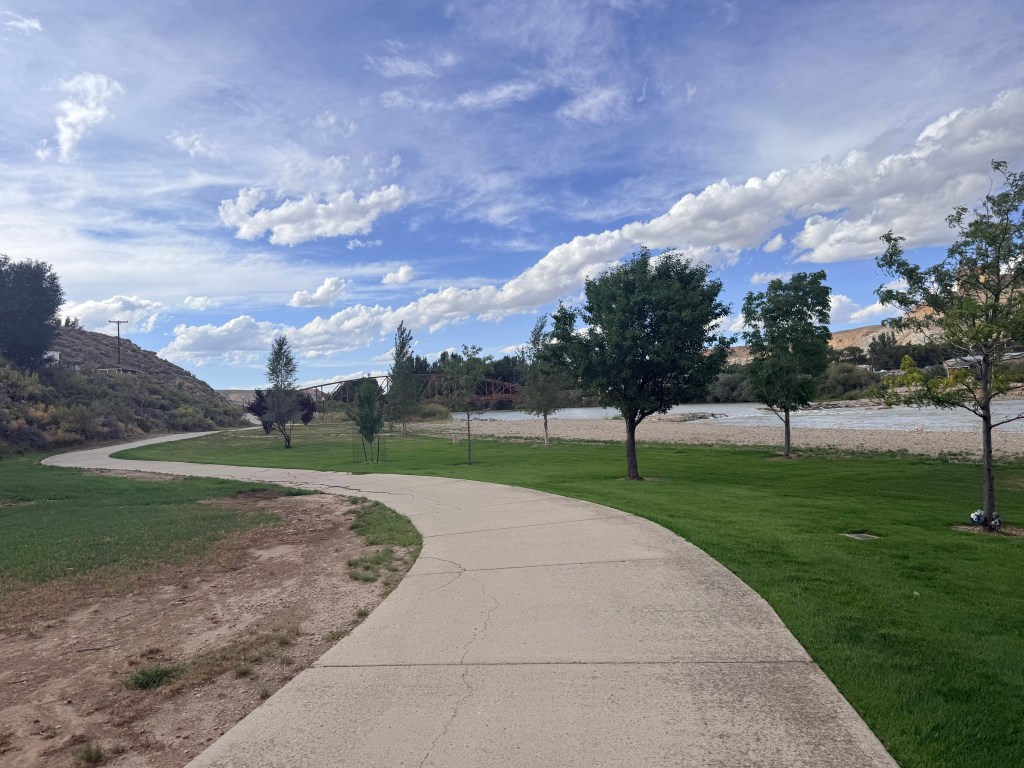
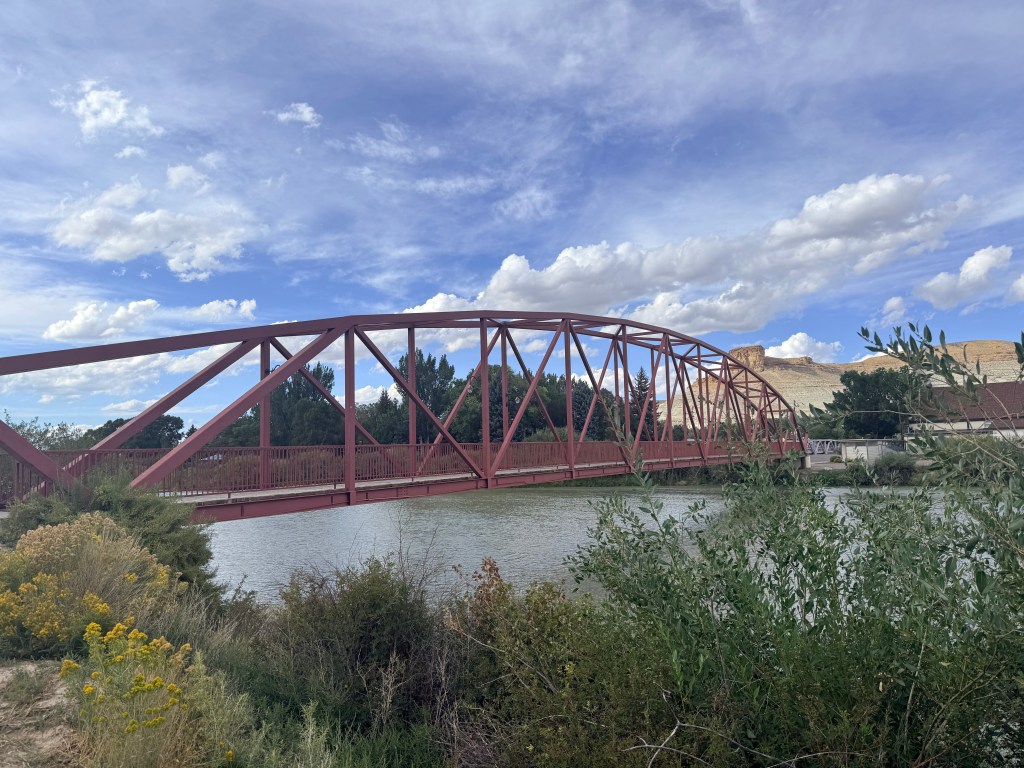
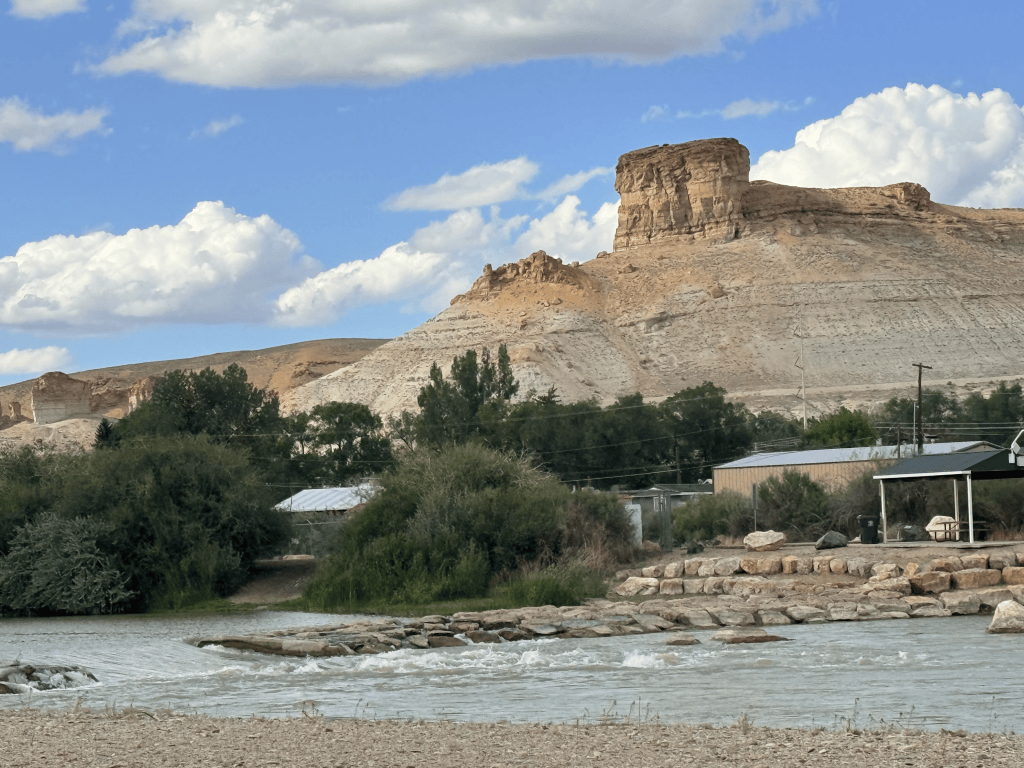
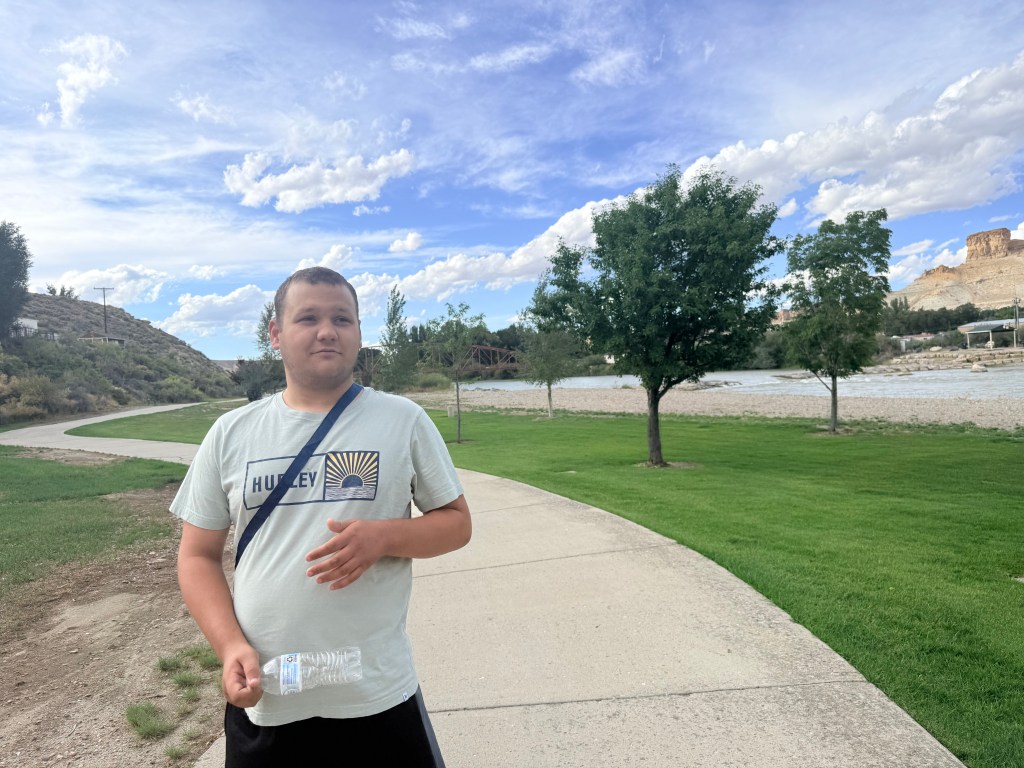
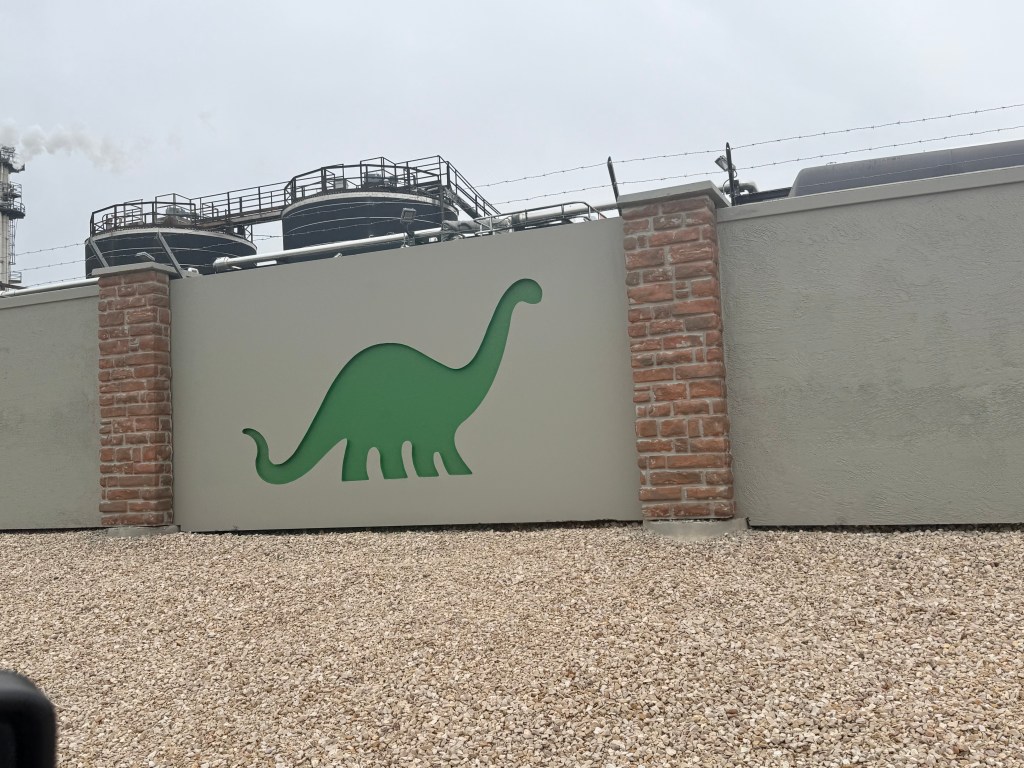
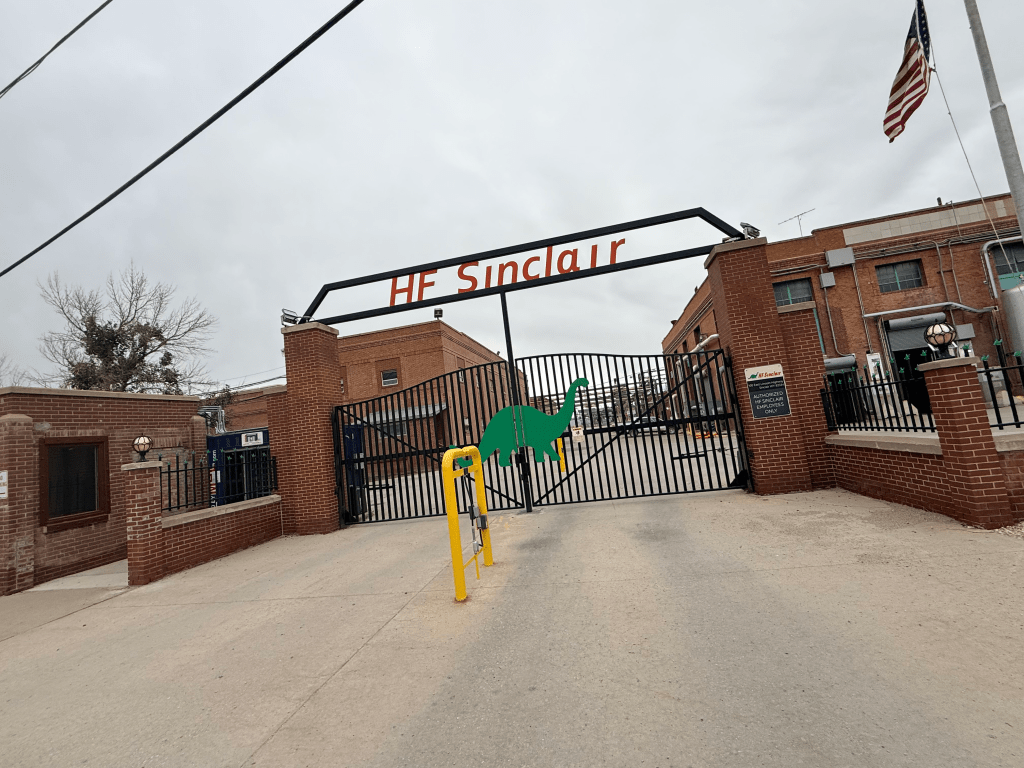
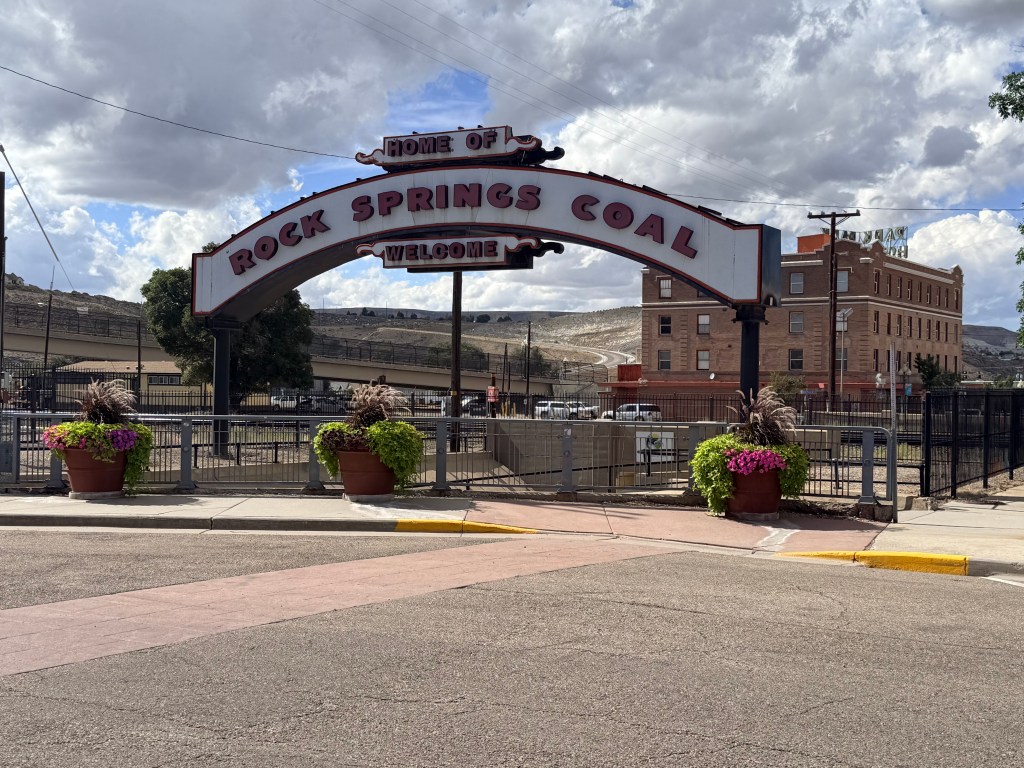
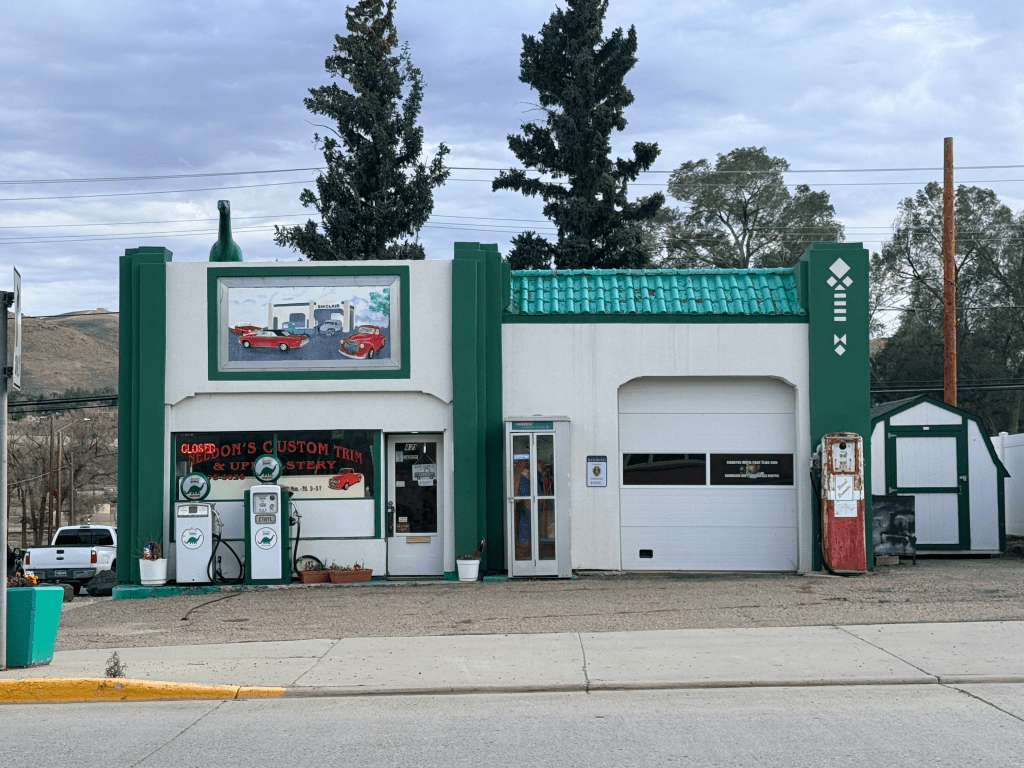
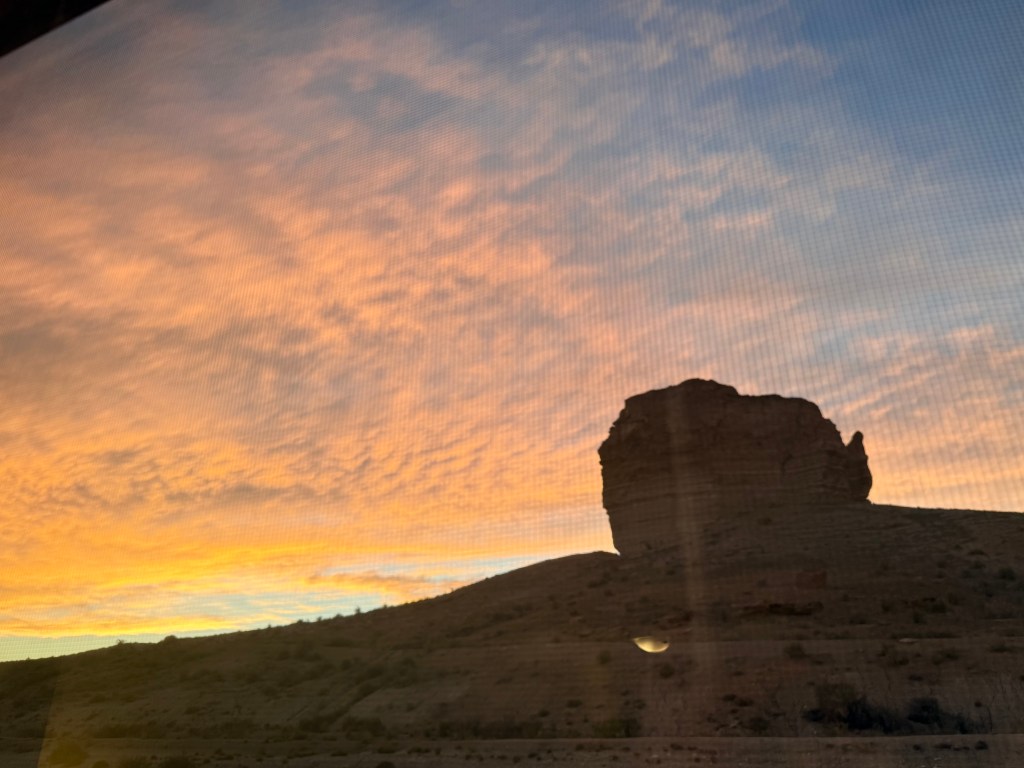
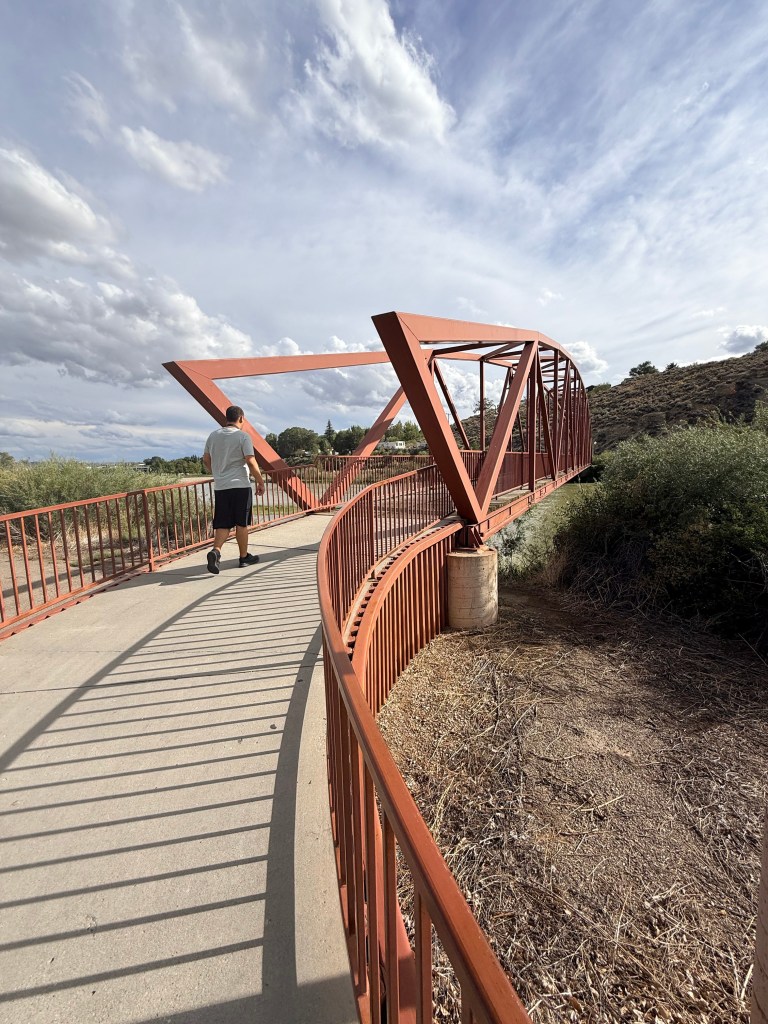
Oh… and my windshield has a HUGE crack in it, but I know you want random pics…
Unreliable Summary~ iconic stops, some sadness, and more car issues
Category:
Leave a Reply