

Share this:
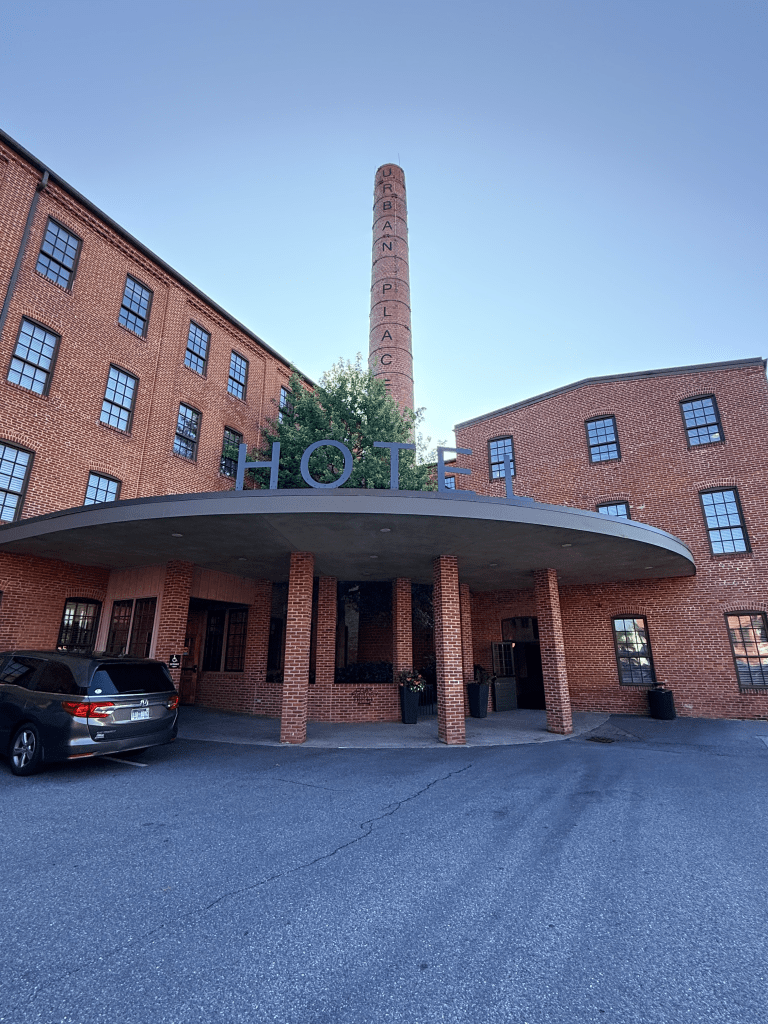
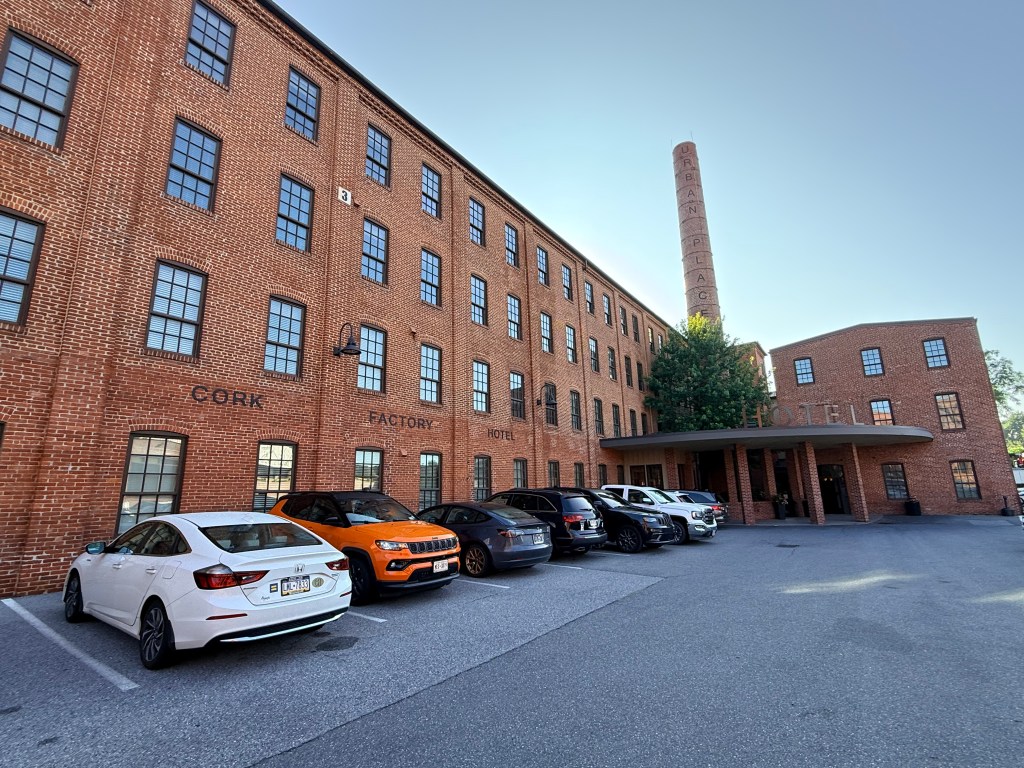
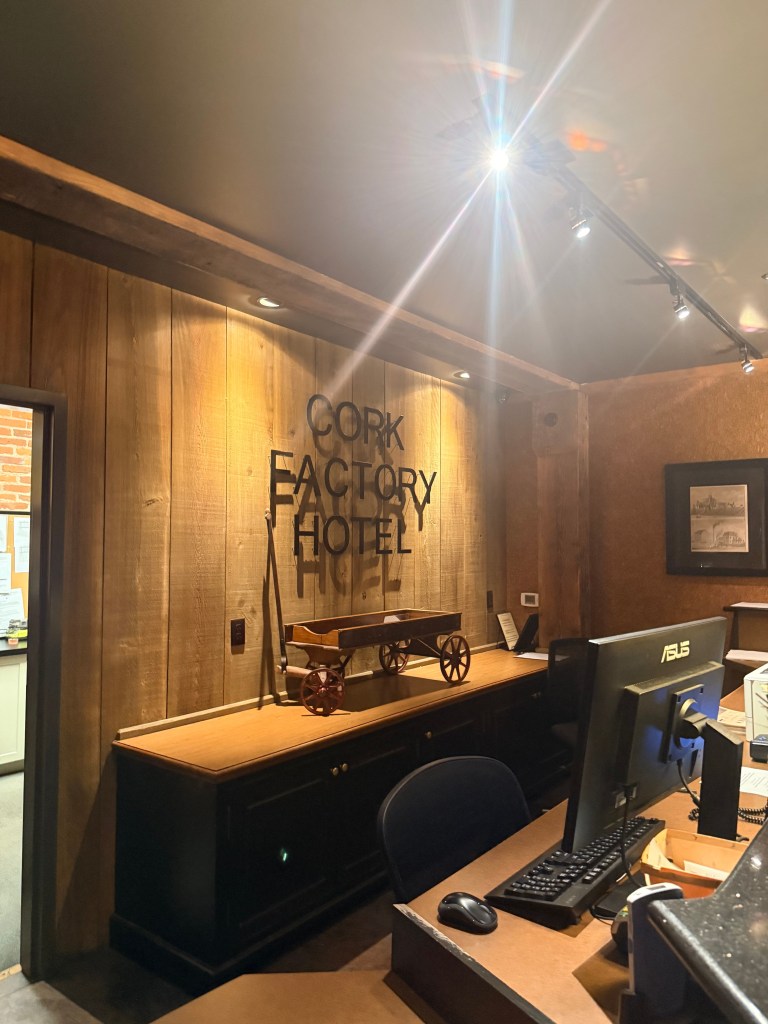
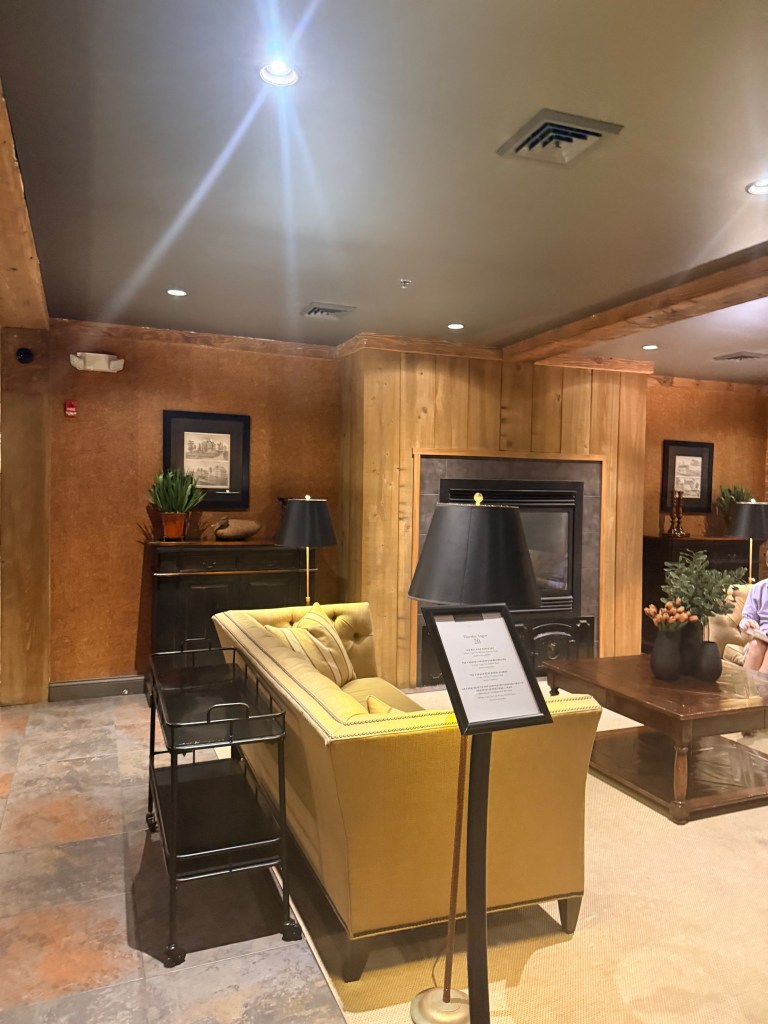
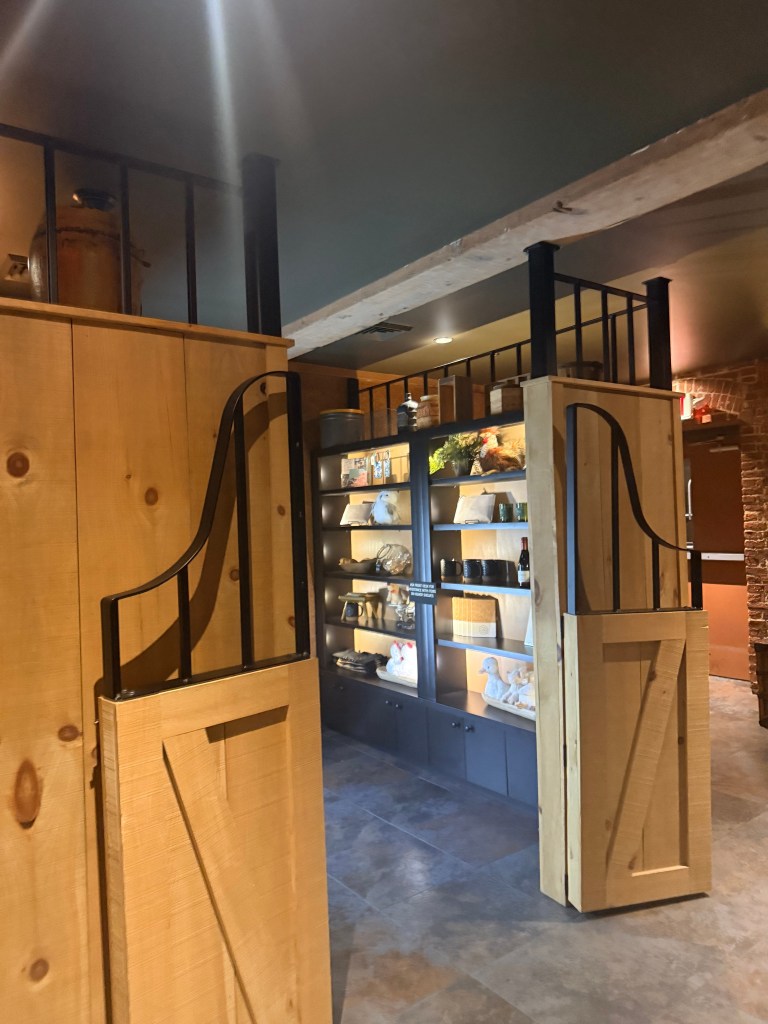
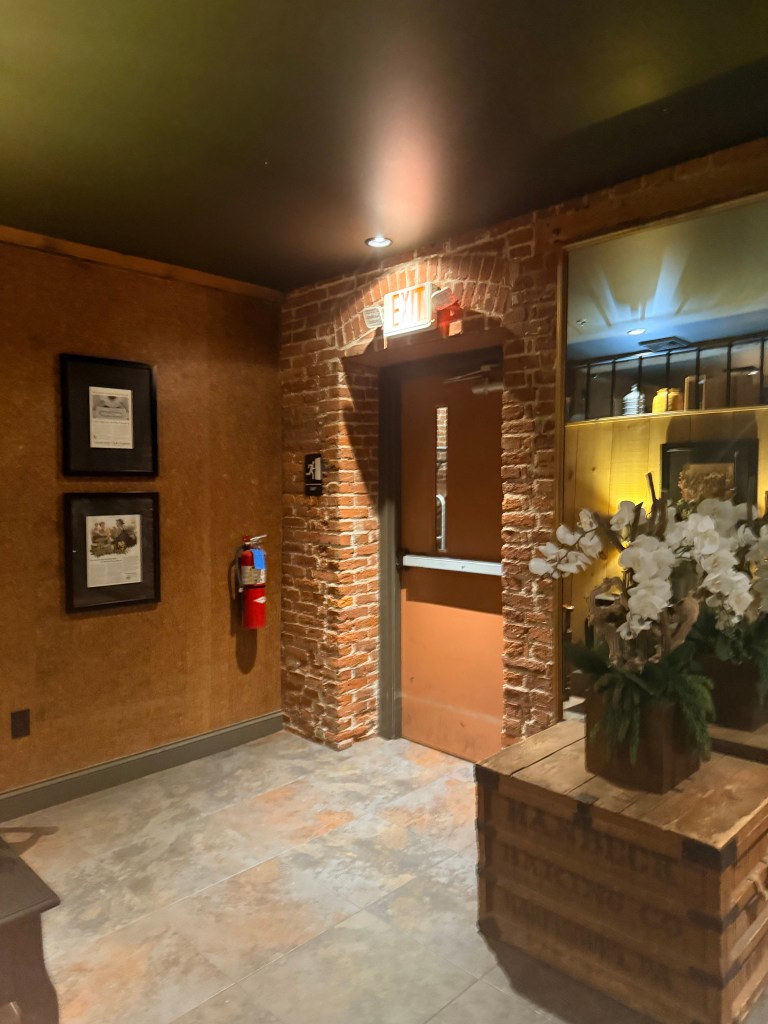
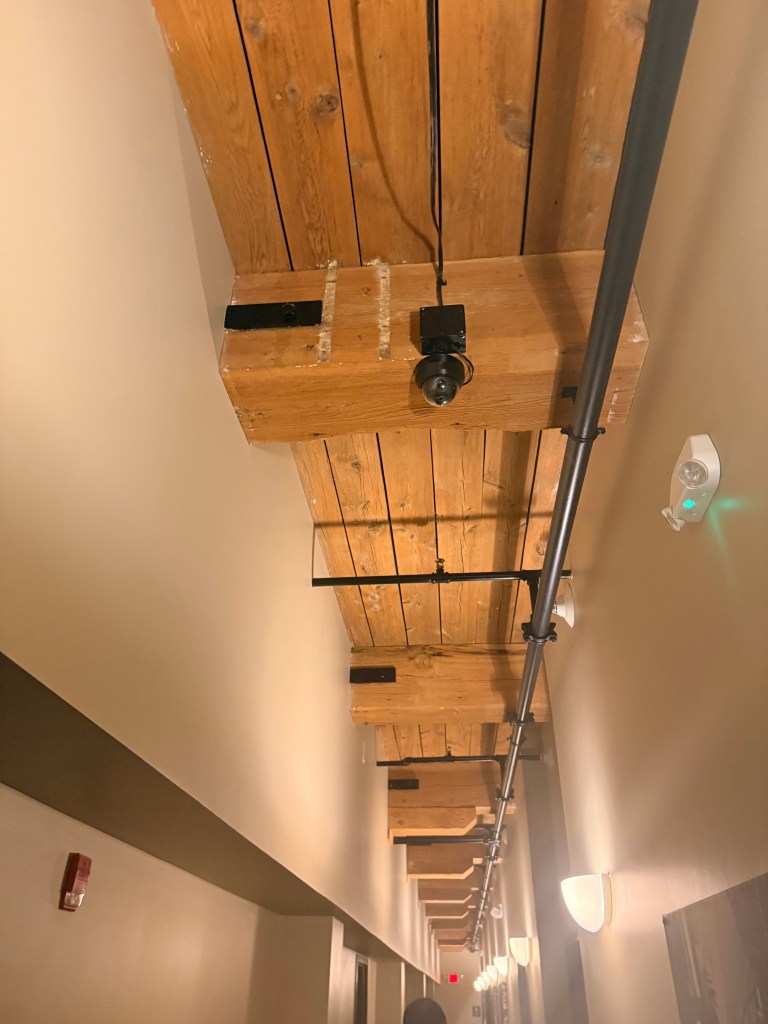
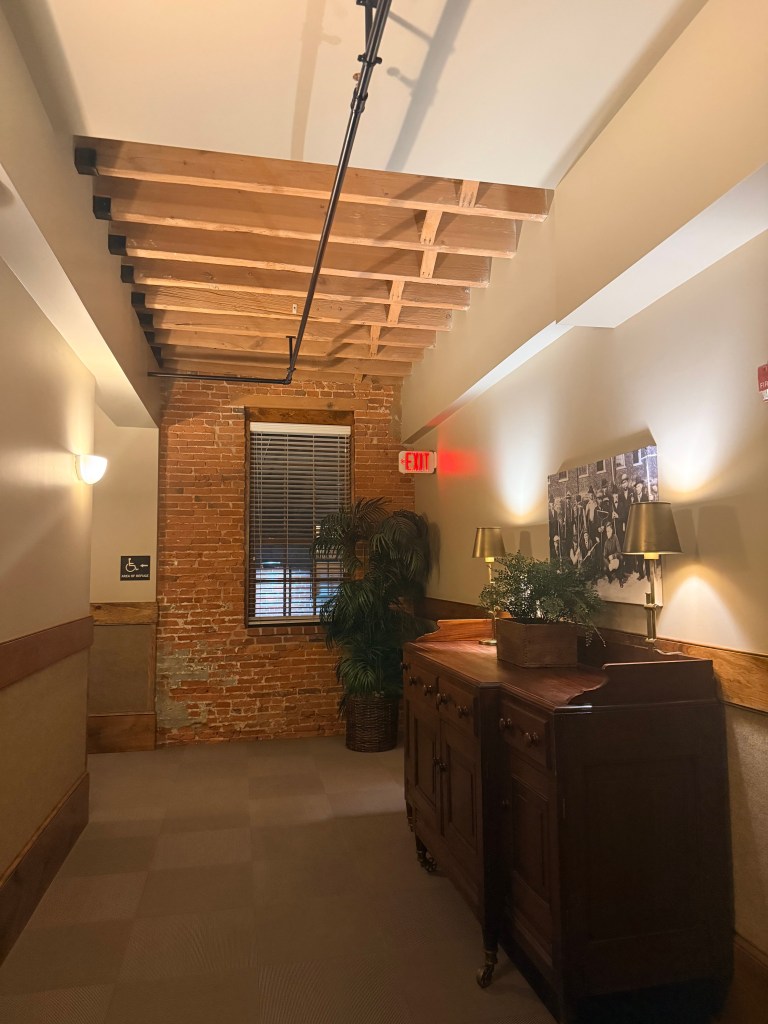
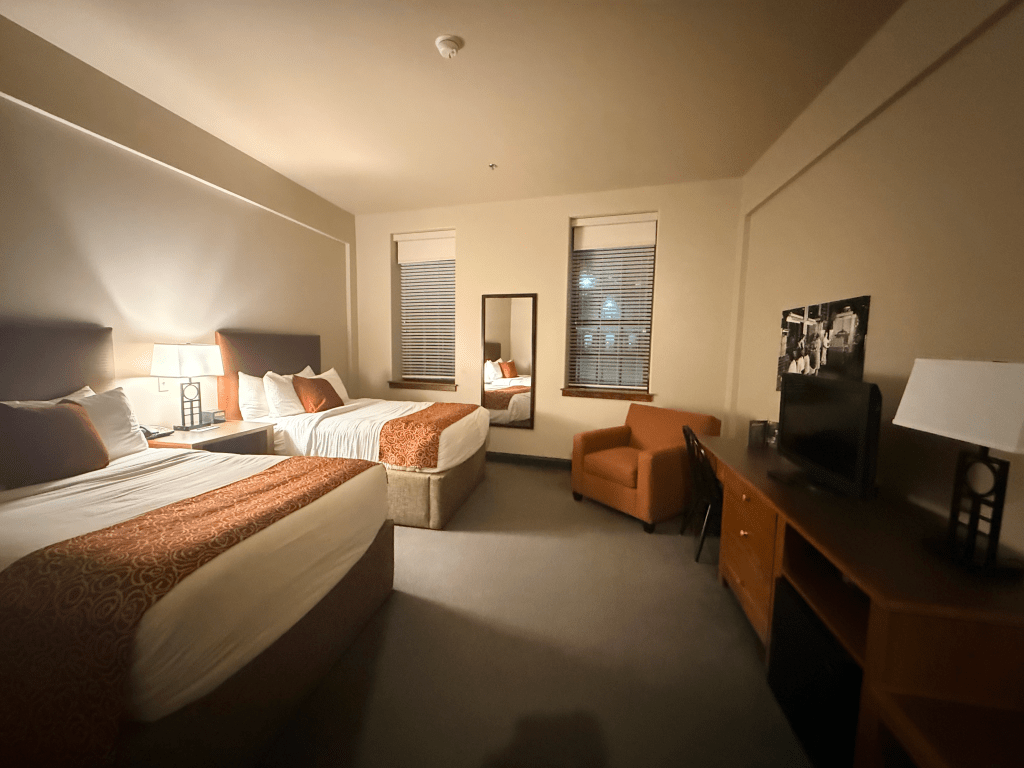
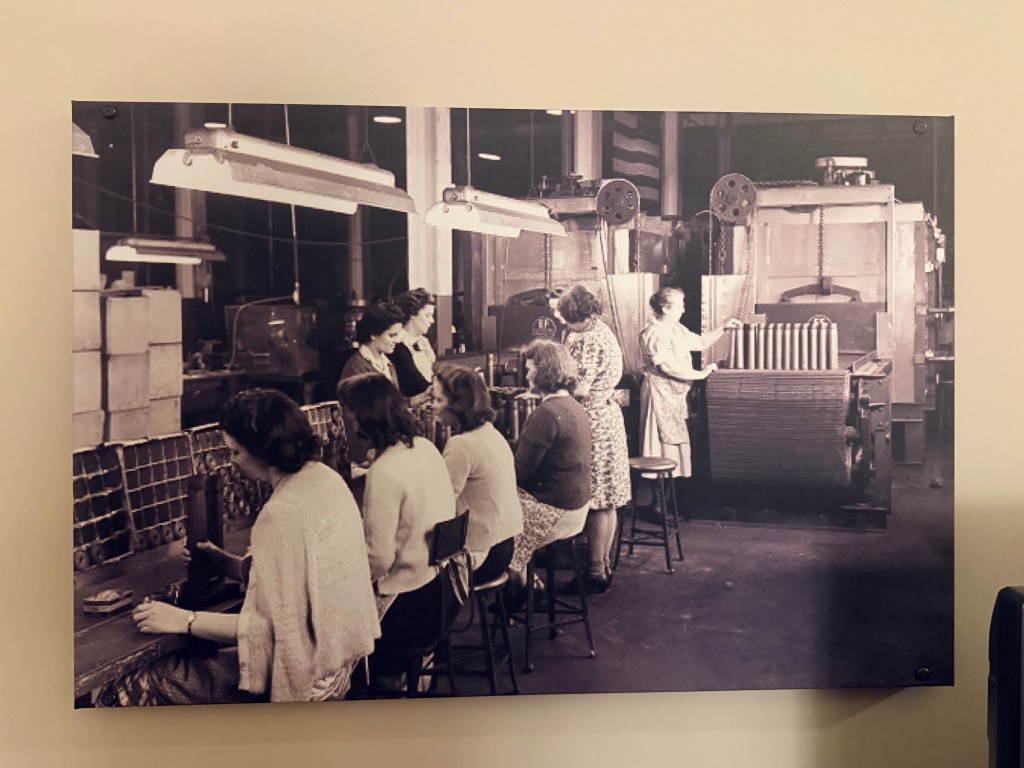
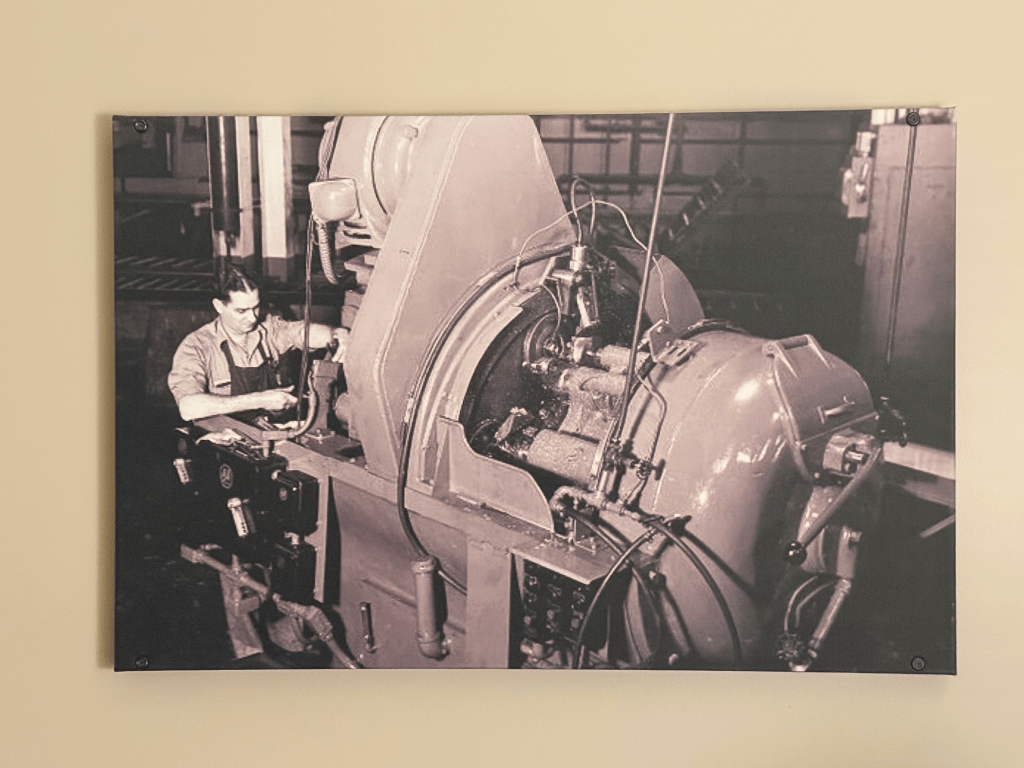
The eight glorious hour I slept last night were at the Cork Factory Hotel at Urban Place in Lancaster. Built in 1865, the complex once housed the Lancaster Cork Works, Armstrong Cork, and Kerr Glass companies. Today it’s a restored 19th‑century industrial site turned boutique hotel, with exposed brick, timber beams, and factory details that keep its manufacturing past front and center.
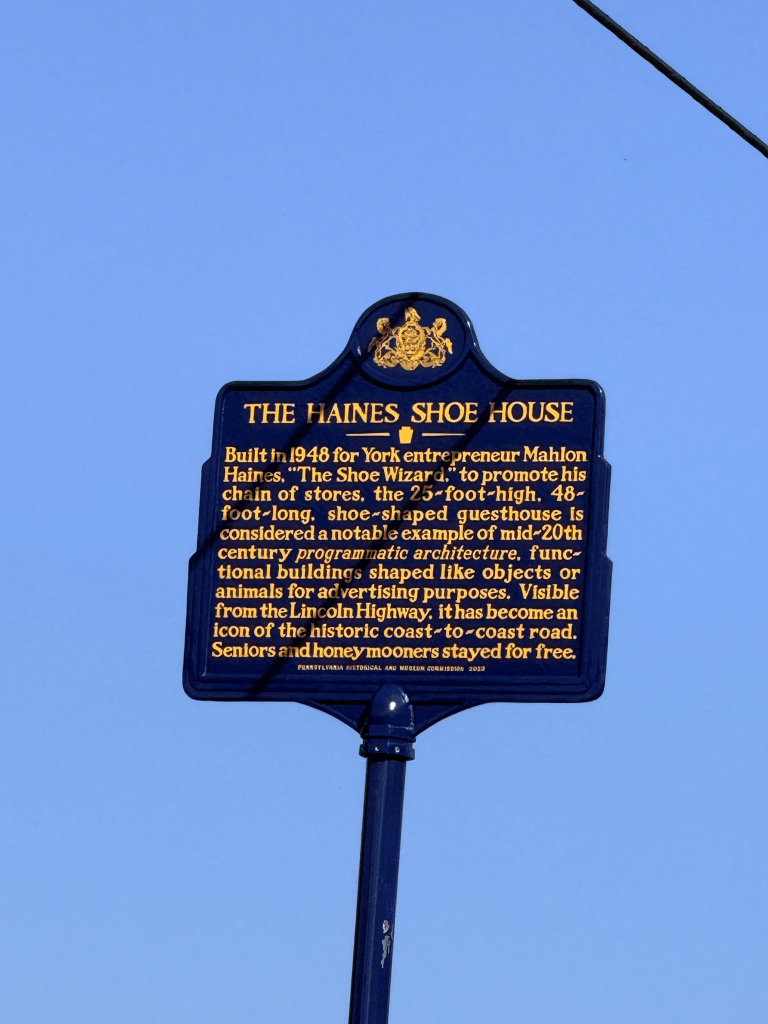
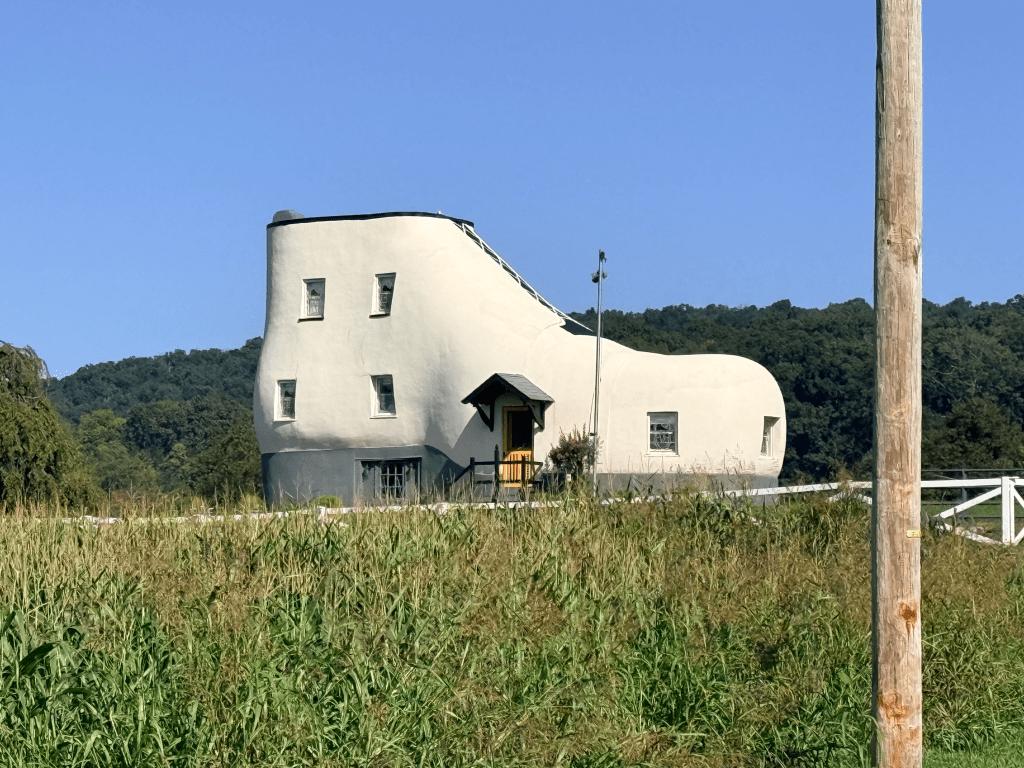
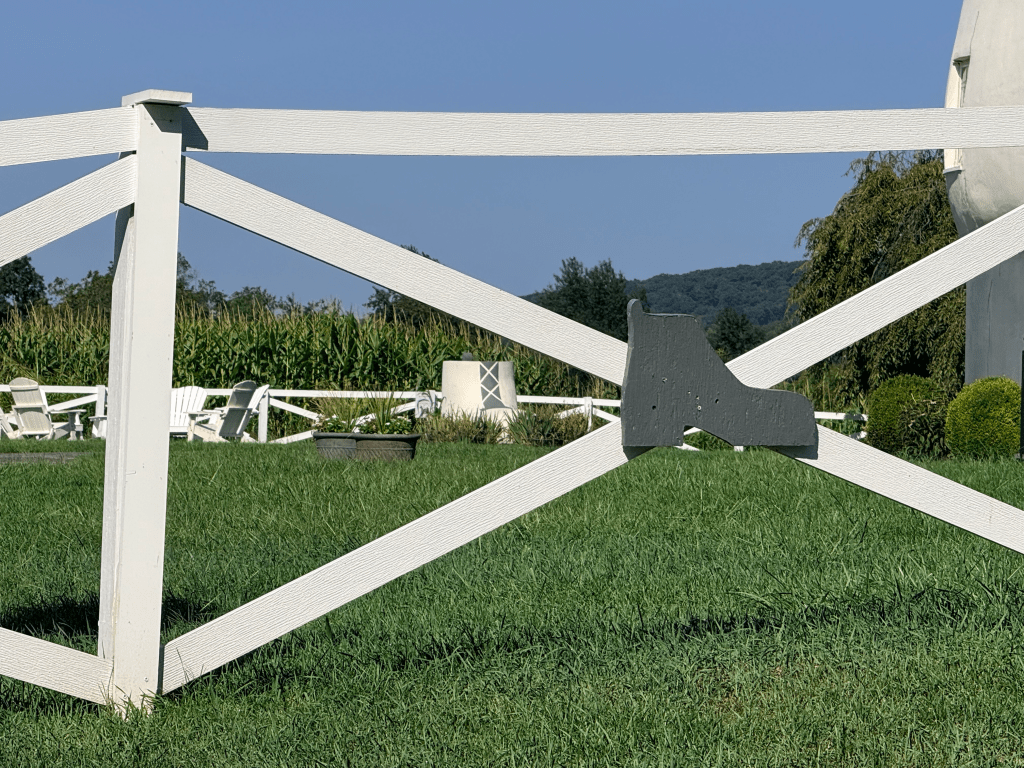
After getting a move-on, 0ur first sight was The Haines Shoe House, built in 1948 by Mahlon Haines, the “Shoe Wizard,” as a giant boot‑shaped advertisement for his shoe stores. You used to be able to tour it, but now the boot is an AirBnB complete with hot tub!
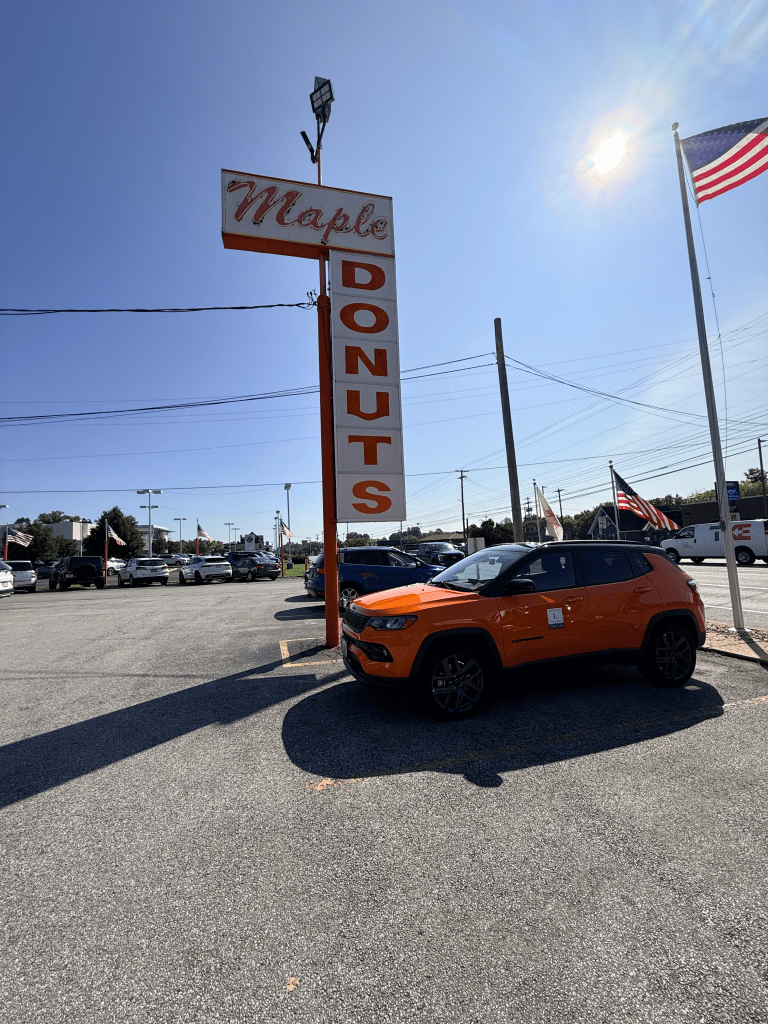
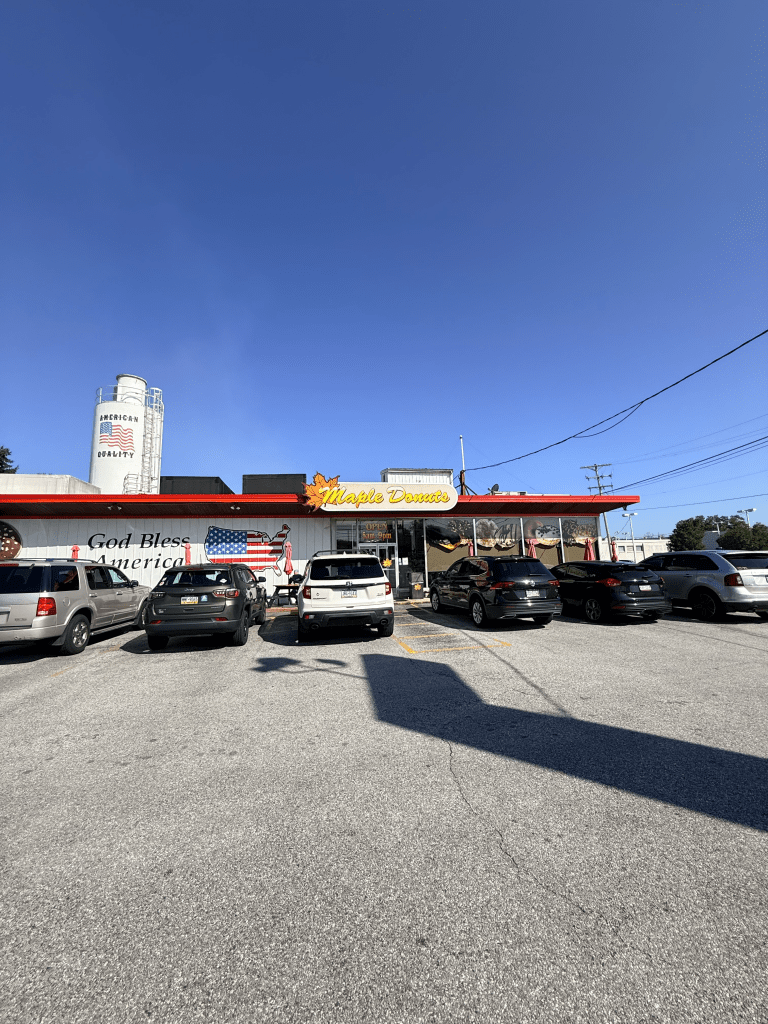
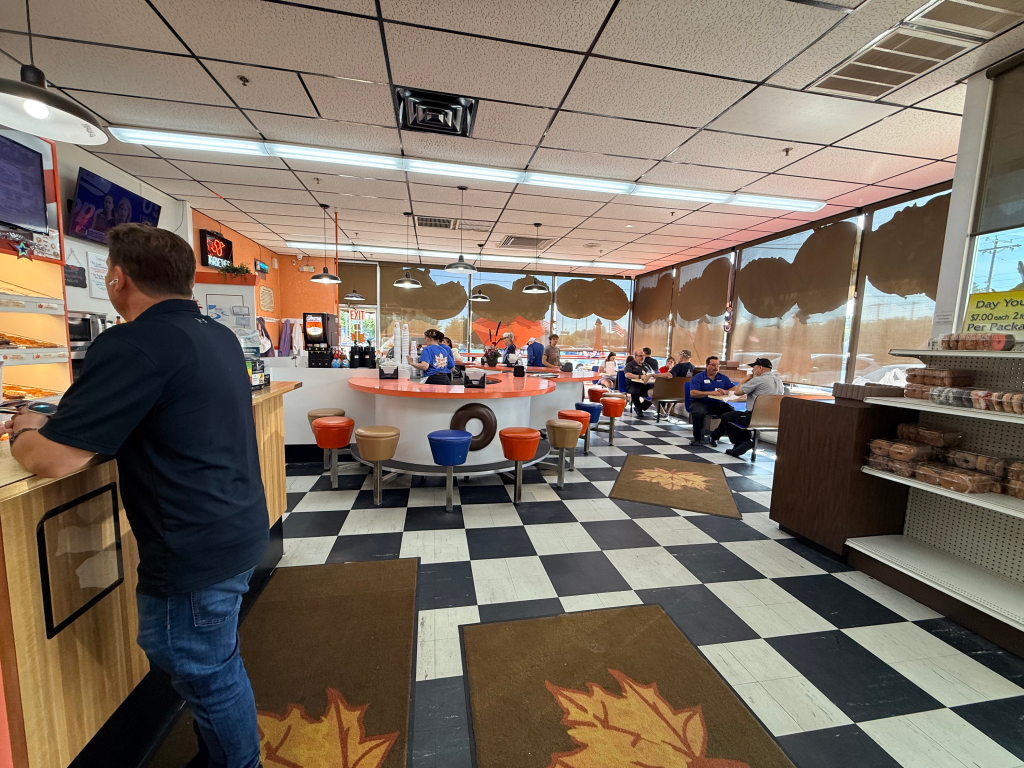
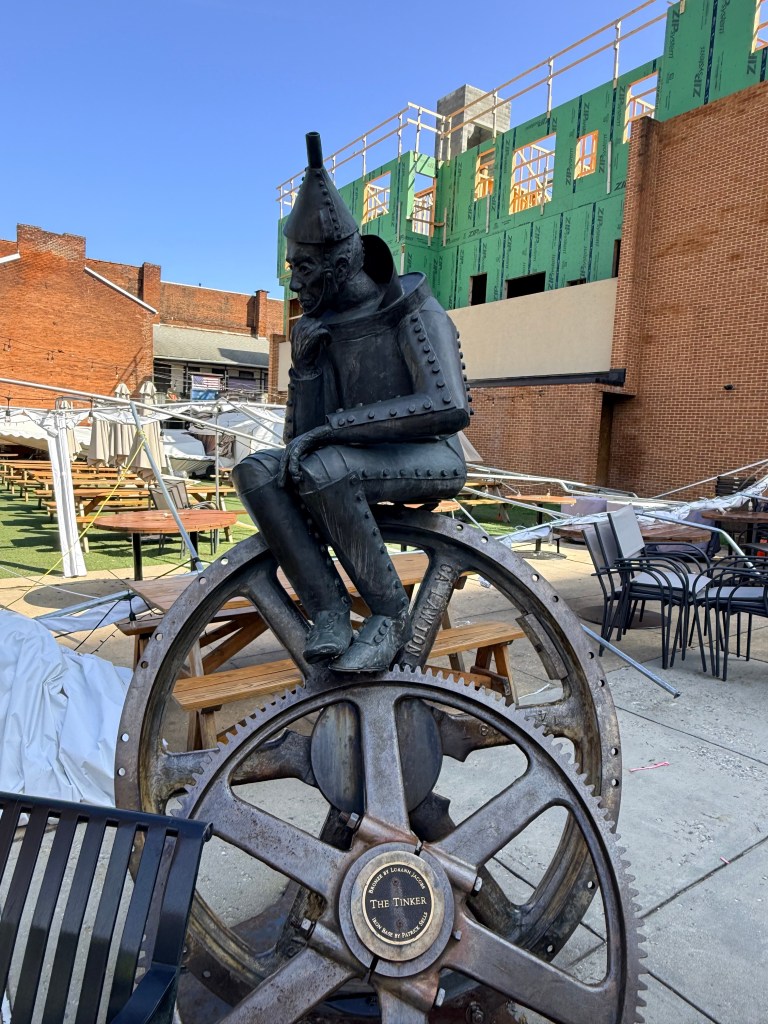
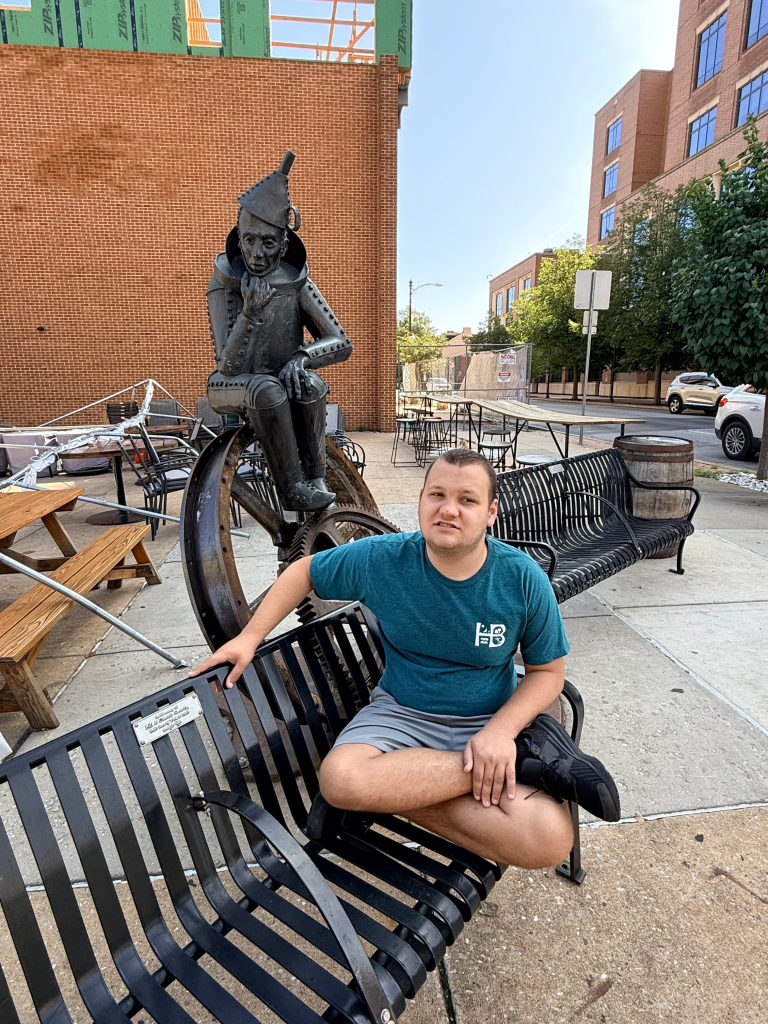
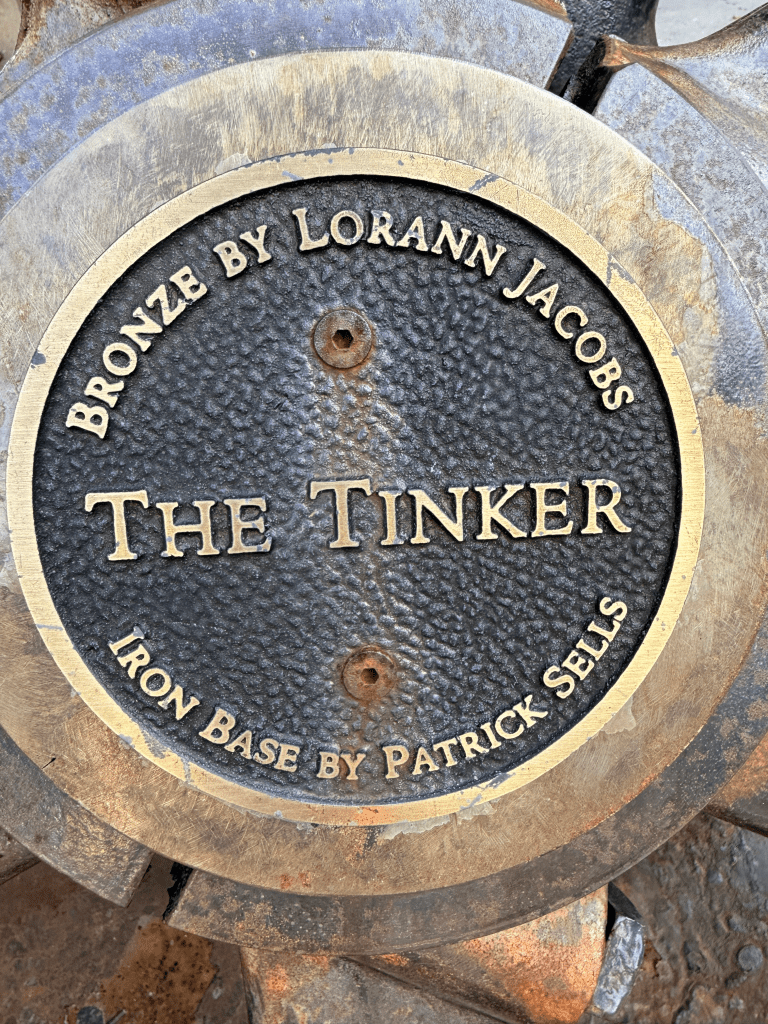
Then we hit up two York landmarks that Hunter really wanted to see and taste … Maple Donuts and The Tinker … you can figure out which he did to which…
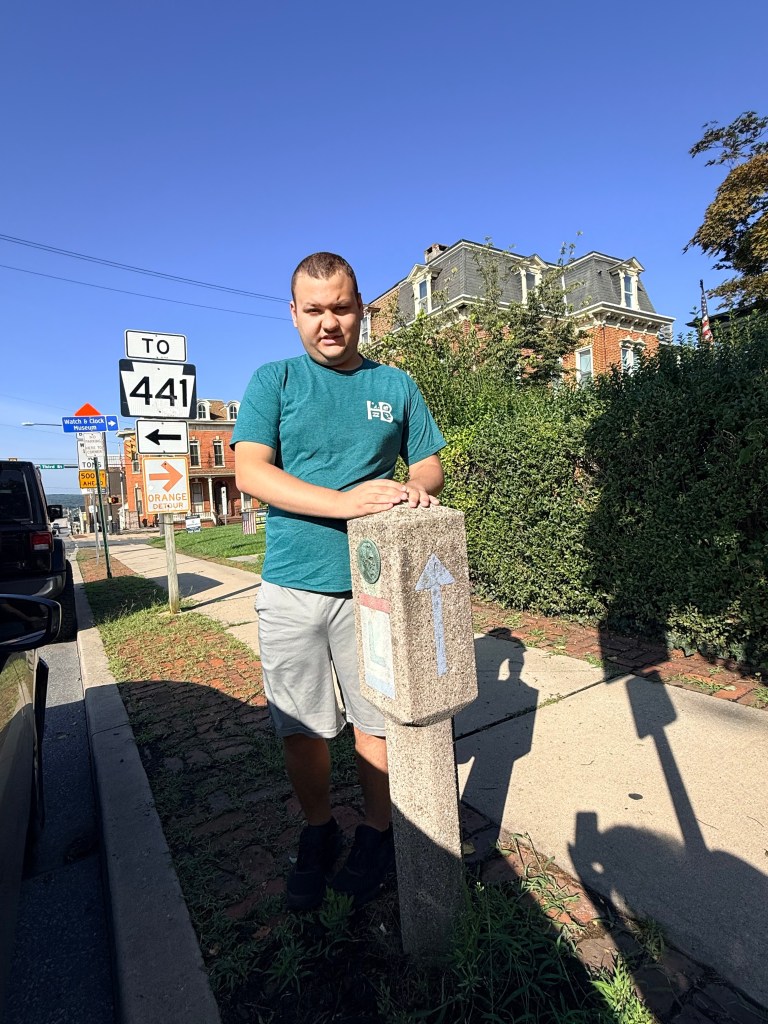
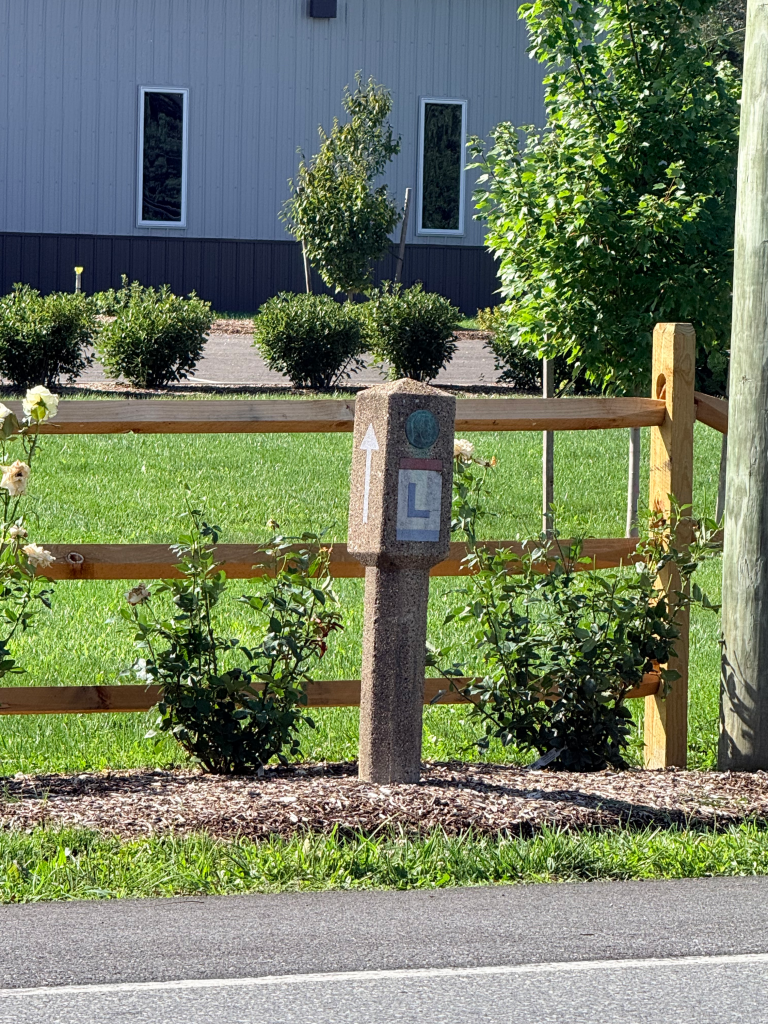
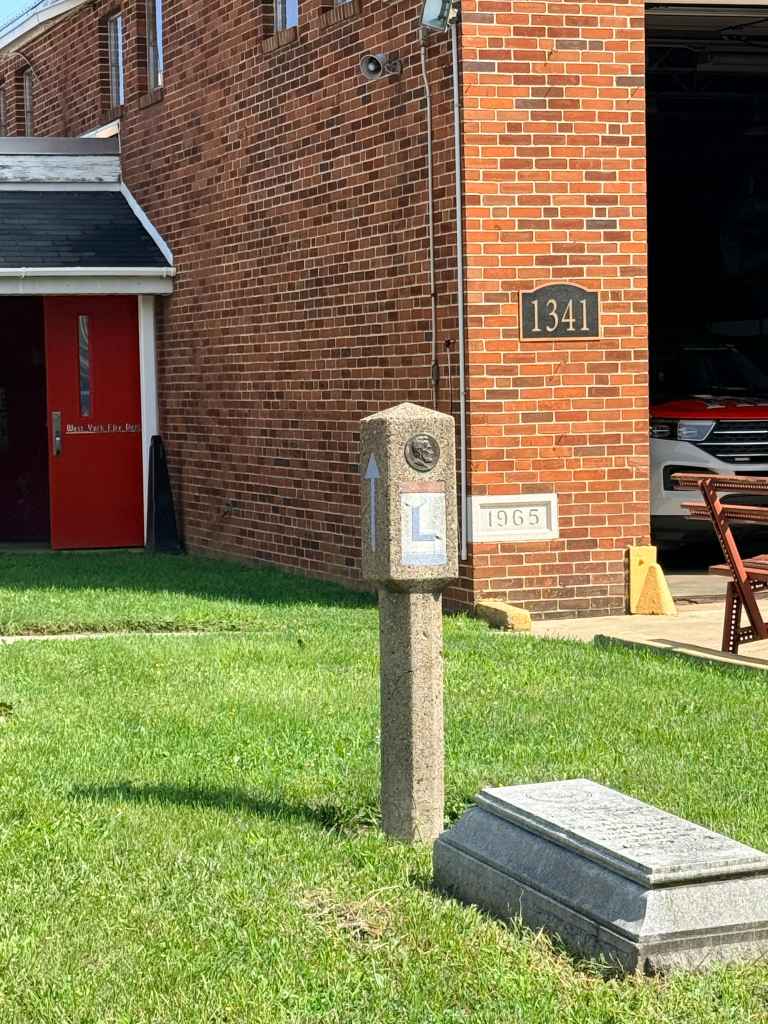
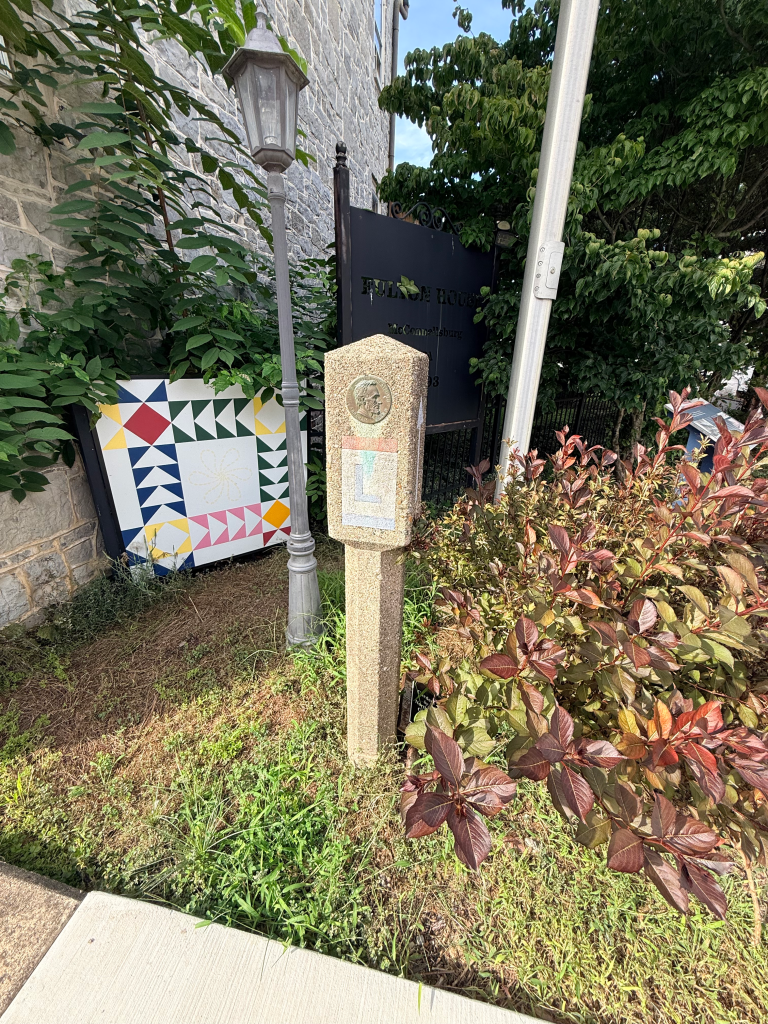
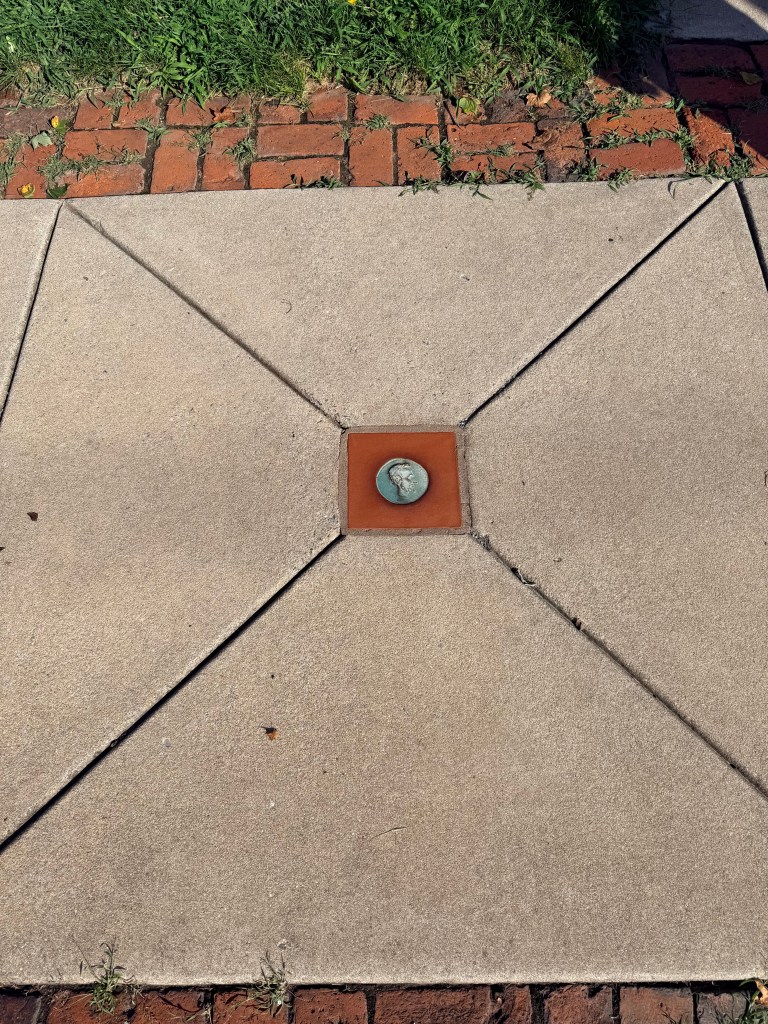
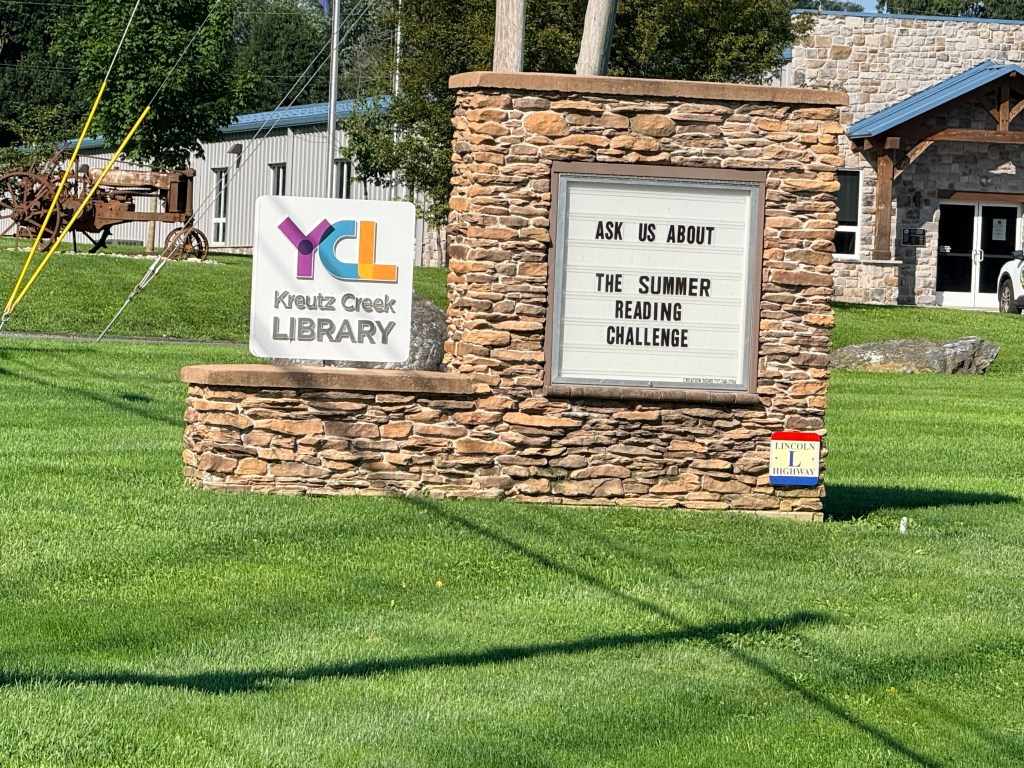
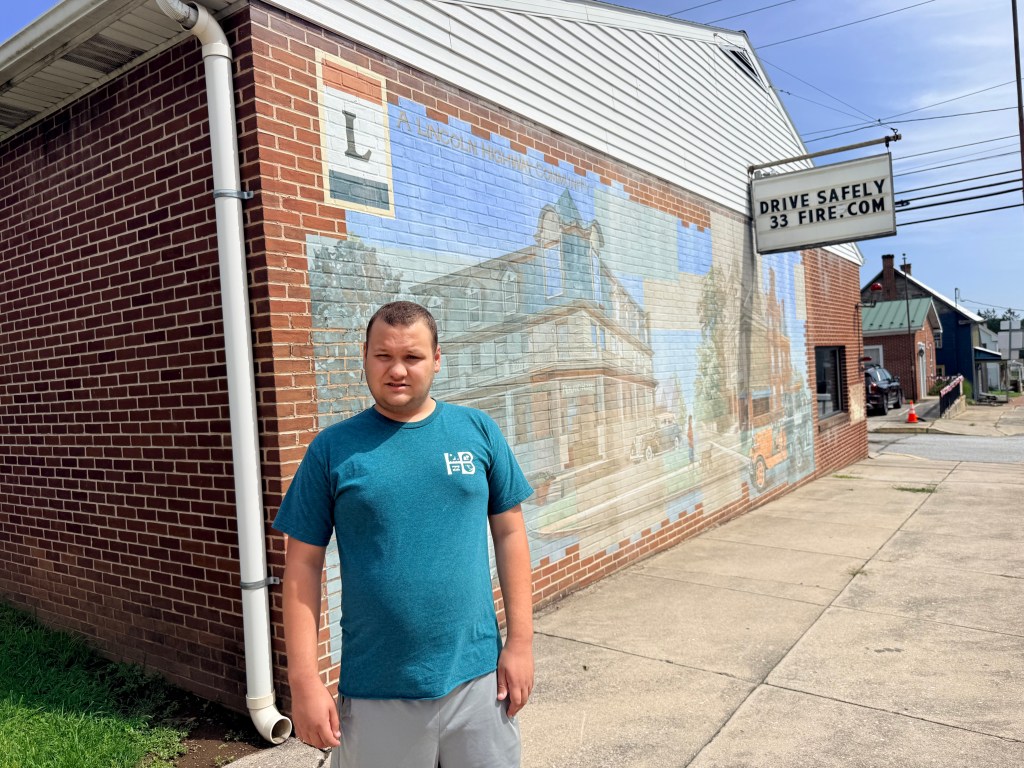
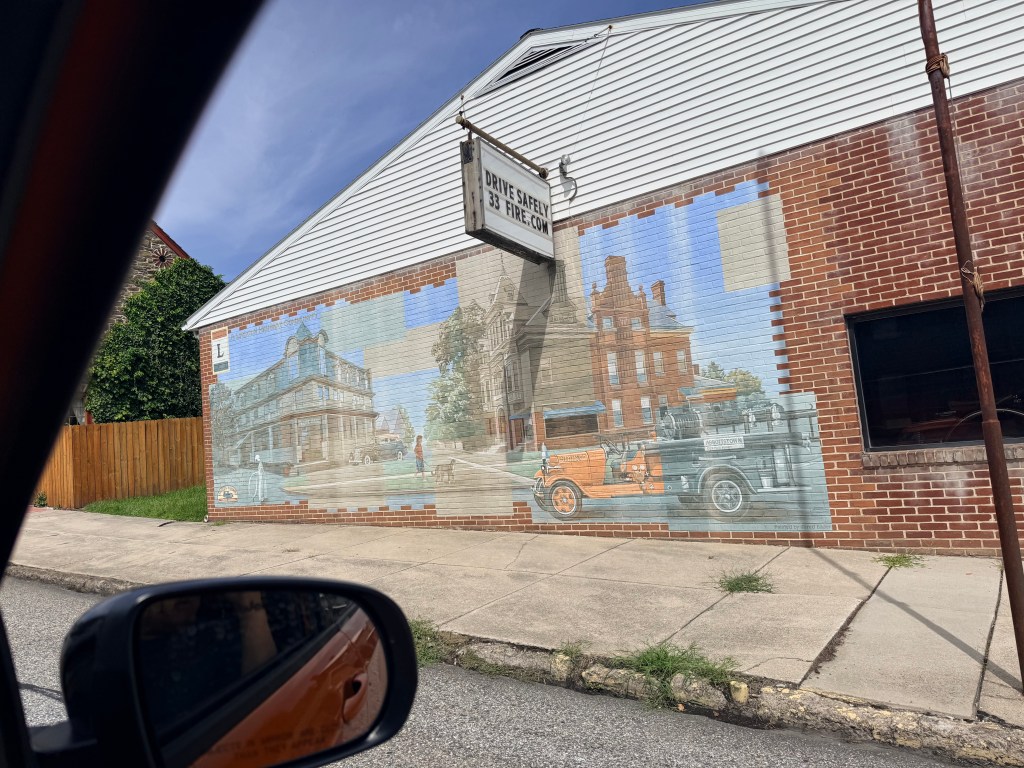
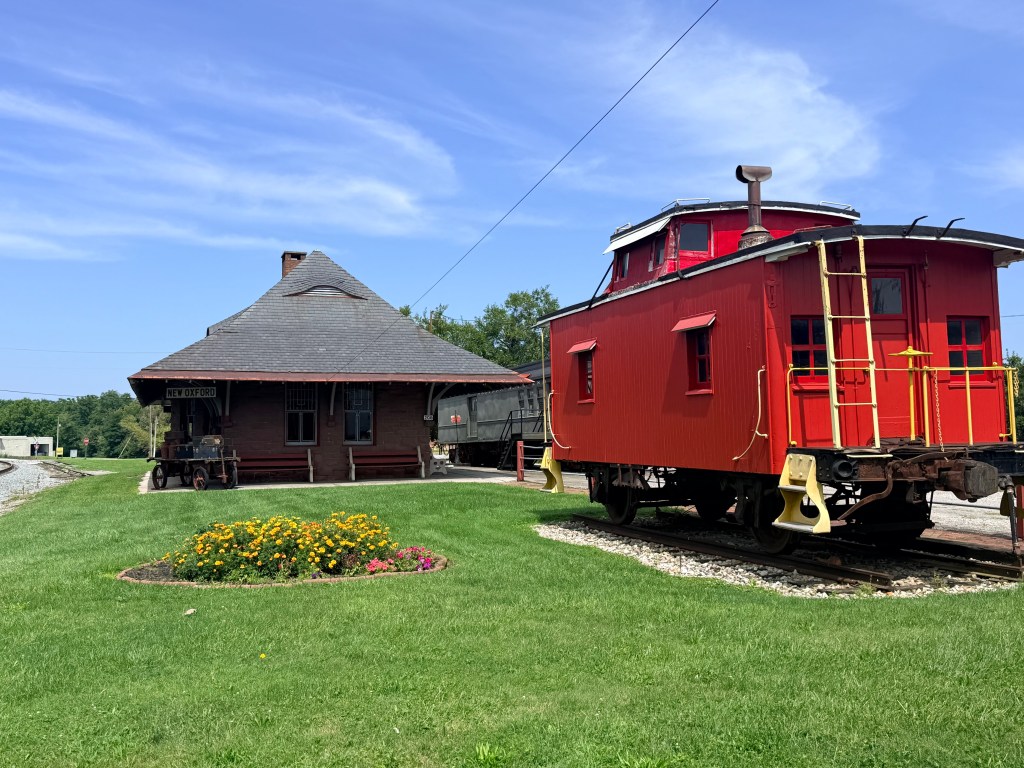
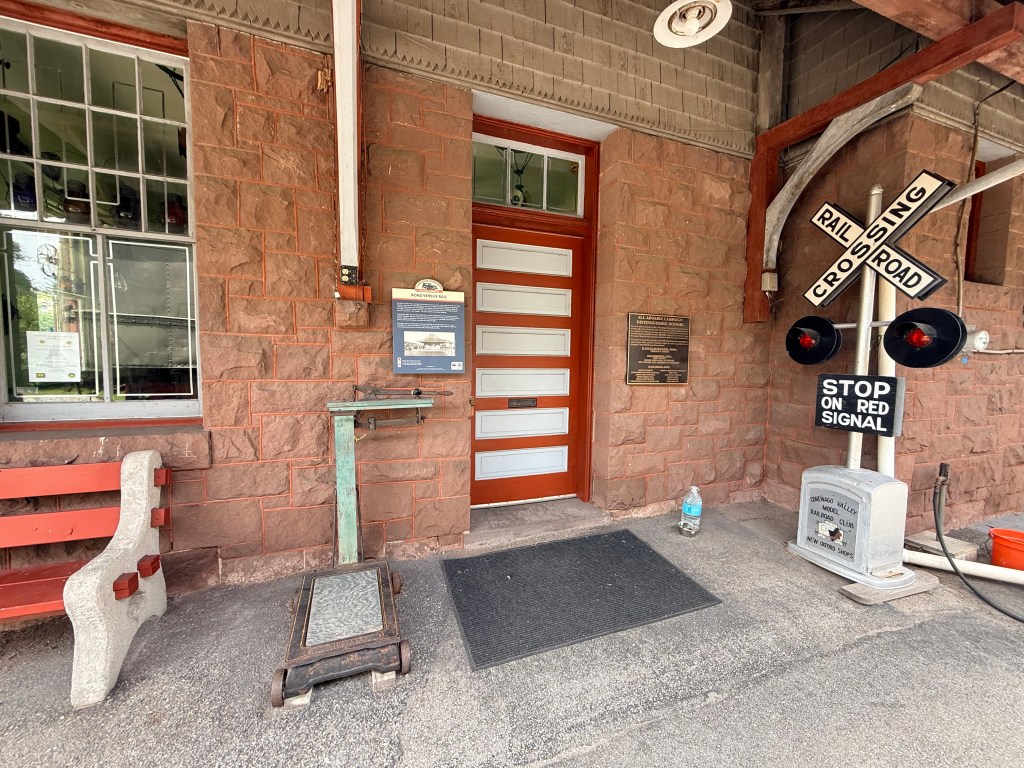
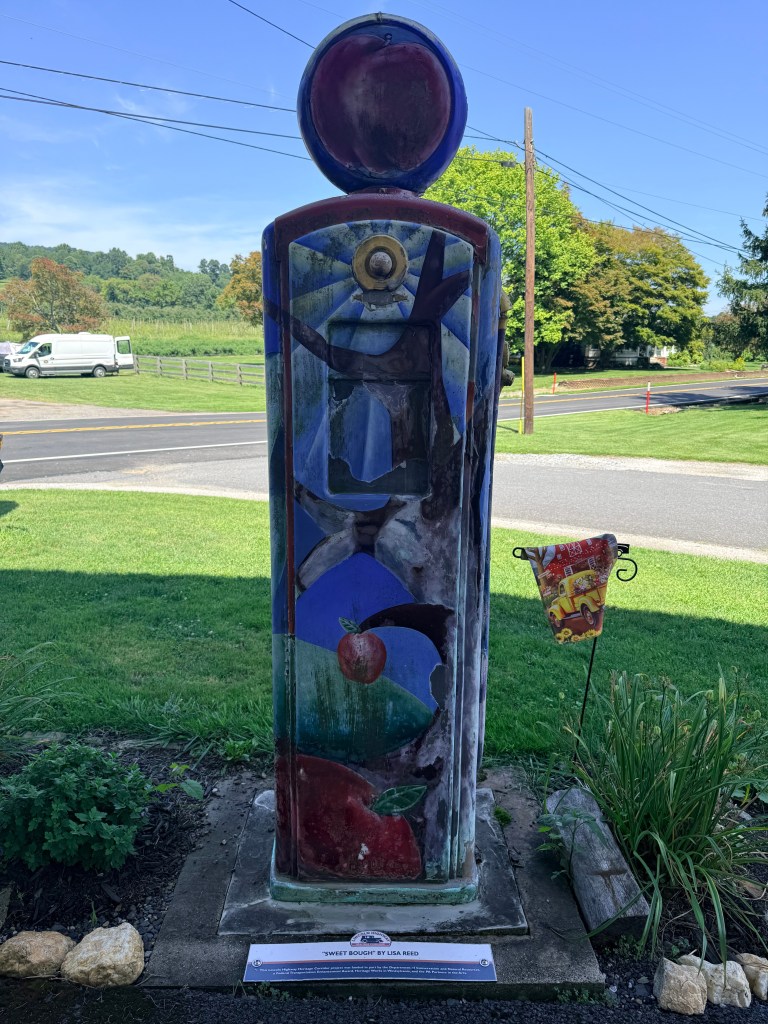
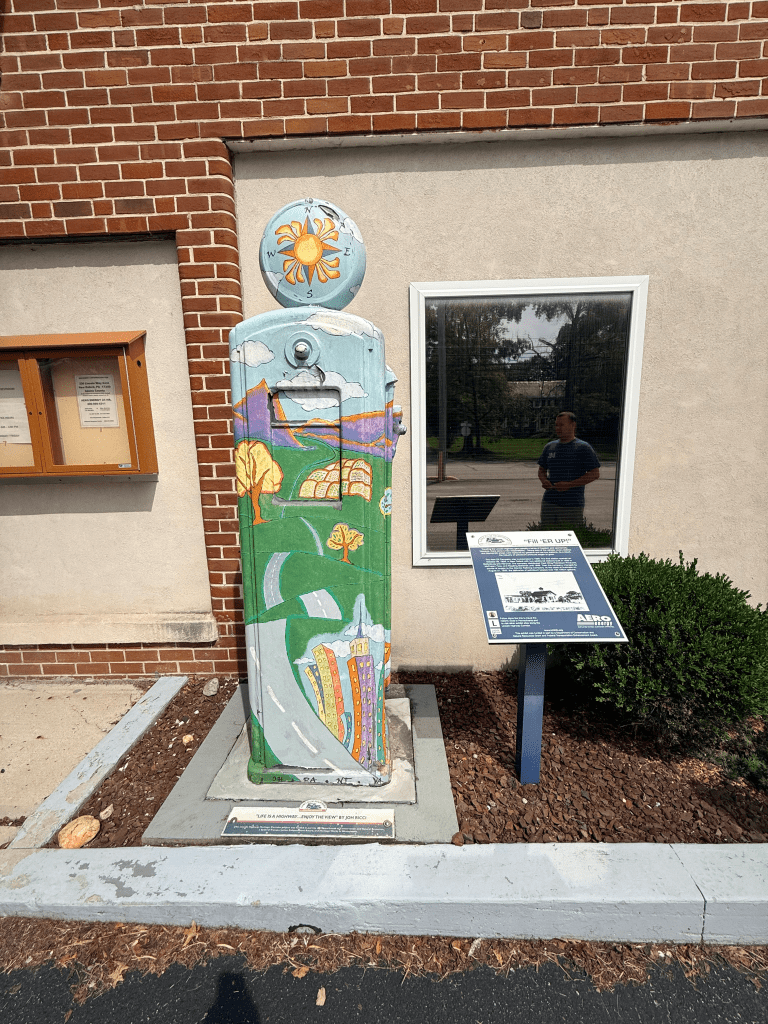
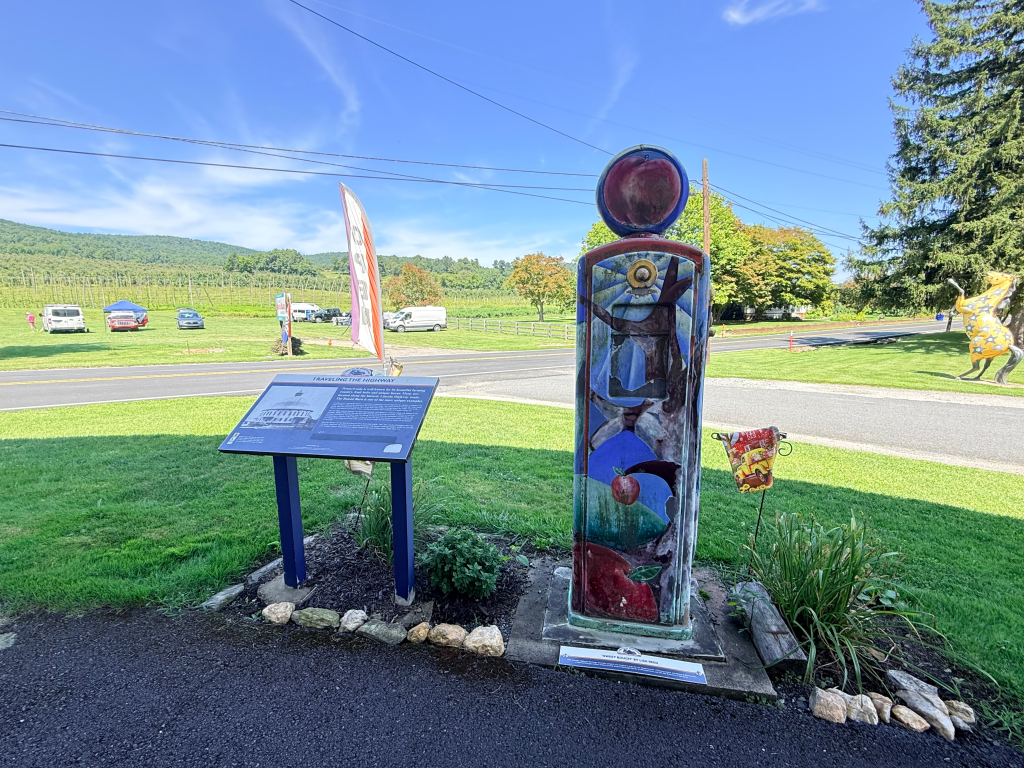
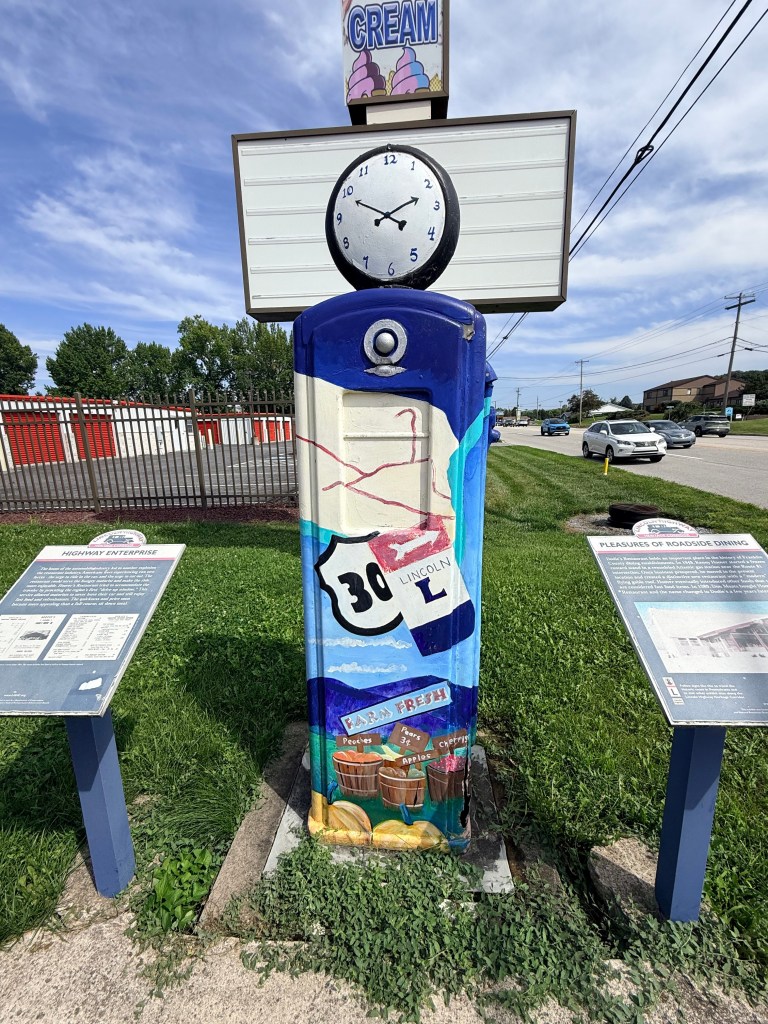
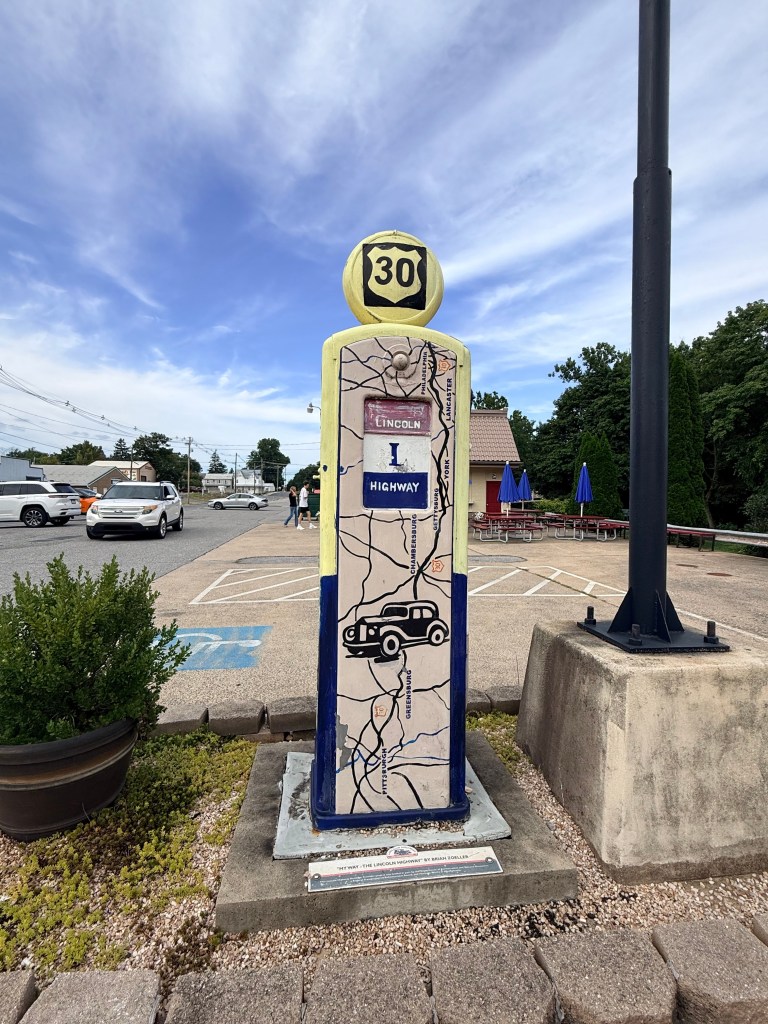
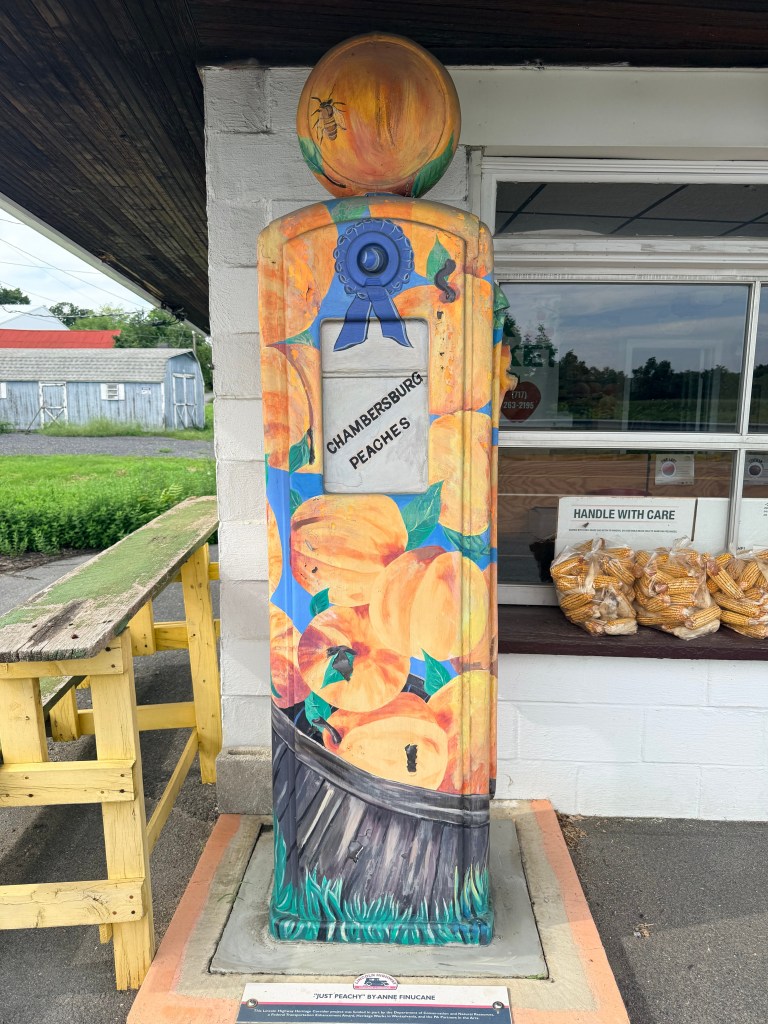
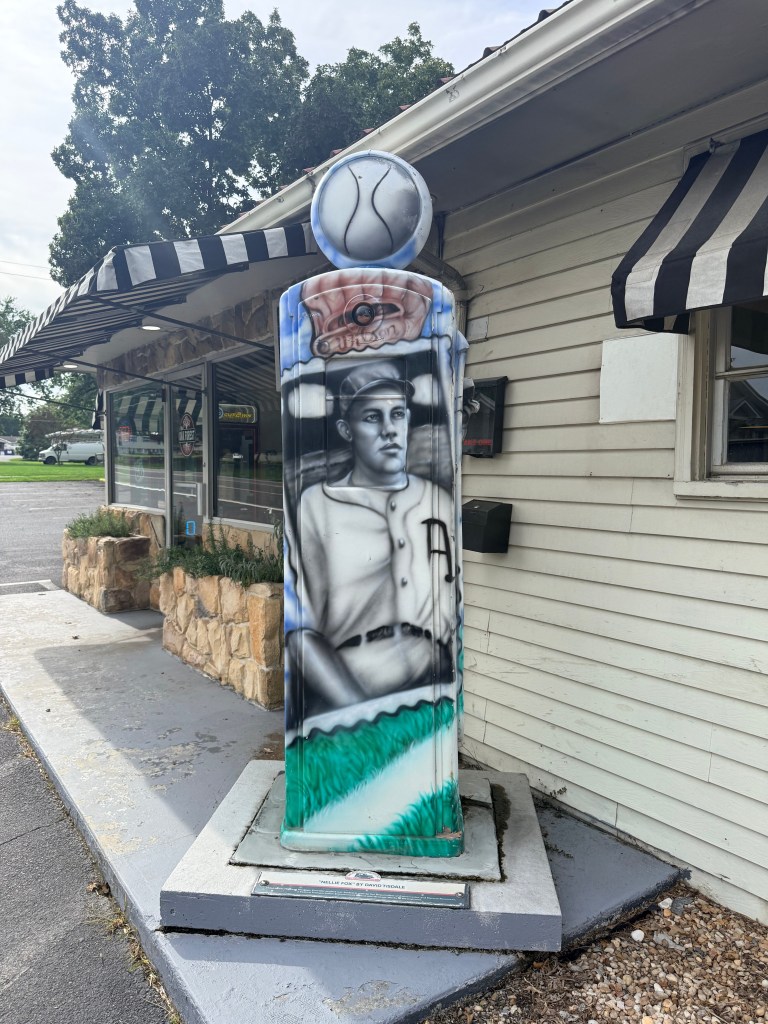
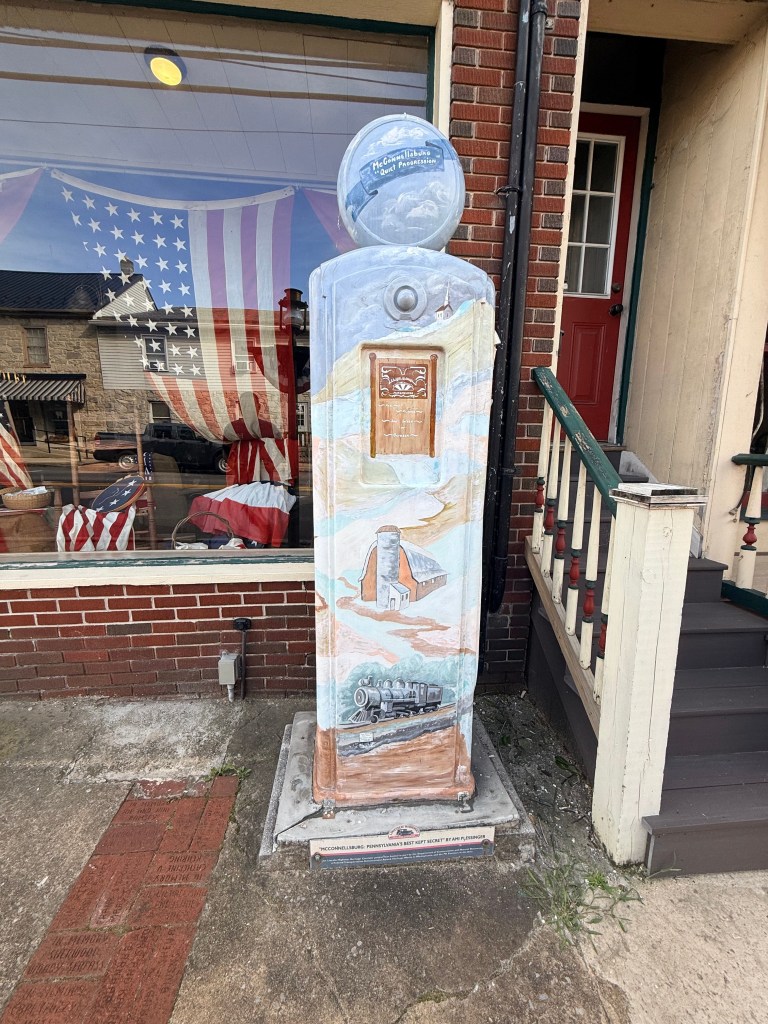
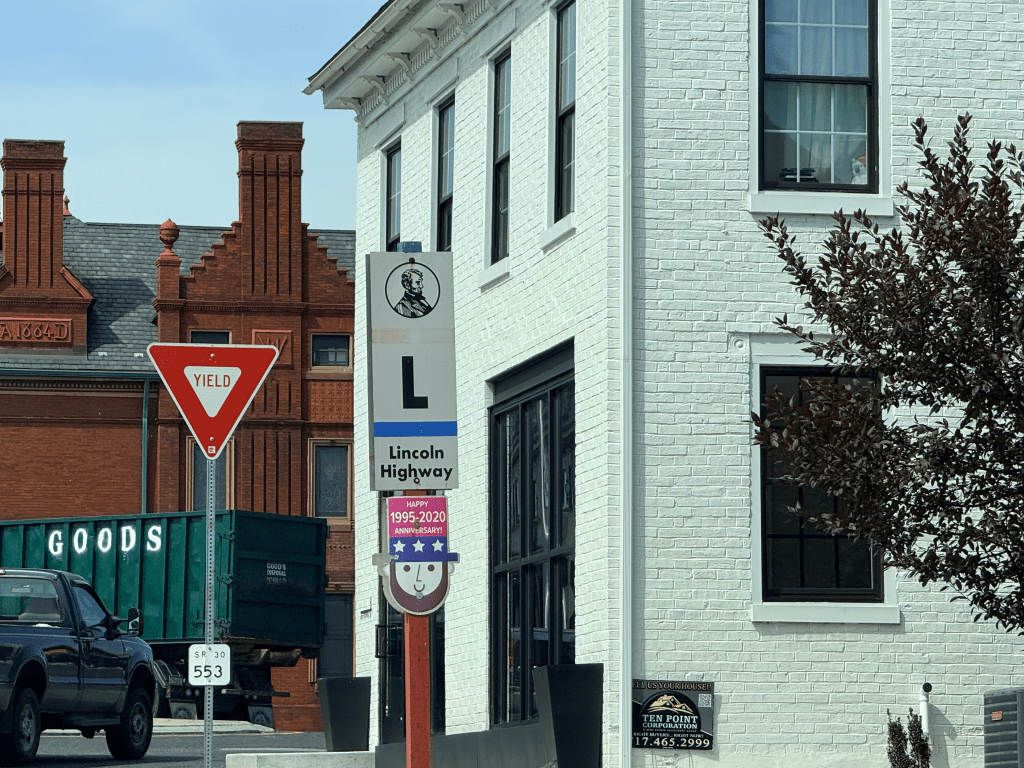
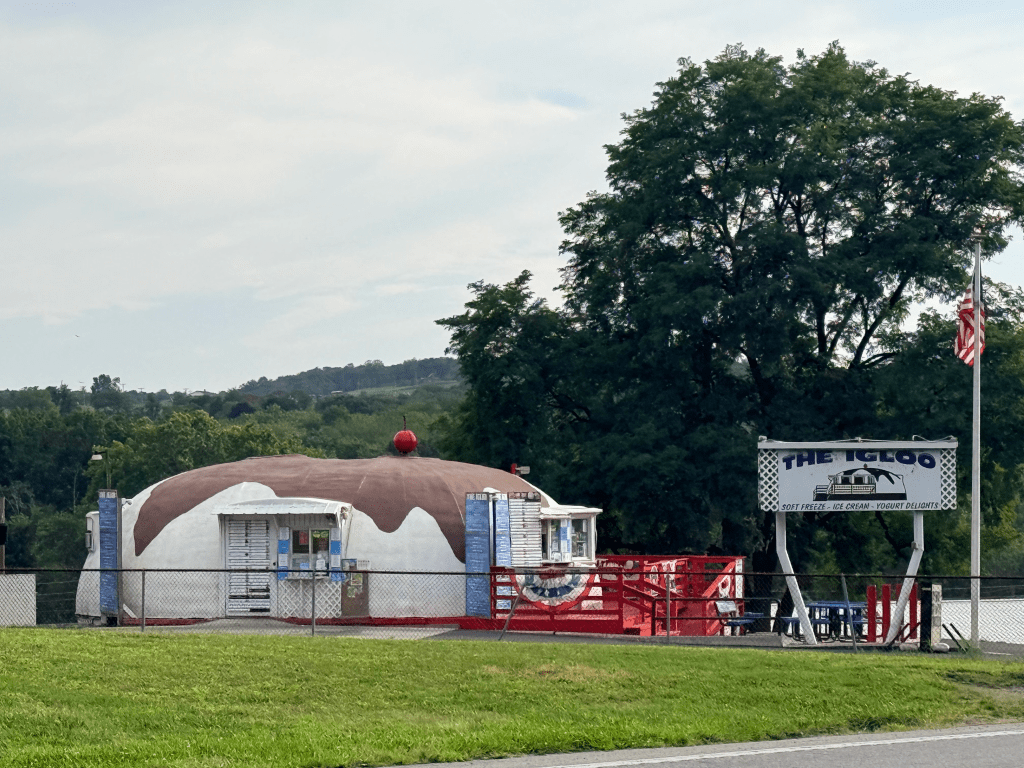
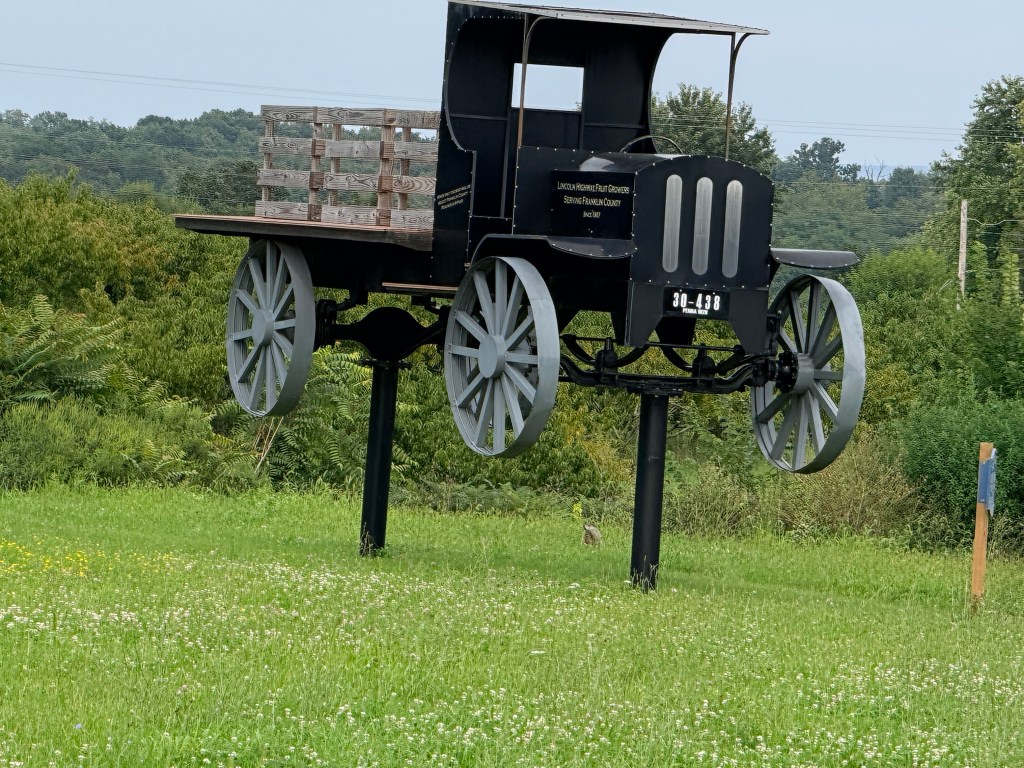
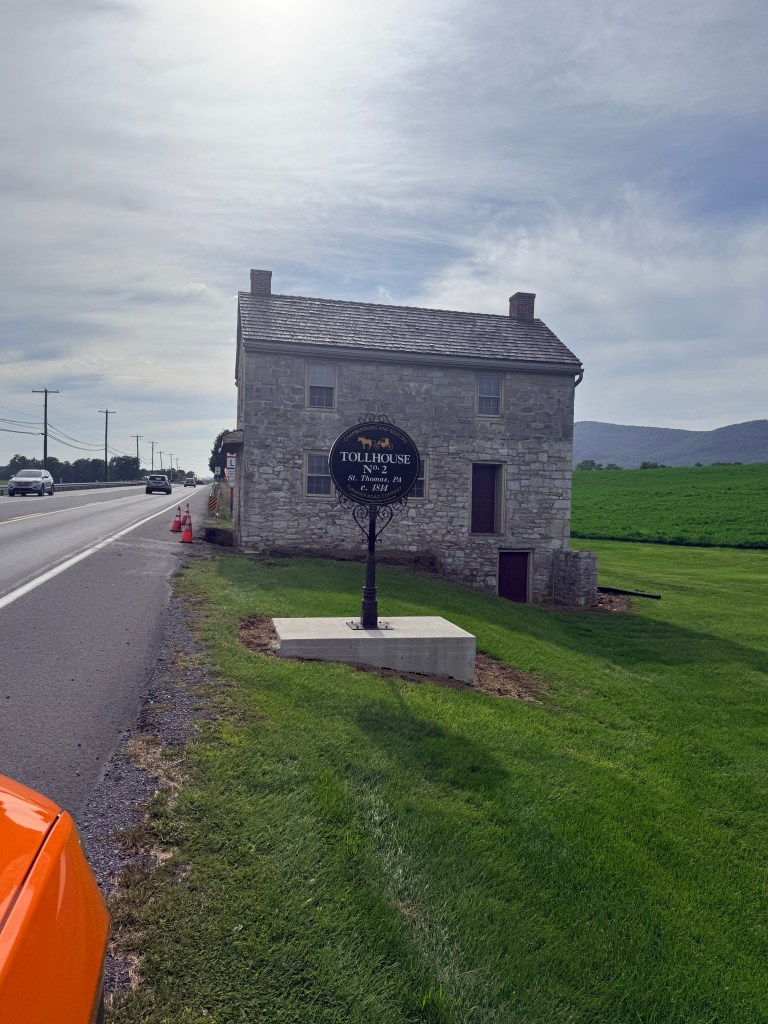
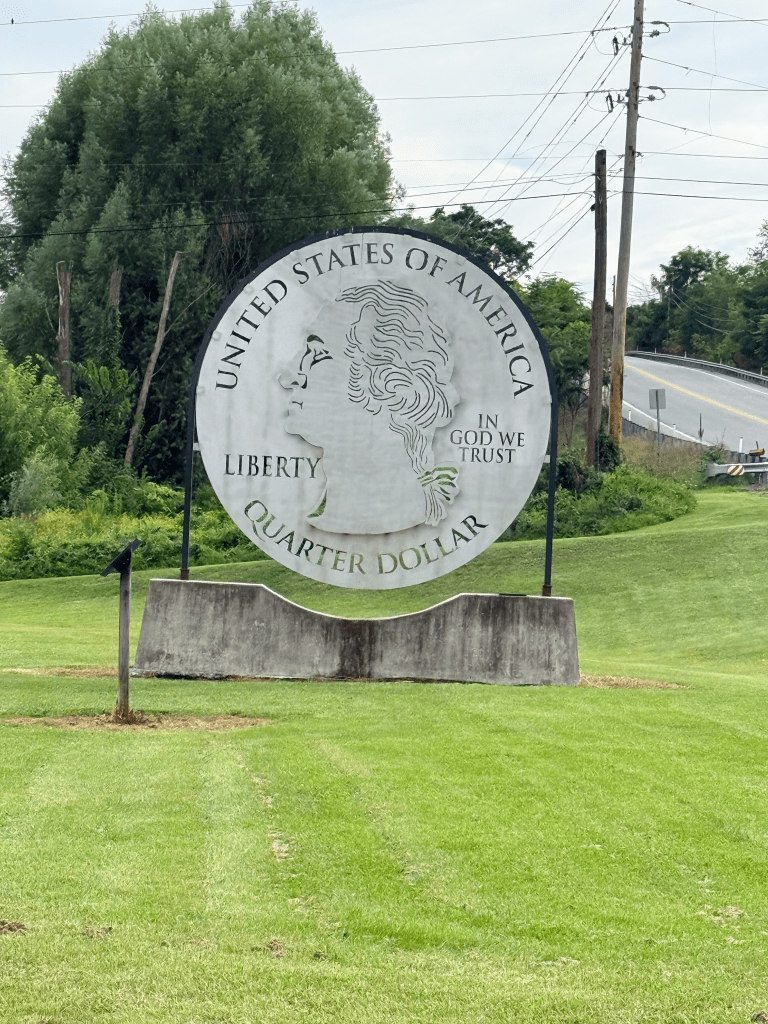
After that start, today was a leisurely drive through the first part of the 200 miles of The Lincoln Highway Heritage Corridor, where towns along the route celebrate the road’s history with murals, painted gas pumps, and fun roadside “giants.” Throughout the drive, you see pieces of the old highway story everywhere — big sculptures, painted walls, and little touches that keep the Lincoln Highway’s past right out in the open…so here are some of the sights we saw without a whole lot of explanation…
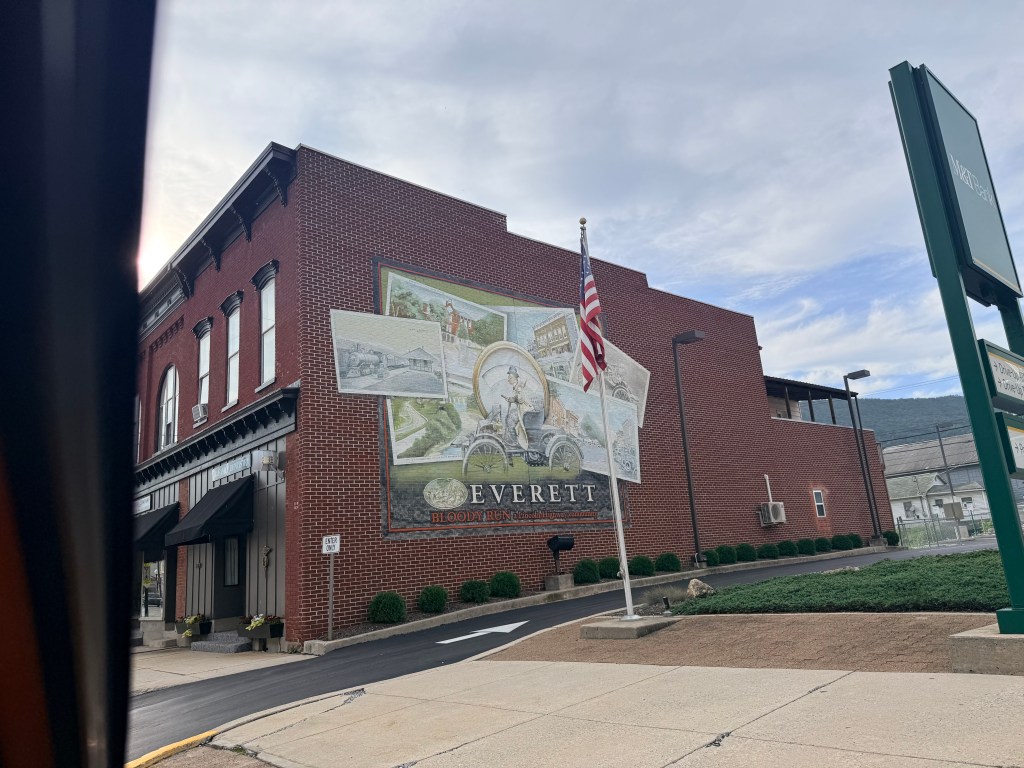
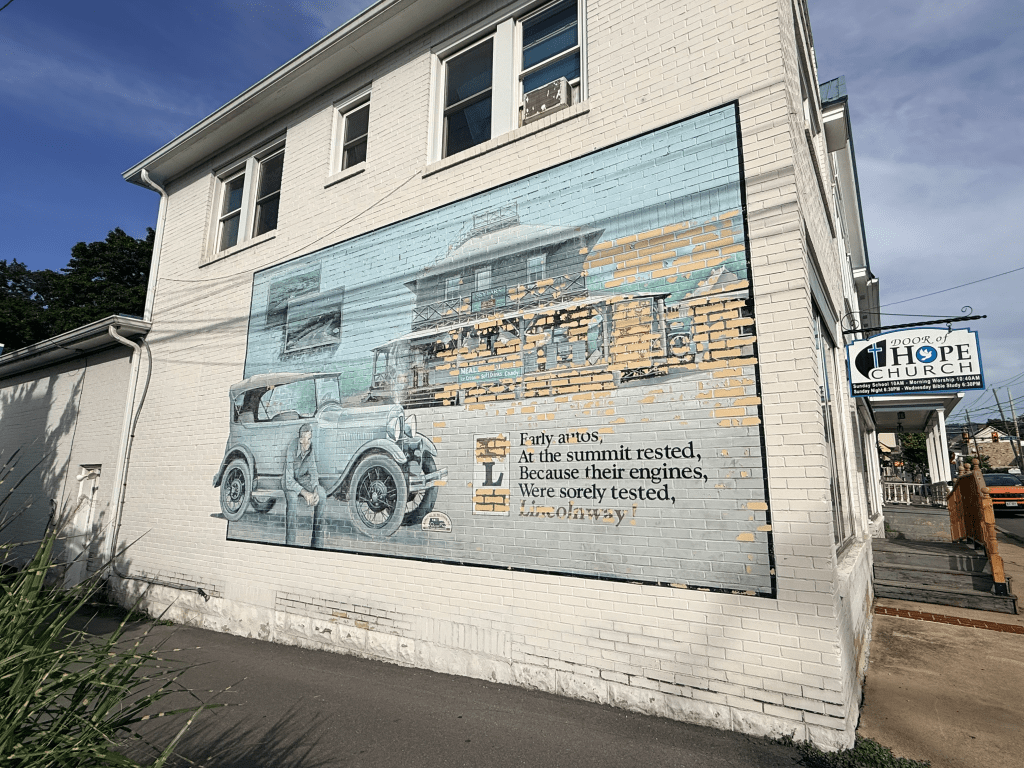
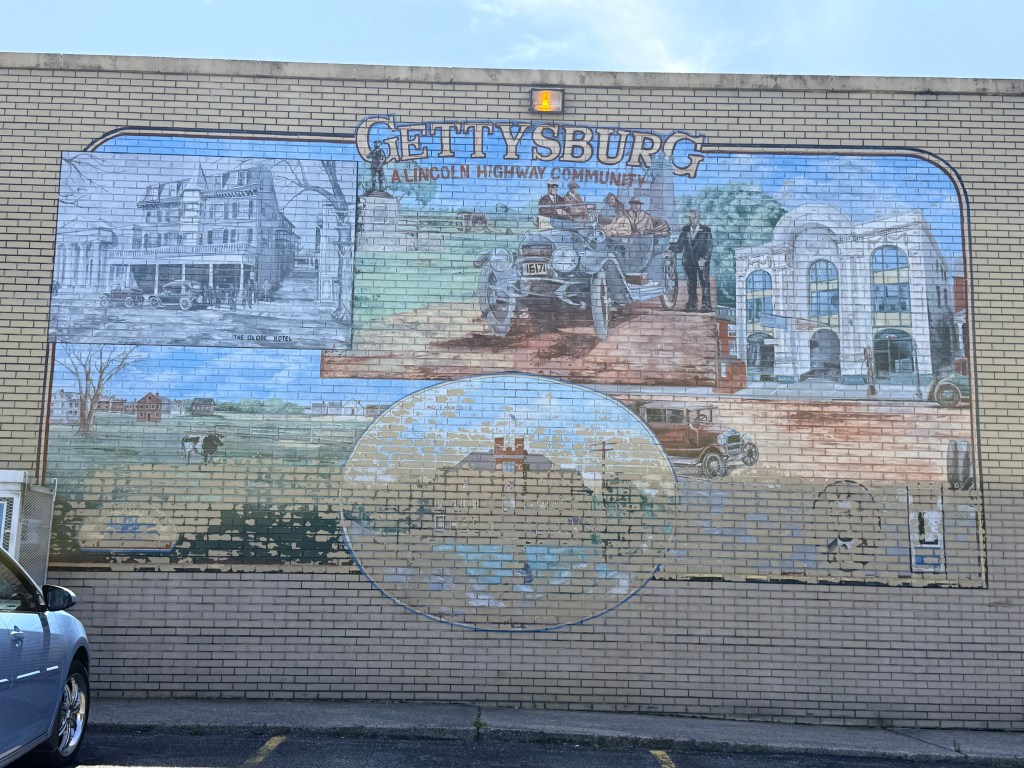
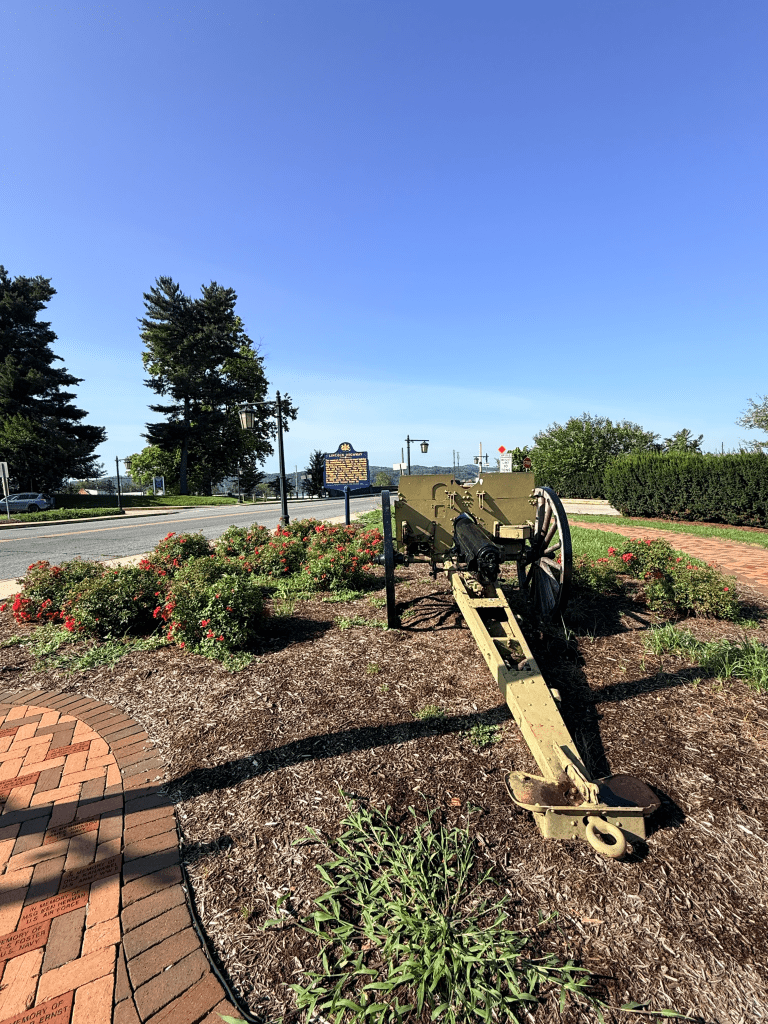
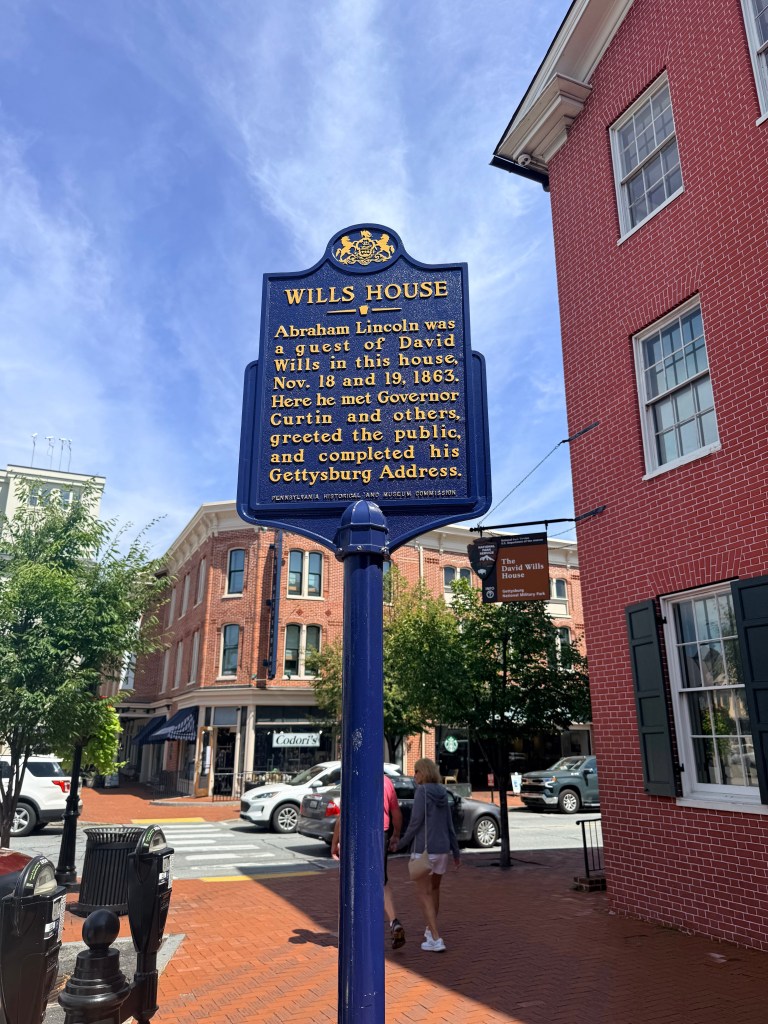
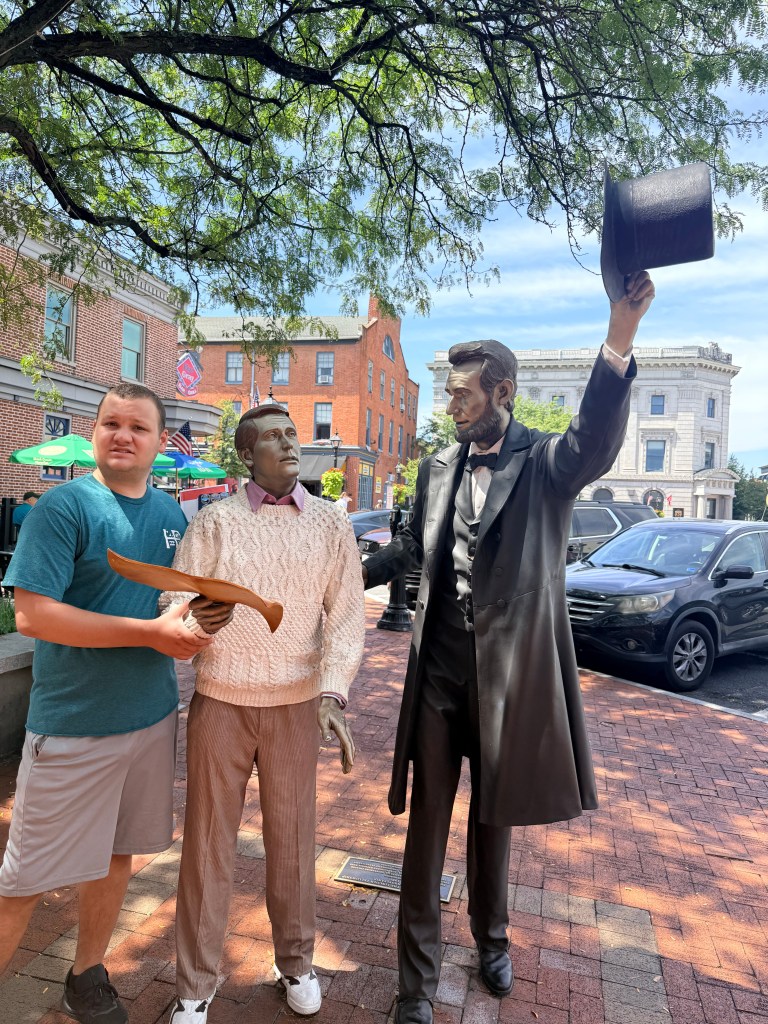
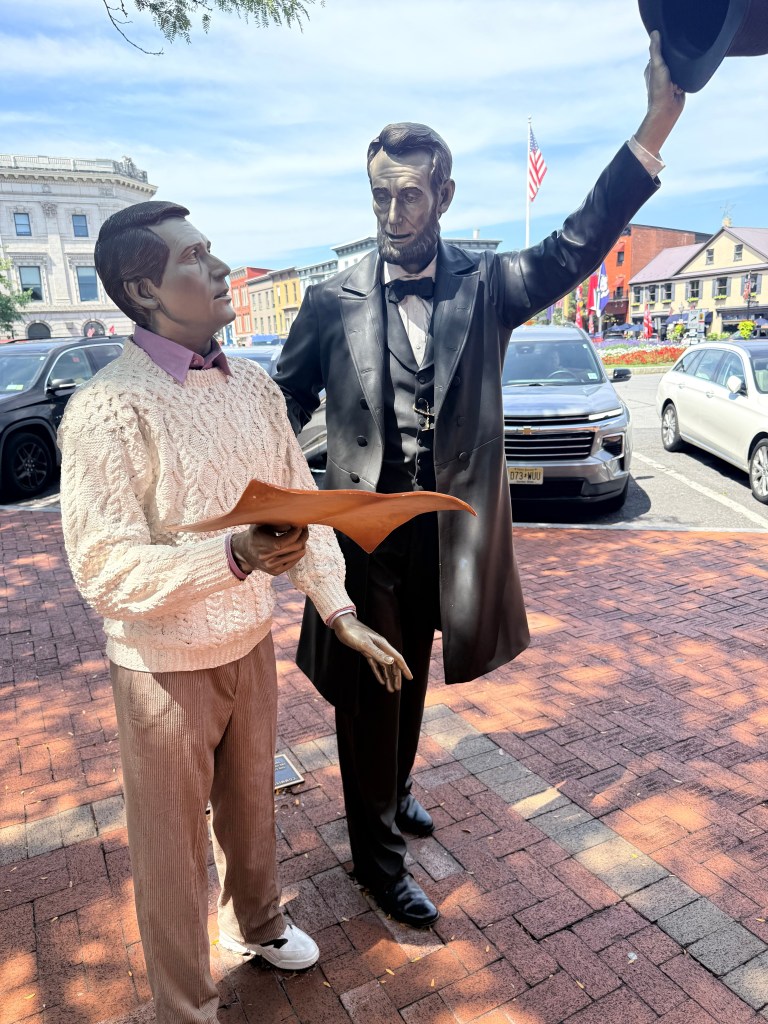
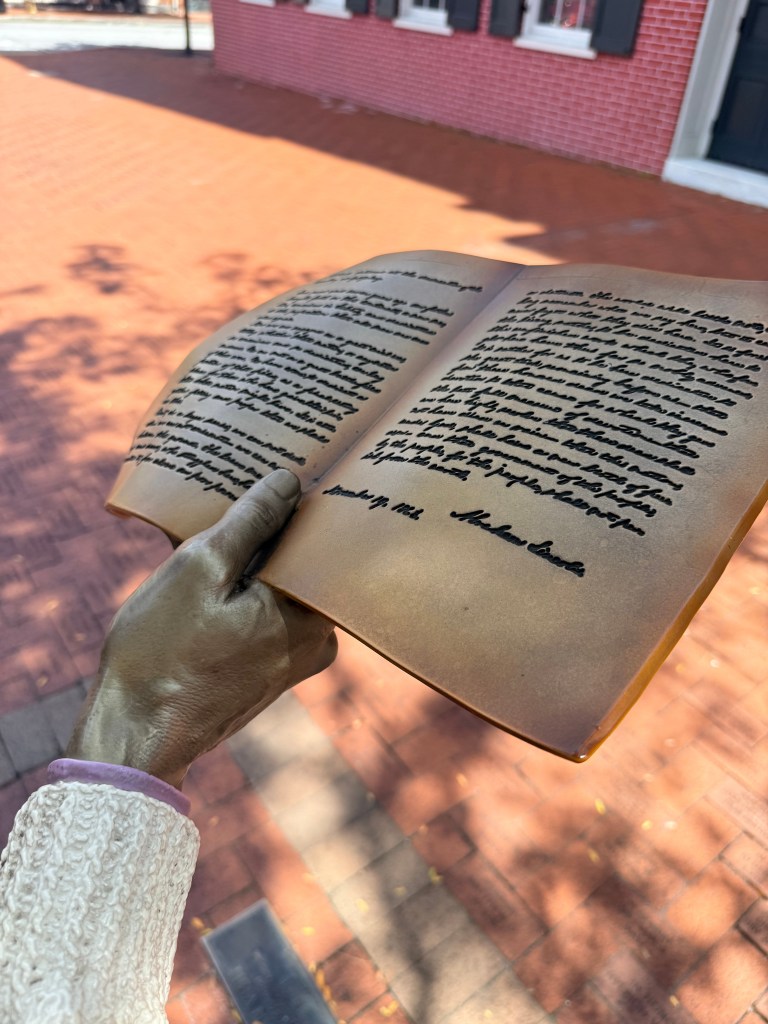
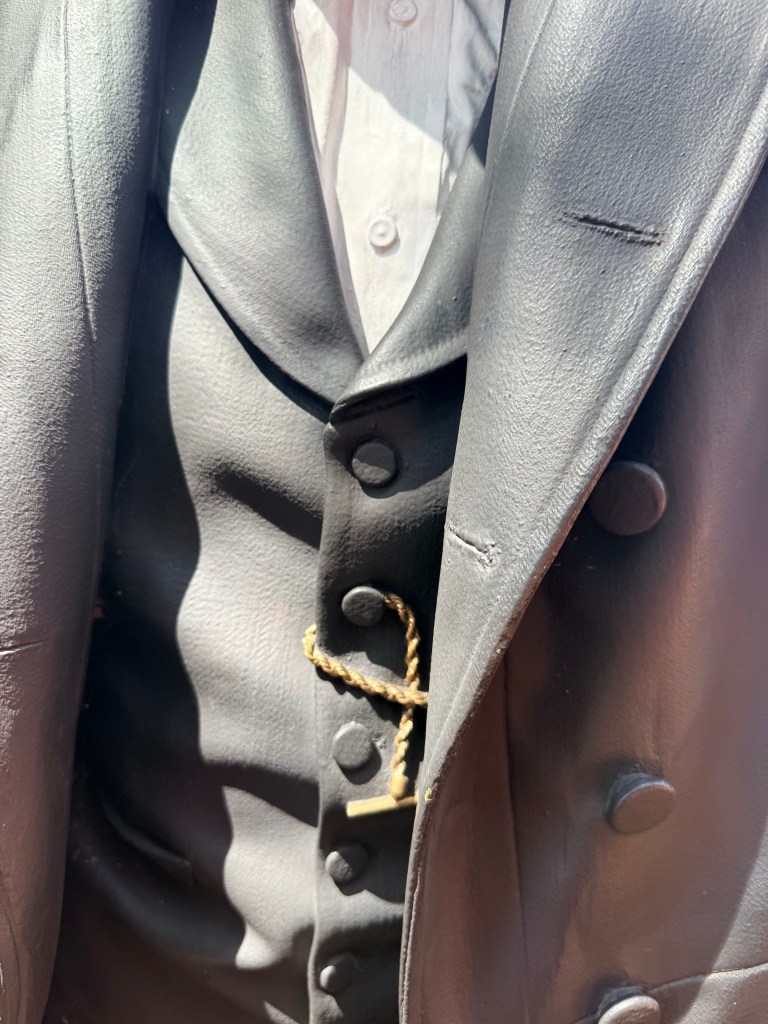
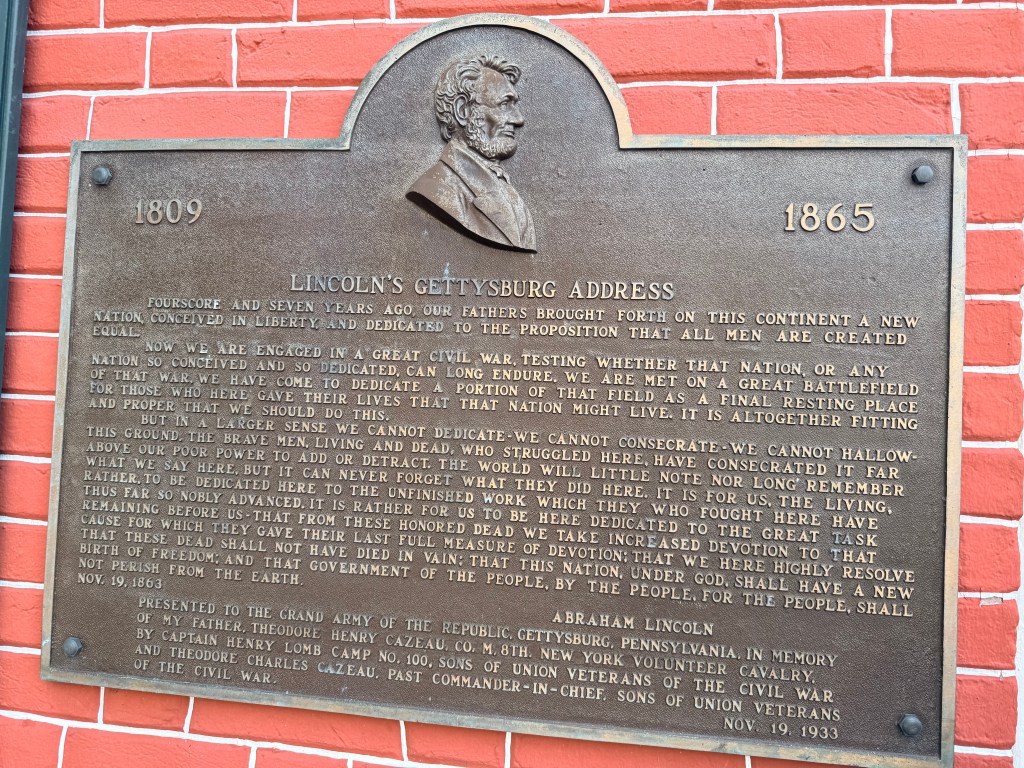
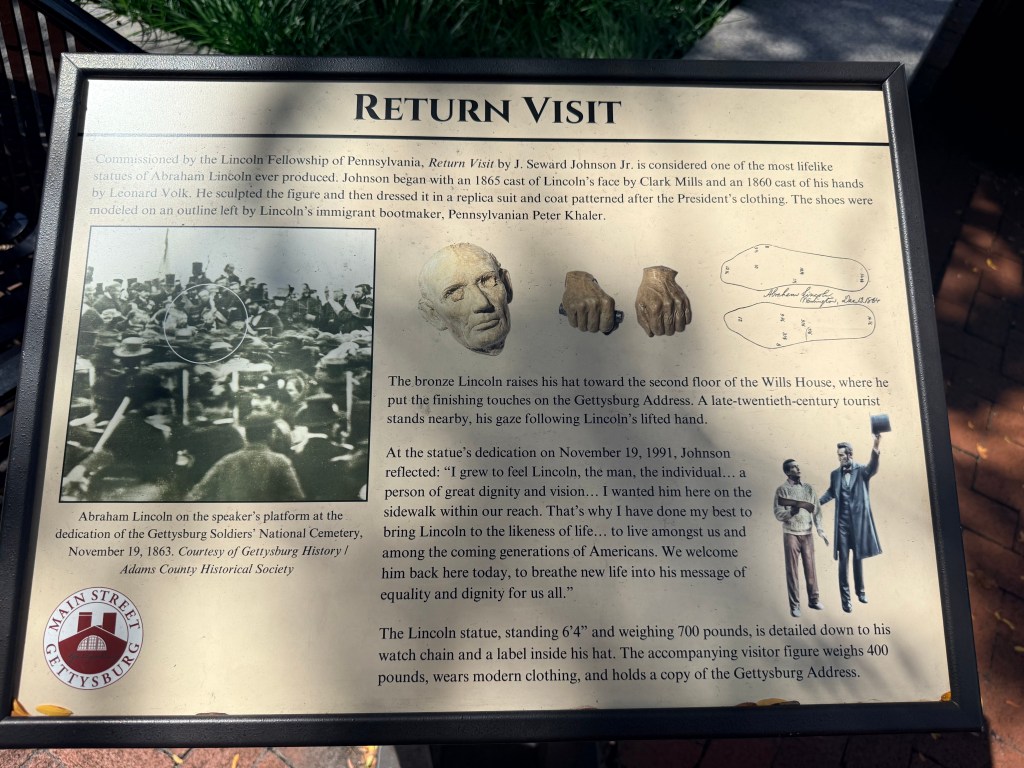
Having spent so many of my teenage summers in Yorktown, Virginia, I wasn’t really looking to spend our limited time walking the Gettysburg battlefields… we live just a few hours away and can come back whenever we want. What we did want to see, though, was the David Wills House where Lincoln stayed the night before giving the Gettysburg Address… and the Return Visit statue right beside it. It’s a life‑size bronze from 1991 that shows Lincoln pointing up at the window where he finished the speech, chatting with a modern tourist holding a copy of it. It’s a little odd, but kind of perfect because Johnson’s whole point was to show that the Gettysburg Address is still completely relevant today society. A poignant statement disguised as a quirky statue, and of course, Hunter jumped right in!
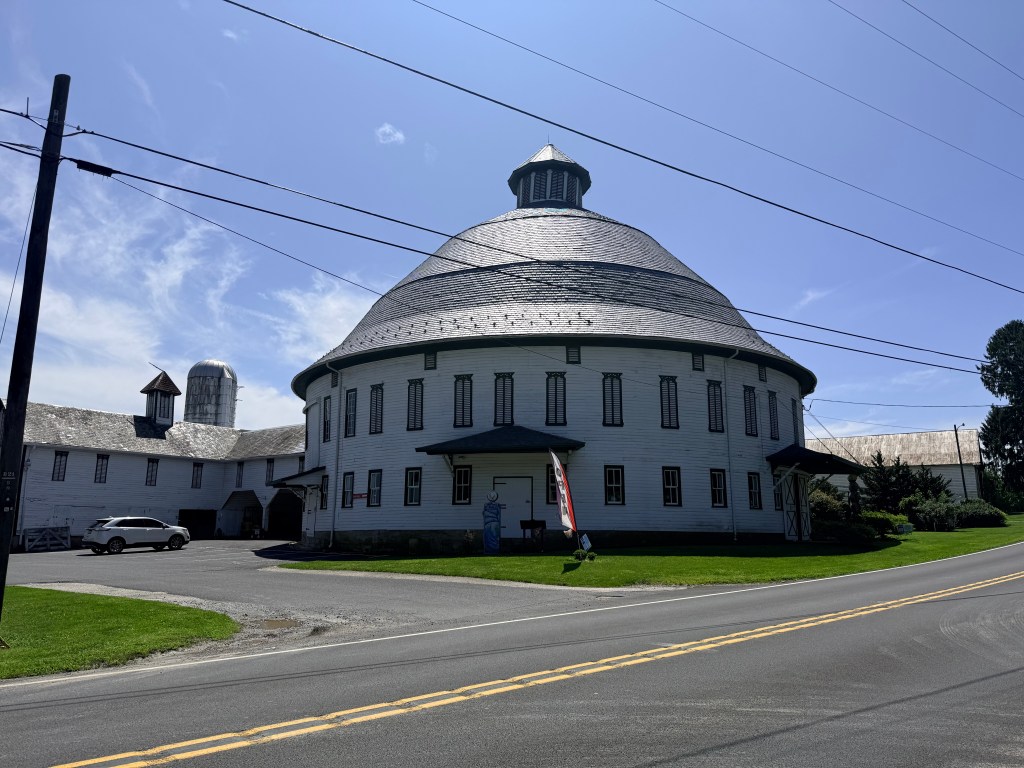
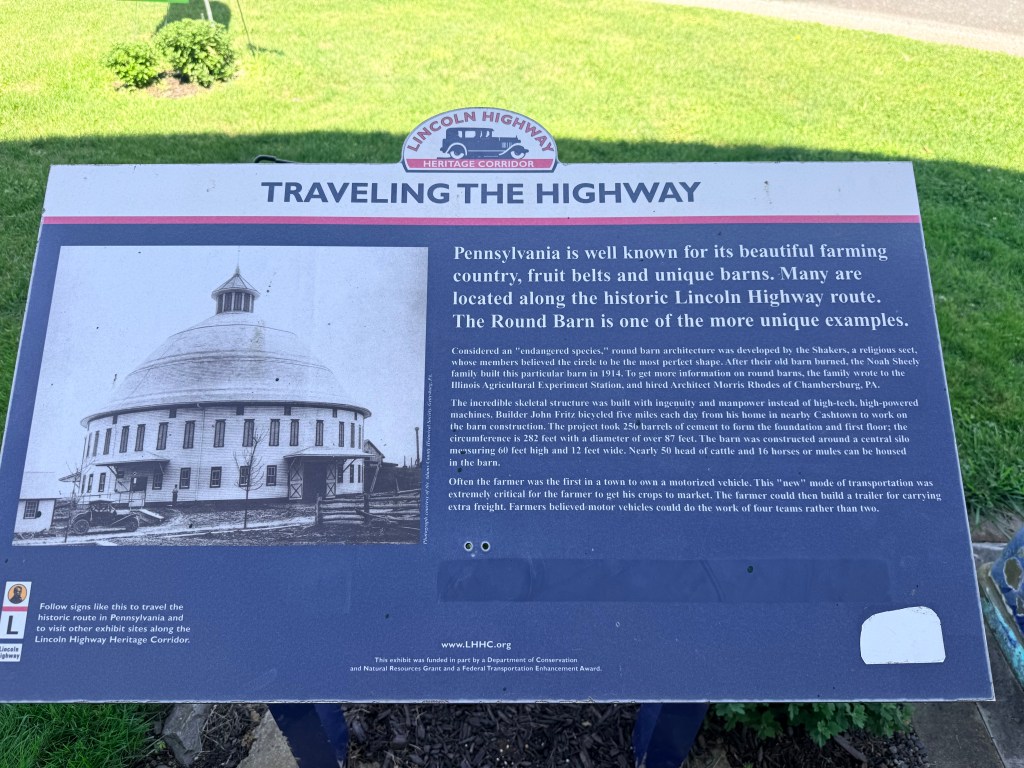
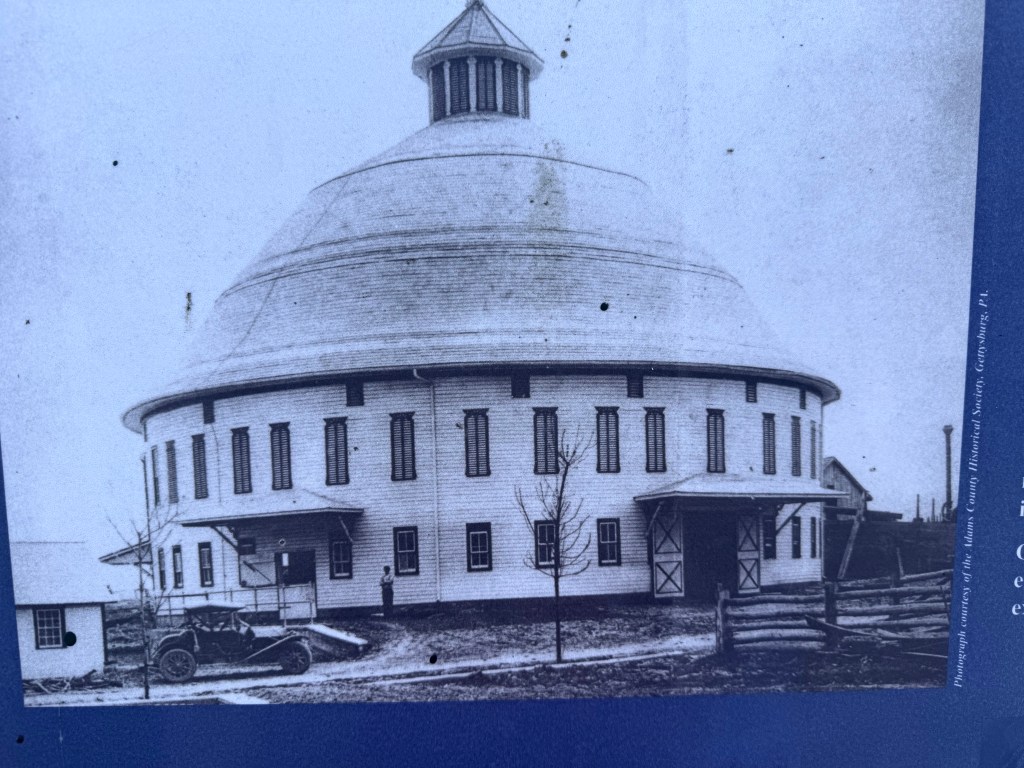
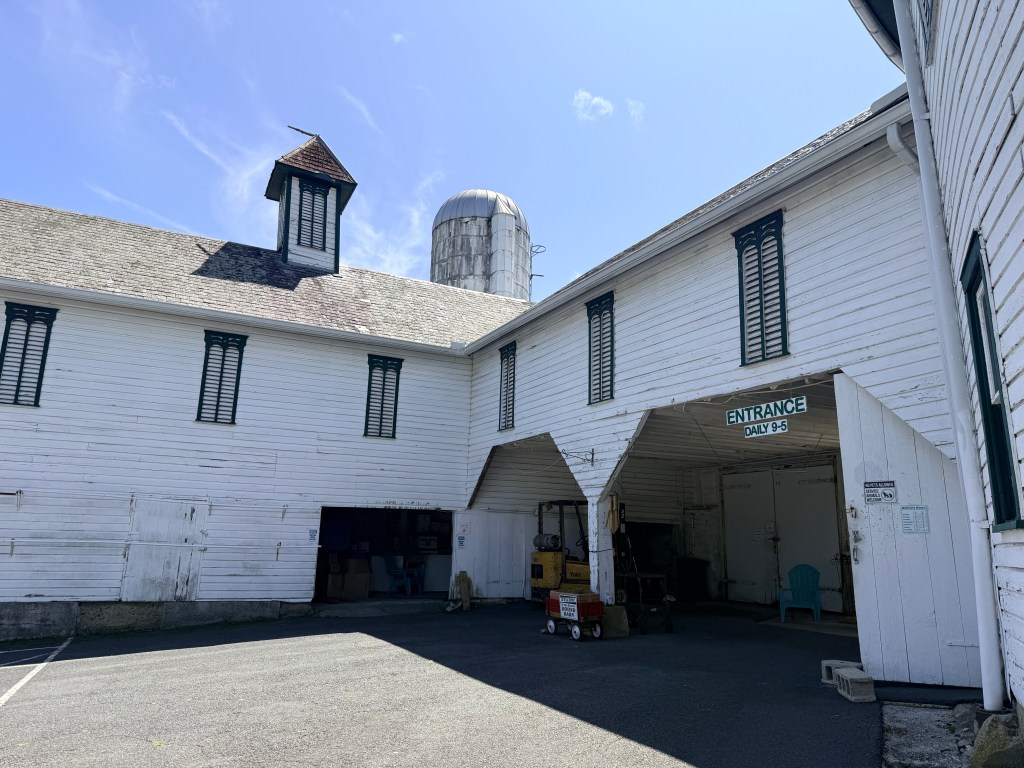
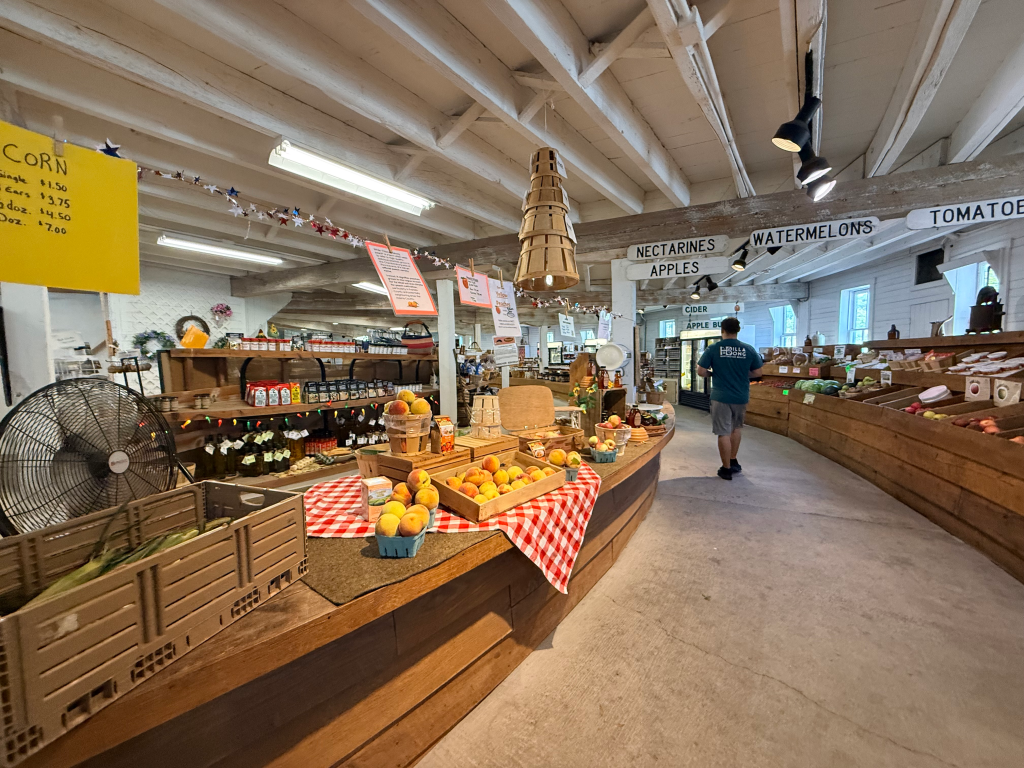
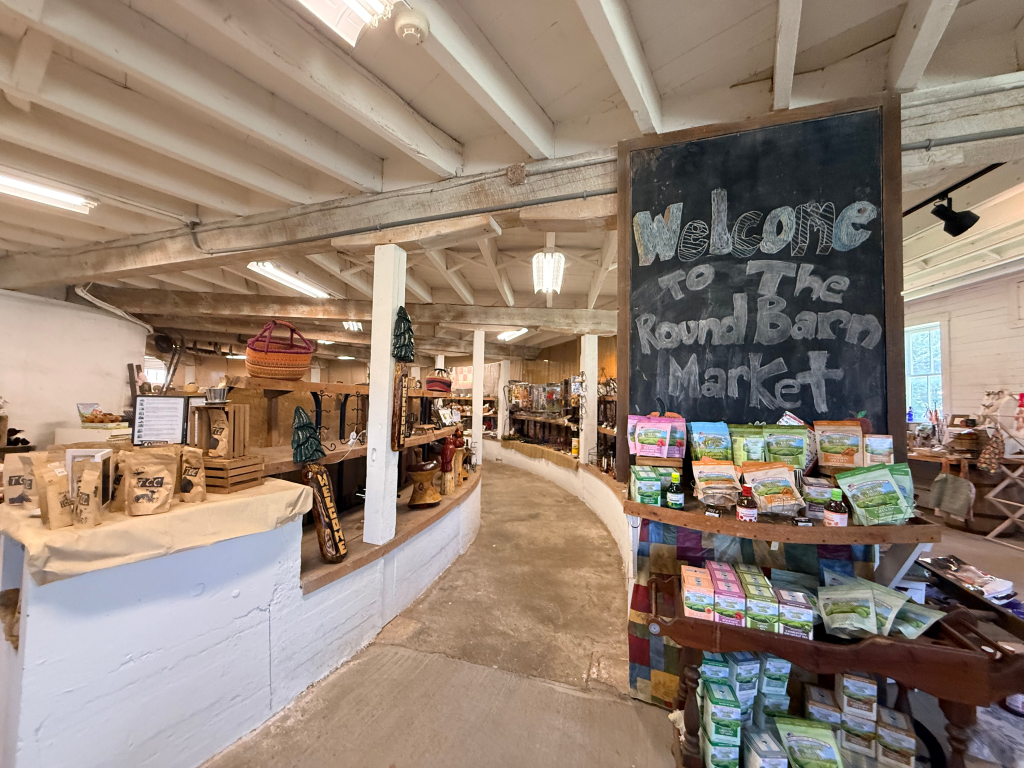
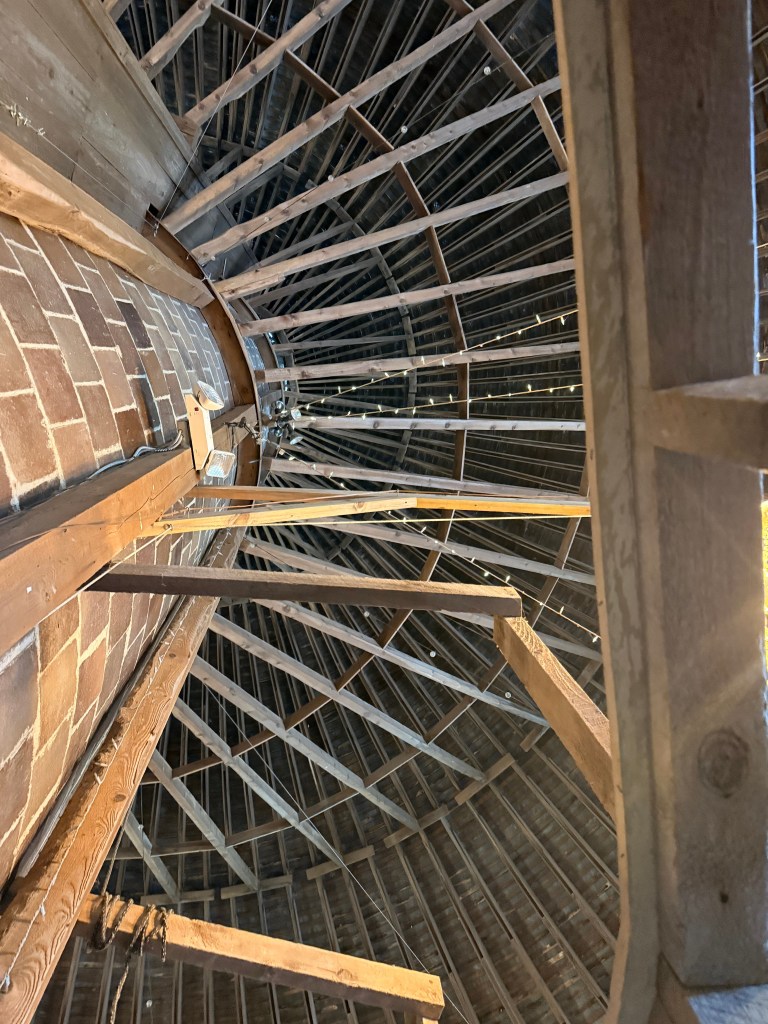
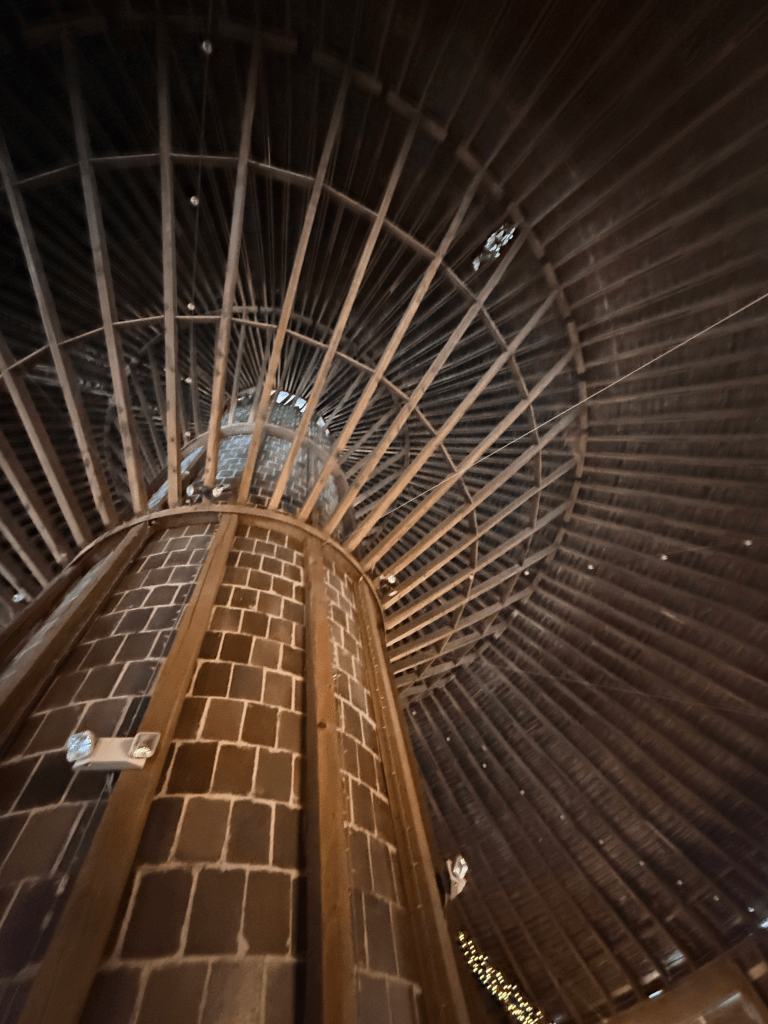
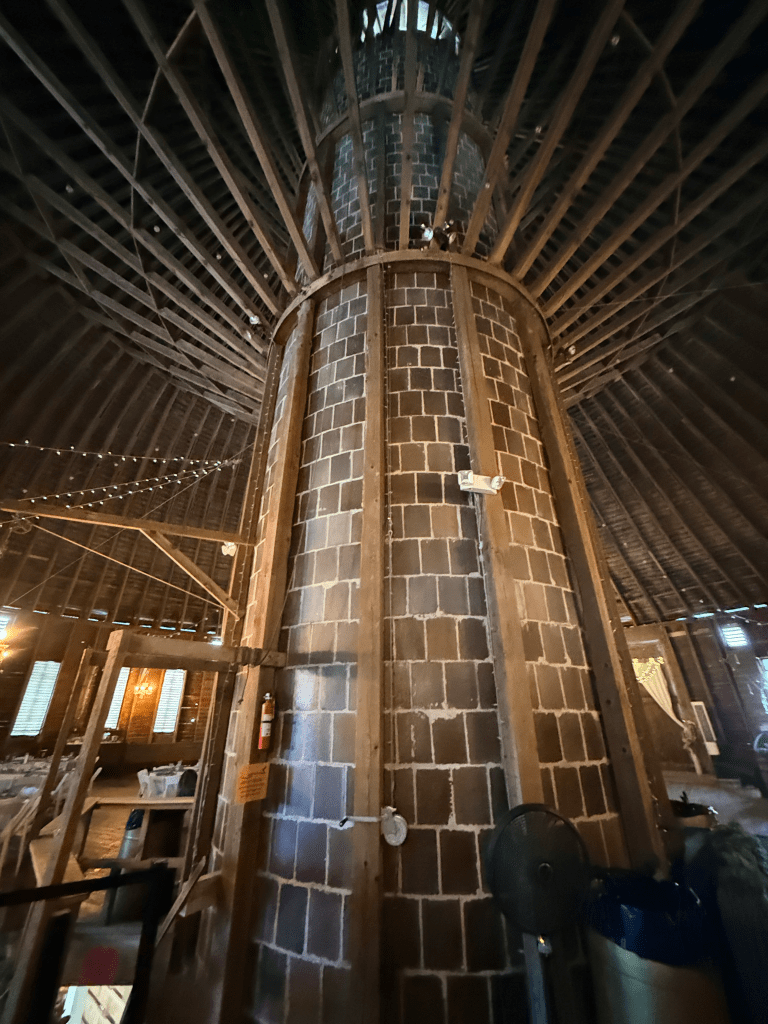
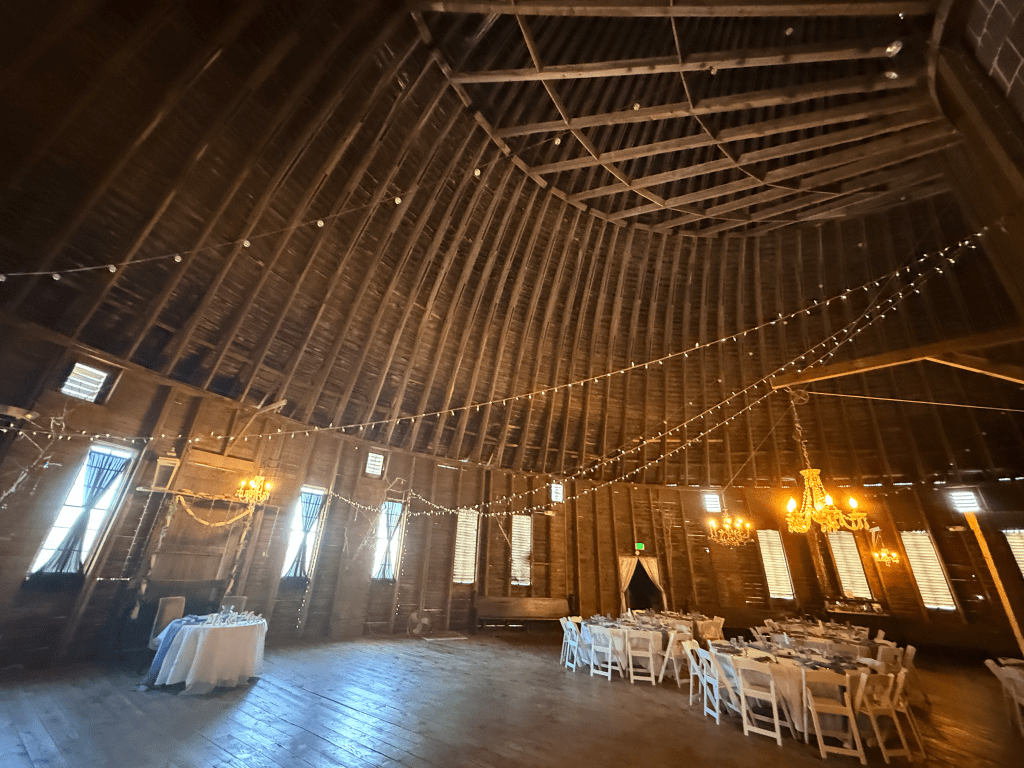
Historic Round Barn was built in 1914 and one of the few true round barns remaining in the United States. It’s 80 feet in diameter with a central silo rising through the middle and was designed for efficient farm labor: animals around the perimeter, feed stored centrally. Today it operates as a farm market and event space and is listed on the National Register of Historic Places. After buying some fruit, I asked if we could see upstairs, and even though it was set up for a wedding, a really nice woman escorted us up… it was beyond what I thought it would be!
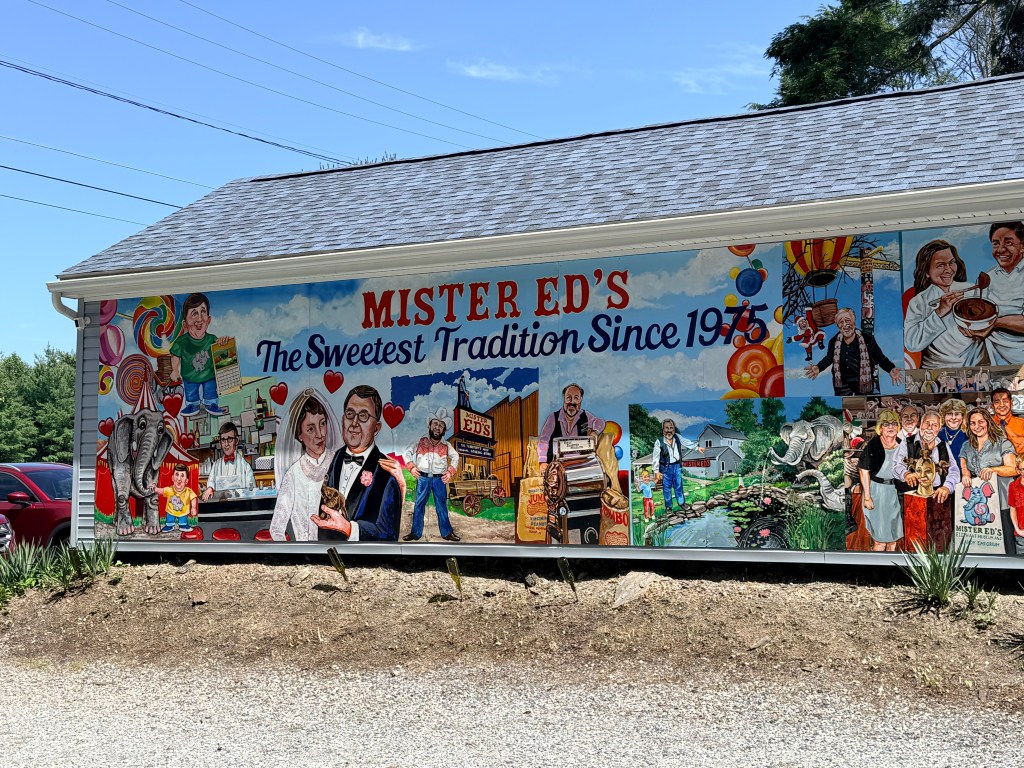
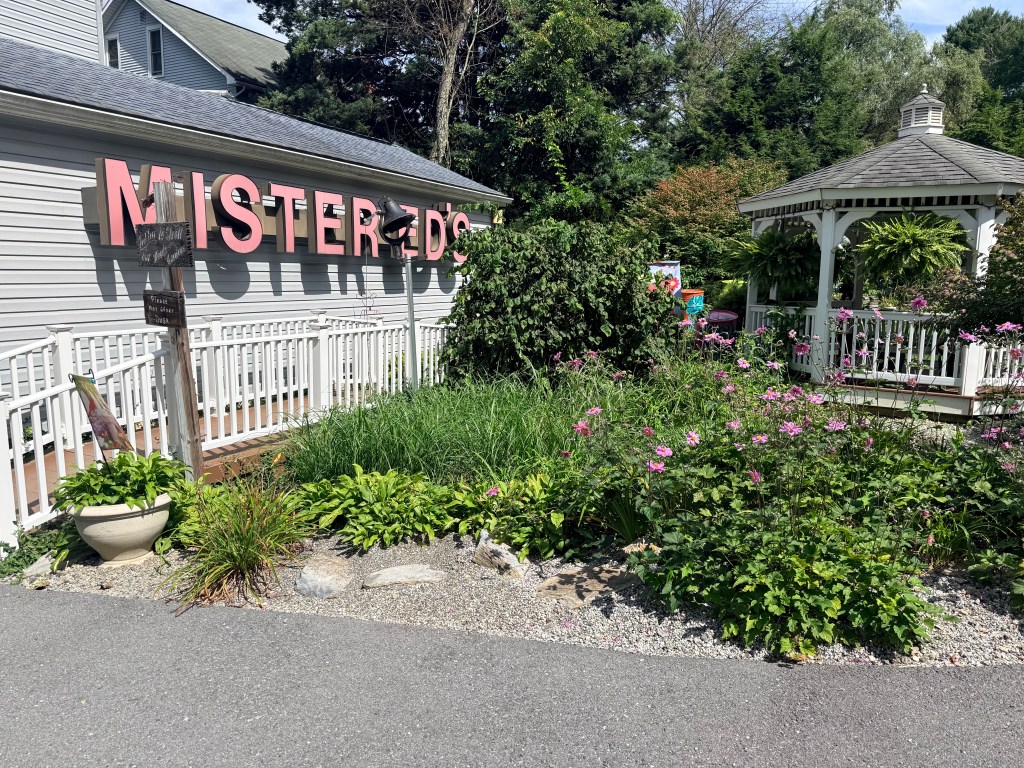
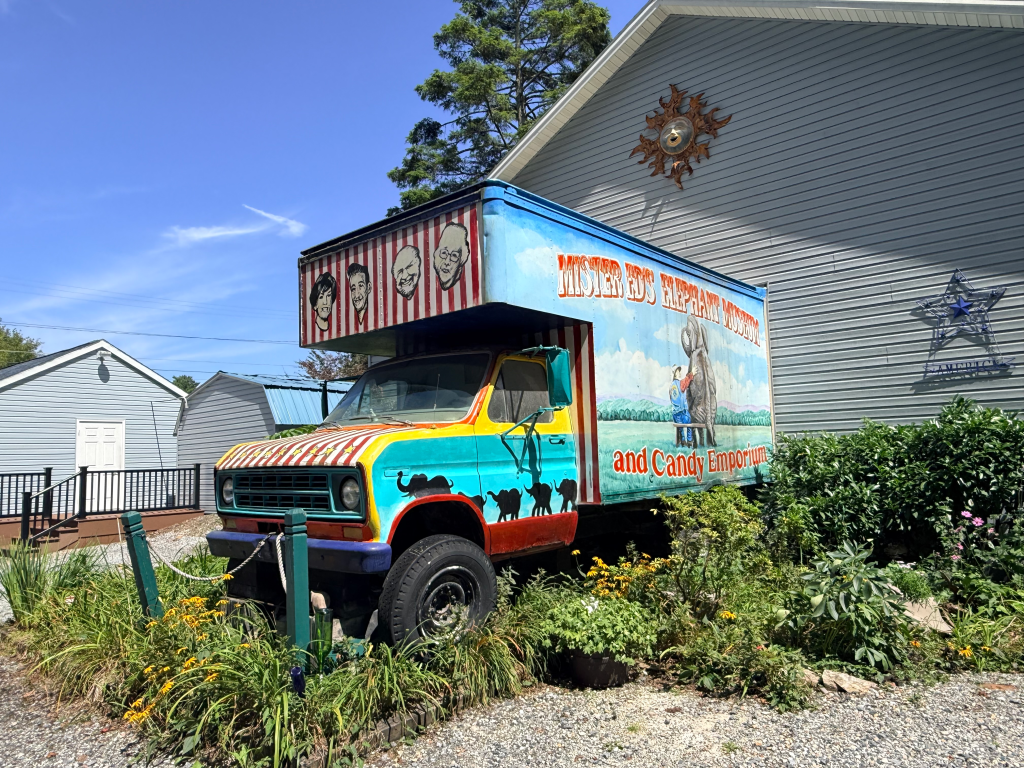
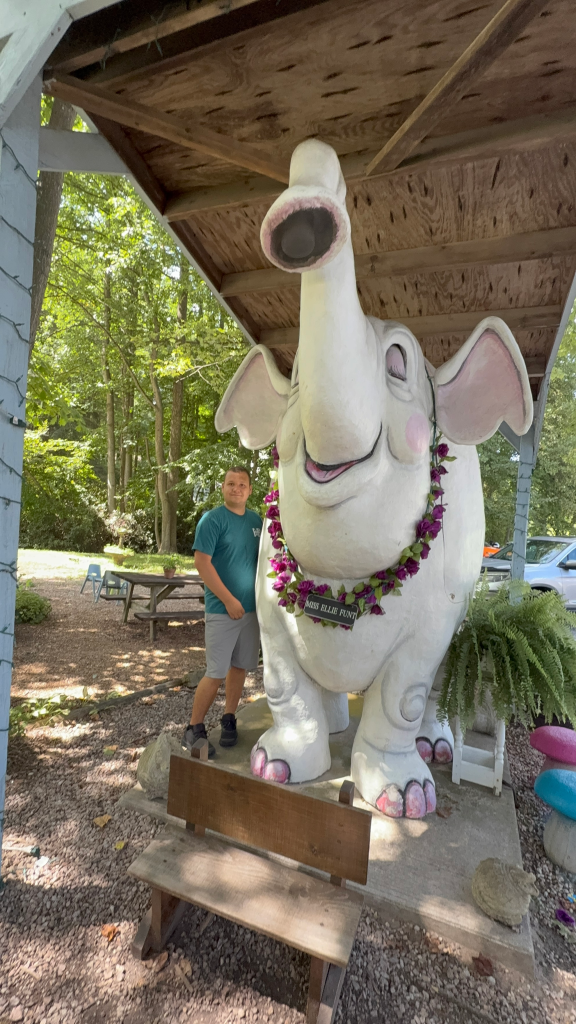
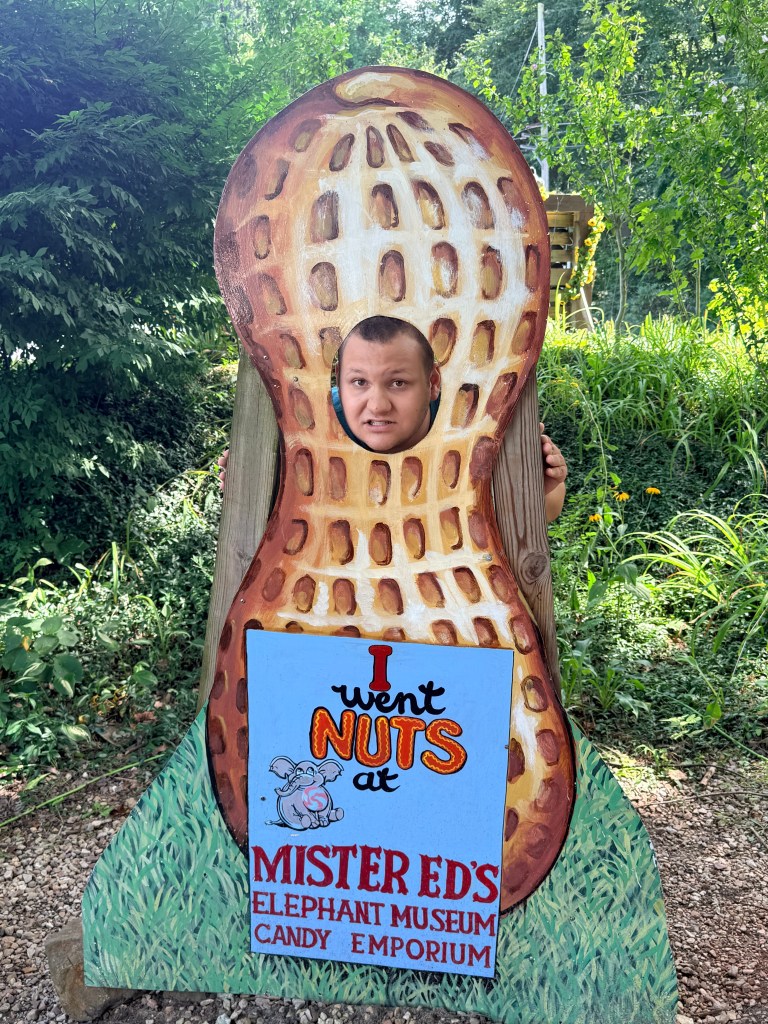
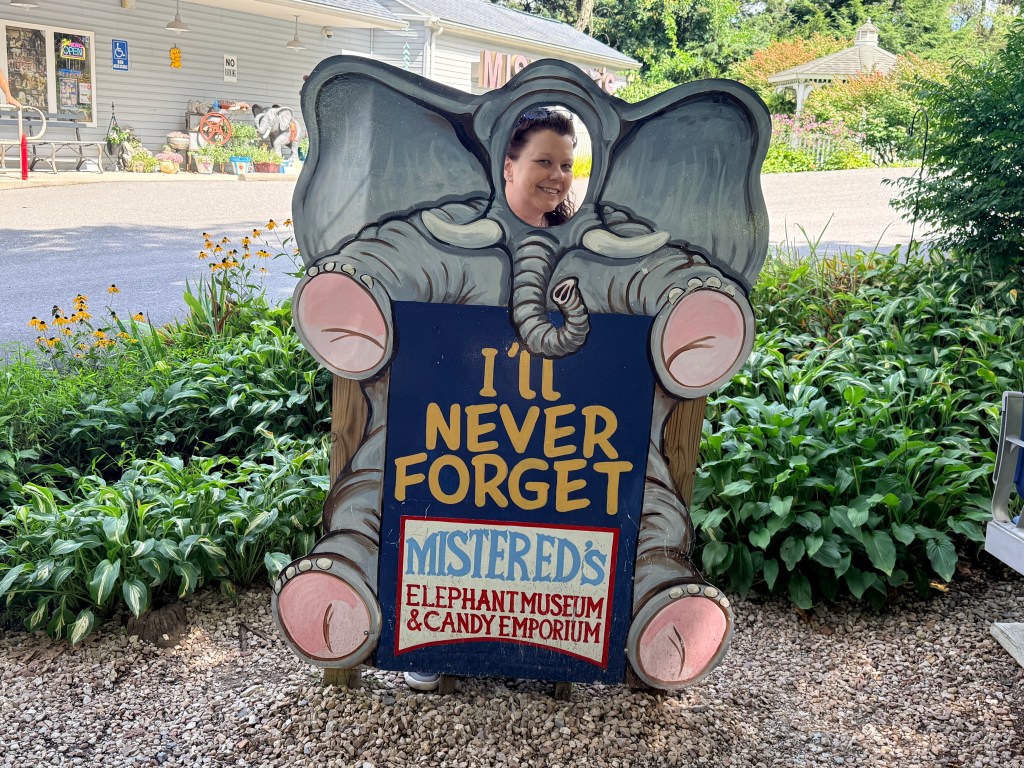
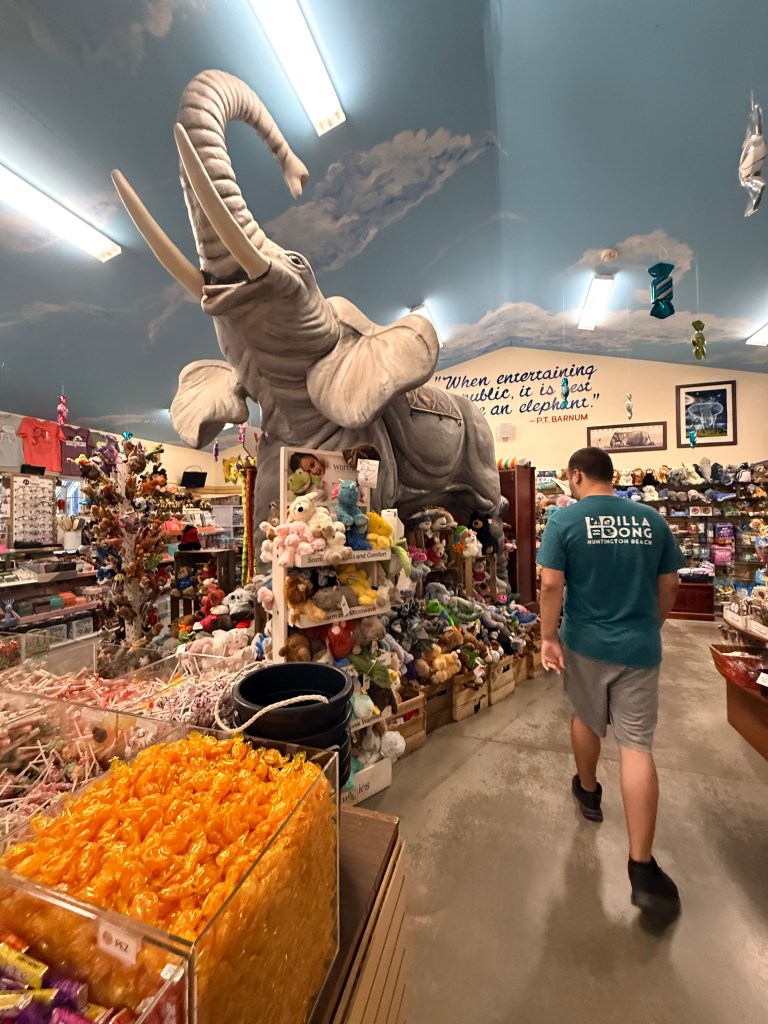
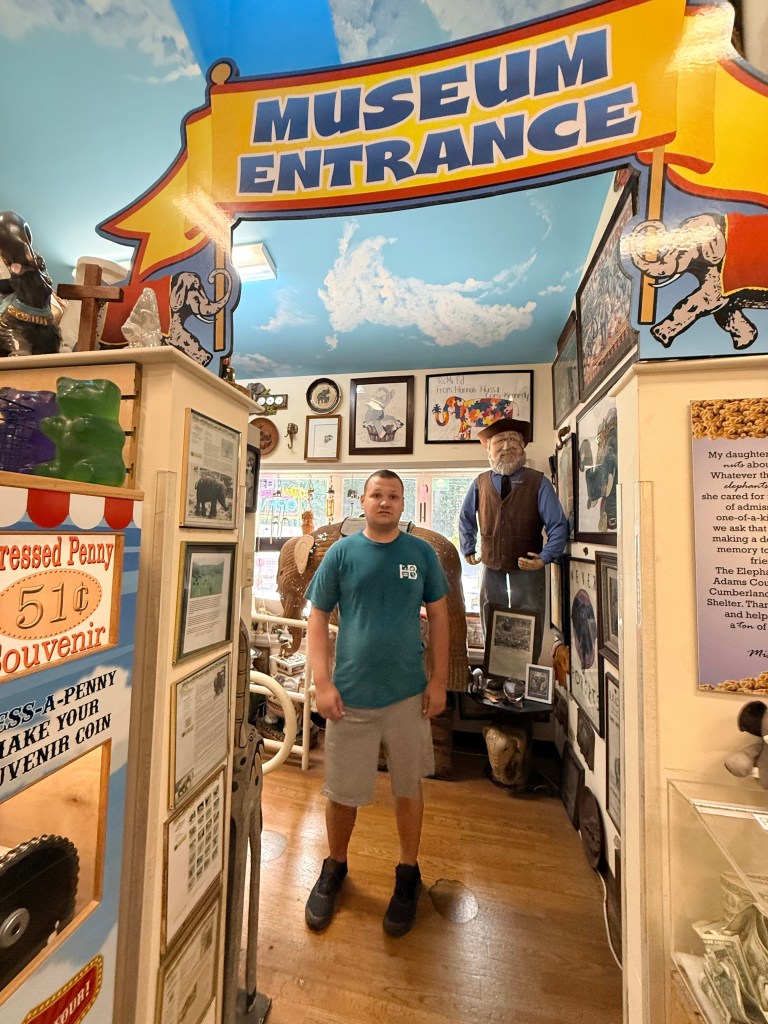
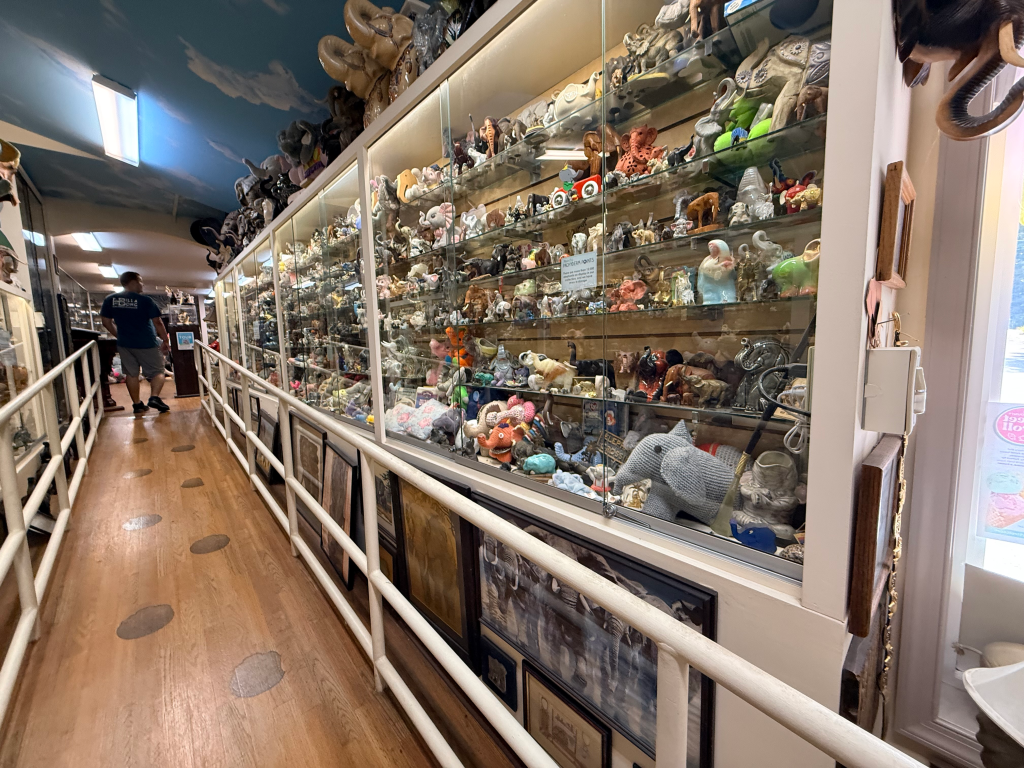
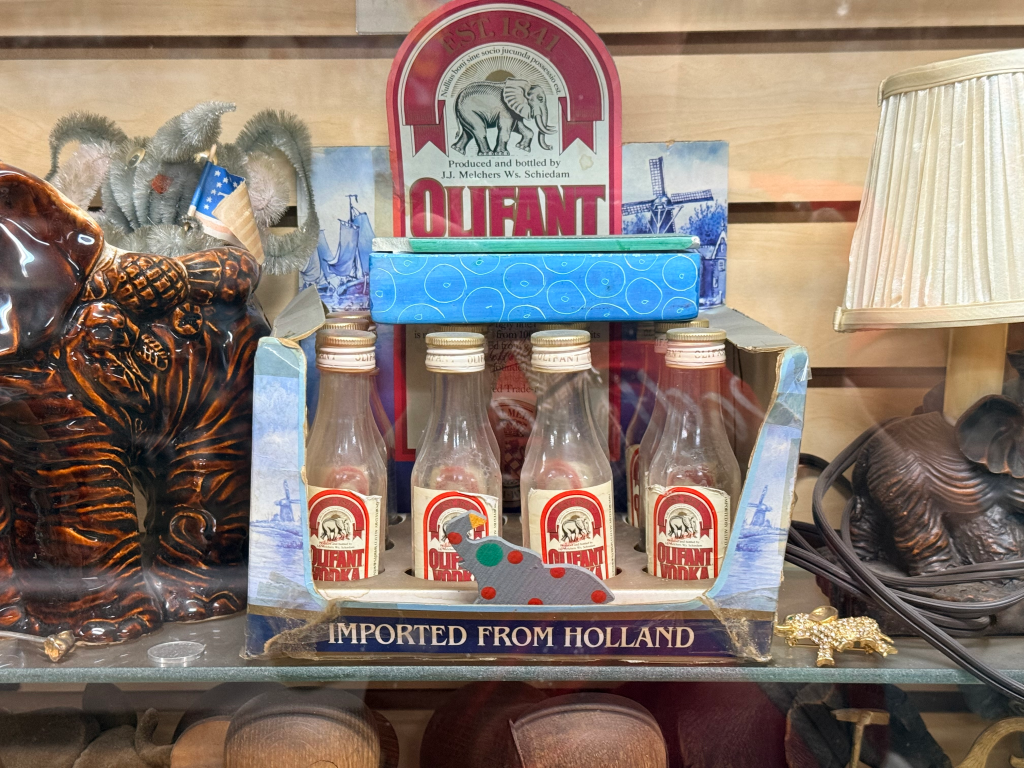
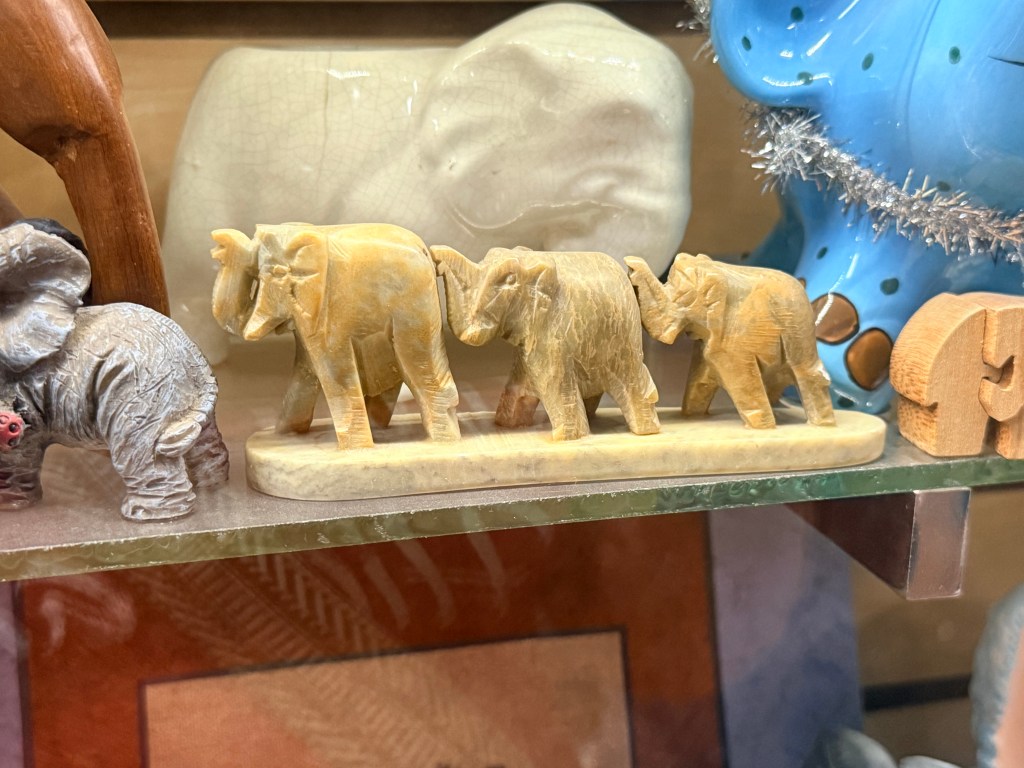
Mister Ed’s Elephant Museum and Candy Emporium was founded in 1975 by Ed Gotwalt and began as a small roadside shop that gradually expanded over the years. It now houses one of the largest private elephant figurine collections in the United States, with thousands of elephant items gathered across decades. As the collection grew, the candy shop grew alongside it, eventually becoming a well‑known regional attraction. While buying some chocolate for myself, I got to talking with a really nice lady who worked there and was super excited about our trip. It’s these moments that make the road trip everything to me. and out of all the candy that could be had in the entire place, my child got … a singular Dum Dum Lollipop.
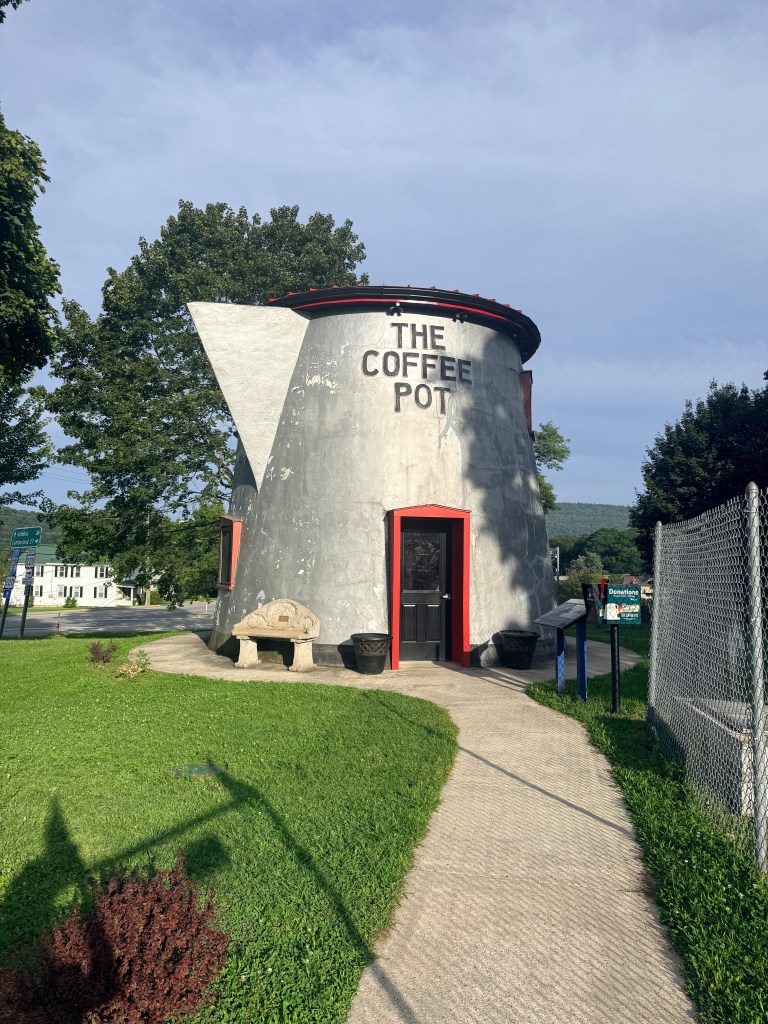
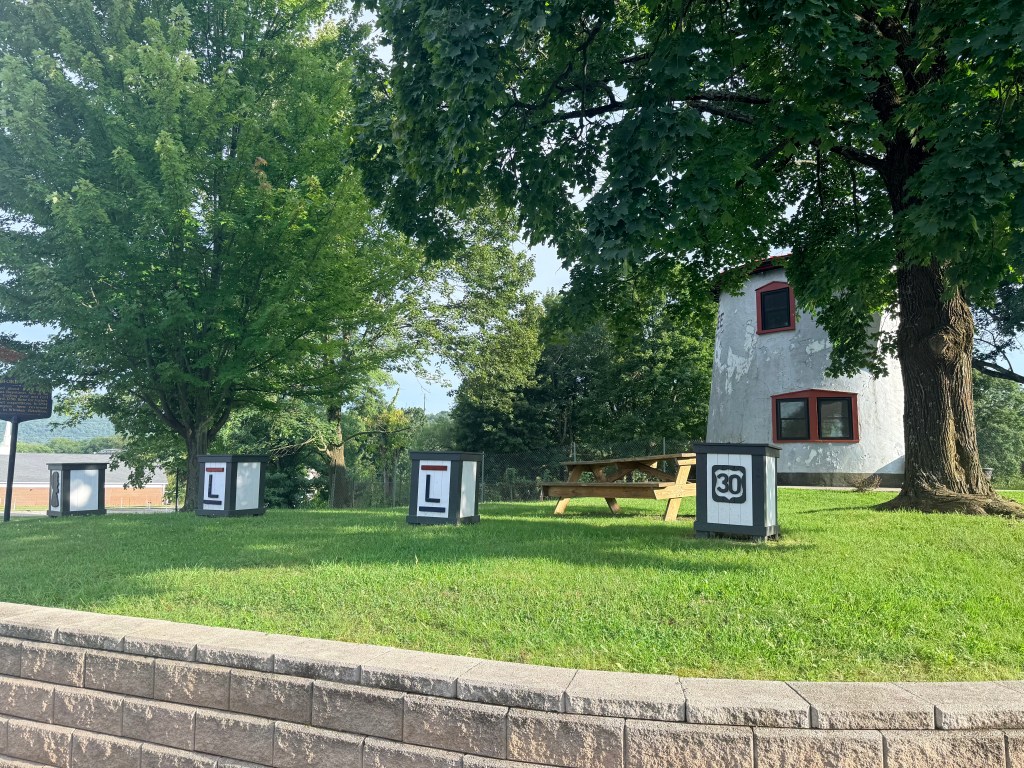
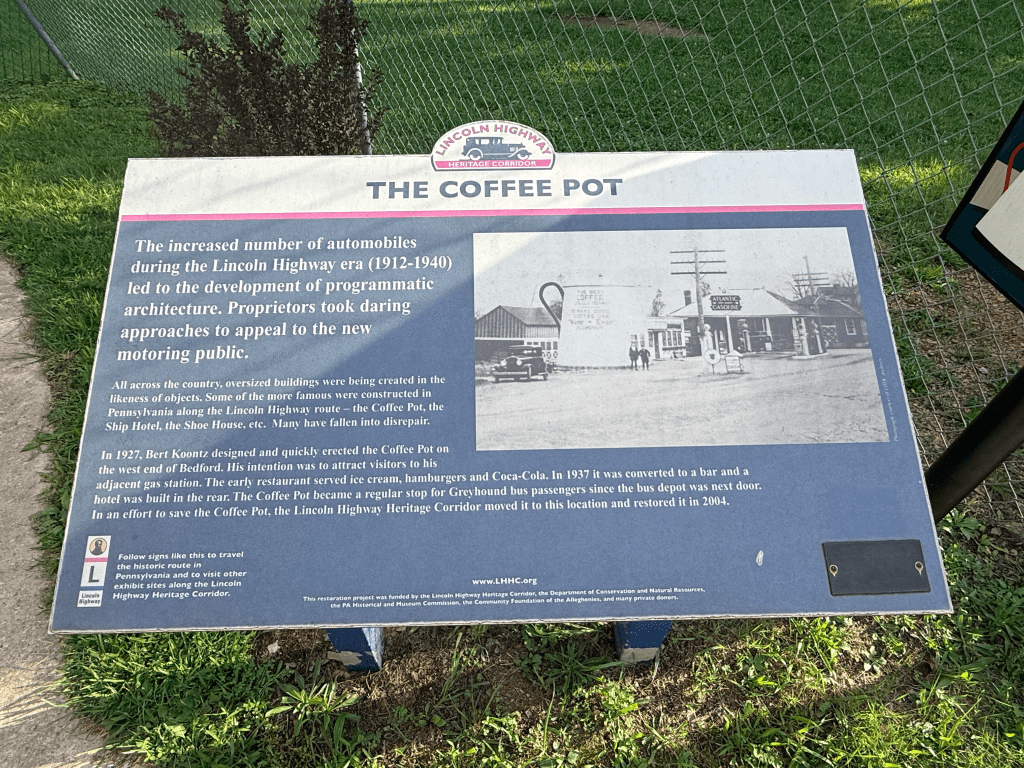
The Koontz Coffee Pot was constructed in 1927 by David Koontz as a novelty lunch stand meant to attract travelers along the Lincoln Highway. Standing 18 feet tall and built of concrete and sheet metal, it later served as a bus stop and a tourist information booth. It was fully restored in 2004 and moved slightly from its original spot to ensure its preservation. It looked like it had seen better days, and I hope they are keeping it up.
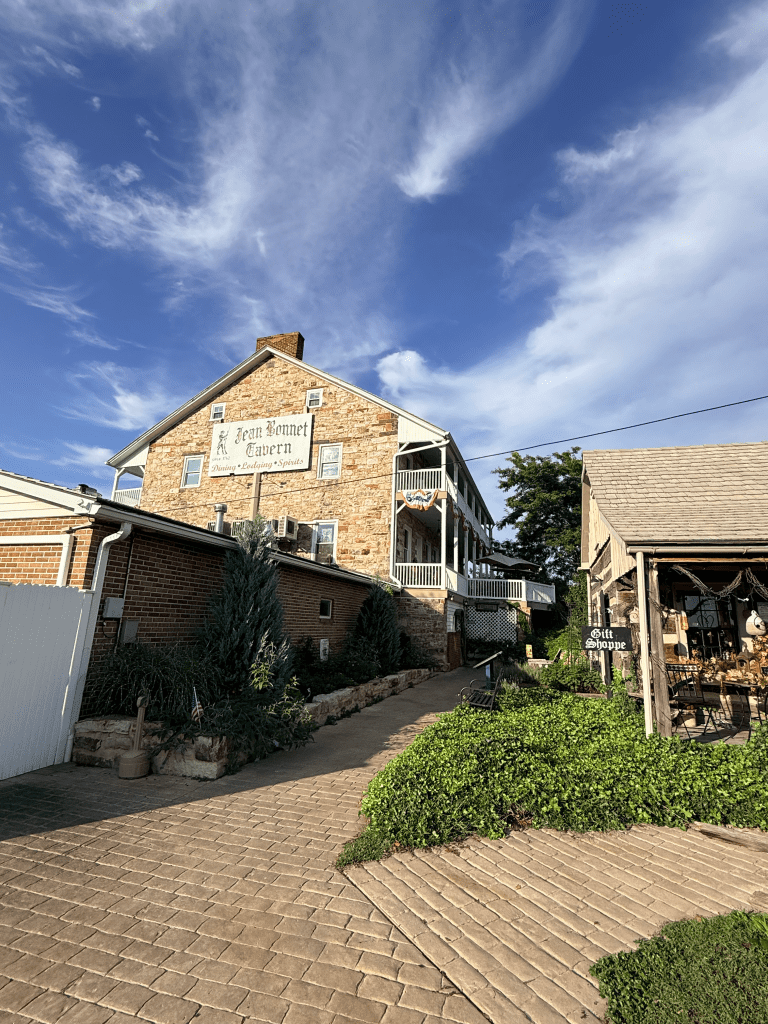
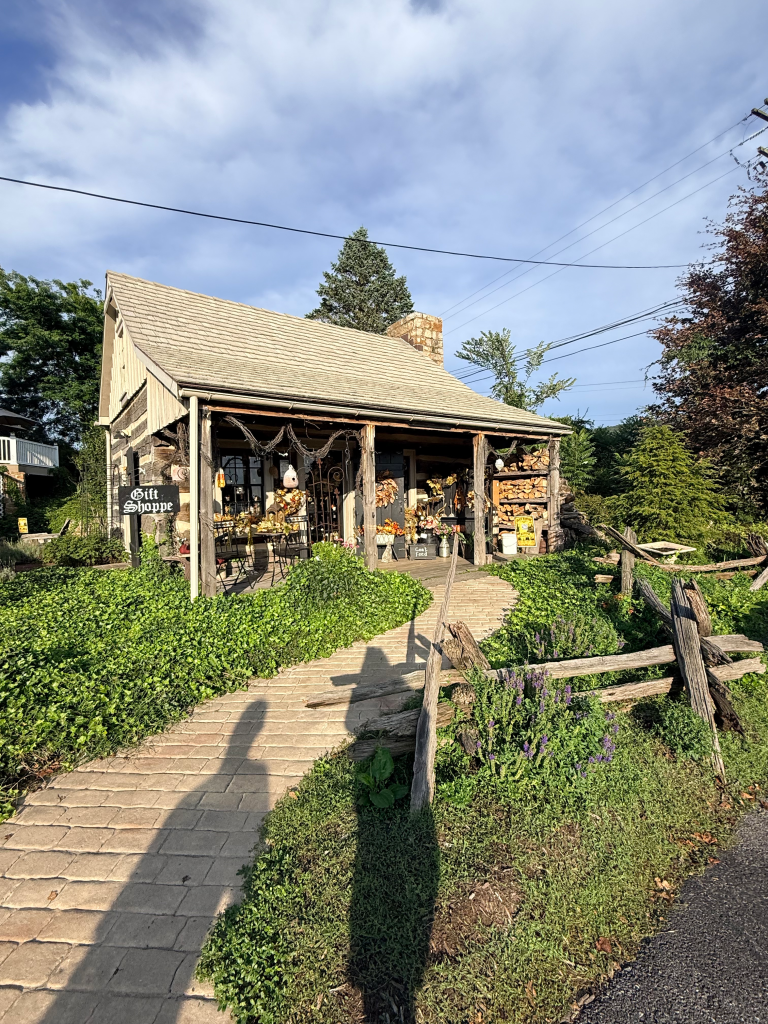
Dating back to the mid‑1760s, The Jean Bonnet Tavern was a stopping point for travelers. It served as an inn, tavern, and meeting place during the colonial period and the early years of the United States, and local farmers used it during the Whiskey Rebellion in the 1790s when they gathered to protest federal taxes. The stone building stayed in continuous use through the nineteenth and twentieth centuries, with restorations that preserved its original structure and layout. Today it’s listed on the National Register of Historic Places and still operates as a historic inn and restaurant.
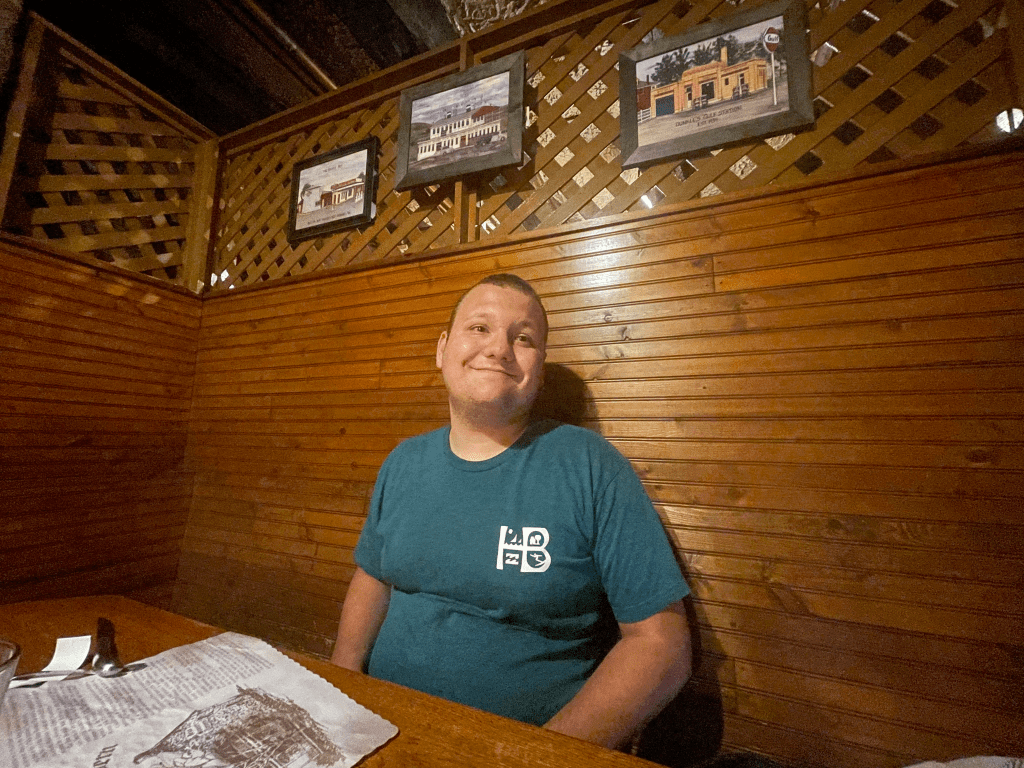
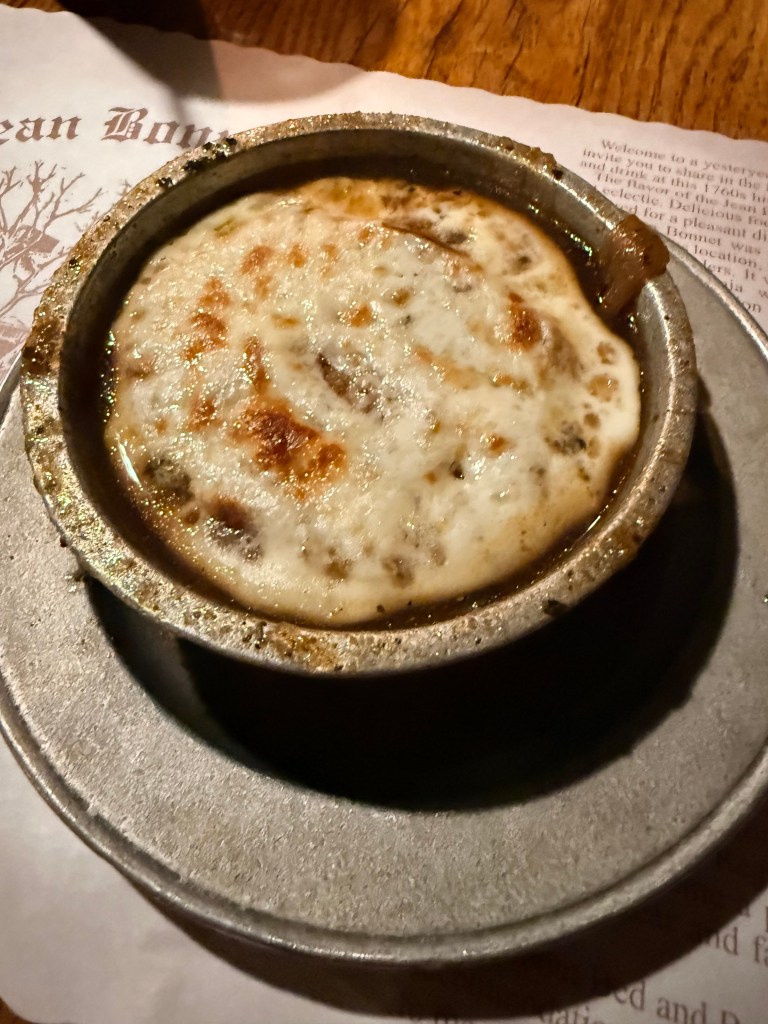
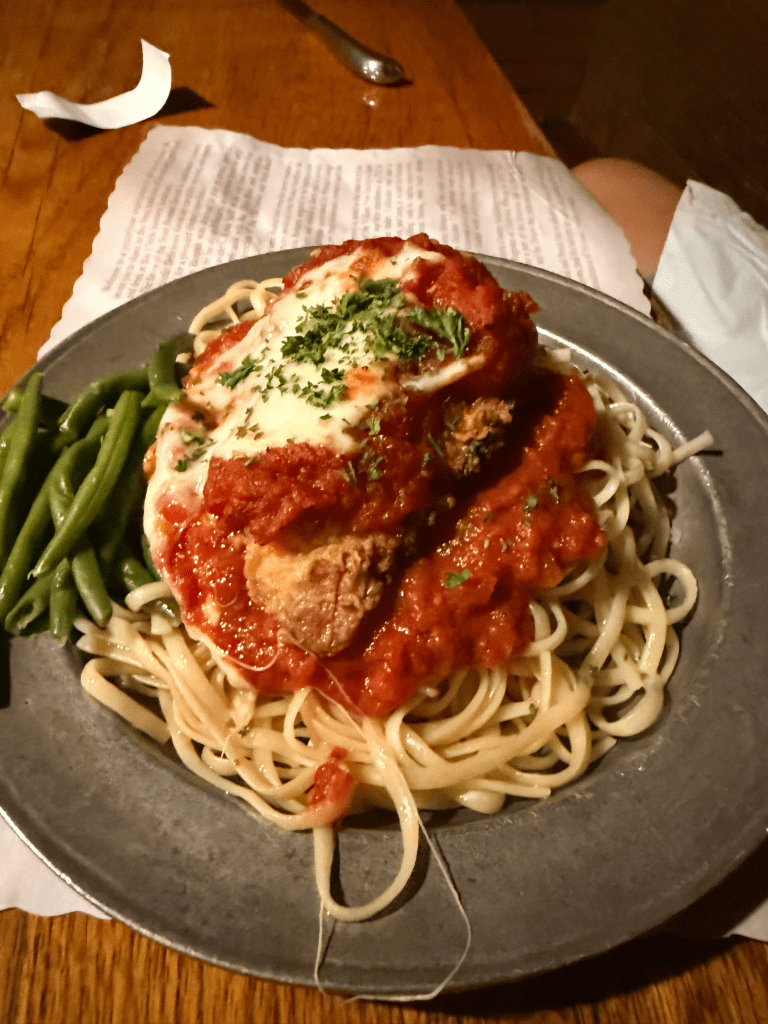
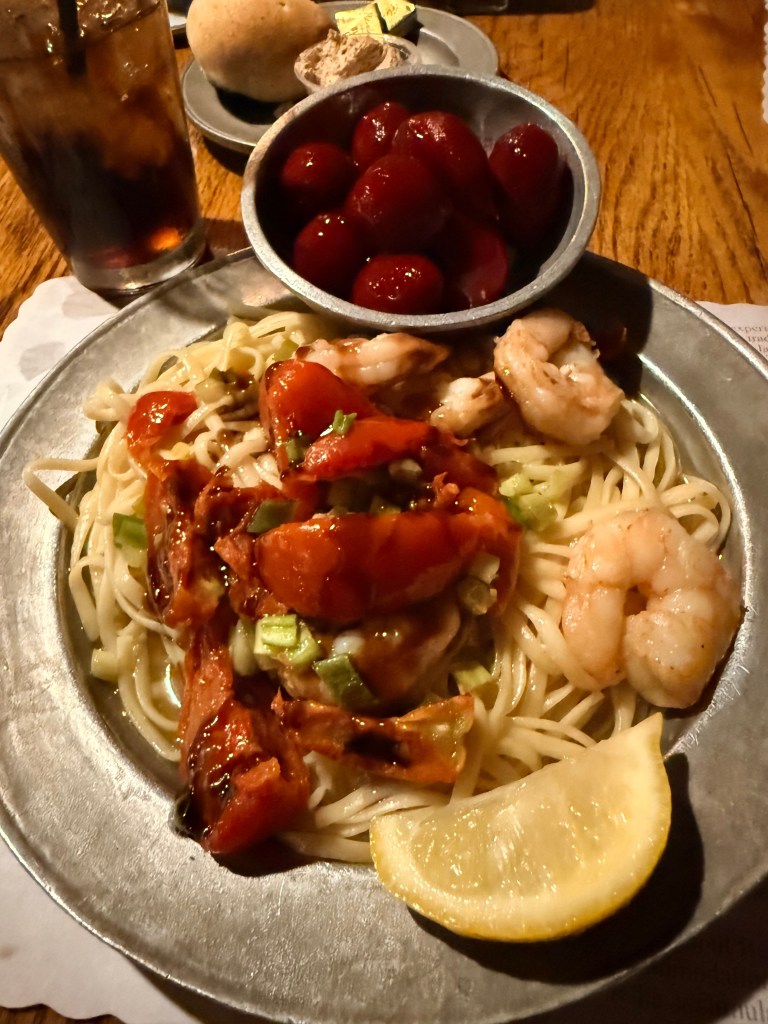
Dinner was excellent — I had the French onion soup and shrimp scampi, both delicious, and Hunter went straight for the chicken parmigiana. The owner even came over to say hello after hearing where we were staying that night, and I got to sit and chat with her for a bit. It was such a nice moment…I was told that the tavern is even haunted! Maybe next time!
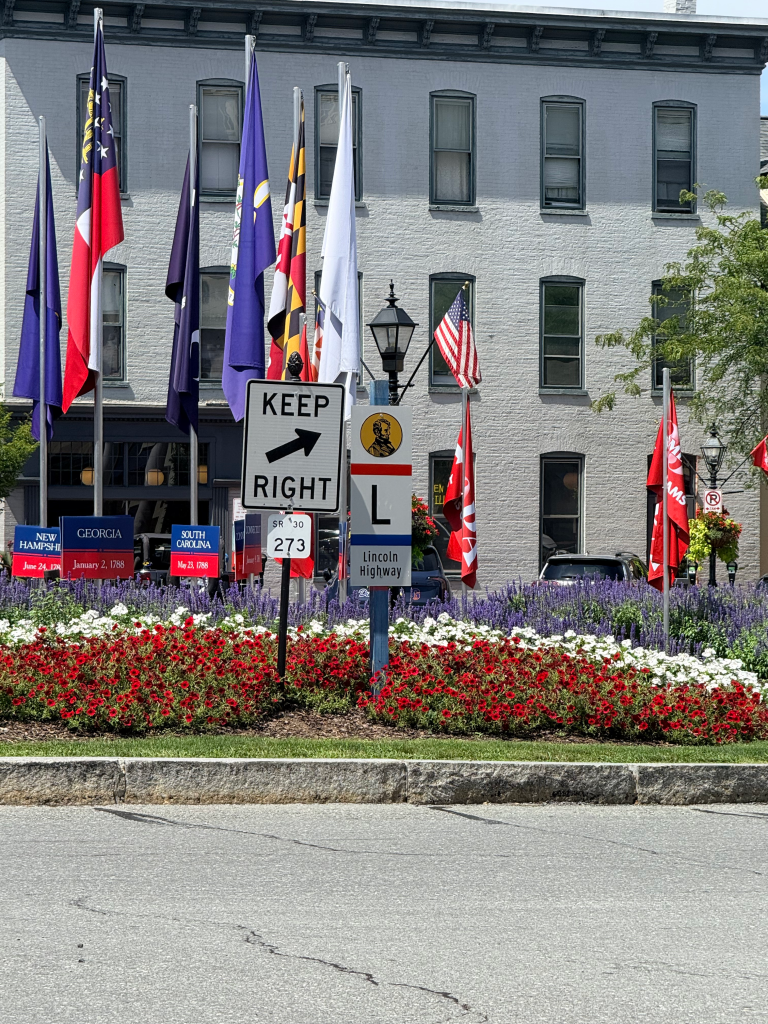
In other news, Hunter has turned out to be quite the co‑pilot. He keeps the Lincoln Highway map open on his phone and tracks our little blue dot as we move along. The highway isn’t something you can follow with normal GPS-aable navigation … it’s a patchwork of generations and alignments., so we rely on an online map that geolocates you along whichever version you choose and places a blue dot on the road… it’s up to you to follow the correct colour. It works well enough, though I still think someone should build a dedicated Lincoln Highway app. Hunter uses the written turn-by-turn directions I made along with the map on his phone, and I keep the same map open on the iPad in the cup holder since, of course, it isn’t compatible with Apple CarPlay. He’s doing a fantastic job, even if his version of a warning before a turn is sometimes, “Oops, you missed it.”
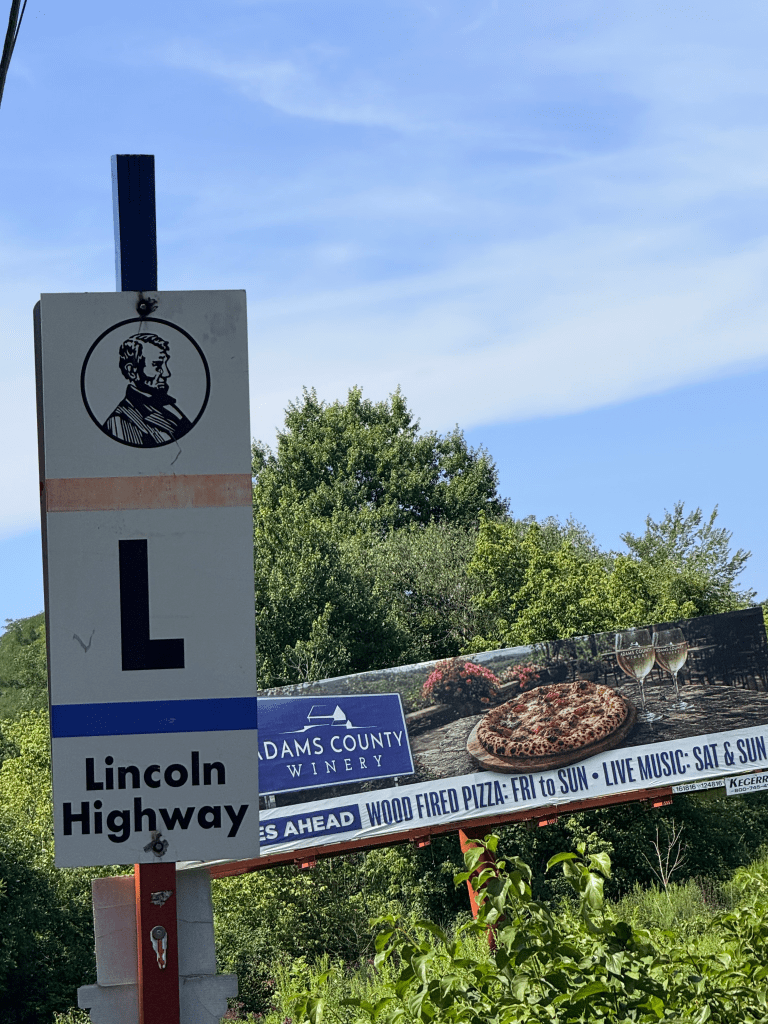
He’s also become an excellent spotter. Every marker I struggle to find, he catches instantly … murals, roadside exhibits, directional signs, even the tiny Lincoln Highway shields tucked onto telephone poles. Half the time he sees them before I do, pointing out each one as we drive. He’s been absolutely amazing.
Today was probably the only day we’ll really be able to take our time walking through little towns, stopping for photos, and pulling over at nearly every Lincoln Highway exhibit we came across. That being said, Pennsylvania might have the most Lincoln Highway pride of anywhere on this route. The towns along this heritage corridor have gone all‑in with murals, restored markers, and roadside tributes. And although I know we’ll see more monuments as we head west, I doubt we’ll find this many packed into such a short stretch again.
Unreliable Summary – Markers, Murals, and Elephants
Category:
Leave a Reply