
Share this:
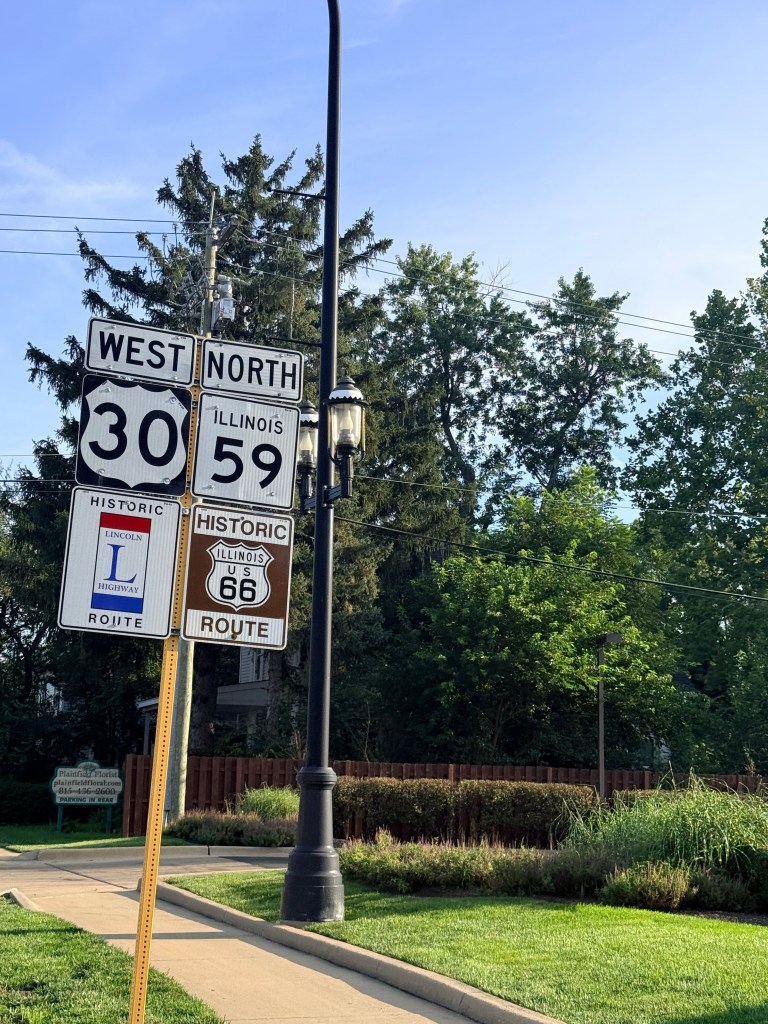
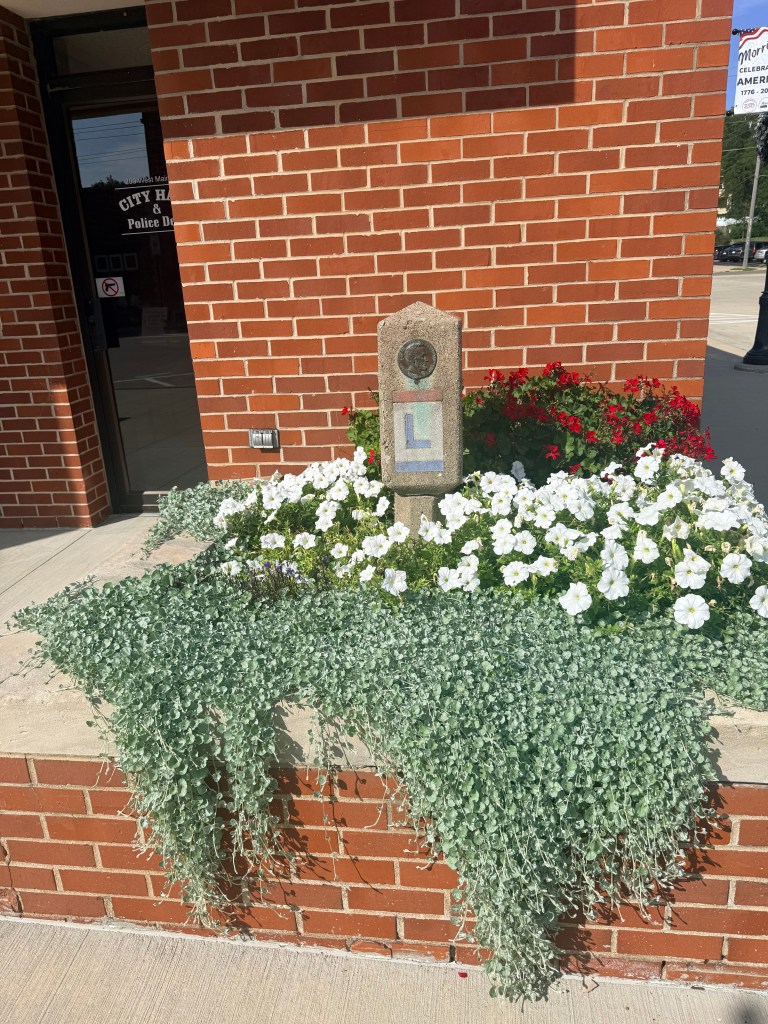
First thing this morning, we passed through Plainfield, where the Lincoln Highway and the later alignment of Route 66 actually share the same three blocks. Two of America’s most iconic roads overlapping for just a moment… it’s small, but it feels like a little wink from history.
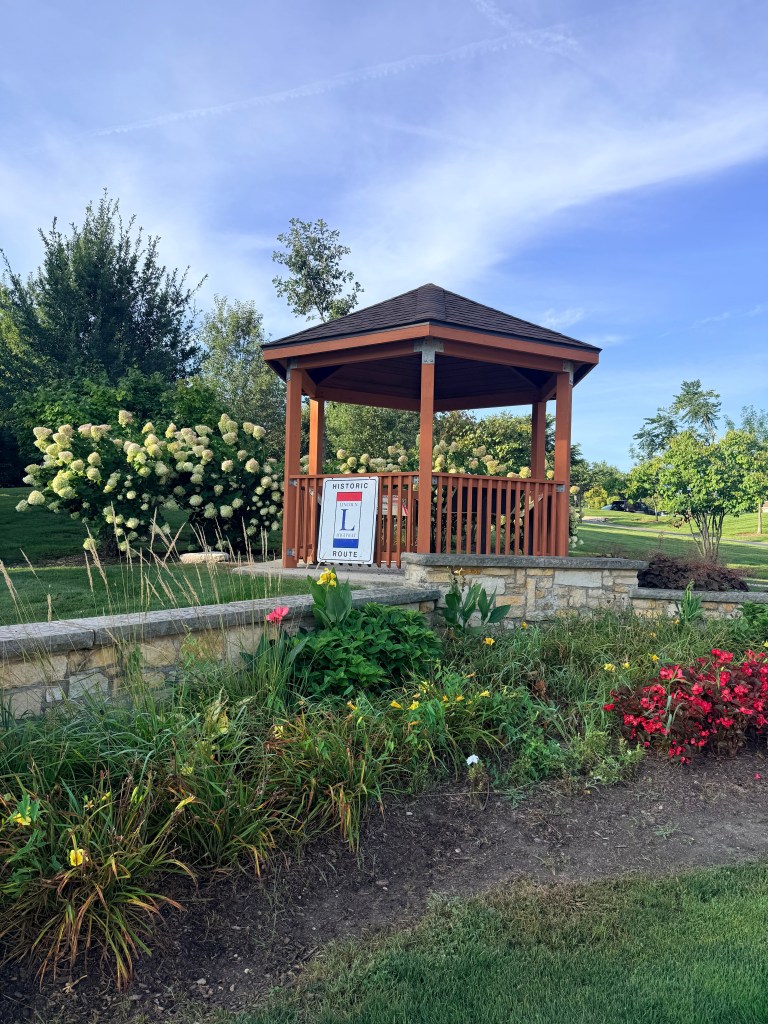
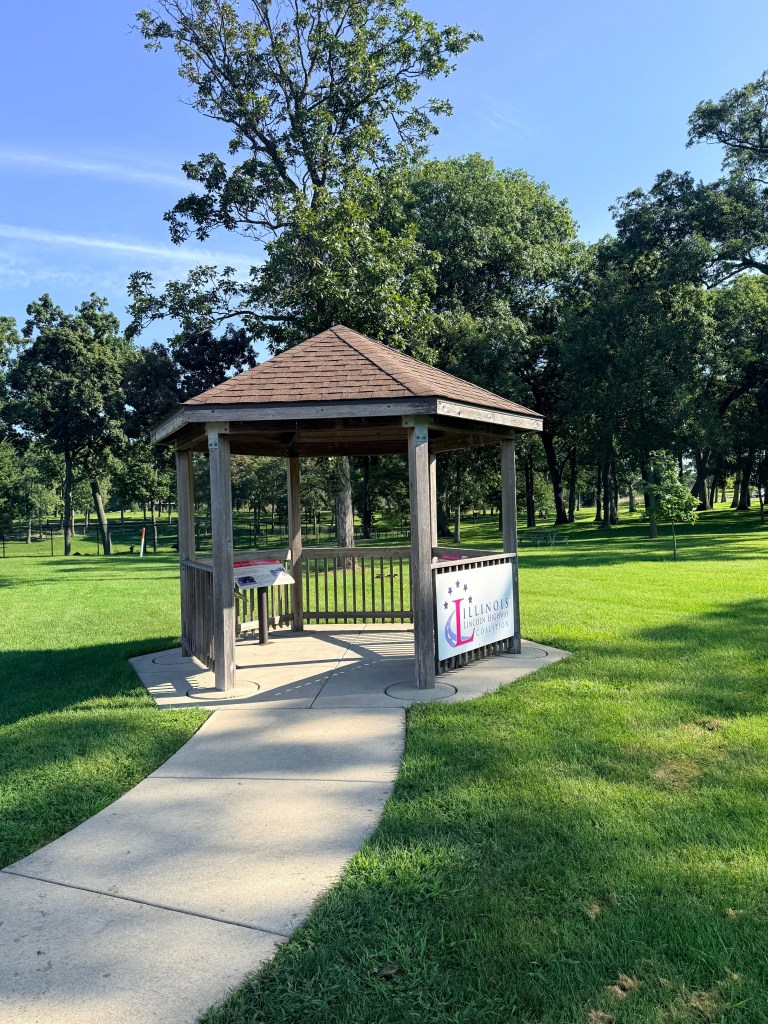
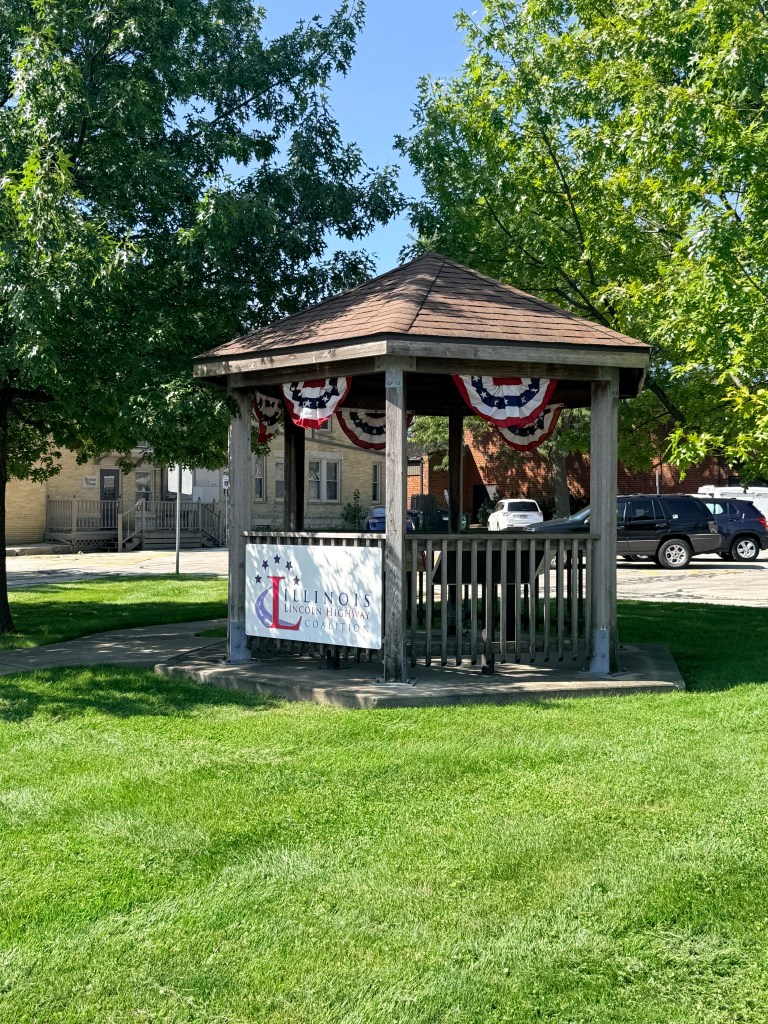
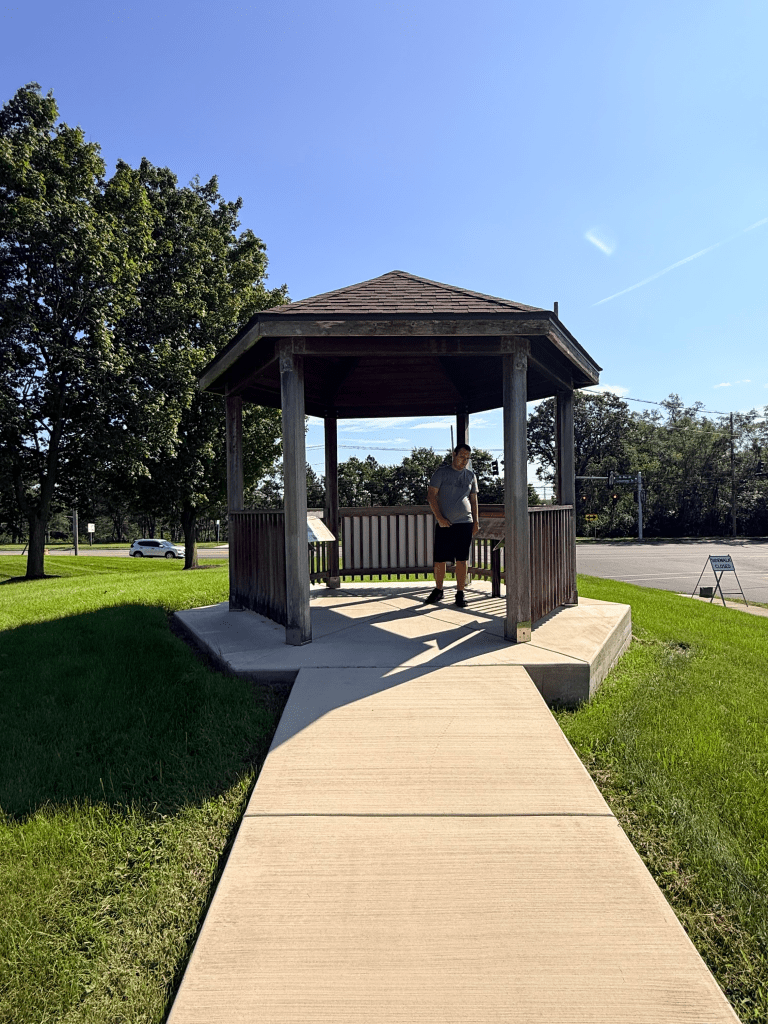
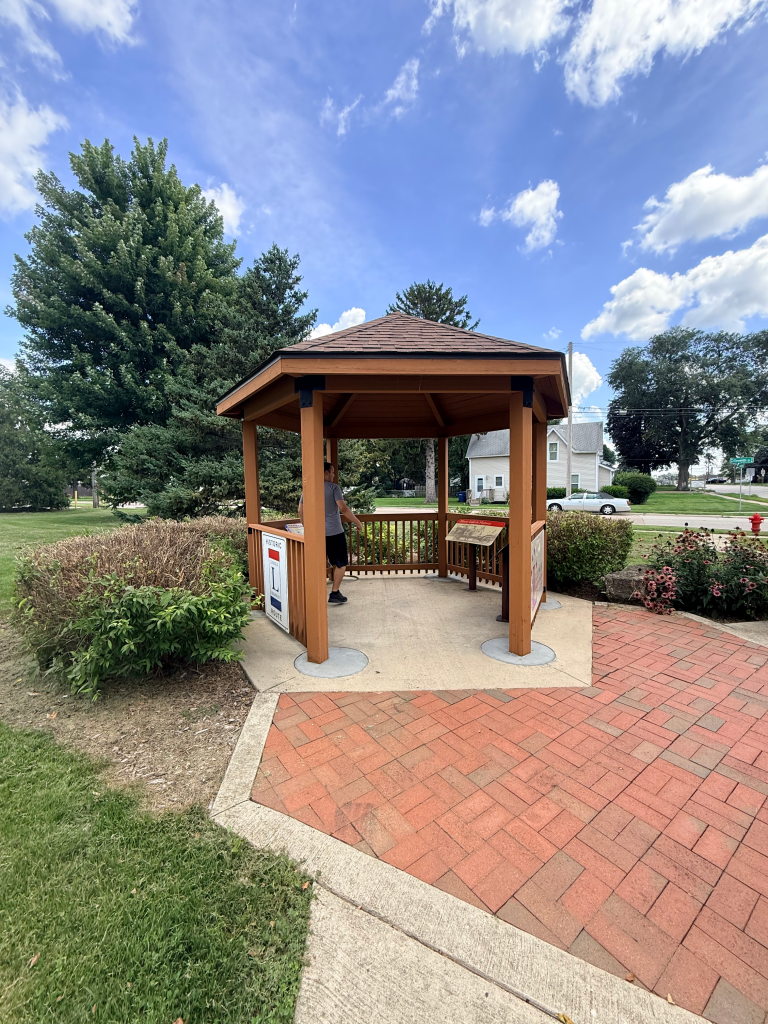
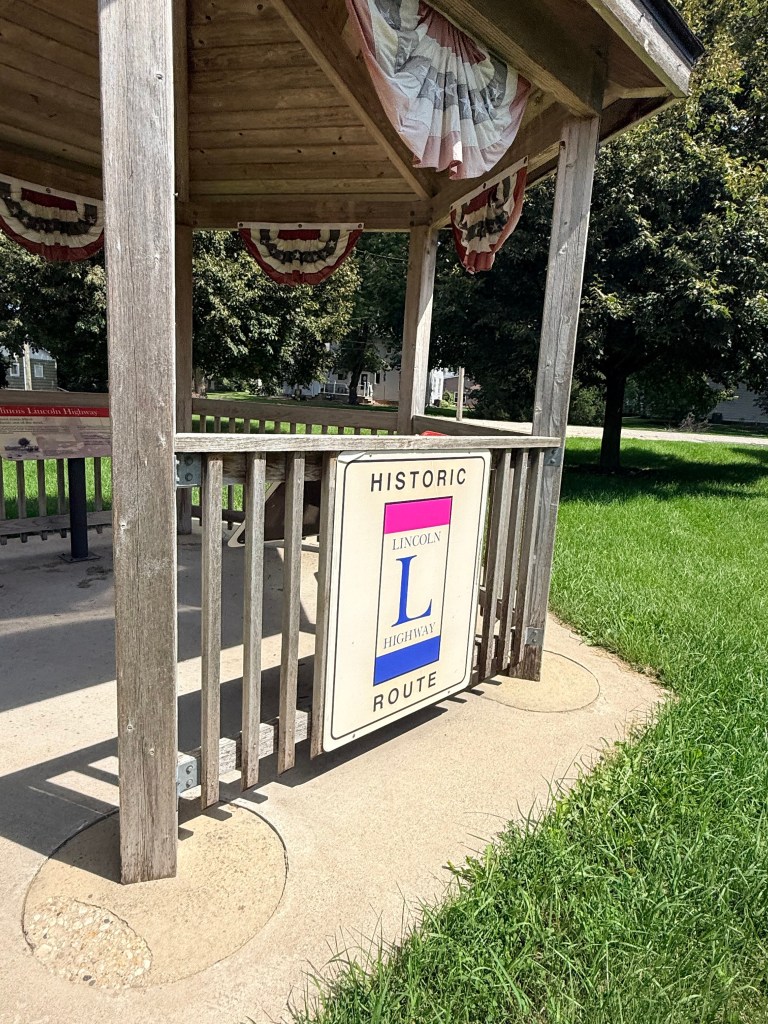
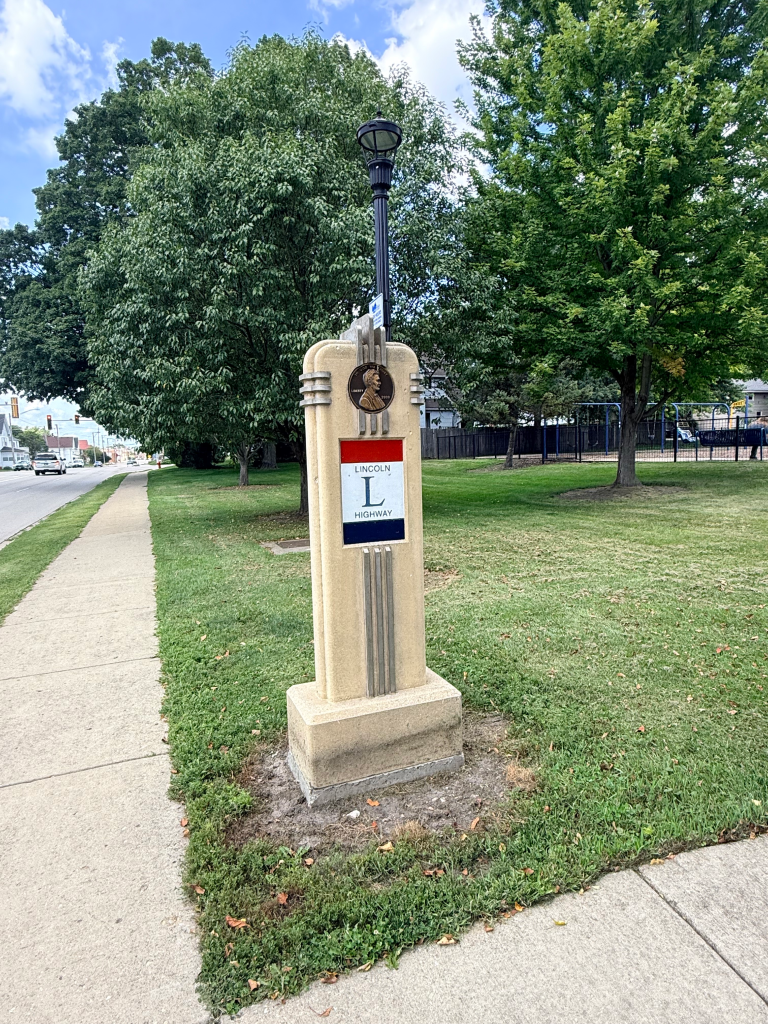
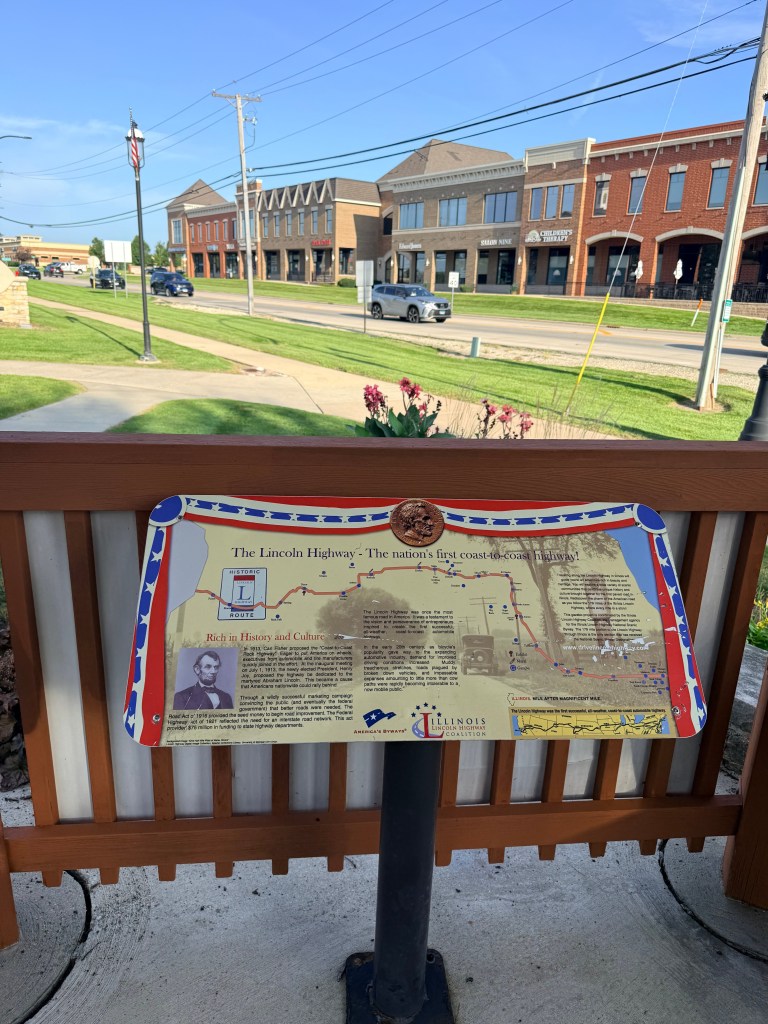
Indiana has this whole series of thirteen Lincoln Highway gazebos, and they pop up like Indiana is playing its own little roadside game with you. You’re driving along, minding your business, and suddenly there’s another one — just sitting there like, “Hi, I’m gazebo number whatever, come learn something.” Each one has its own panel and its own tiny slice of Lincoln Highway history, and honestly, it feels like Indiana went all‑in on the highway and decided, “You know what? Let’s build thirteen of these things and scatter them everywhere.” They’re quirky, they’re unexpected, and they absolutely commit to the bit. I wanted to get every single one, but after yesterday’s misadventures — and the fact that some of them are in truly terrible locations — we got what we got.
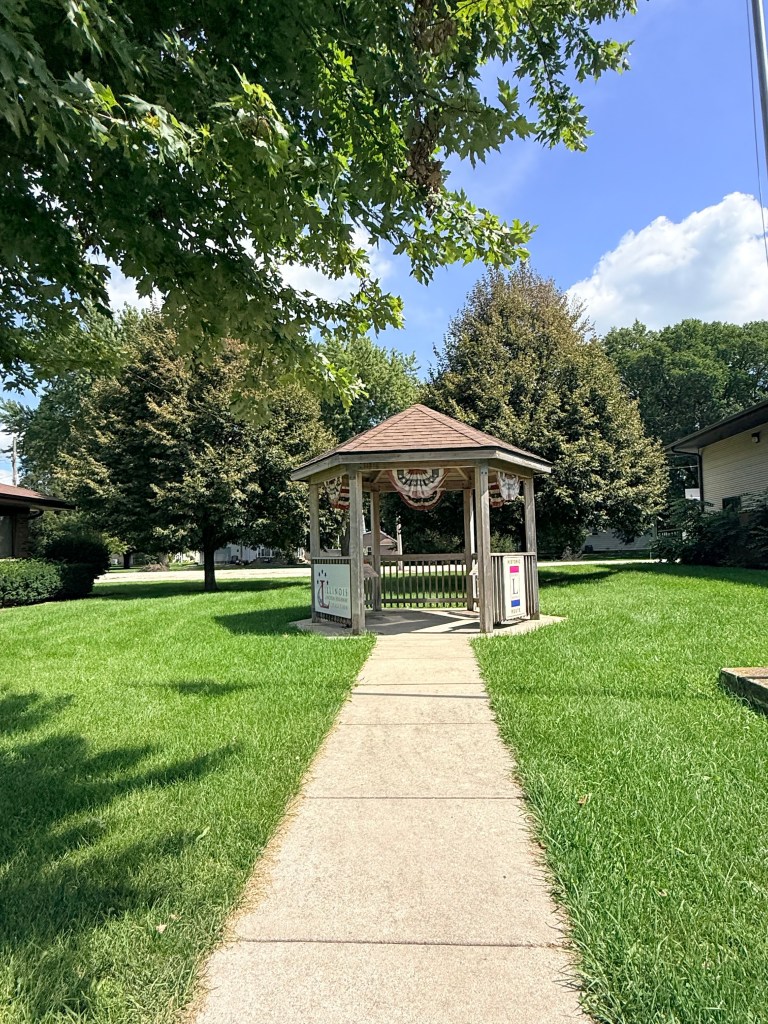
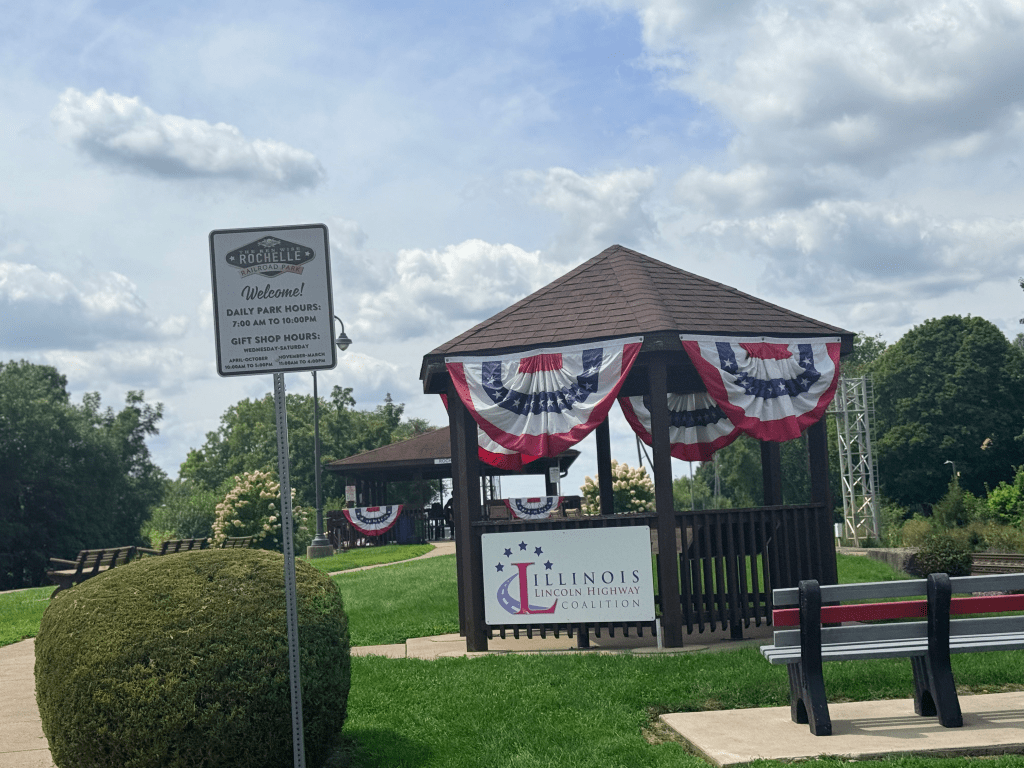
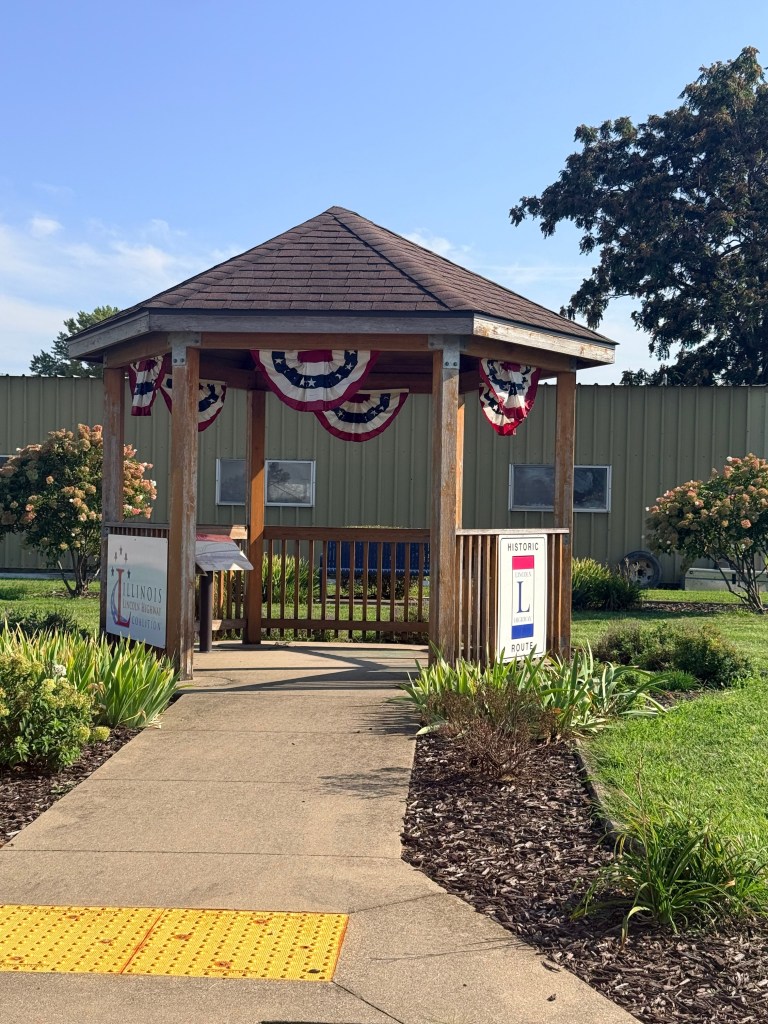
Our first stop was the Phillips Park Zoo, which was more like a small ecology center. Very nice… quiet… with a beautiful garden that made the whole place feel peaceful.
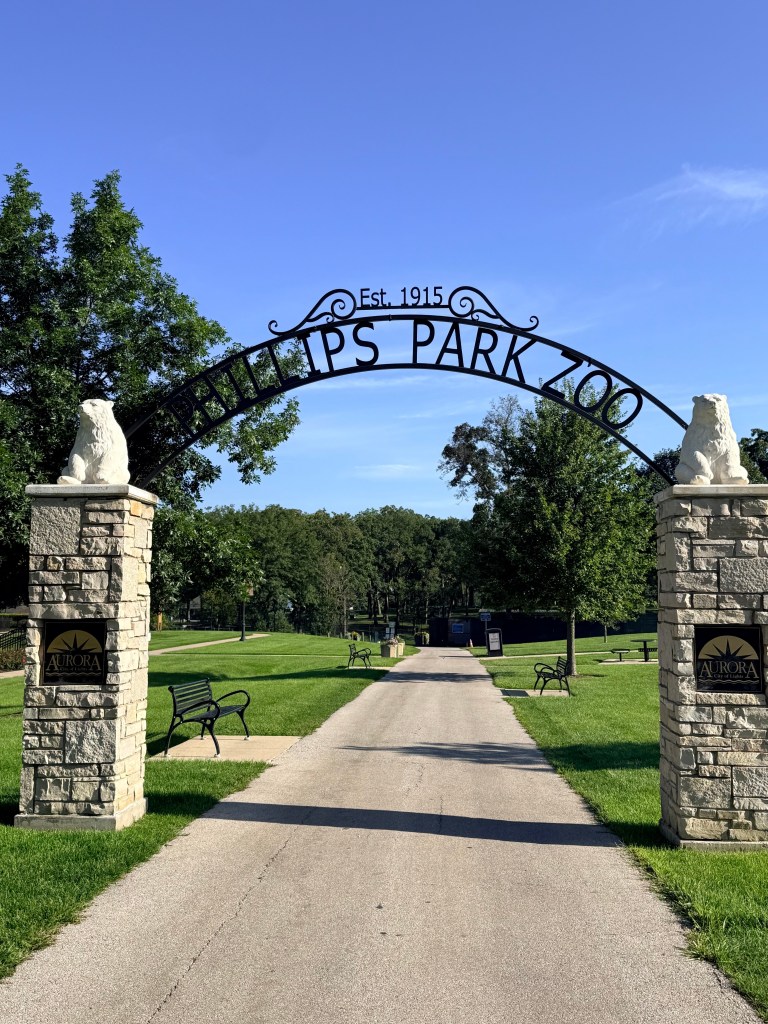
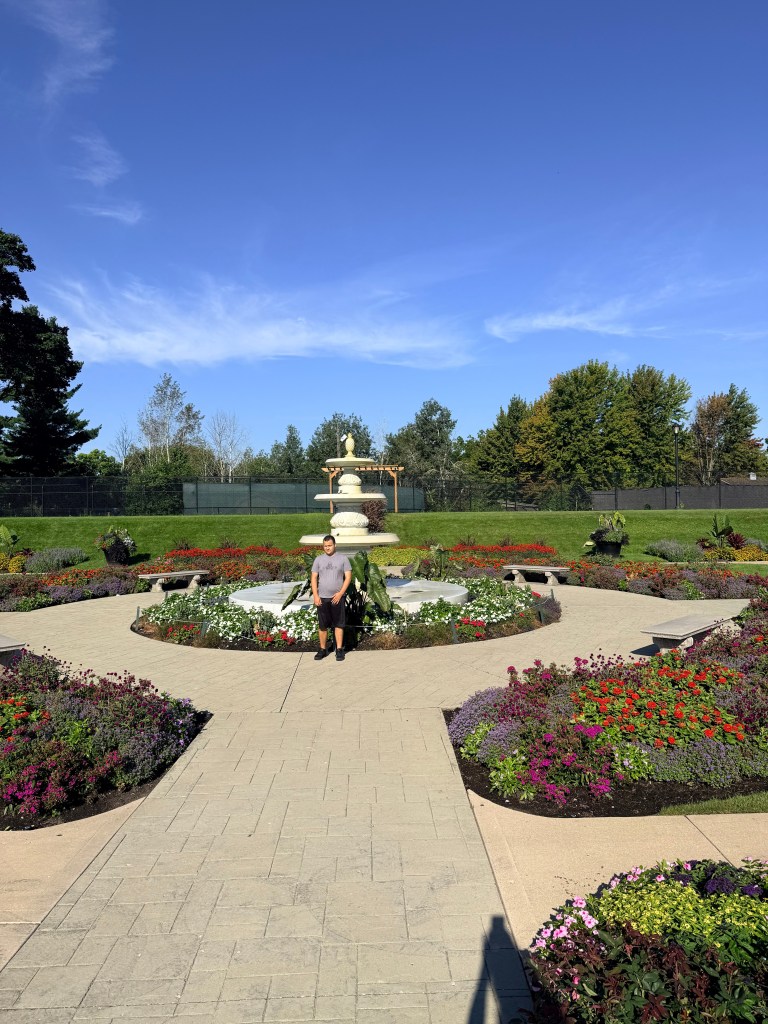
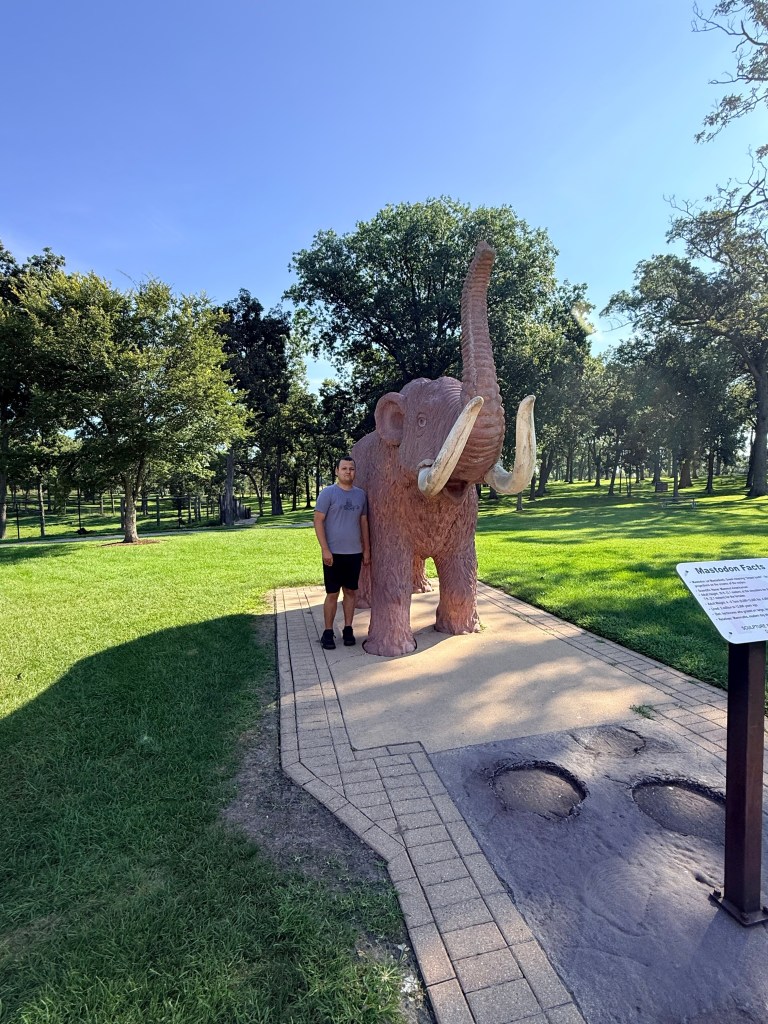
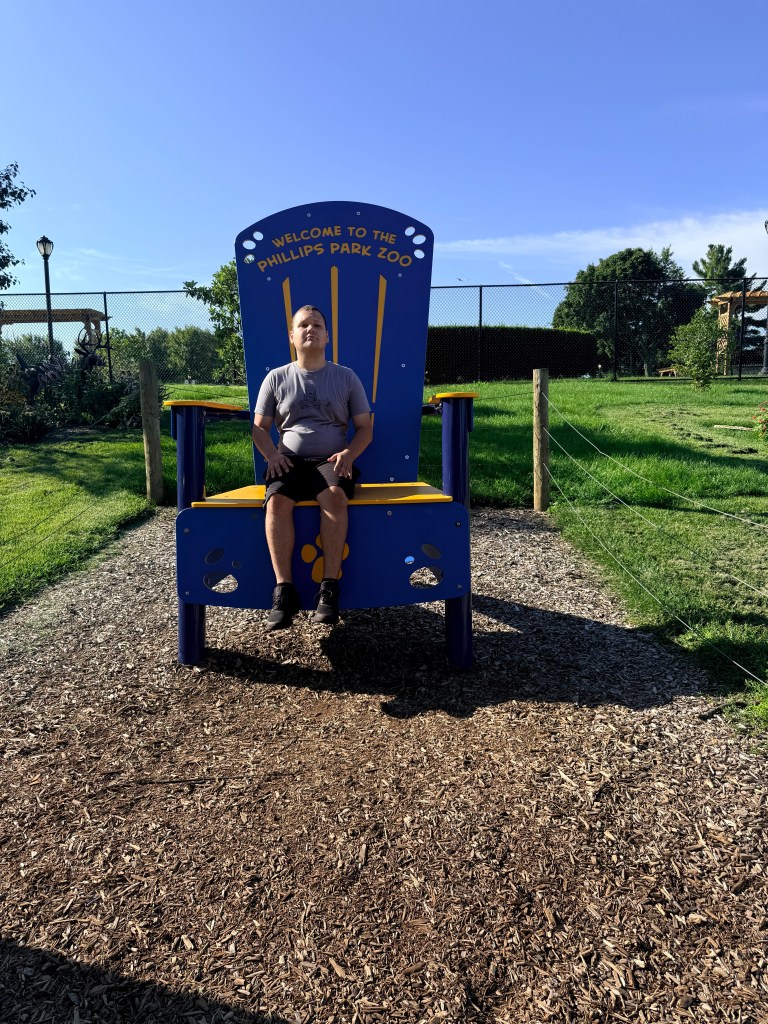
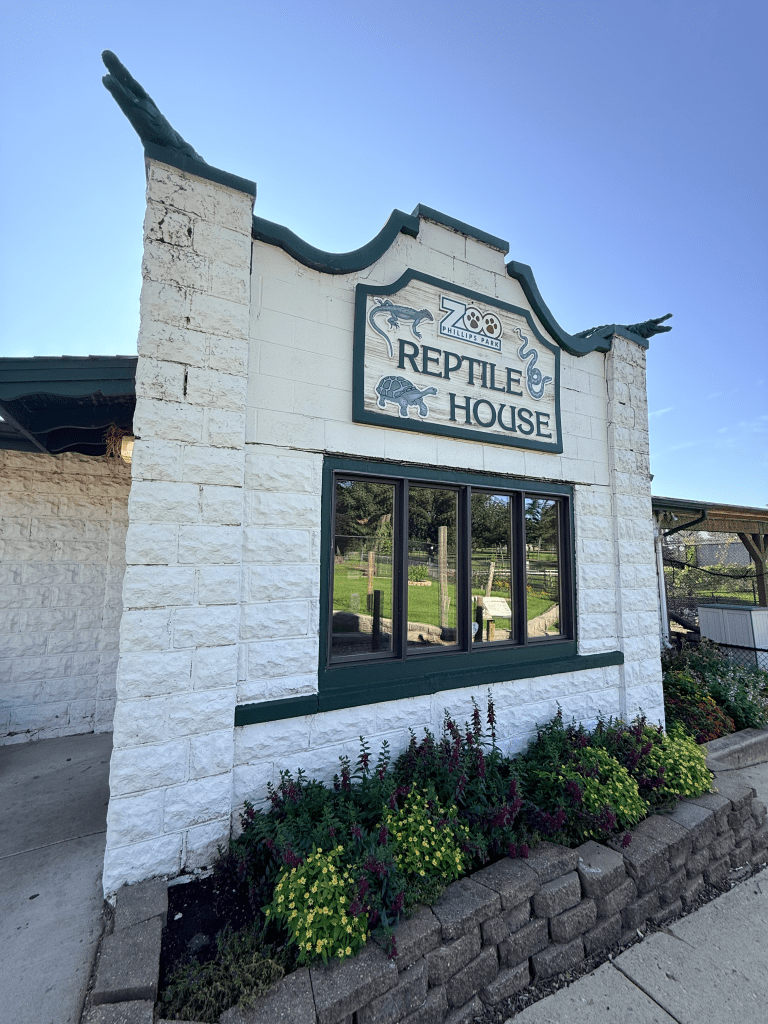
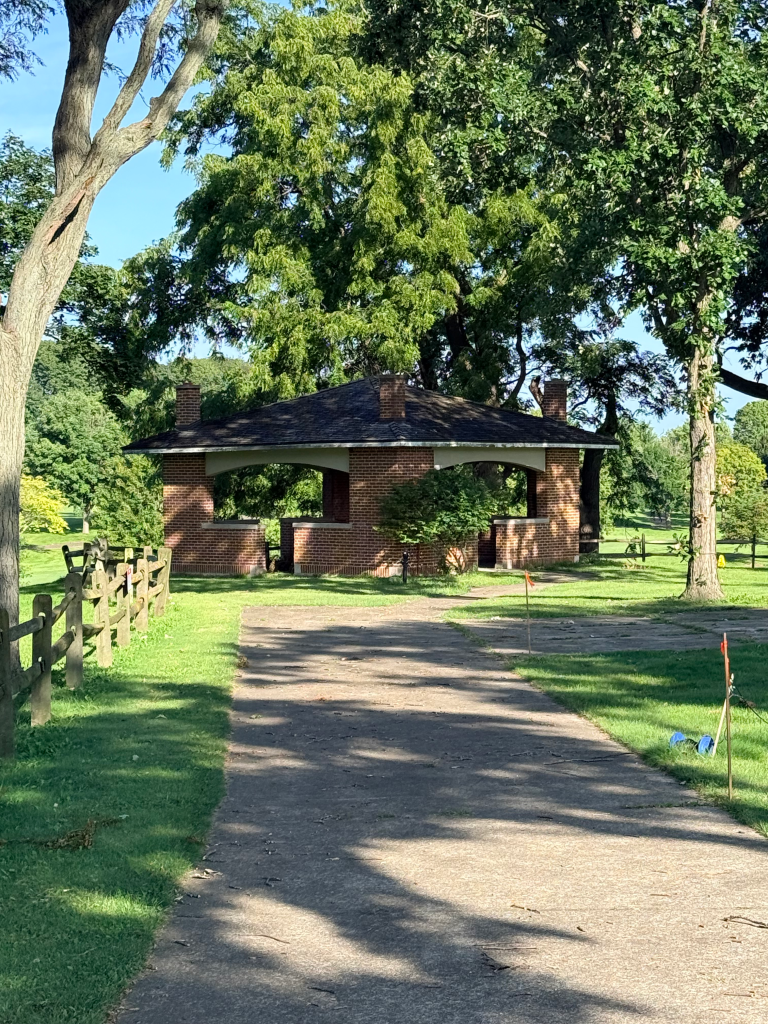
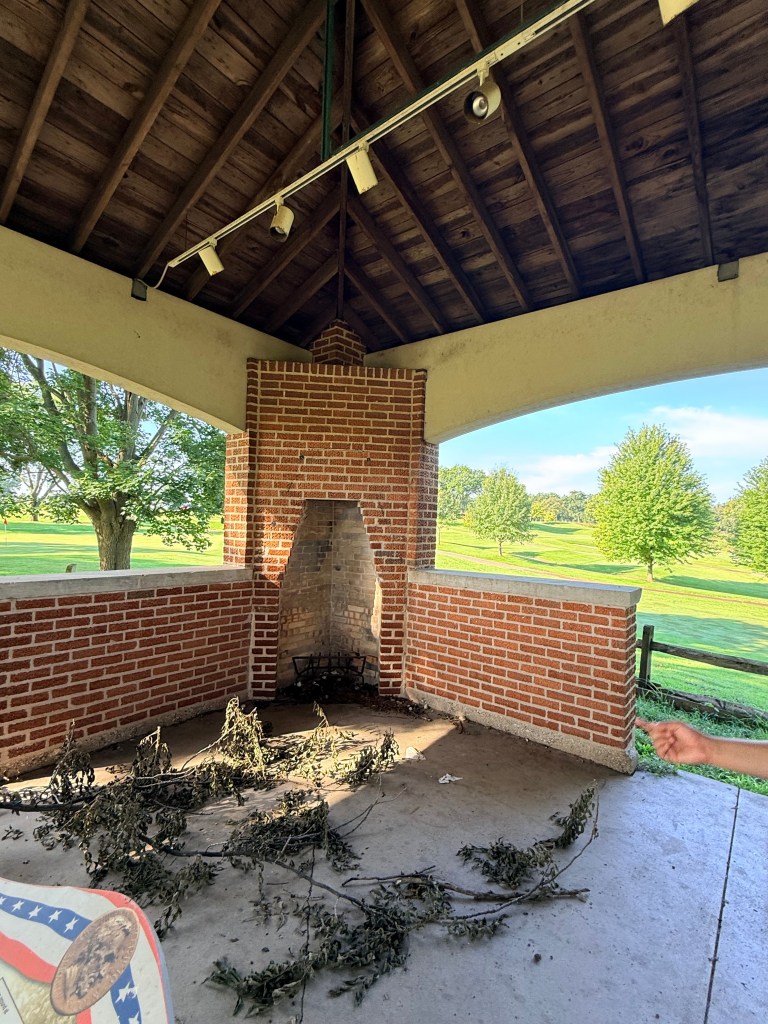
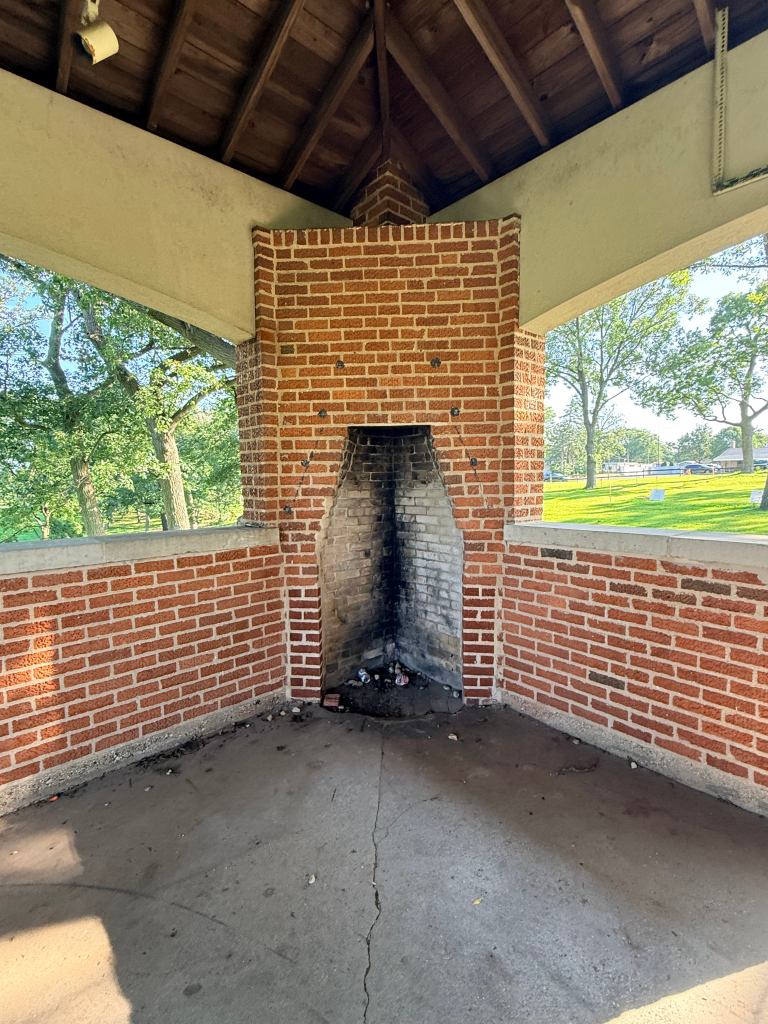
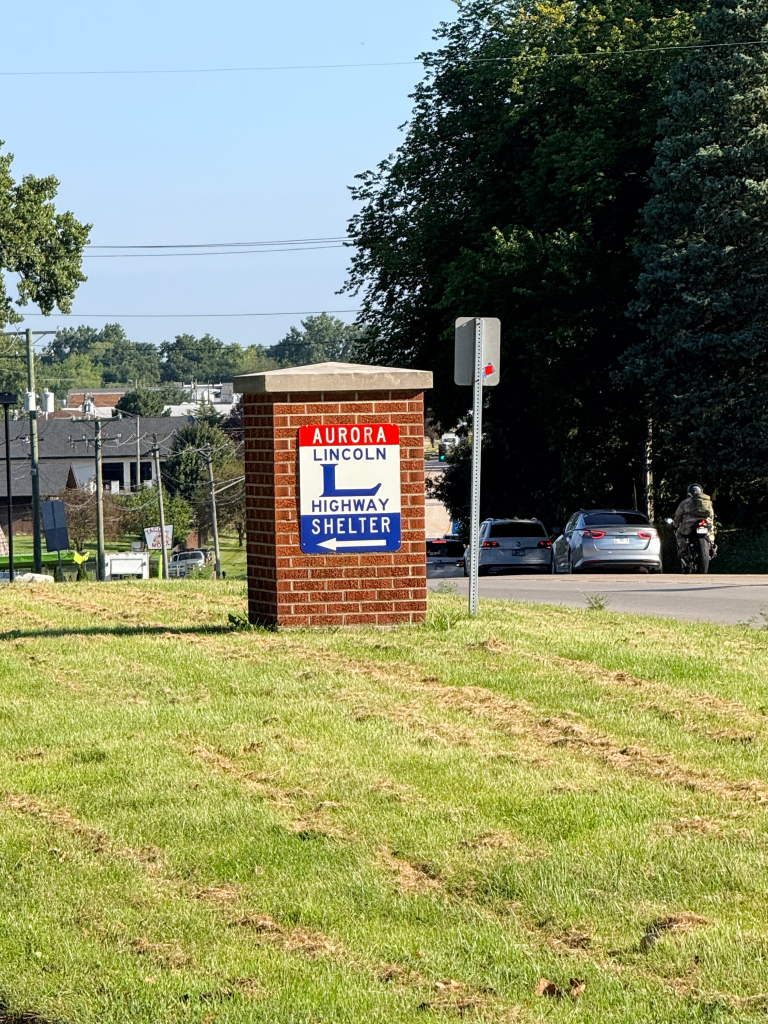
Right near the Phillips Park Zoo, there’s a little structure that looks like nothing at first glance… but it’s actually one of the old traveler’s camps. Back in the early days of auto touring, towns built simple shelters where motorists could stop for the night — a roof, a fireplace, maybe a picnic table — just enough to make road travel feel civilized. Phillips Park kept theirs, and it’s still standing. It’s small, quiet, tucked into the trees, and if you didn’t know what you were looking at, you’d walk right past it. But once you do… it feels like a tiny doorway into 1920s road culture.
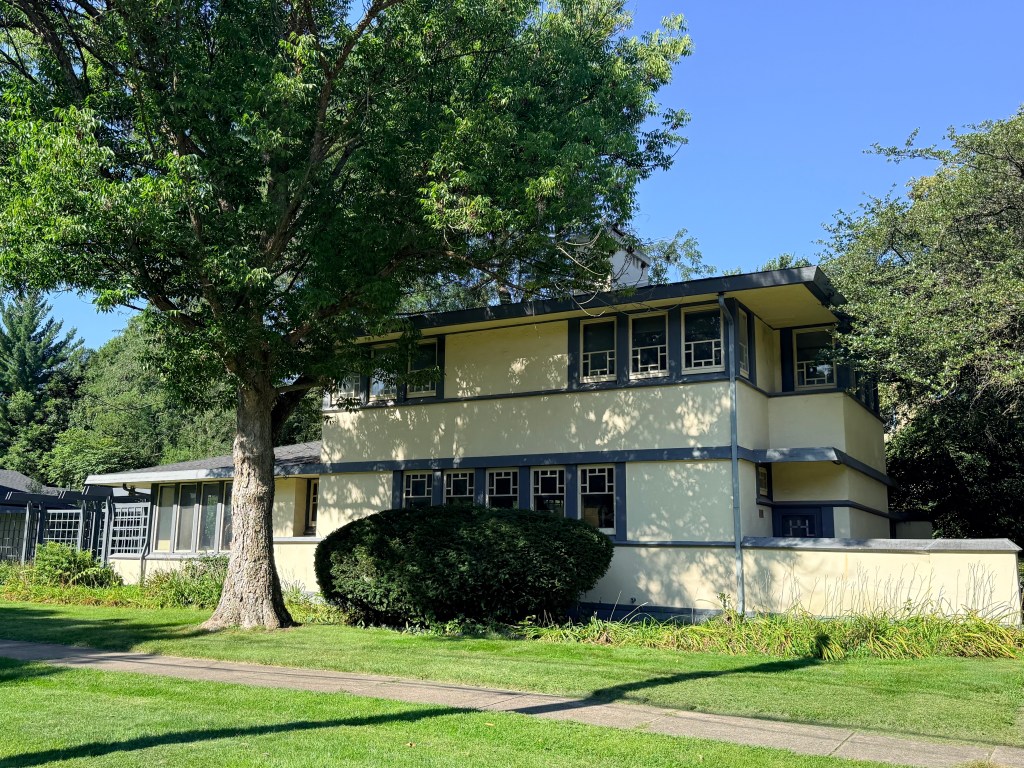
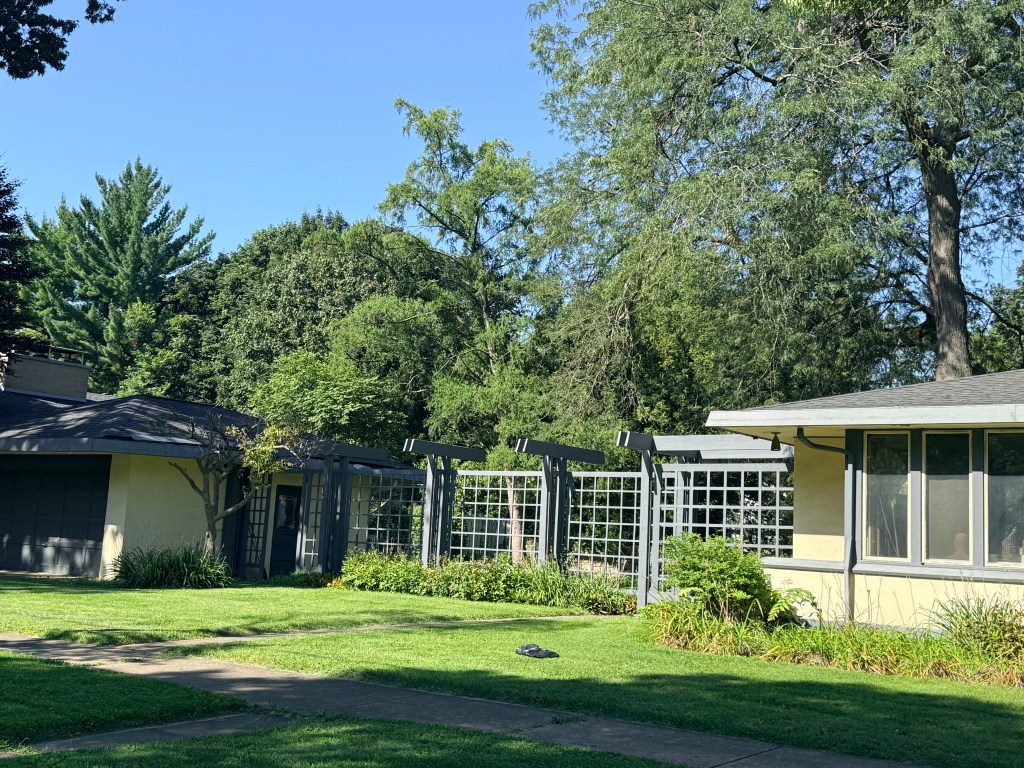
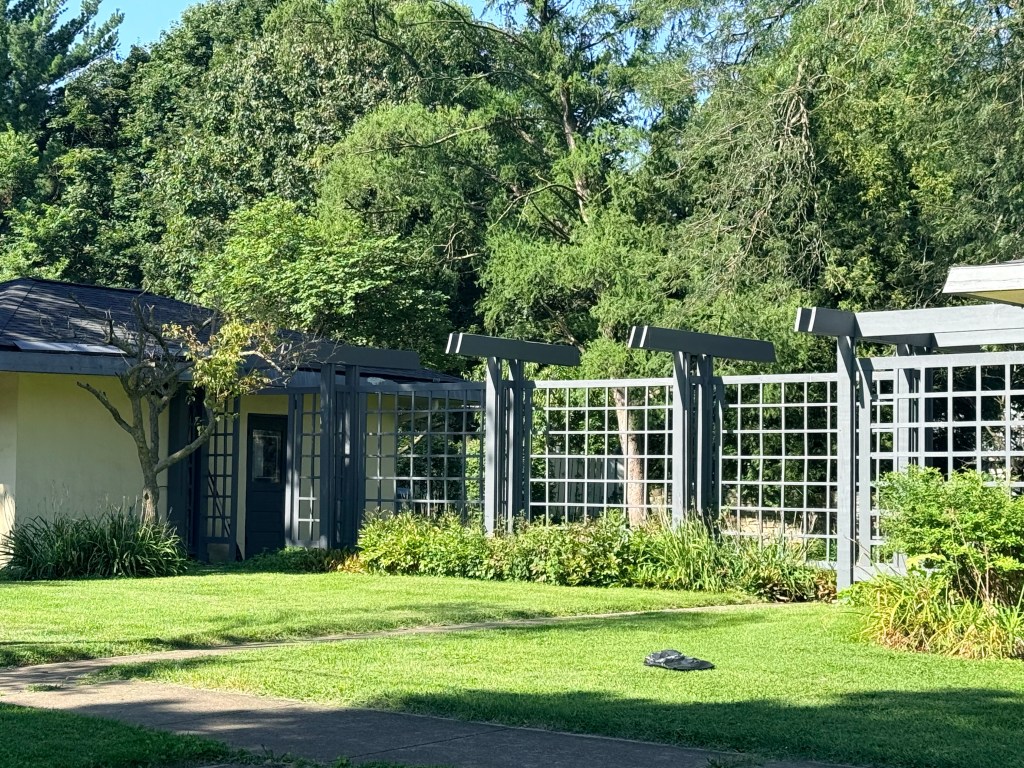
The William B. Greene House in Aurora was designed by Frank Lloyd Wright in 1912 home shows classic Prairie‑style elements — low‑pitched roof, overhanging eaves, horizontals, clerestory windows, and an open plan. Originally Wright’s smallest commission and Aurora’s only Wright house, later owner‑driven changes such as the gabled roof and preferred casement windows give it a slightly irregular layout.
From there we made our way up to Batavia, but first we stopped at Mooseheart Village to see a Lincoln Highway marker. I was turned away… it’s private property, and even though my father had been a member of the Moose, they still couldn’t let me in. The man at the gate was incredibly kind and genuinely felt bad, but rules are rules… so no marker photo for me.
Mrs. AW Gridley House was one of the most important early Prairie School residences Frank Lloyd Wright ever designed and the only one that sits directly on the Lincoln Highway. It’s a large, meticulously proportioned 1906 home that Wright himself nicknamed “Ravine House” because of the wildflower ravine on its south side.
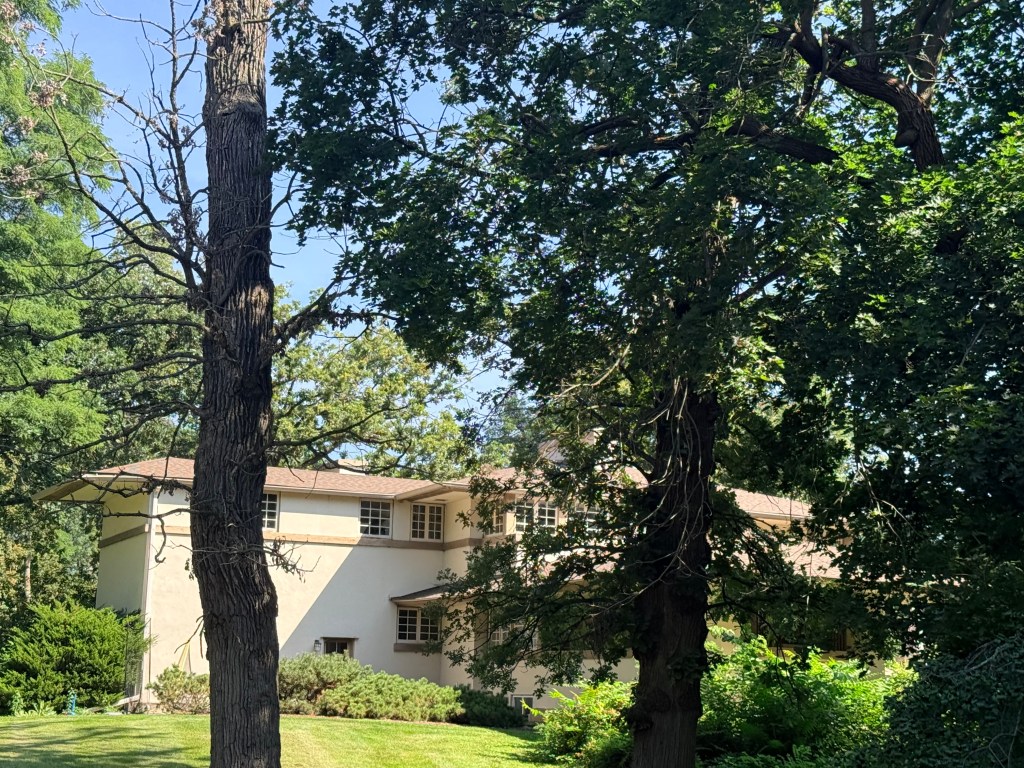
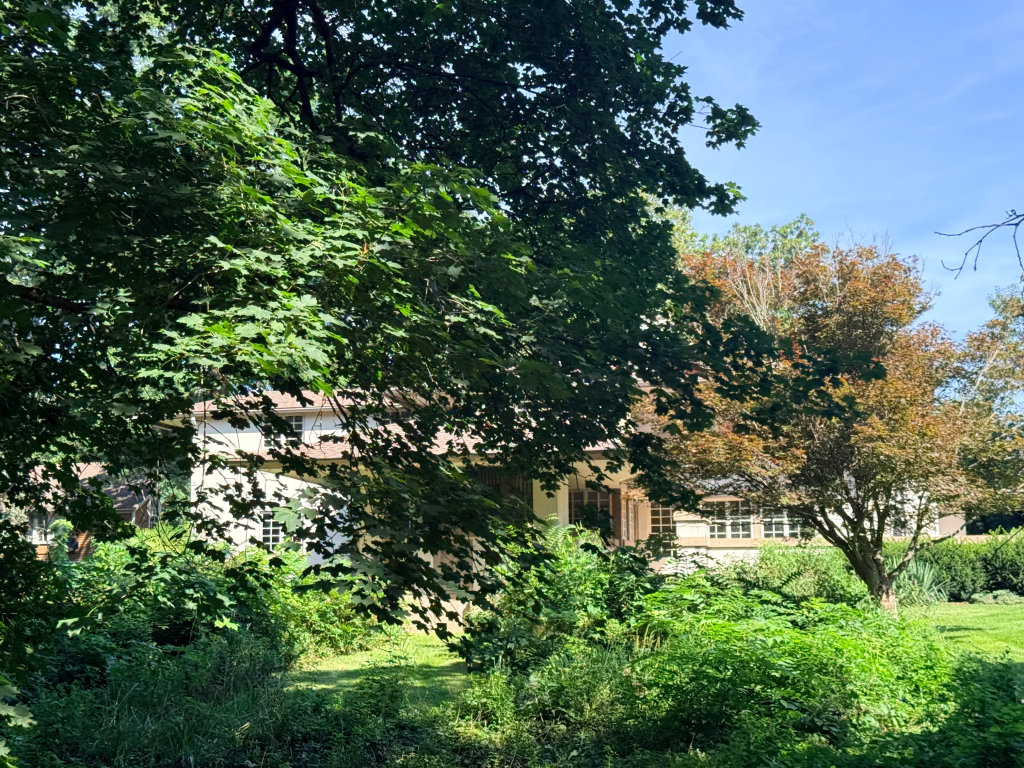
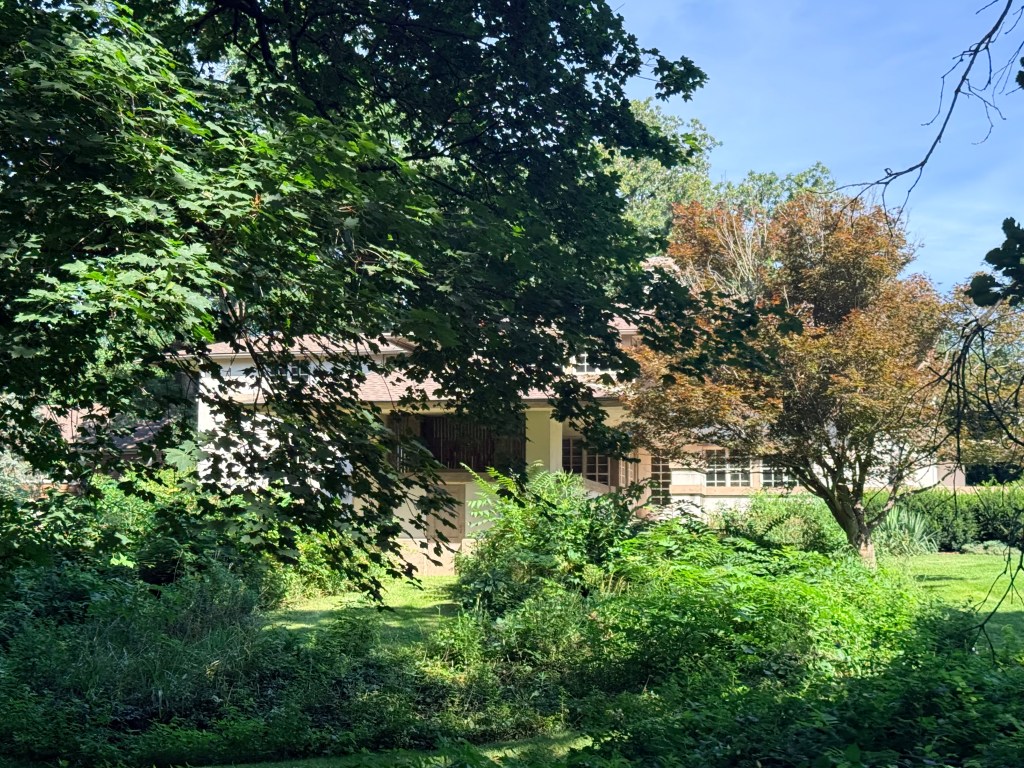
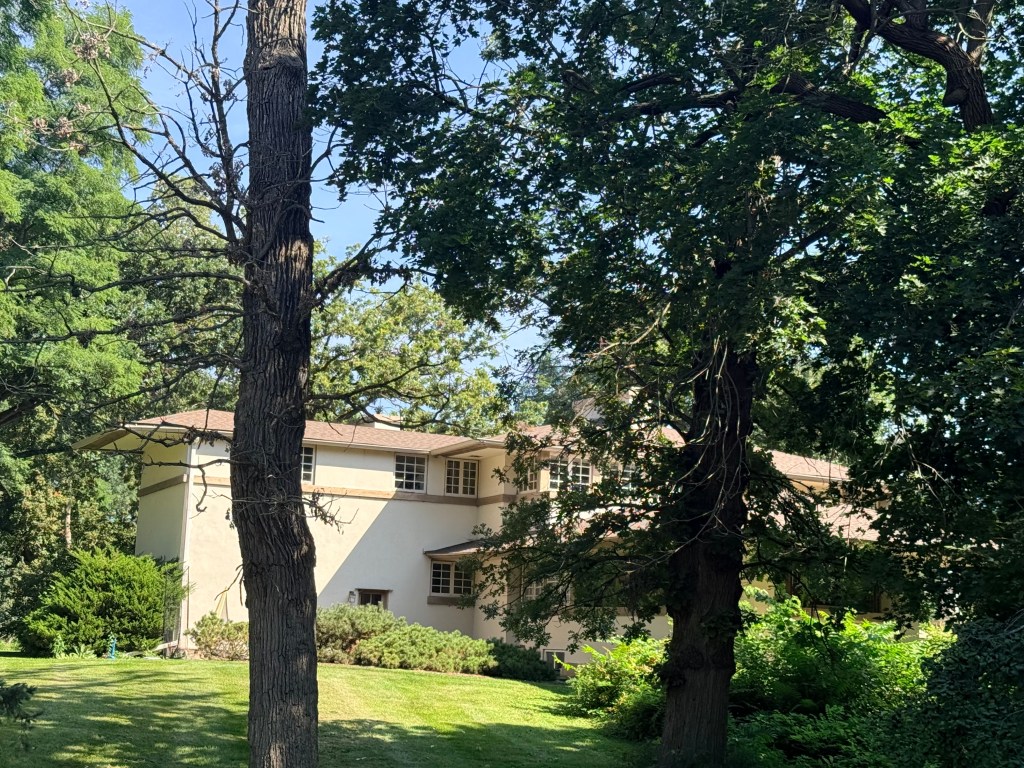
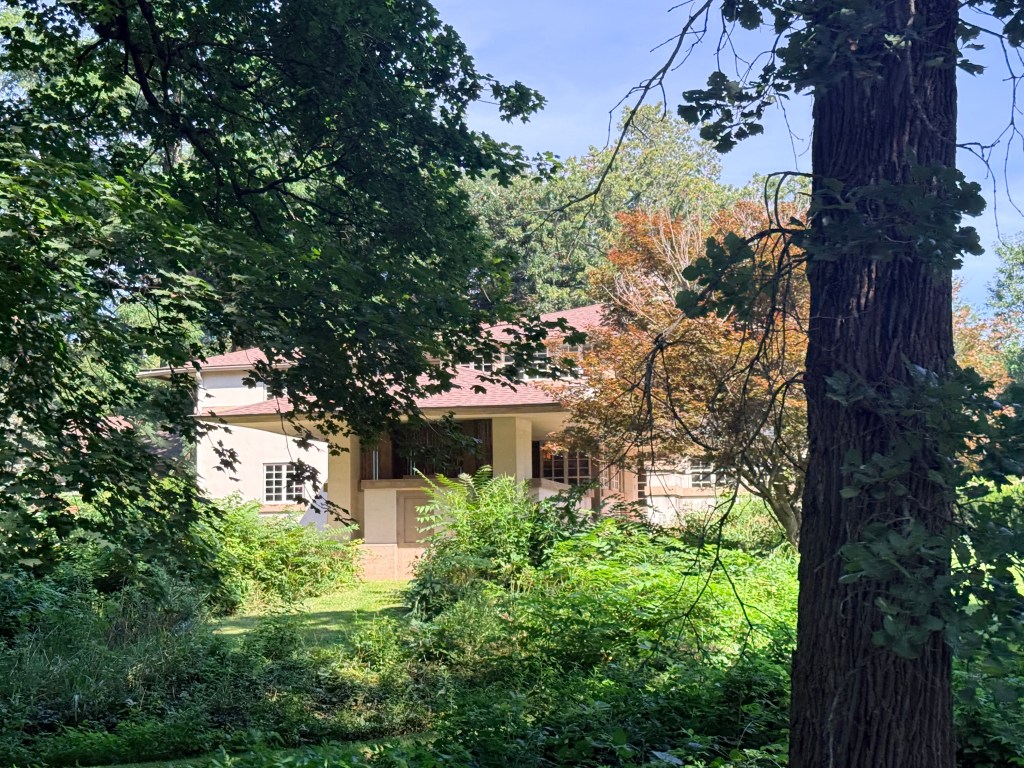
Fabyan Villa is the 1907 Frank Lloyd Wright–remodeled home of George and Nelle Fabyan, located in the Fabyan Forest Preserve in Geneva, Illinois. Wright transformed the original farmhouse into a Prairie‑style residence with strong horizontals, ribbon windows, and an open, flowing interior plan. The Villa was part of the Fabyans’ sprawling 300‑acre estate, which also included a Japanese garden, windmill, private zoo, and research facilities.
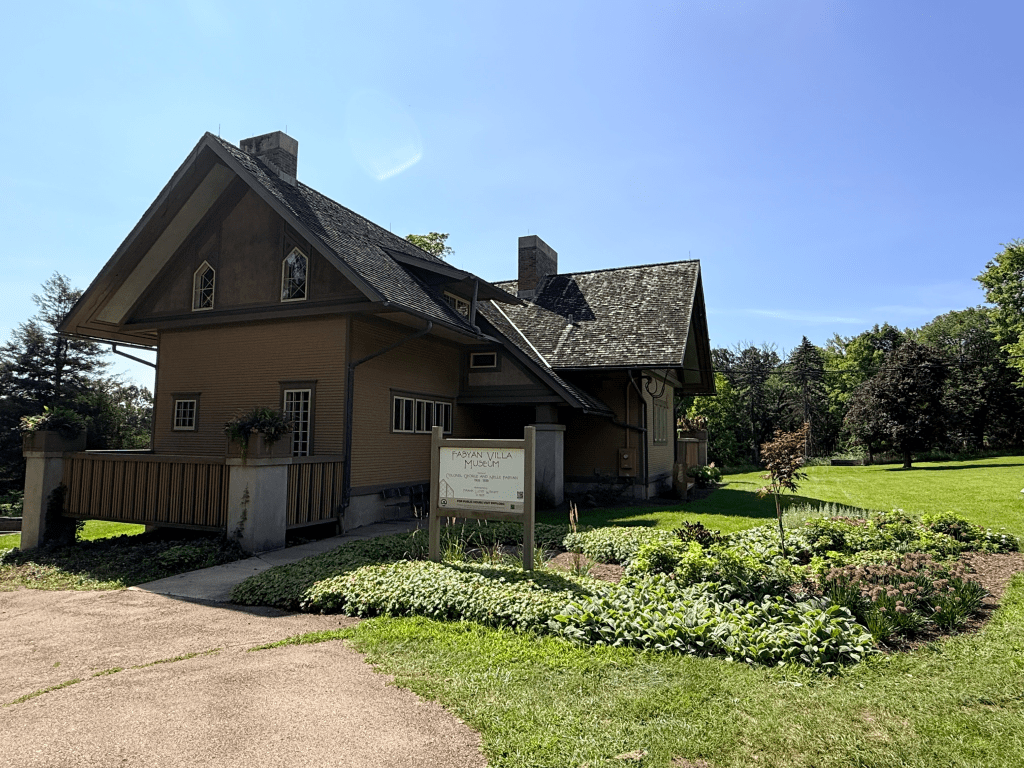
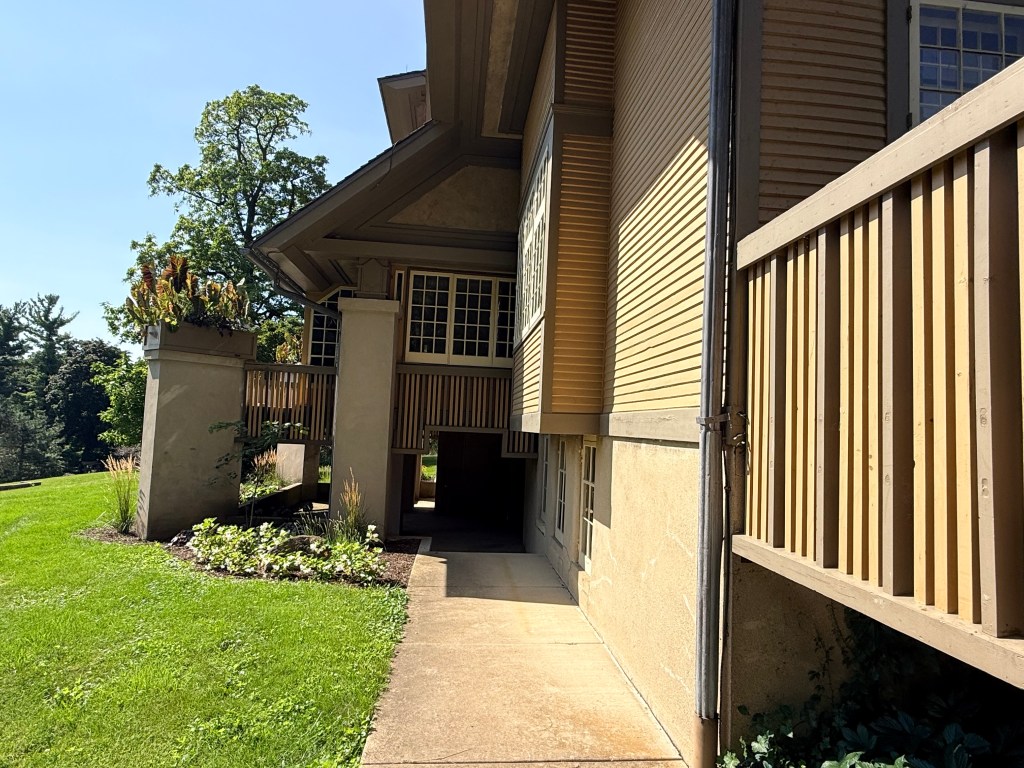
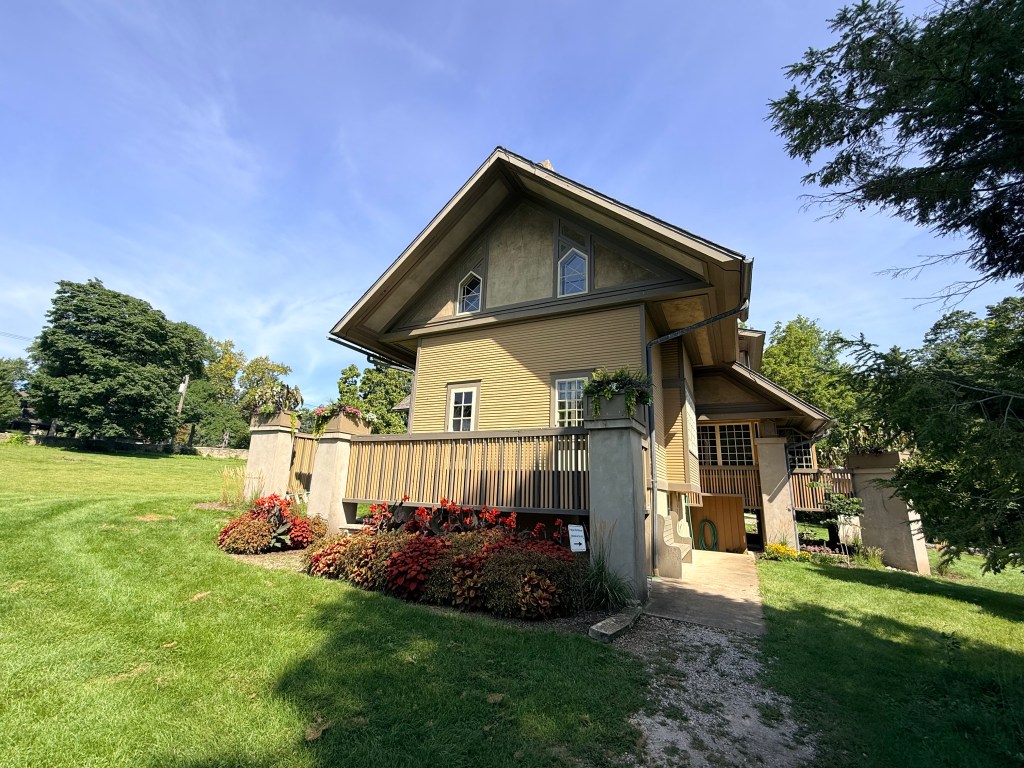
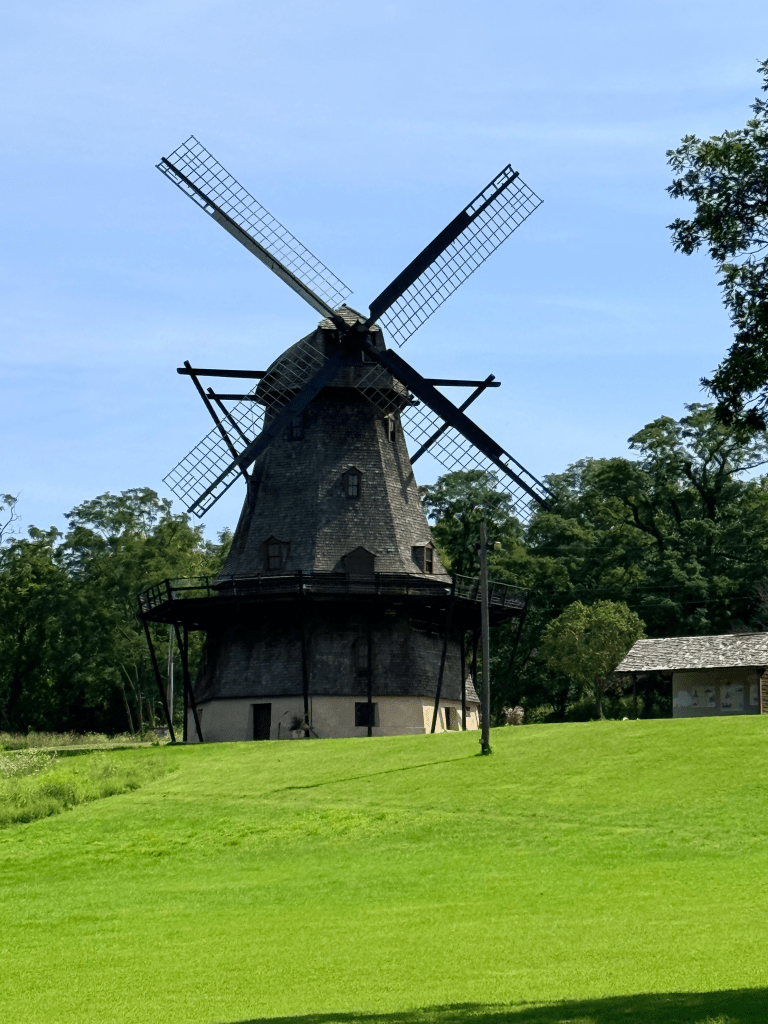
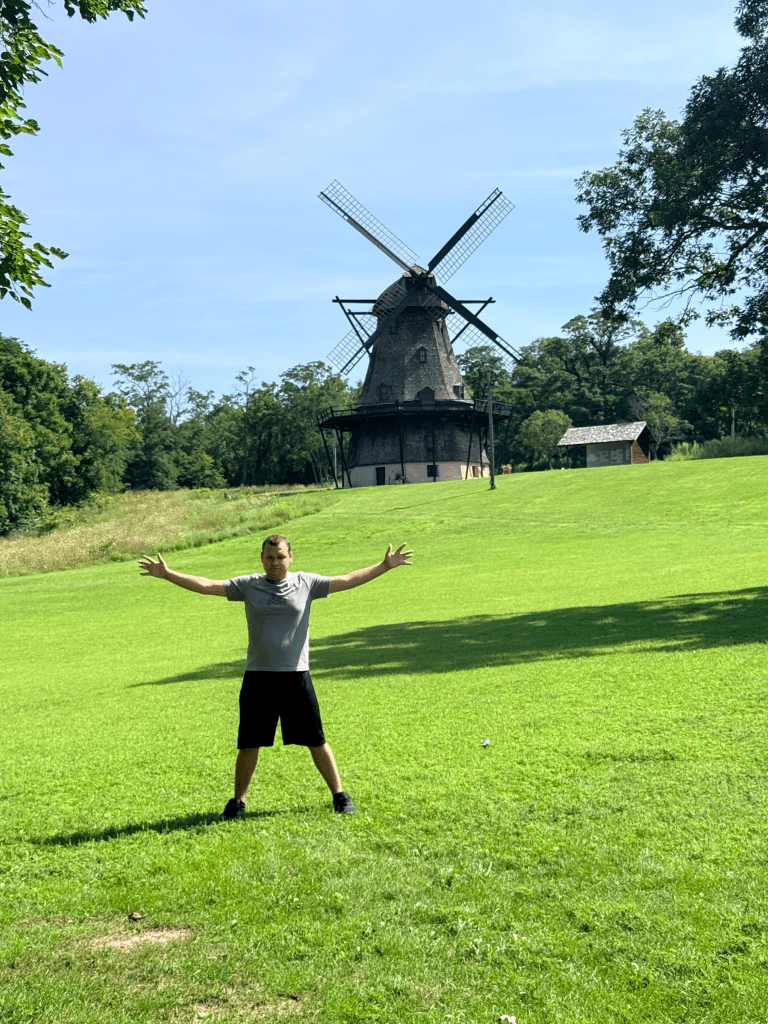
Fabyan Windmill is the fully restored 1850s Dutch‑style windmill on the former Fabyan estate in Geneva, Illinois. Originally built by a Dutch‑American millwright, it was moved and rebuilt by The Fabyans, who hired master craftsman Conrad Huebner to restore it to full working order. Today it remains one of the finest authentic Dutch windmills in the United States, with massive wooden gears, millstones, and a functioning sail system that still demonstrates historic grain‑milling technology.
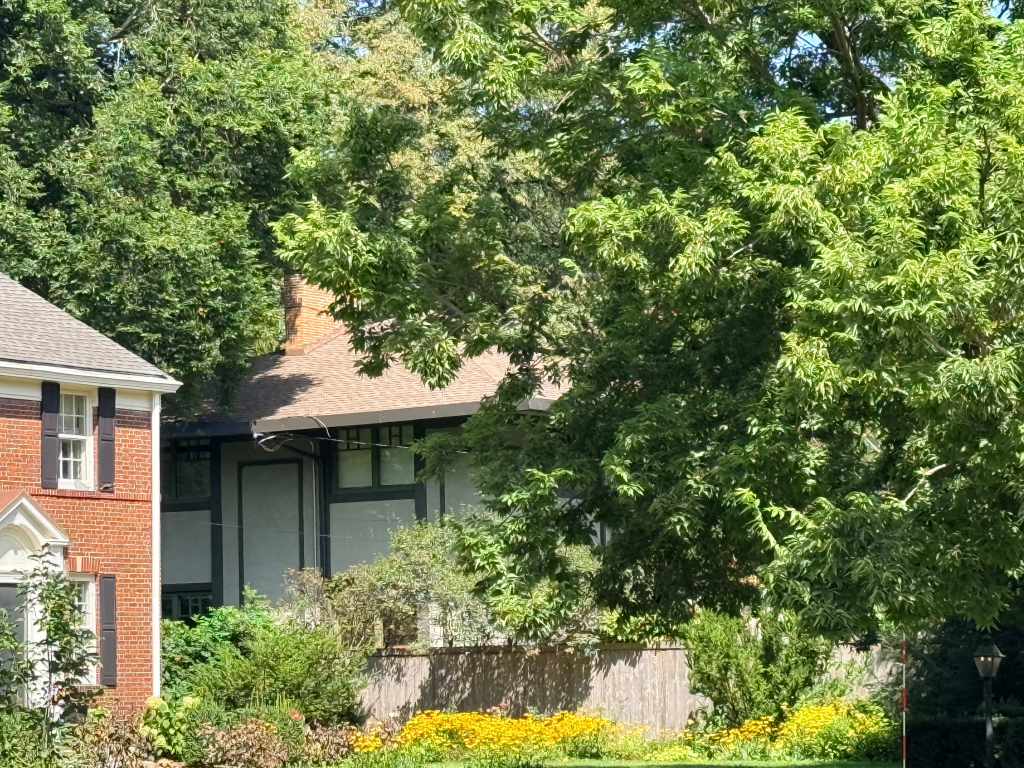
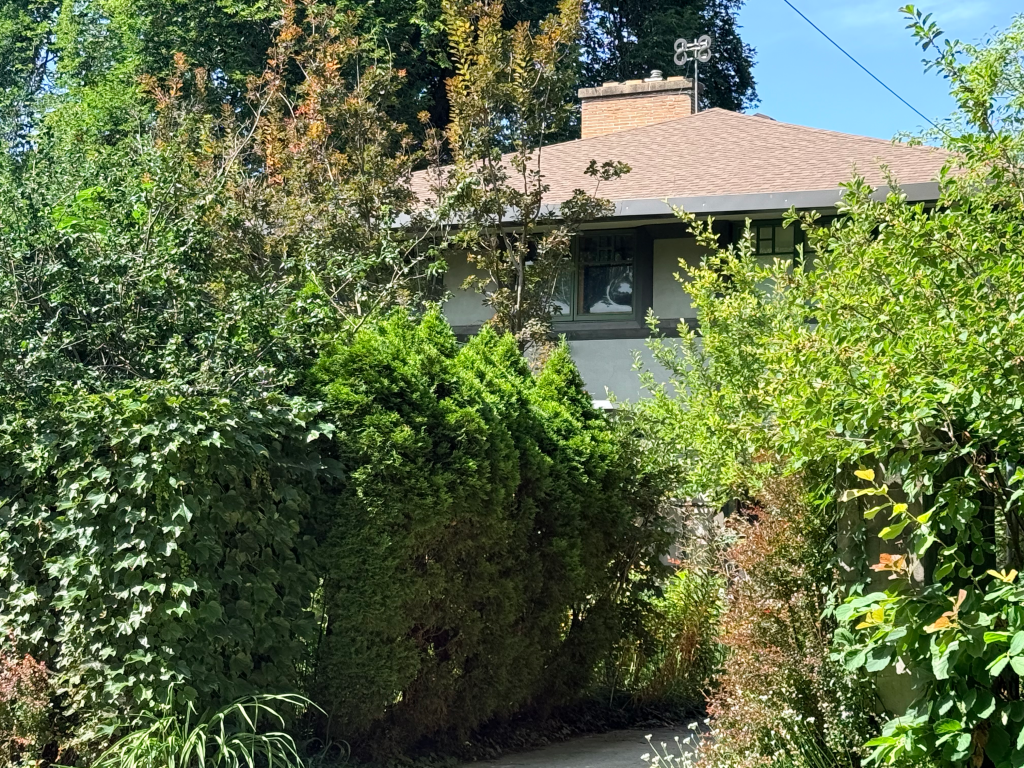
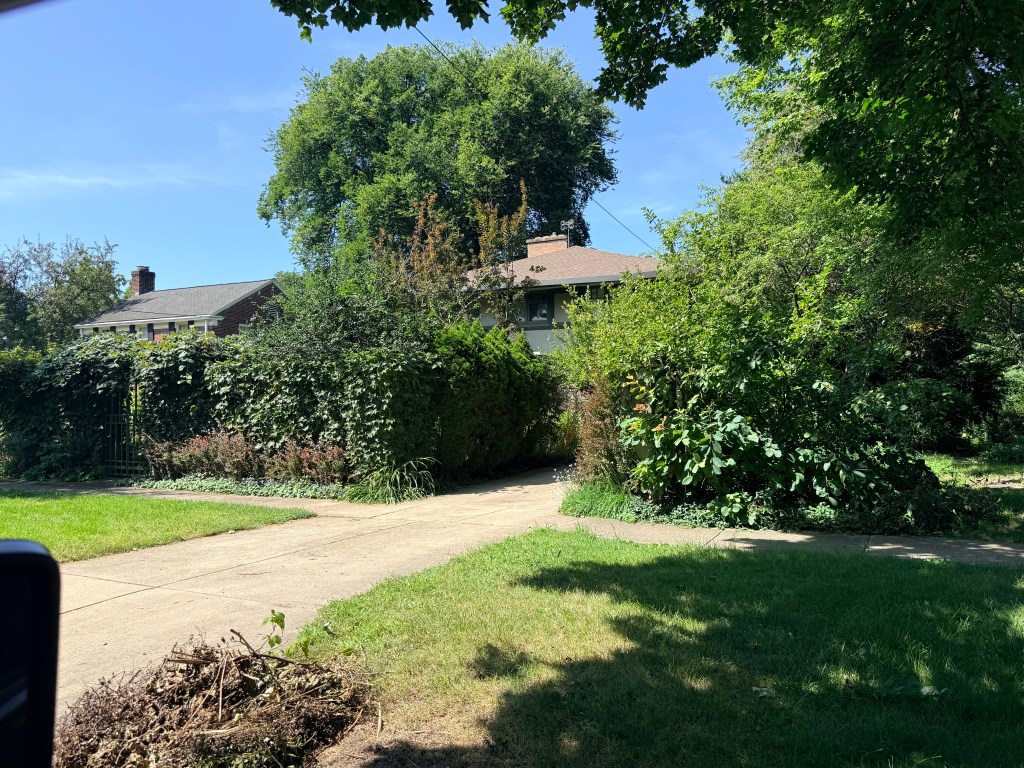
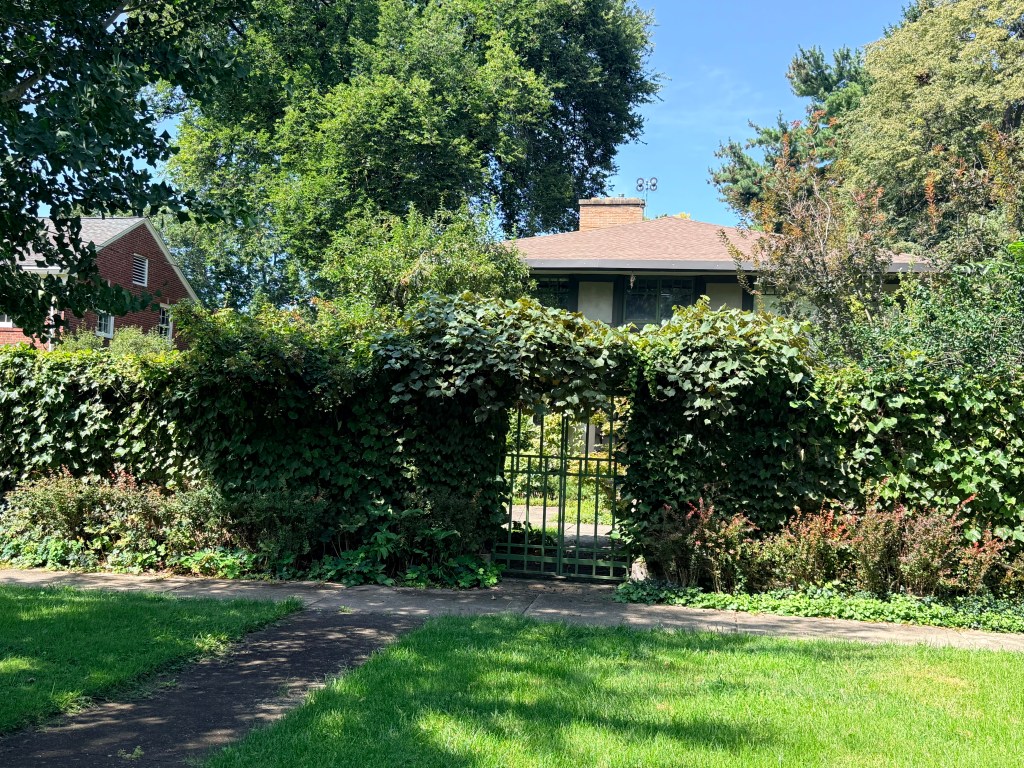
Built in 1906, the P.D. Hoyt House is an early Frank Lloyd Wright Prairie‑style residence in Geneva. Commissioned by businessman P.D. Hoyt, the home features Wright’s hallmark horizontals, broad eaves, and integrated geometric detailing. The owners apparently want privacy… the nerve!
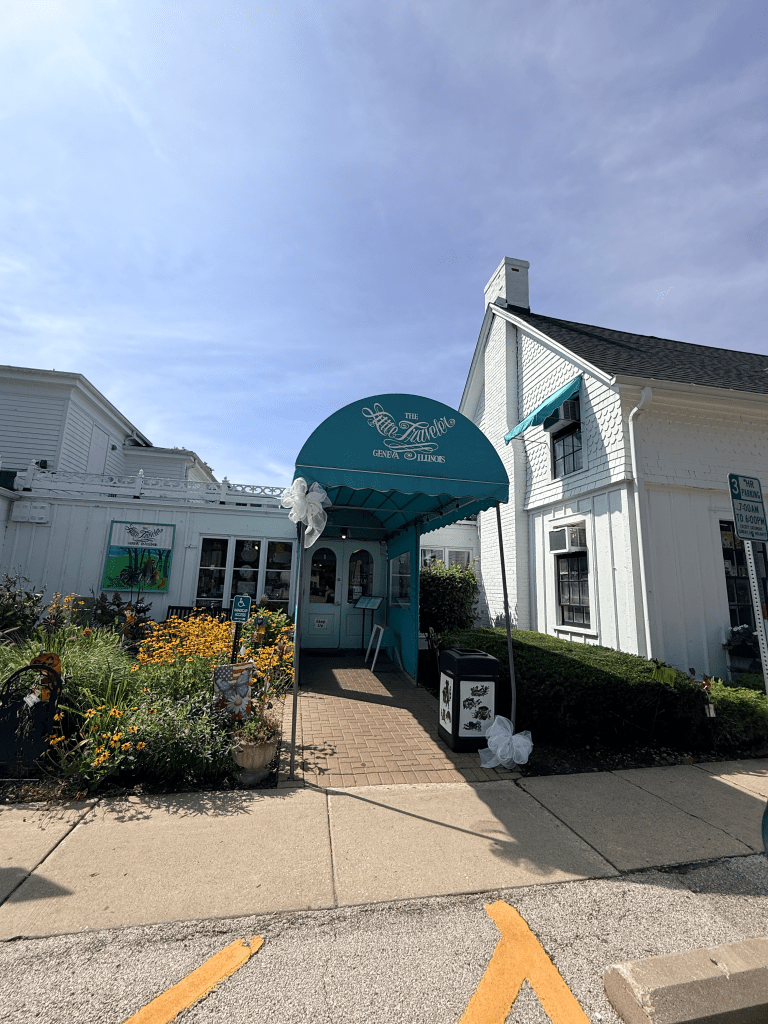
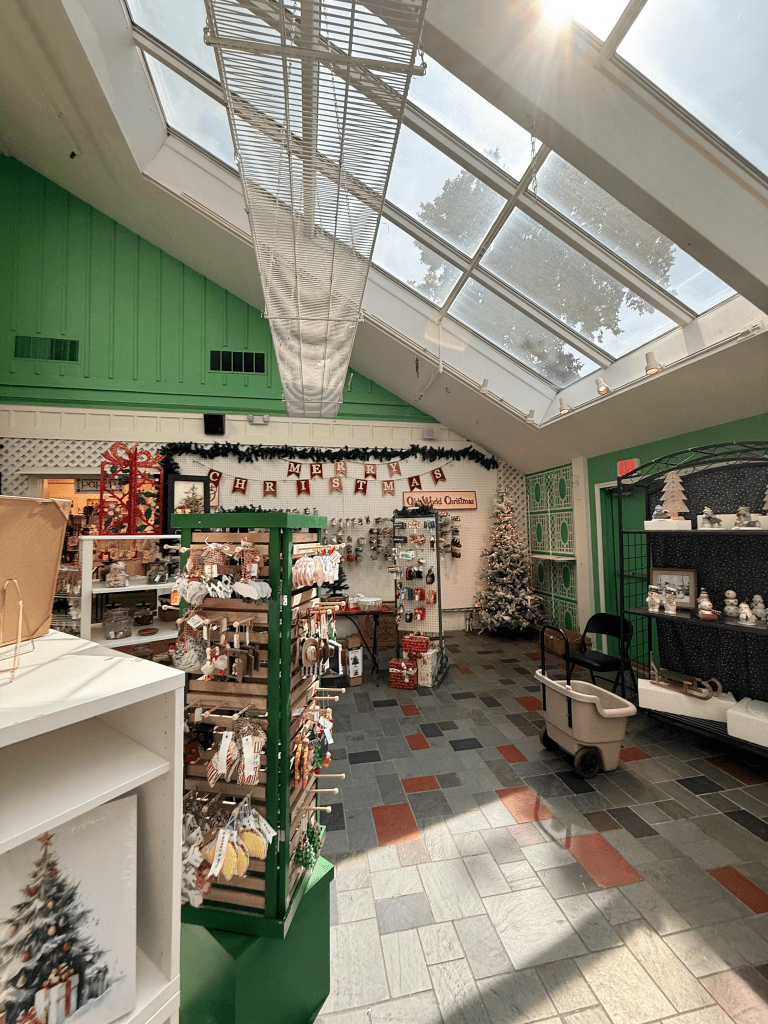
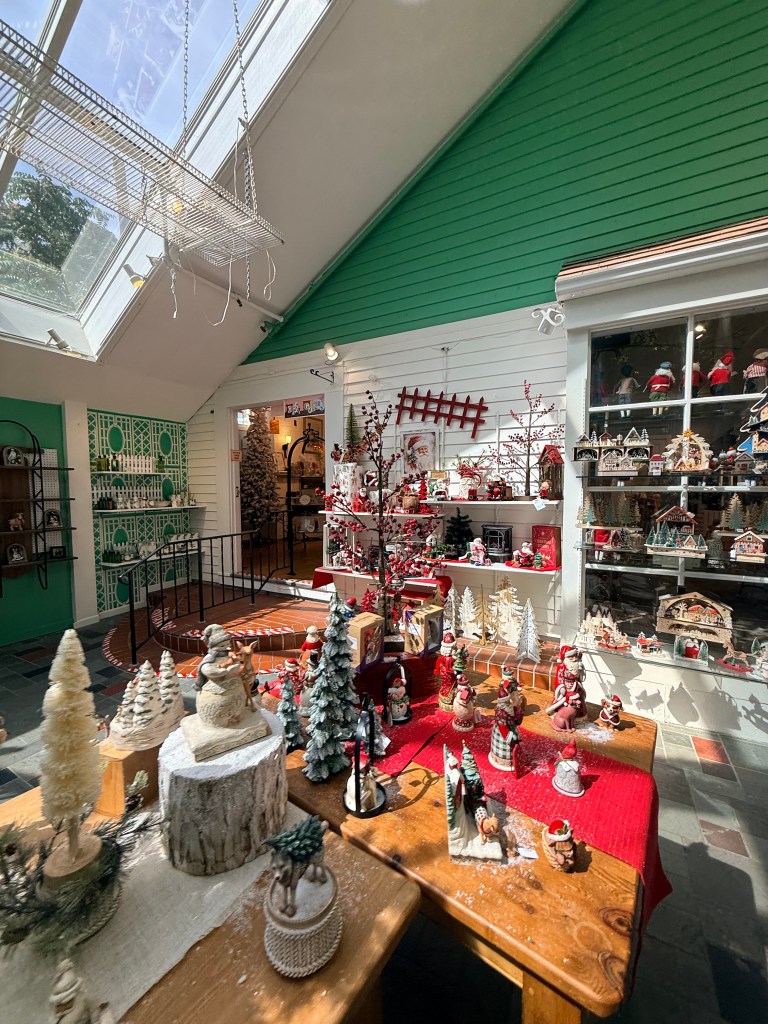
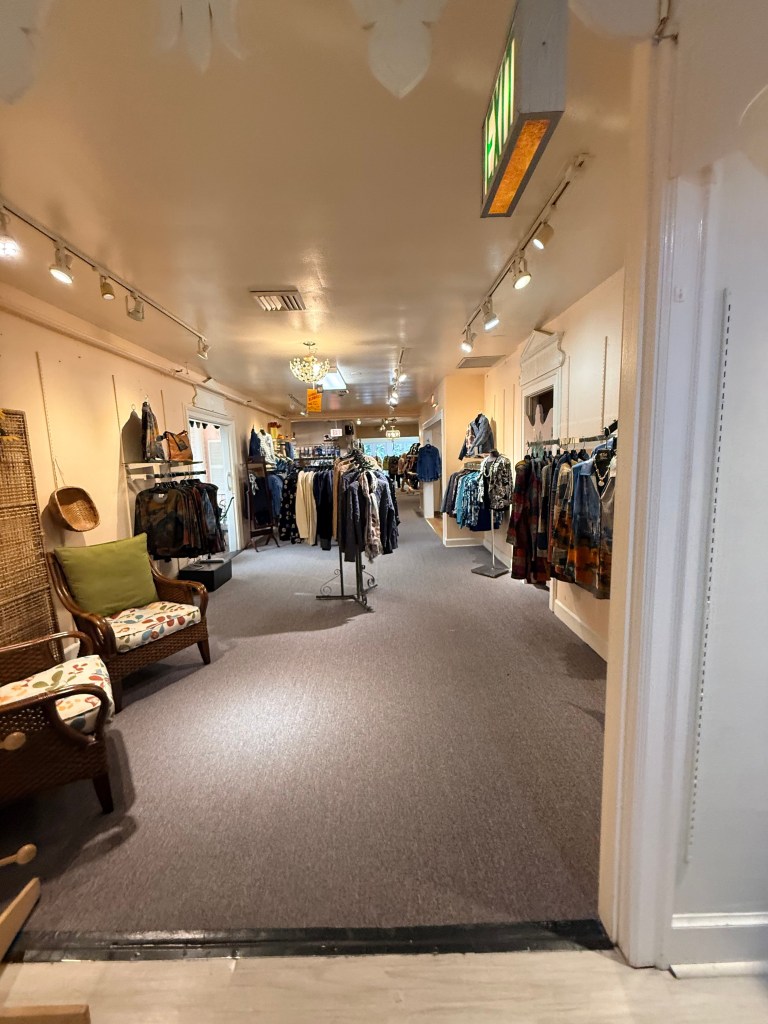
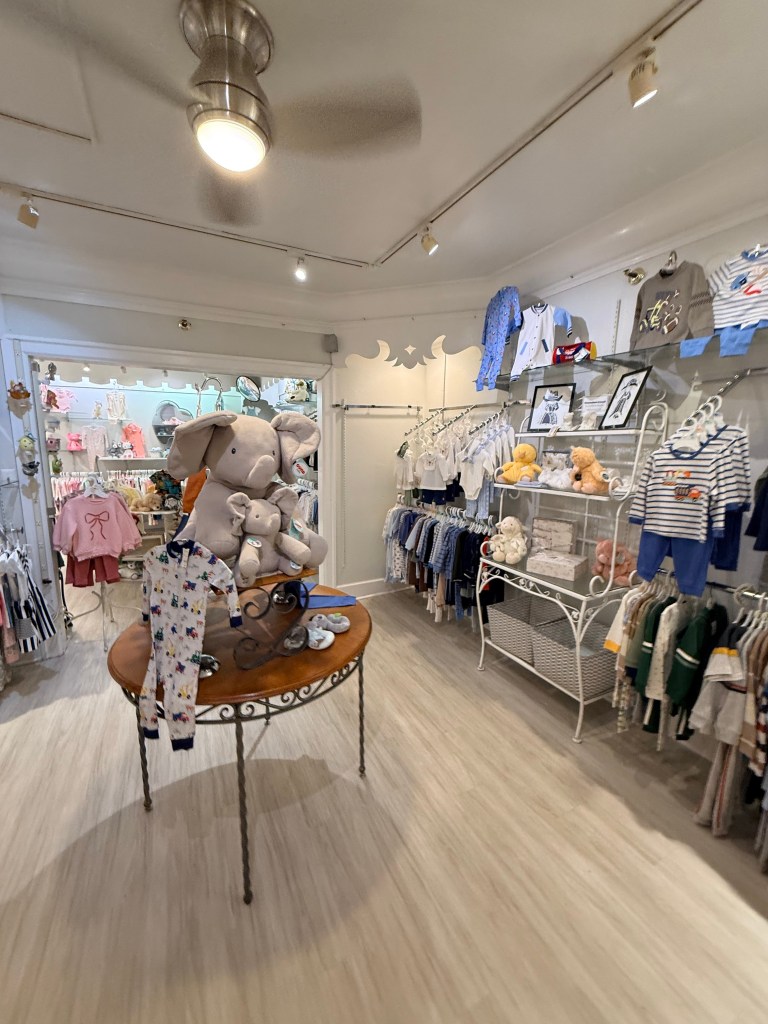
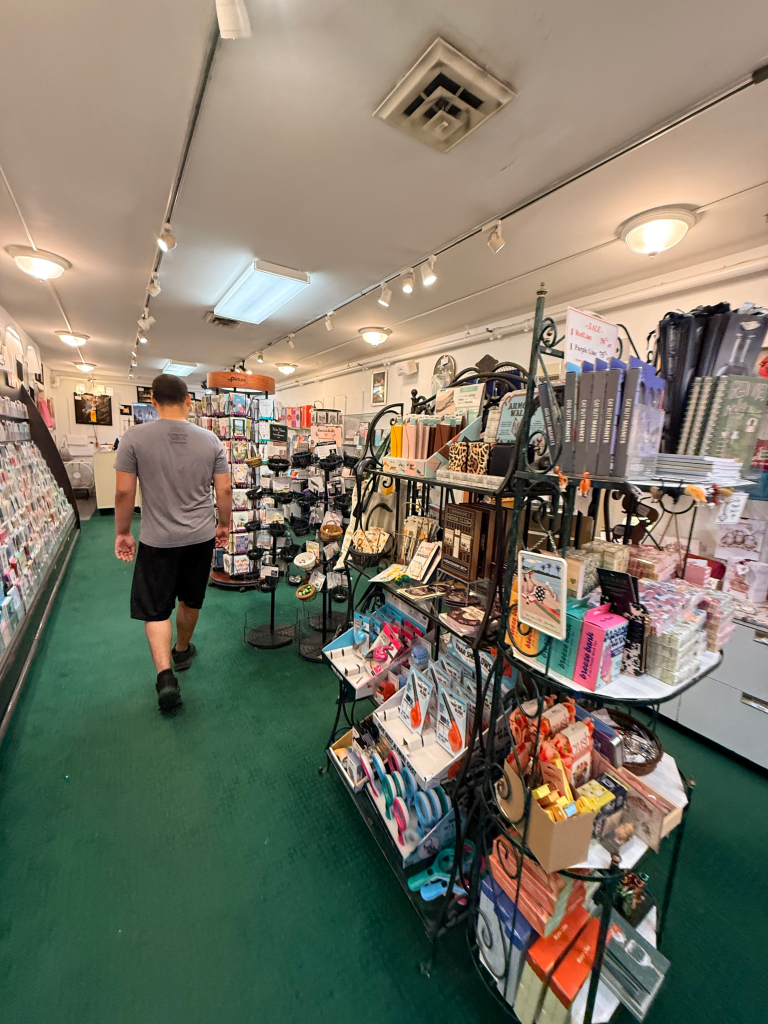
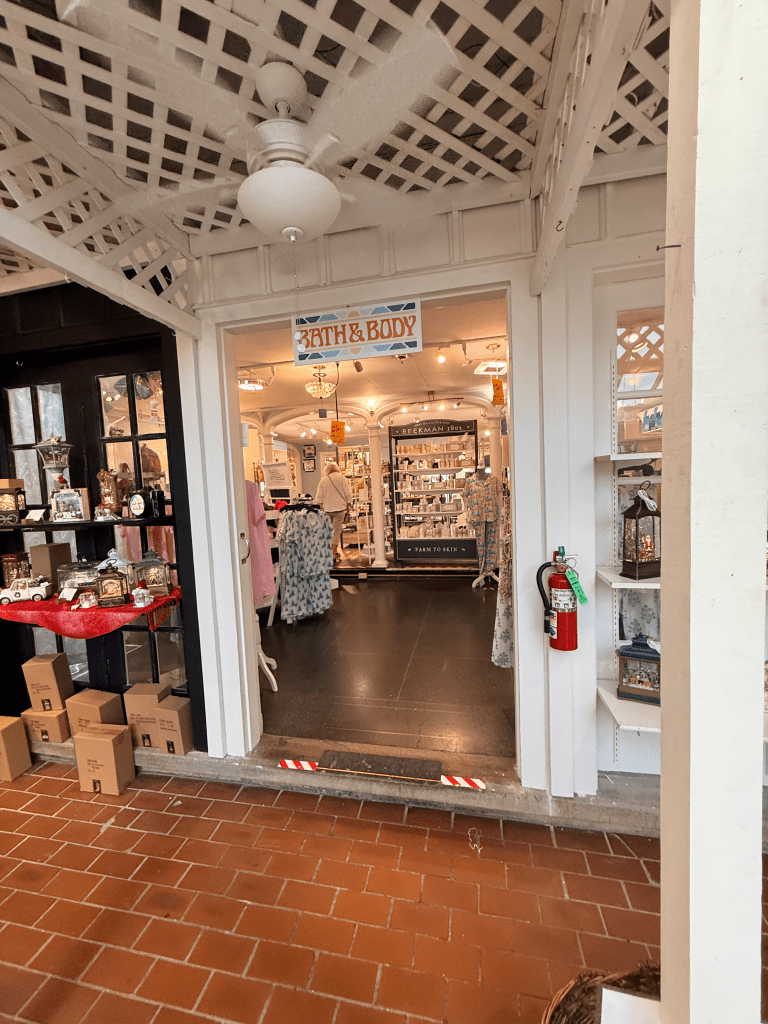
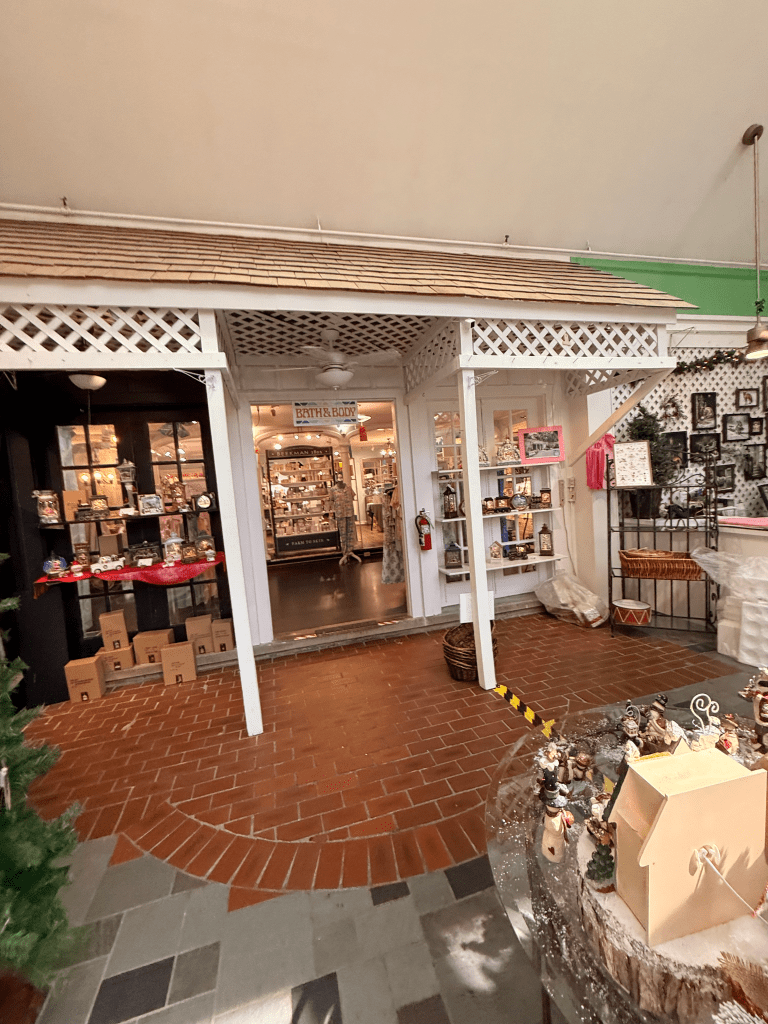
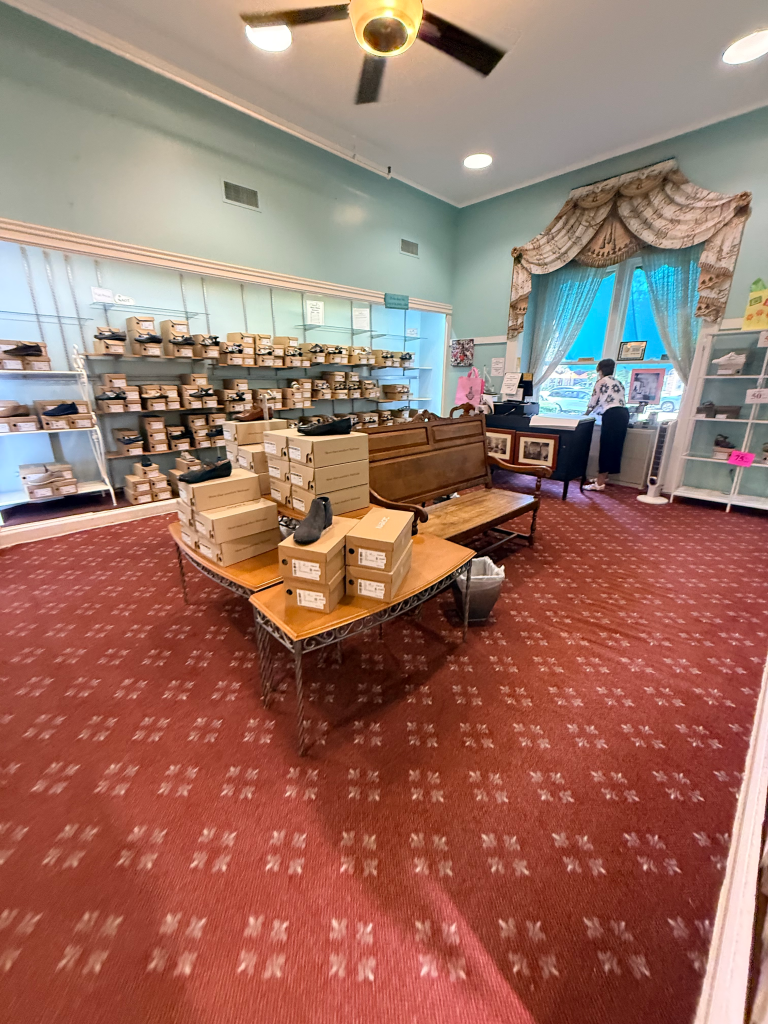
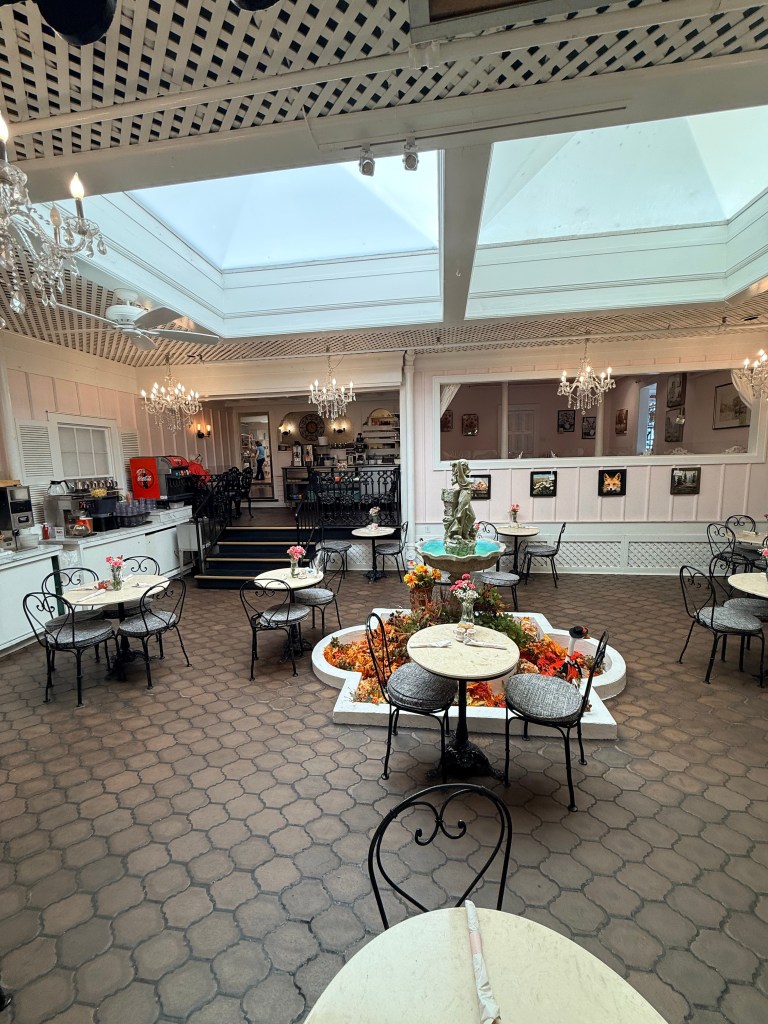
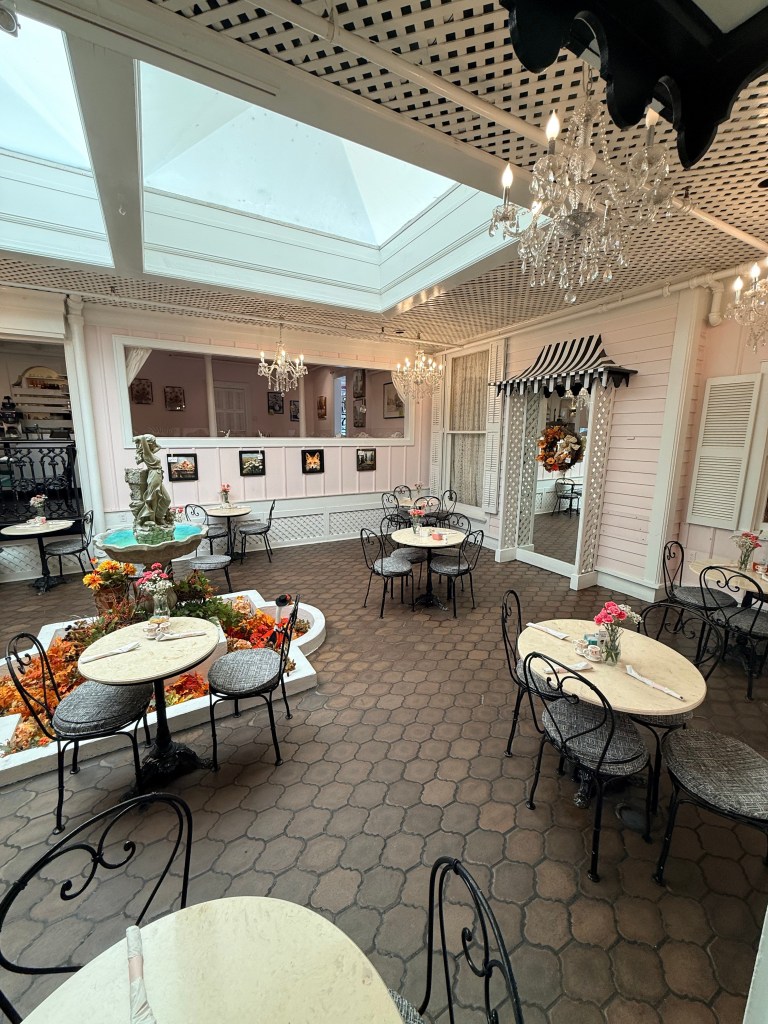
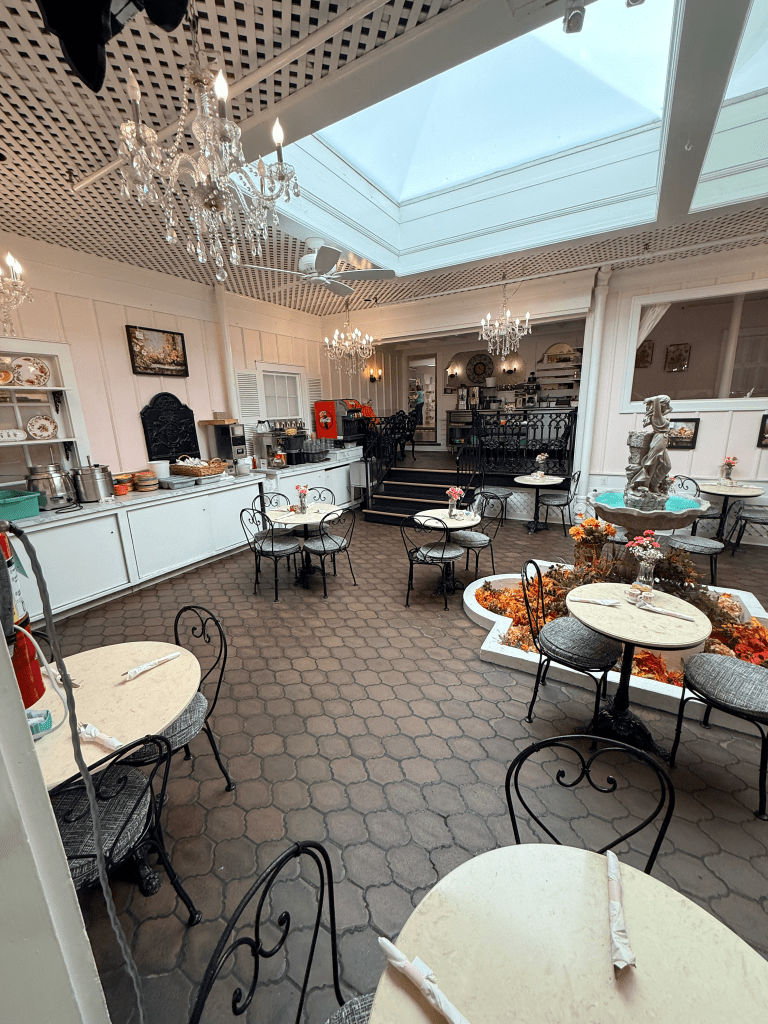
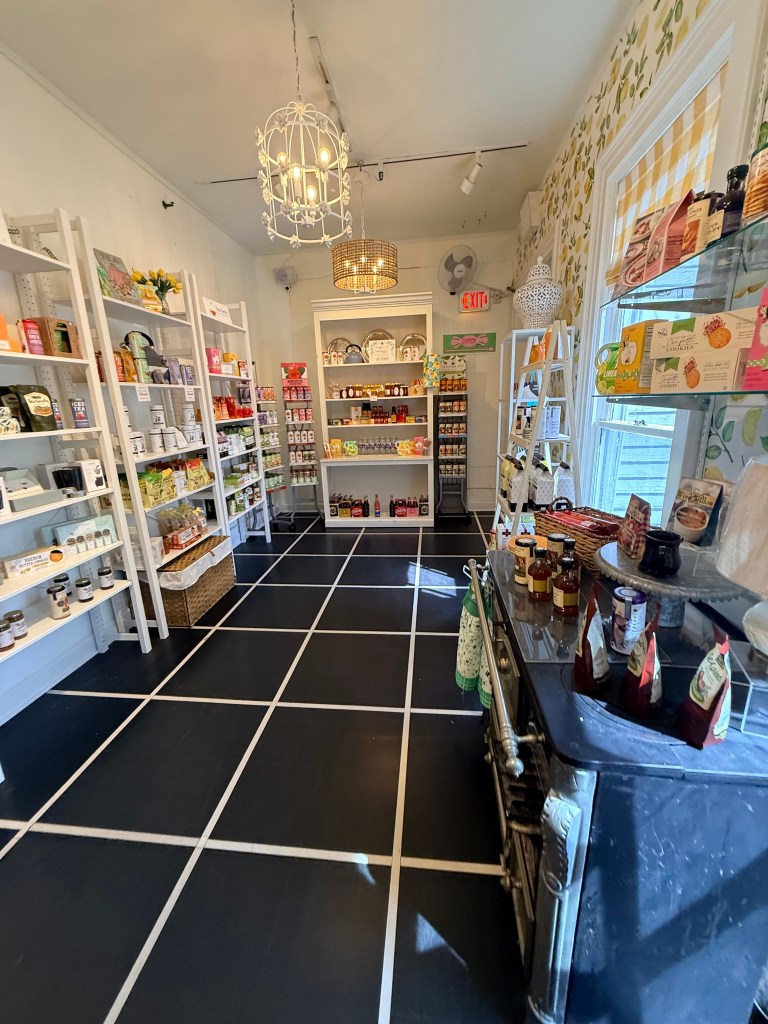
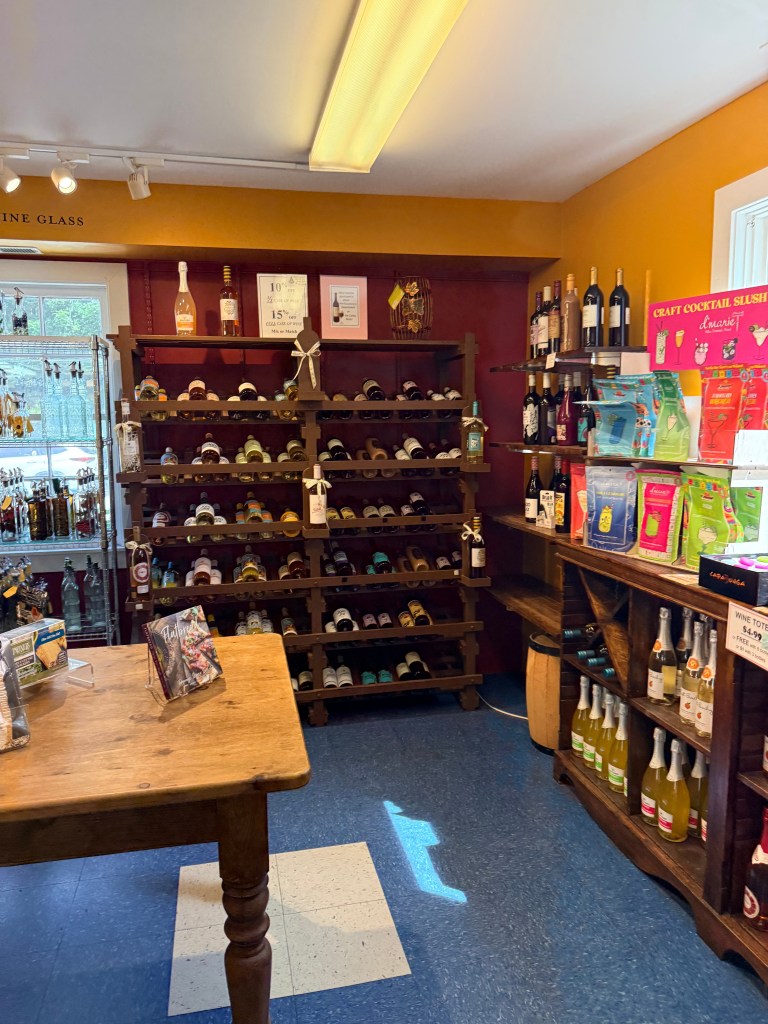
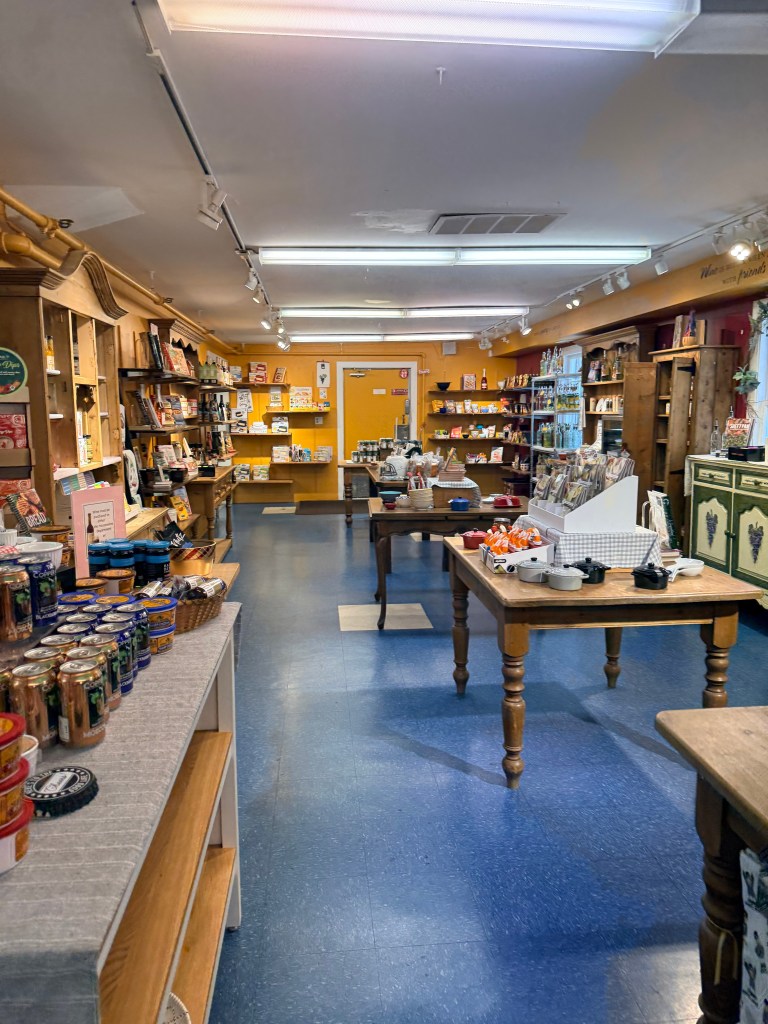
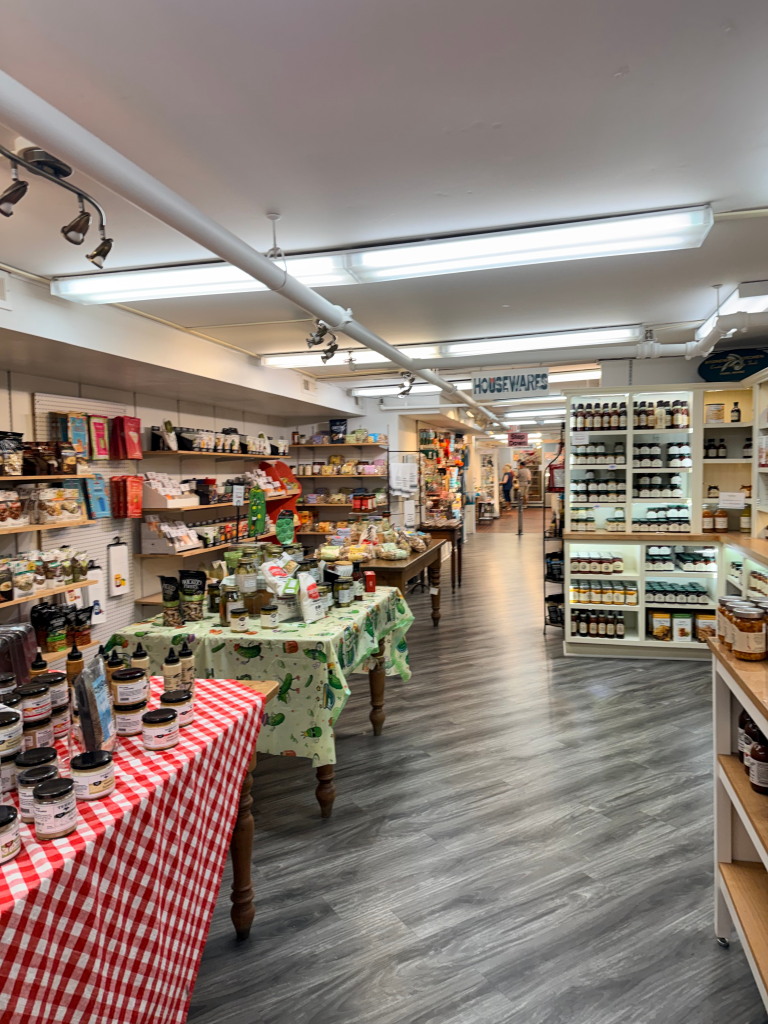
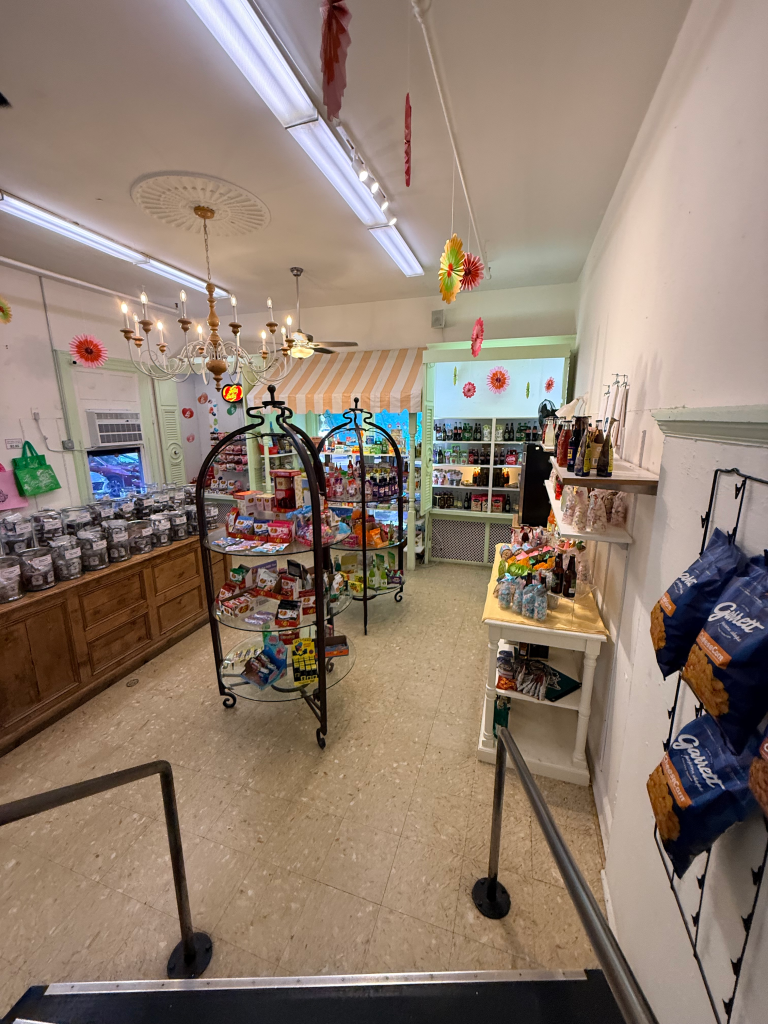
We stopped at The Little Traveler gift shop, which started in the 1920s as a tiny shop inside a woman’s home and eventually grew into a maze of themed rooms filled with imported goods from around the world. People have been coming here for decades because it feels like traveling without leaving Illinois. I told the woman at the door not to be appalled because I was giving myself ten minutes. I just needed to experience it. You could spend an entire day in there — it’s huge and gorgeous and amazing. I’m so happy we ran through it, even though it deserved hours. Oh… and they high tea! And truly, wouldn’t you just love to go to high tea in that place? Incredible and enourmous!!!
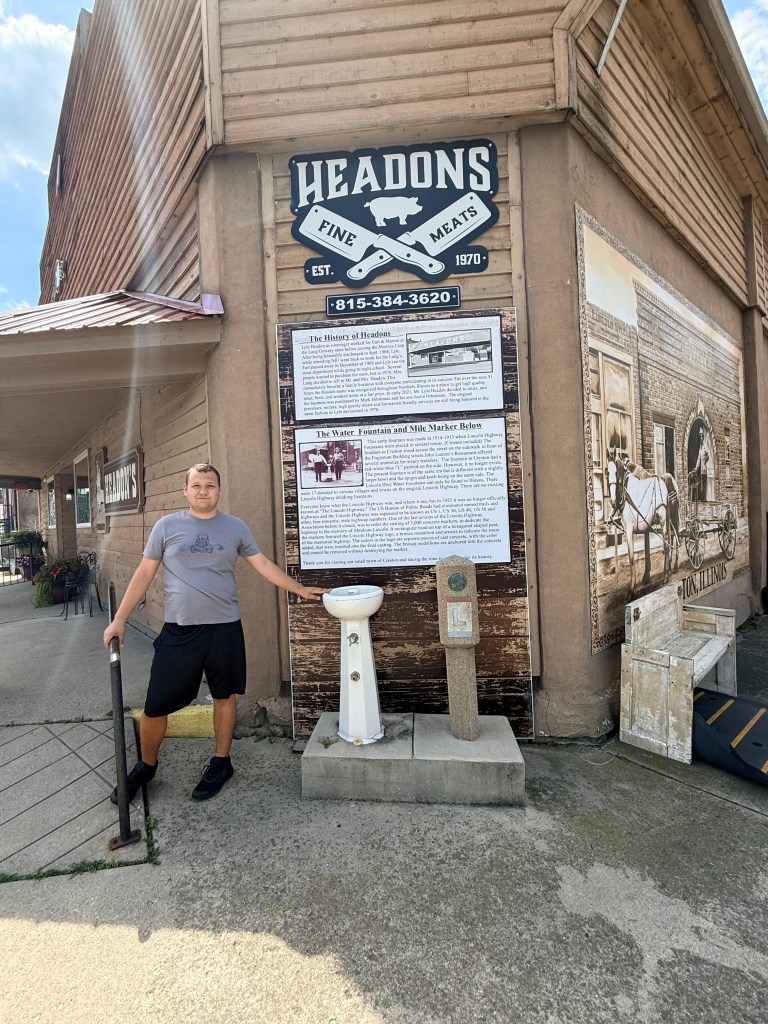
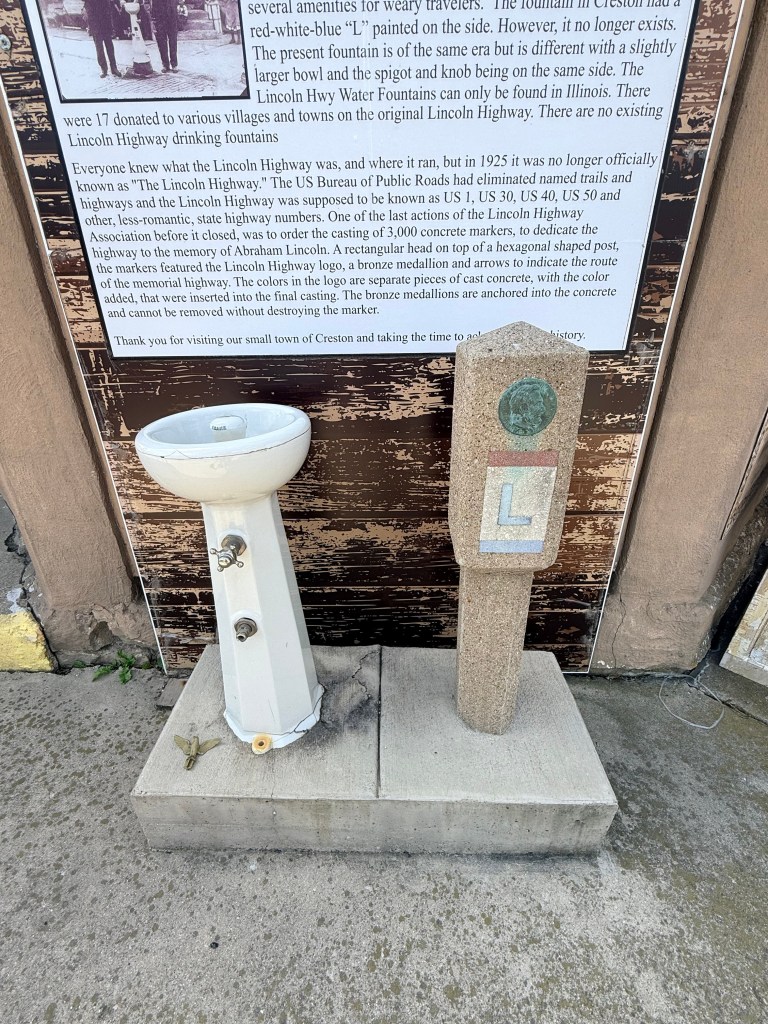
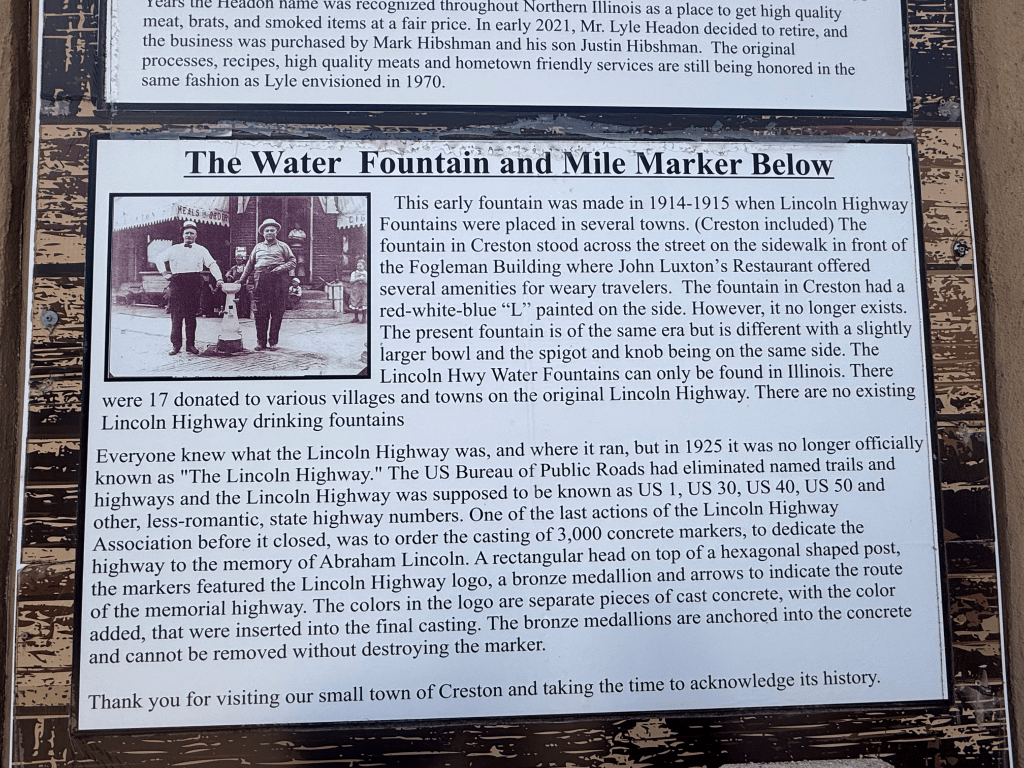
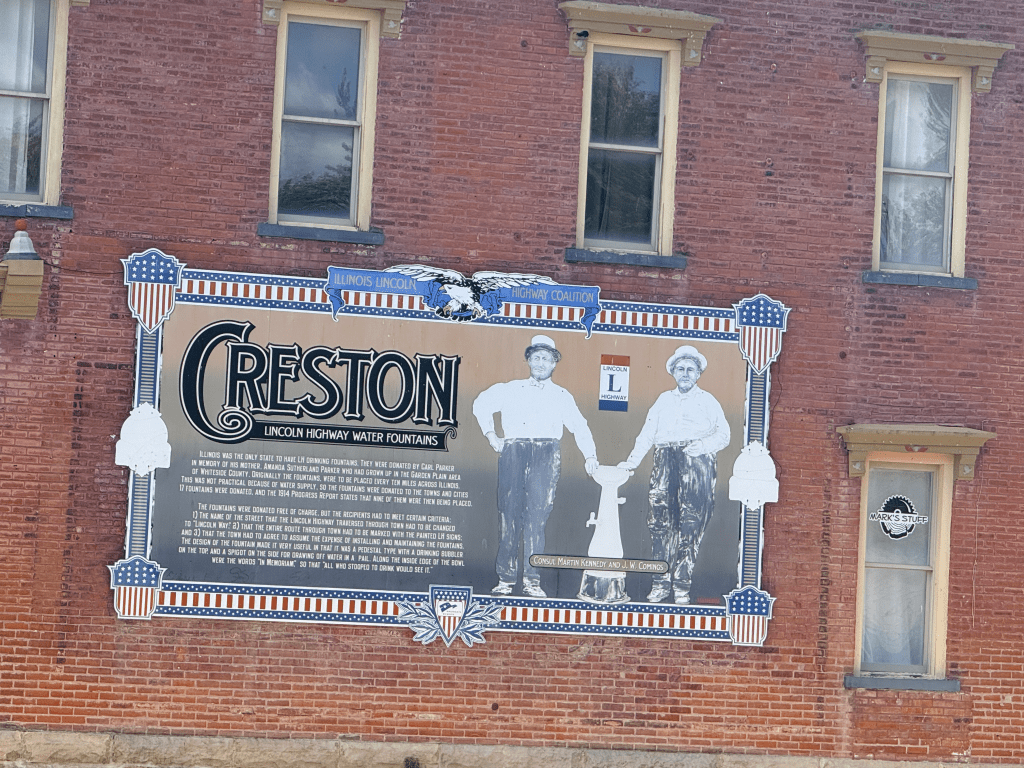
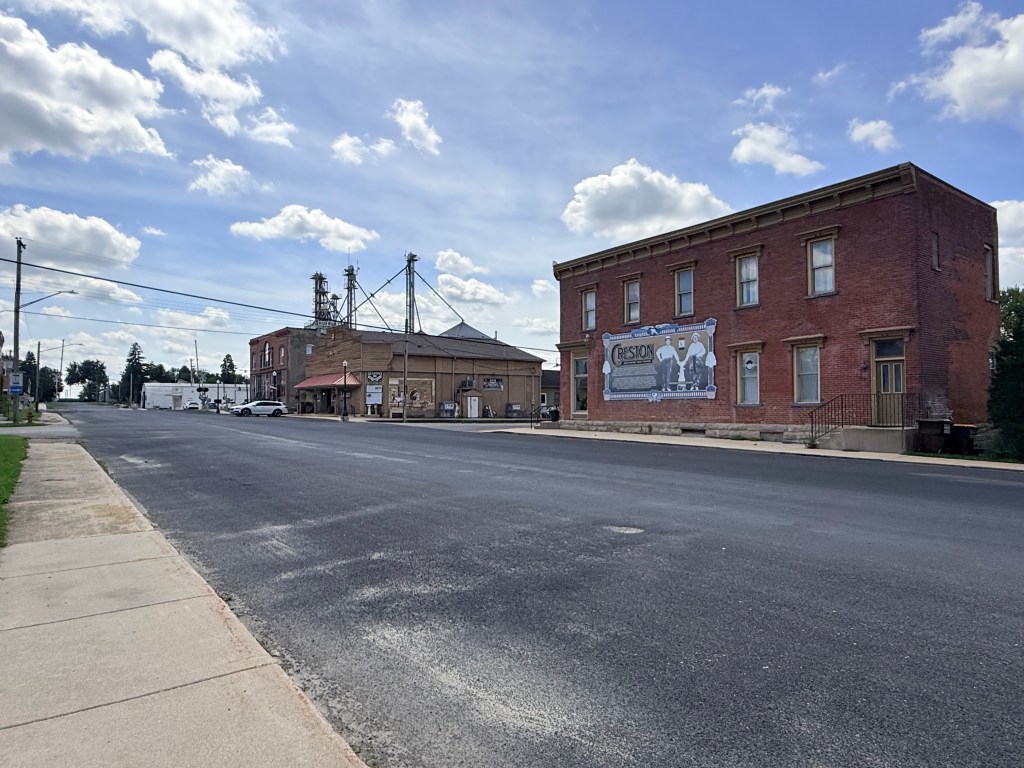
We wound up in a tiny town, Creston, that not only had a marker, they had a 1913 Lincoln Highway bubbler. I had no idea what a bubbler was, so here’s the explanation:
A “bubbler” is basically an early drinking fountain — one of the very first styles used in the 1910s and 1920s. Instead of a modern spout, the water literally bubbled straight up from a little nozzle in the center, so people called them bubblers. They were installed along the Lincoln Highway as roadside amenities, right next to markers and campsites, so travelers could refill water or just cool off for a minute. Most of them disappeared as towns modernized, but this tiny crossroads still has one. It’s such a strange little piece of history… a marker, a gazebo, a mural, and a 1913 bubbler just sitting there like the road never changed.
It was such a charming little place—almost nothing in it—but they had a mural, a gazebo, the marker, and the bubbler. Hunter and I literally stood in the middle of the crossroads… nothing happening… just us and this perfect little slice of Lincoln Highway history.
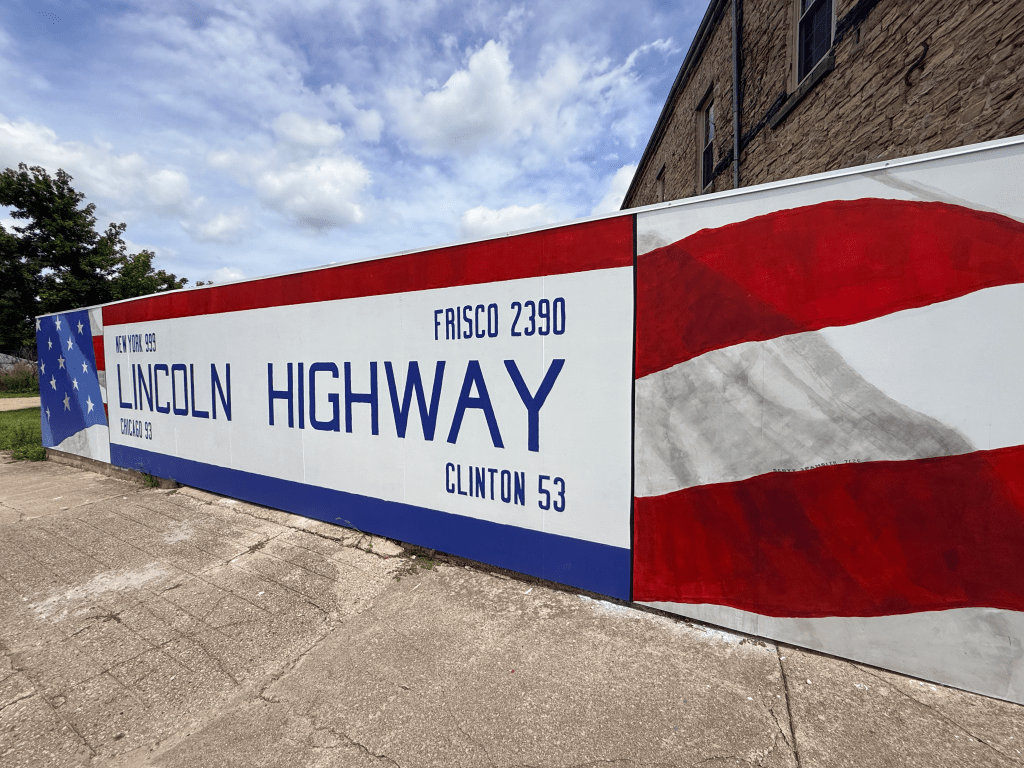
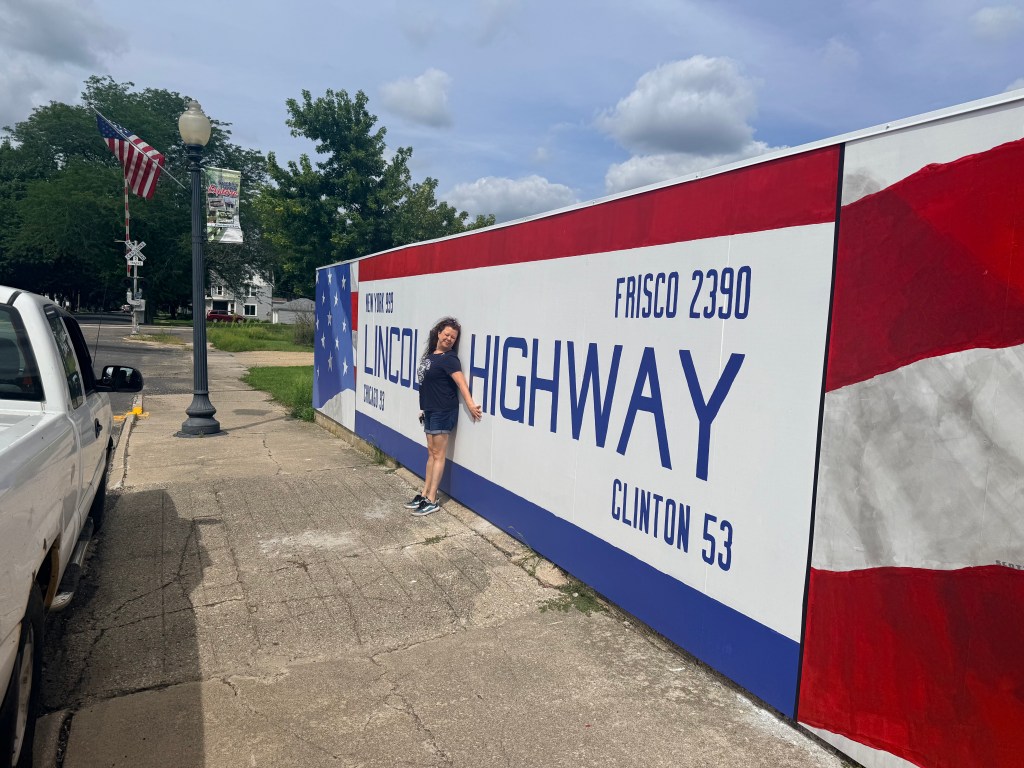
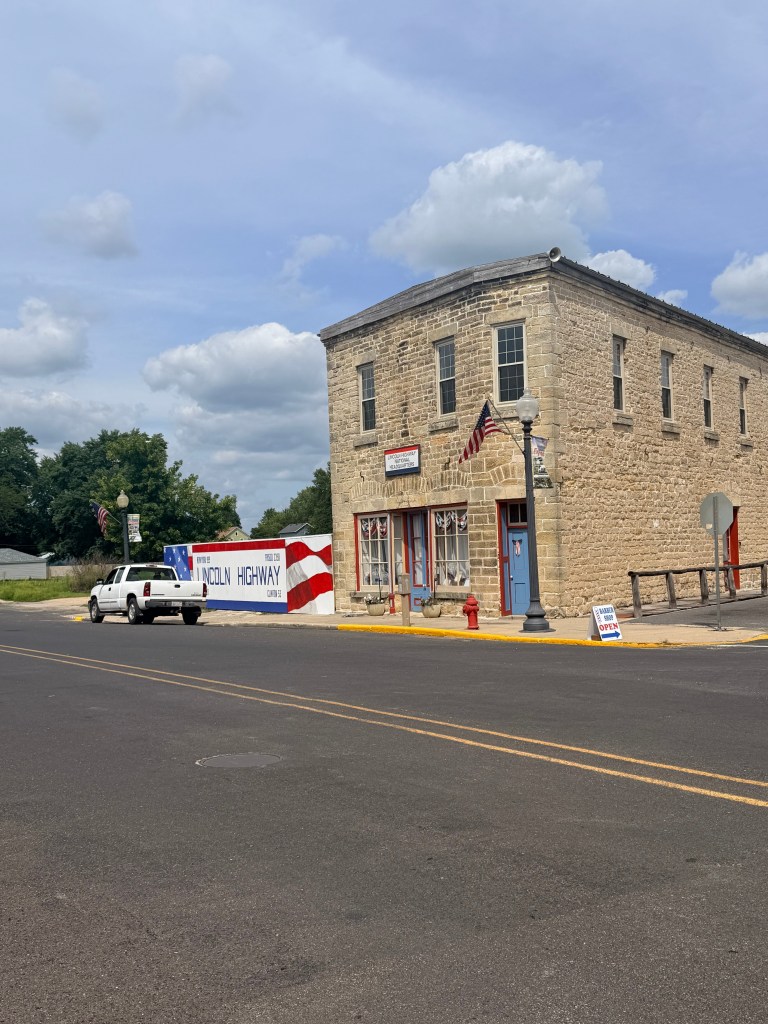
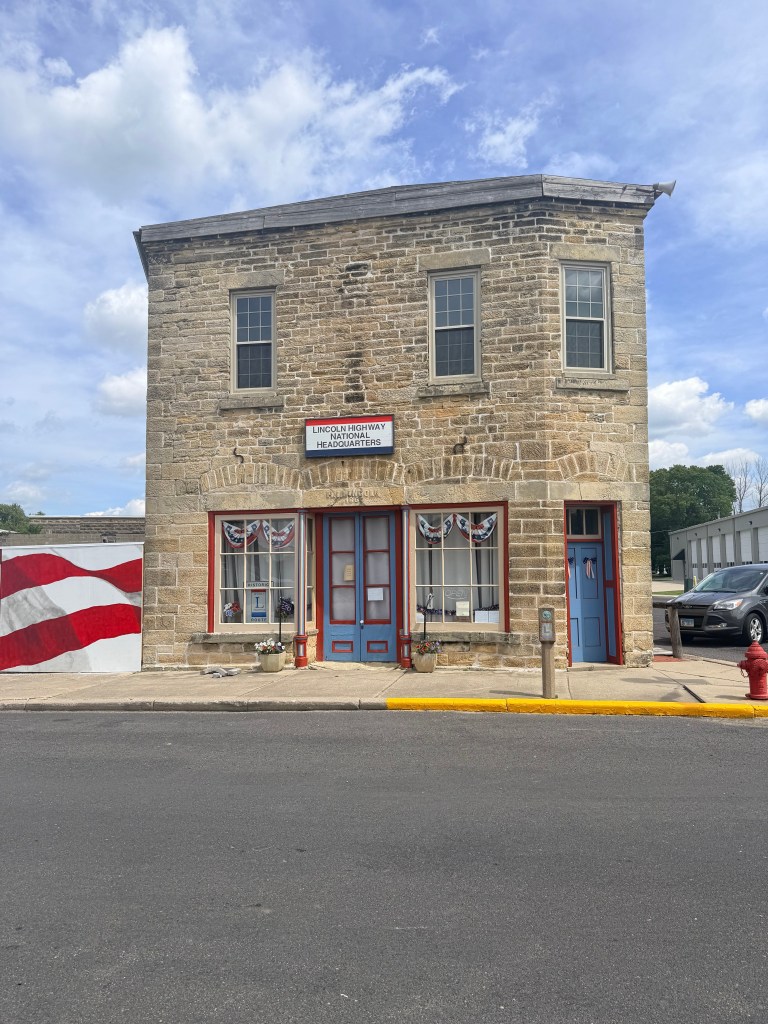
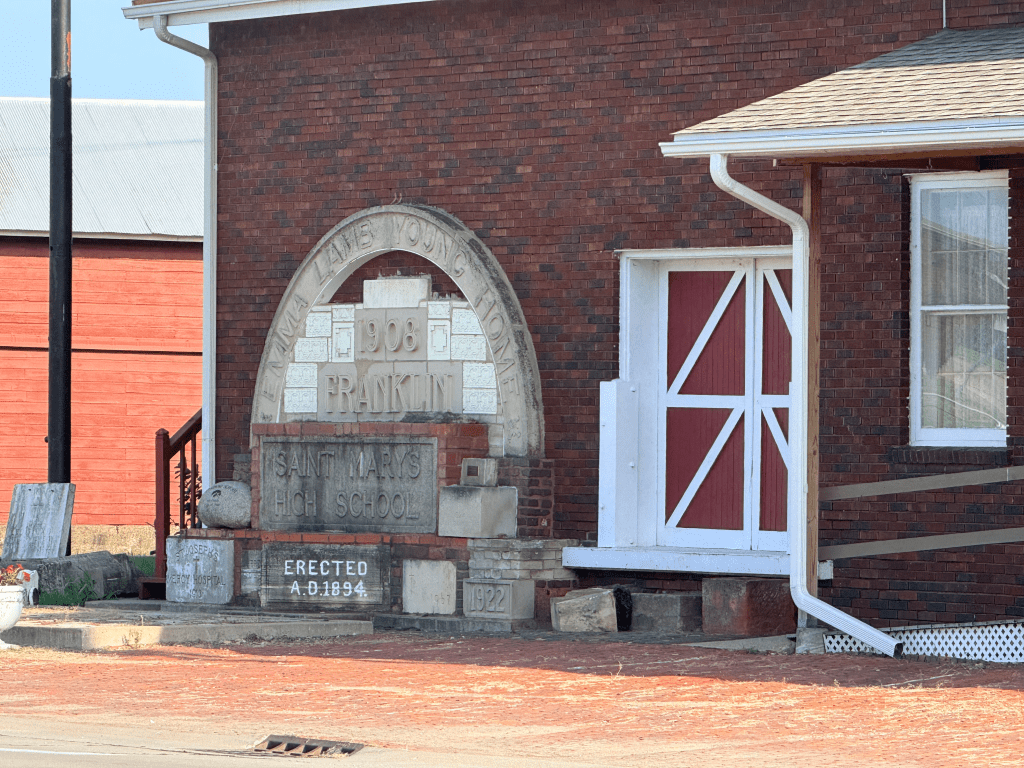
Our next big stop was the home of the Lincoln Highway National Association in Franklin Grove, Illinois. I had called them a couple of weeks ago to see if a volunteer could open their little museum for us, since we’d be arriving on a day they’re normally closed. They called back, said a volunteer was available, took my number… and then I never heard from them again. So I called again from The Little Traveler—told them how far away we were, asked if anyone could meet us. When we arrived, there was no volunteer… and a truck was parked directly in front of the famous mural.
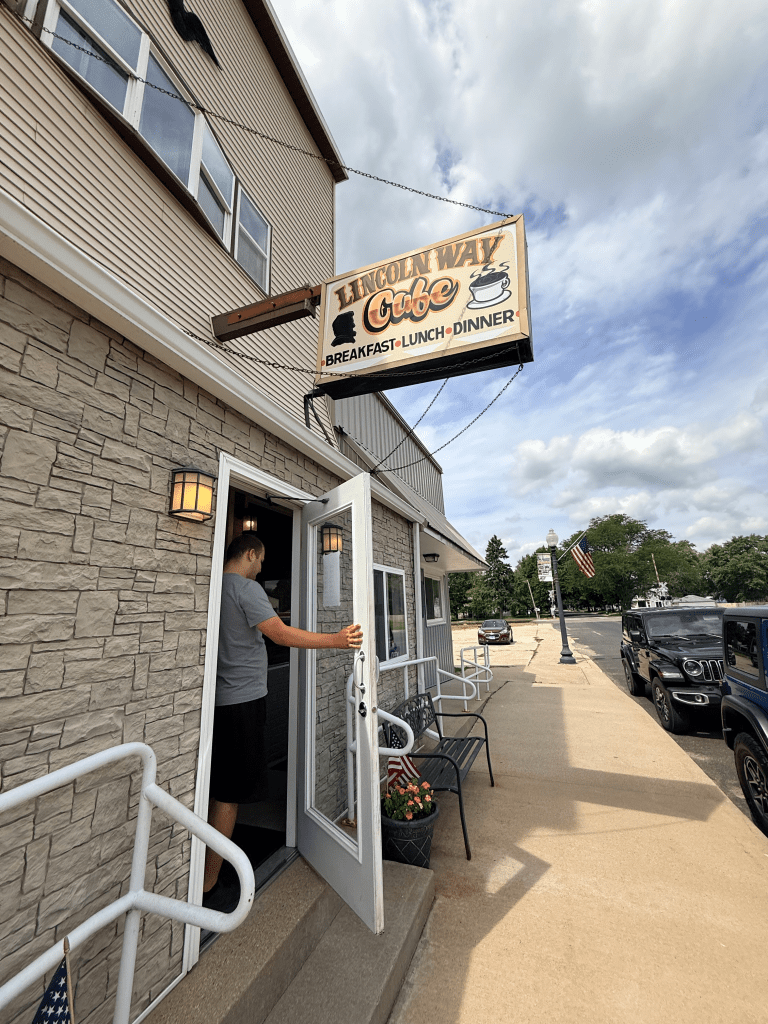
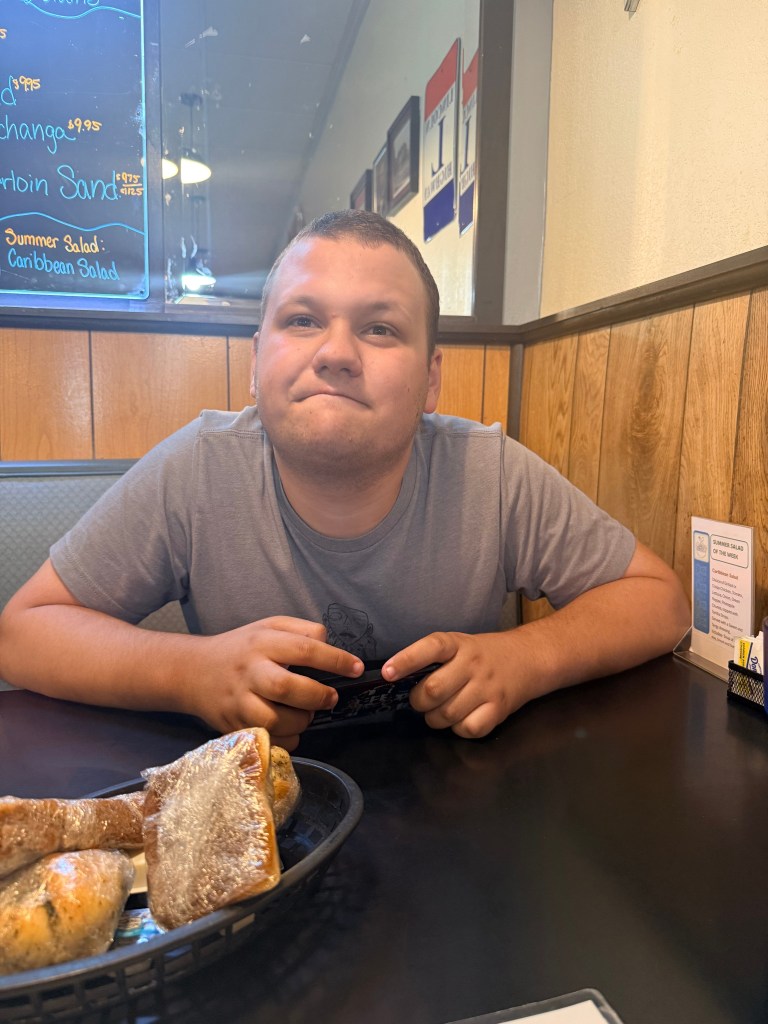
We went into the Lincoln Café for lunch, hoping the truck might move by the time we finished… but it never did. So I took the best pictures I could.
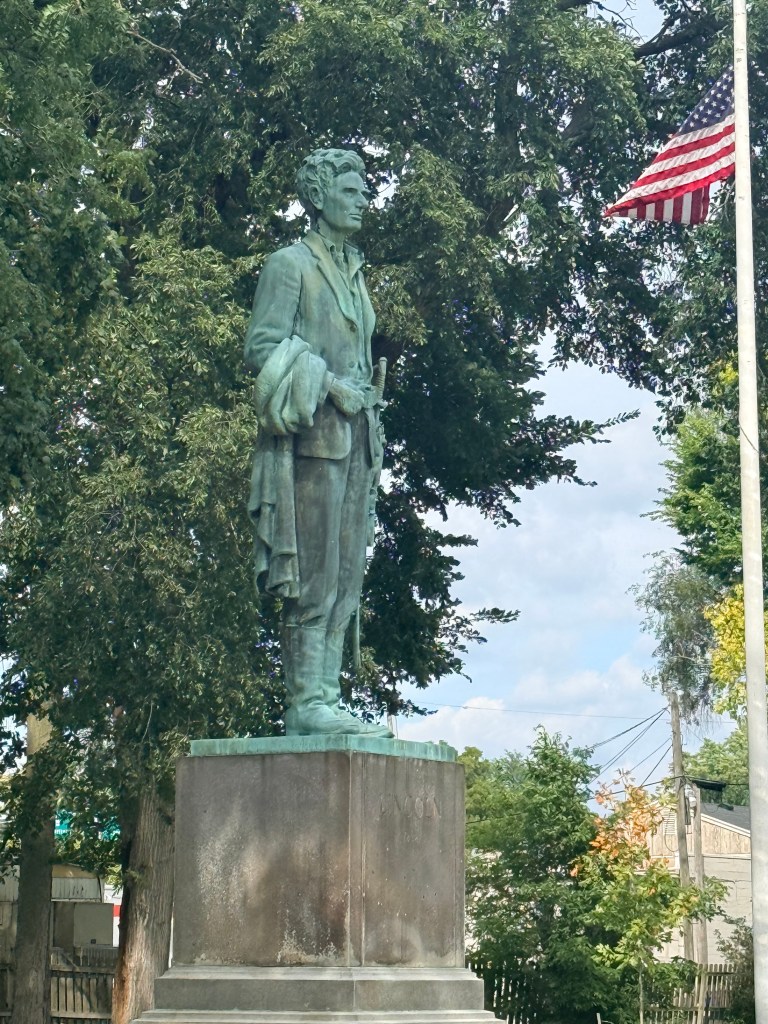
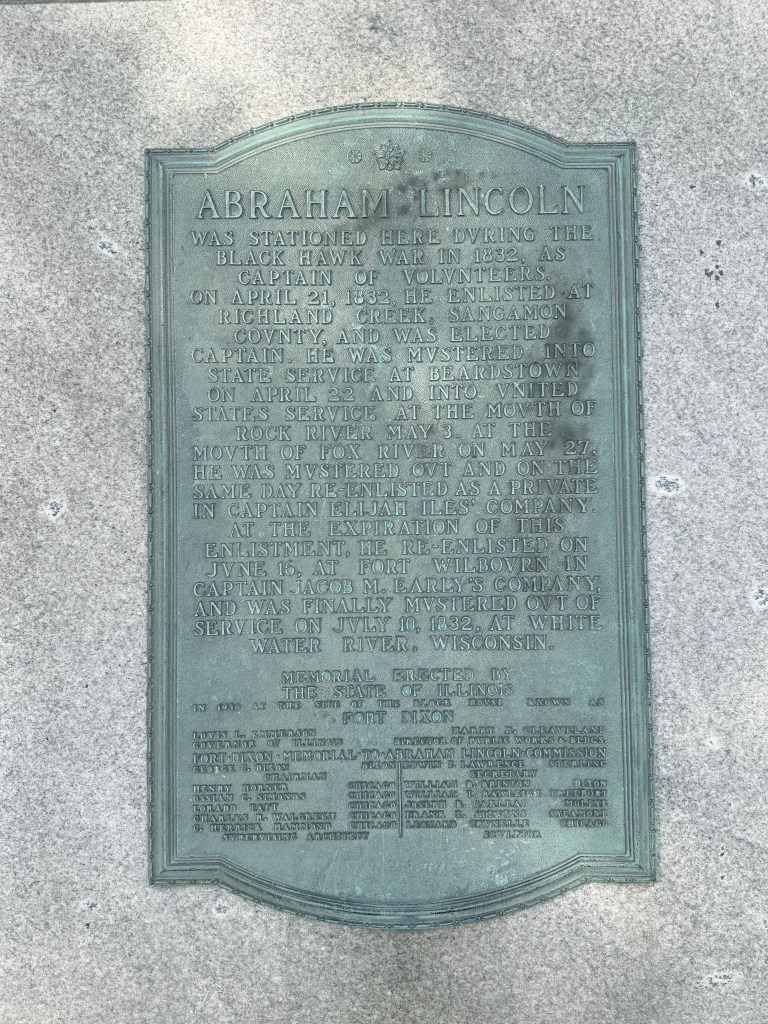
The Abraham Lincoln statue in DeKalb is one of those little surprises along the Lincoln Highway. Lincoln was stationed in the DeKalb area during the Black Hawk War, and this statue is the only one that shows him in uniform. It’s such a rare depiction — not the president, not the statesman, but a young militia captain.
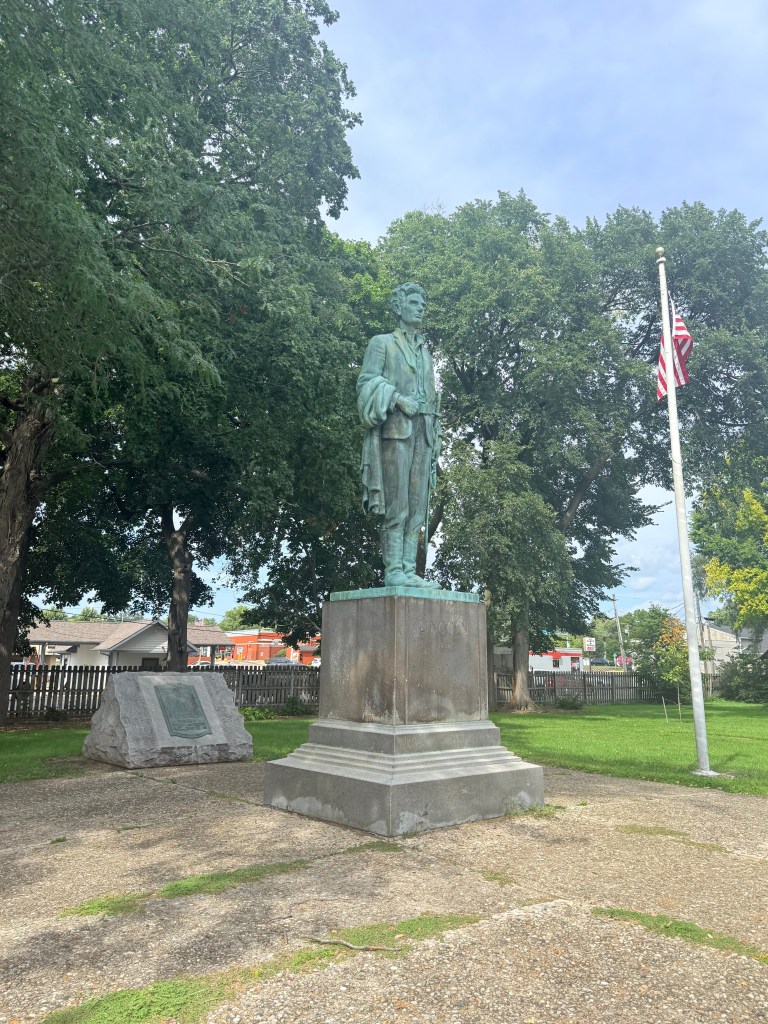
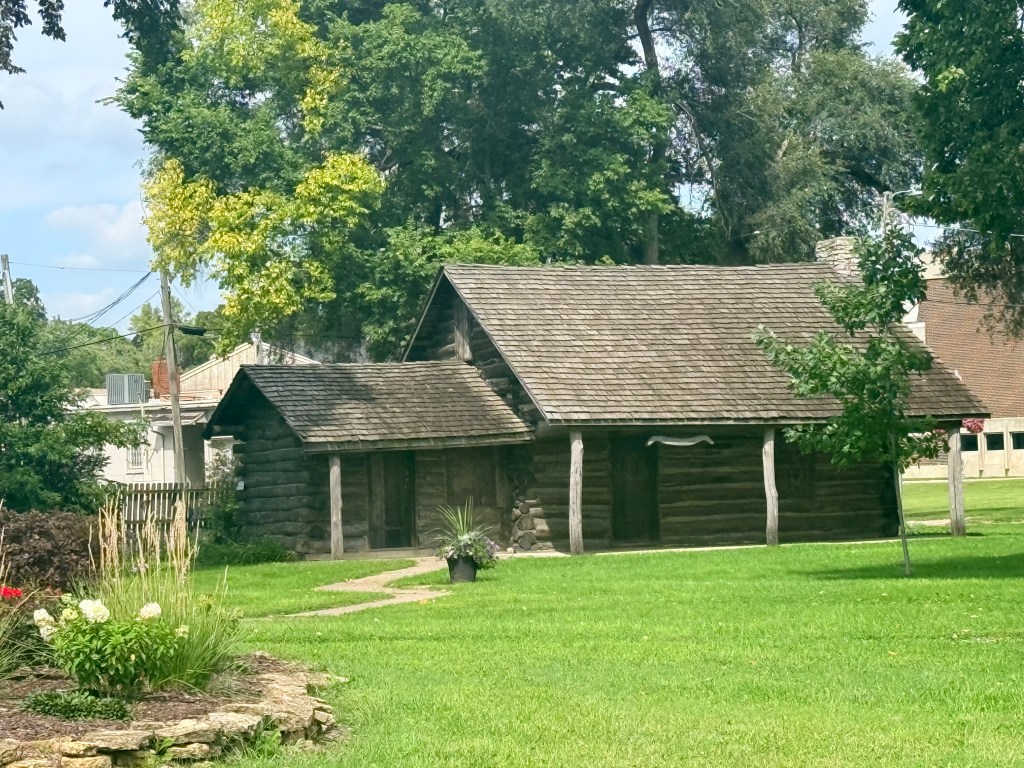
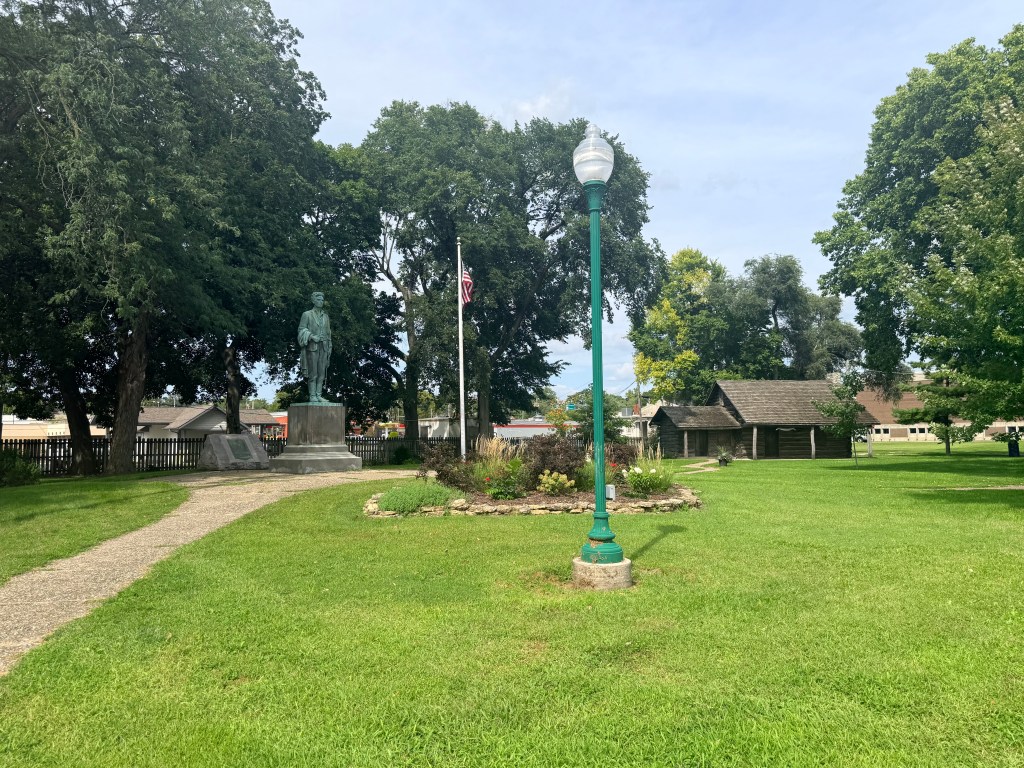
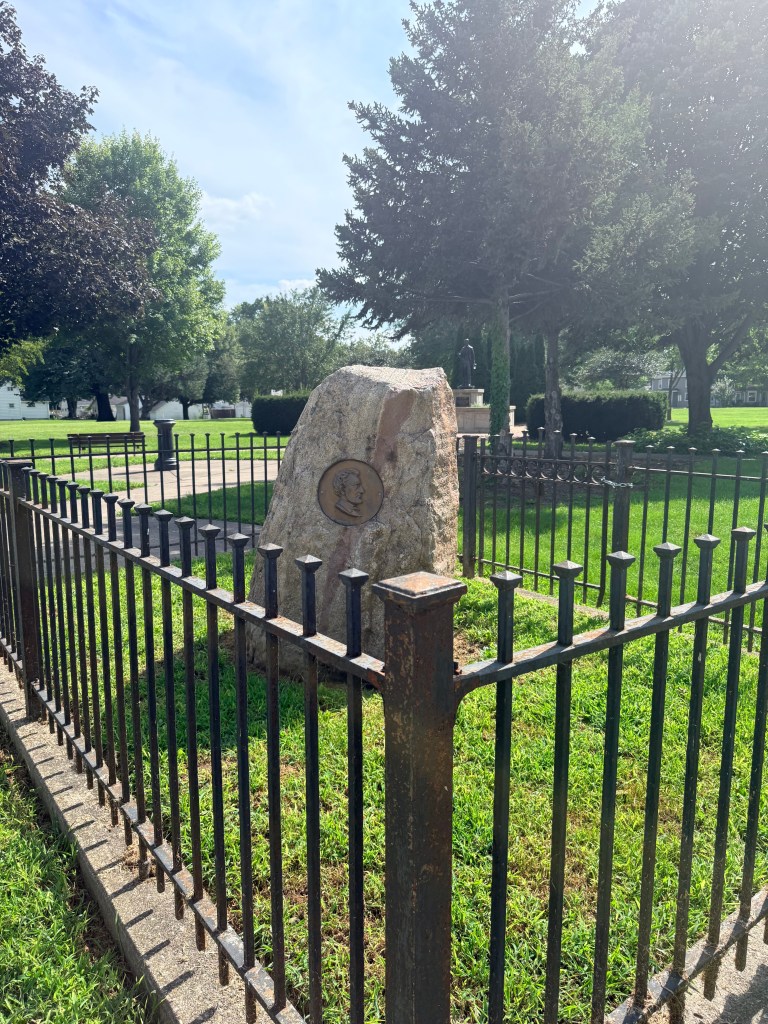
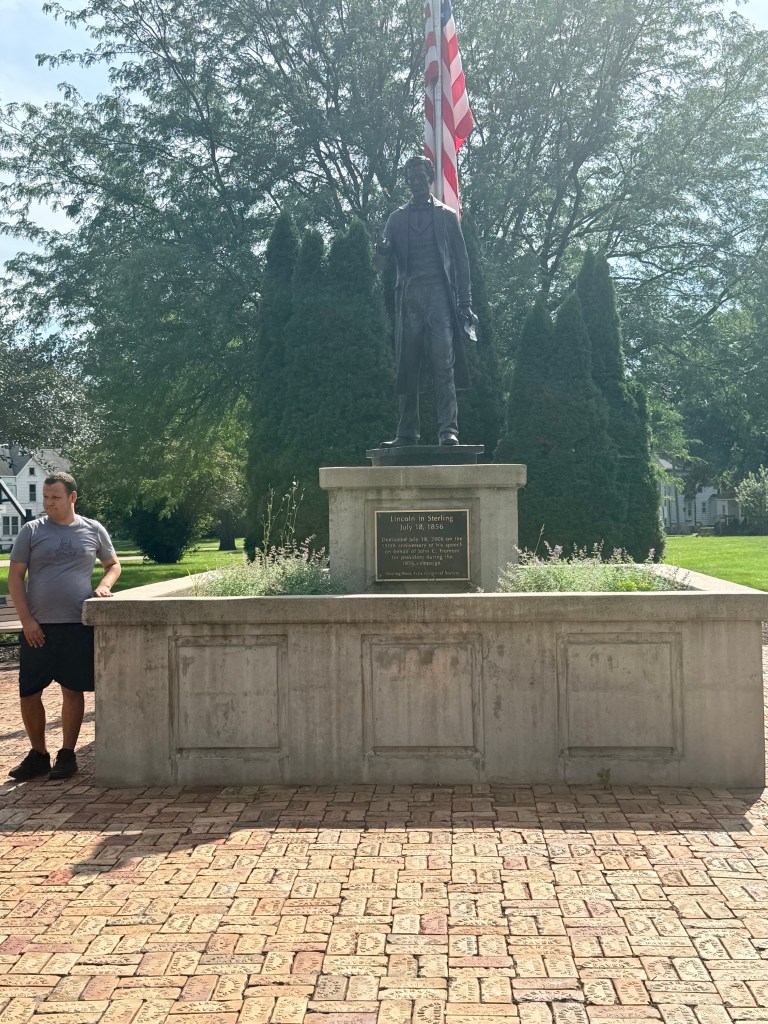
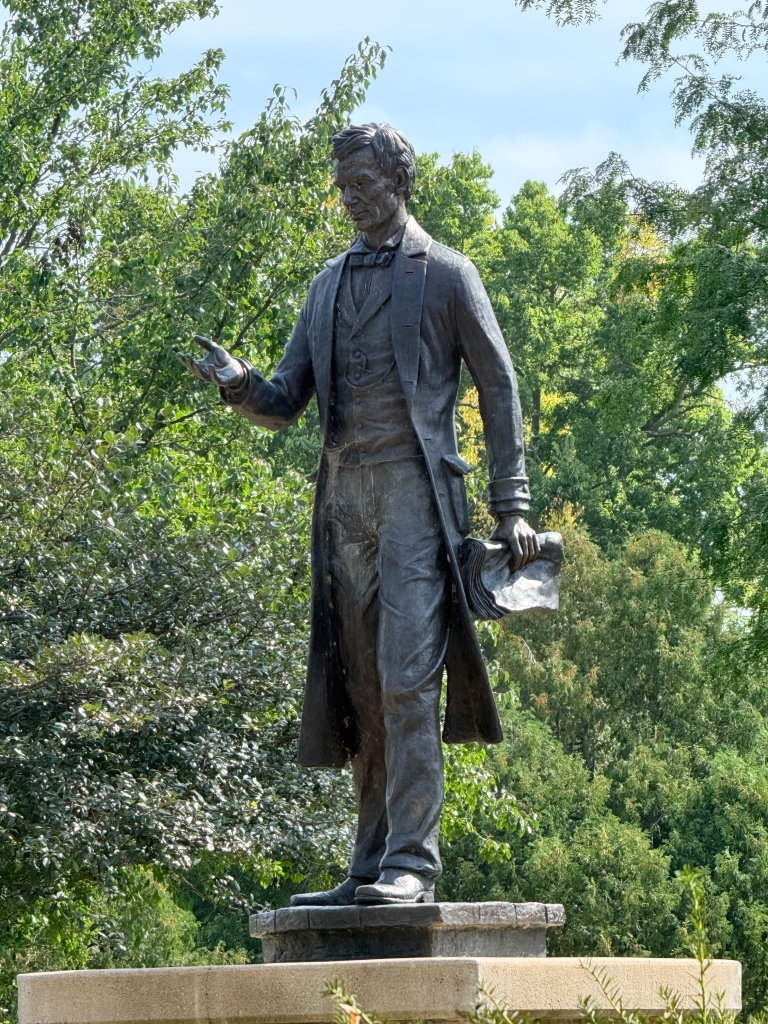
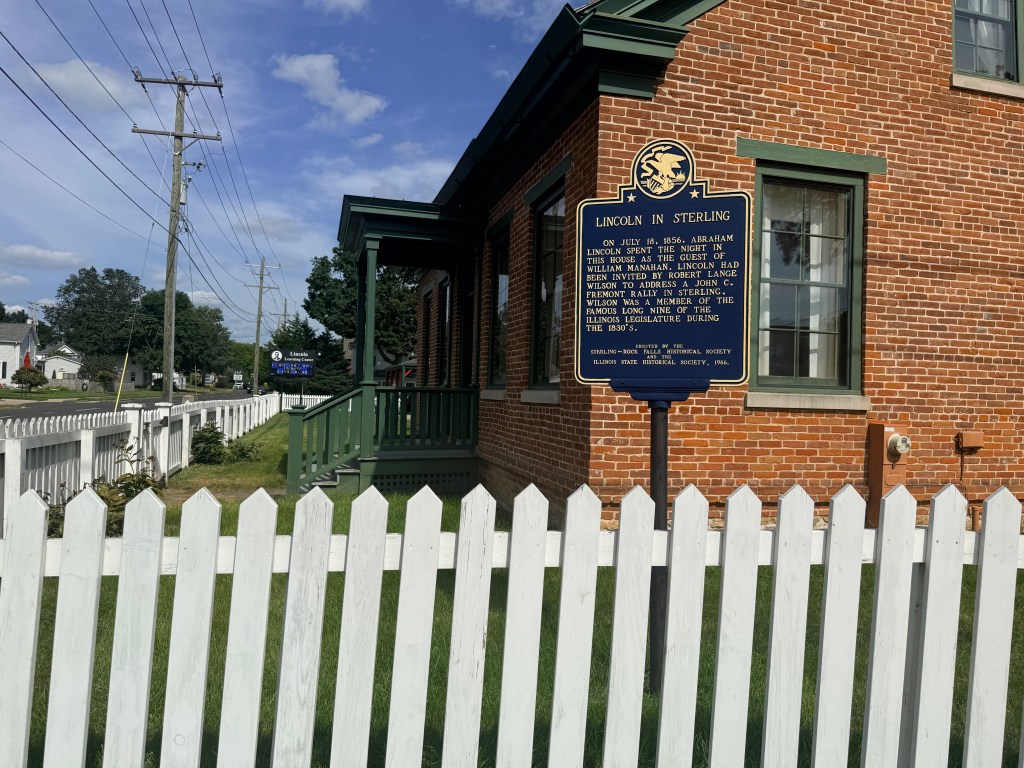
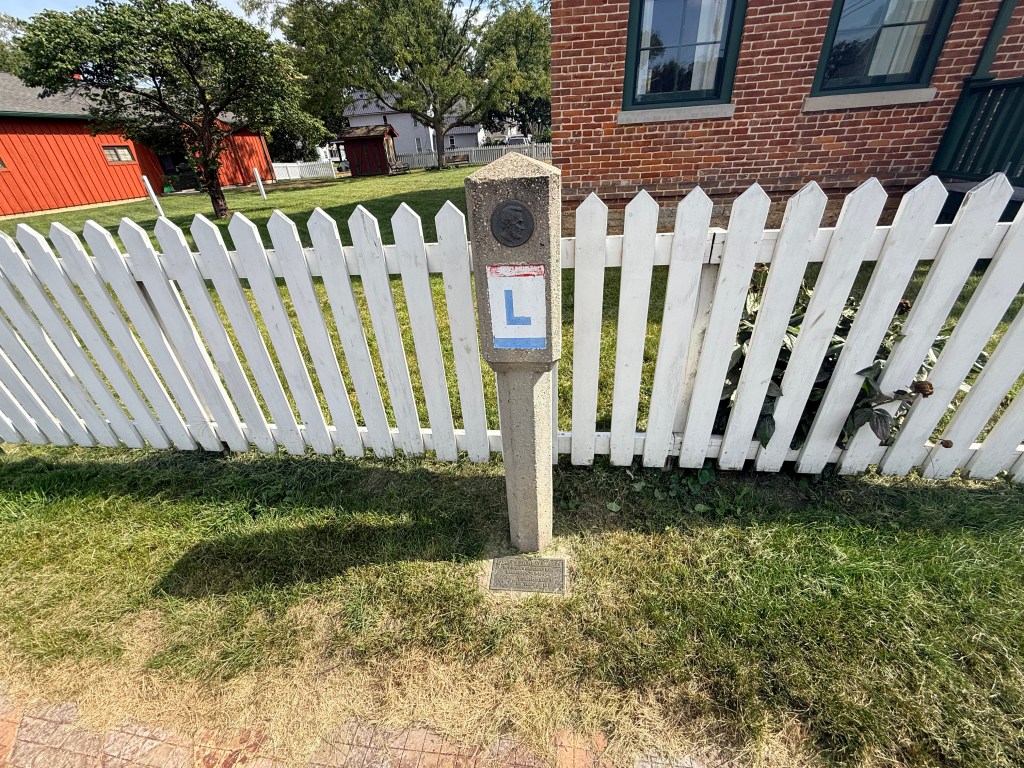
Then, almost right after DeKalb, came Sterling — with a surprise Lincoln statue that wasn’t in any of the books or on the LHA map. Lincoln gave a speech there, and the town has a statue, a small museum, and a gorgeous mural to mark the moment. It felt like stumbling onto a surprise chapter.

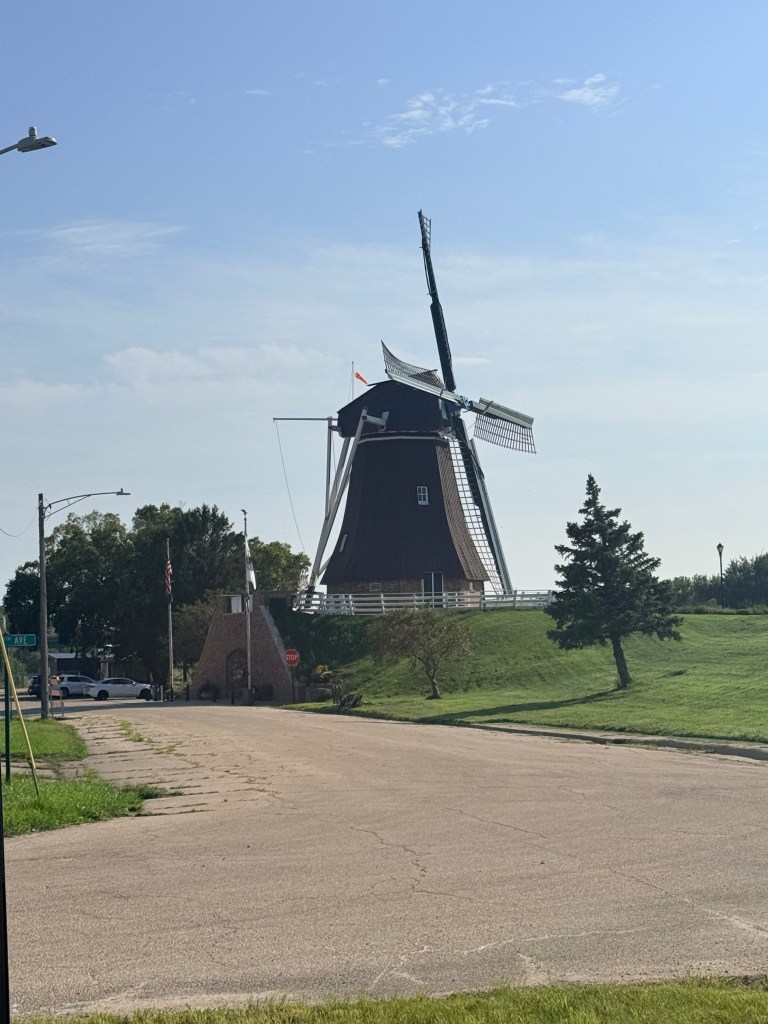
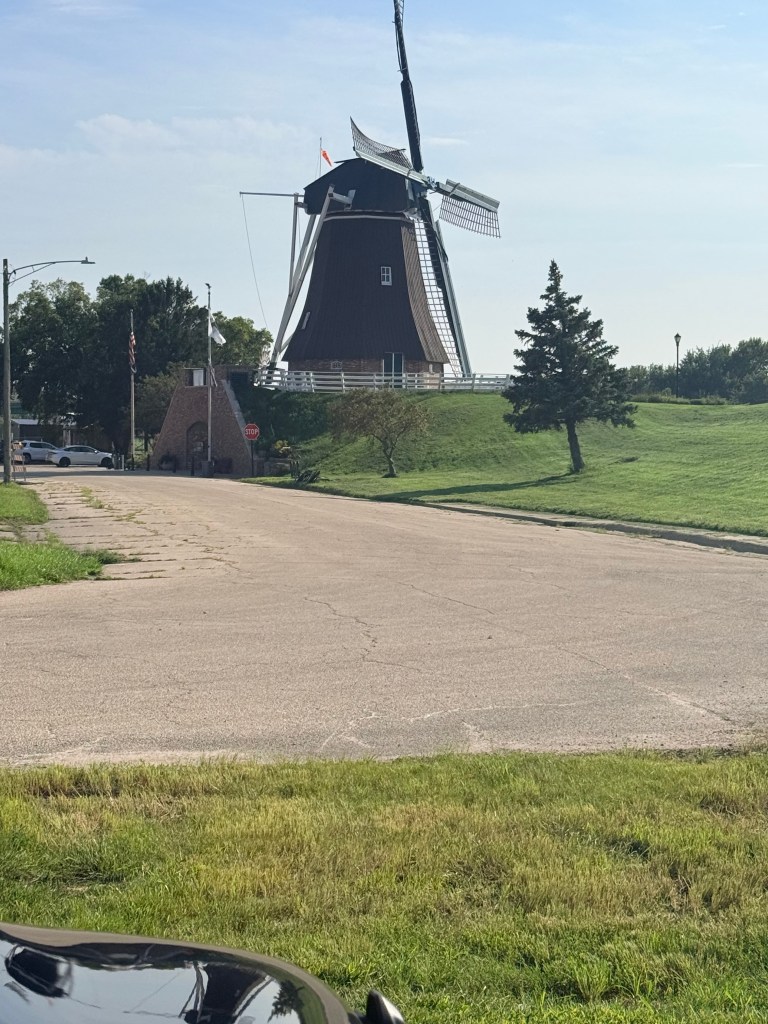
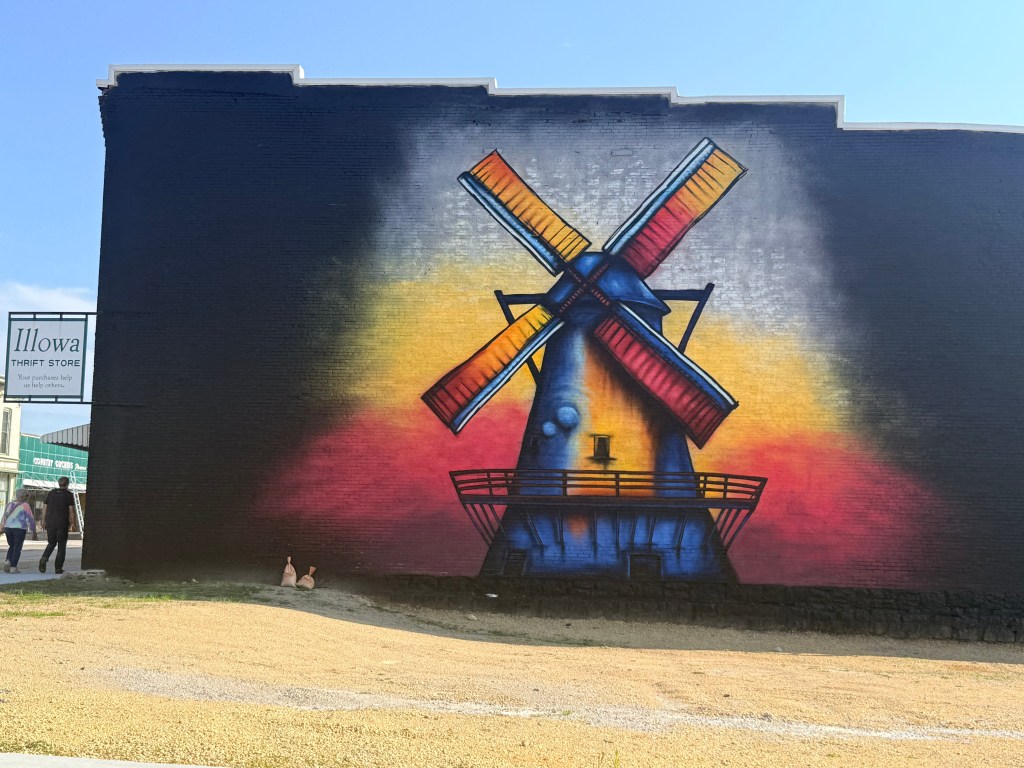
The De Immigrant Windmill is Fulton’s authentic Dutch smock mill, built in the Netherlands, shipped to Illinois, and rebuilt by Dutch millwrights. It’s fully functional, with traditional wooden gears and millstones, and anchors Fulton’s Dutch heritage district along the Lincoln Highway.
But then… it happened.
It happened.
It happened.
It happened.
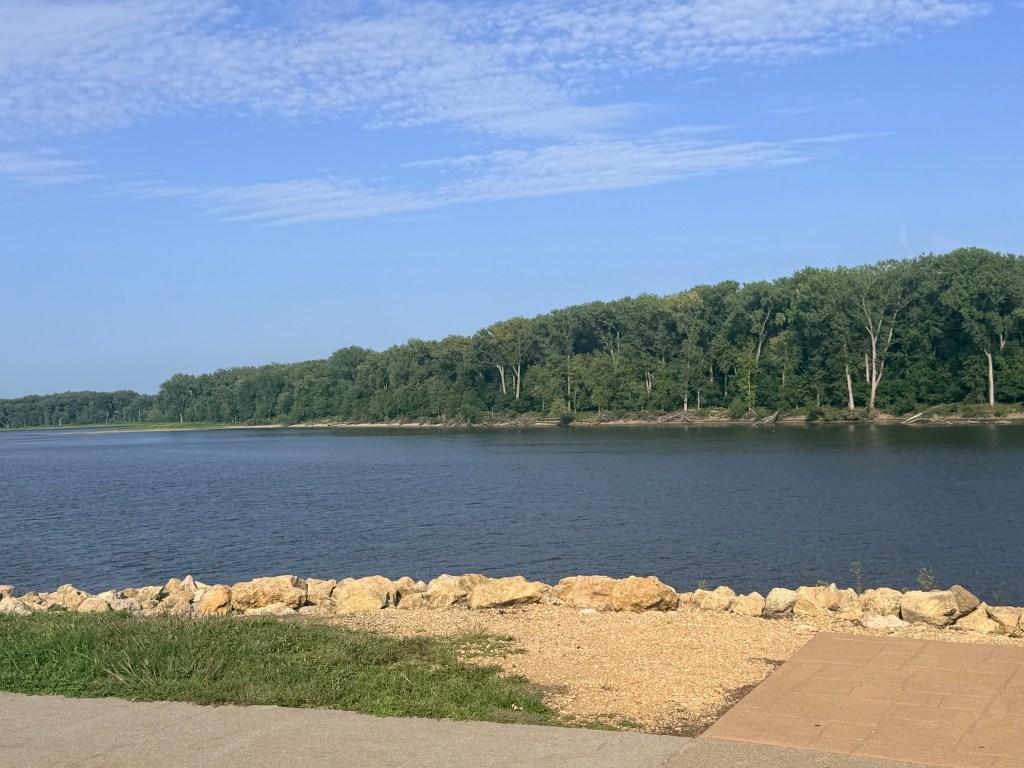
We crossed the Mississippi.
There’s so much conversation about “the West” and when the West begins… but for me, this trip didn’t truly begin until we crossed the Mississippi. I’ve been to all the states we’ve hit so far—New York, New Jersey, Pennsylvania, Illinois, West Virginia for those three seconds—but Iowa feels like the Midwest. It feels like the beginning of something new.
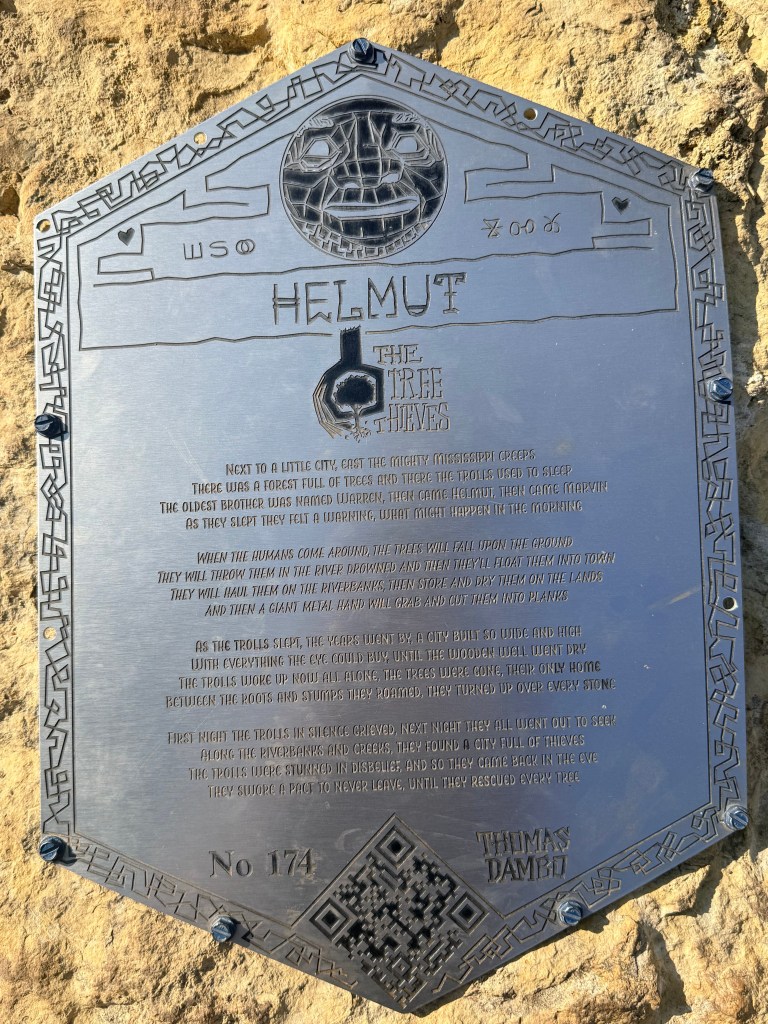
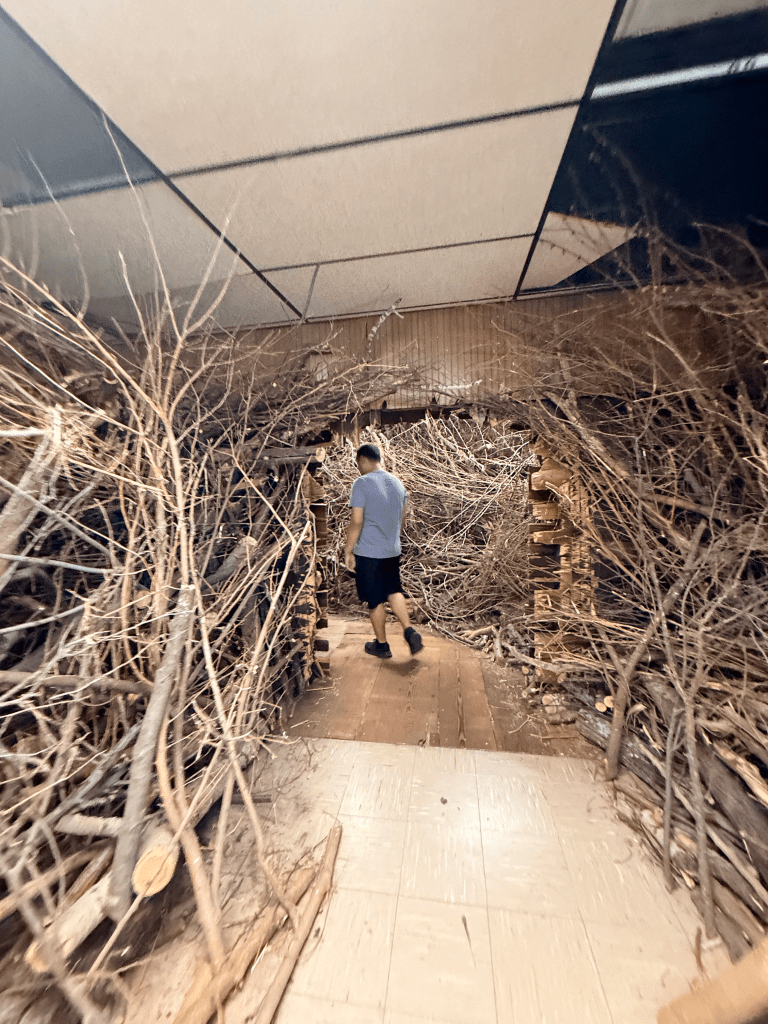
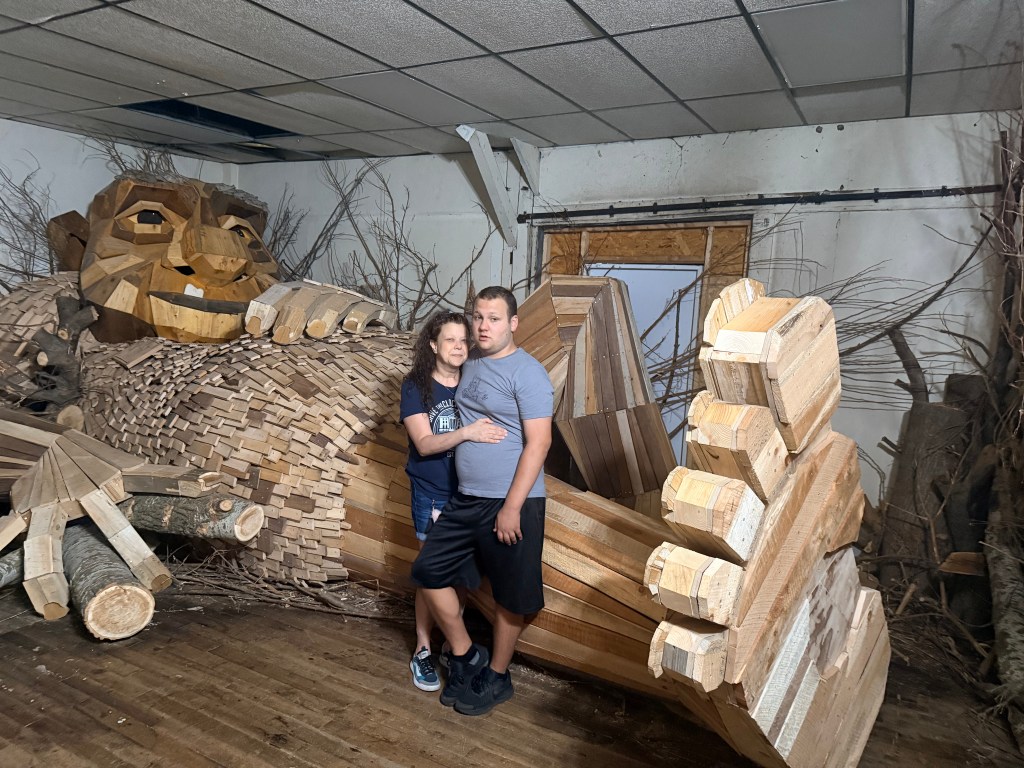
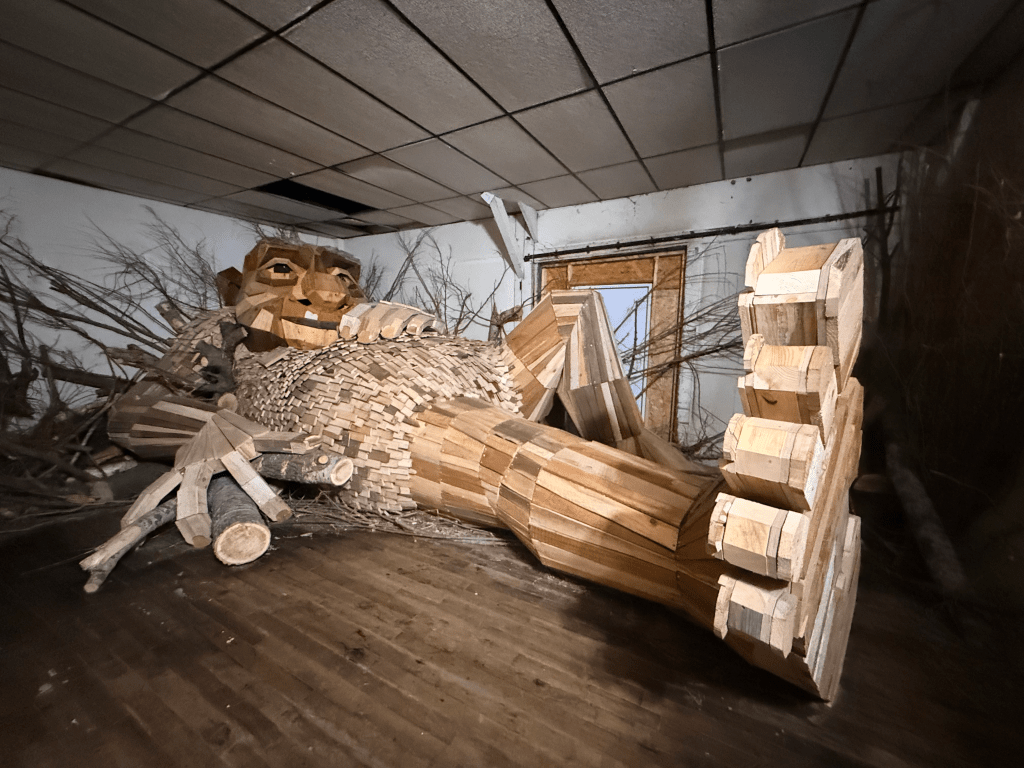
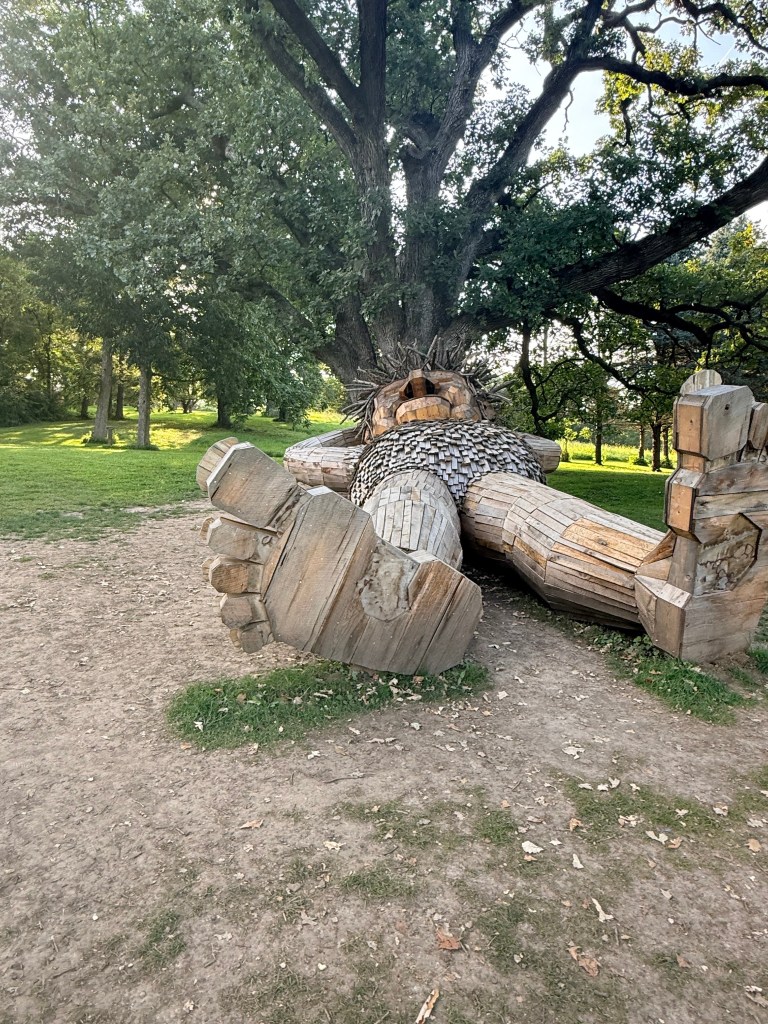
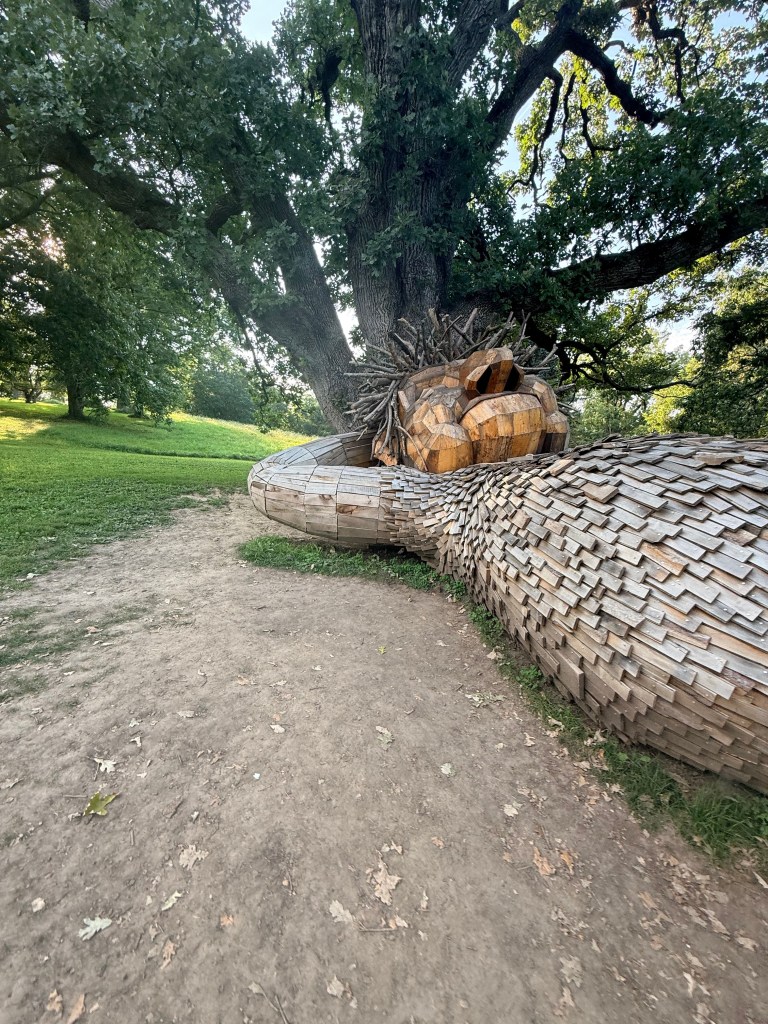
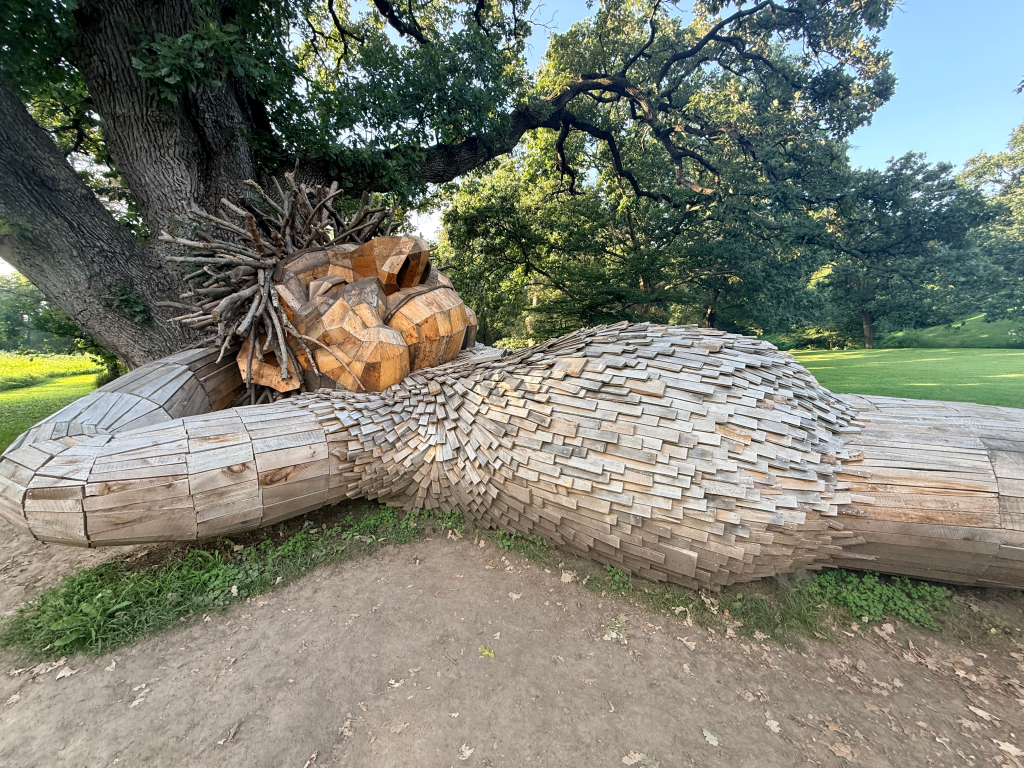
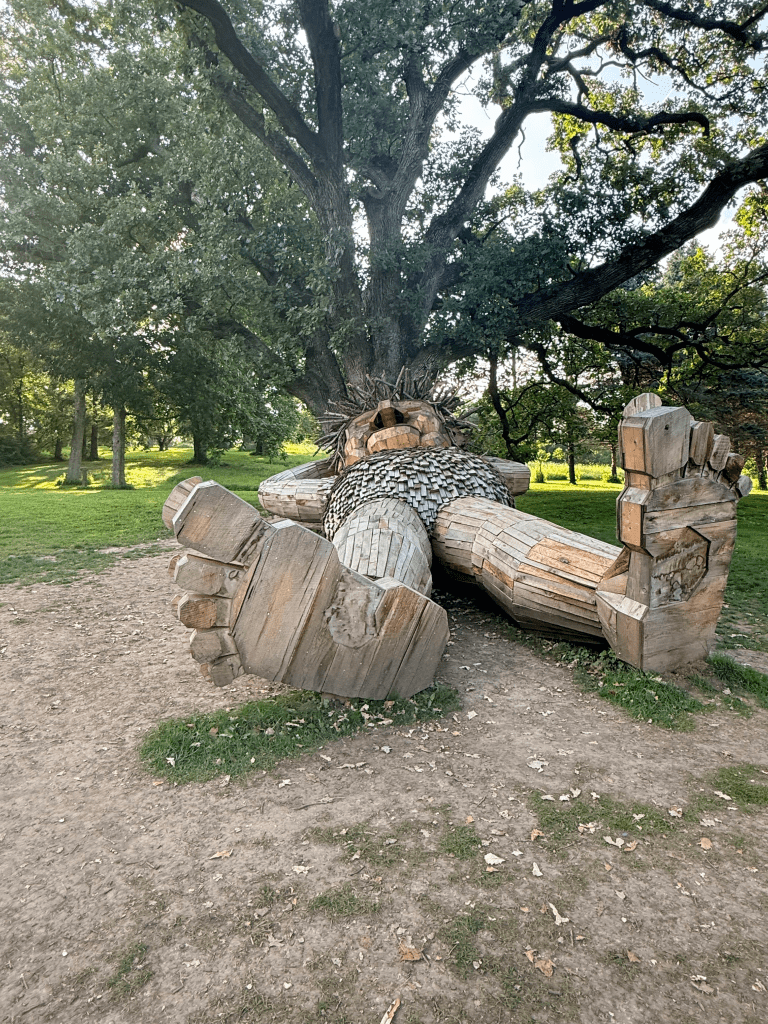
When we first started planning this trip, the very first thing I did was pull up the map and start hunting for Frank Lloyd Wright houses along the route … and Thomas Dambo trolls, of course. The Wright houses were easy, but the trolls were a different story. There wasn’t a single Dambo troll anywhere near our path.
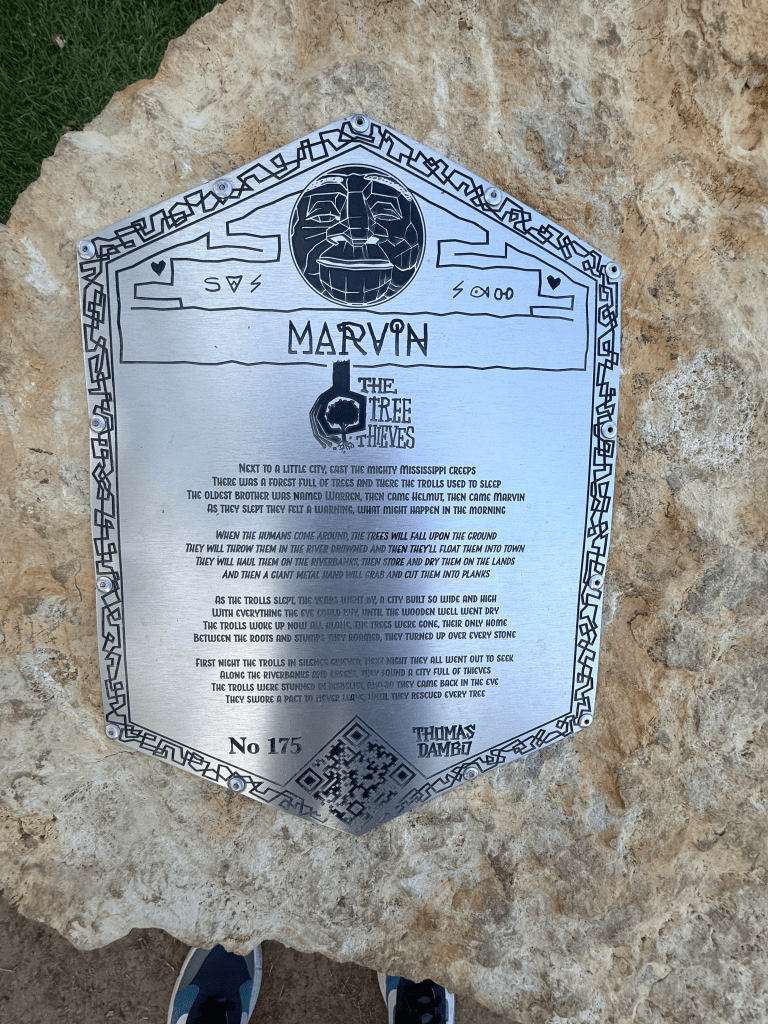
Then, while I was telling a friend about the trolls, I happened to check Dambo’s website again… and suddenly there they were: new trolls in Clinton, Ohio, installed this spring. If I hadn’t looked that day, I would have completely missed them.
These trolls are spread out across Clinton, and it took quite a while to get to all three. And then — because apparently this is a scavenger hunt and not a casual roadside stop — each troll has clues pointing to a fourth troll. You have got to be kidding me. I’m not a local, and I do not have time for a full‑scale troll quest.
So it was me, AI, and one very nice woman who gave us directions when the AI was being ridiculous. Between the three of us, we finally pieced it together.
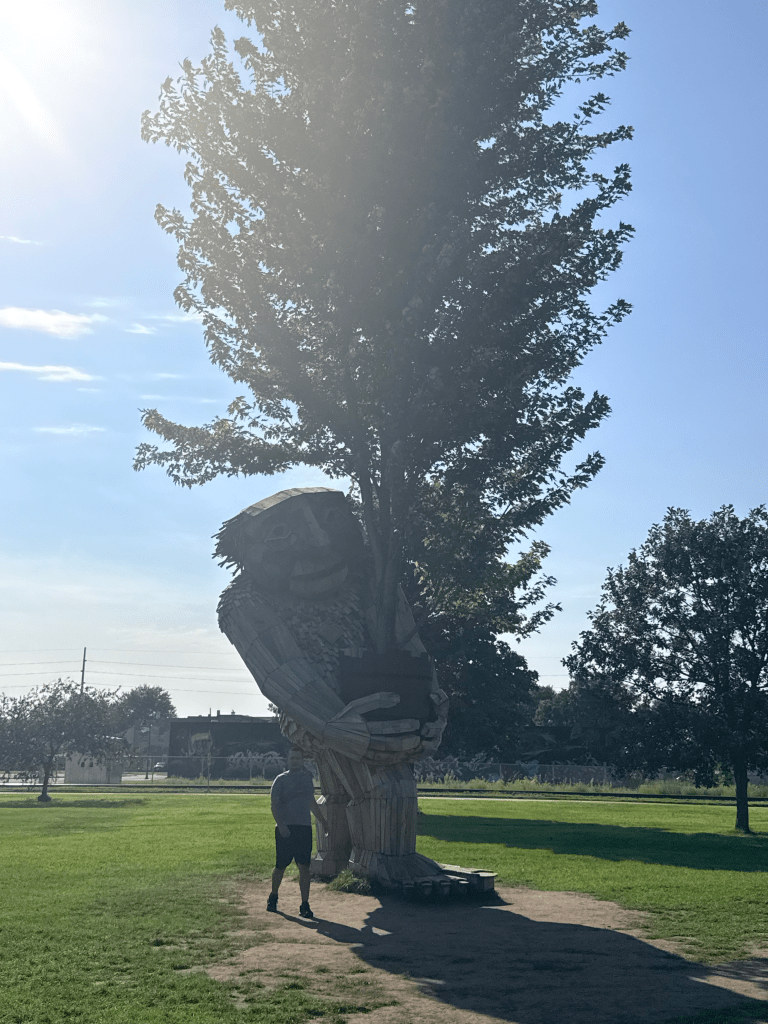
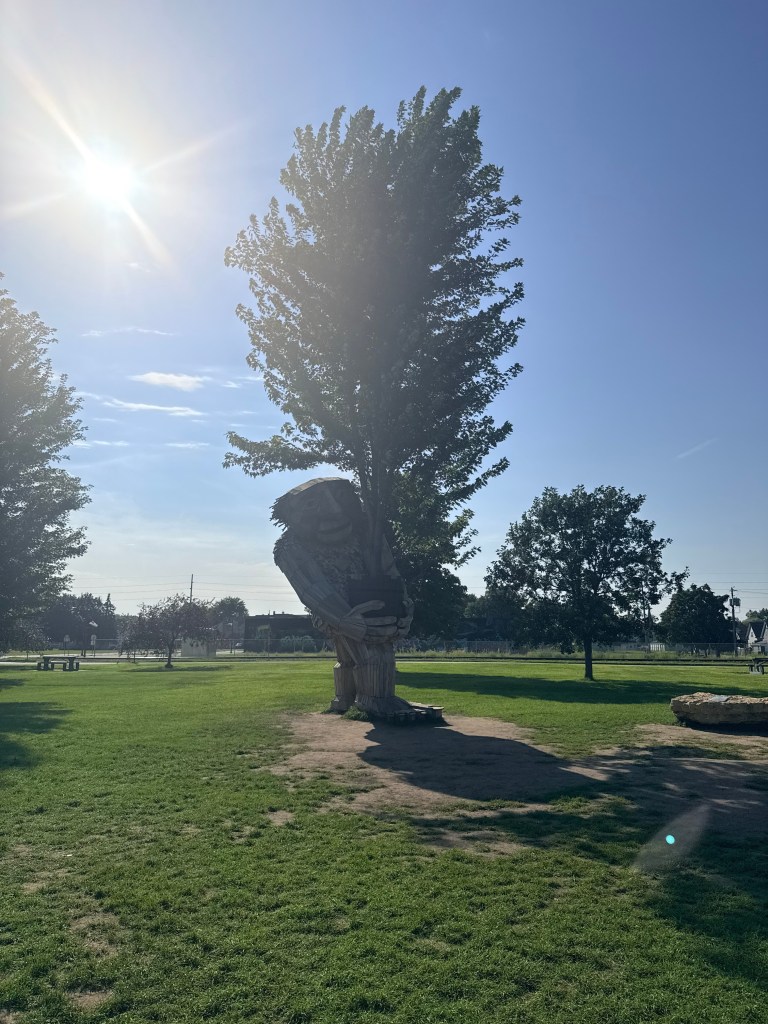
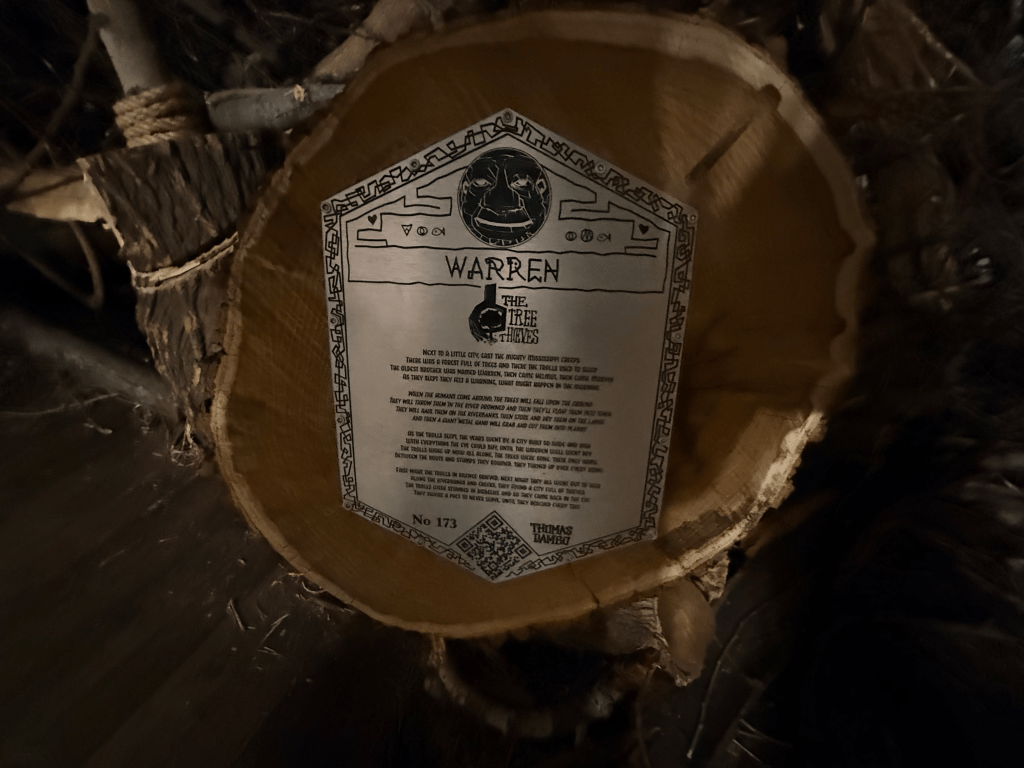
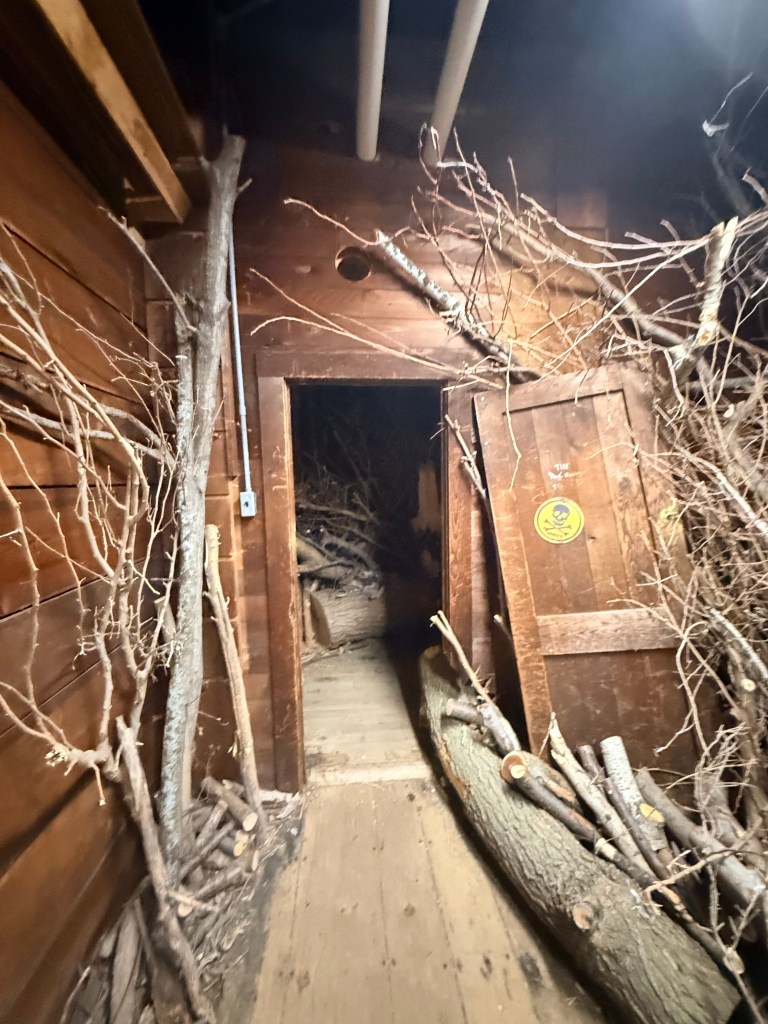

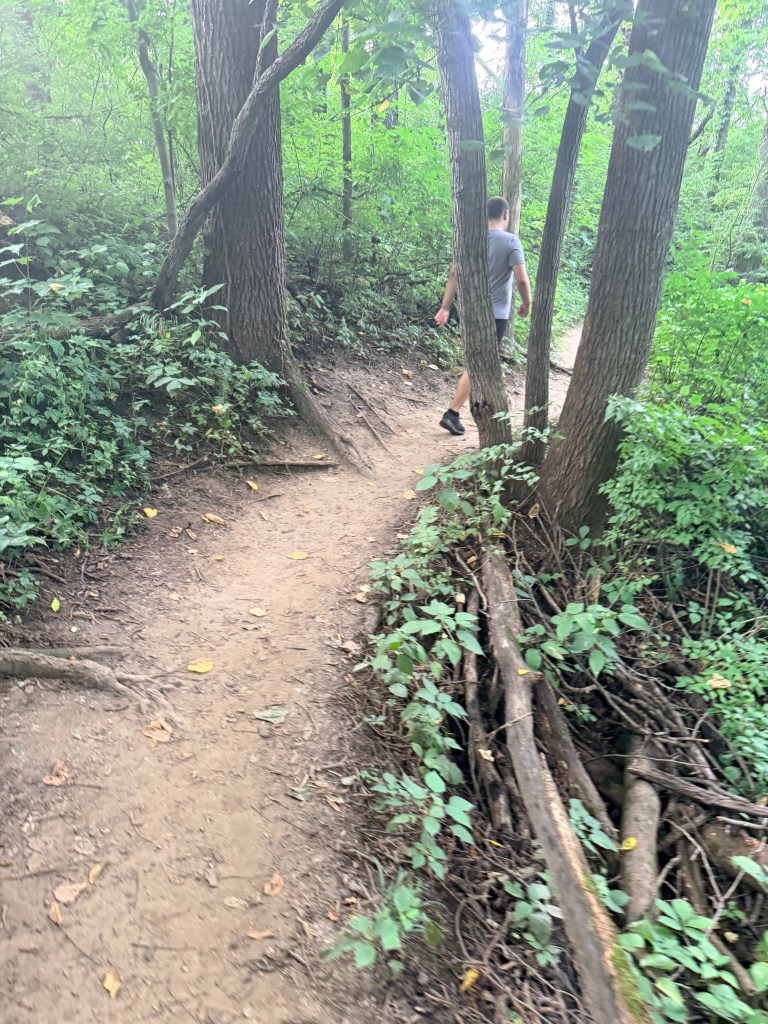
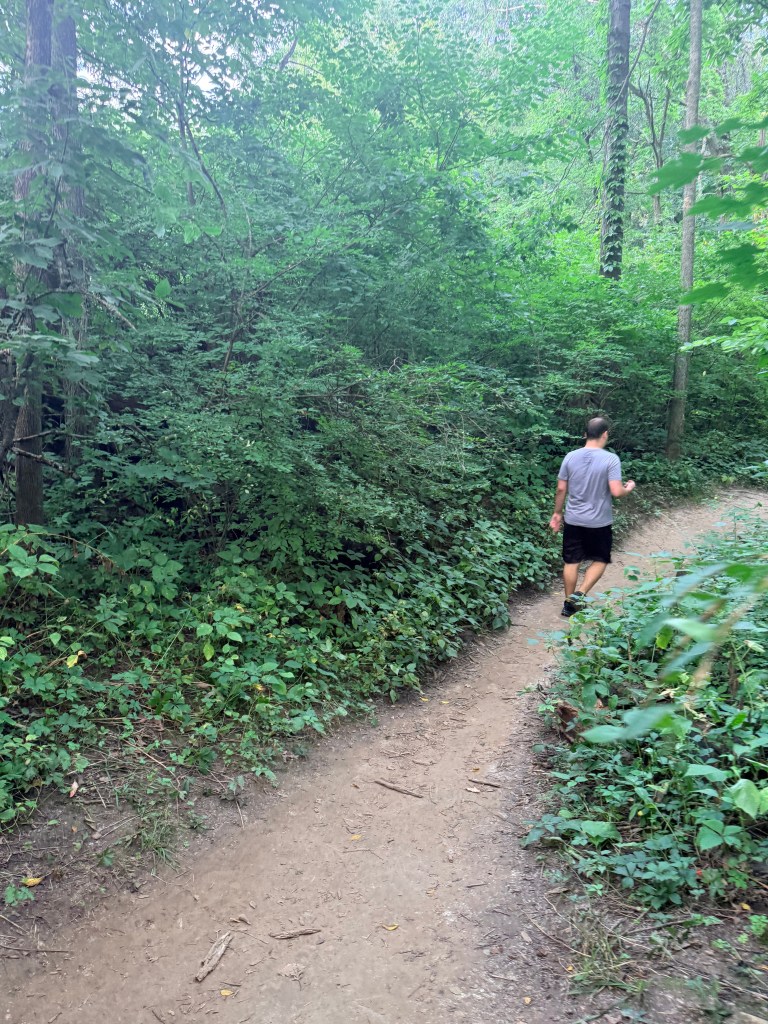
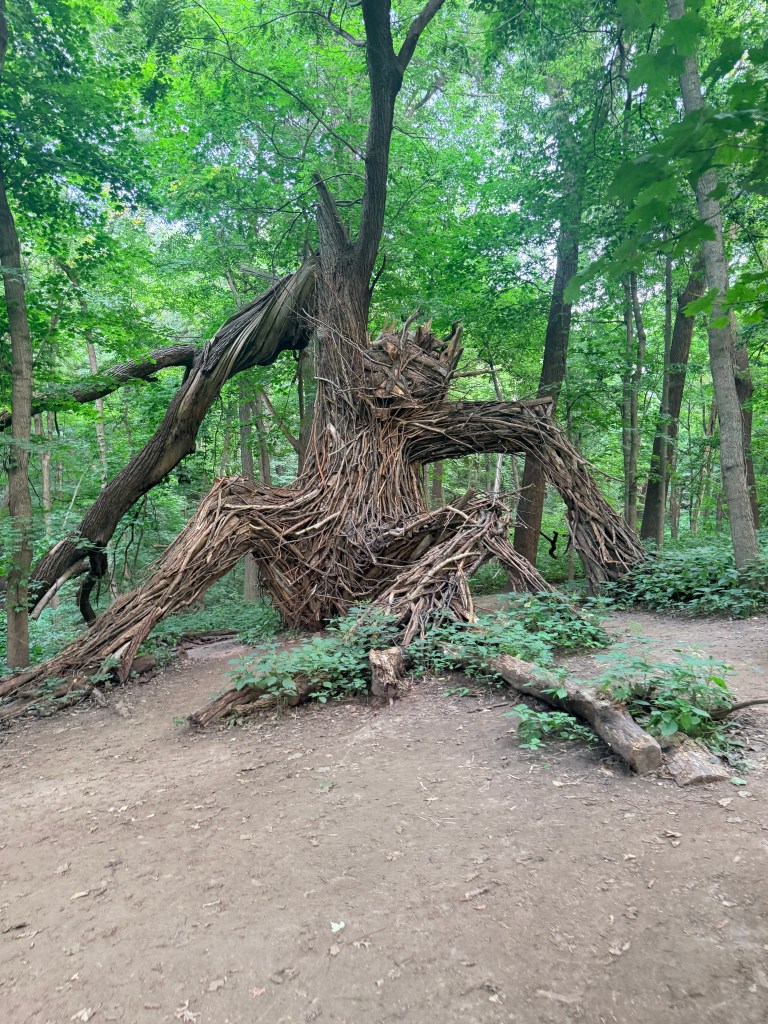
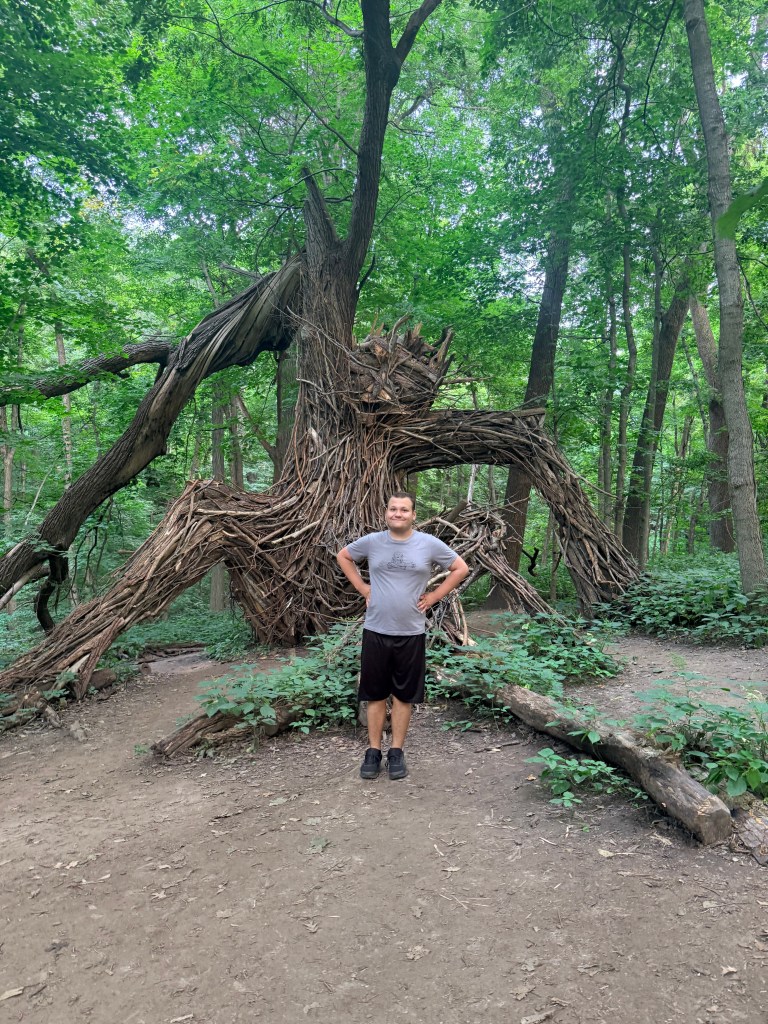
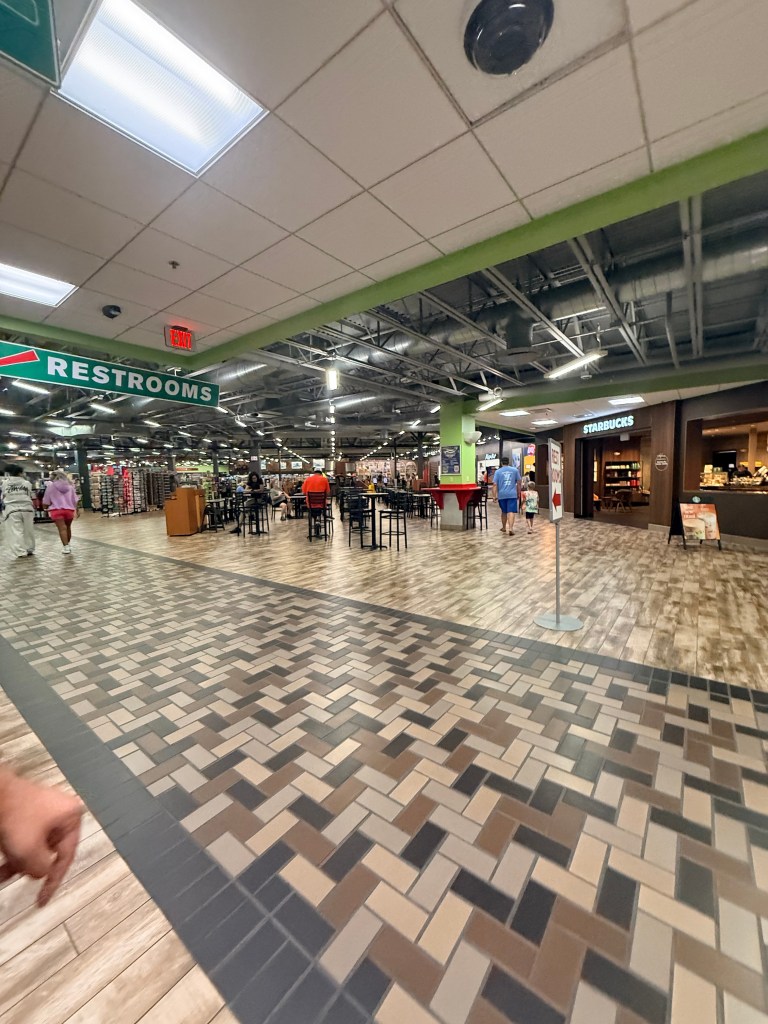
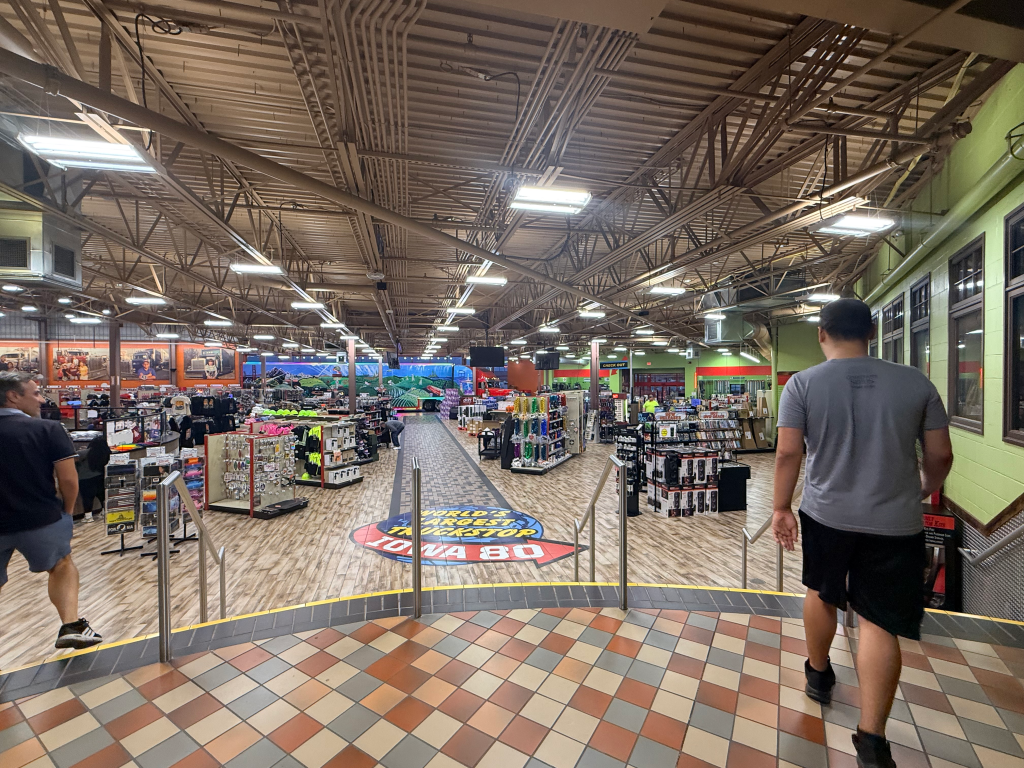
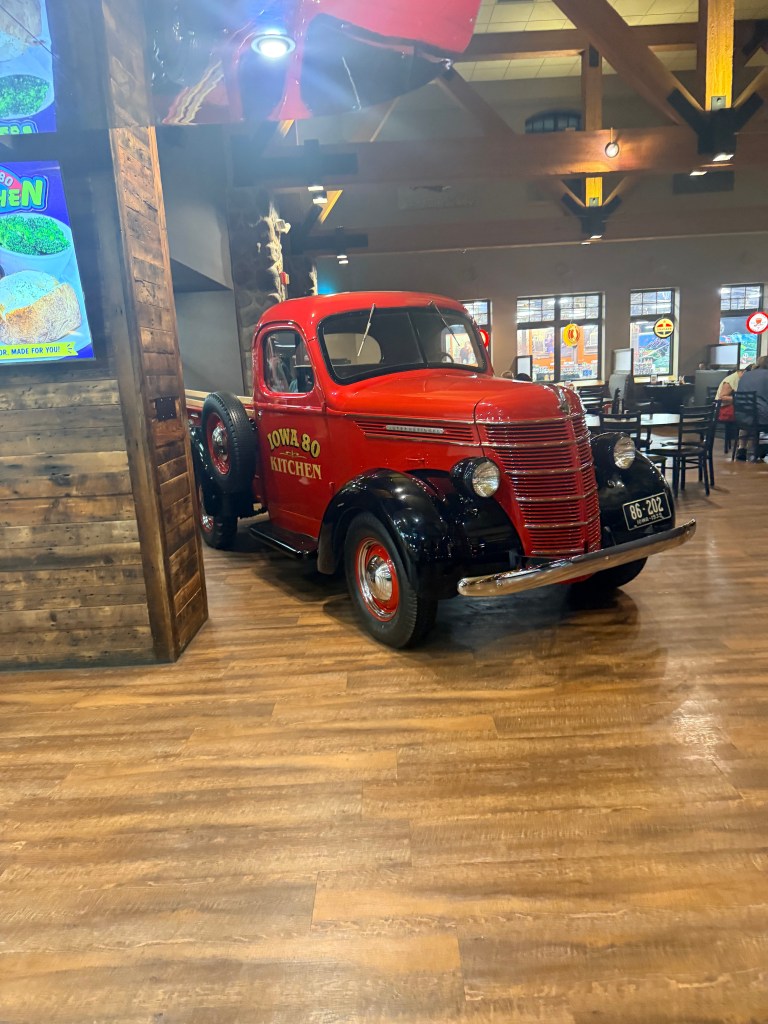
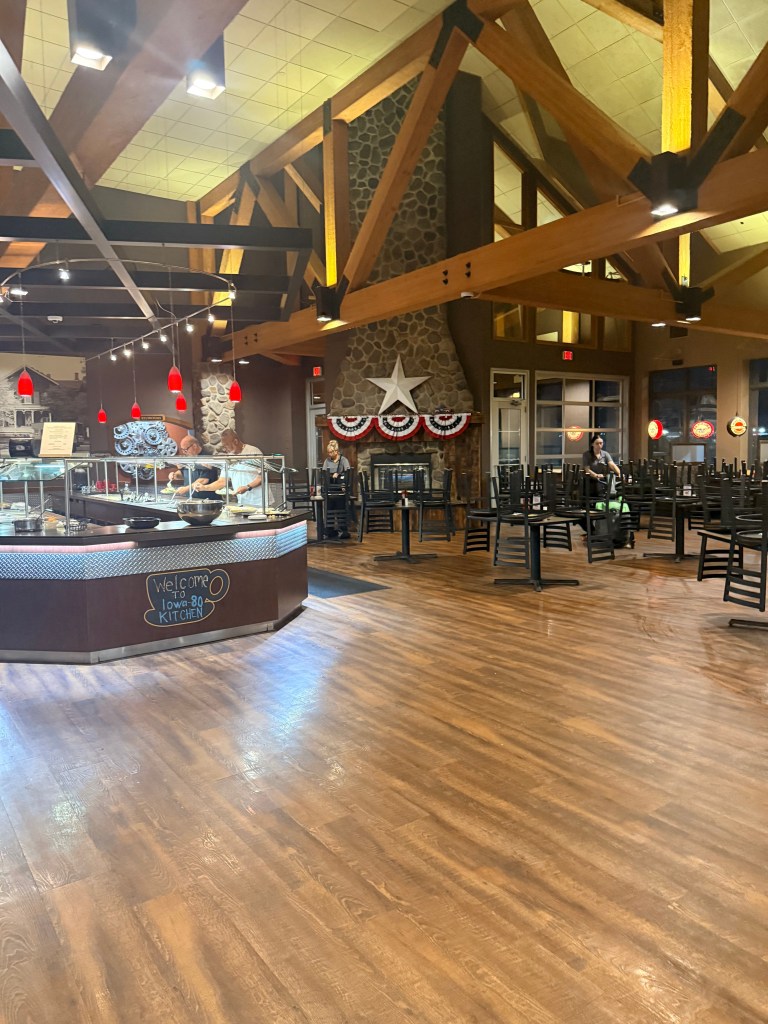
After that, it was time to kick it into gear and get to our resting point for the night… except there was one more detour. The most fantastical place I’ve ever seen in my life: The World’s Largest Truckstop … I’m not joking. I stumbled upon a CBS News Report about the I‑80 truck stop ages ago for no reason at all, and it stuck in my mind. When we started planning this trip, I wondered how far away it was… and sure enough, twenty minutes from where we’re staying tonight.
So Hunter and I headed to the truckstop. The only thing I’m really upset about is that I wanted to go into the museum and really experience the whole thing… but once again, it was late because the trolls took entirely too long. They should not have taken that long. I don’t know why they took that long. They took a really long time. But I’m happy we did them—Hunter was absolutely thrilled.
So we settled for eating at the truckstop. And for anyone who grew up in the 80s… they have an Orange Julius. Worth mentioning.
I like to think my dad came through here at some point… whether in a truck or on one of my parents’ cross‑country adventures.
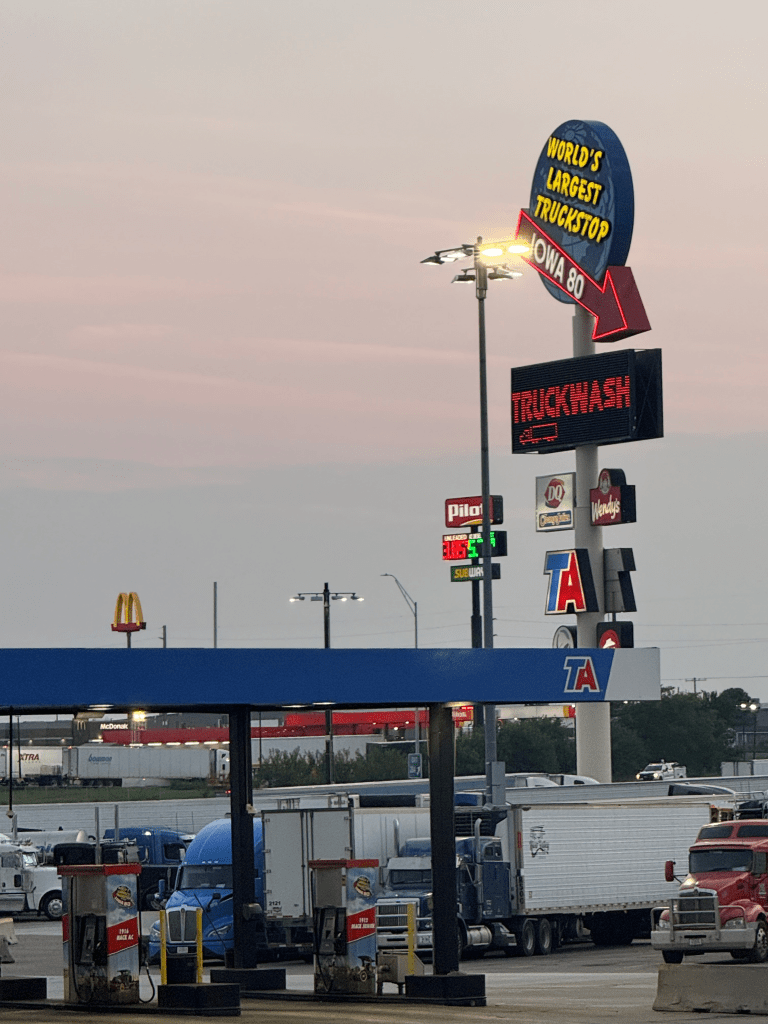
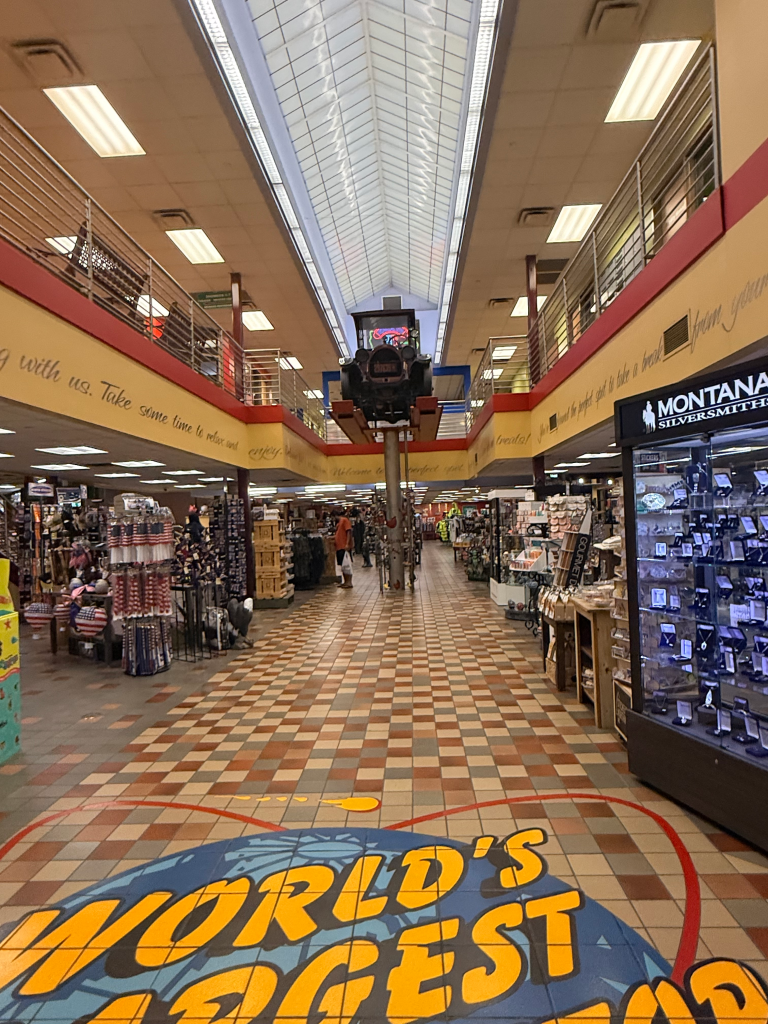
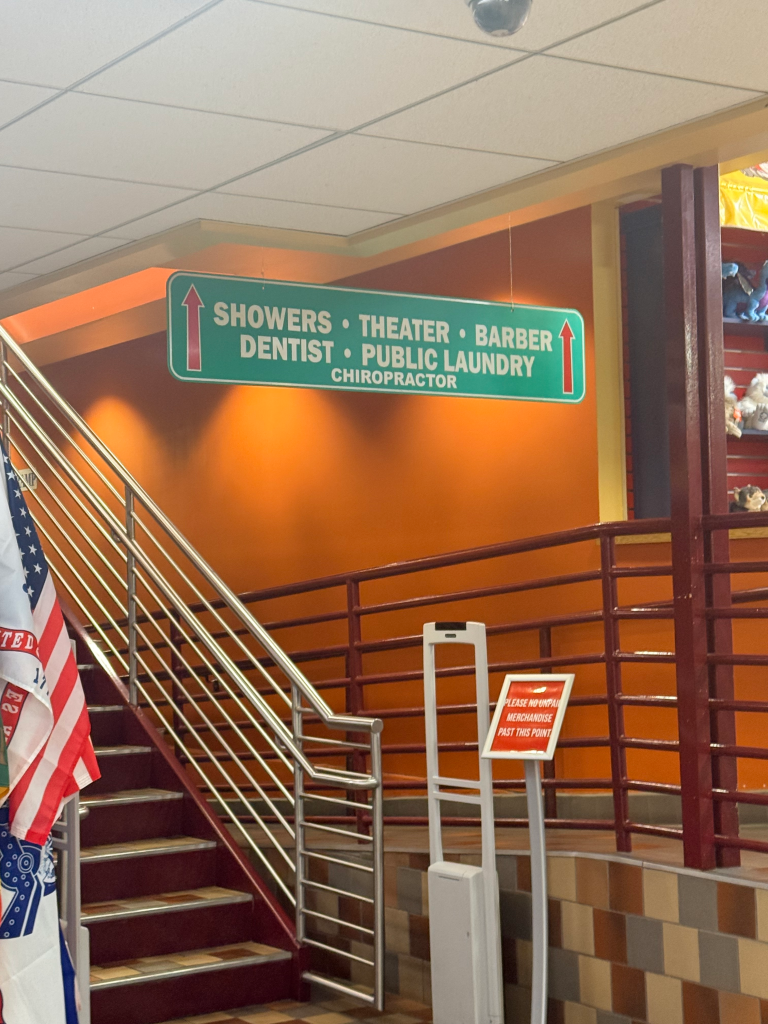
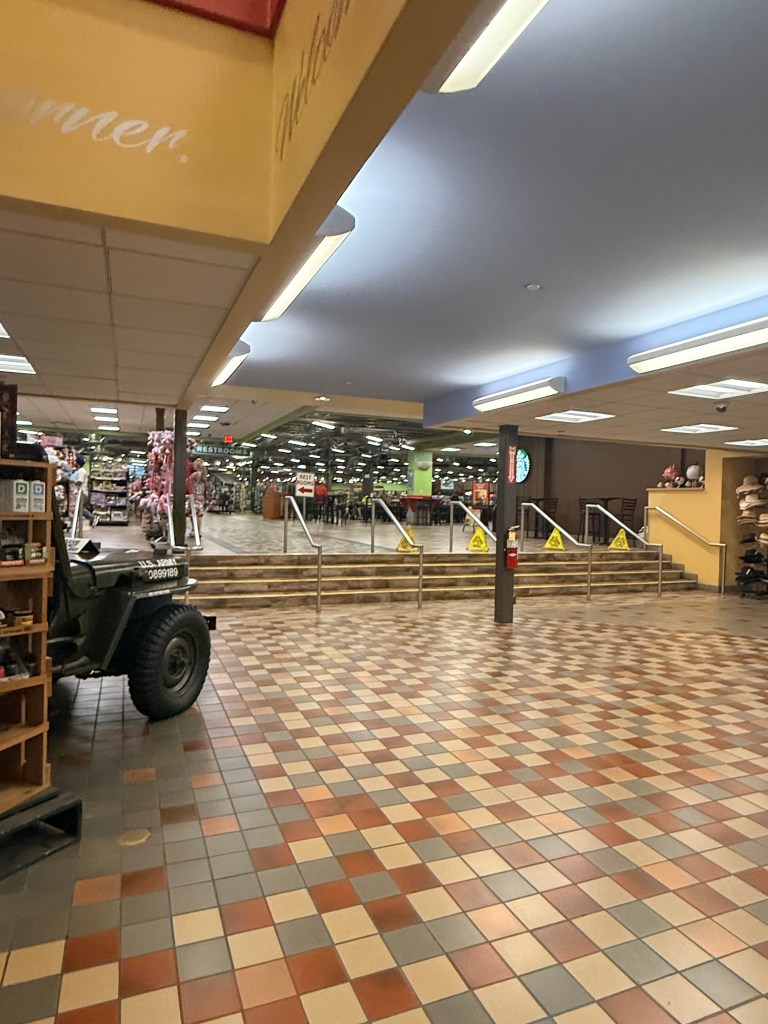
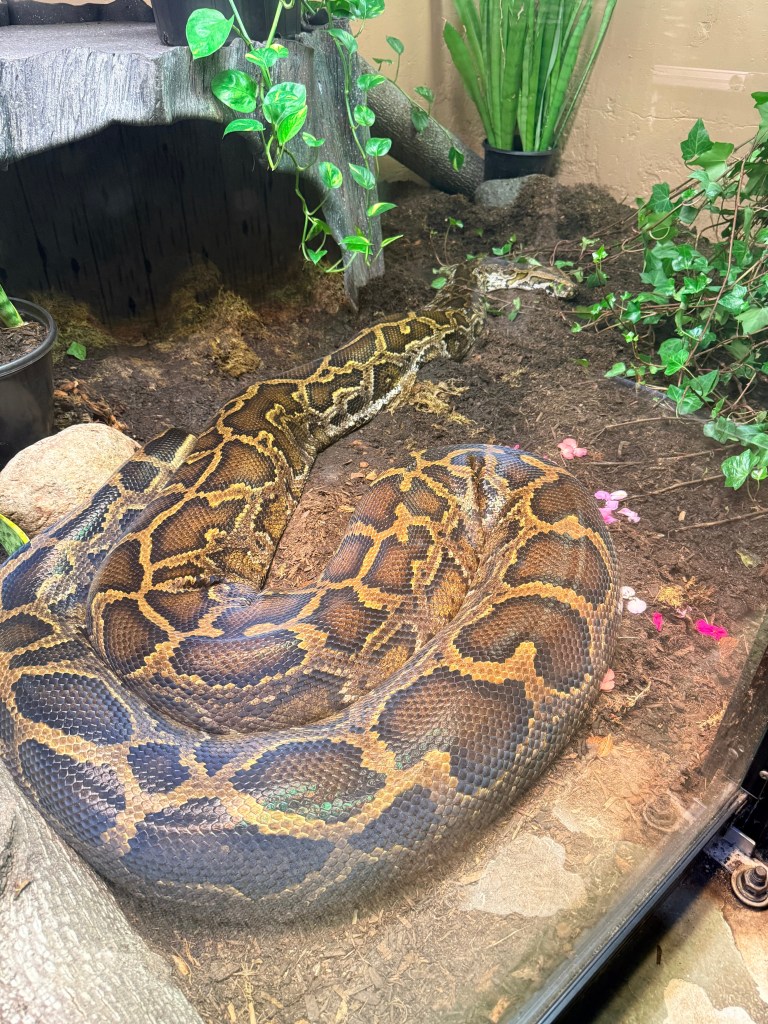
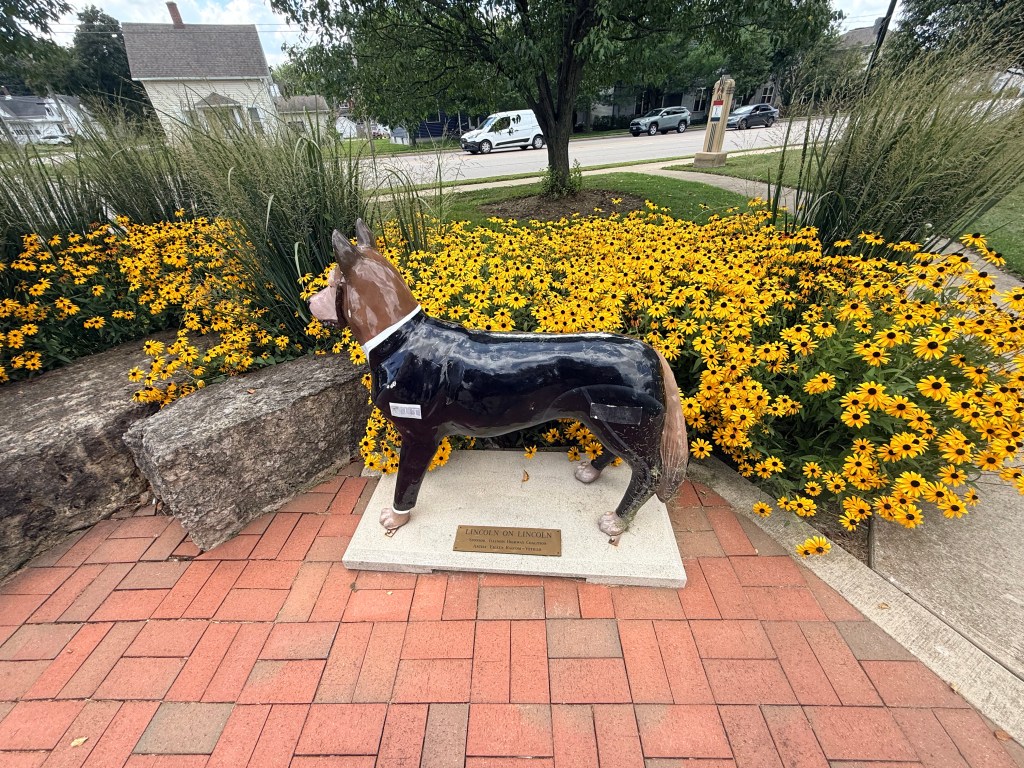
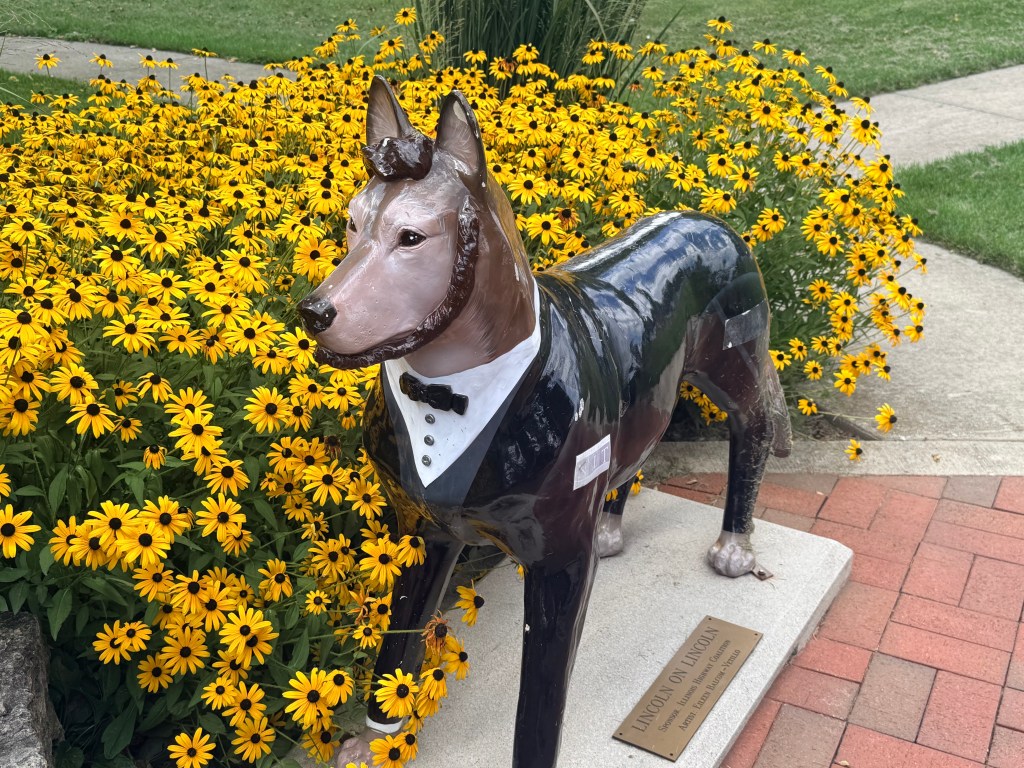
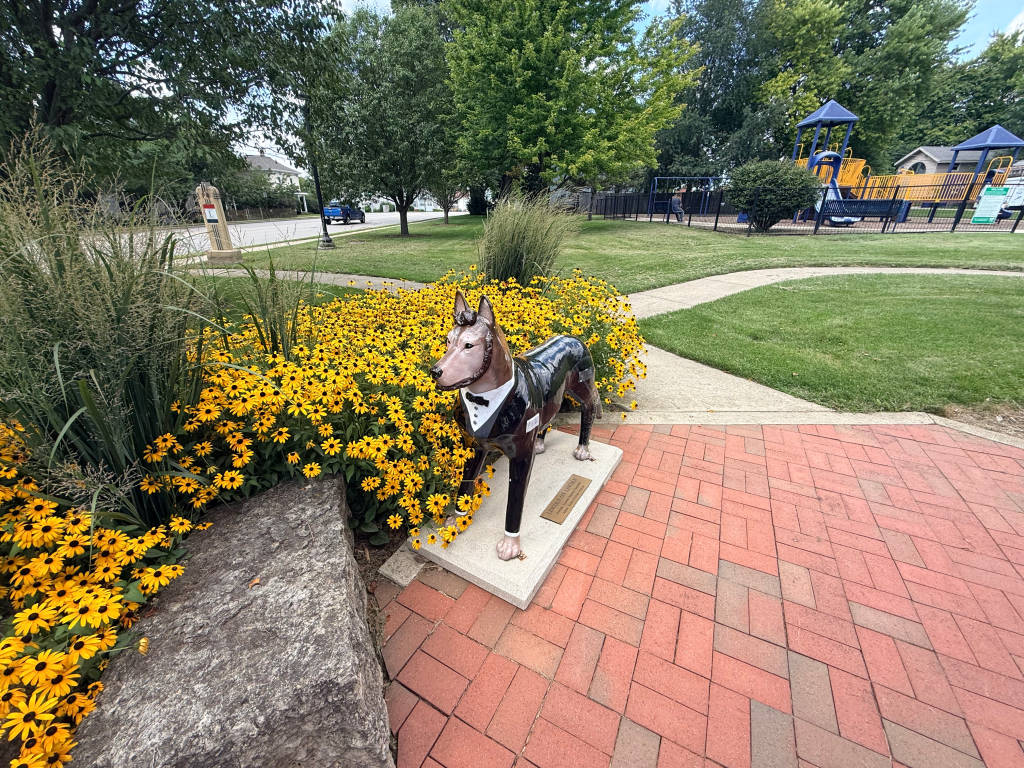
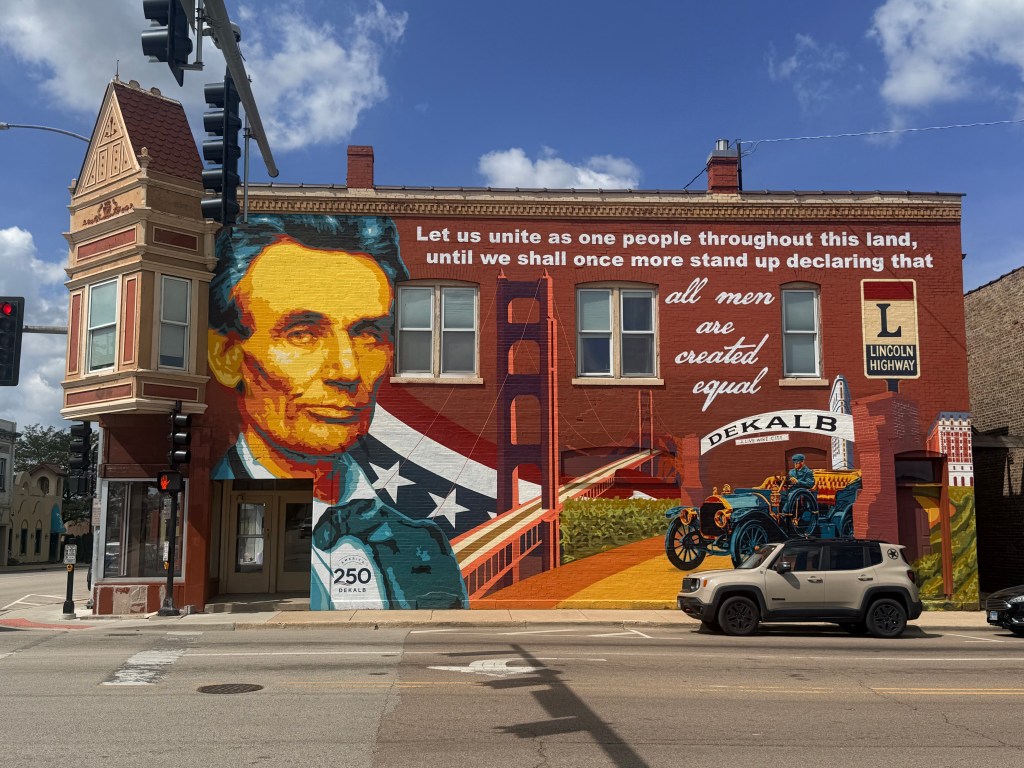
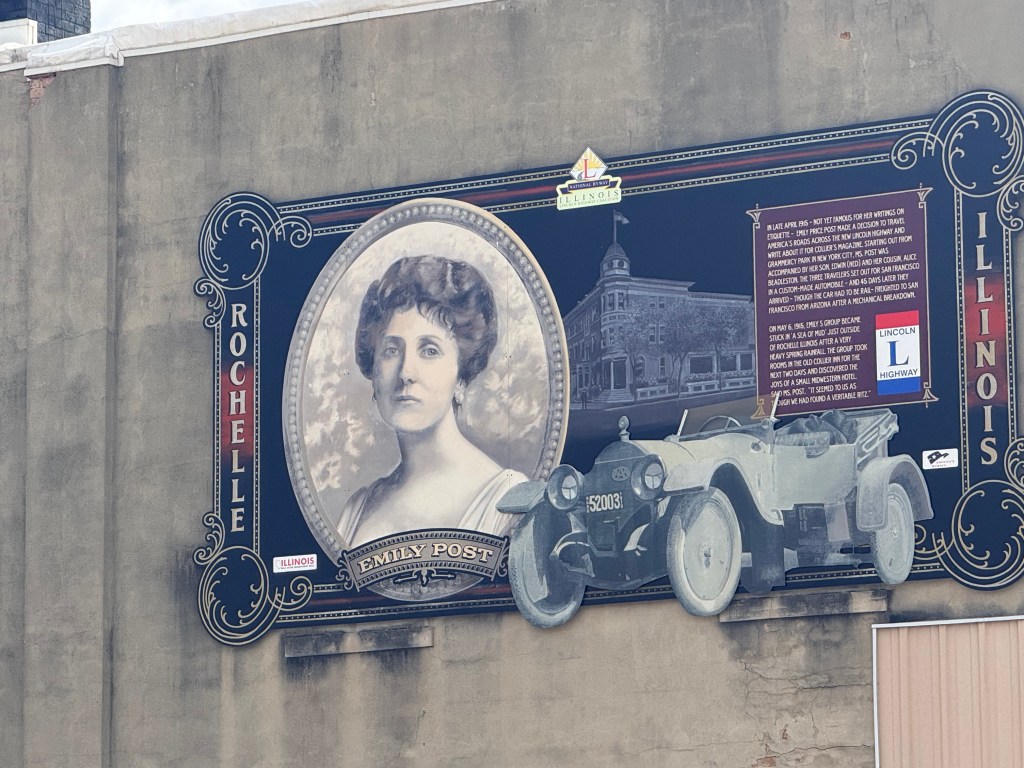
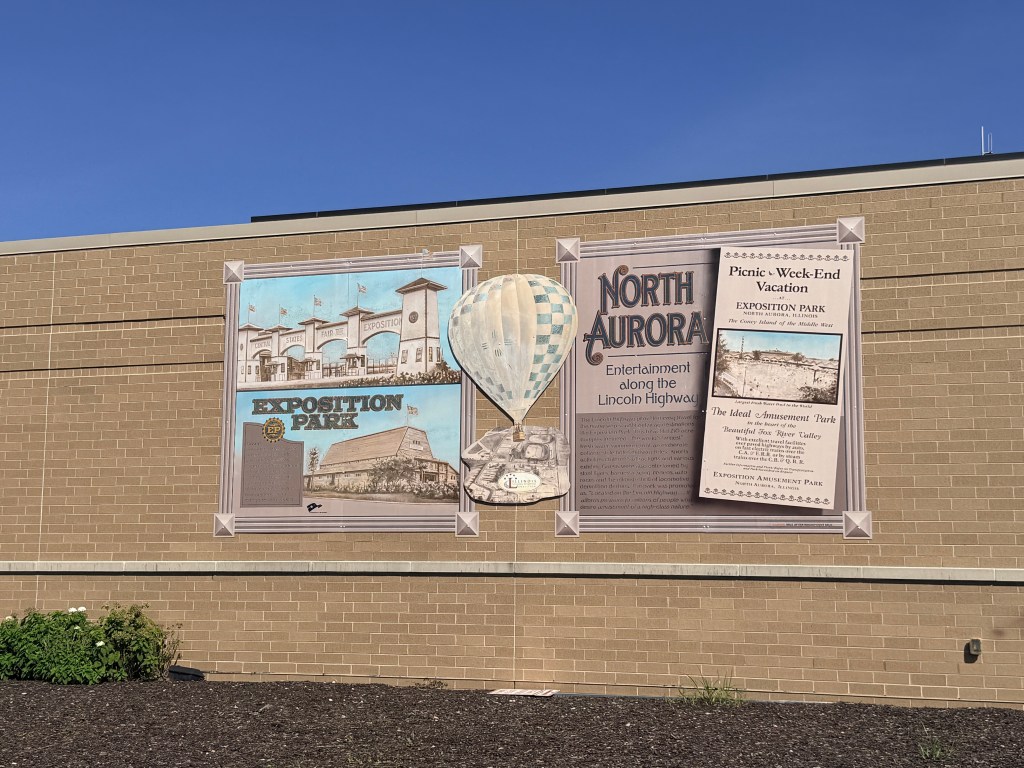
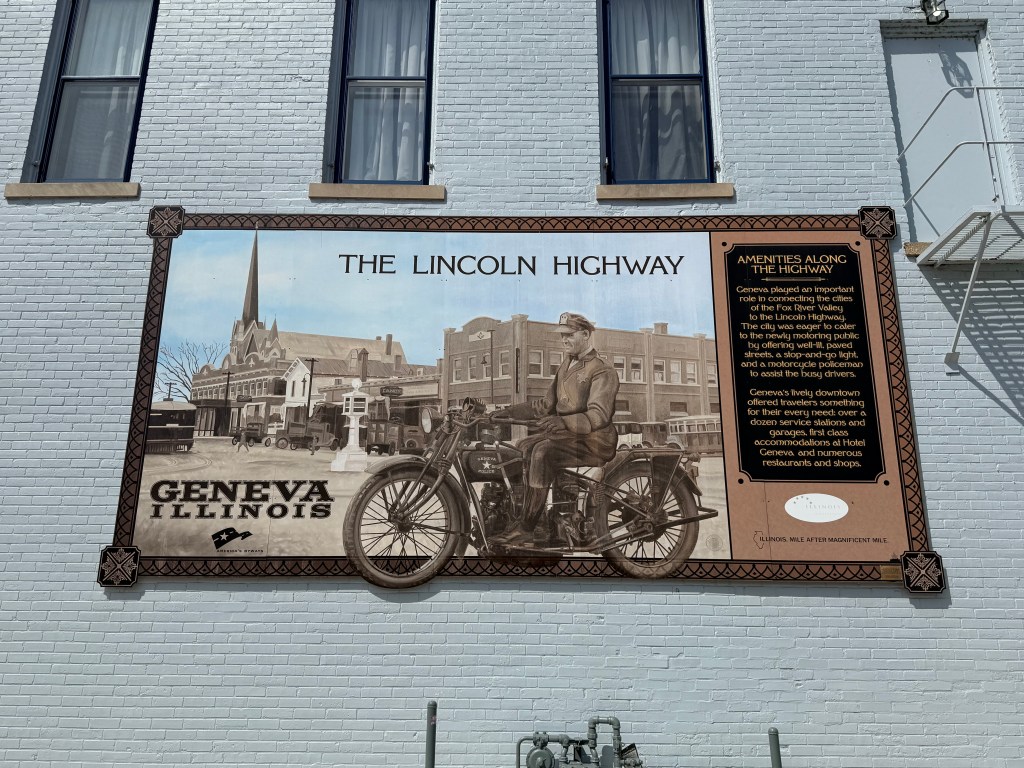
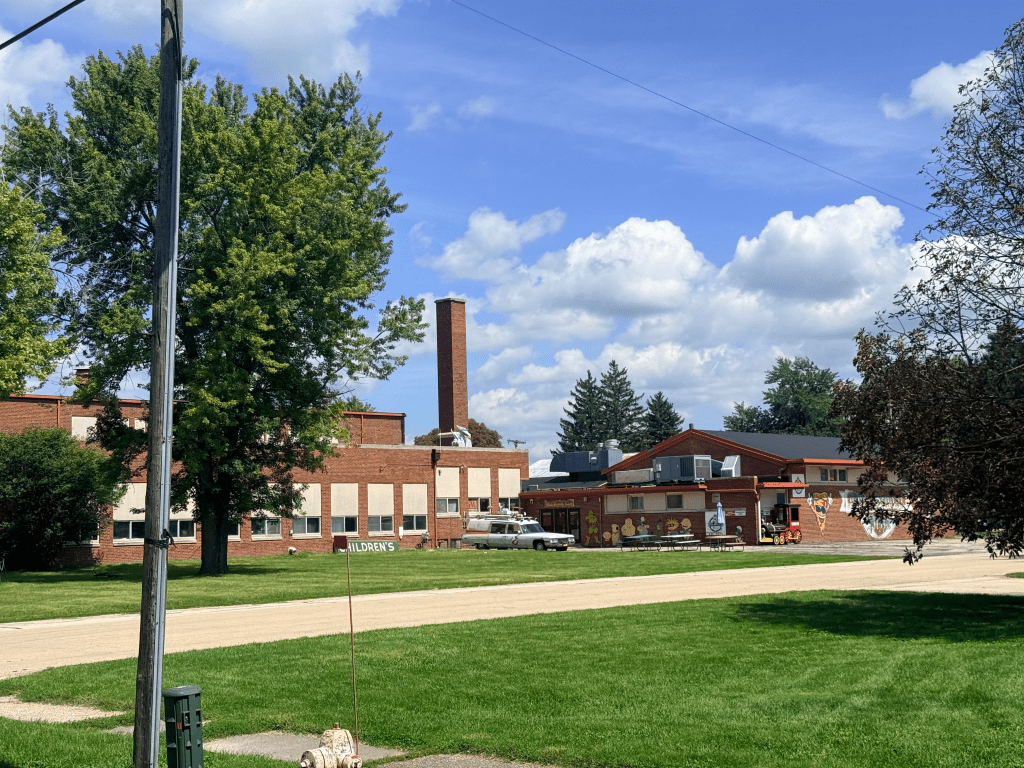
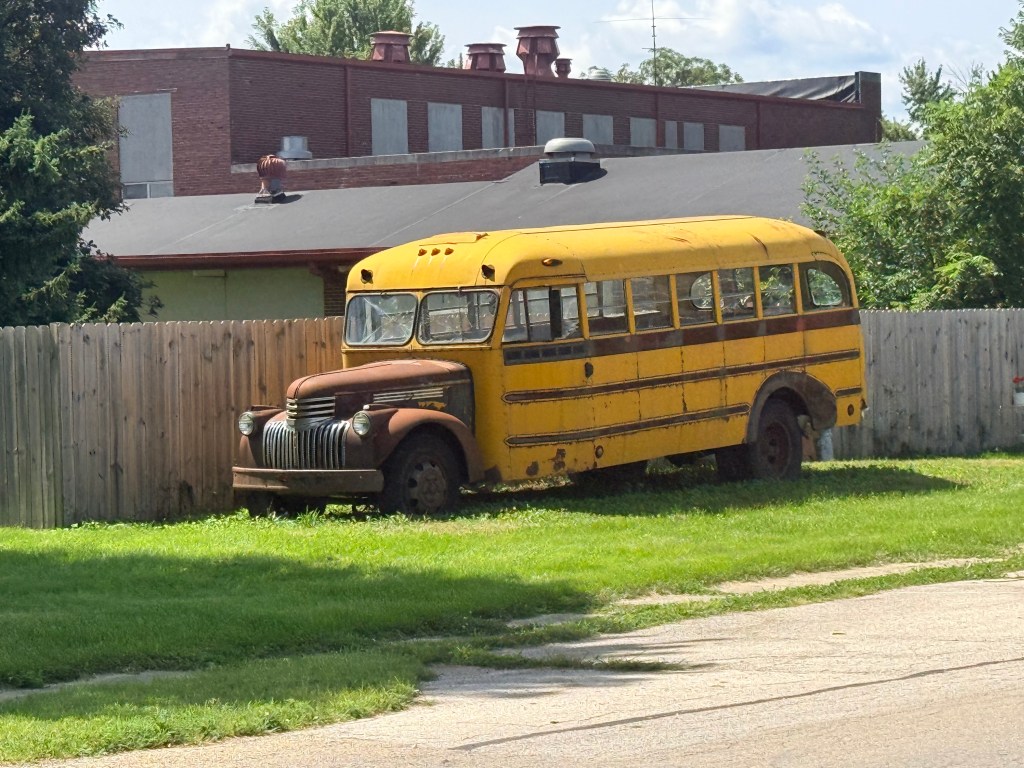
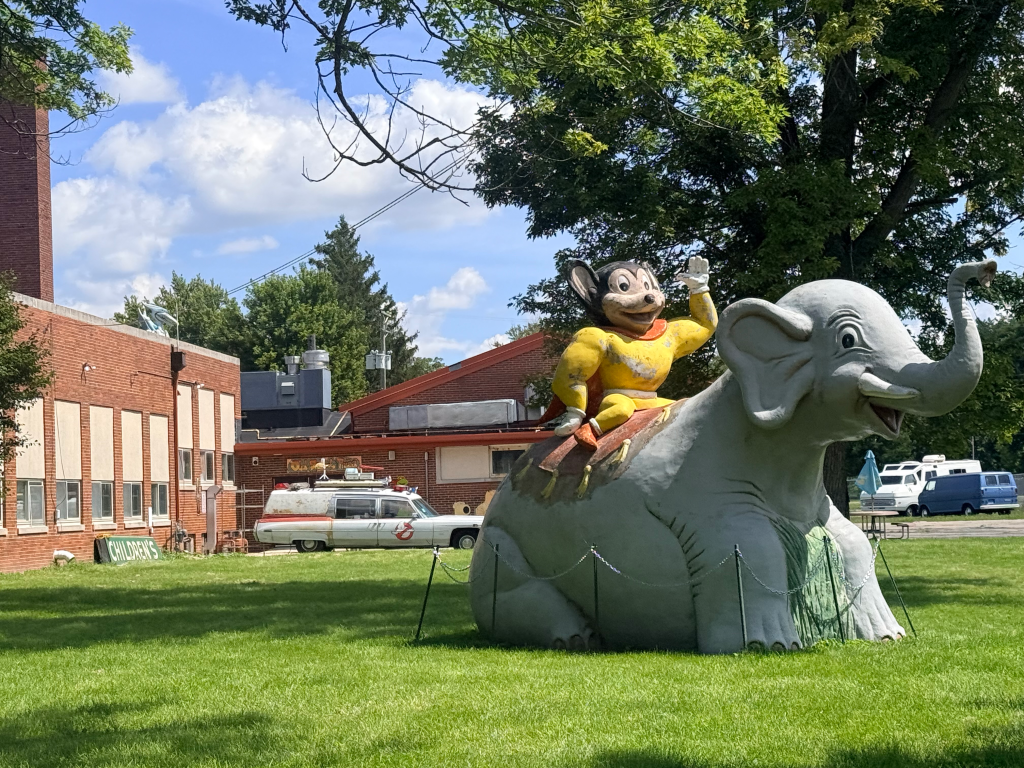
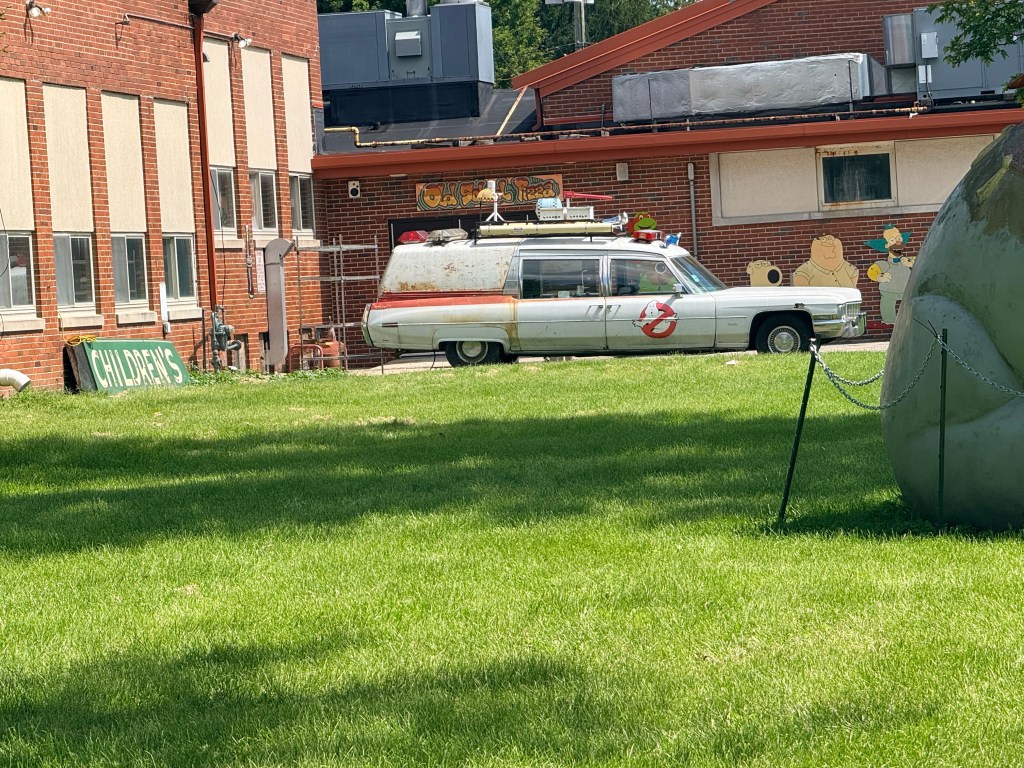
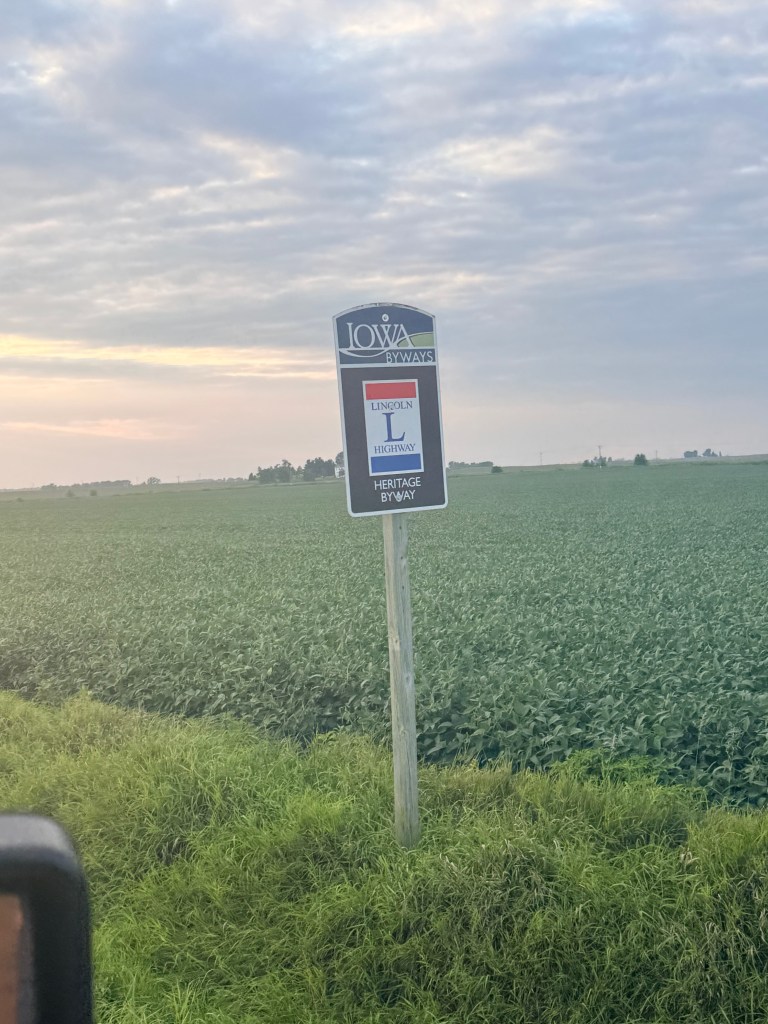
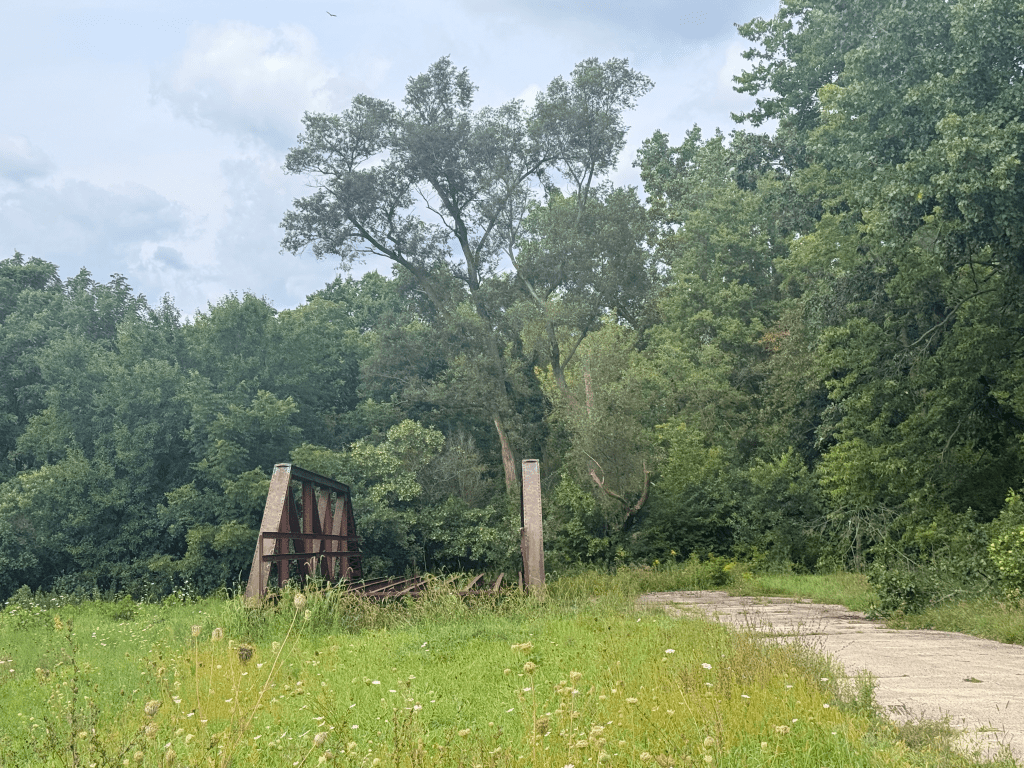
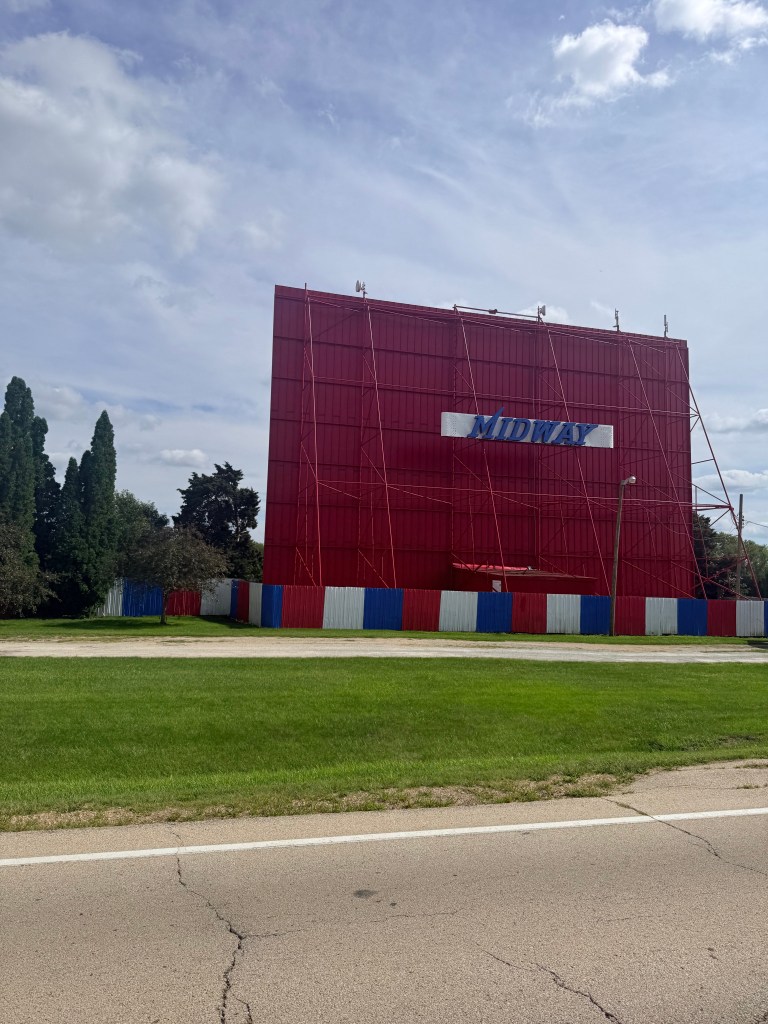
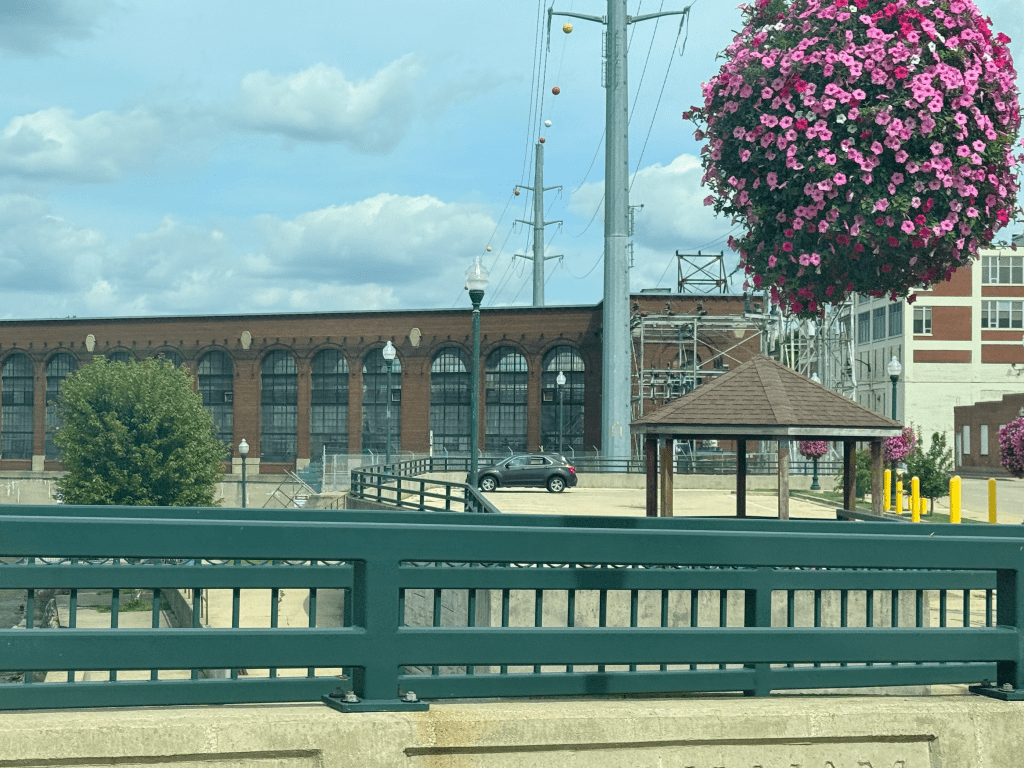
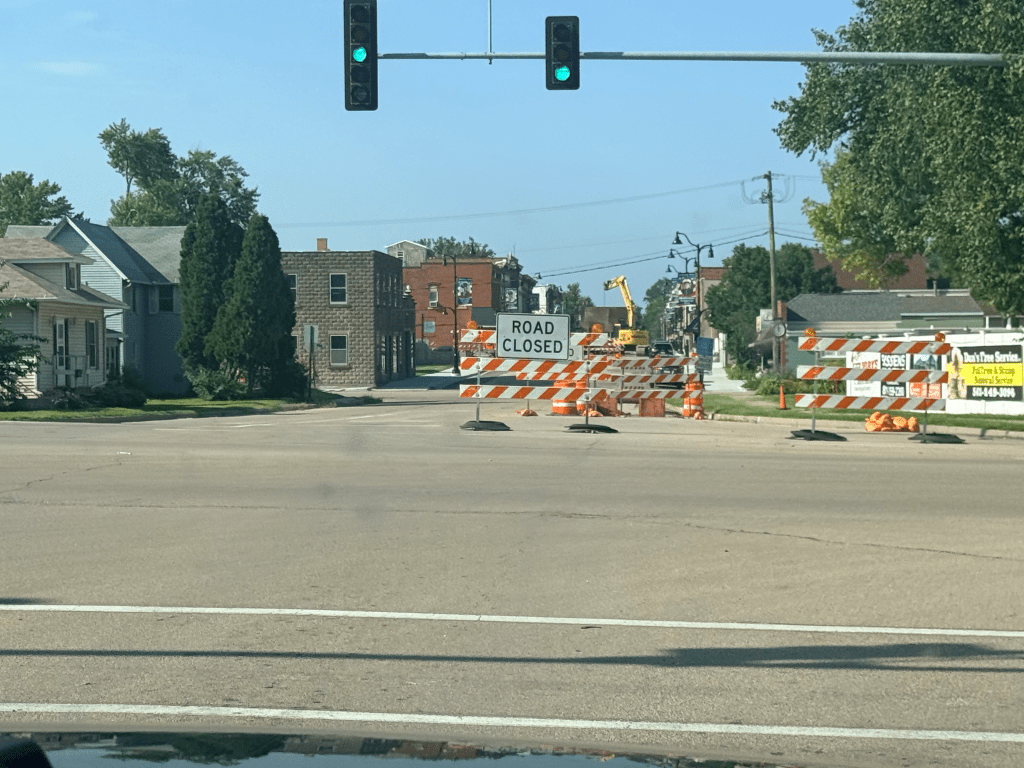
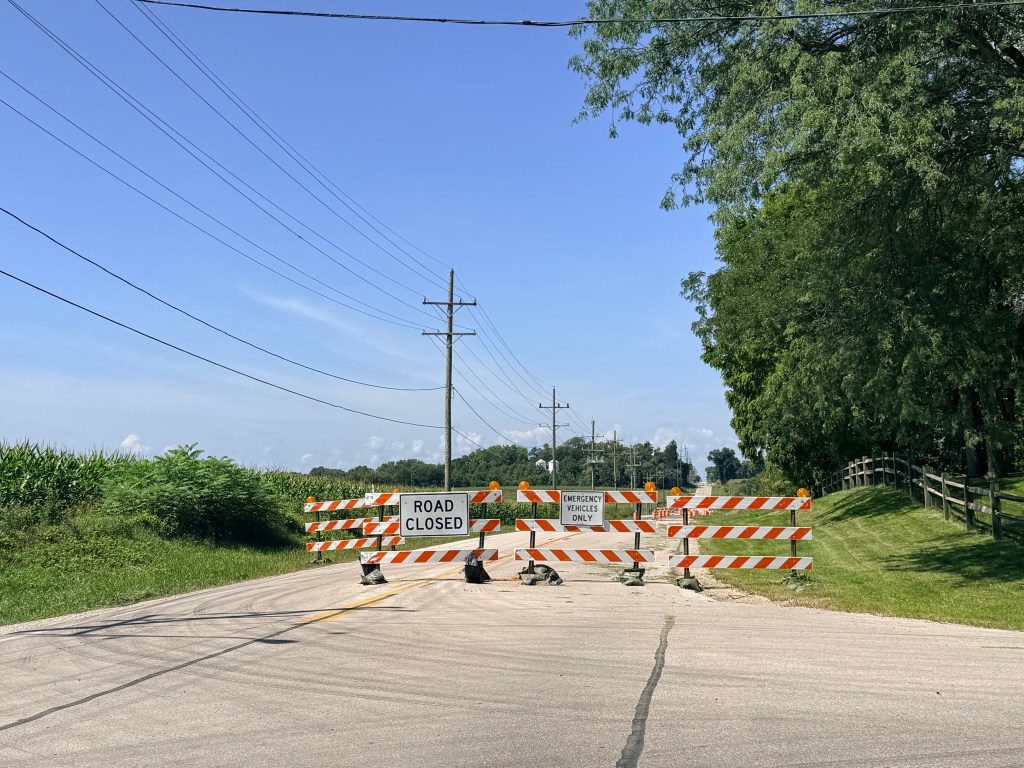
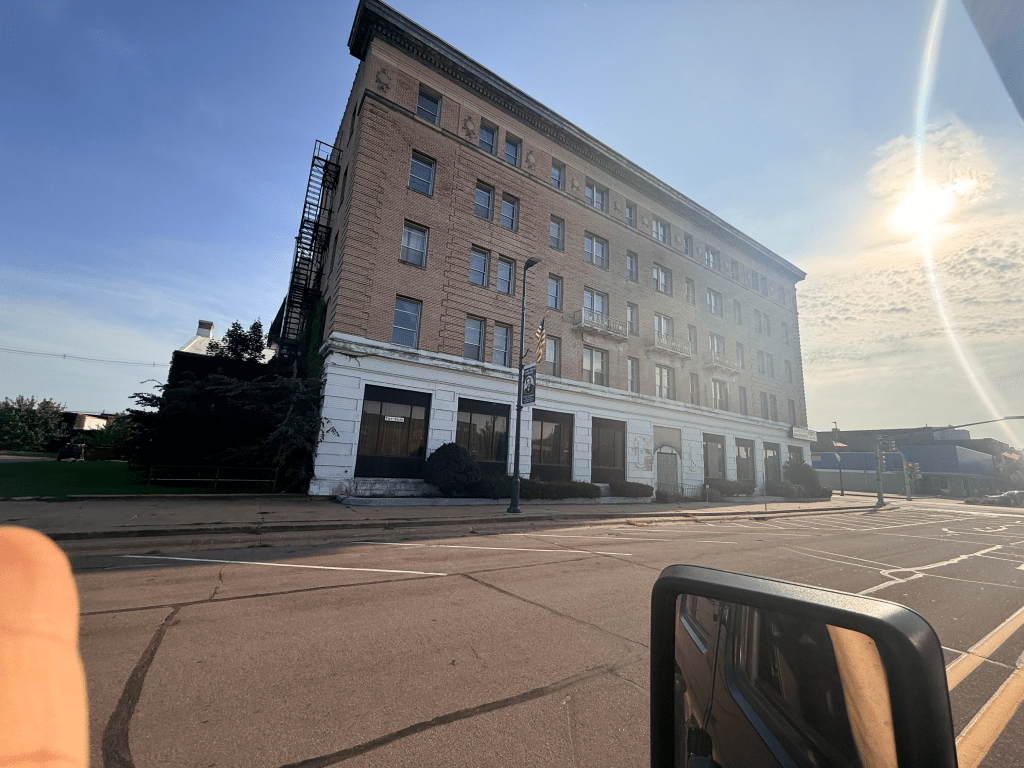
And of course, random picutures
Unreliable Summary: Wright, Windmills, and Truckstop
Category:
One response to “DAY SIX – JOLIET, IL TO LOWDEN, IA”
-
Another great day! Those trolls! That beautiful gift shop! Frank Lloyd Wright houses! I could honestly comment on every single picture! Thank you for taking the time each night to share all of it with the rest of us! ❤️❤️❤️❤️

Leave a Reply