
Share this:
Last summer, Hunter’s dad suggested taking Hunter to The Wild Center in the Adirondacks for his birthday. It sounded amazing. They have beautiful glamping tents, outdoor experiences, and around the same time a friend mentioned that a new Thomas Dambo troll installation had opened there. I was immediately sold.
After looking at the timing and cost, though, we decided not to go. The trip would have been the weekend before we left on our big Lincoln Highway adventure and spending that kind of money right before a major road trip just didn’t make sense. There was also the small matter of having a million things to do before leaving on Thursday morning.
A few weeks ago, that same friend asked if we wanted to go see the trolls before they left. I thought she was mistaken because I knew the troll installation was supposed to be permanent. That’s when I discovered there were actually six trolls. One was permanent, but five were traveling trolls that were part of the Trolls: Save the Humans exhibit, which was scheduled to leave on October 31. Suddenly, the trip was back on.
The original plan was to go with my friend and her son, but when her son decided he wasn’t interested, Hunter and I headed into the Adirondacks on our own to see the five traveling trolls and New York State’s first permanent Thomas Dambo troll.
Since the center is about five or six hours from home, we drove to Windham on Friday night and stayed over.
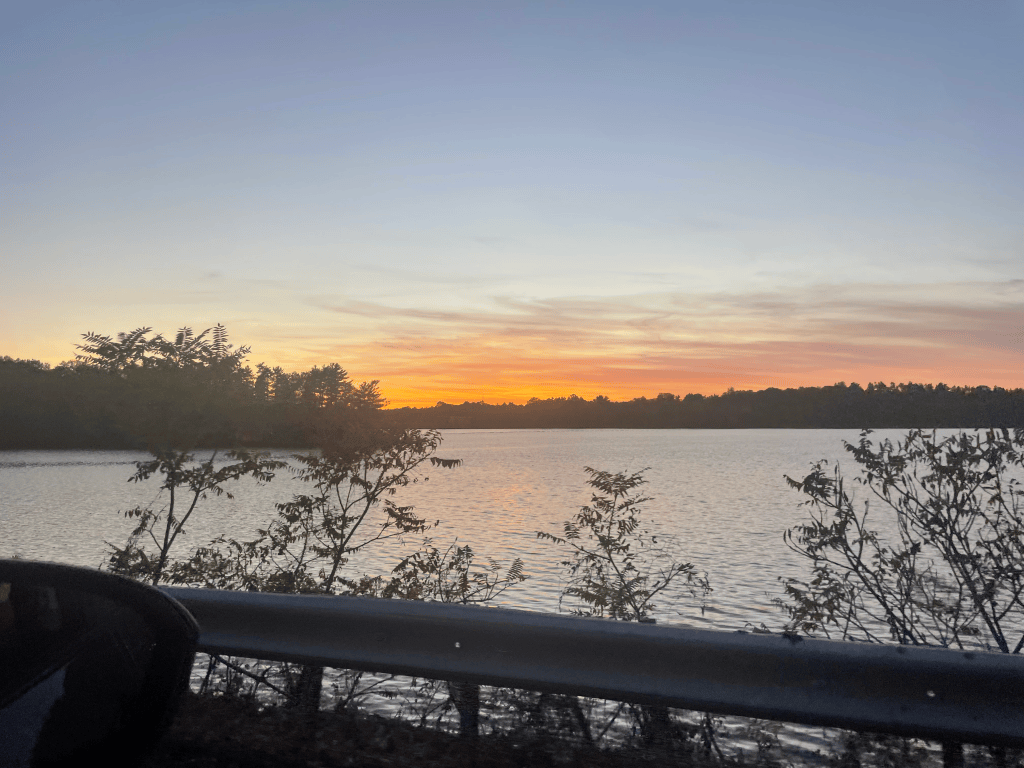
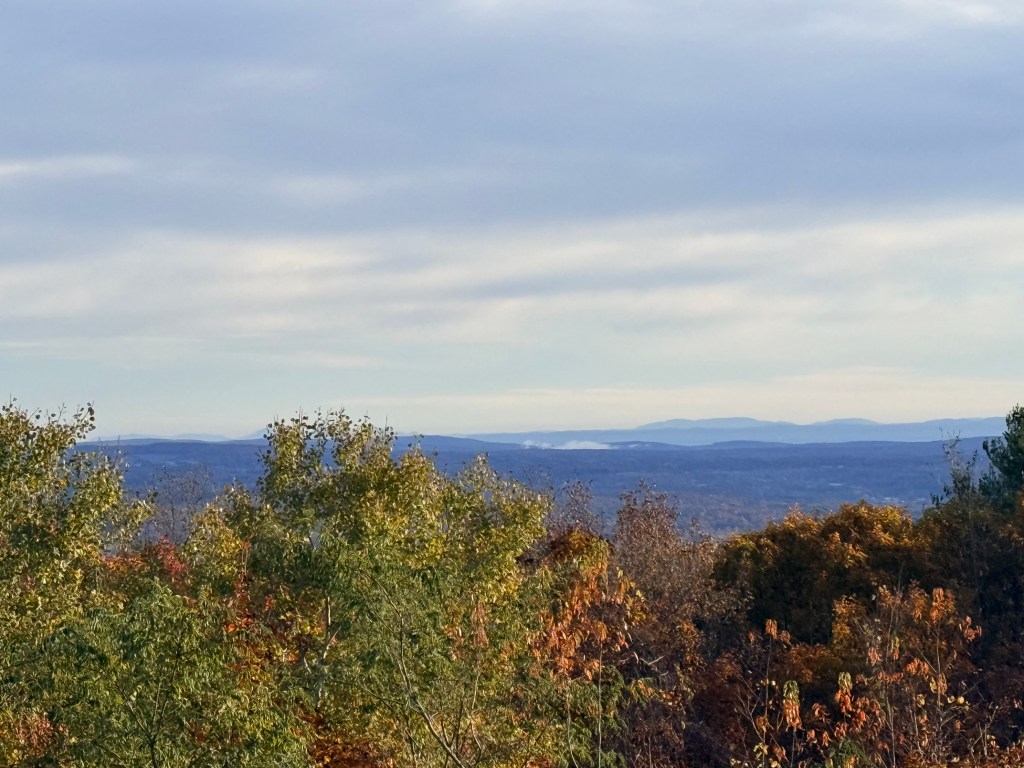
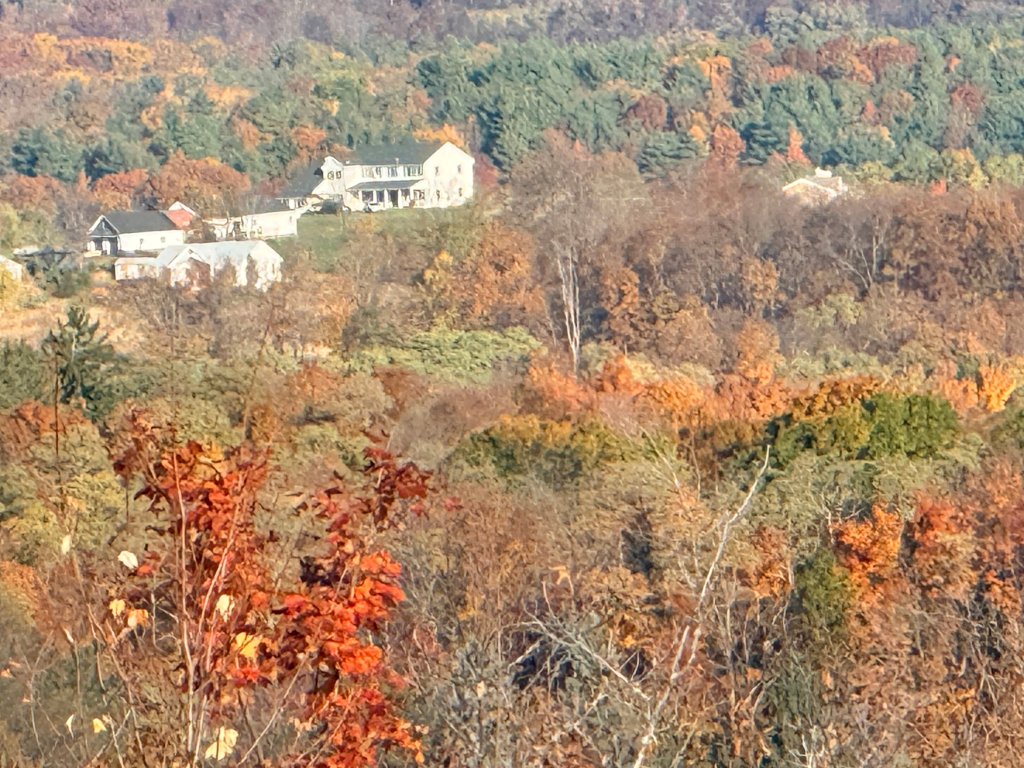
Saturday morning we continued north, stopping at a scenic overlook where we and spotted a few deer grazing along our way.

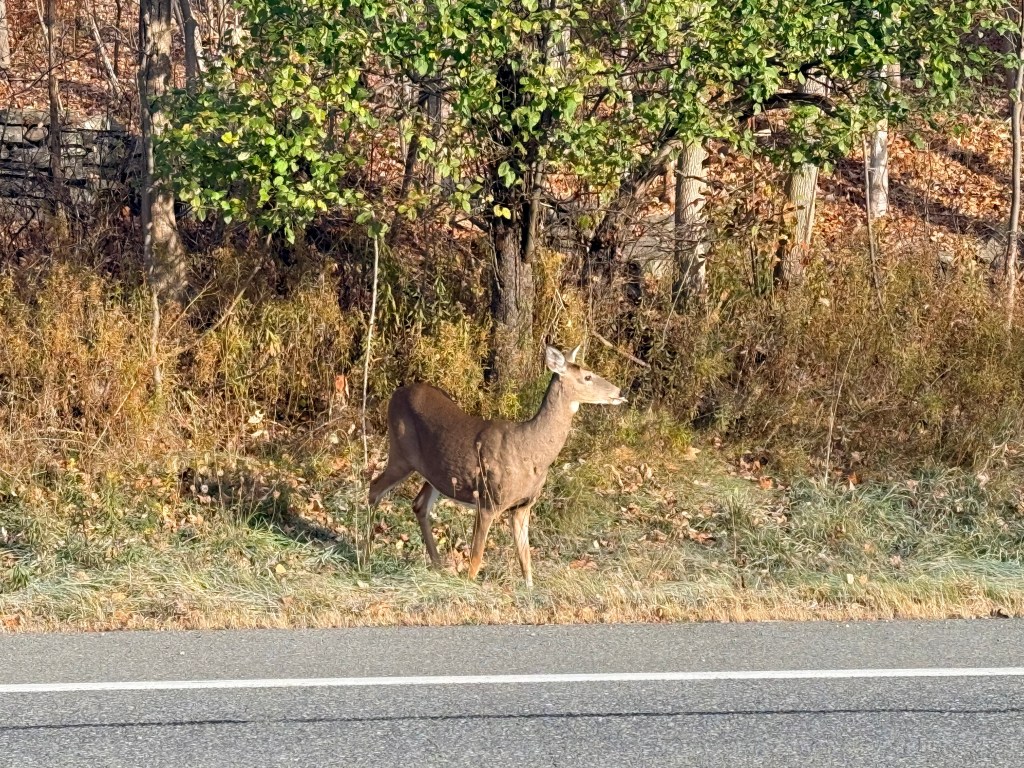
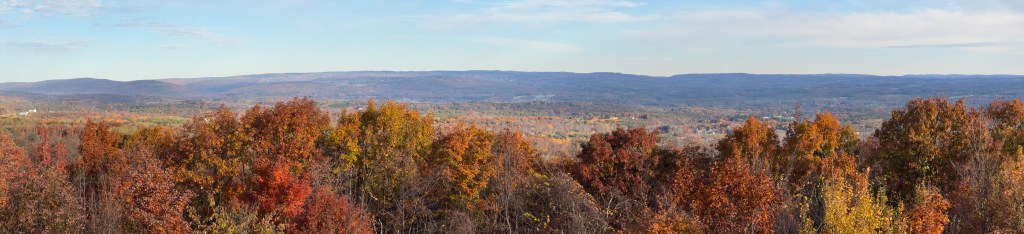

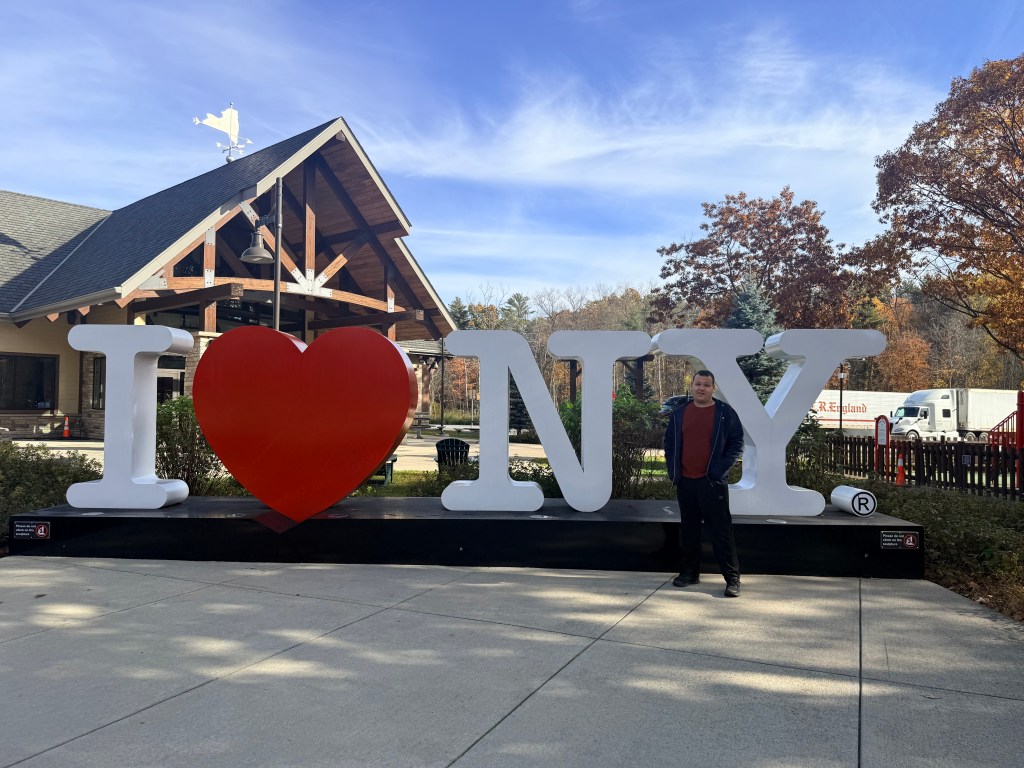
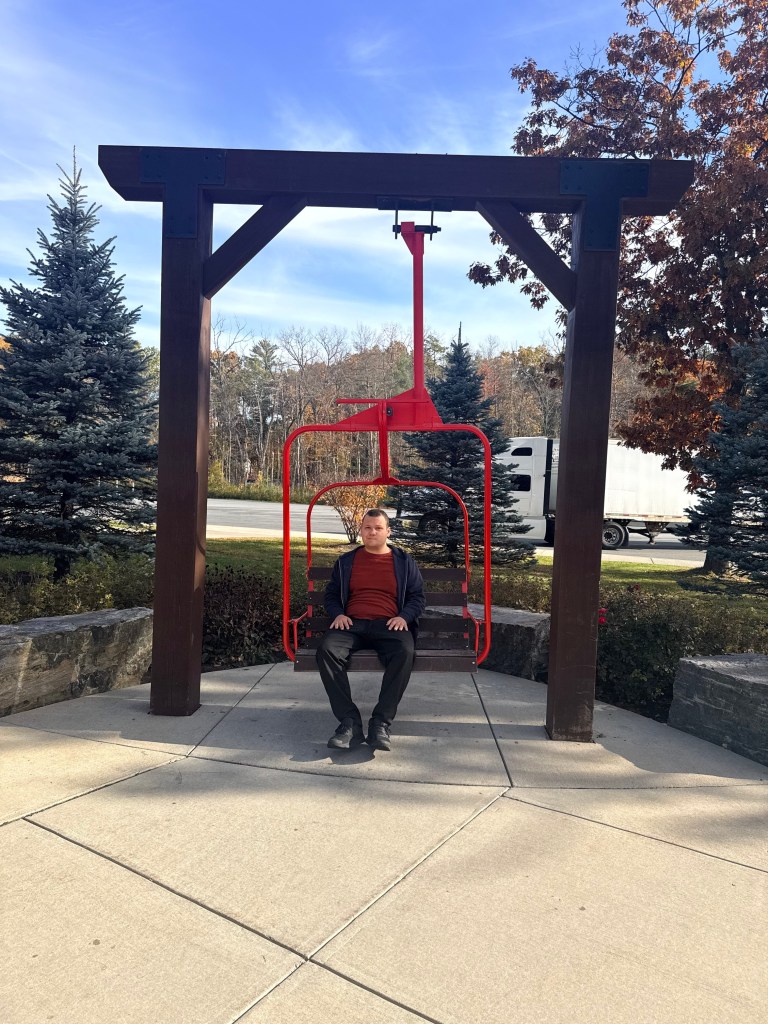
We also stopped at the Adirondacks Welcome Center along the Northway.

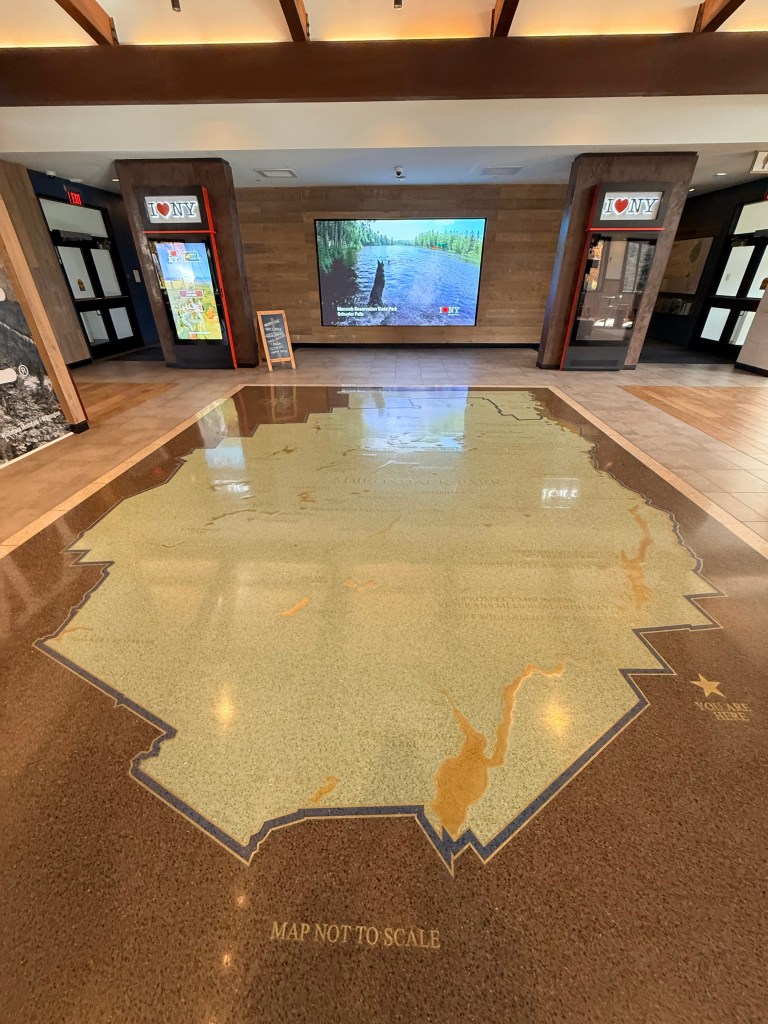
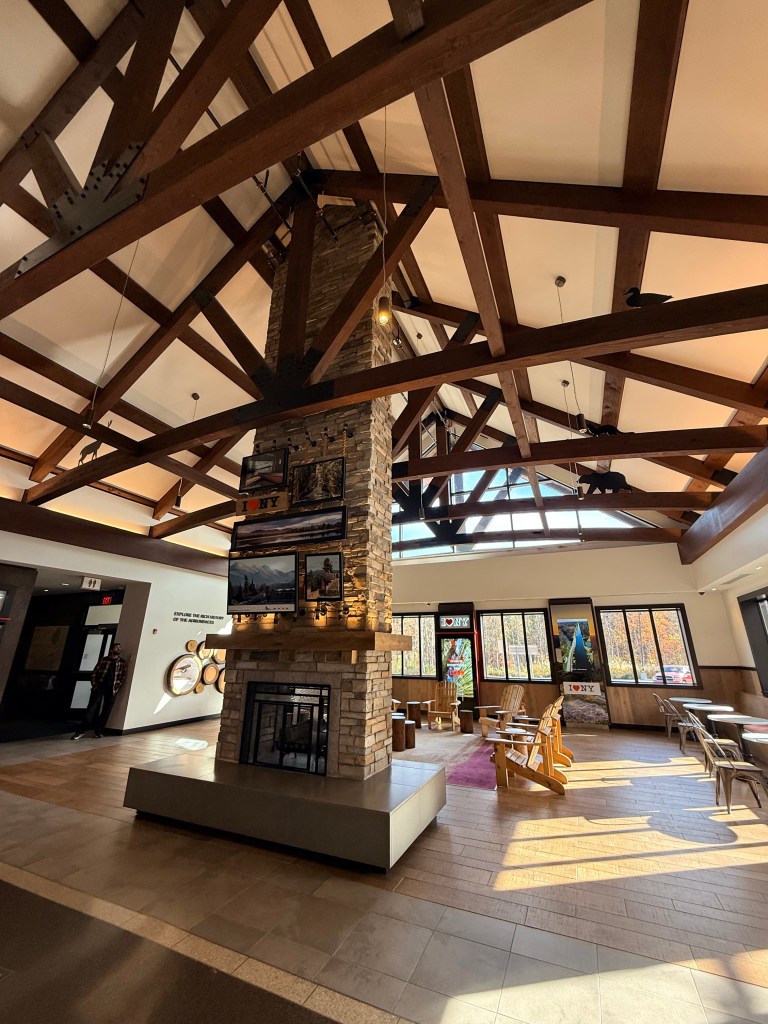
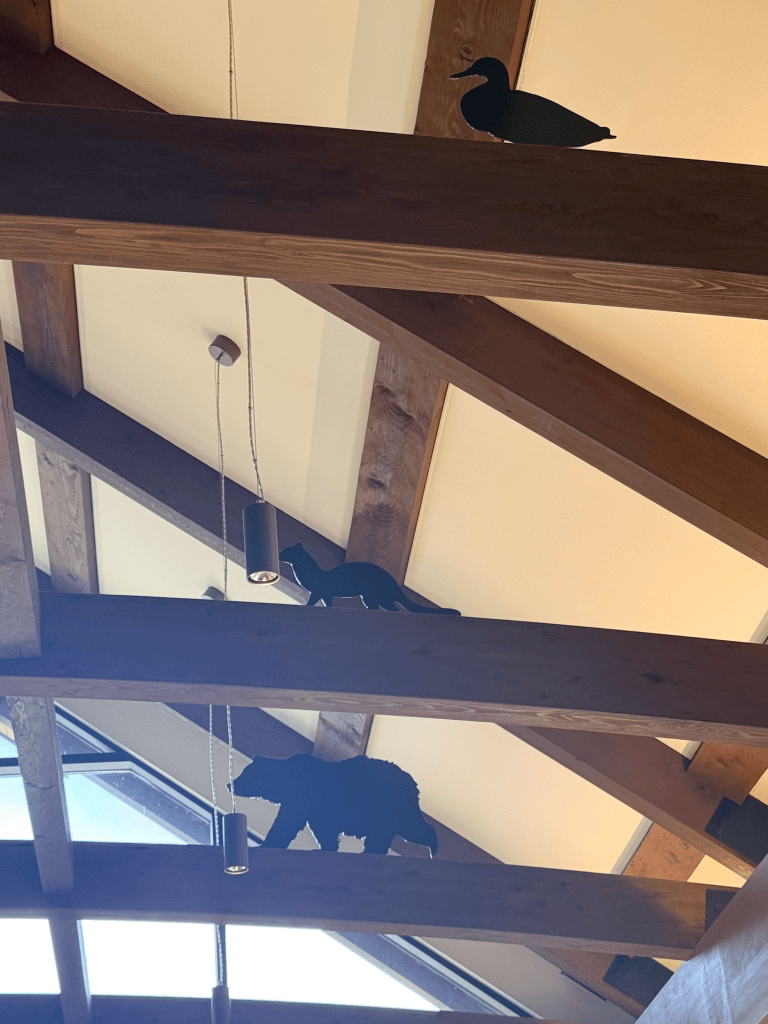
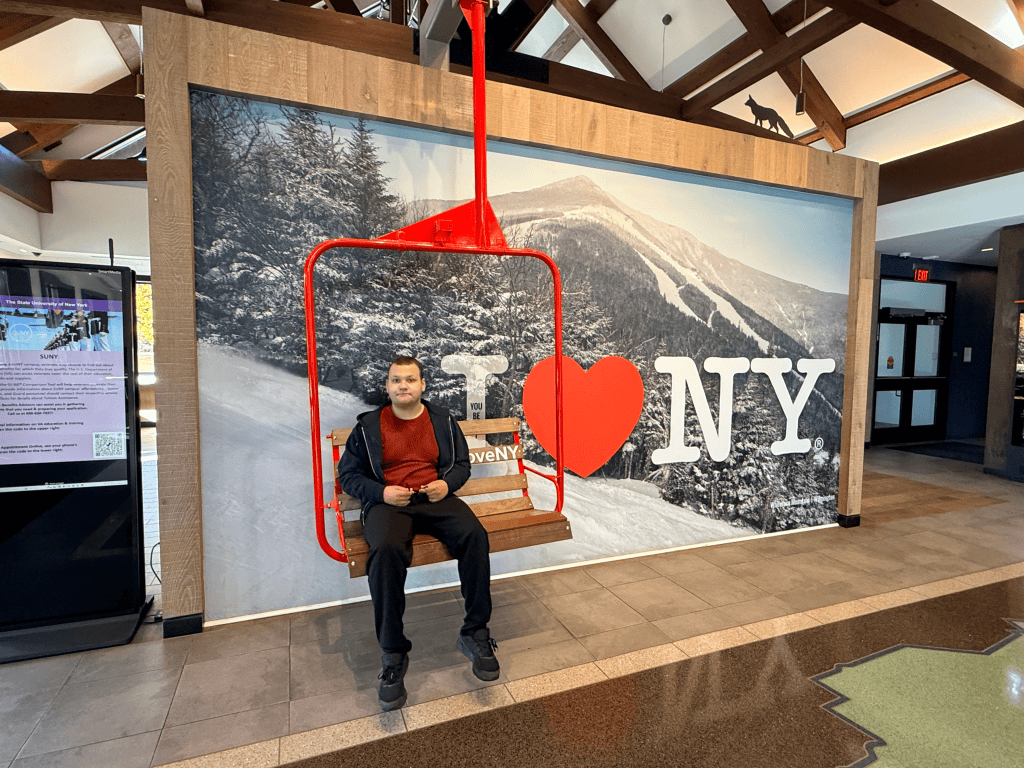
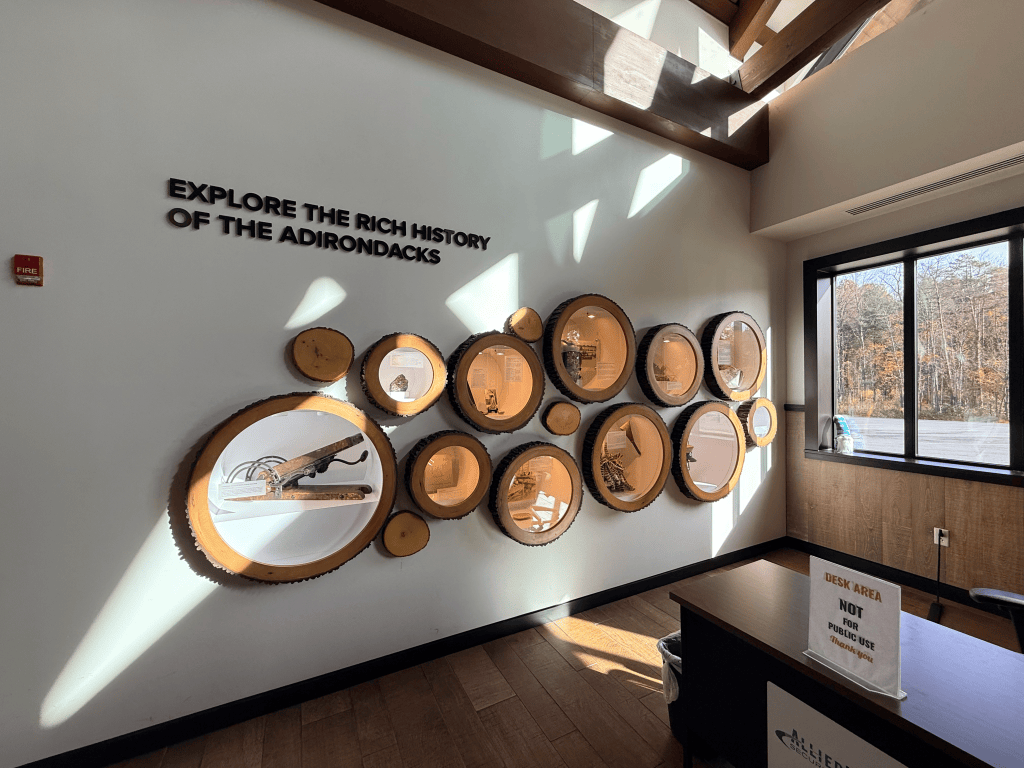
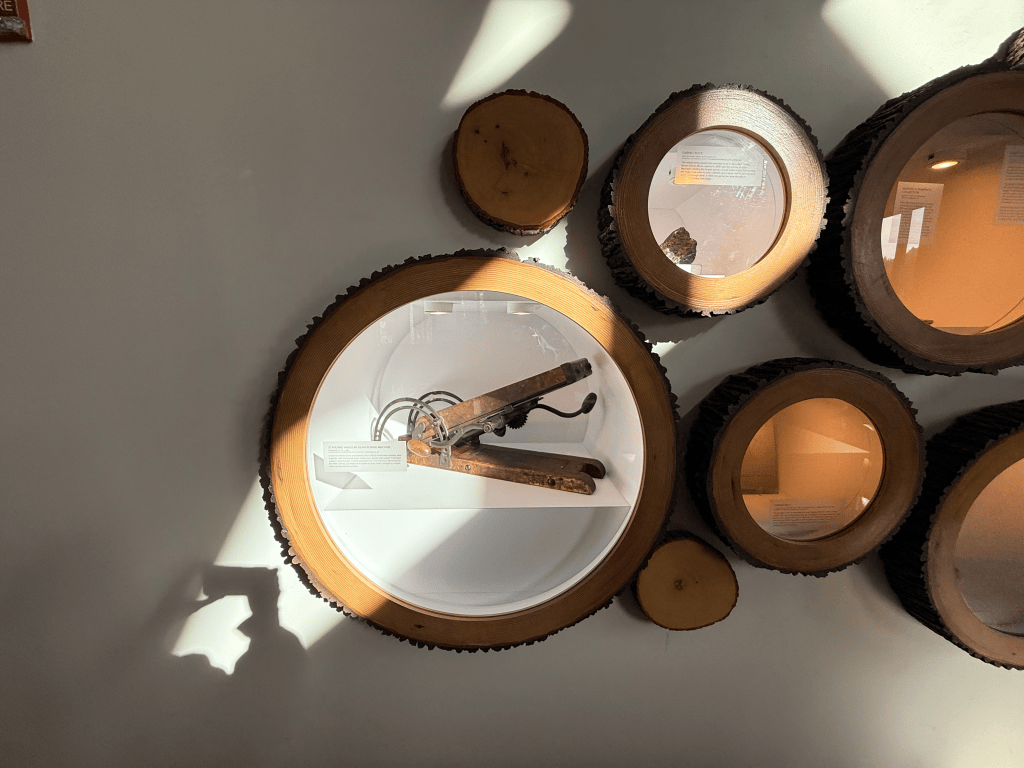
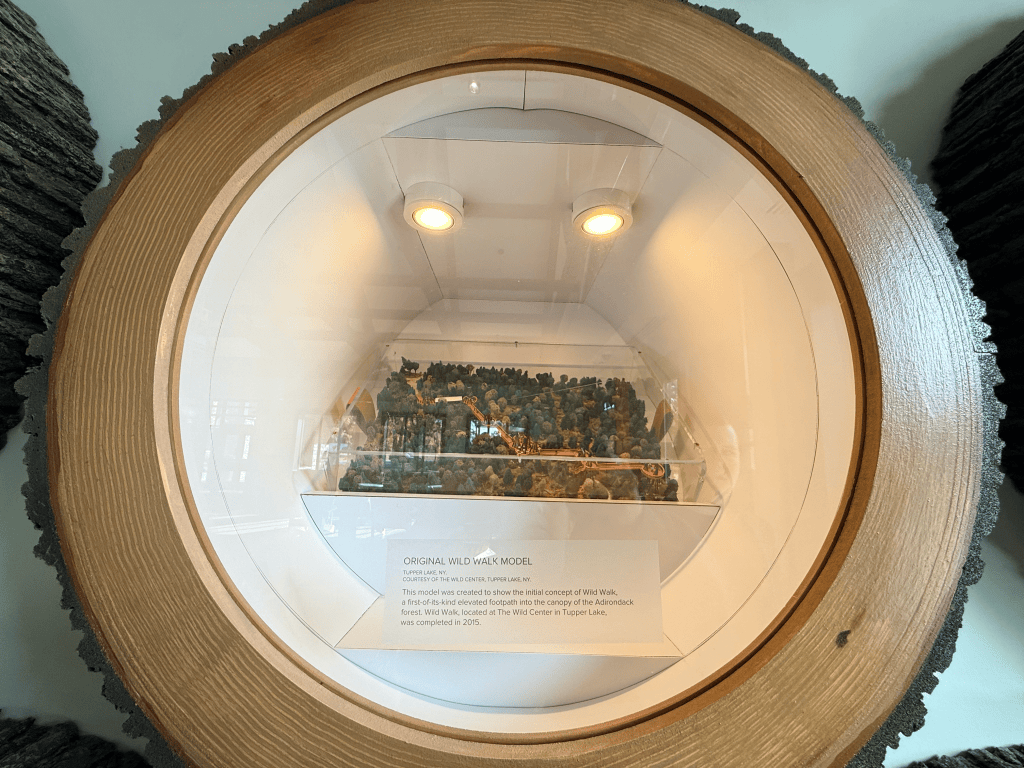
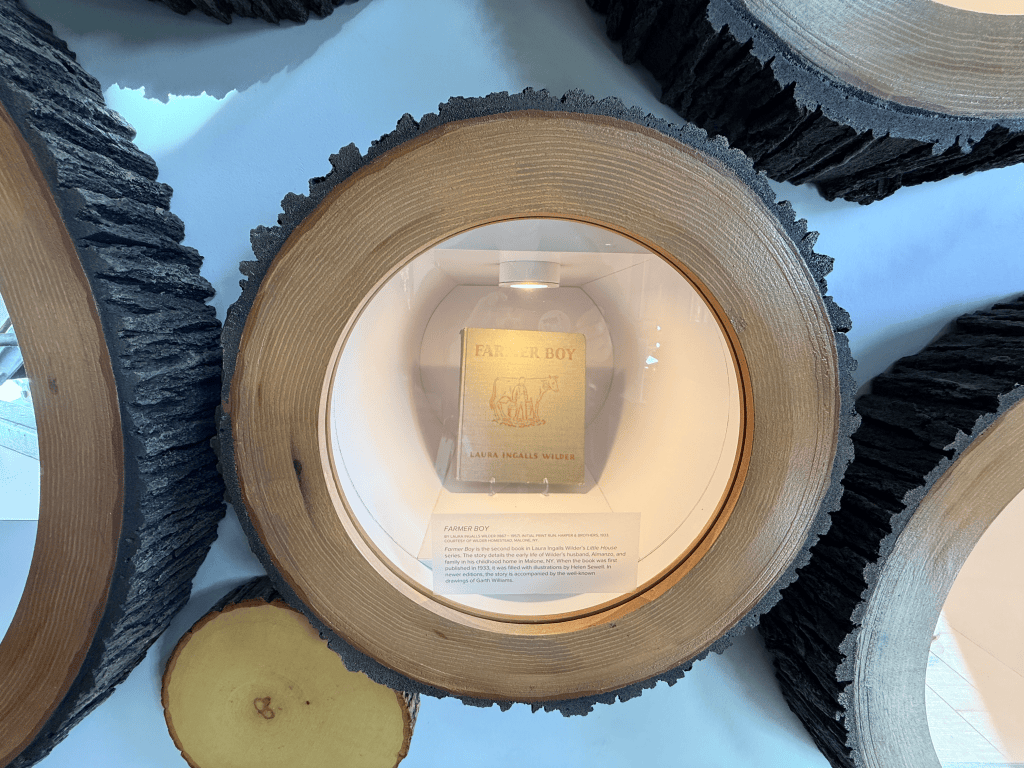
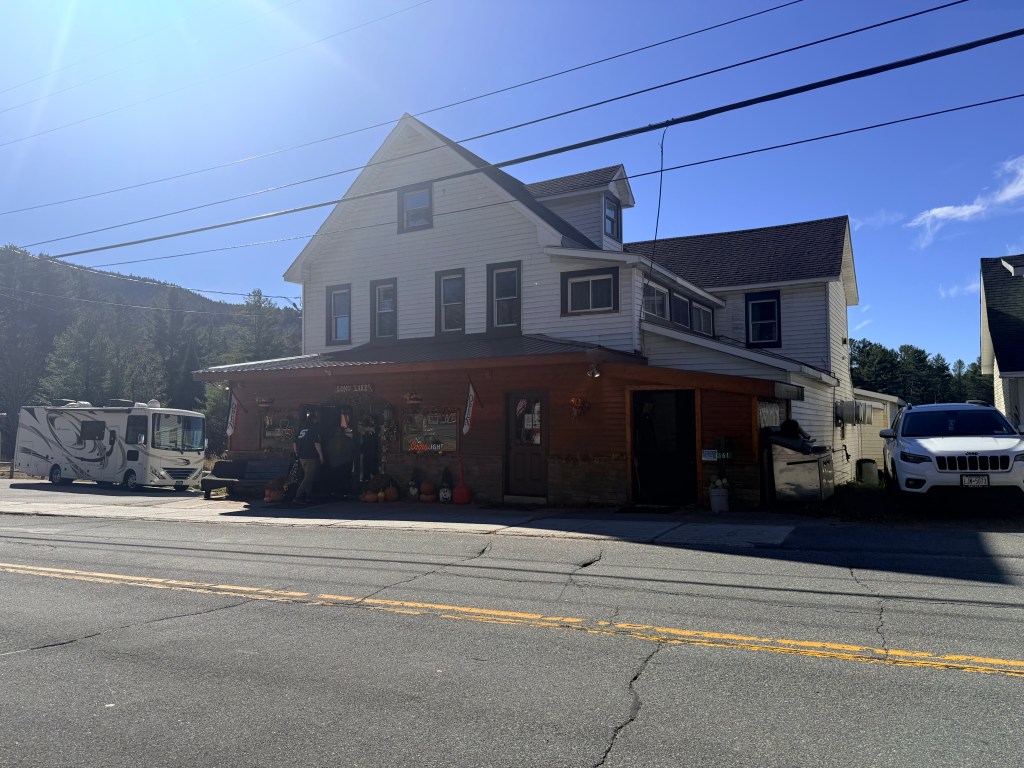
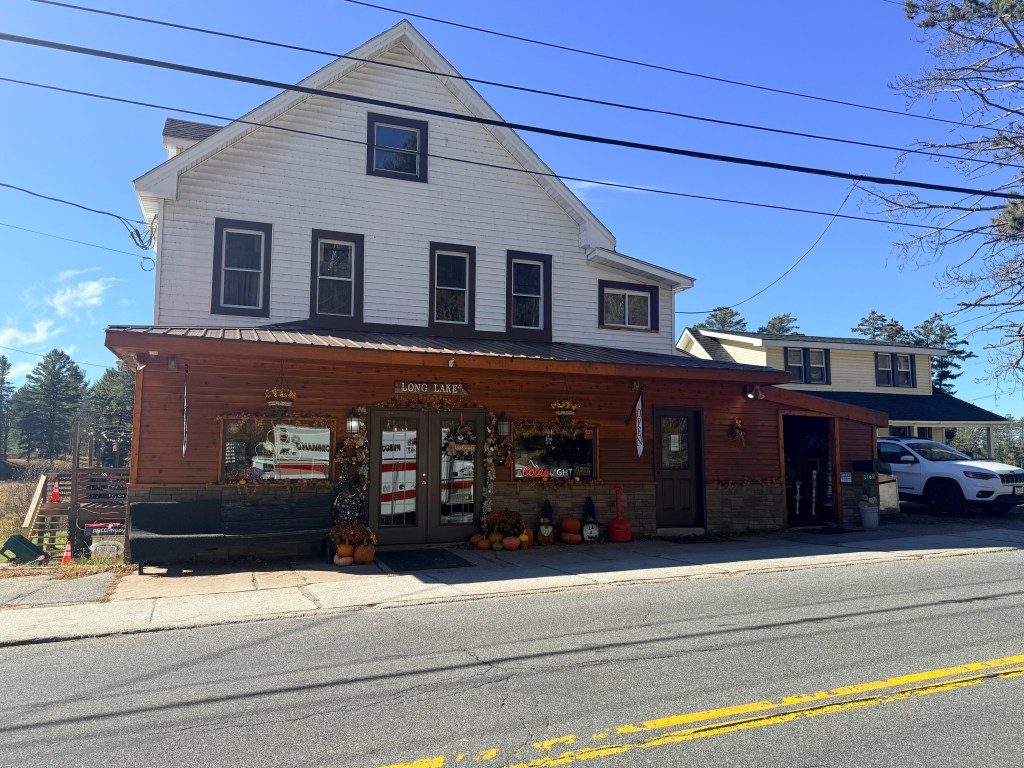
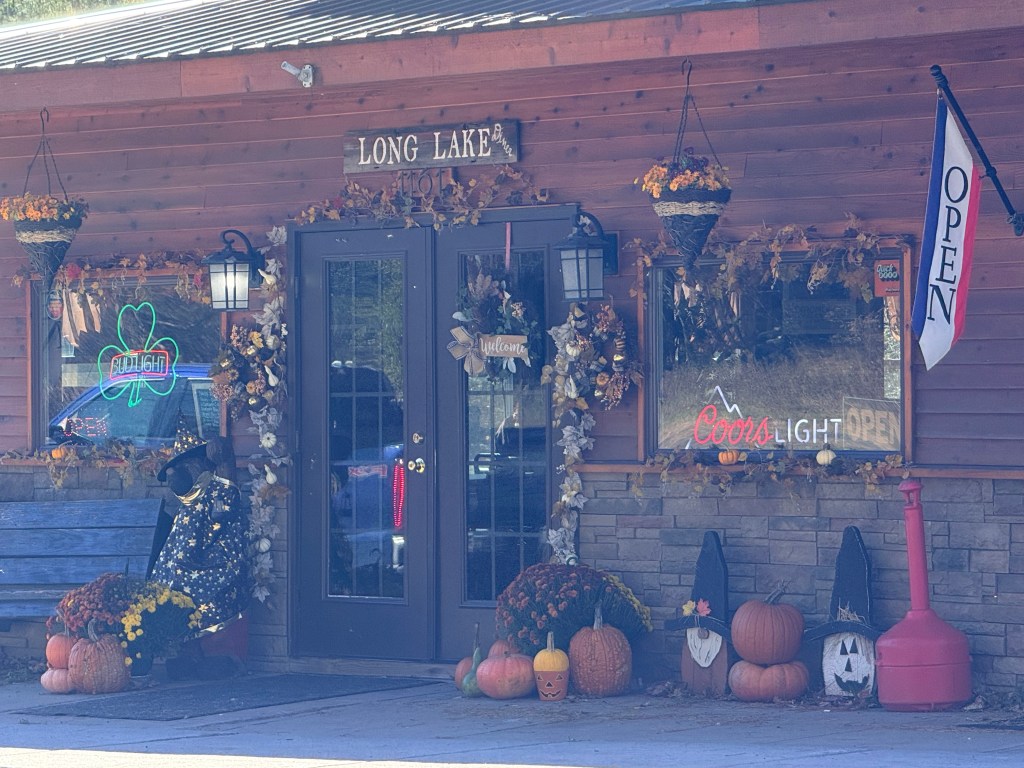
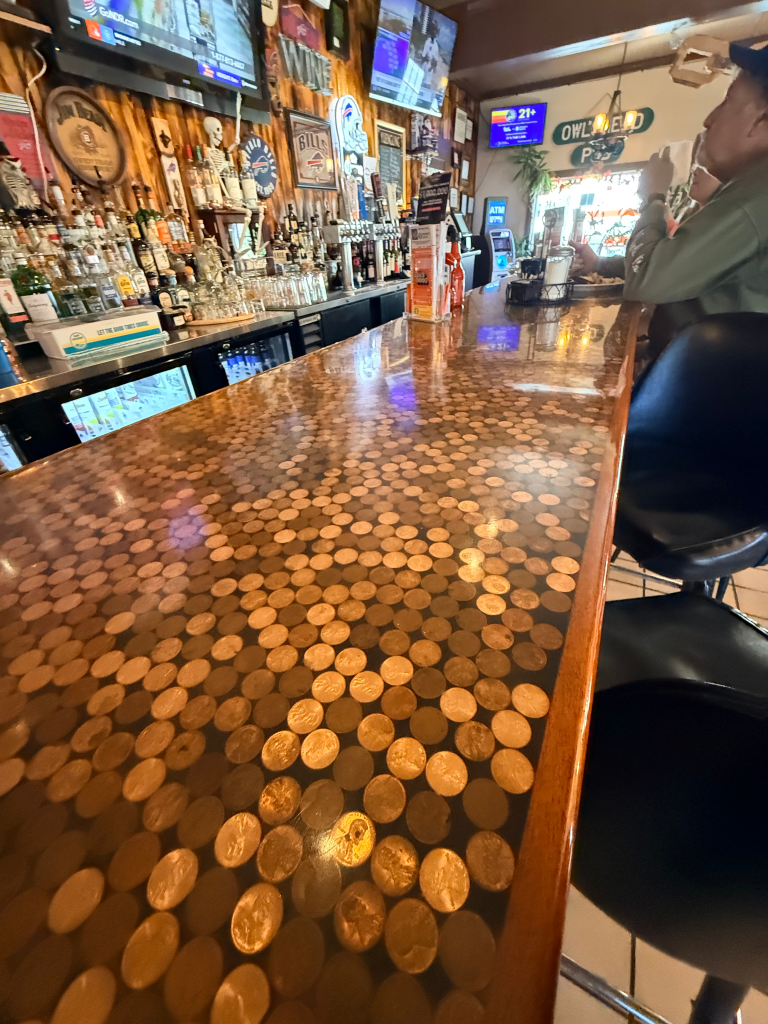
And grabbed lunch at Long Lake Diner before arriving in Tupper Lake for our 1:00 timed-entry reservation.
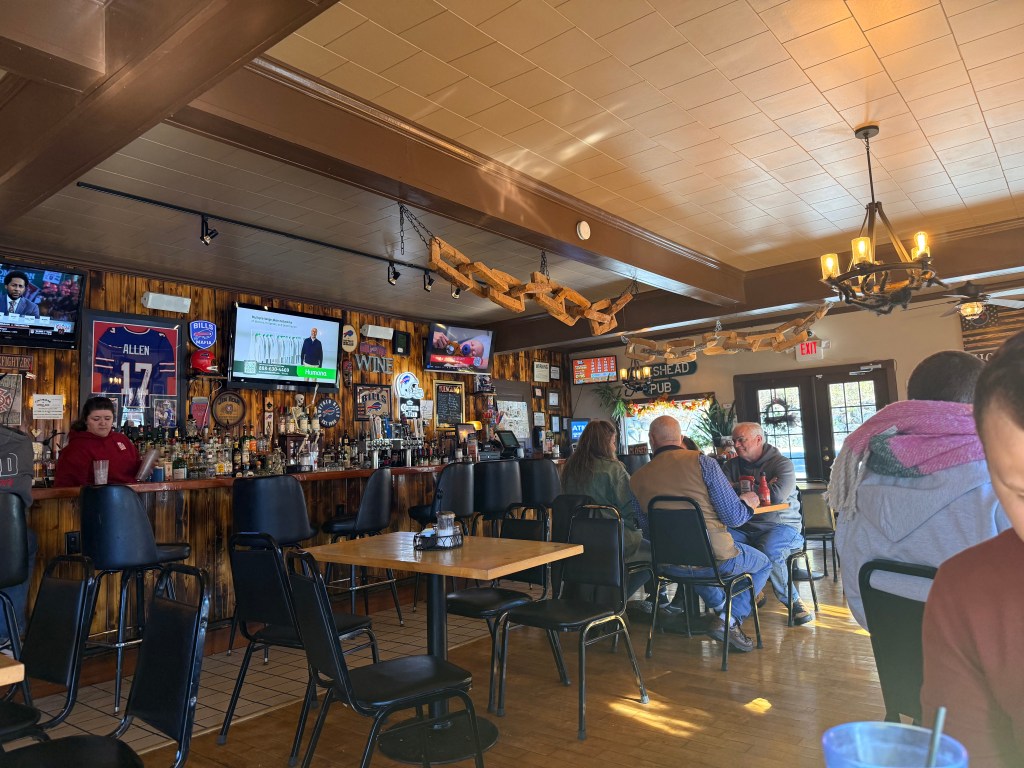

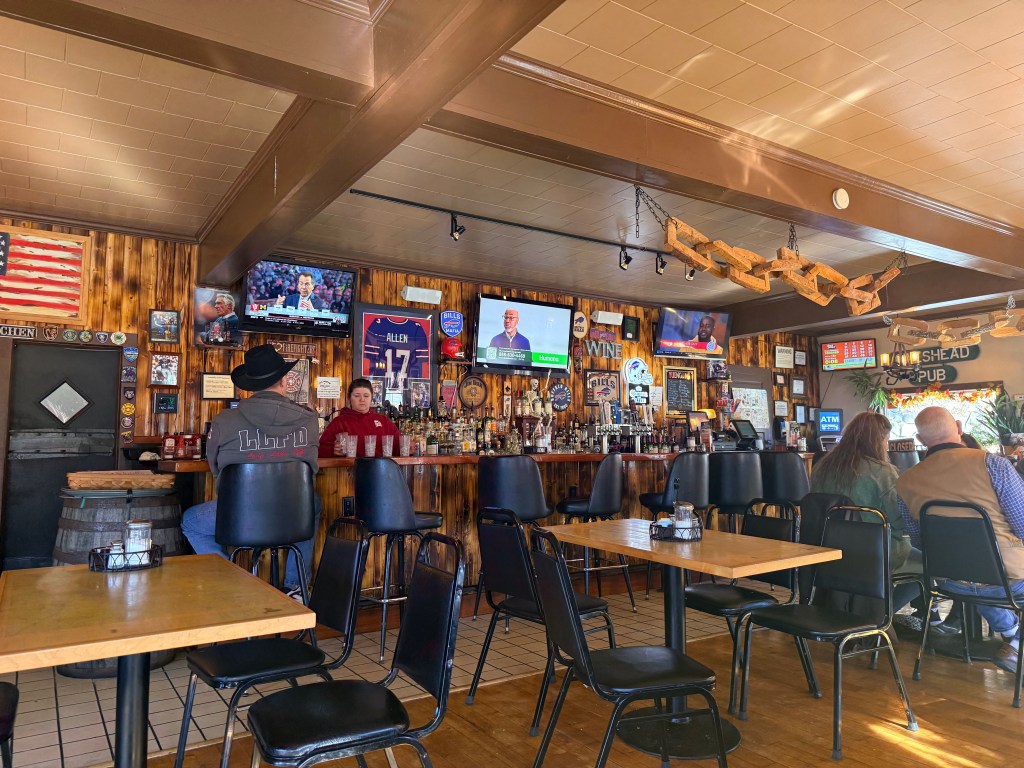
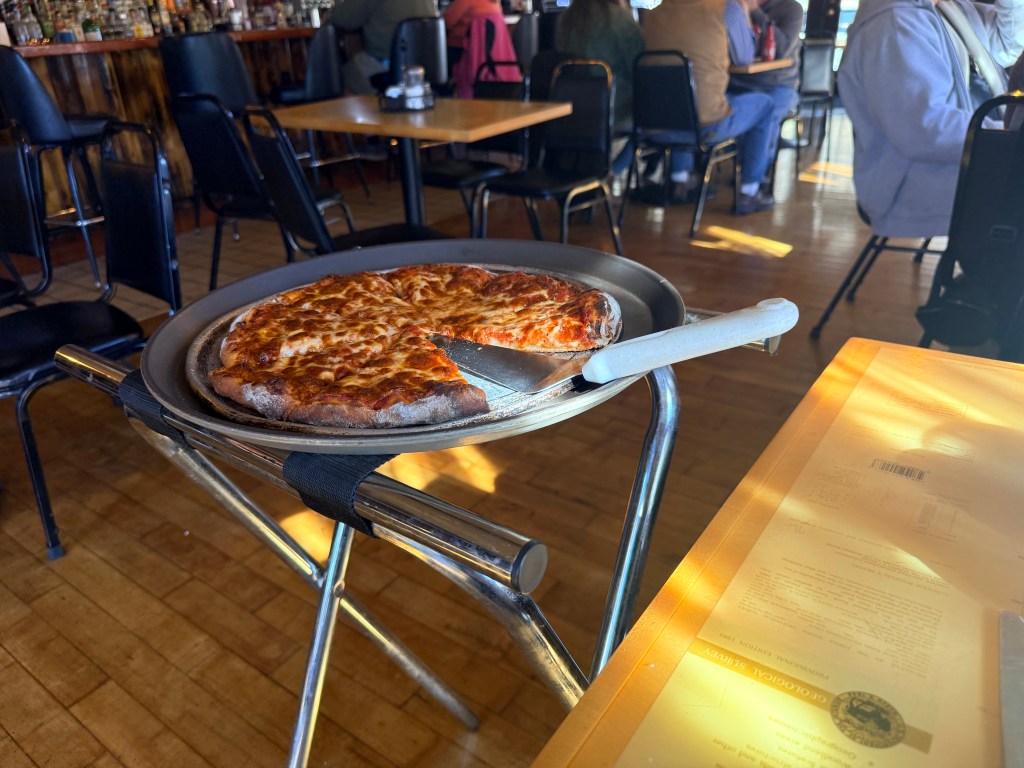

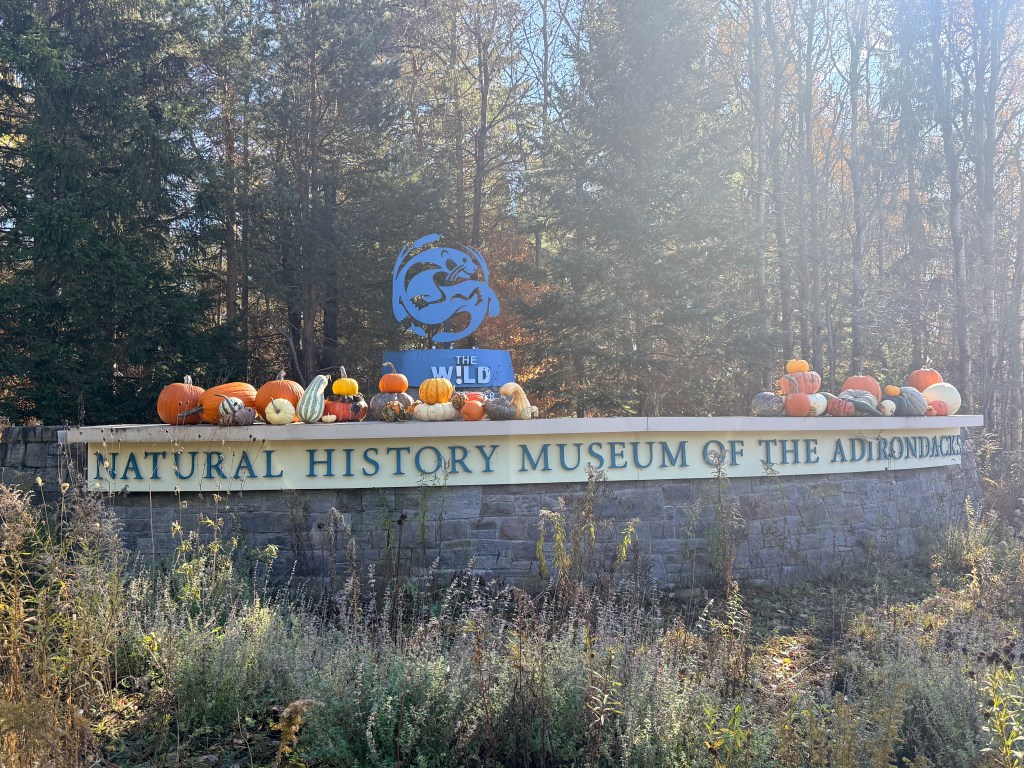
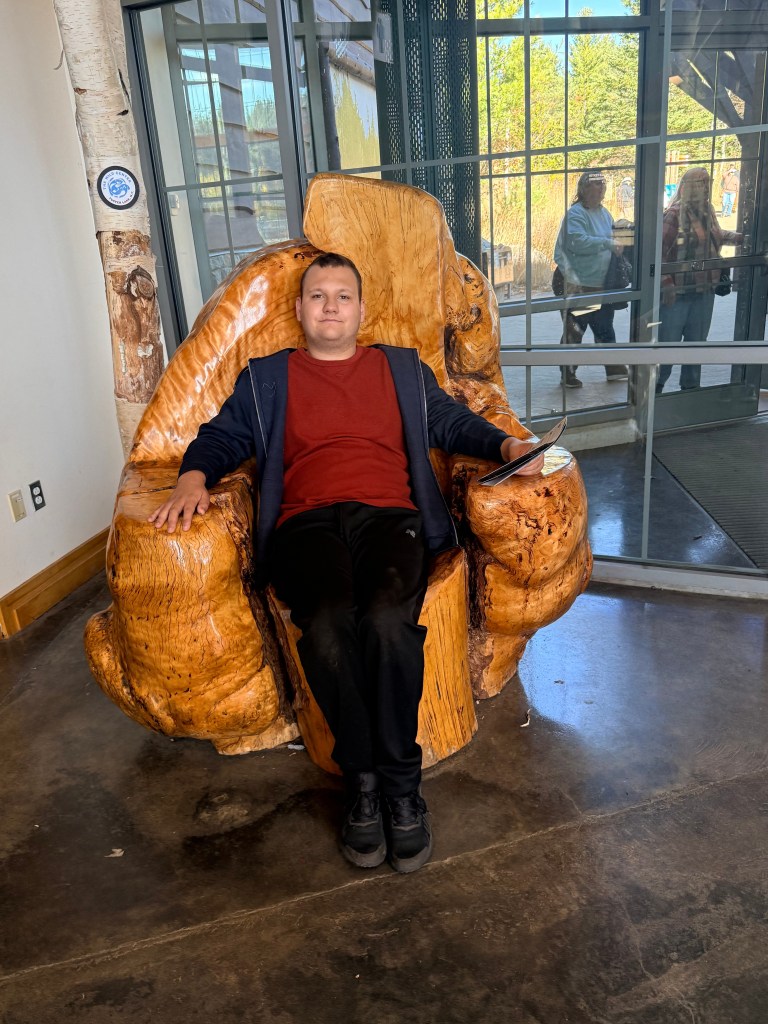
The Wild Center requires visitors to reserve either a morning or afternoon session, and from the moment we walked in, it was clear this wasn’t a typical museum.
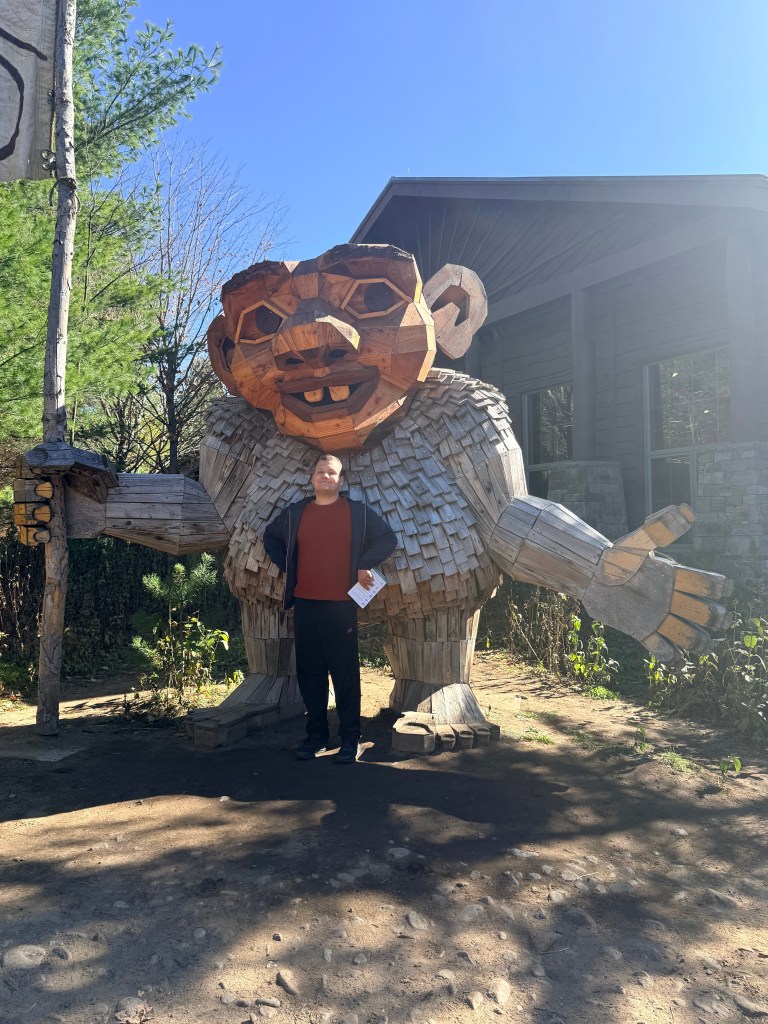
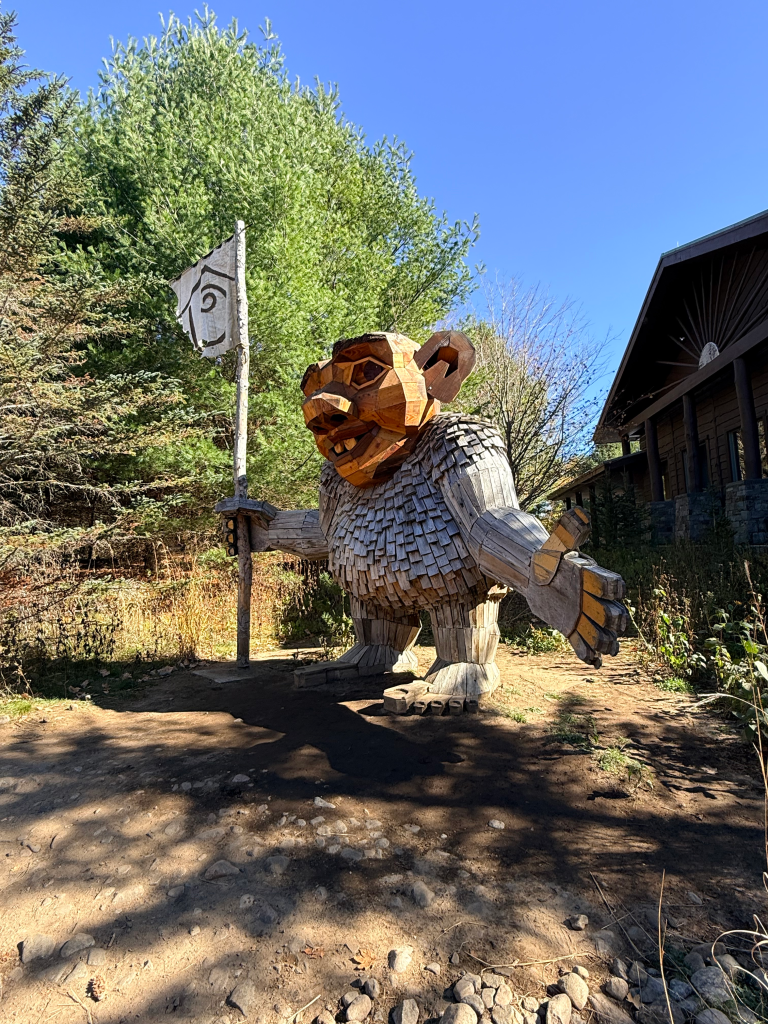
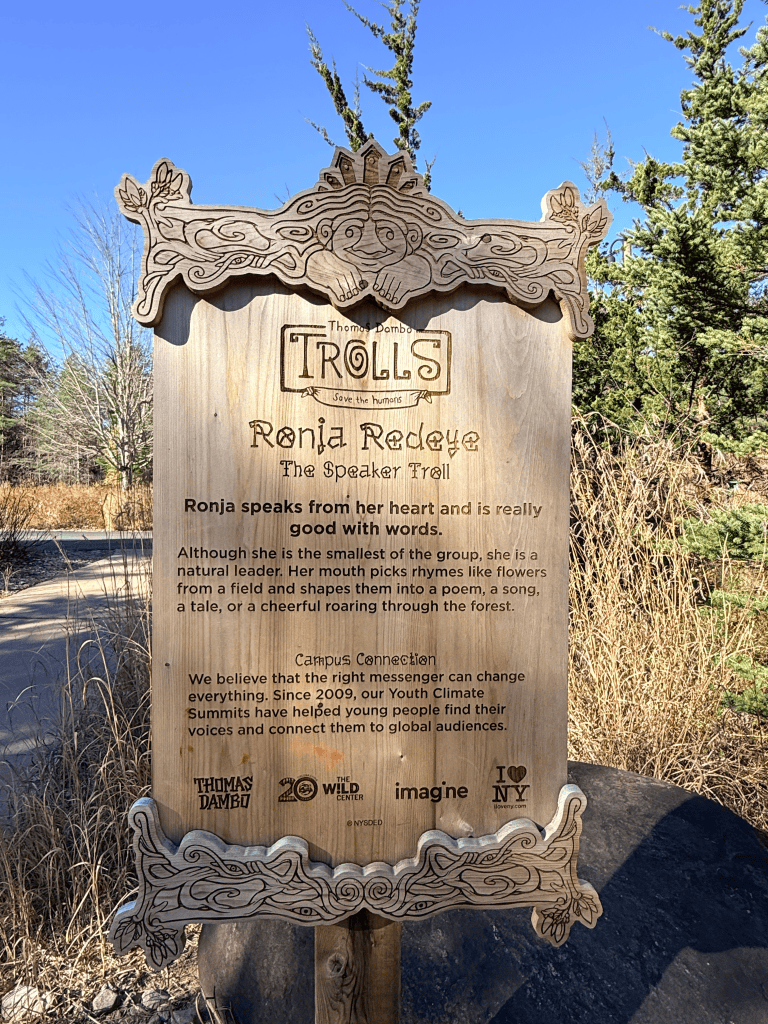
Greeting us at the entrance was Ronja Redeye, the smallest troll in the group and, according to the exhibit, their unofficial leader. Hunter immediately decided she was his favorite. While most of Dambo’s trolls seem content to sit quietly in the woods, Ronja looked like she had something important to say and was patiently waiting for humans to catch up.

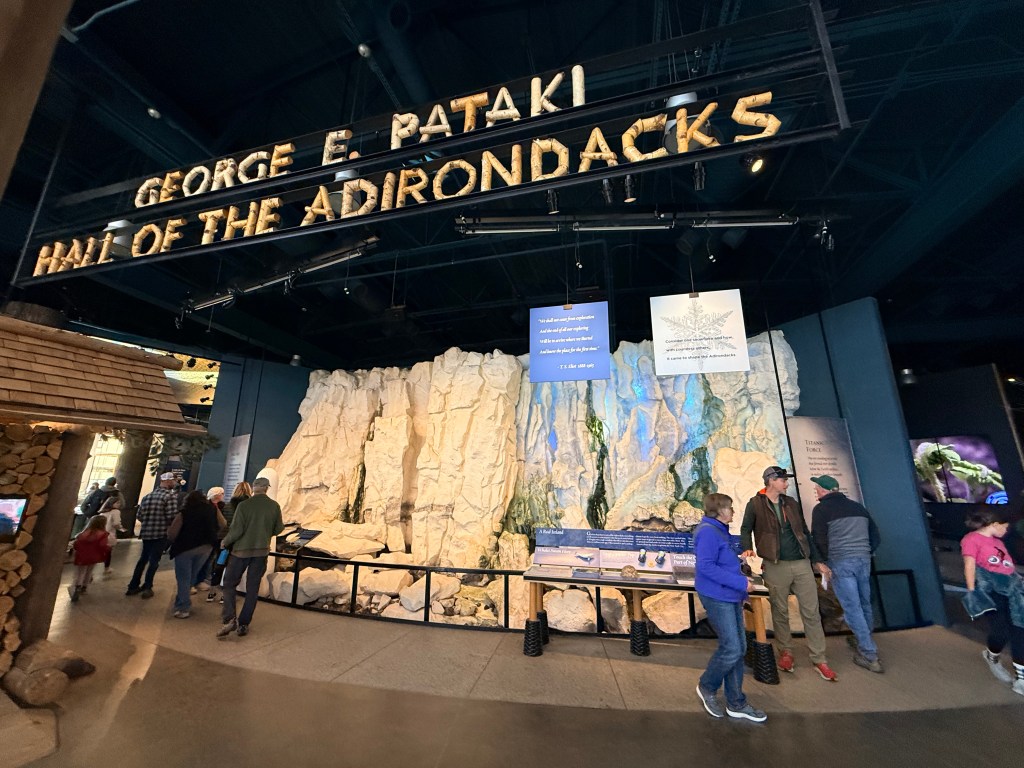
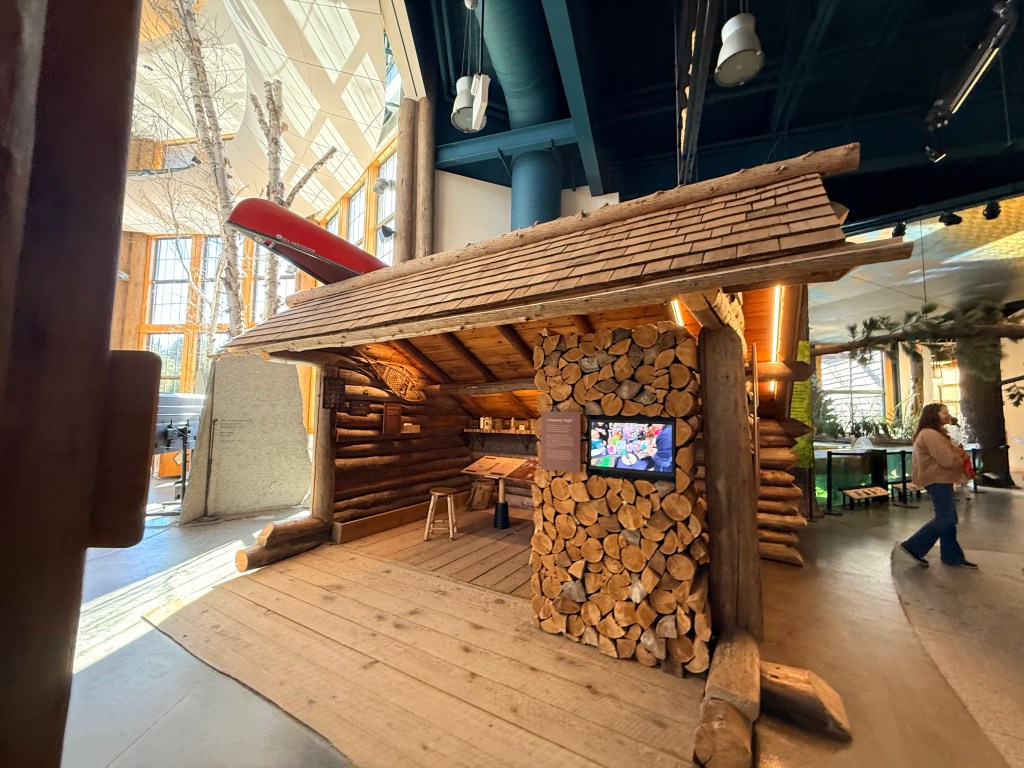
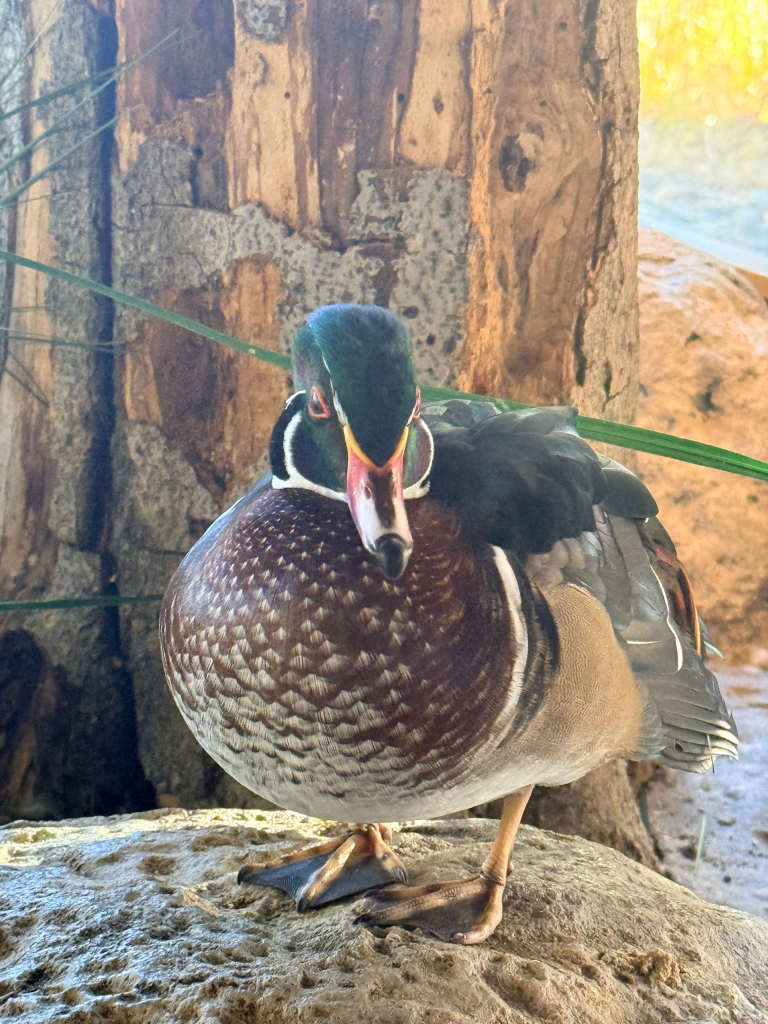
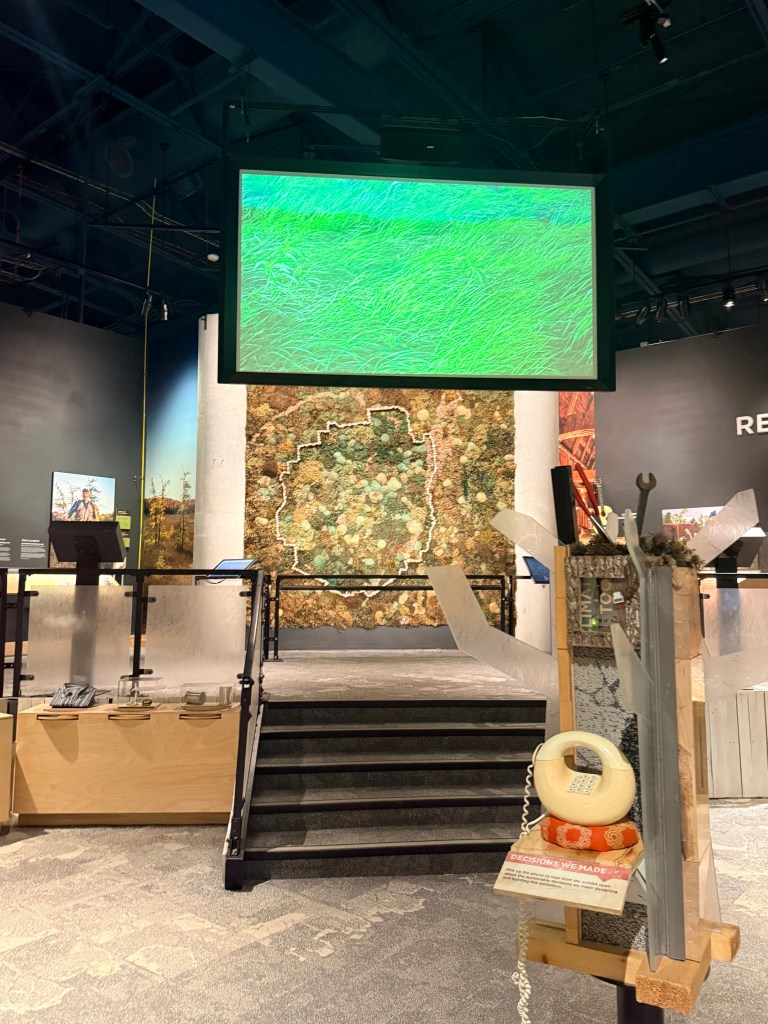
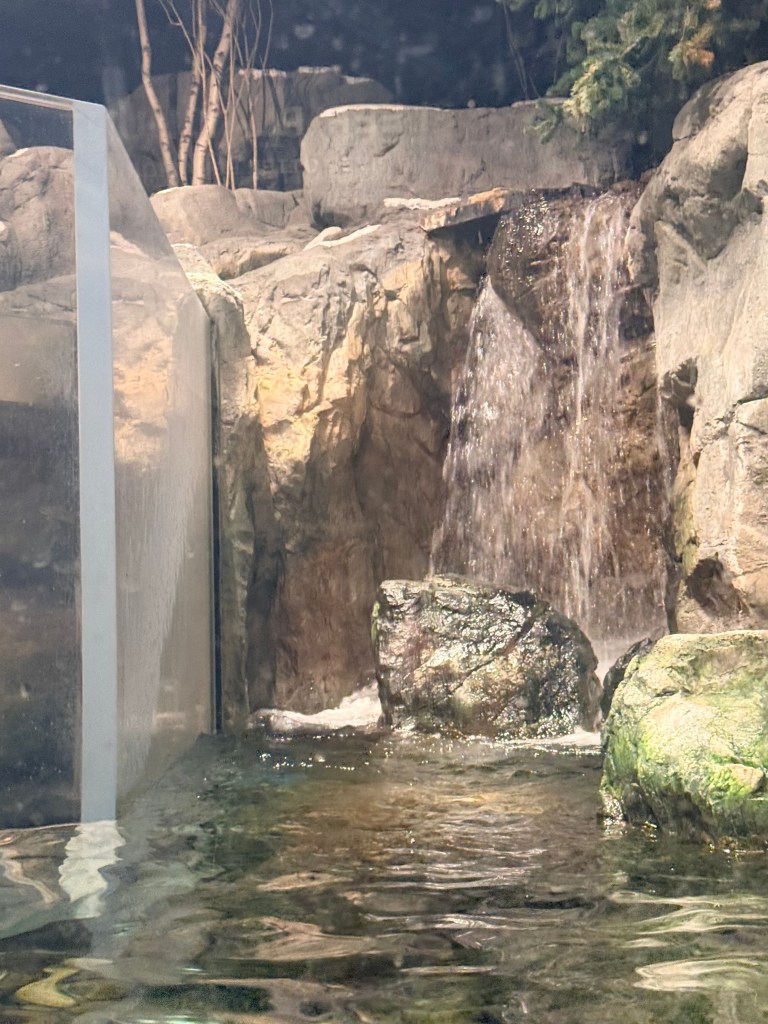
Inside, more than 54,000 square feet of exhibits tell the story of the Adirondacks through interactive displays, live programs, films, and hands-on experiences. We explored exhibits about the region’s history, wildlife, waterways, and ecosystems. It felt less like a museum and more like an immersive introduction to the Adirondack Park.
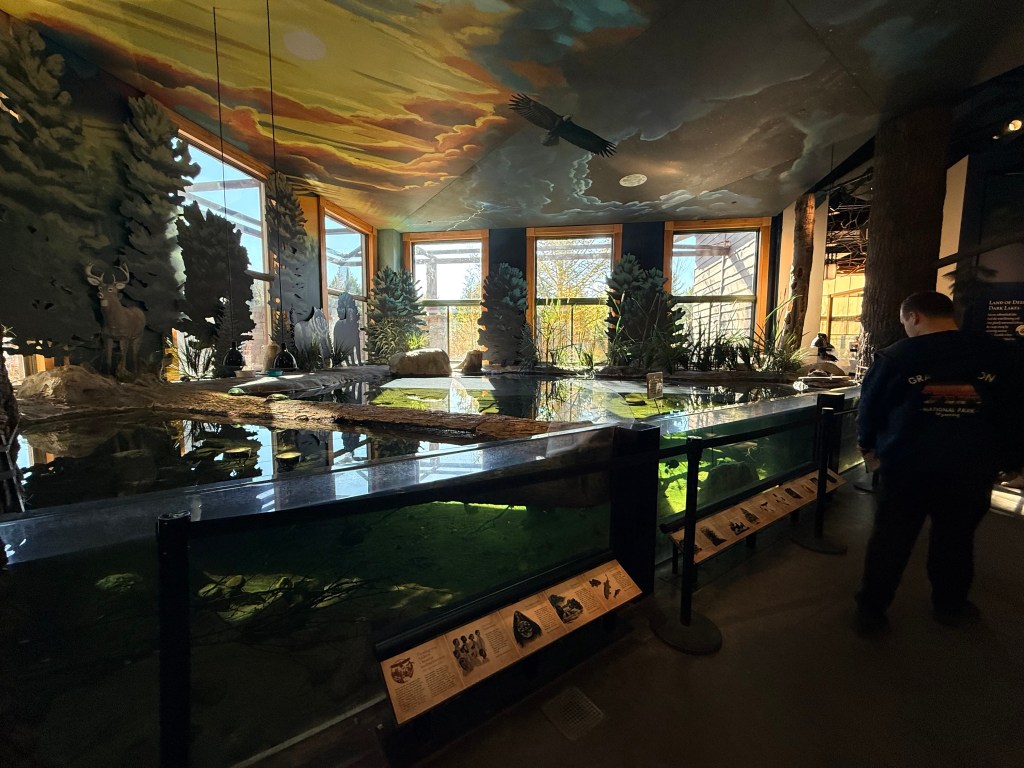
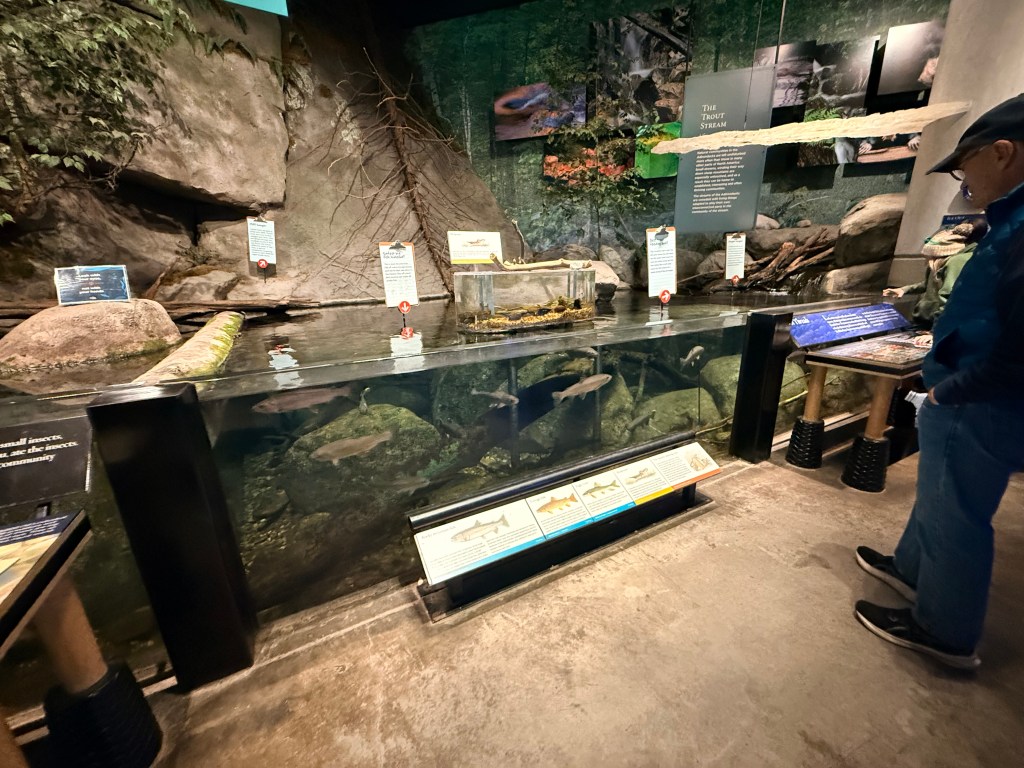
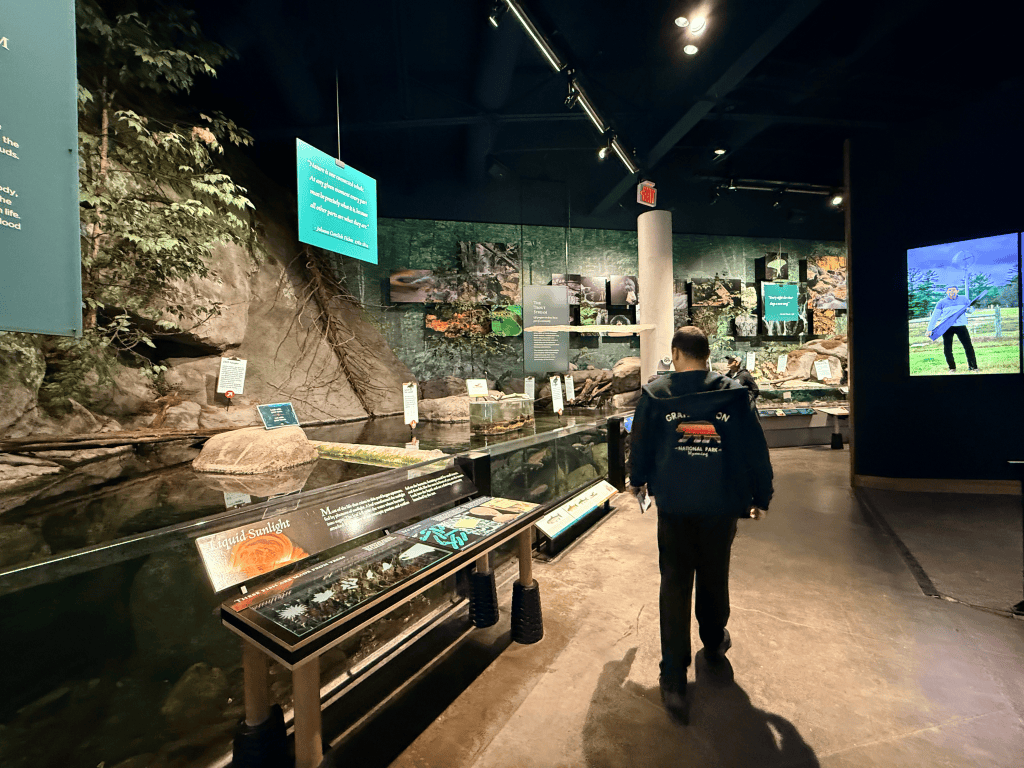
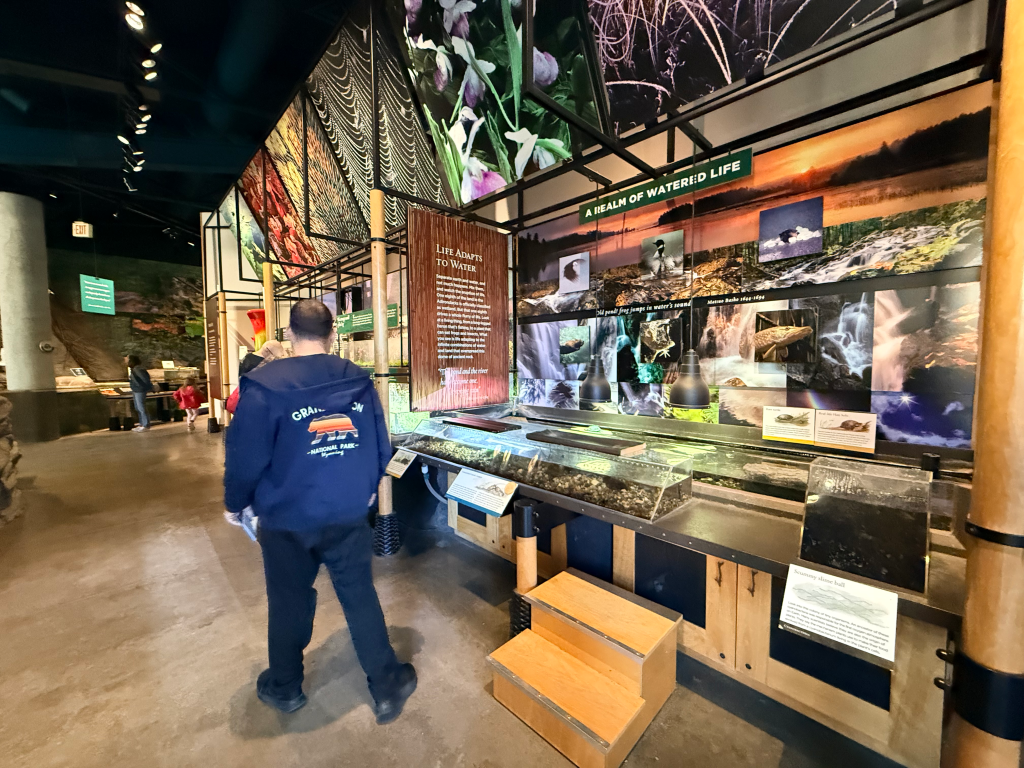

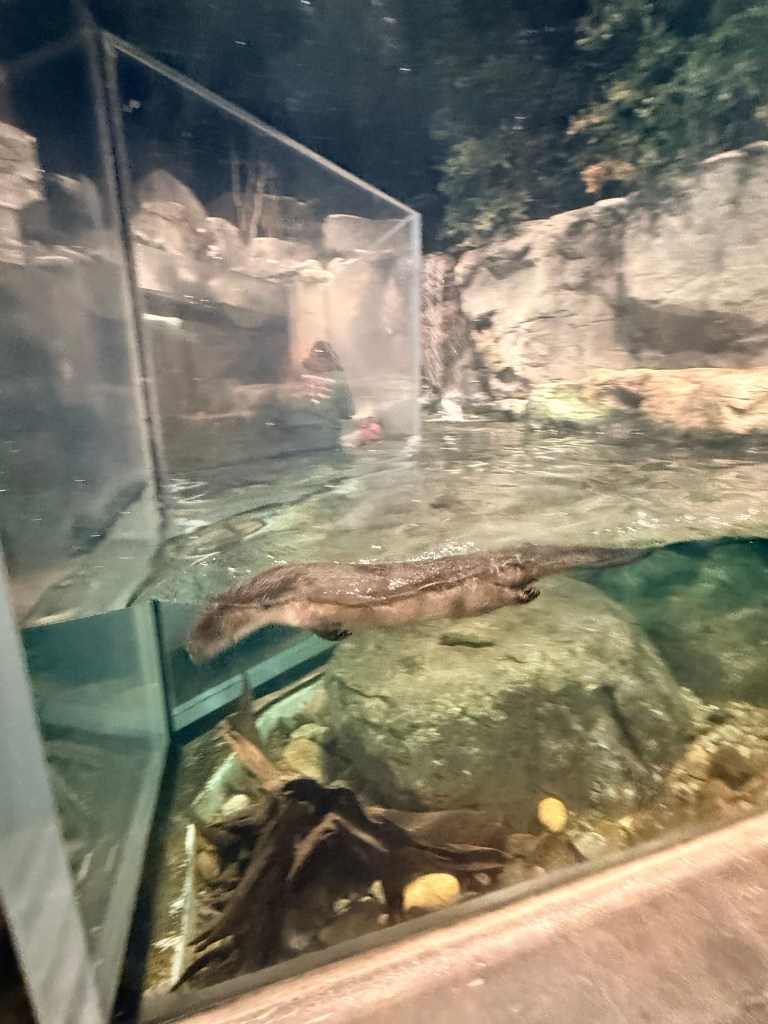
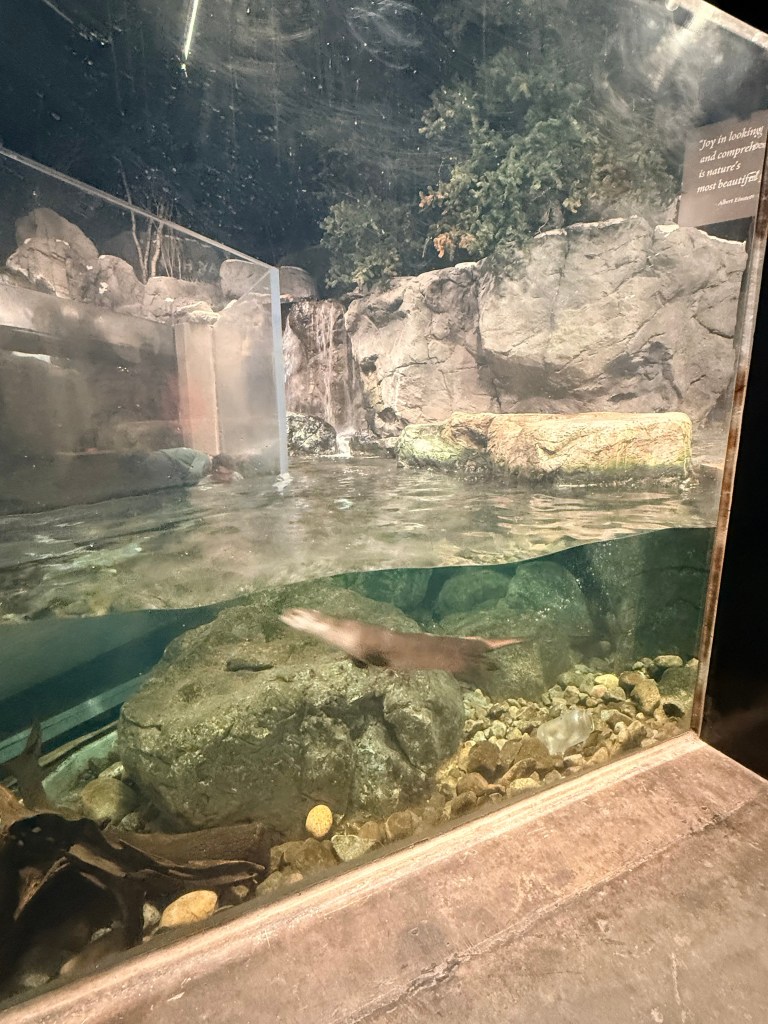
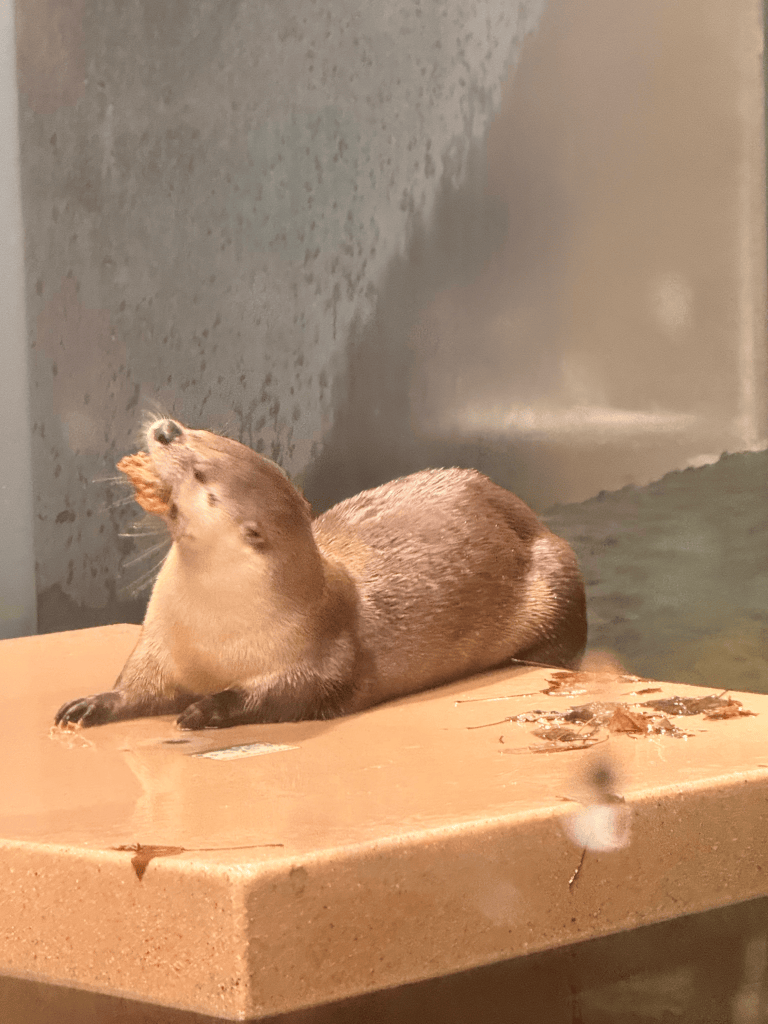
Outside, the center’s 115 acres of forests and wetlands are divided into a series of experiences connected by woodland trails, elevated walkways, and quiet forest paths. The trolls were scattered throughout these spaces, turning the visit into part nature walk, part scavenger hunt as we searched the grounds for each giant wooden figure.
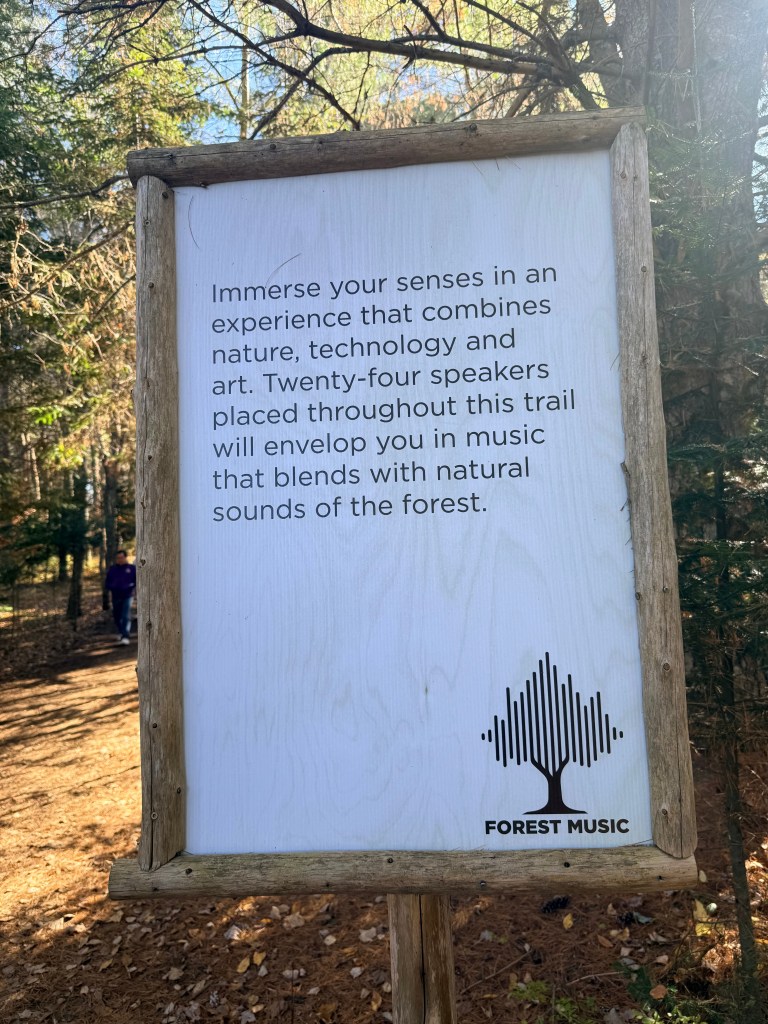
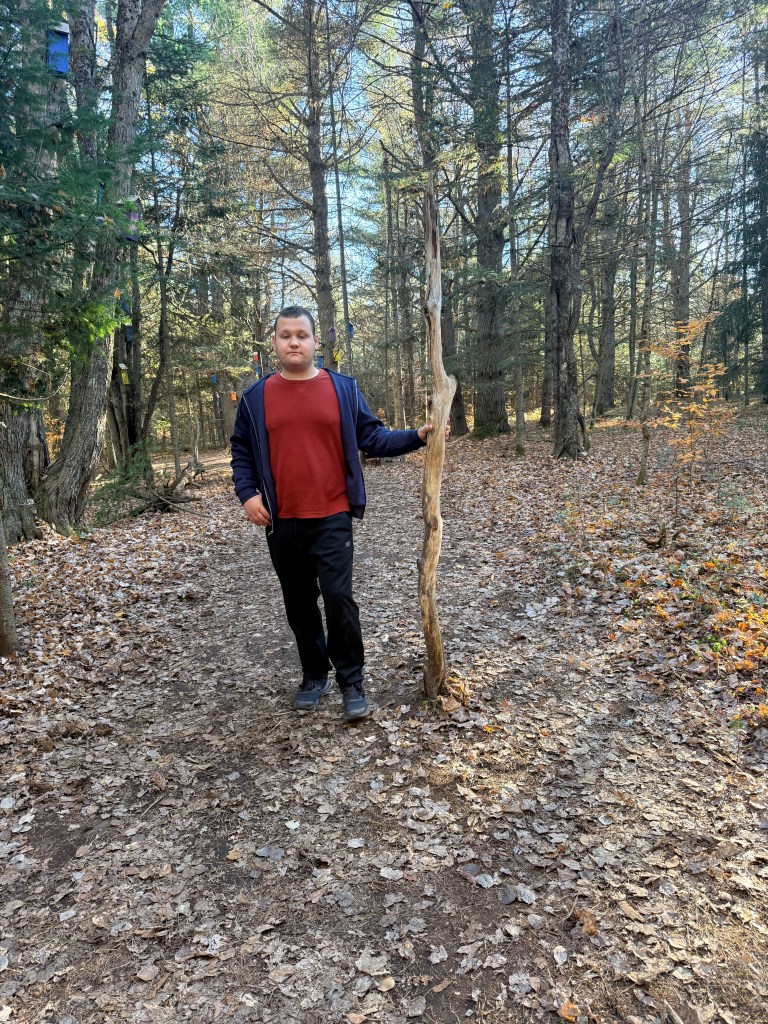
First, we explored what turned out to be my favorite section of the entire property, Forest Music, which we actually returned to before leaving. Hidden among the trees, it blends art, technology, and nature in a way that feels both peaceful and a little magical. Sounds emerge from the forest itself as you follow the winding trail deeper into the woods.
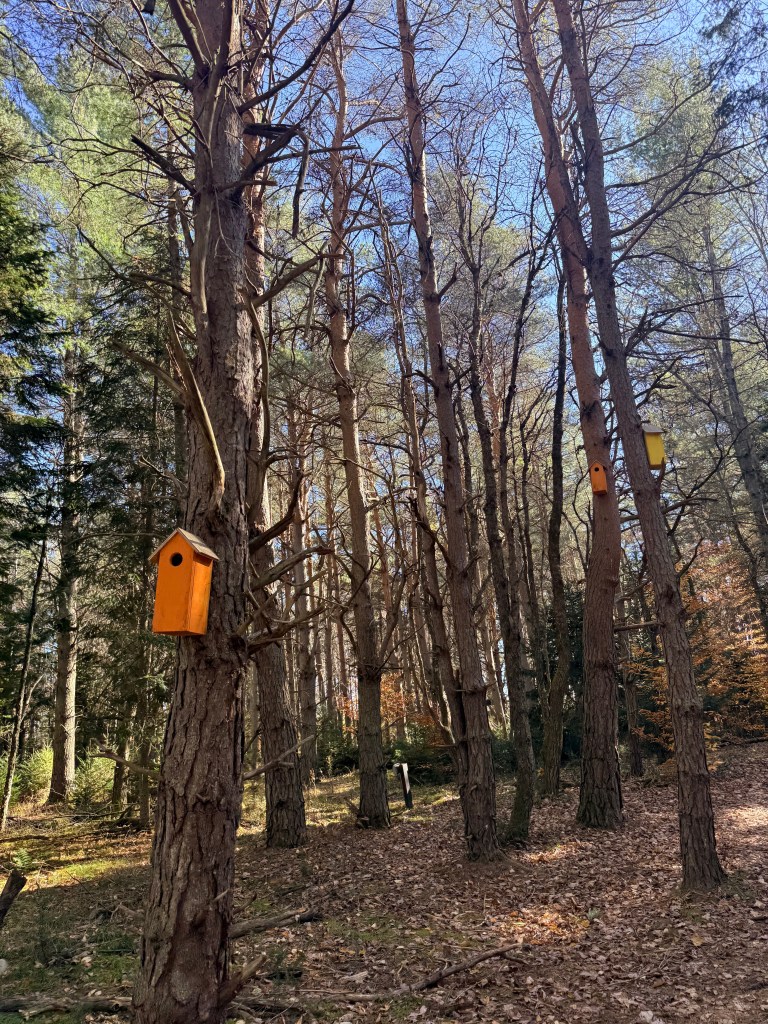
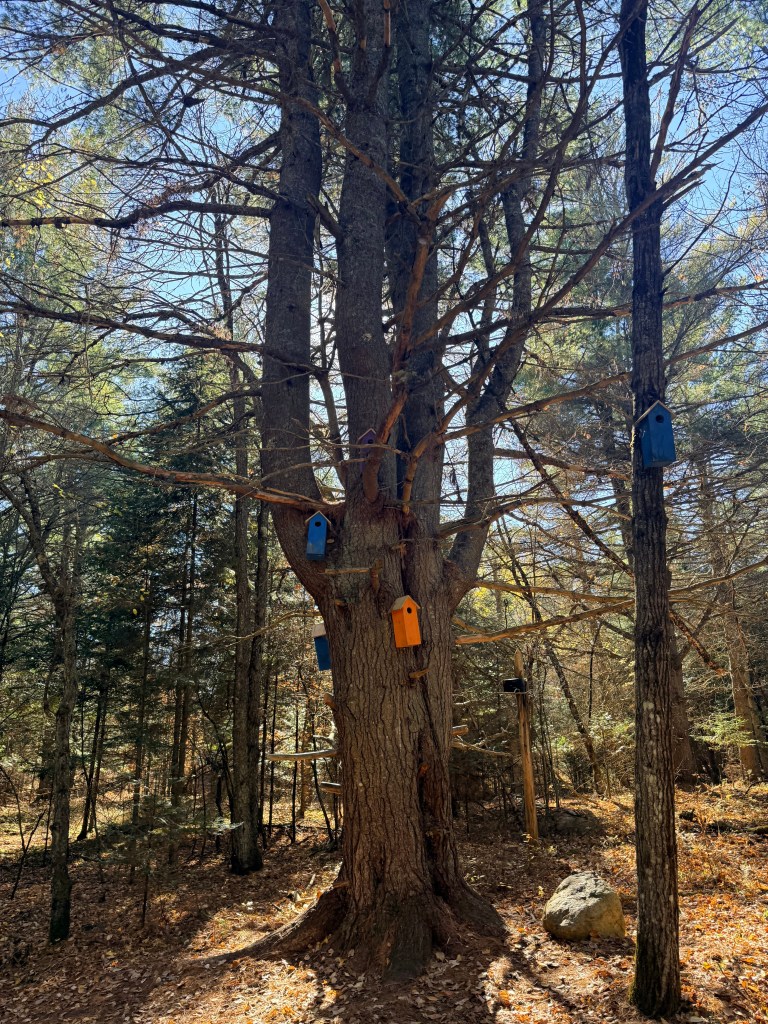
Along the way, we were guided not only by the music, but also by a series of colorful birdhouses that reminded me of the ones we had seen in San Francisco. I later learned that birdhouses are one of Thomas Dambo’s signatures, a form of what he calls eco-friendly graffiti.
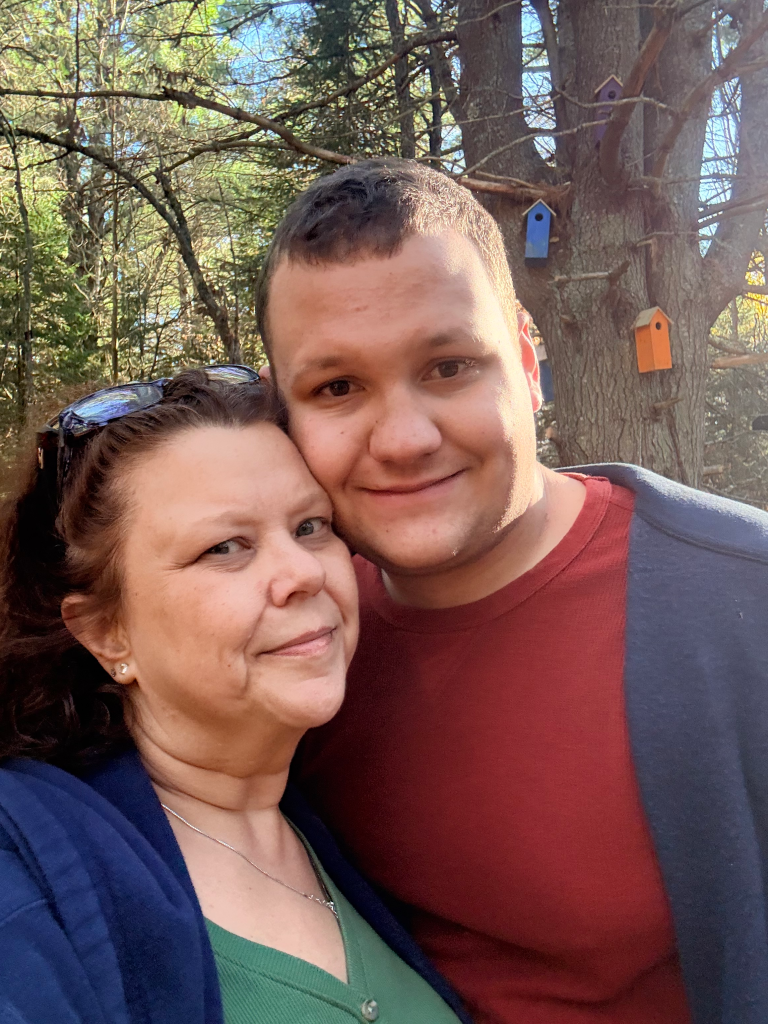
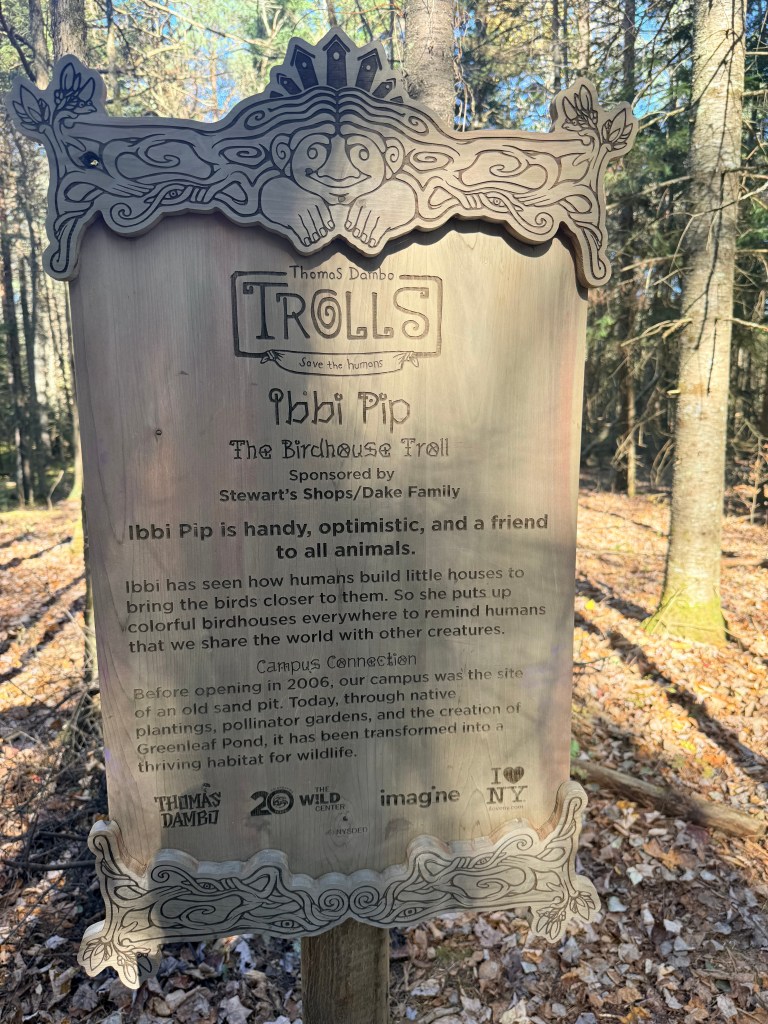
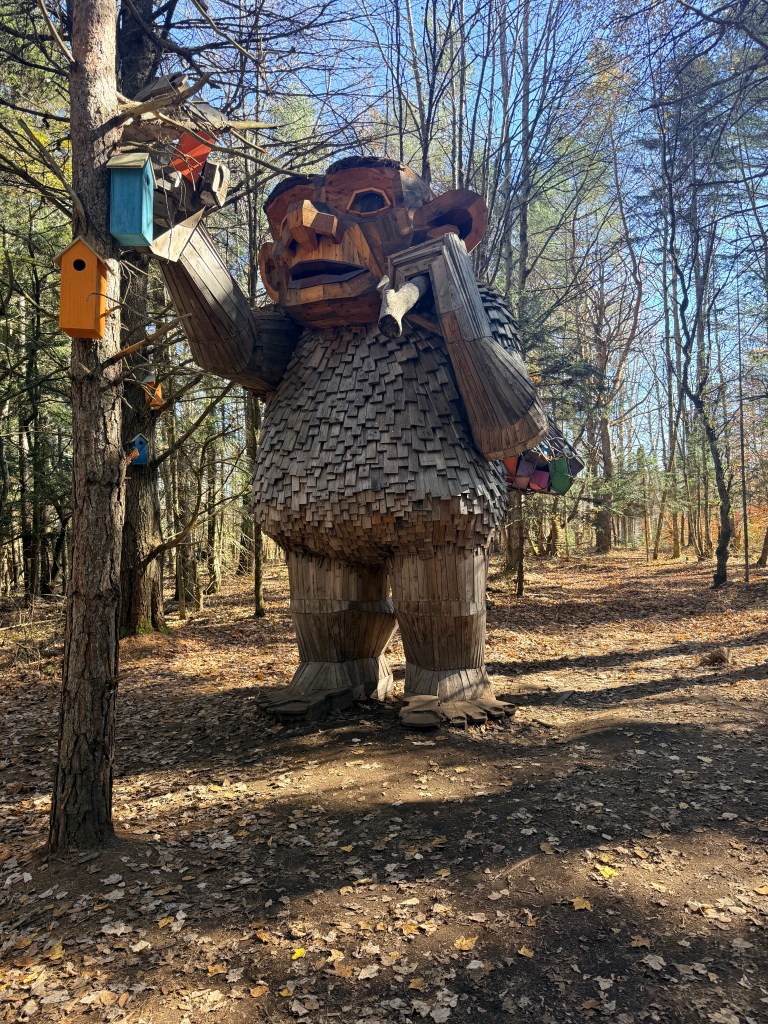
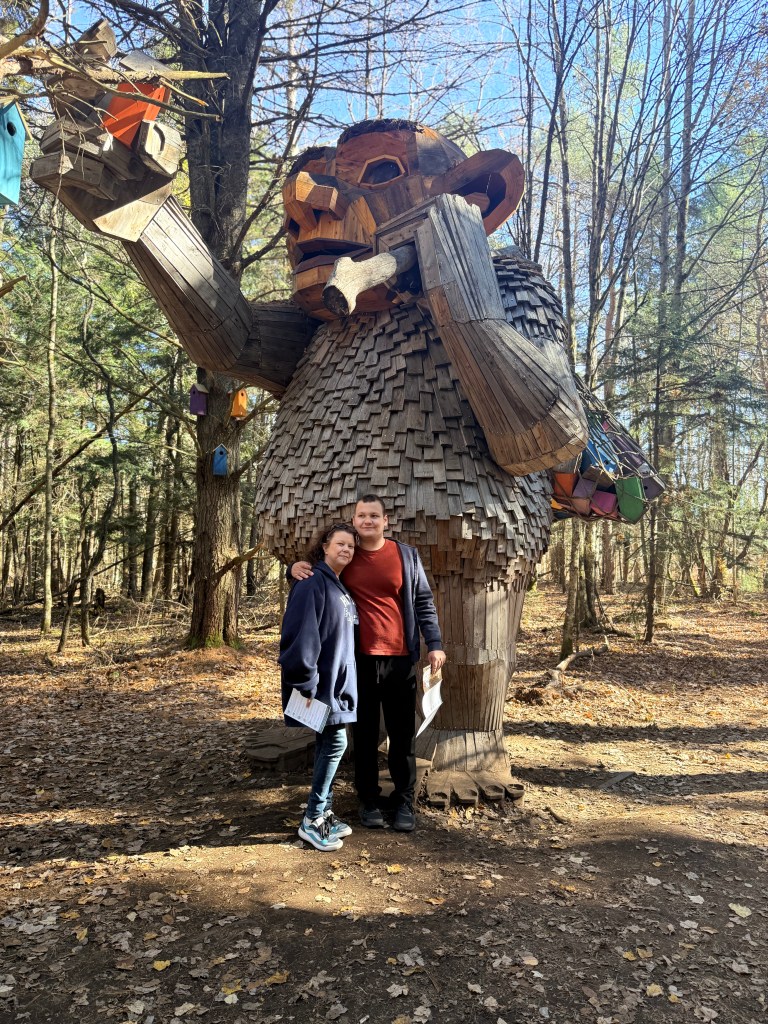
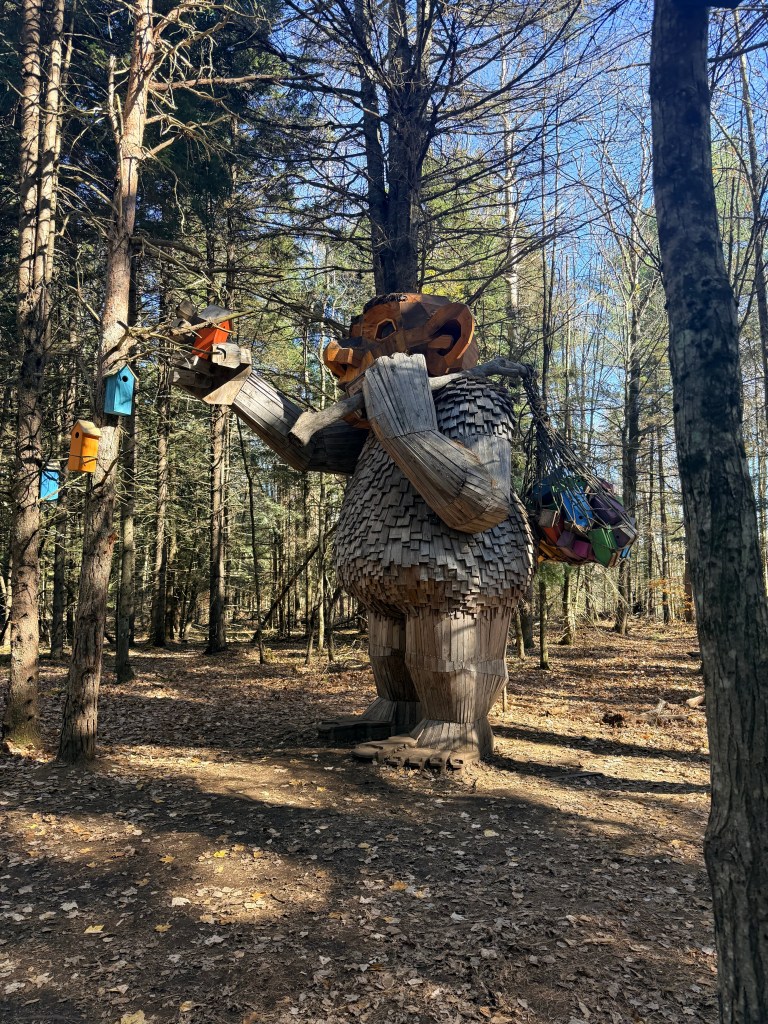
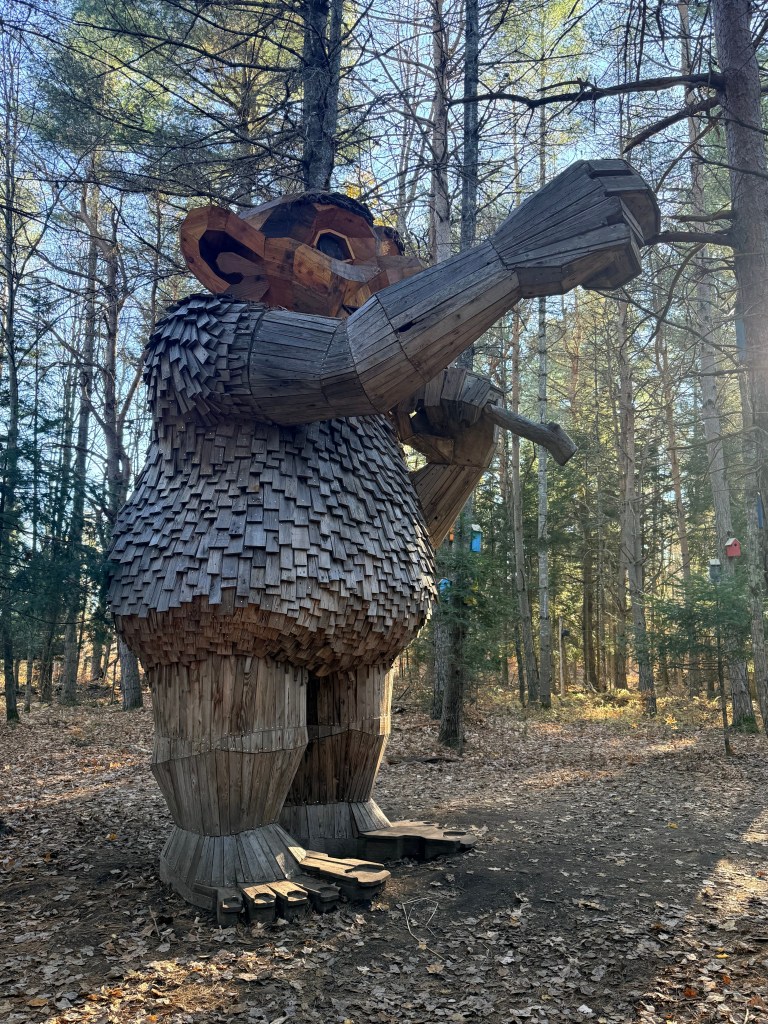
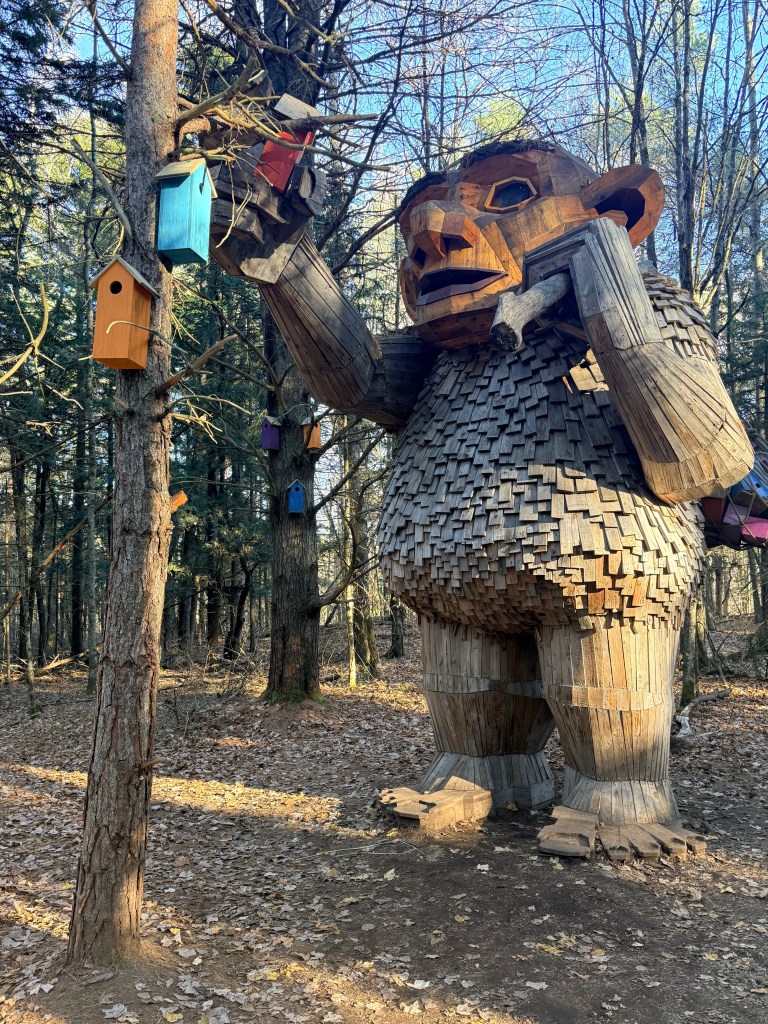
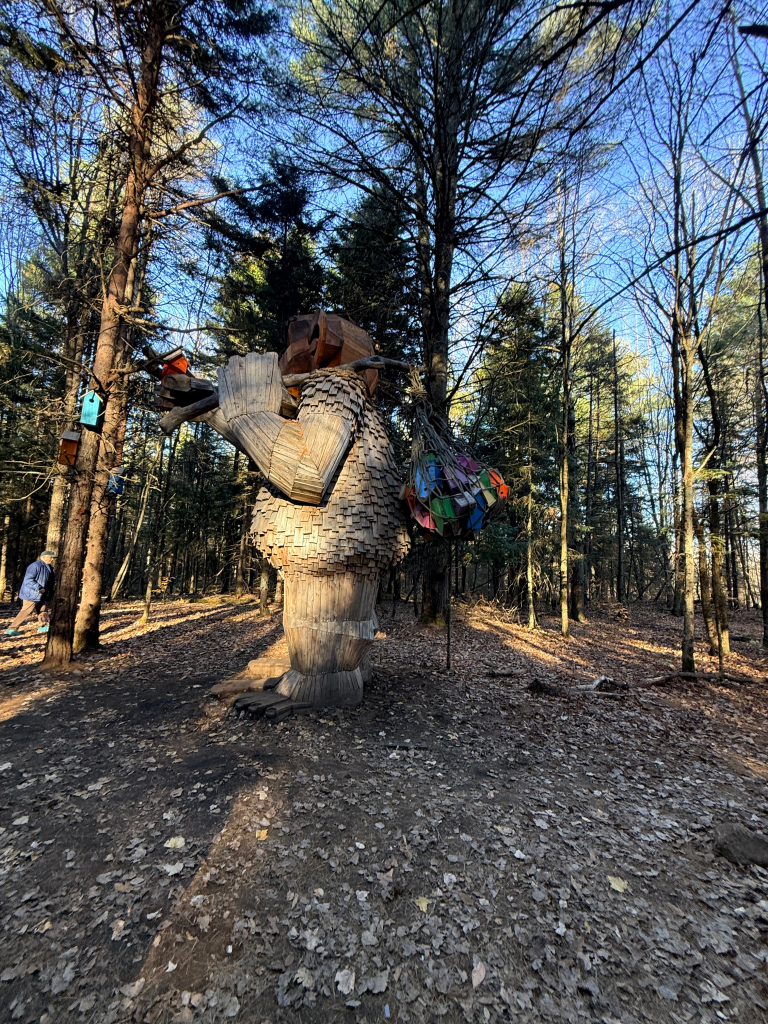
At the end of the trail, we came upon my favorite troll of the day, Ibbi Pip. Tucked among the trees with a sack of colorful birdhouses slung against her naturally wooden body, Ibbi Pip had placed every birdhouse we had followed through Forest Music. Ibbi Pip encourages humans to slow down, pay attention to the natural world around them, and care for the creatures that share it.
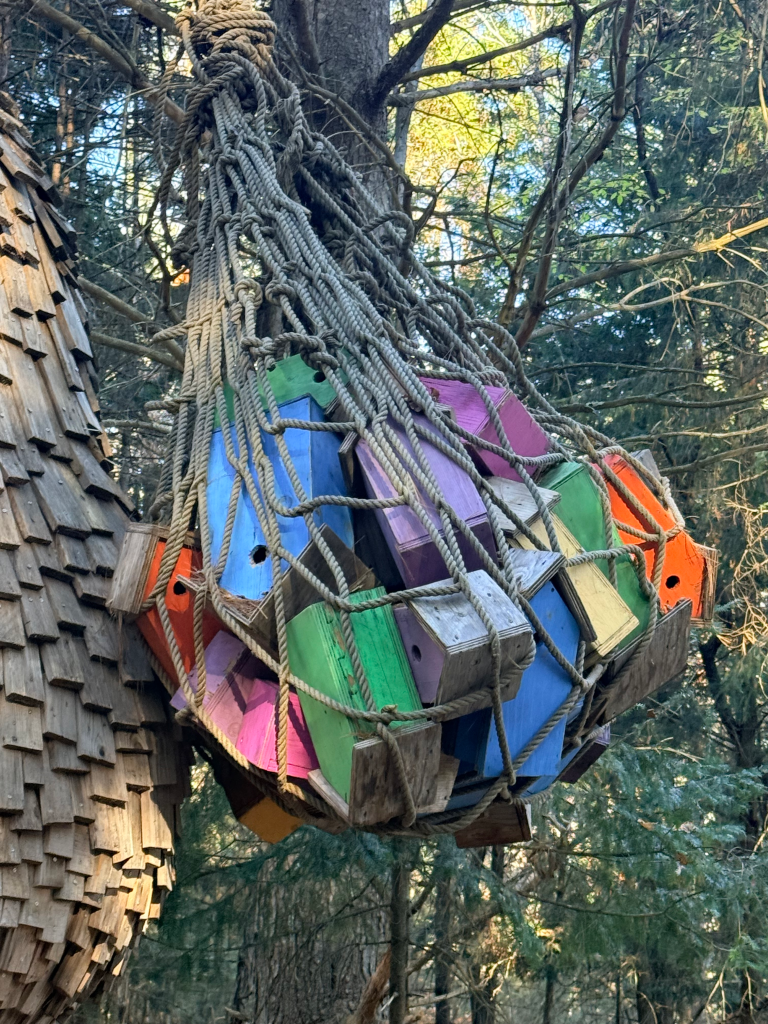
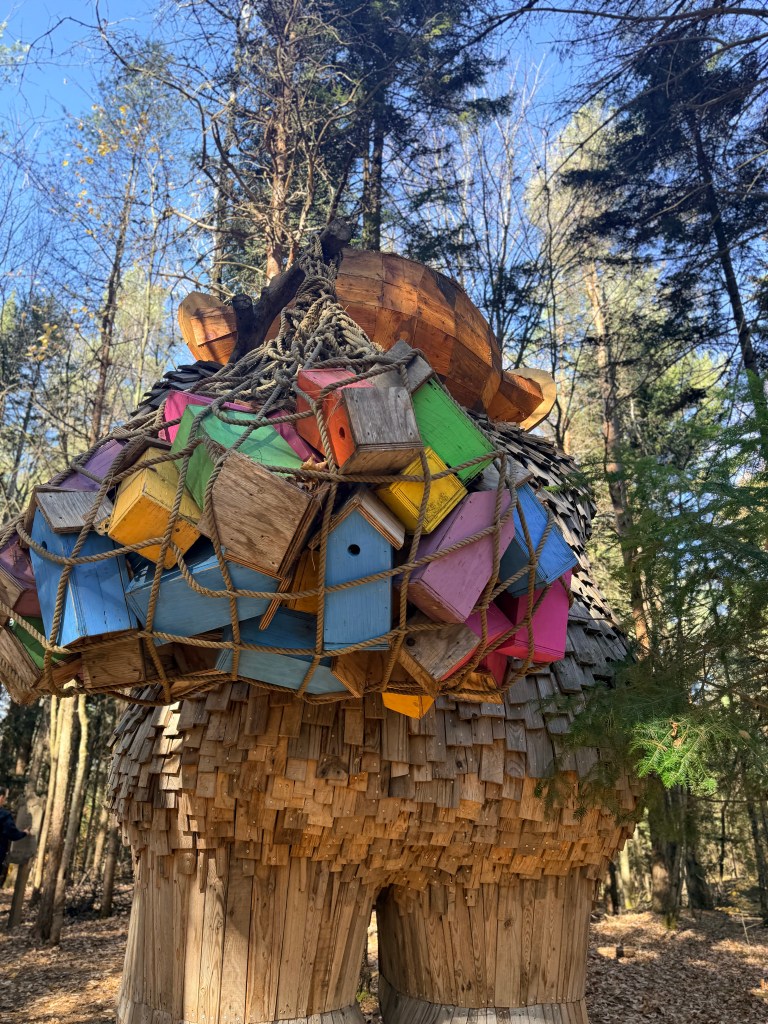
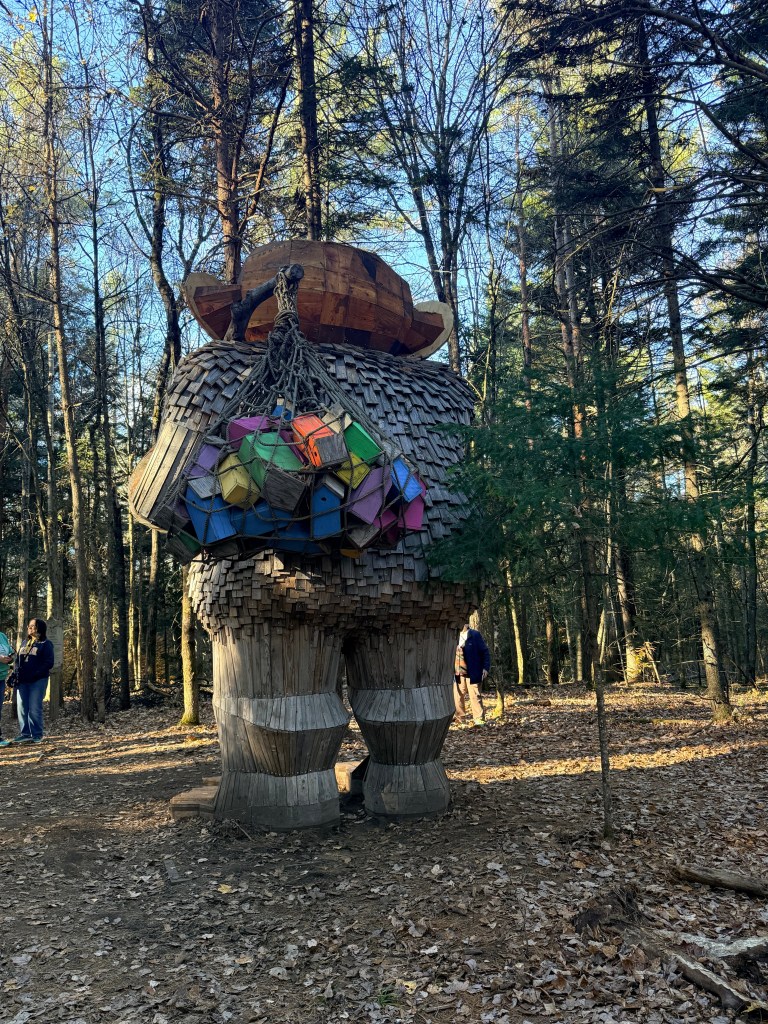
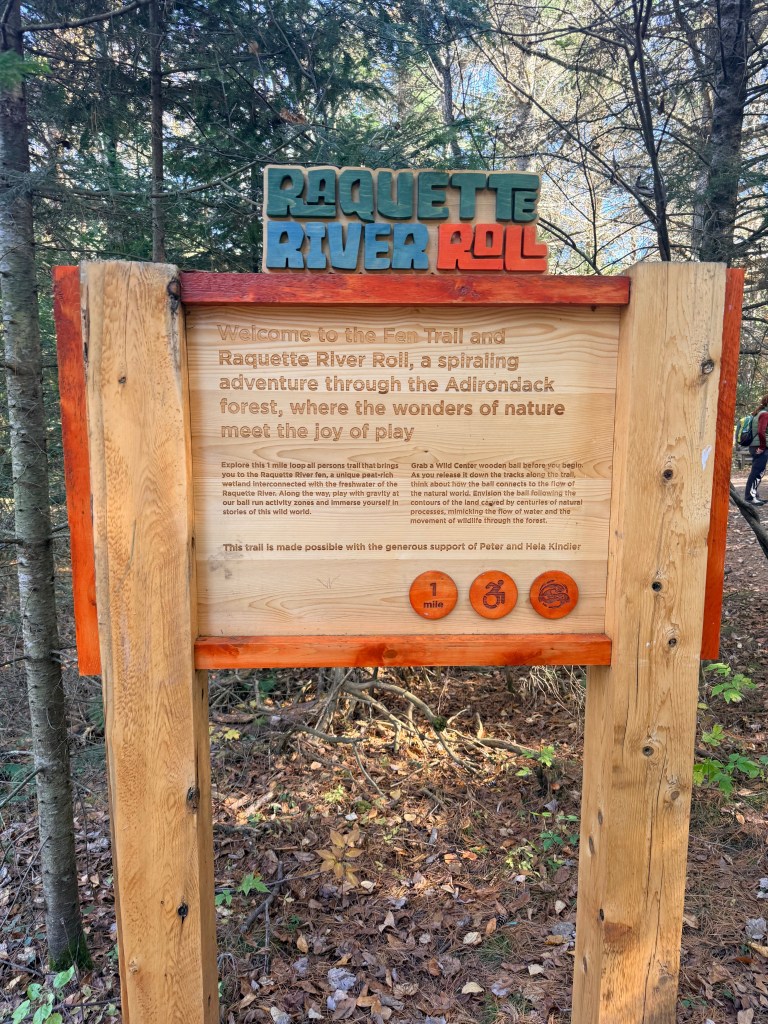
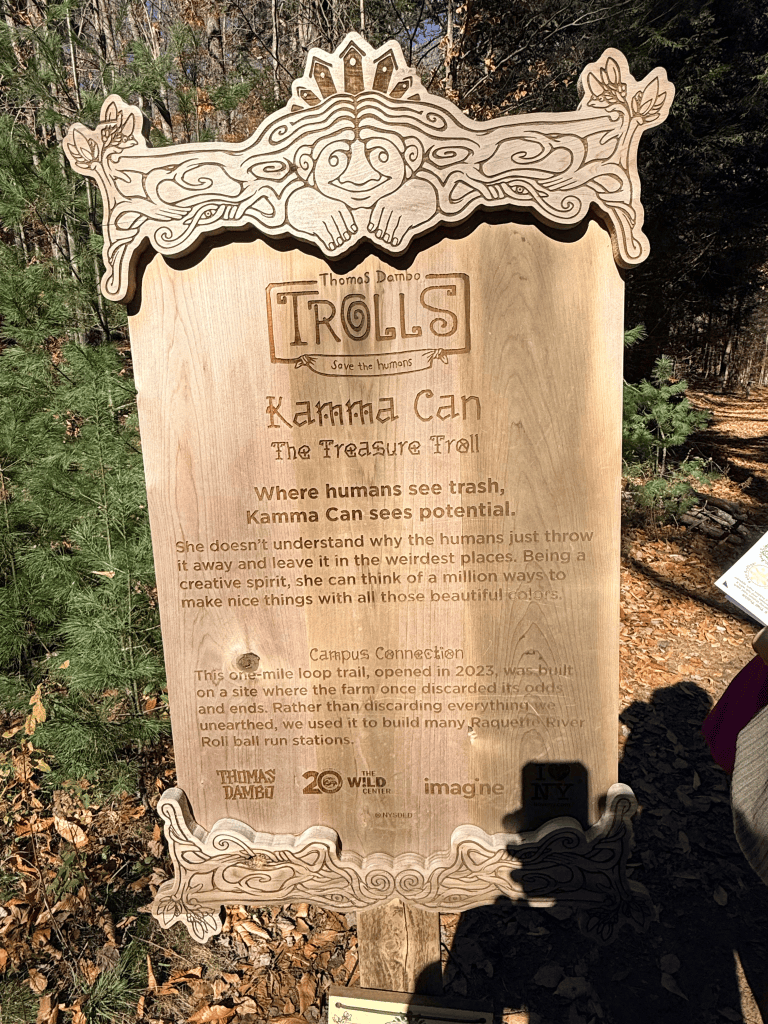
We were then led to Raquette River Roll, an oversized nature-inspired ball run where wooden balls race downhill through a series of tracks and obstacles. There were a lot of people clambering for balls, so we side-stepped that part of the experience, but it looked really fun as we watched families navigate the different tracks. And this is where we found Kamma Can, a troll who sees treasure where humans see junk. Made from reclaimed materials like the rest of Dambo’s creations, she felt like the perfect reminder that some of the best things begin as something discarded.
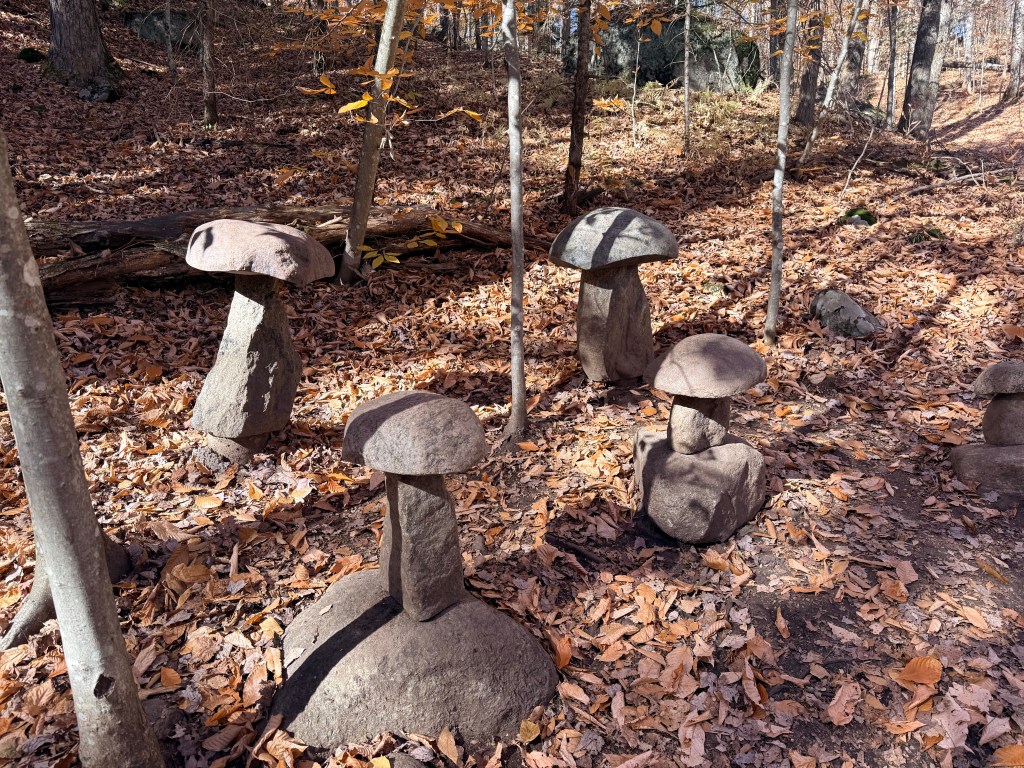
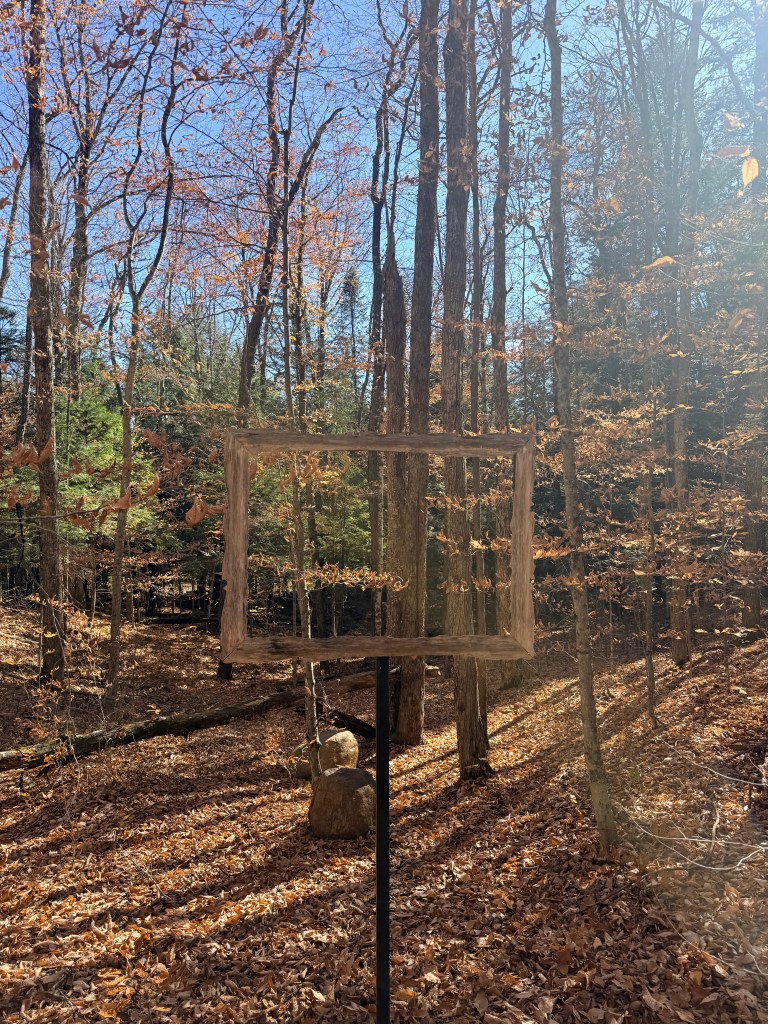
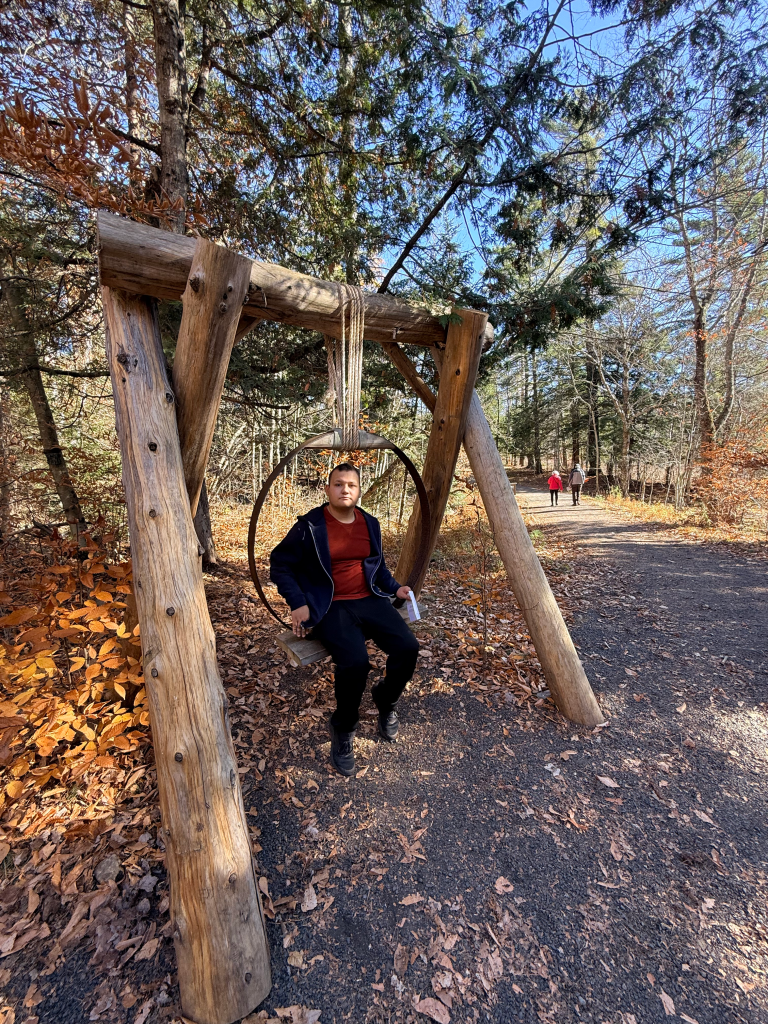
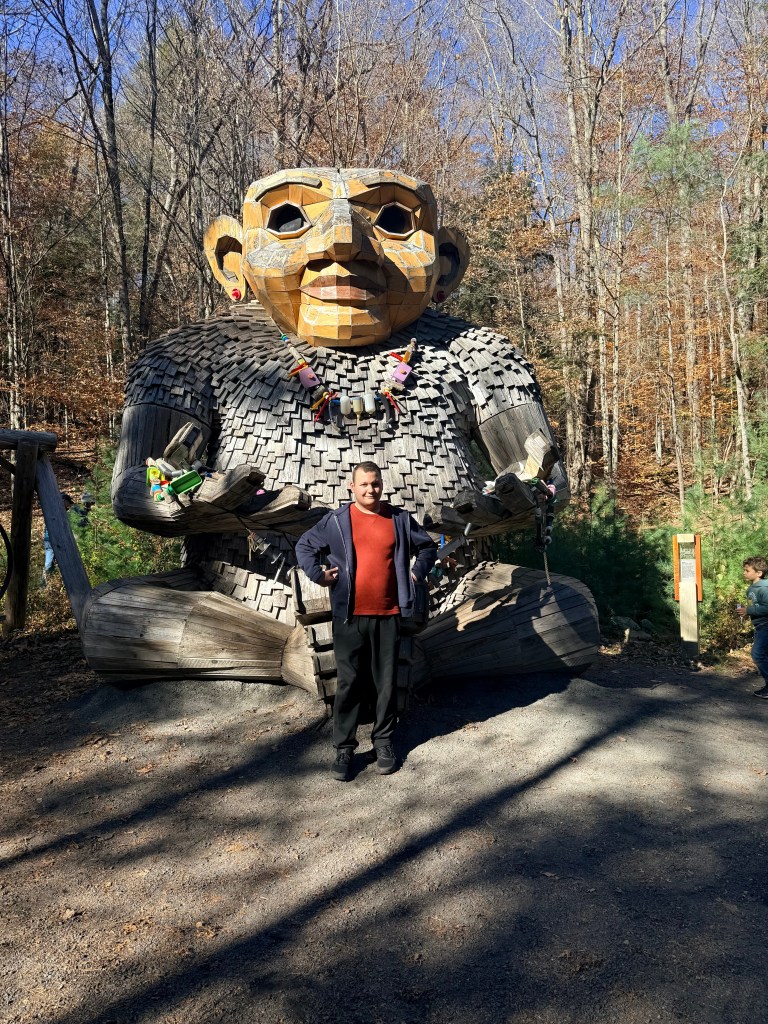
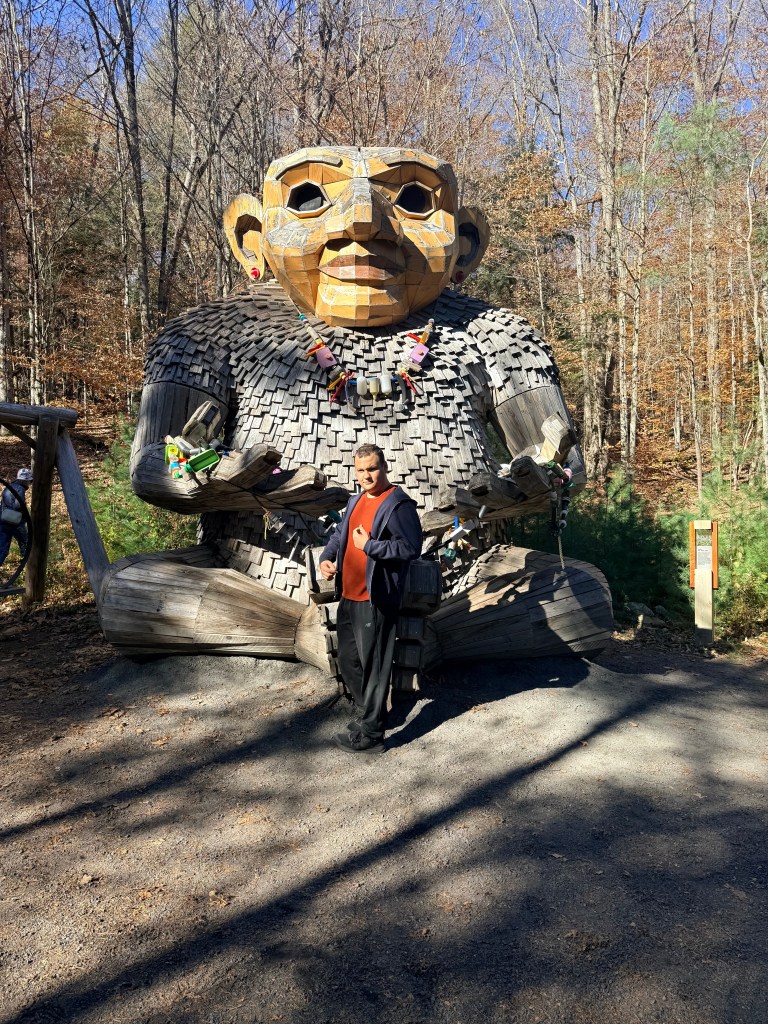
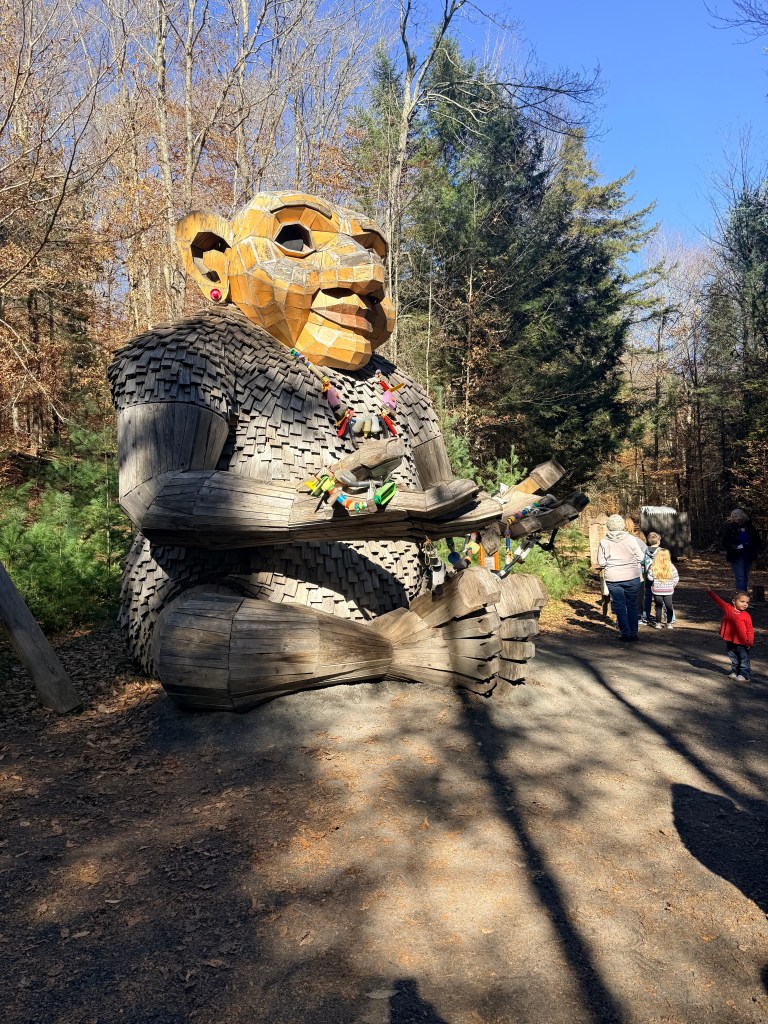
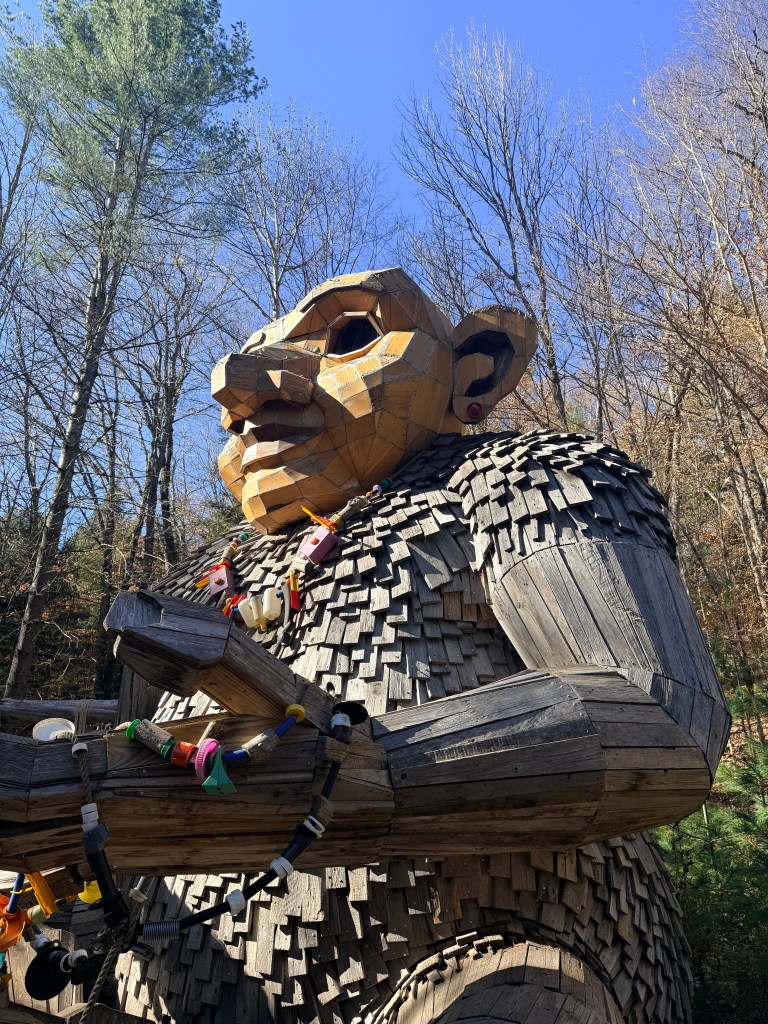
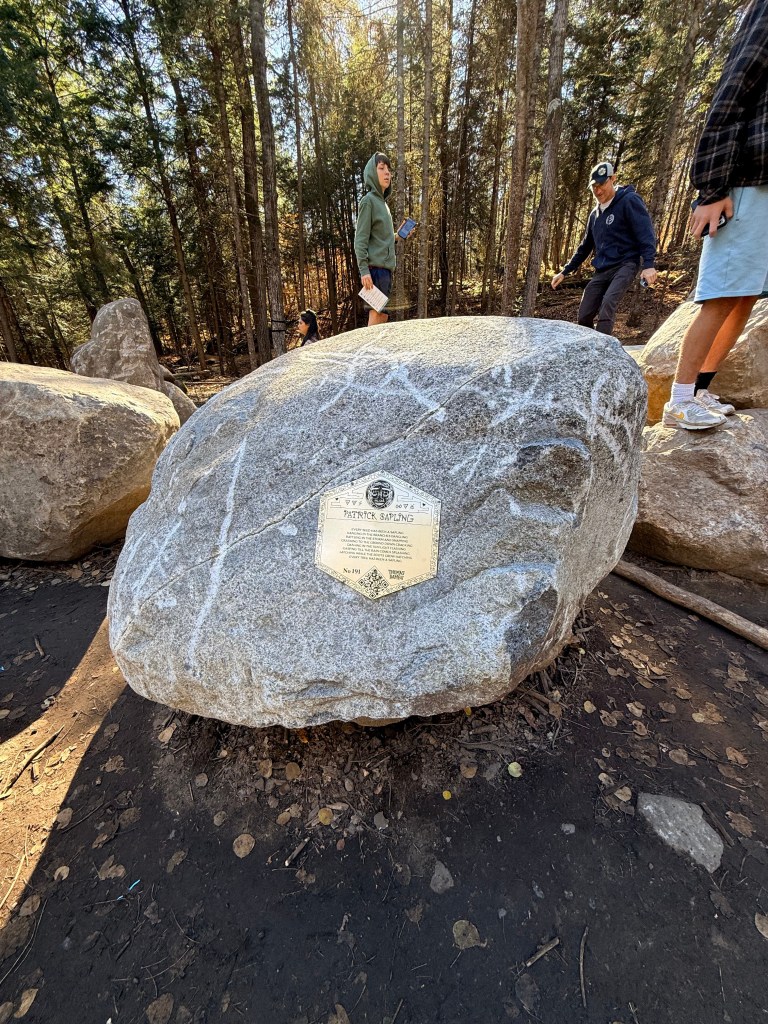
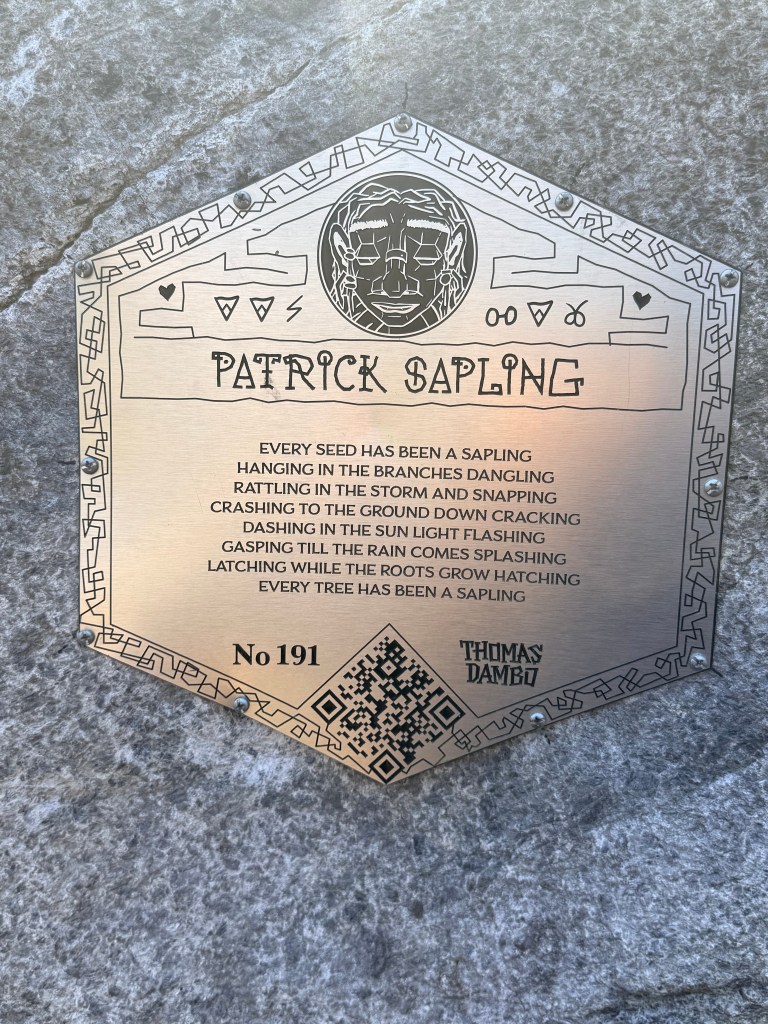
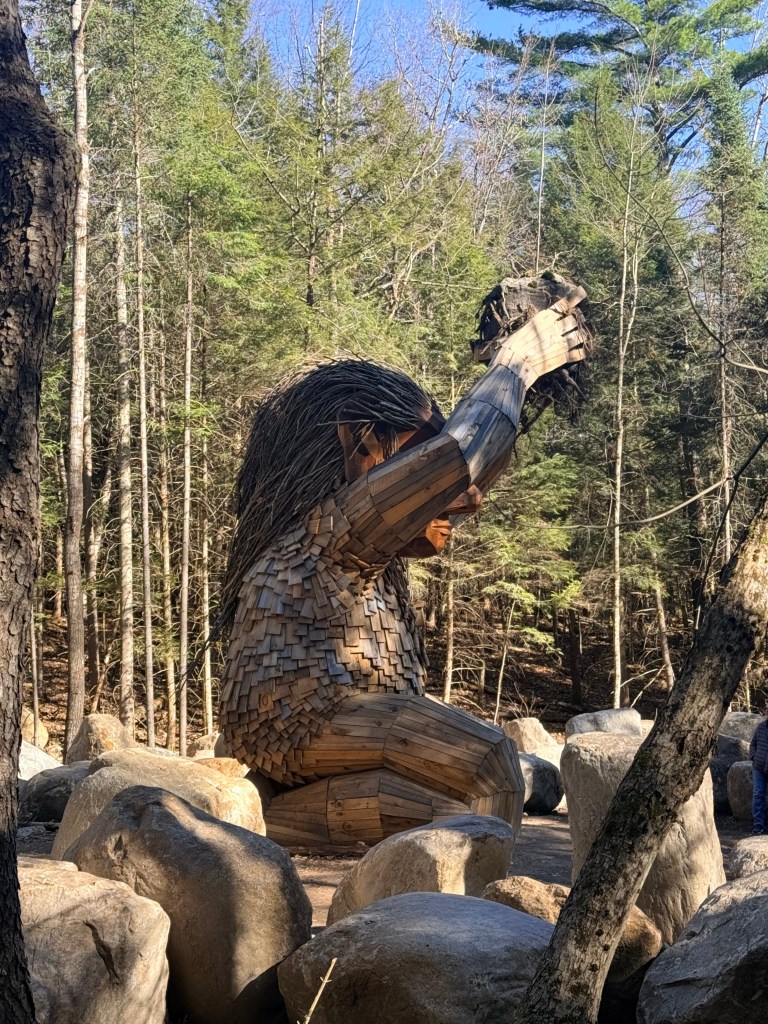
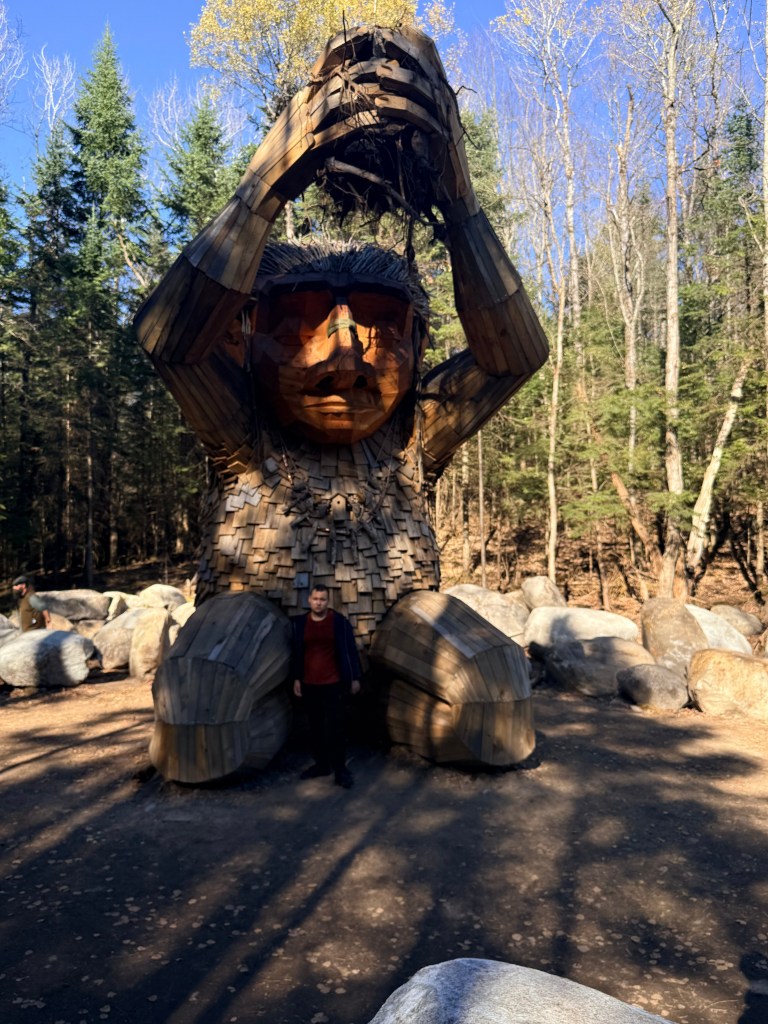
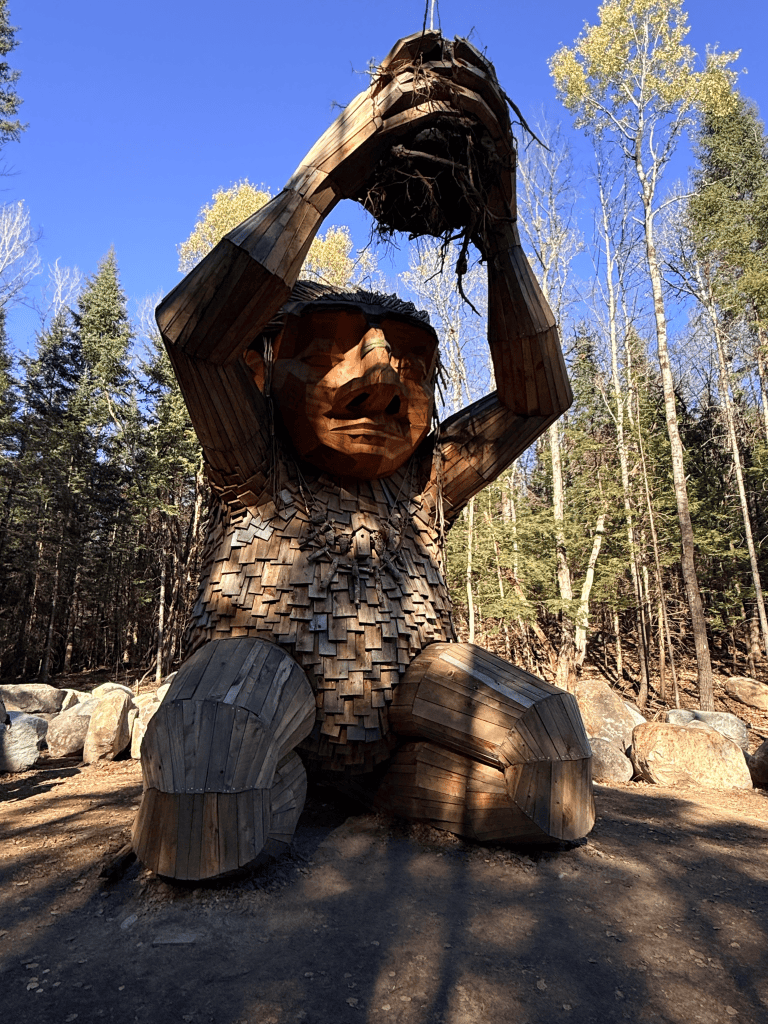
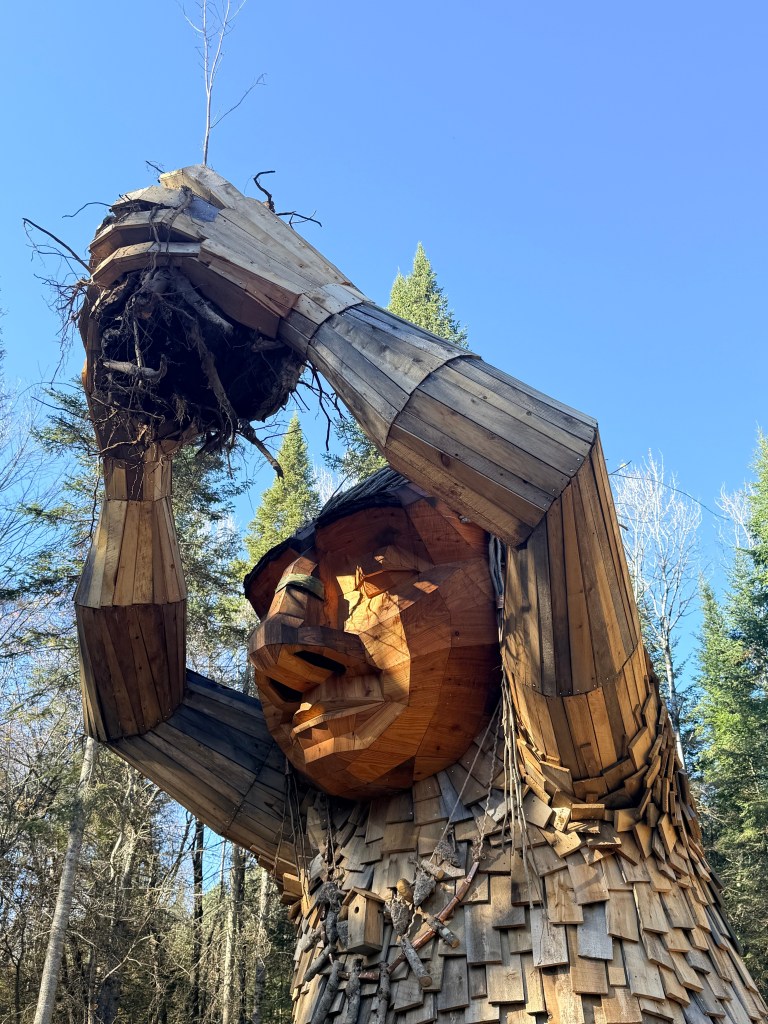
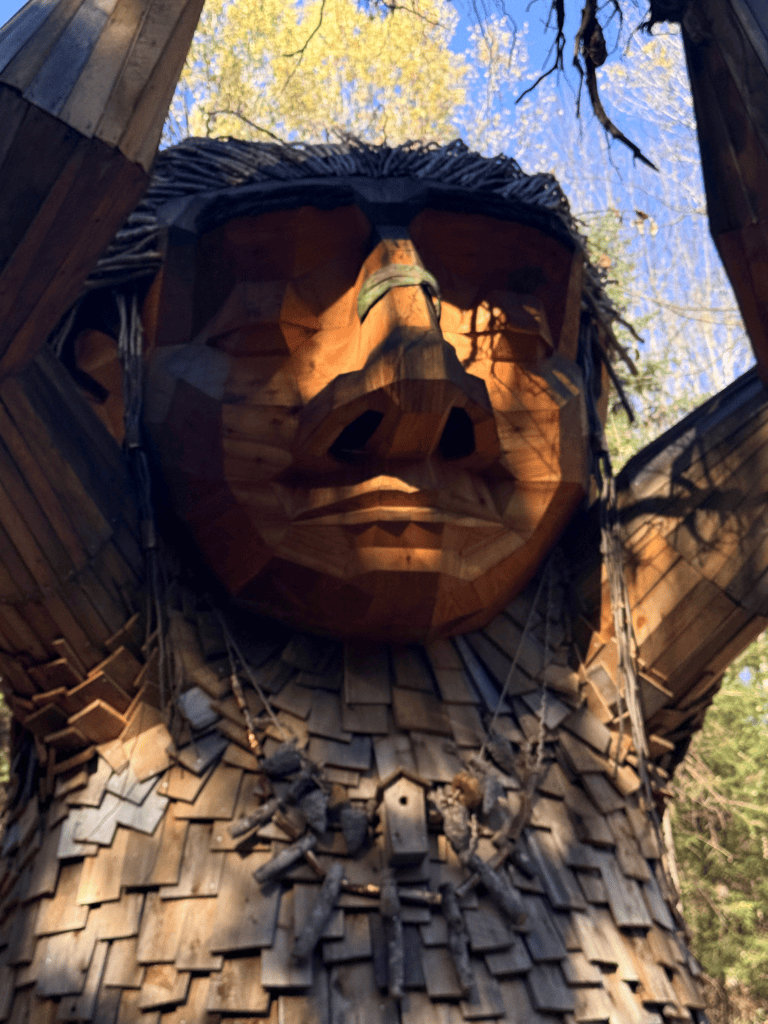
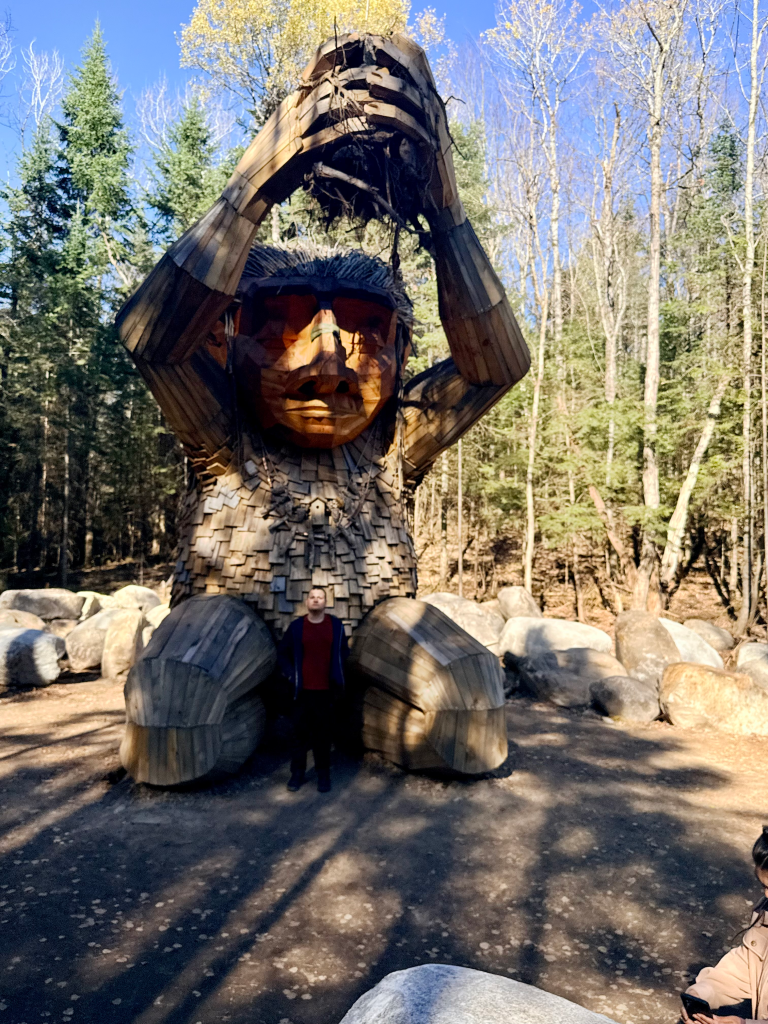
On our way back toward the main trail, we finally came upon the Wild Center’s permanent troll, Patrick Sapling, named for American environmental artist Patrick Dougherty. Standing thirty feet tall inside a circle of enormous boulders inspired in part by Scandinavian stone circles and folklore, Patrick gently cradles a young sugar maple tree and lifts it toward the sky.
The sugar maple itself is alive and growing inside the sculpture and as it outgrows its container, it will eventually be planted on the property and replaced with a new sapling, allowing Patrick’s story to continue for years to come.

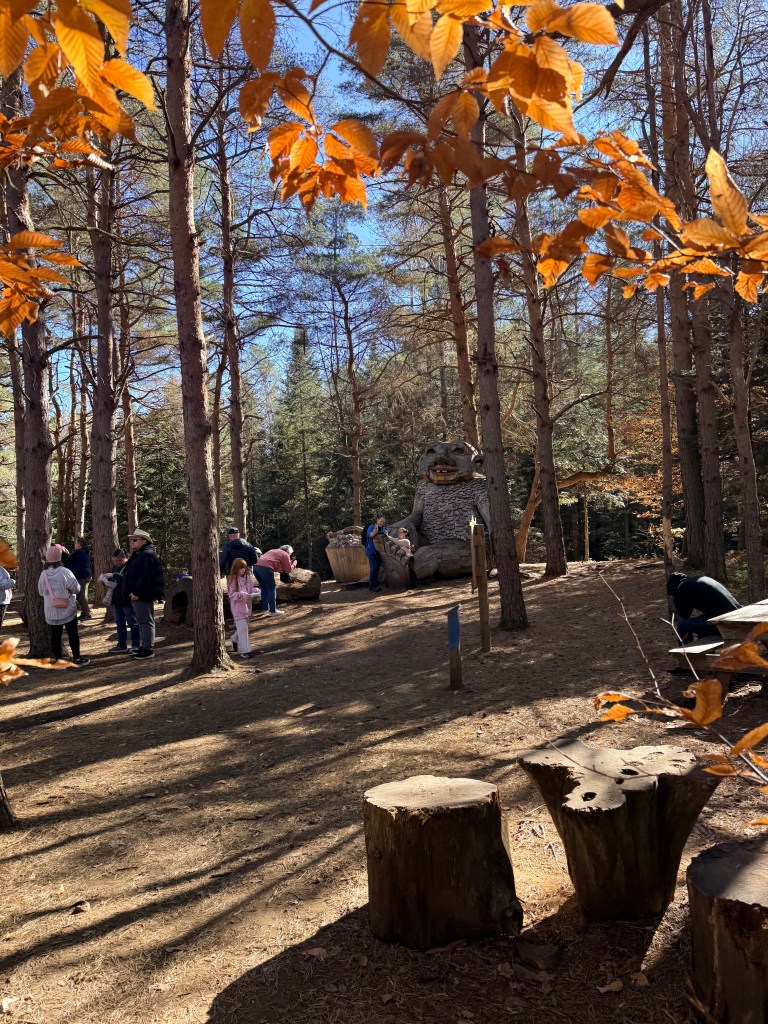
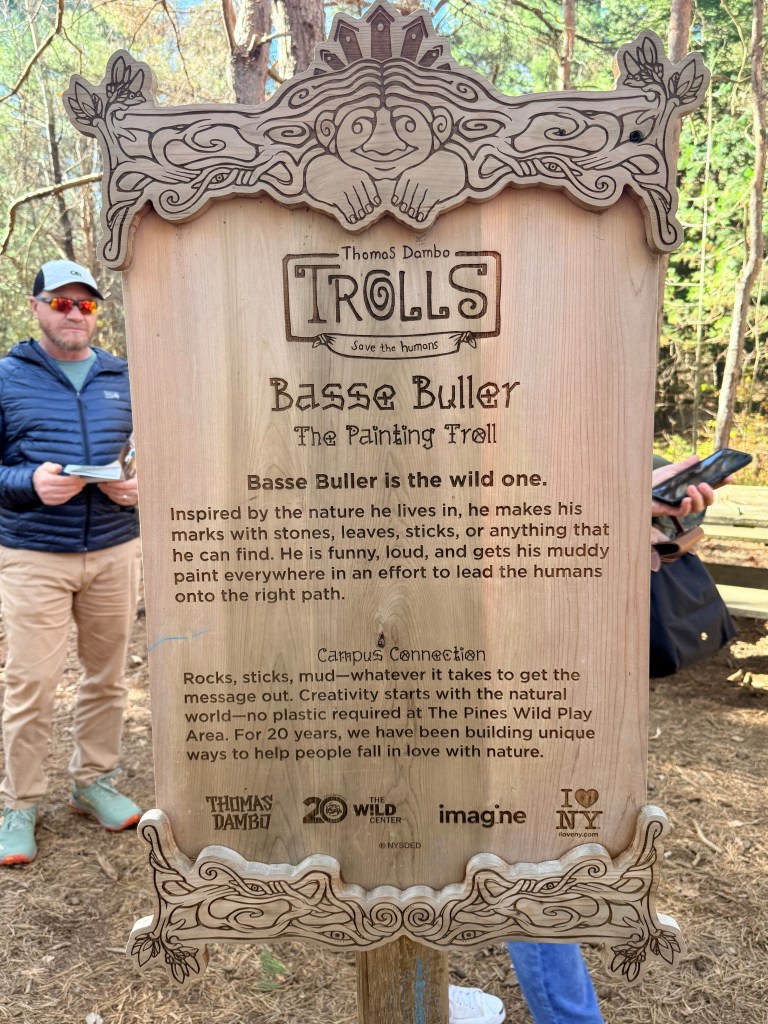
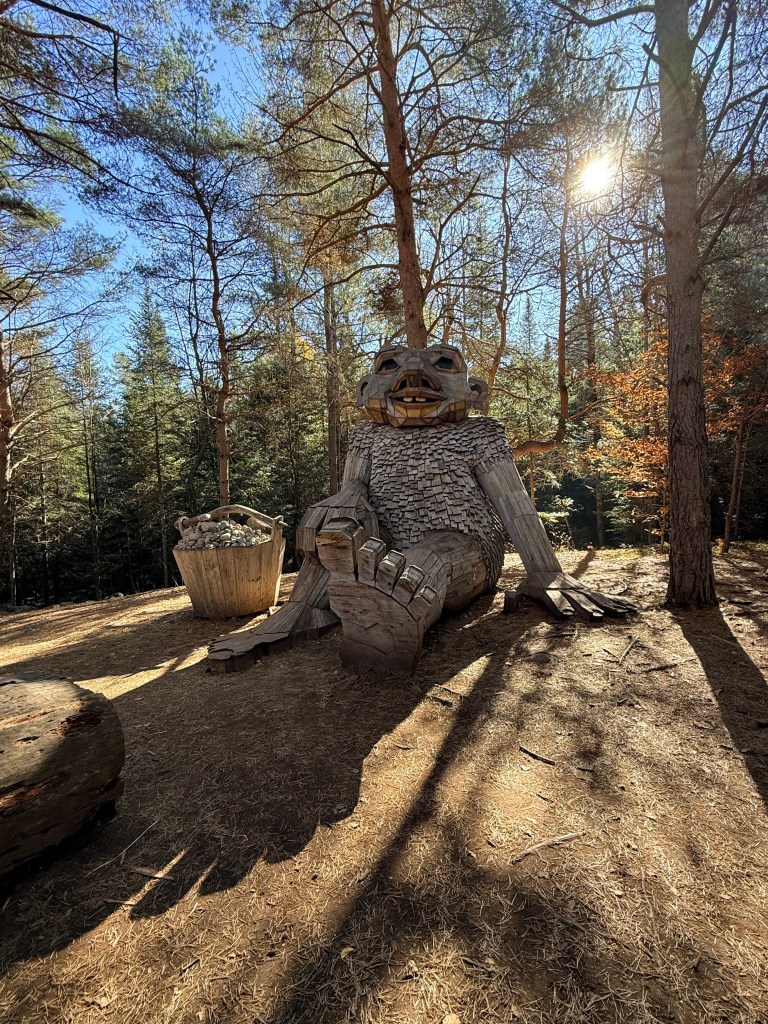
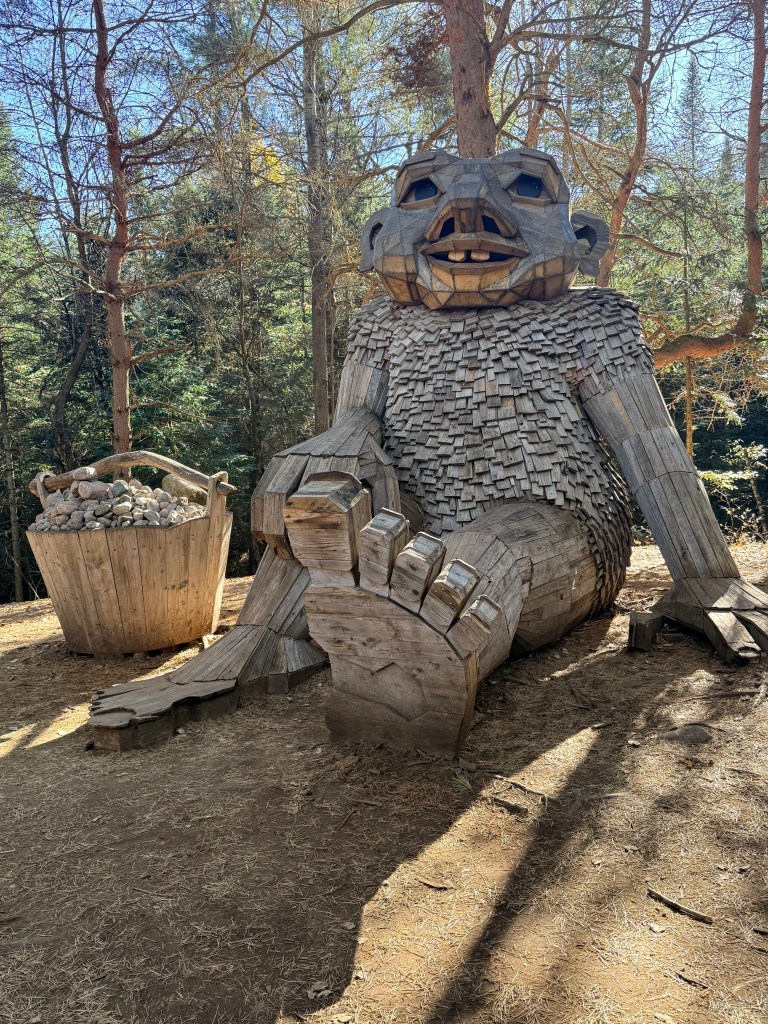
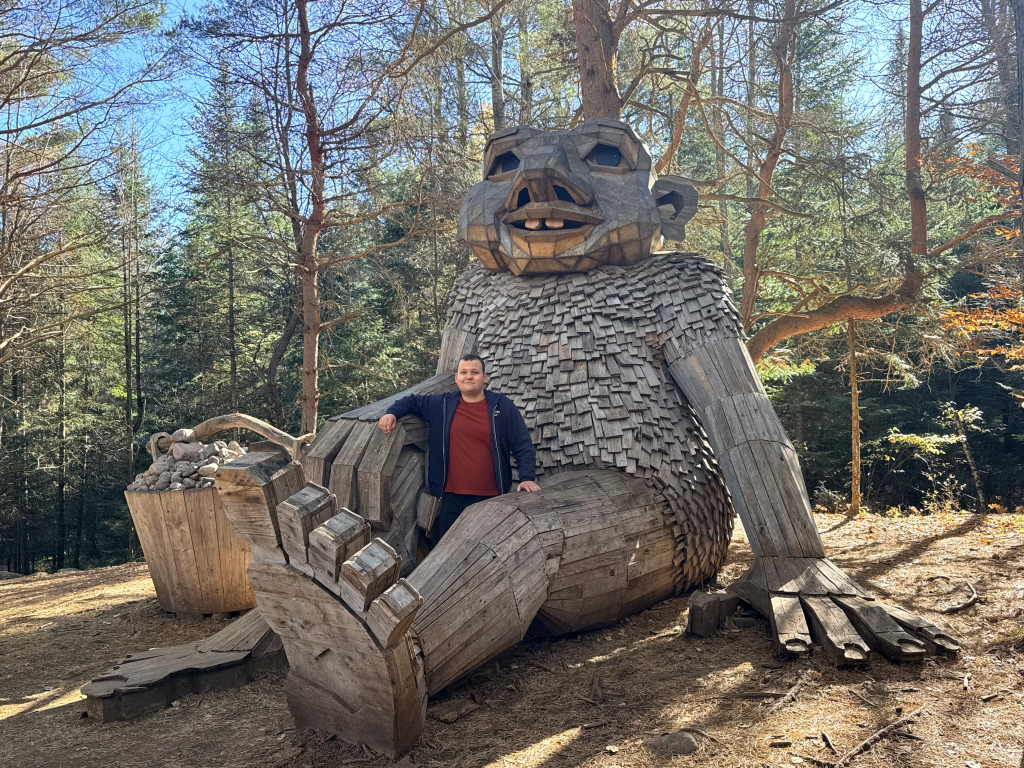
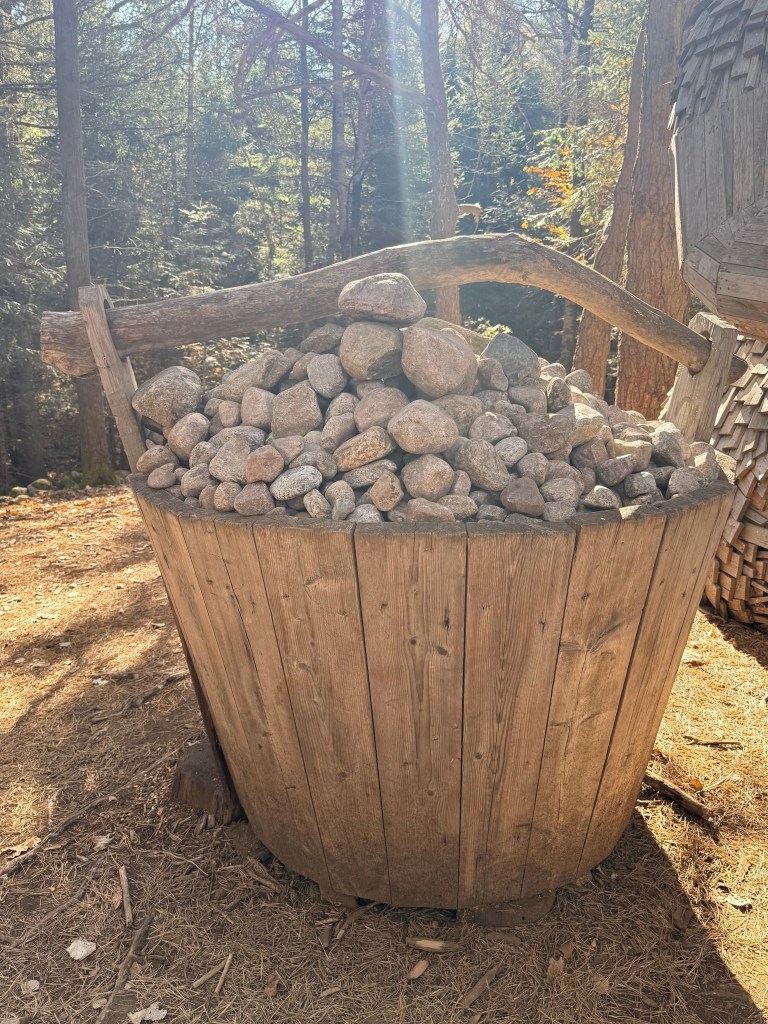
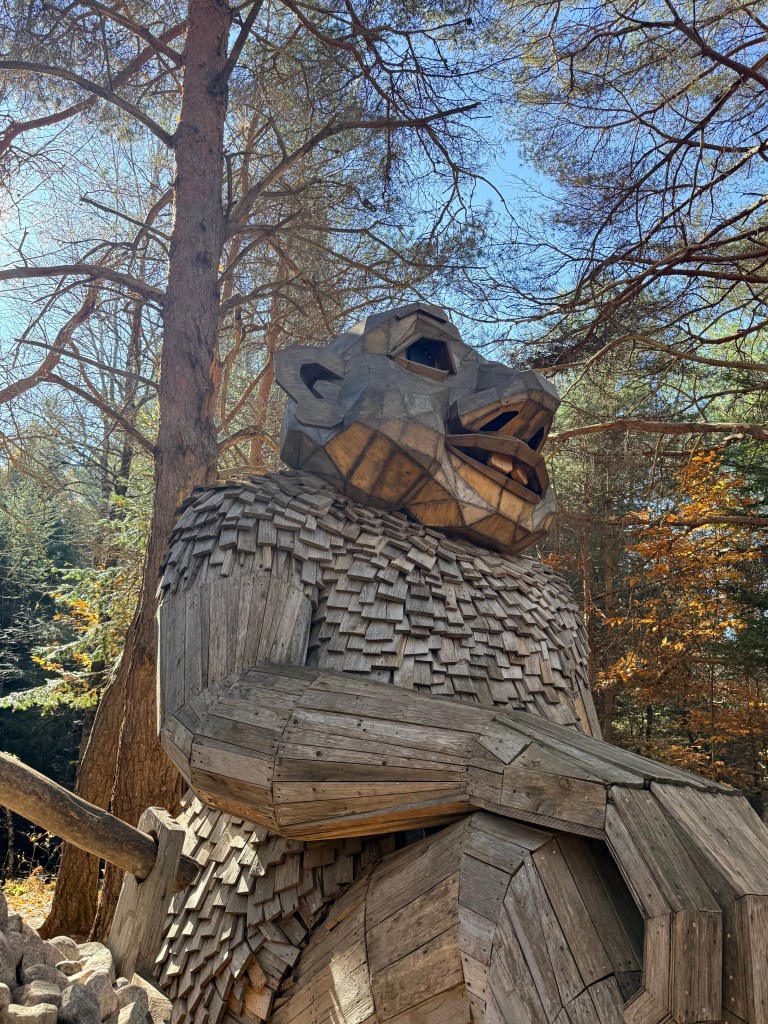
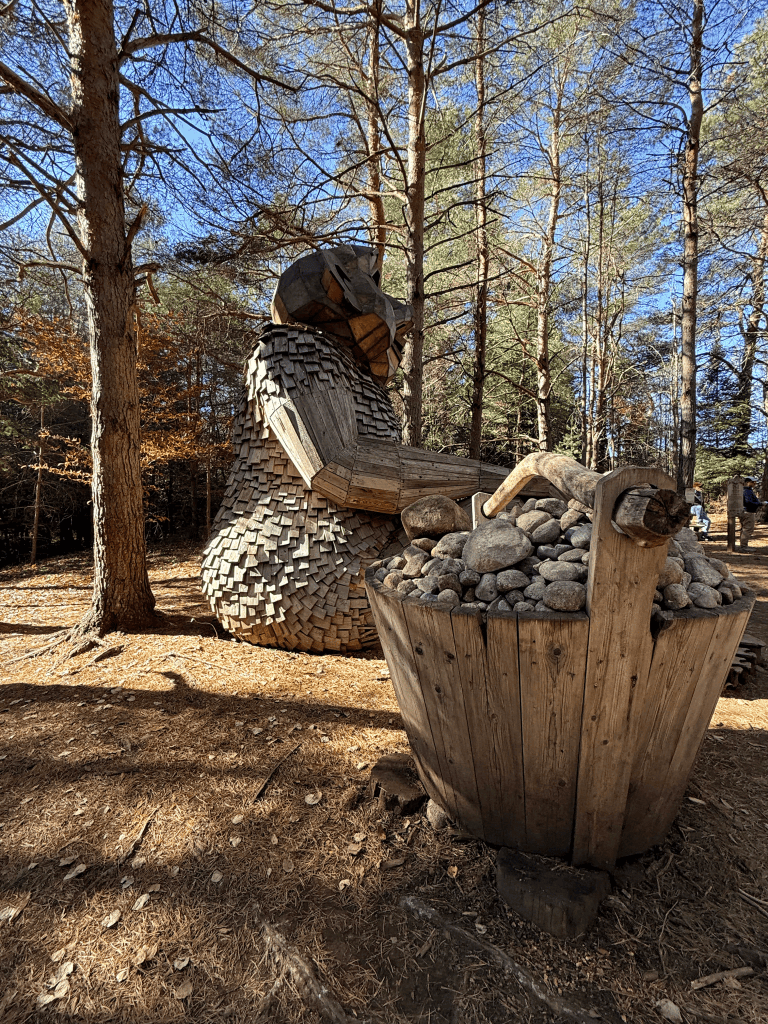
In the Pines Wild Play Area which encourages visitors to build, climb, and explore using natural materials rather than manufactured playground equipment sat Basse Buller, the Wild One. Surrounded by sticks, logs, and all the things kids were using to build their own woodland adventures, he looked like he belonged there. What we noticed most, though, was his bucket. Hunter has approximately 4,732 nicknames, but the OG is the one I gave him at approximately five days old and somehow never lost… Bucket. So naturally, out of everything about Basse Buller, the bucket became the star of the show for us.
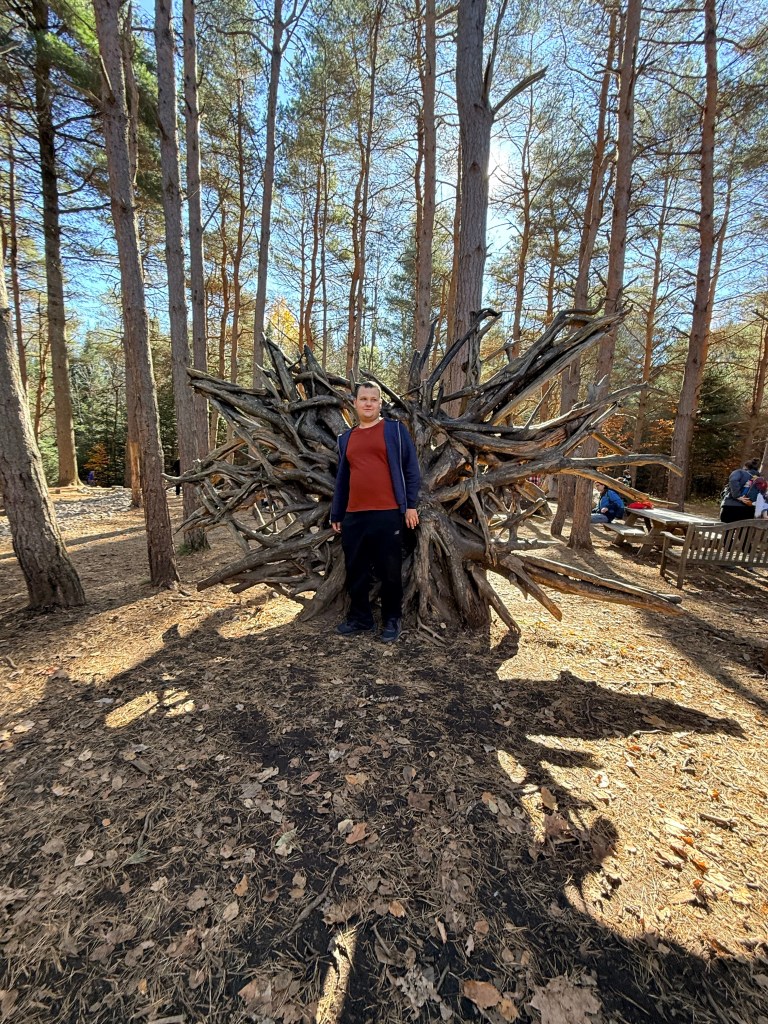
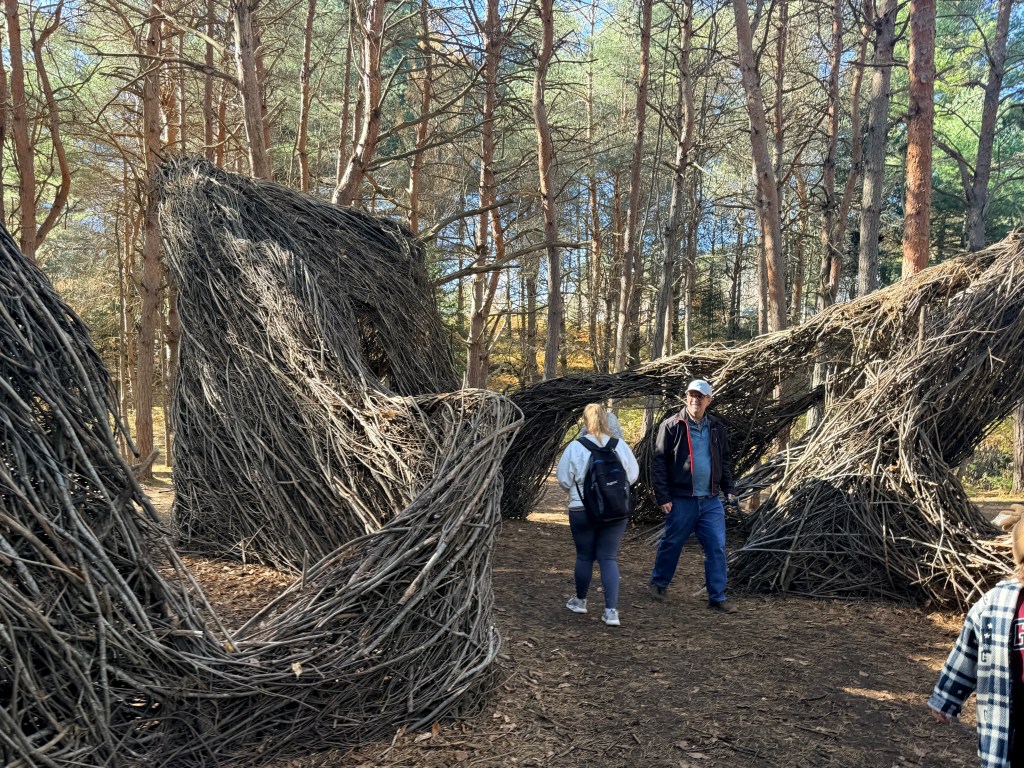
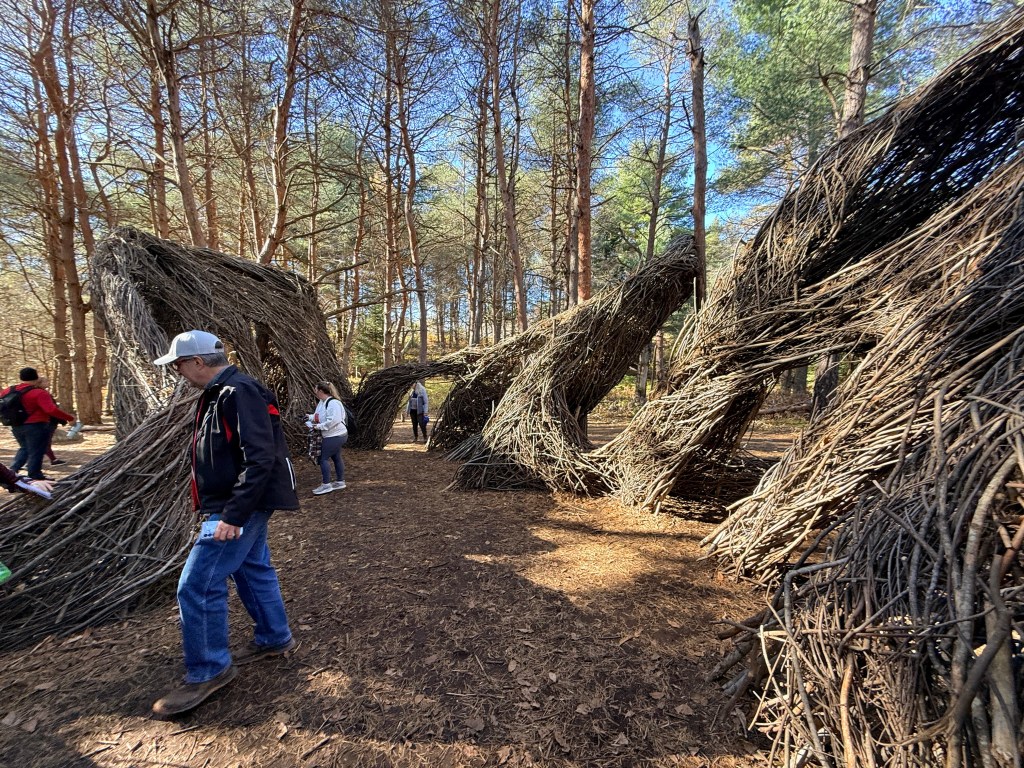
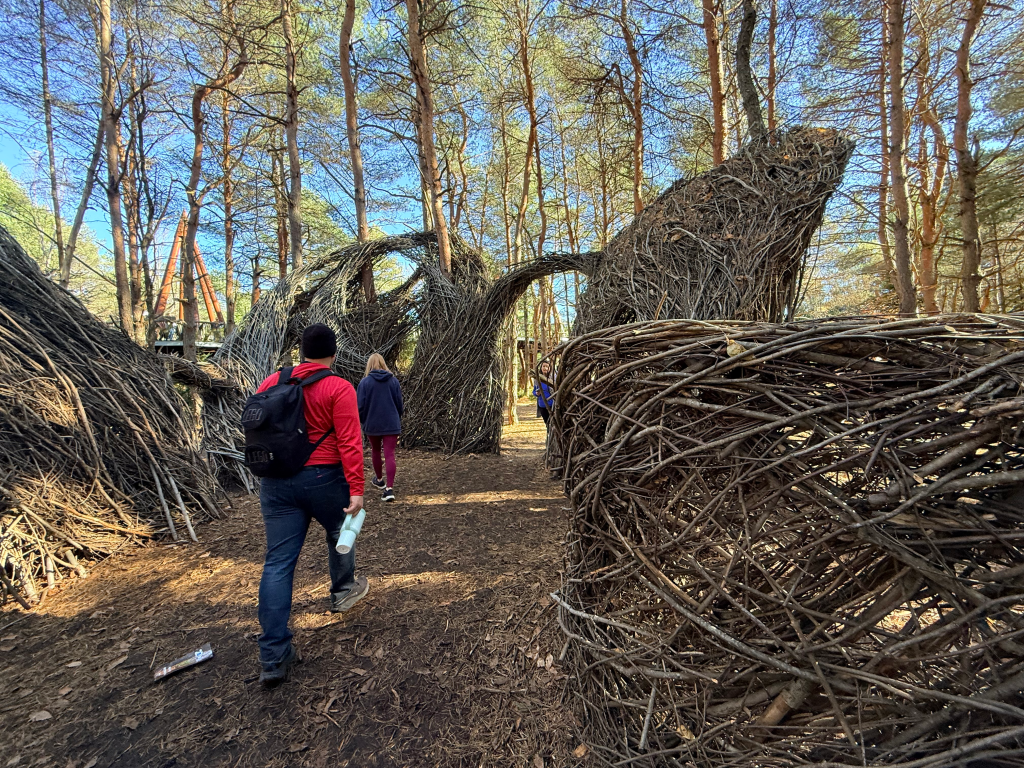
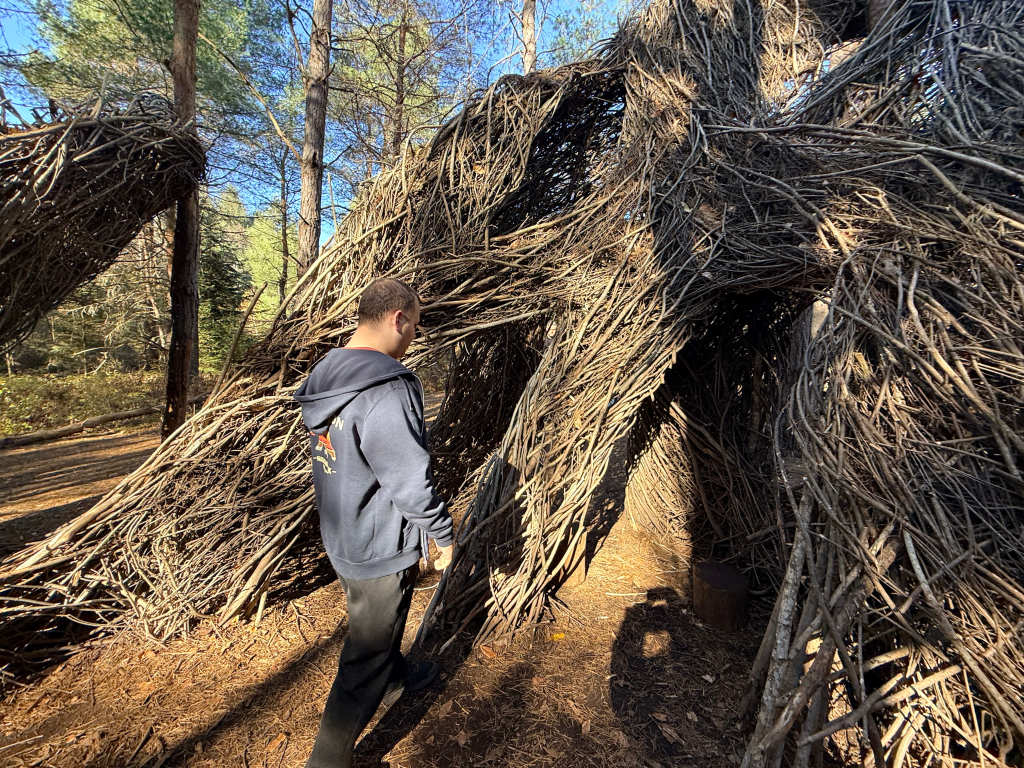
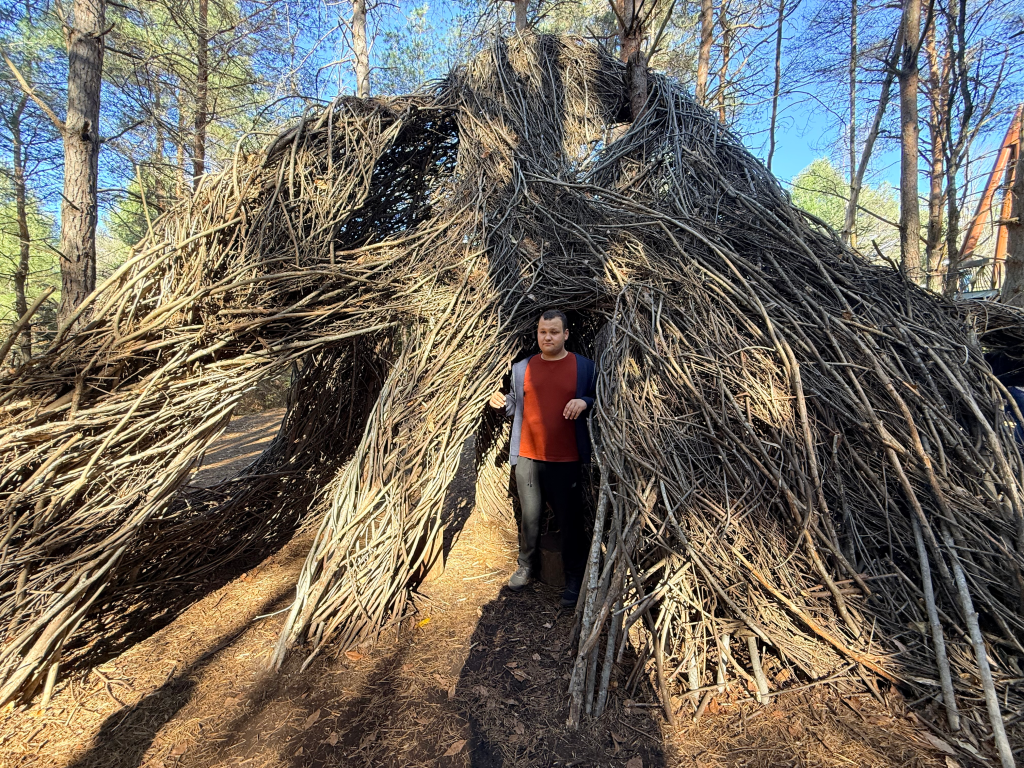
Now here’s where things got interesting. Remember how I mentioned that Patrick Sapling is named for American environmental artist Patrick Dougherty? Later in our visit, we came across Dougherty’s massive Stickwork sculpture, an enormous woven structure made entirely from branches. At the time, I had no idea there was any connection between the two.
It wasn’t until after the trip that I learned Patrick Sapling had actually been named in Dougherty’s honor.
The funny part is that as soon as I saw Stickwork, I immediately thought of the Bonus Troll we found as part of the Iowa troll scavenger hunt last summer. Unlike Thomas Dambo’s traditional trolls, that one looked more like it had grown out of the forest itself. The resemblance struck me instantly, even though I didn’t yet know there was a Patrick Dougherty connection hiding in the middle of the story.
Take a look and tell me if the Bonus Troll reminds you of Stickwork…


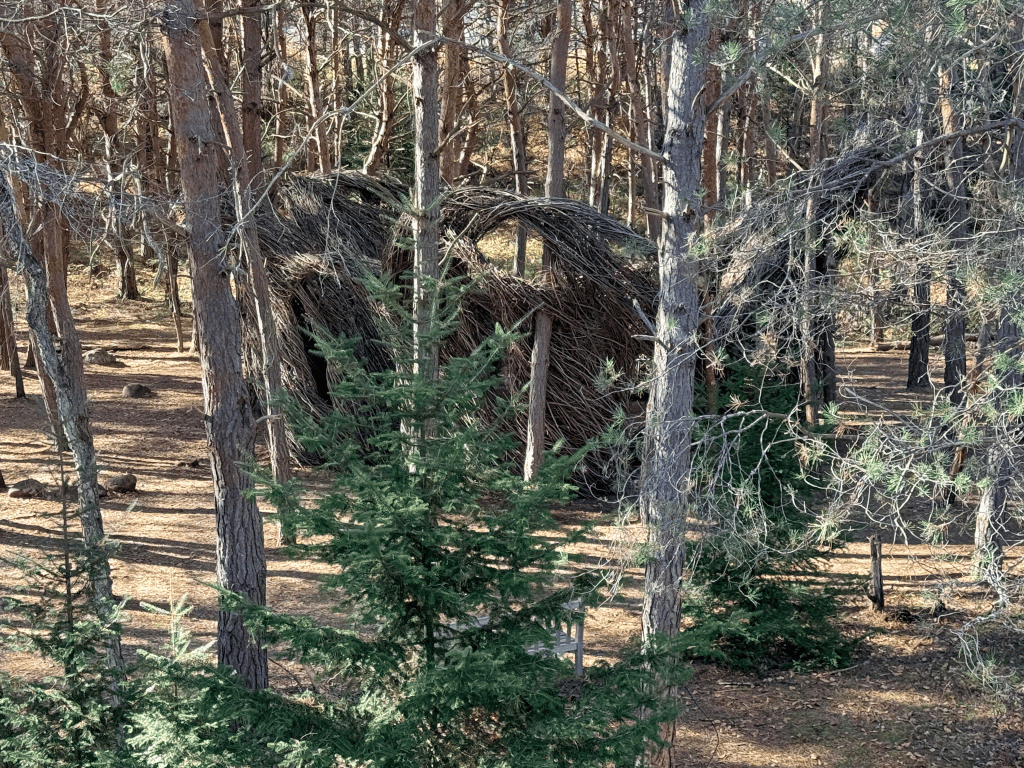
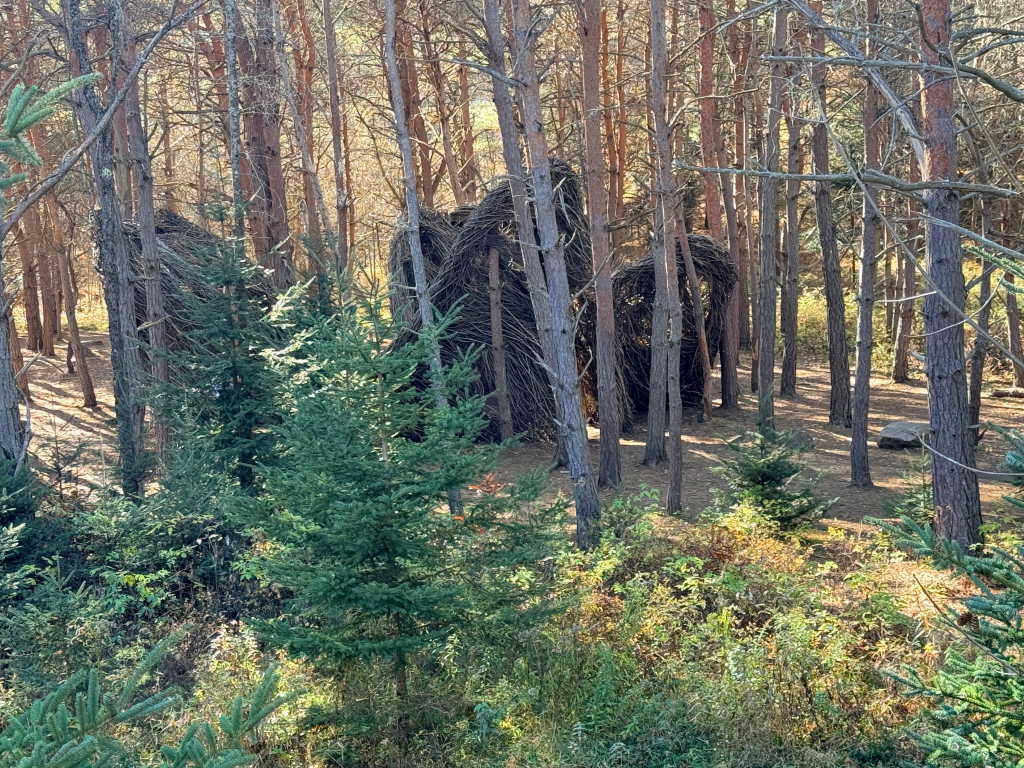
Across from Stickwork sat Sofus, a troll who prefers listening to talking. Tucked quietly among the trees, he felt a little more hidden than the others, which made discovering him even more fun.
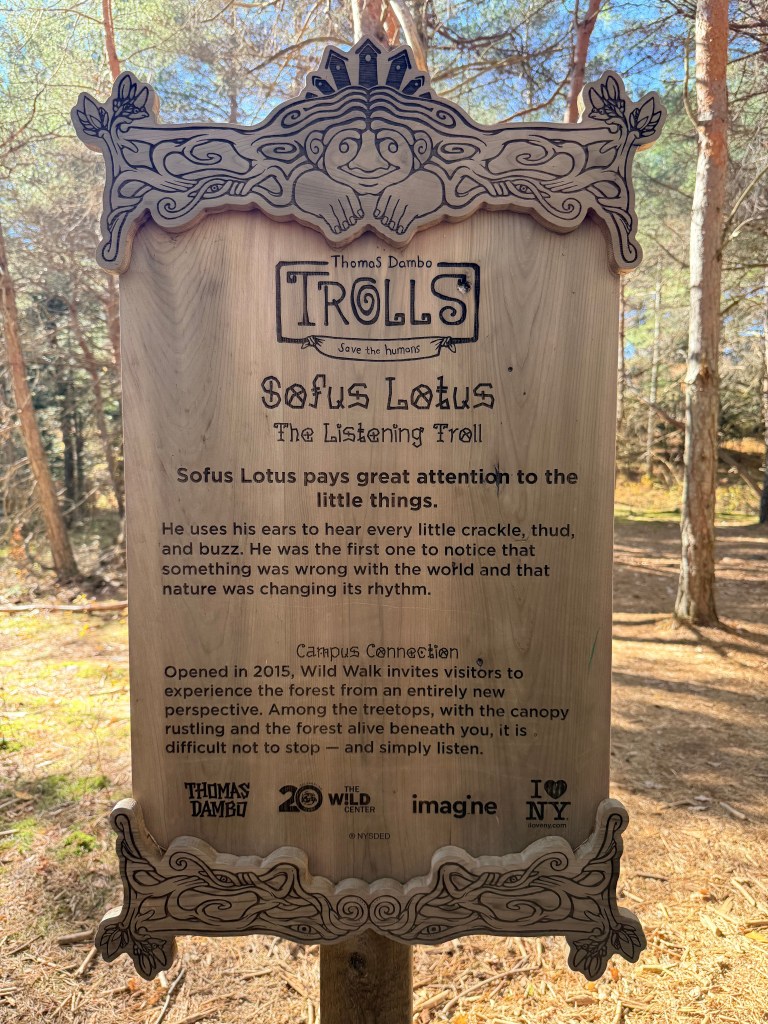
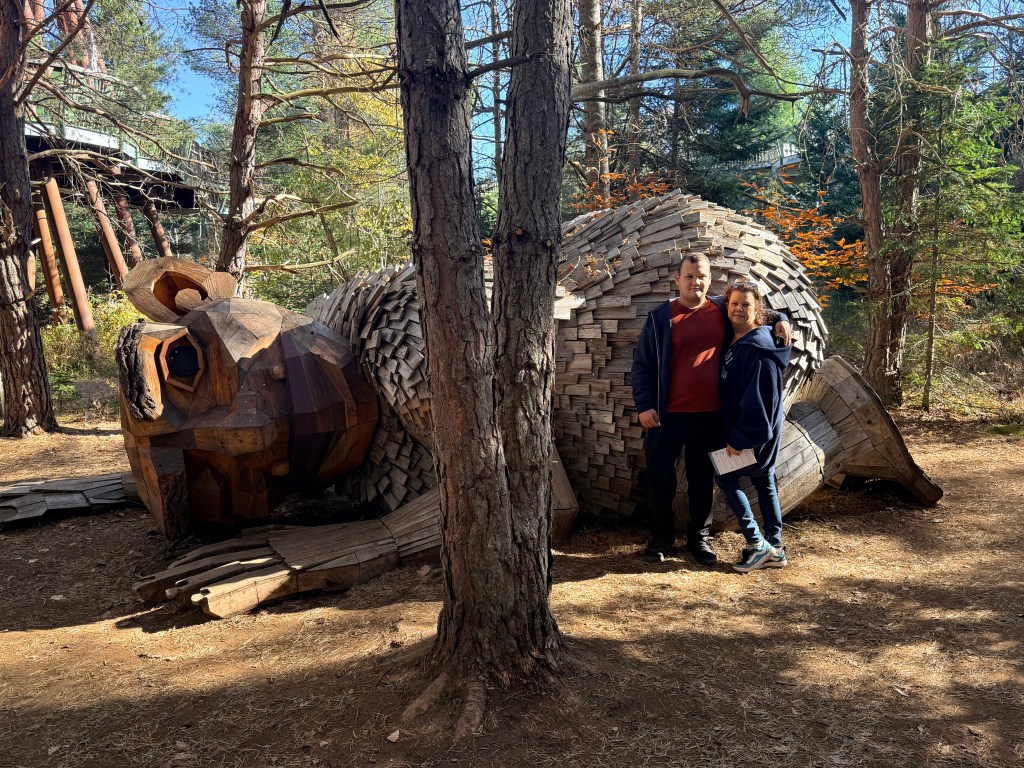
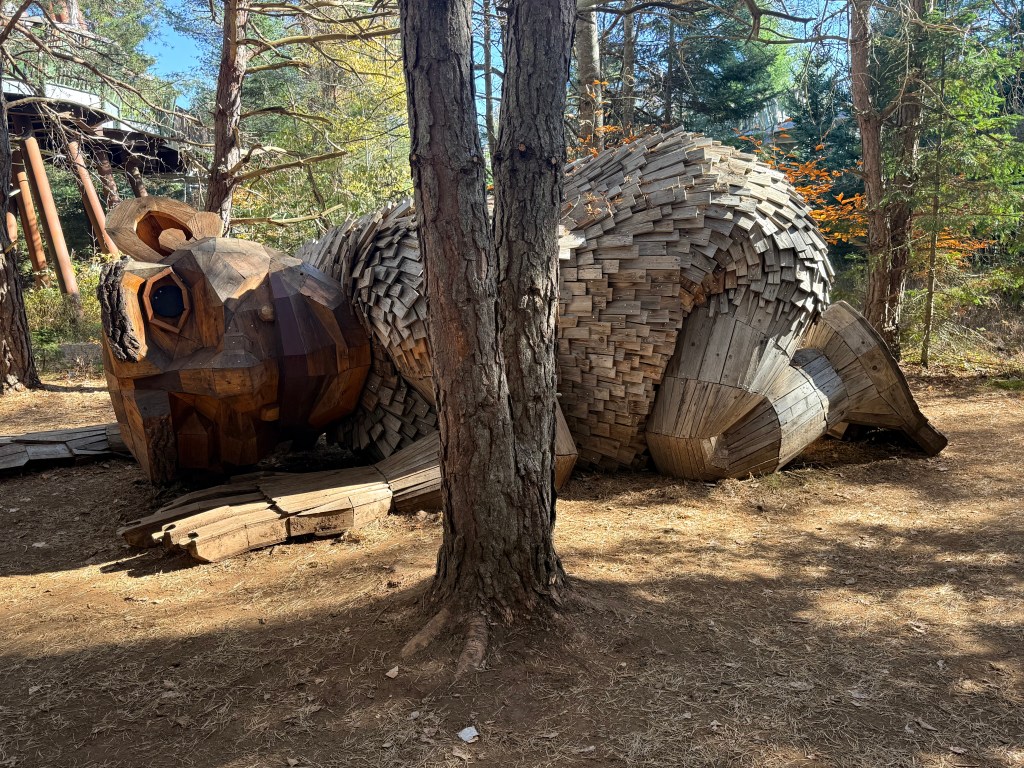
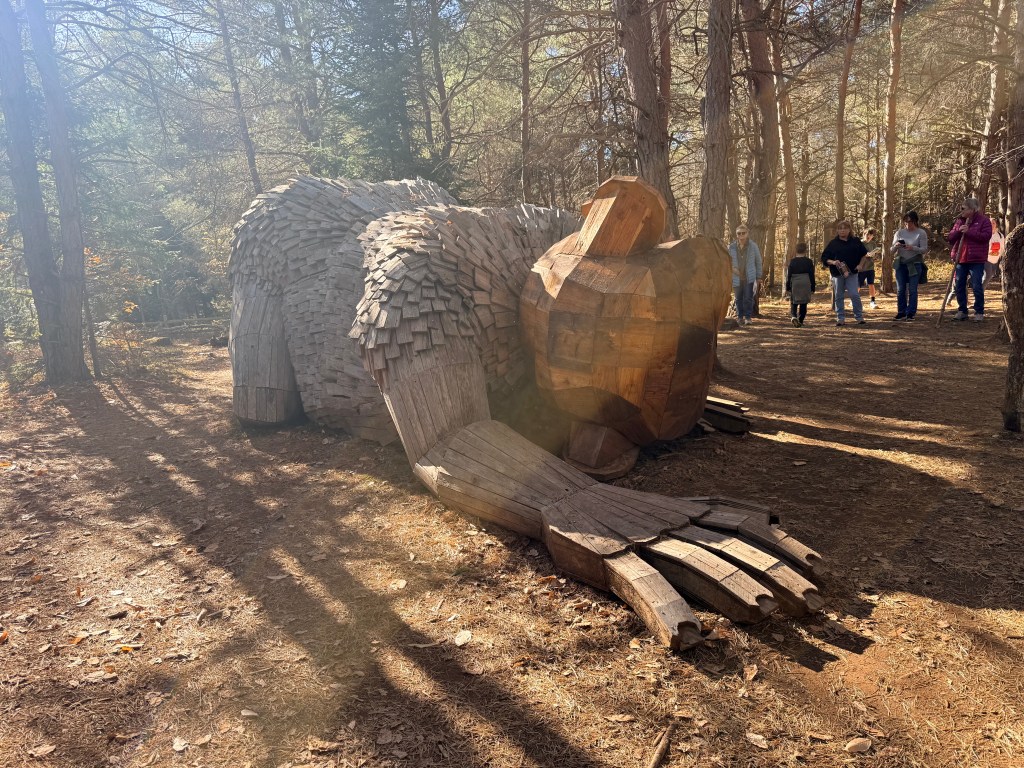
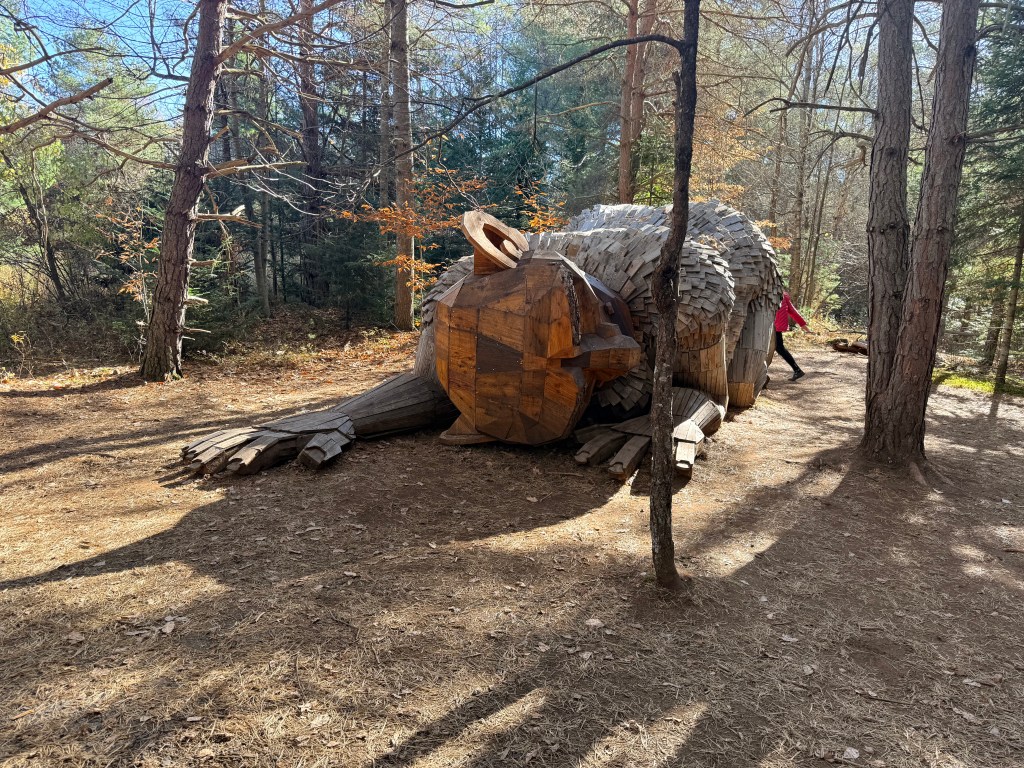
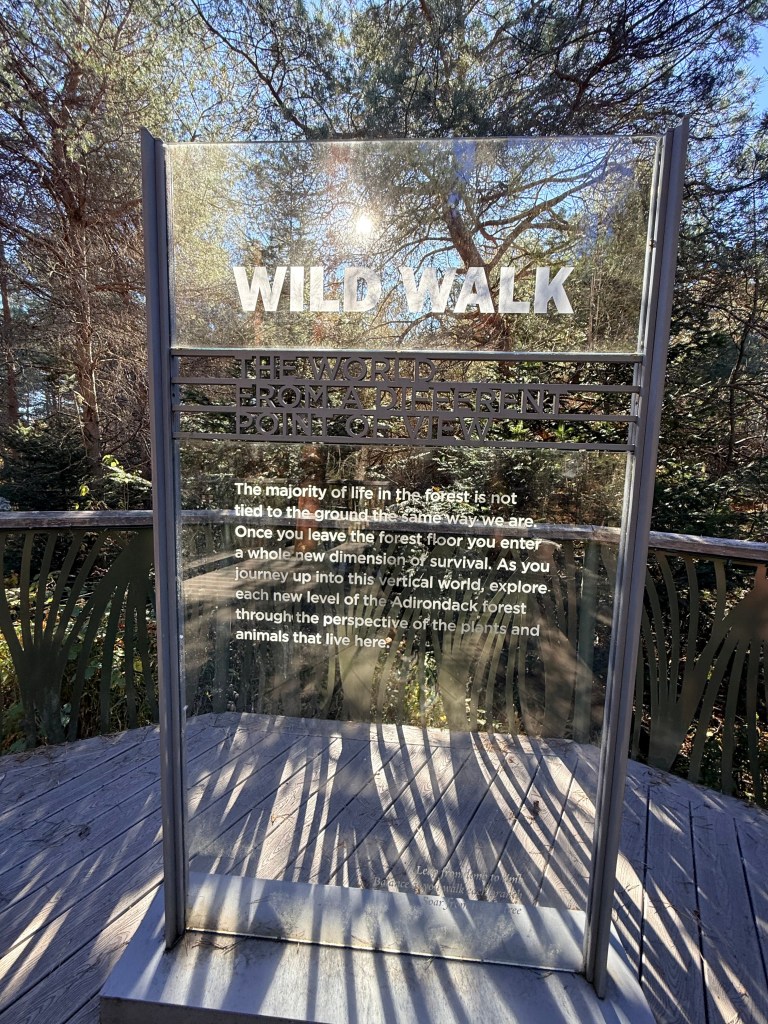
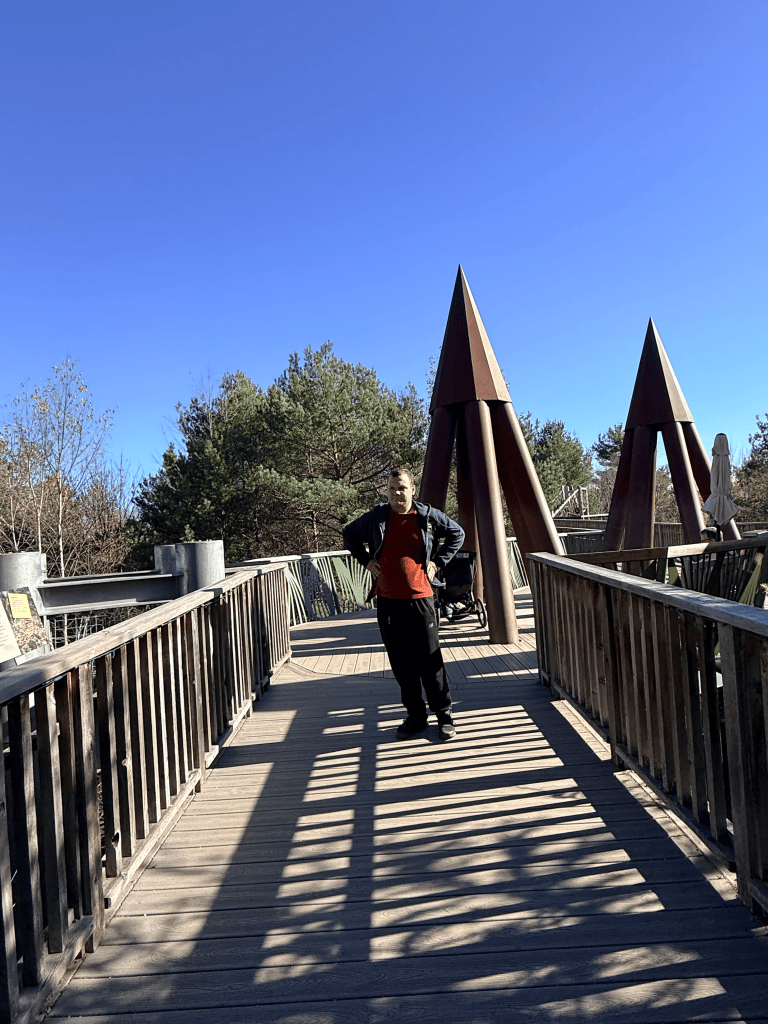
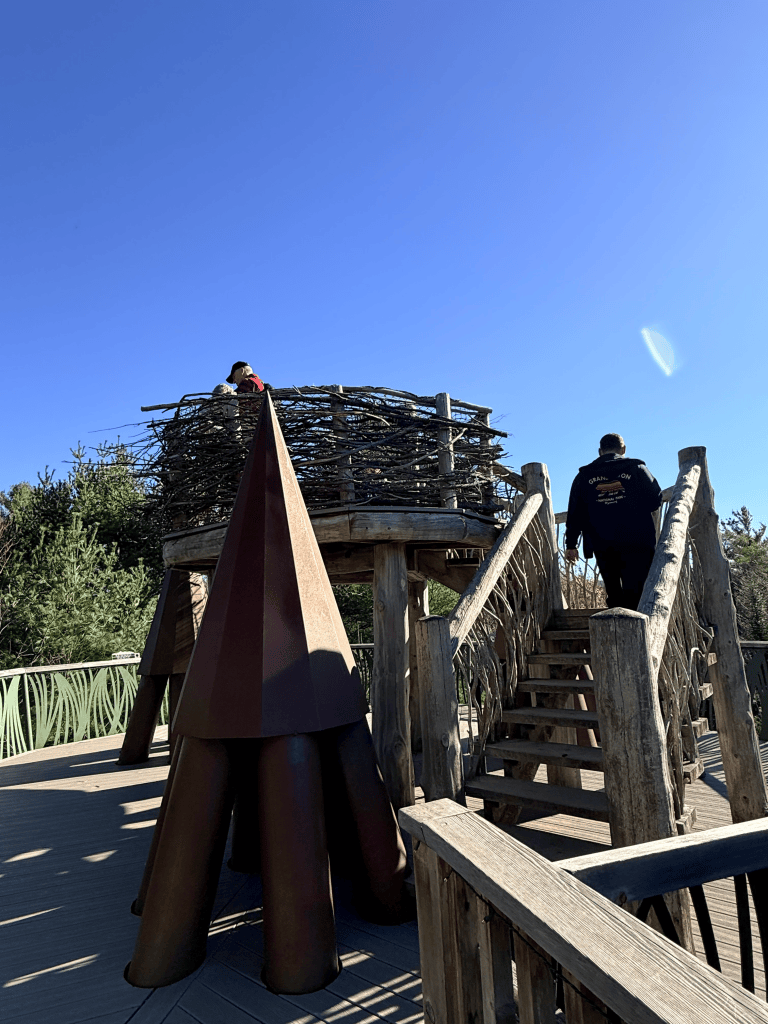
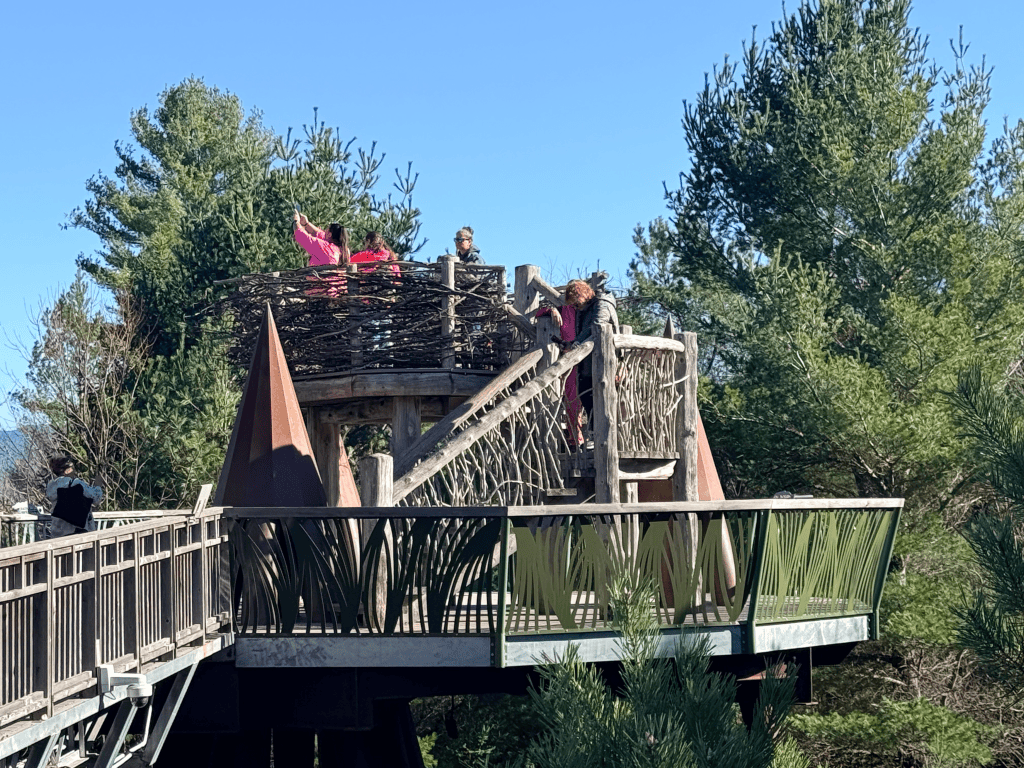
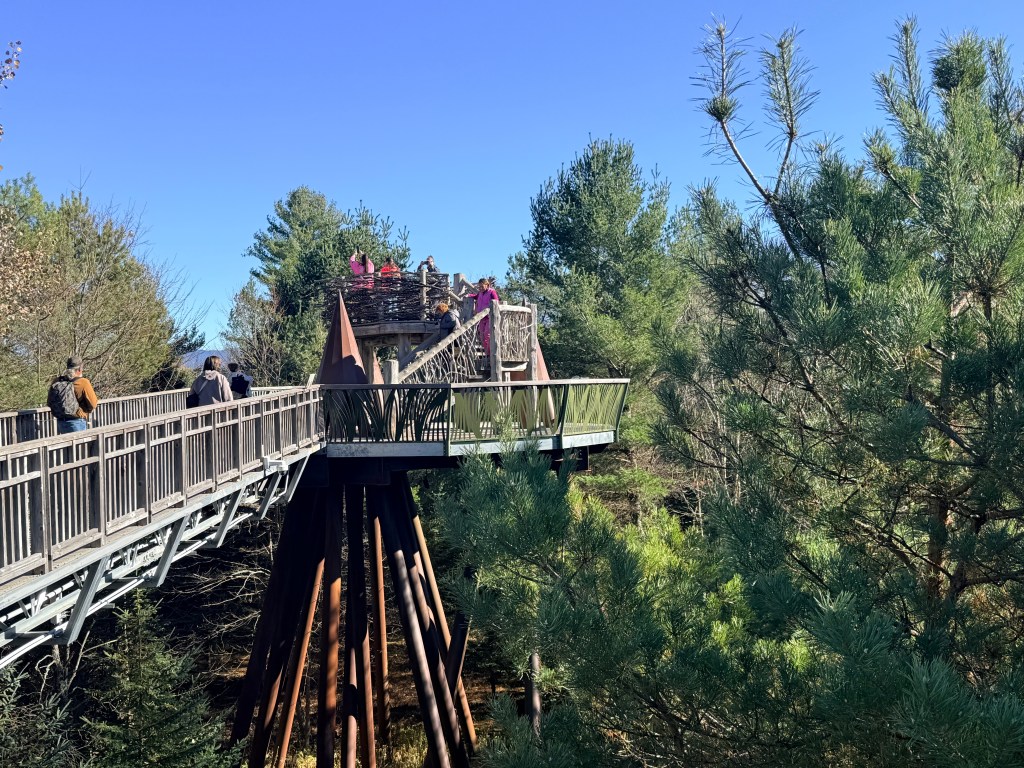
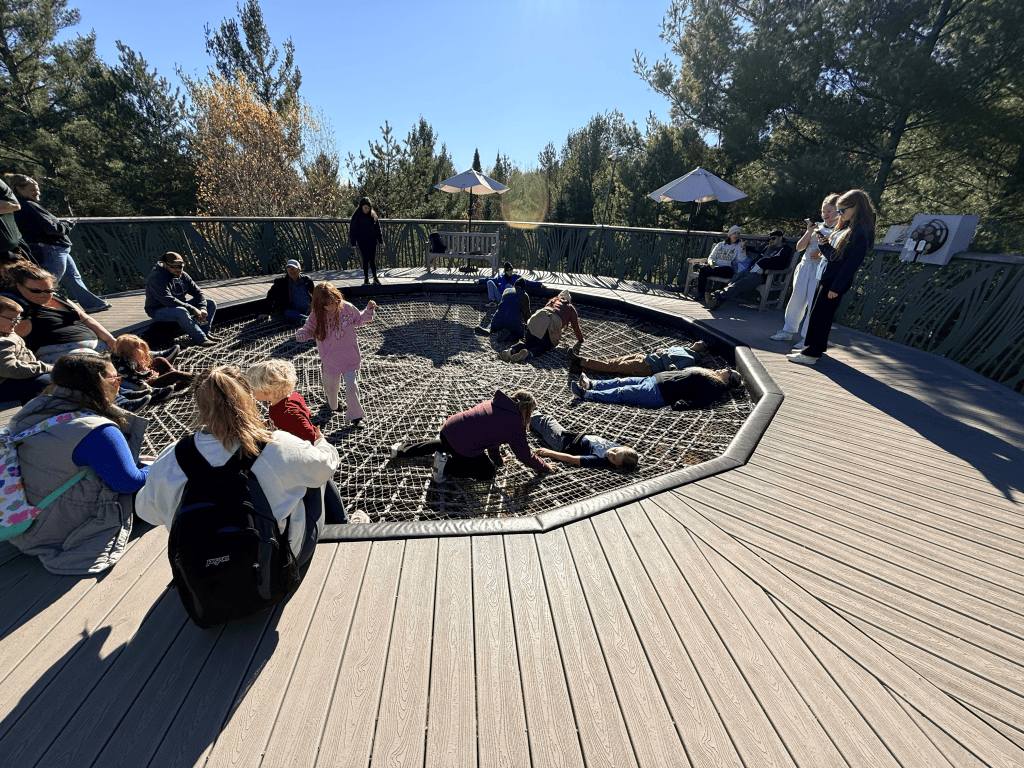
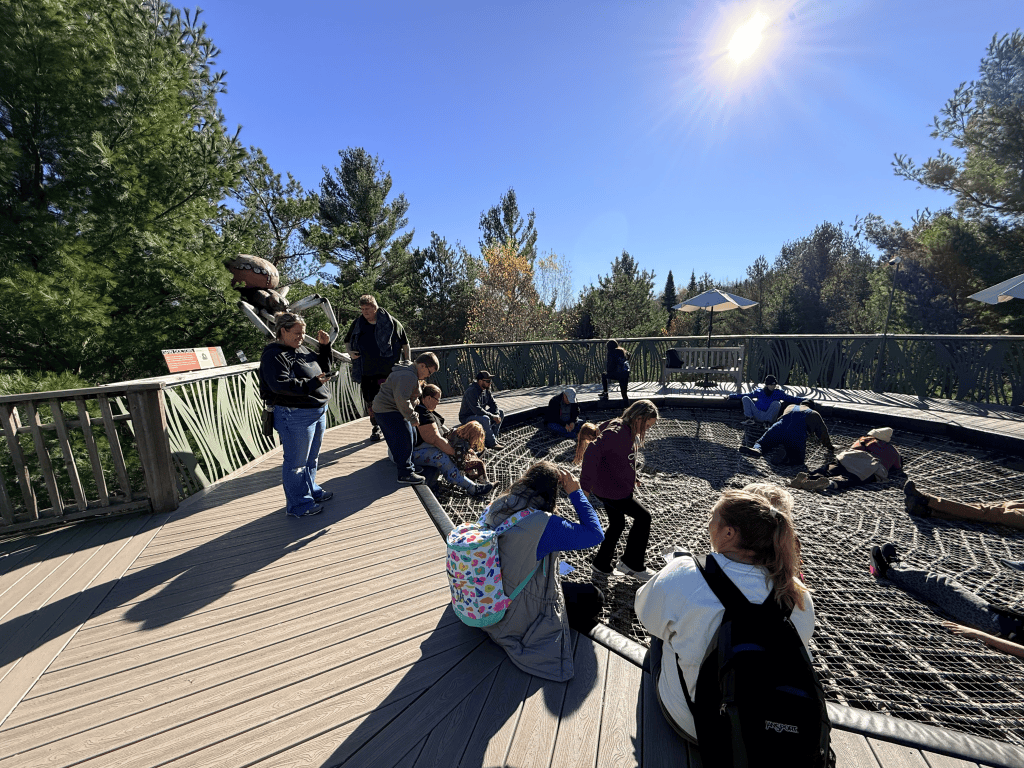
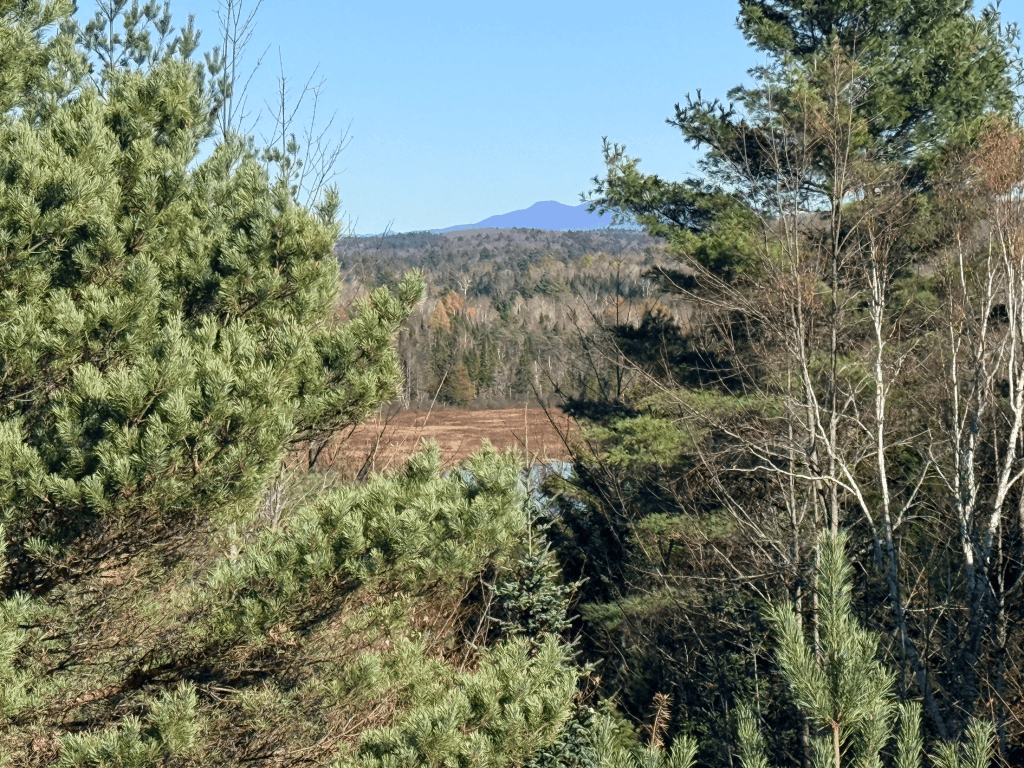
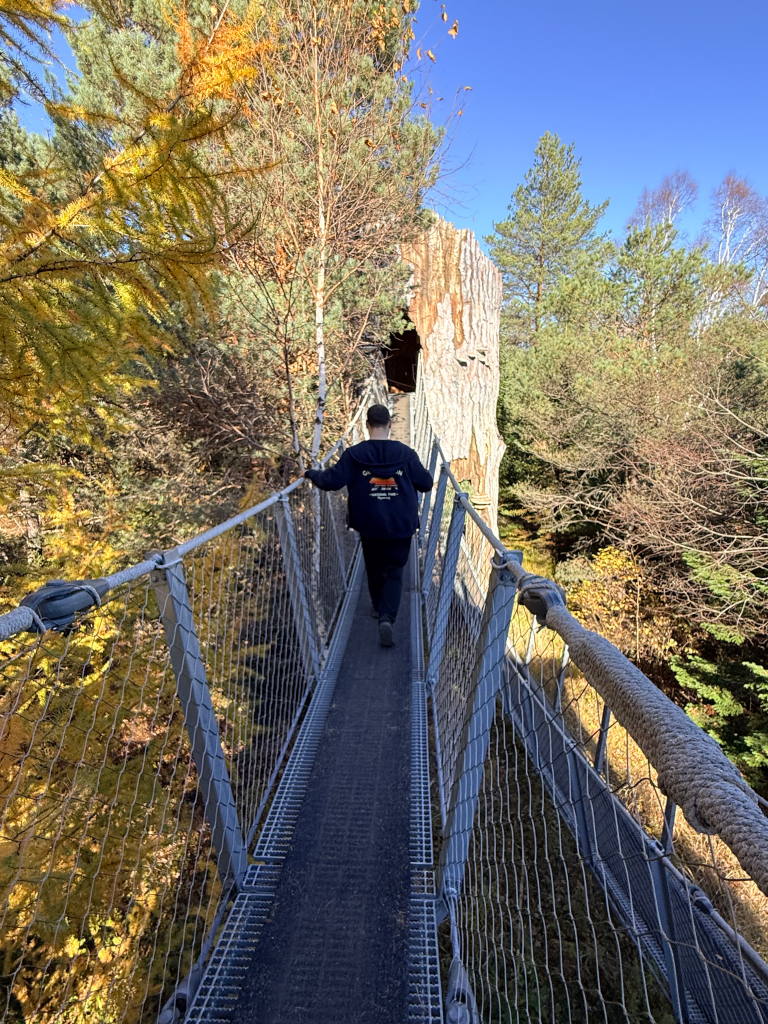
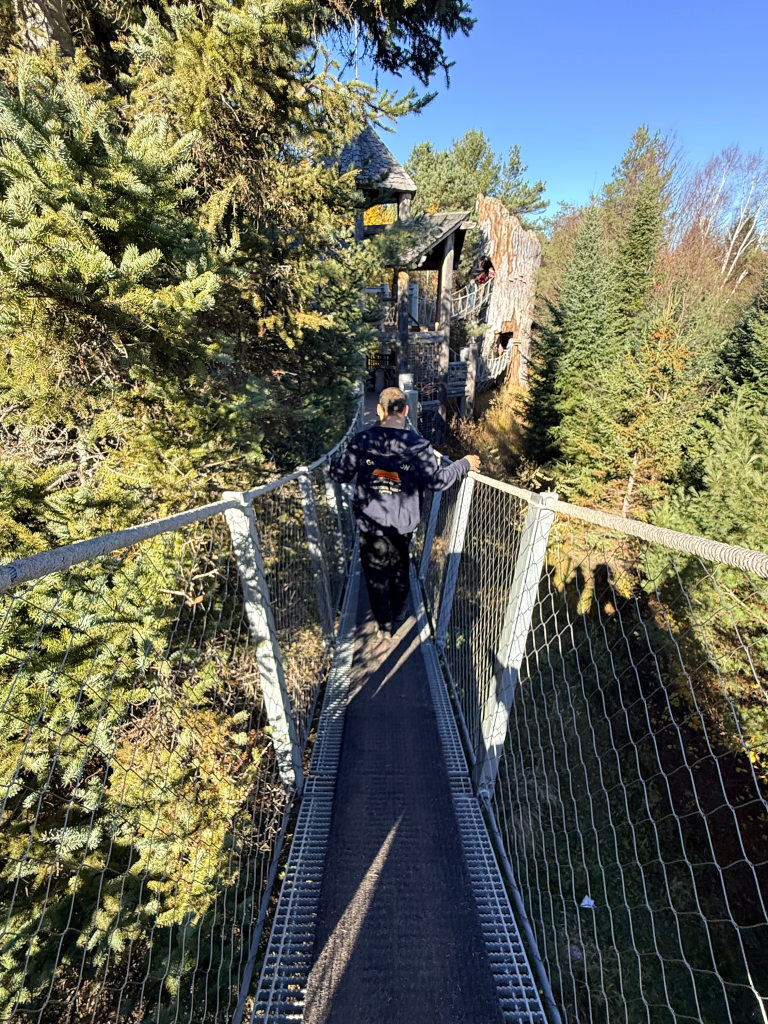
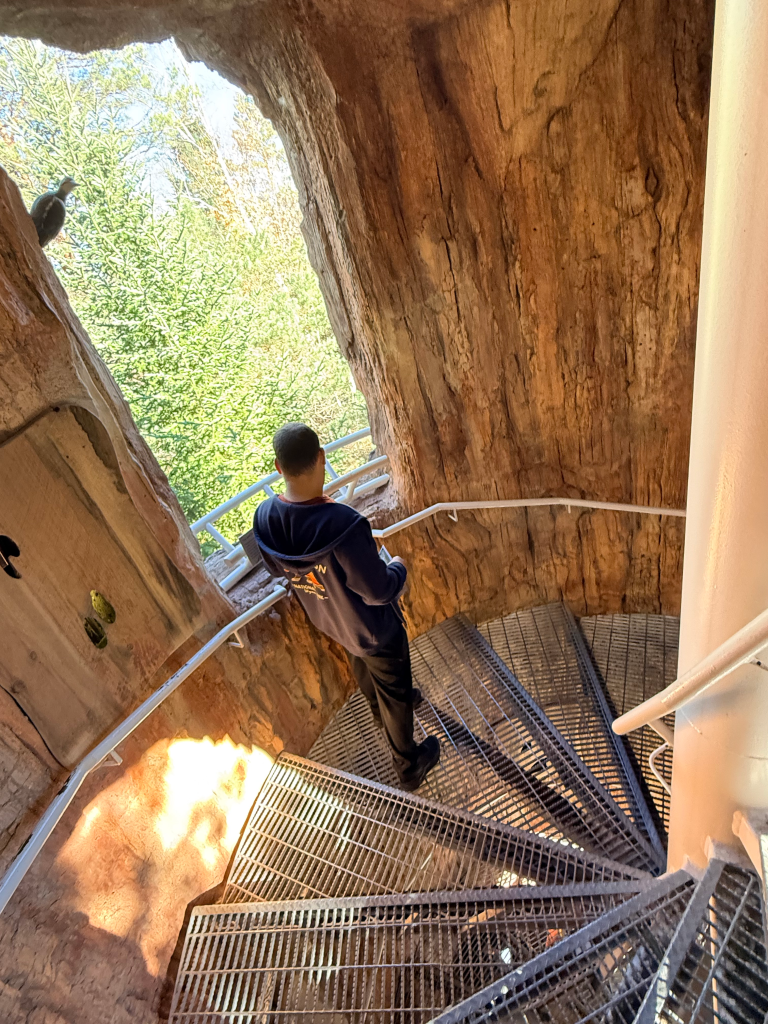
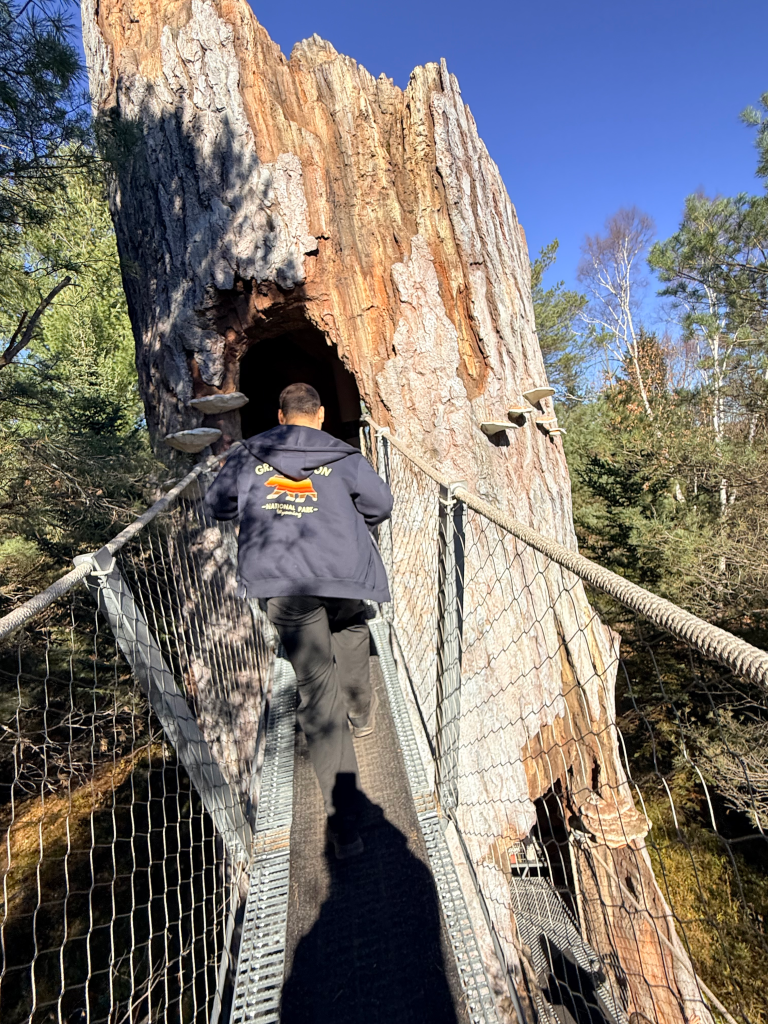
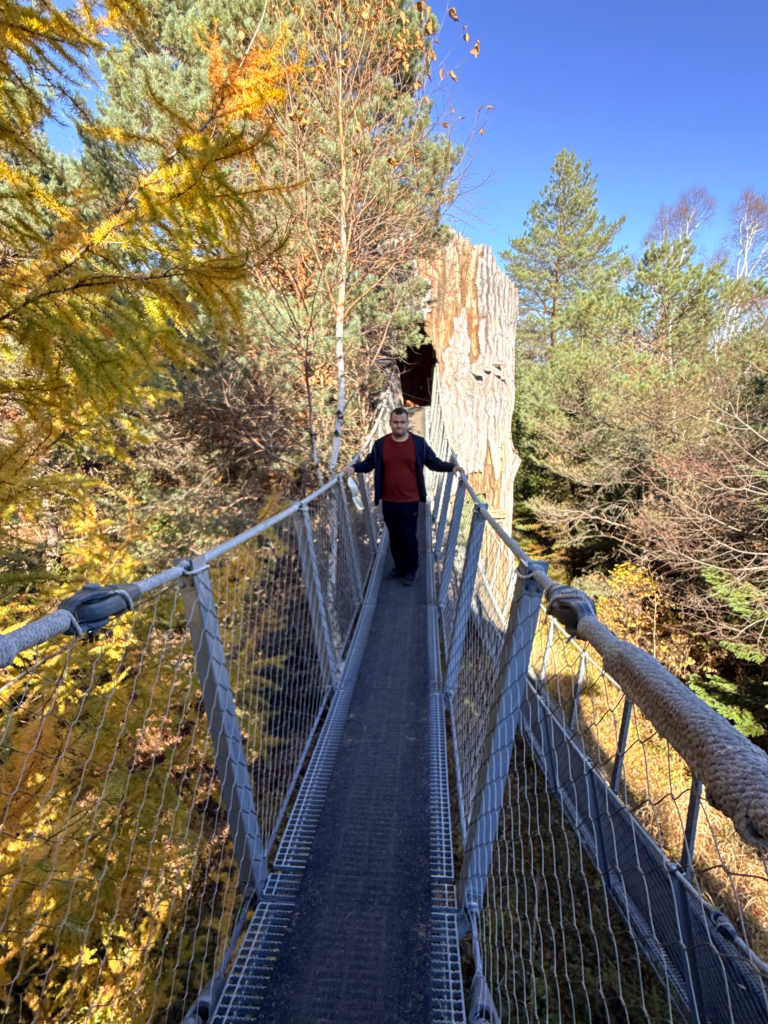
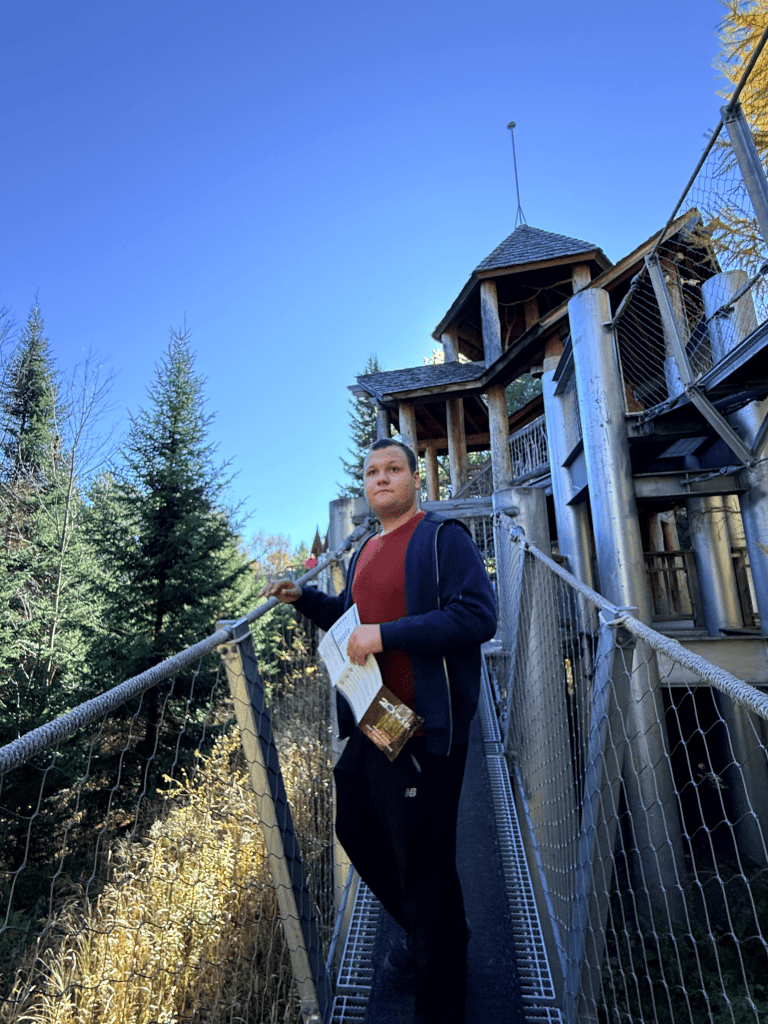
What was even better was that we could see Sofus from the Wild Walk, a series of bridges and platforms that gradually lifts visitors from the forest floor into the treetops. On the Wild Walk, we saw Sofus from a totally different angle.
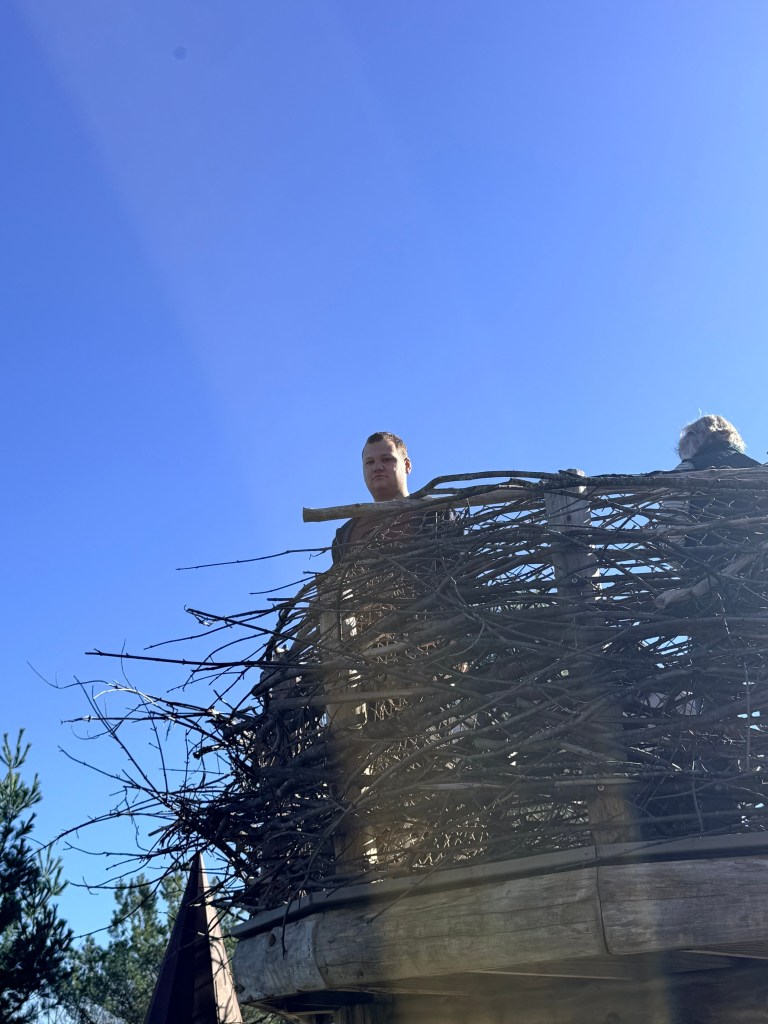
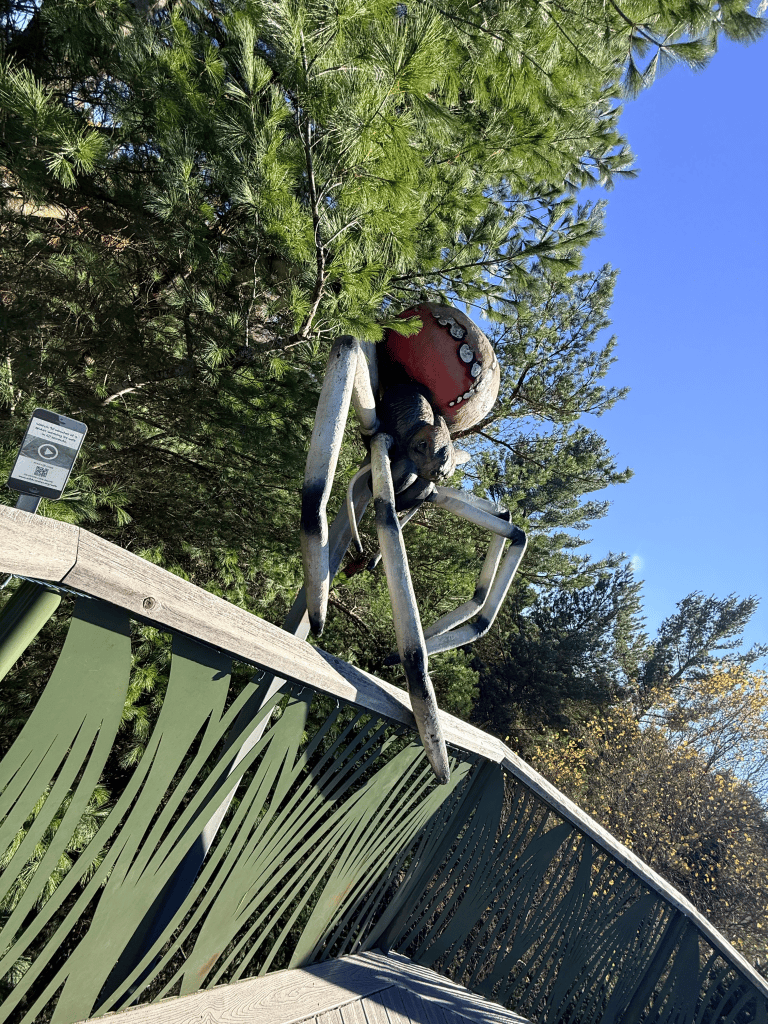
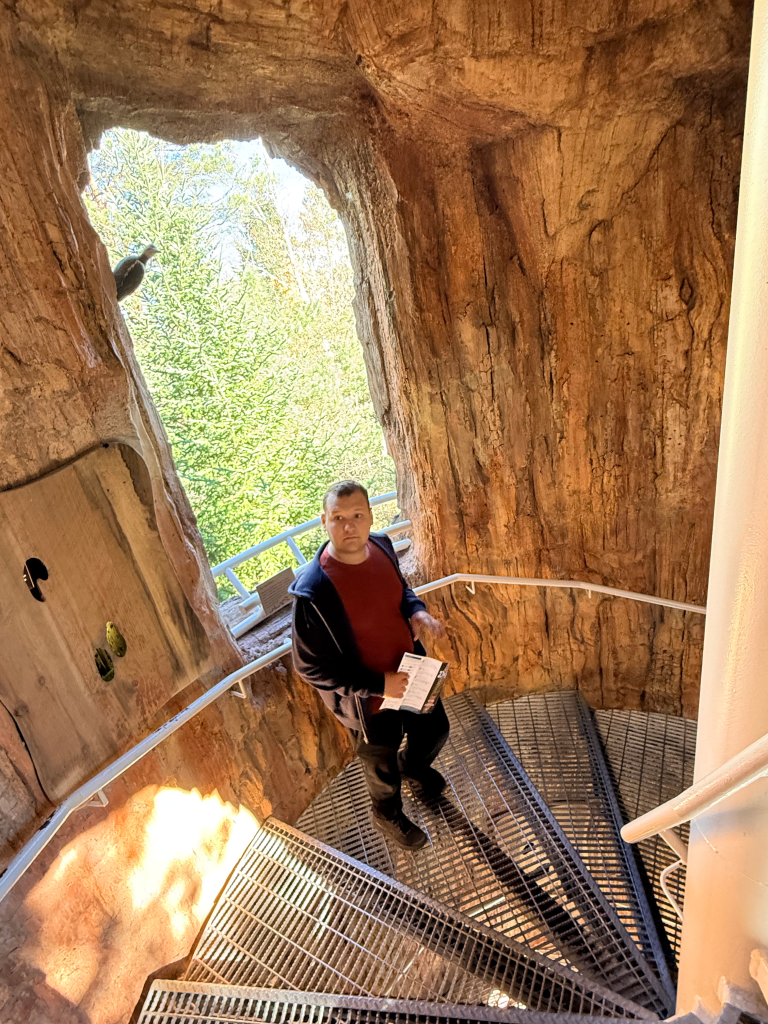
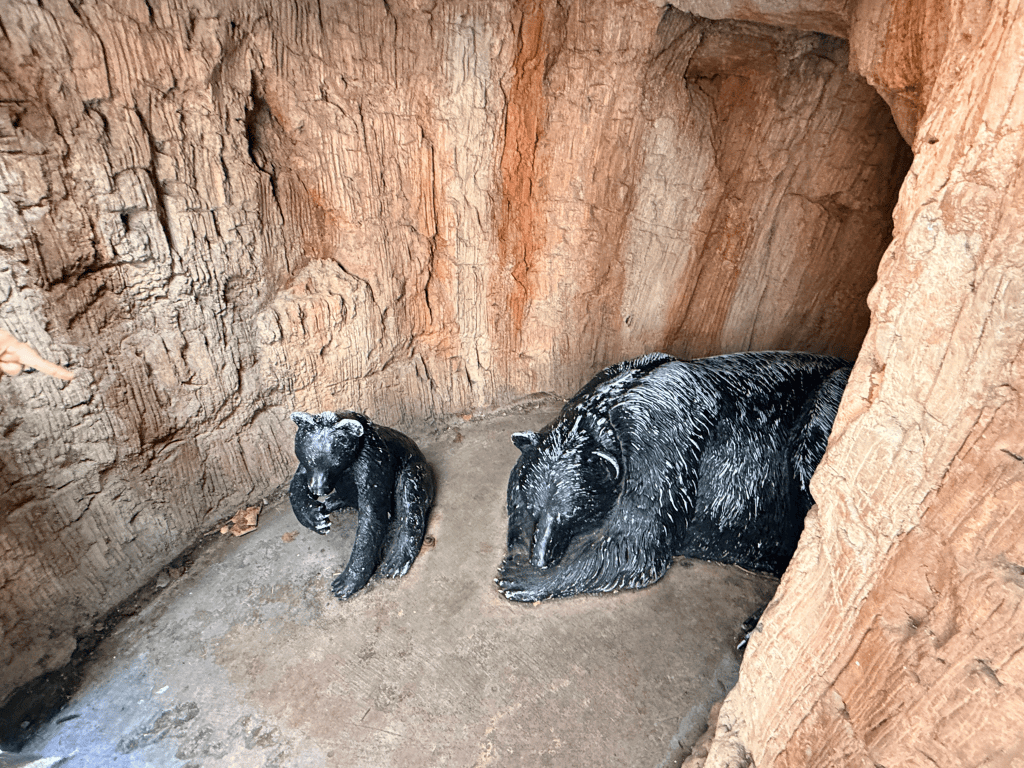
Along the way are rope bridges, a four-story twig treehouse, a giant bald eagle’s nest perched above the canopy, and a giant spider’s web suspended high above the ground.
My height-fearing self wanted absolutely nothing to do with that spider’s web. Hunter announced to the platform of people,
“You’re scared of heights. You cried on the Moki Dugway.”
First of all, rude.
Second, he wasn’t wrong.
Thanks, buddy.
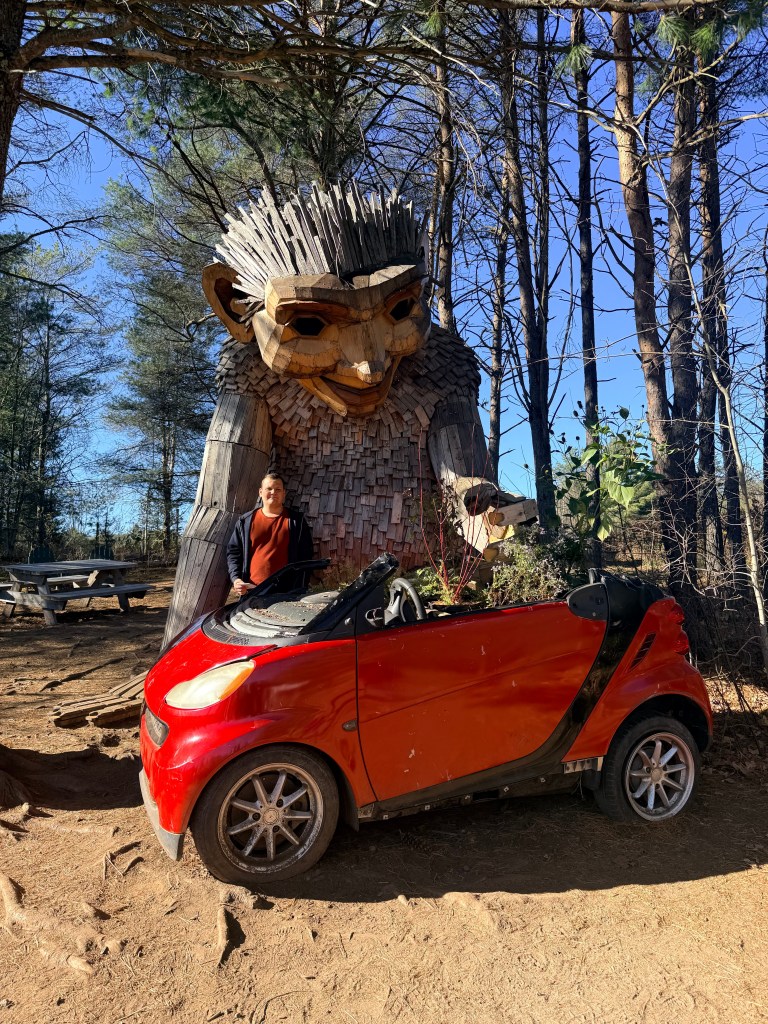
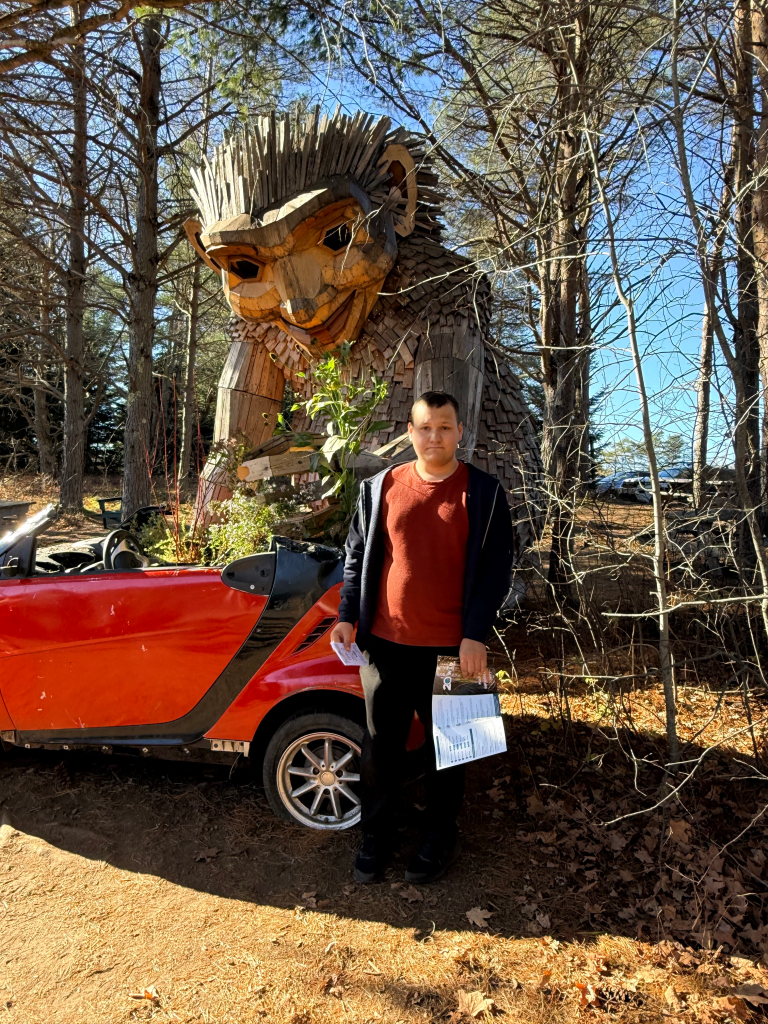
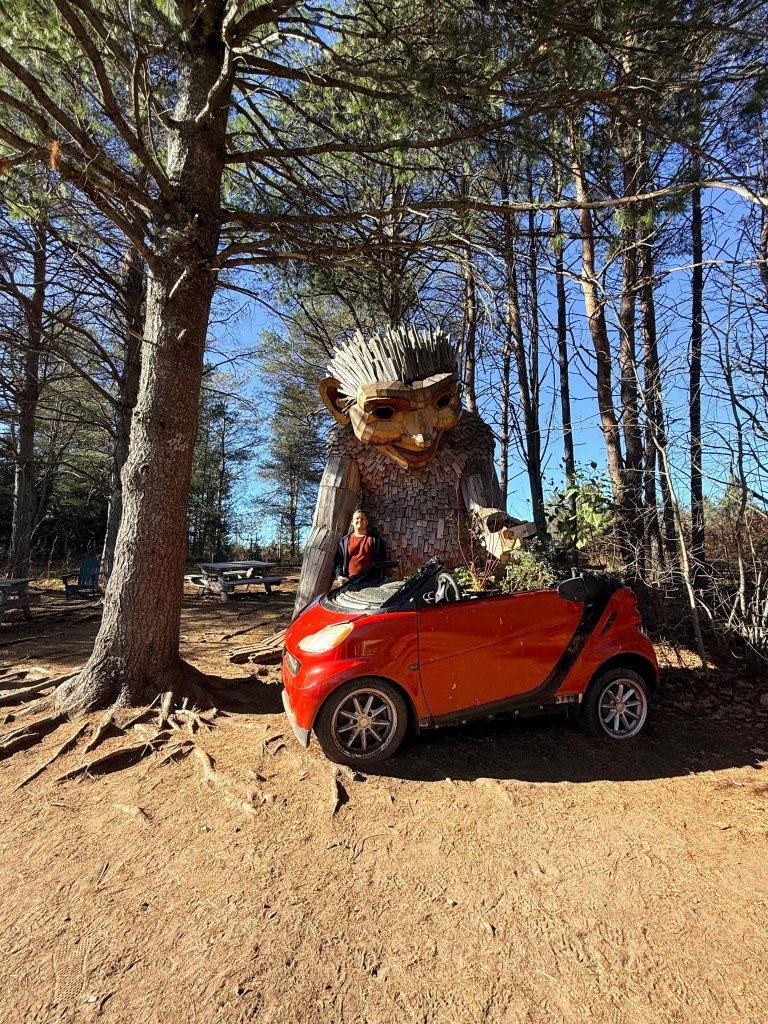
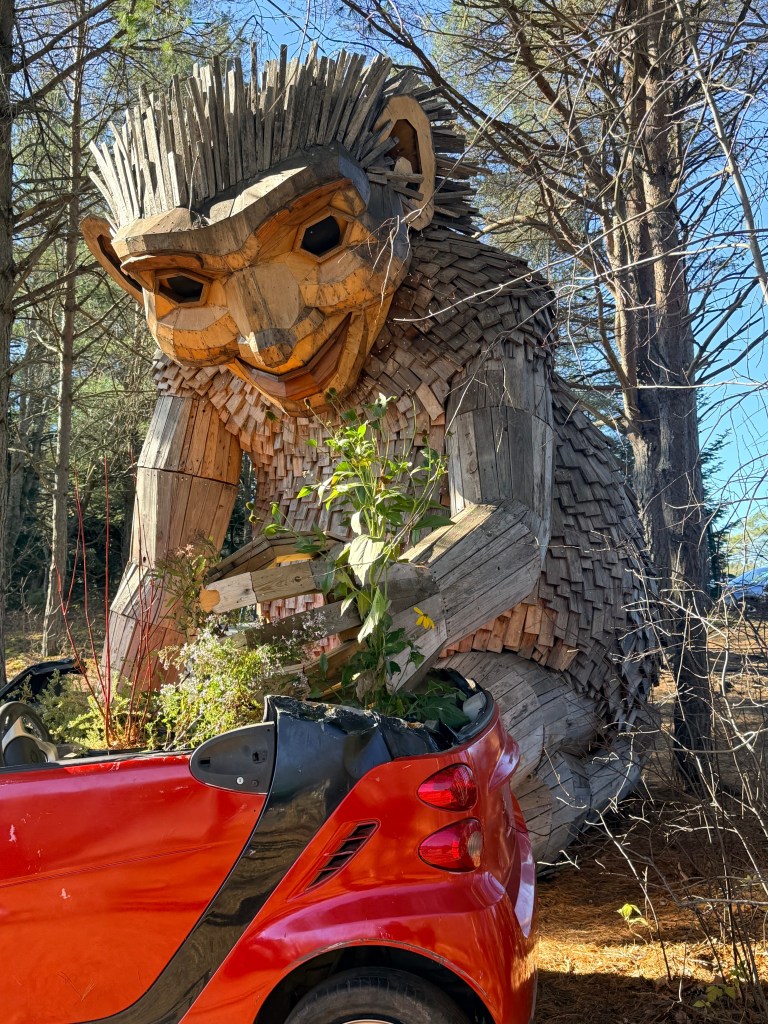
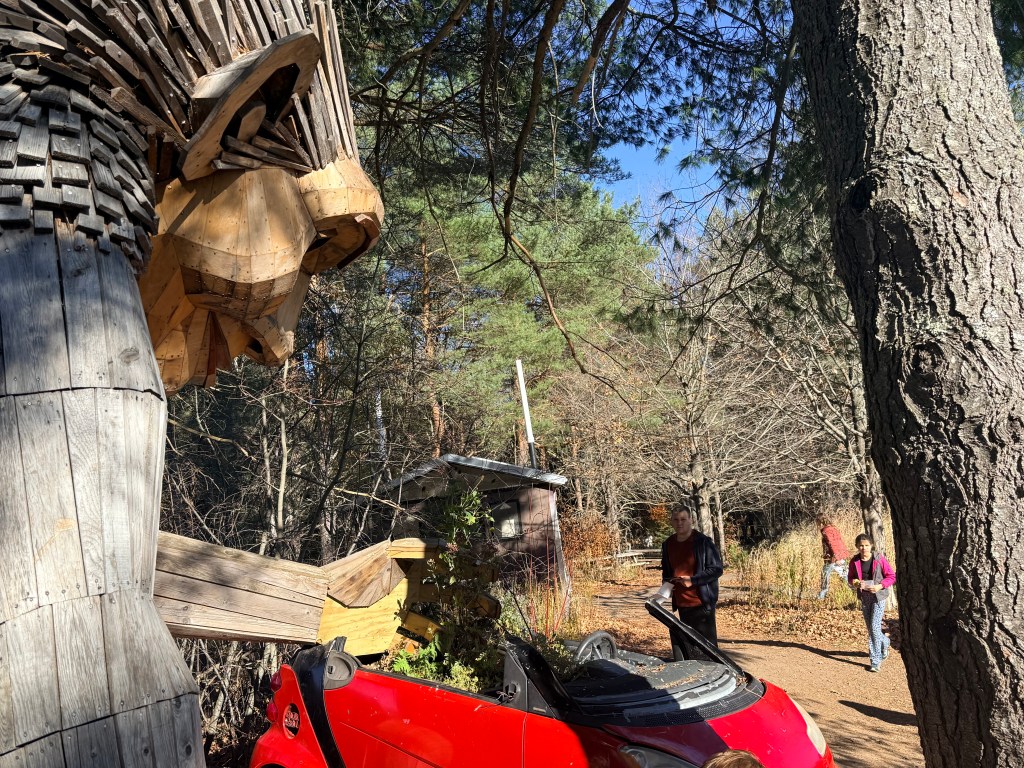
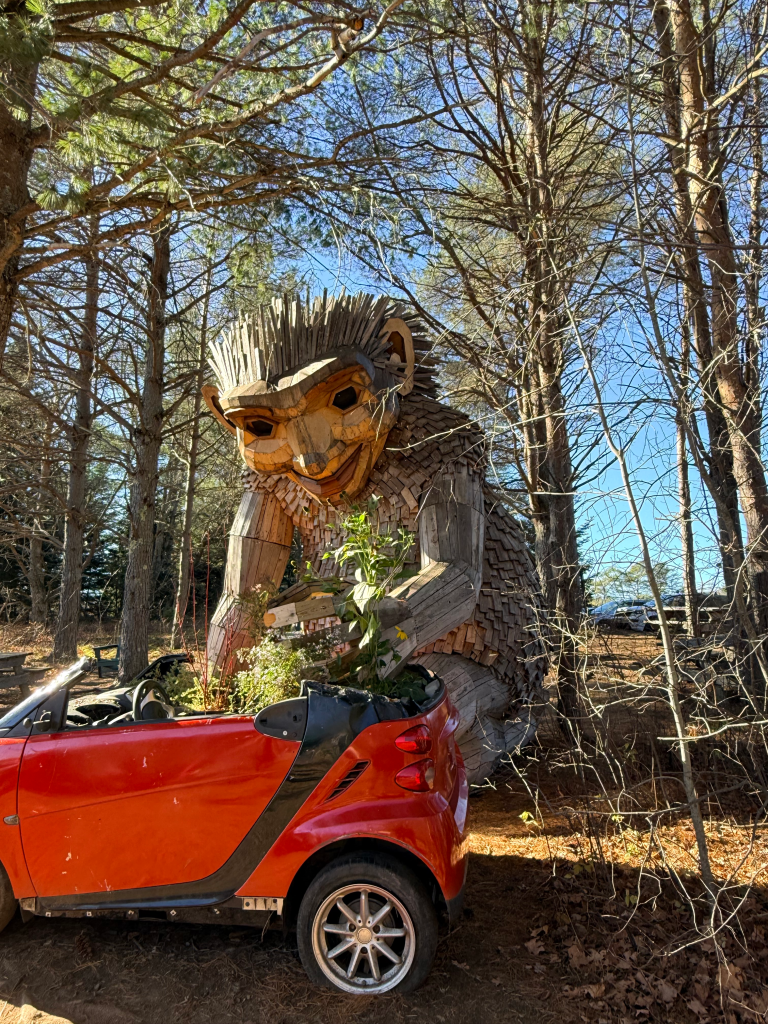
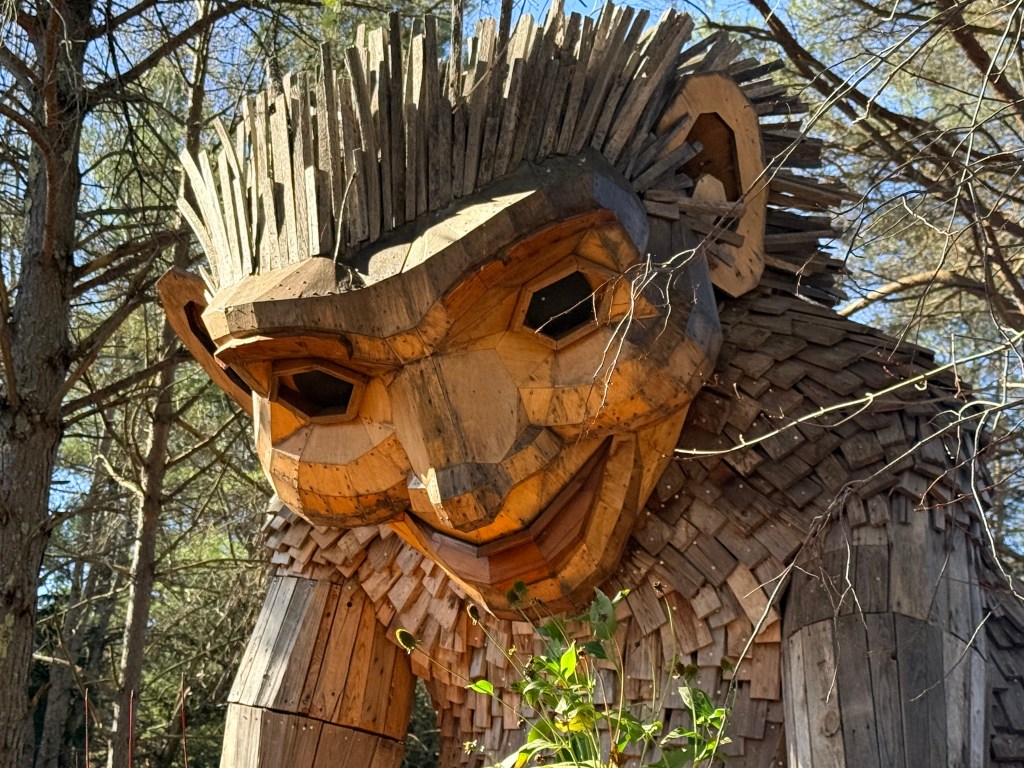
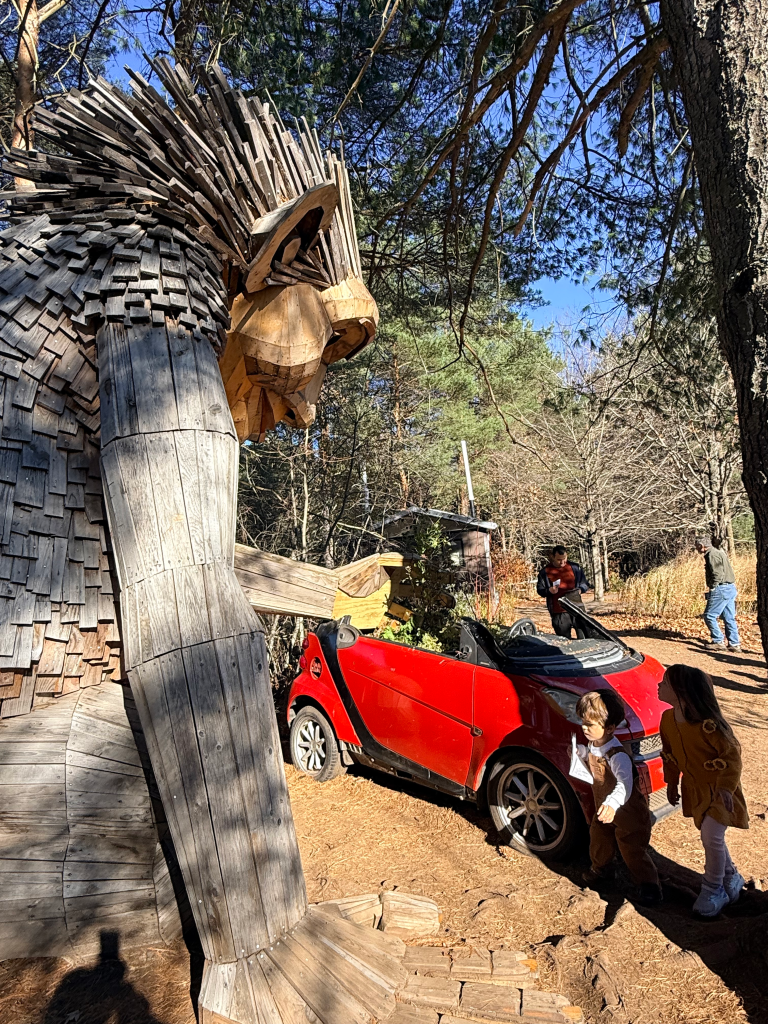
The final troll of our visit was Rosa Sunfinger, and unlike the others, she wasn’t tucked away in the woods. Instead, she was busy reclaiming a bright red car. Emerging from the woods at the edge of the parking lot, Rosa loomed over the little vehicle as plants spilled from its interior. Her story is about helping nature reclaim spaces humans have abandoned, and this was probably the most literal example of that theme anywhere on the grounds.
The entire property felt designed to slow you down. Around every bend there seemed to be another trail, another viewpoint, or another troll waiting to be discovered. Rather than racing from attraction to attraction, we spent much of the afternoon simply wandering through the woods, never quite sure what we’d find next.
There was just one problem…. Have you figured it out???
As we wandered through the center, I kept wondering where all the animals were. I was sure this place also had wolves, bears, and other wildlife exhibits. As we were getting ready to leave, Hunter was watching a falcon demonstration when we struck up a conversation with several young staff members. When we asked where the rest of the animals were, they laughed. That’s when we learned there is another attraction called The Wild Animal Park in Chittenago. Apparently, I’m not the first person to make that mistake. The staff told us that a school bus full of children had shown up at the park once expecting a zoo.
So yes… definite Mommy Fail.
To be fair, The Wild Center turned out to be an excellent destination in its own right, and the trolls were every bit as magical as I had hoped. We may have missed the animals, but we found giant recycled trolls hidden throughout the Adirondack woods instead, which isn’t a bad consolation prize.
Troll Count – Hunter: 20 / Mom: 18
And now we have somewhere else to go explore…
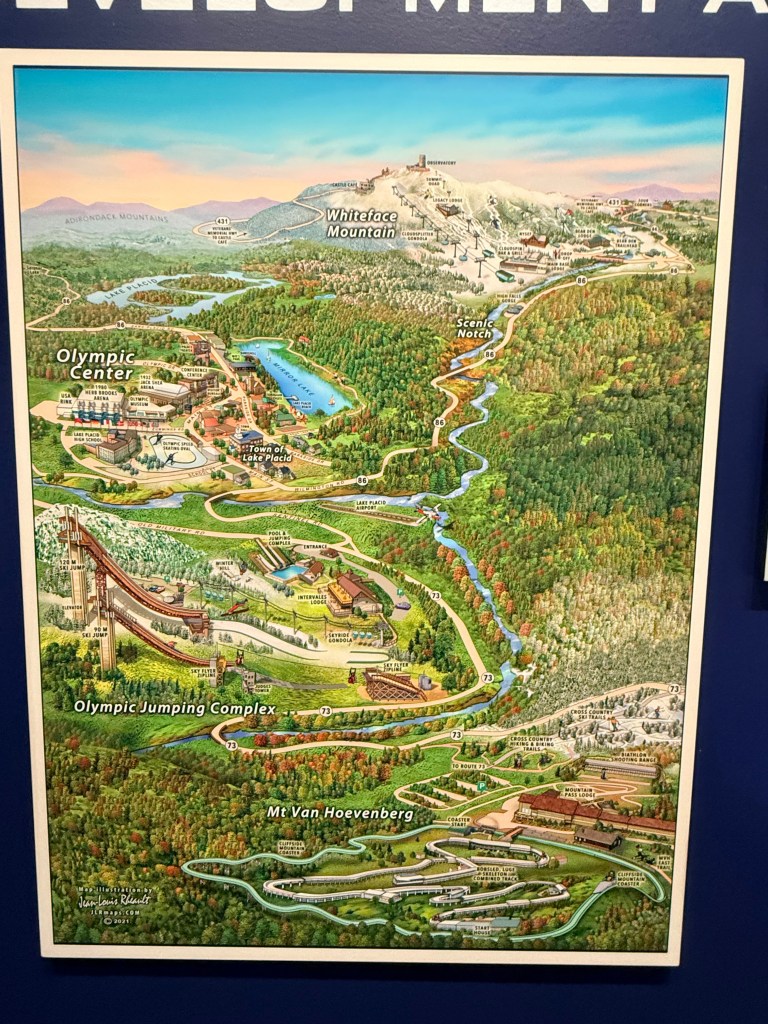
That evening we drove on to Lake Placid for the night. The next day we visited the Olympic Museum, which turned out to be another highlight of the weekend. After visiting Park City this past summer, it seemed silly that I had an Olympic venue practically in my own backyard… well, at least closer than Utah… and I had never been.
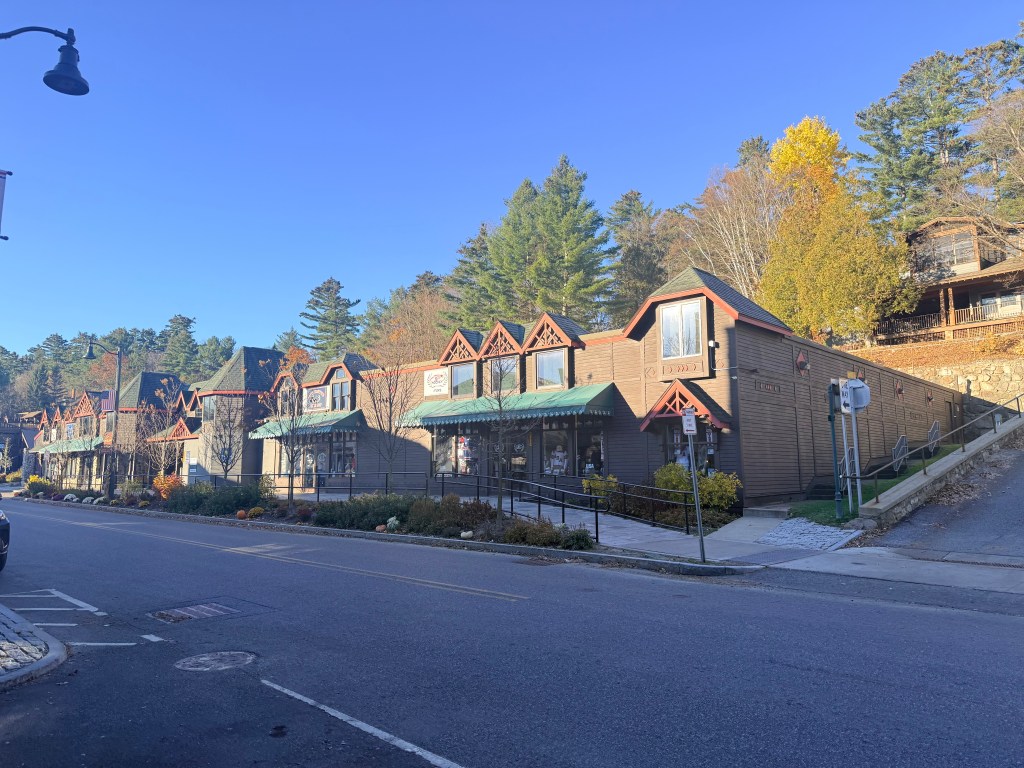
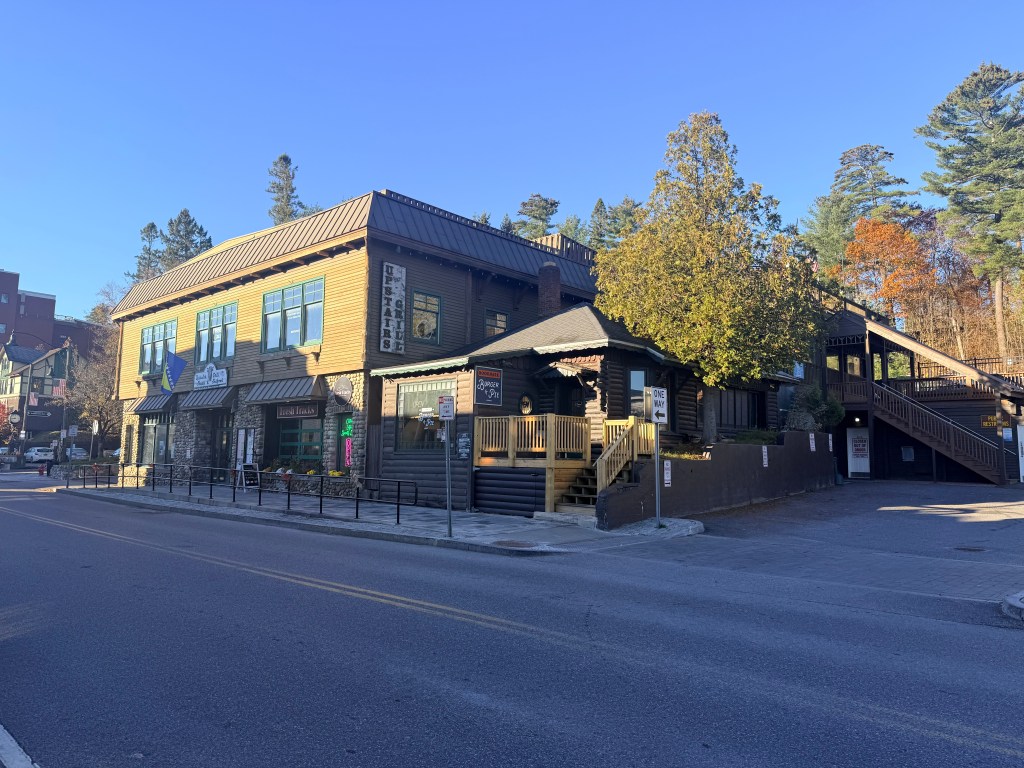
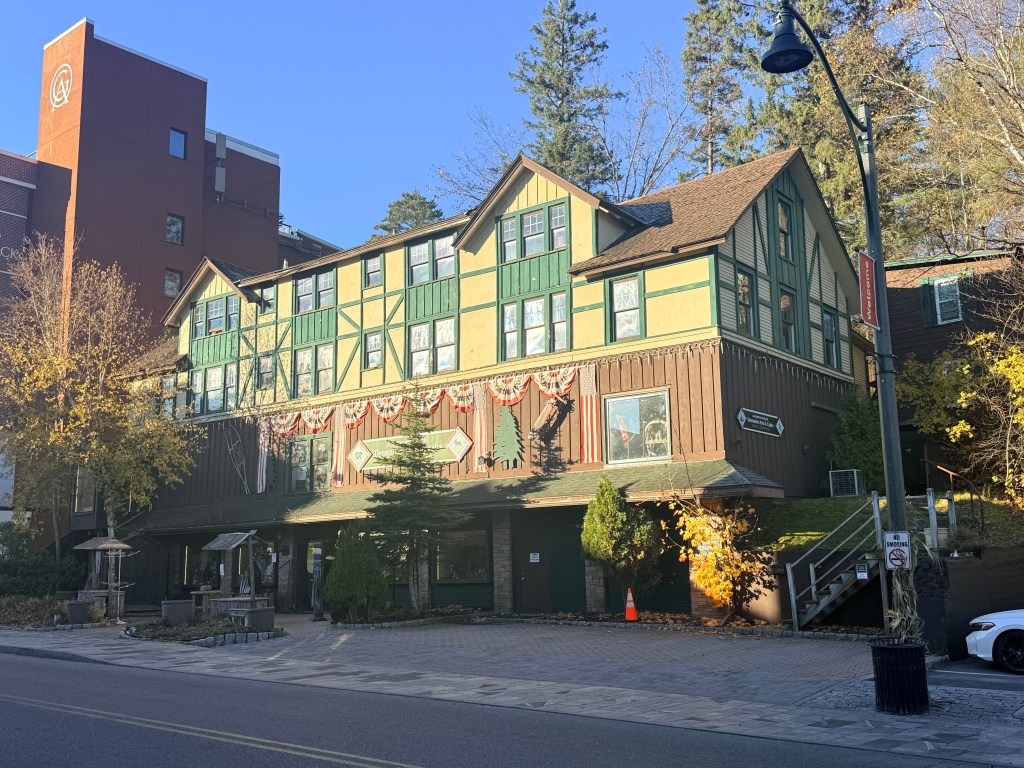
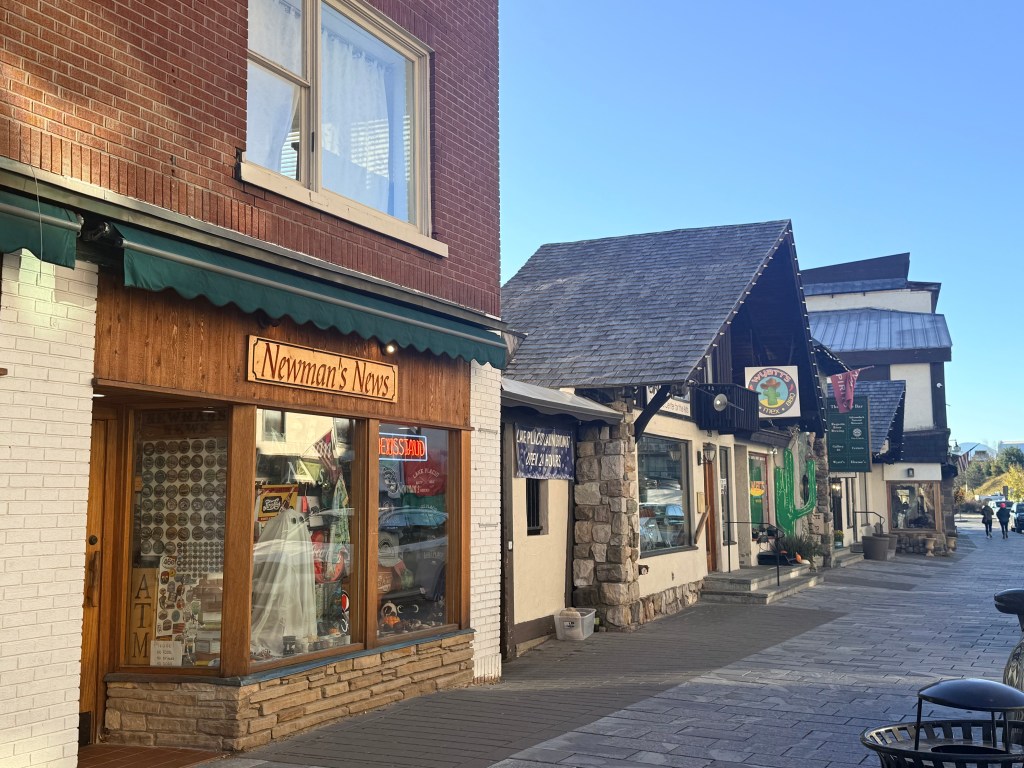
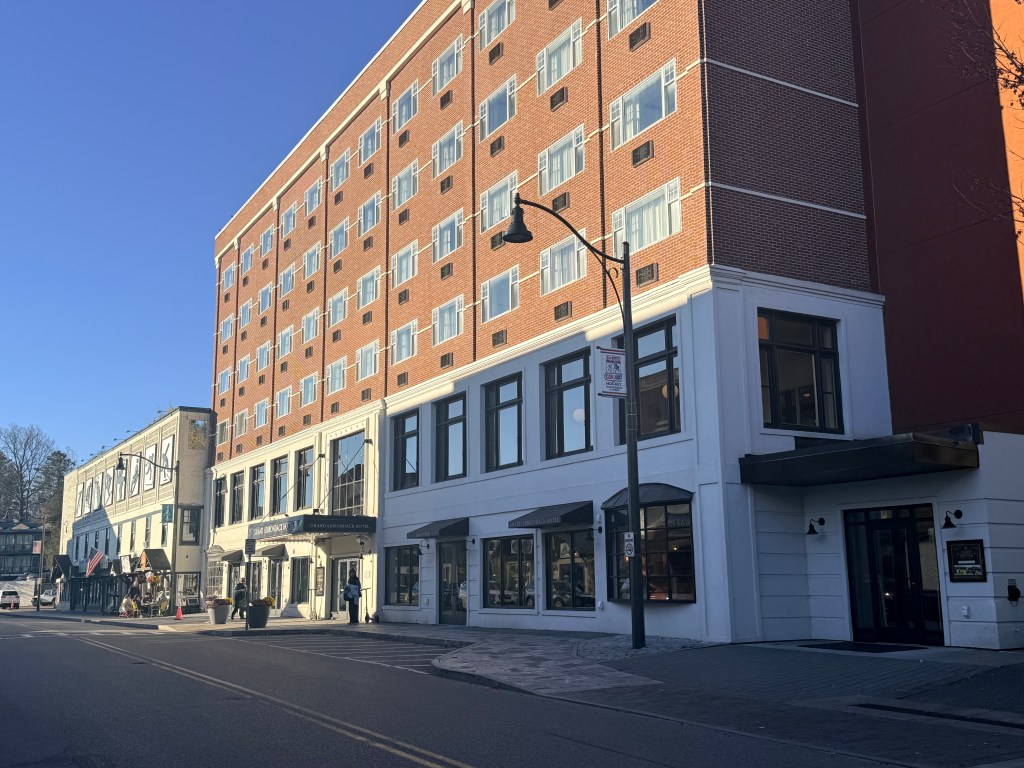
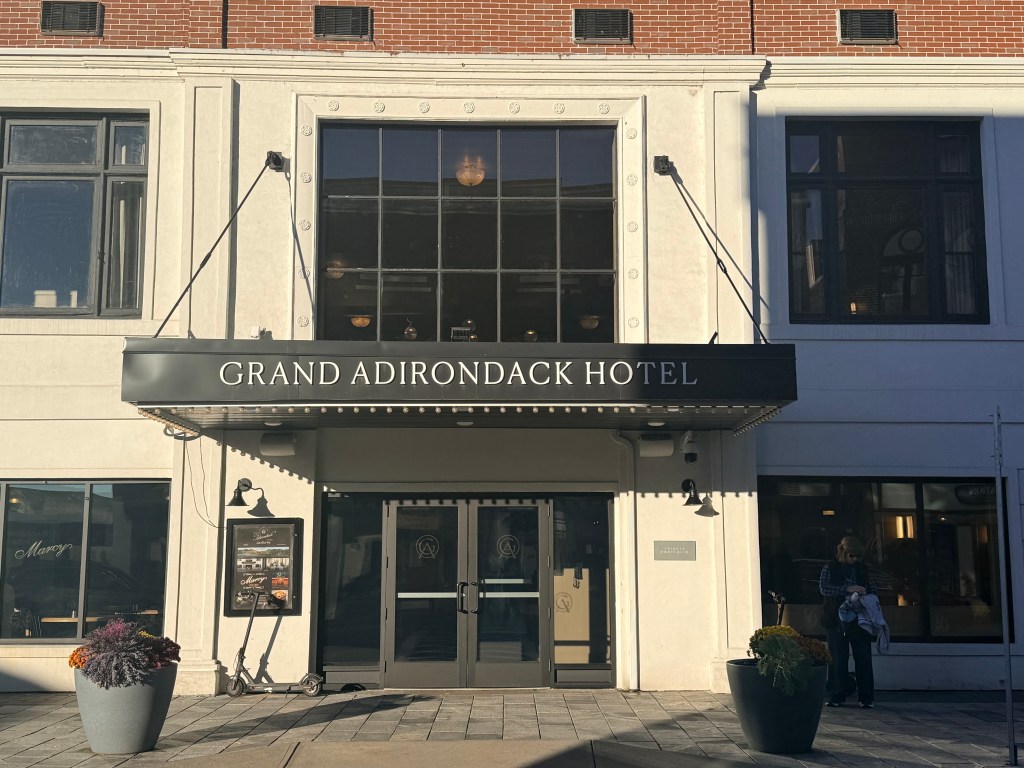
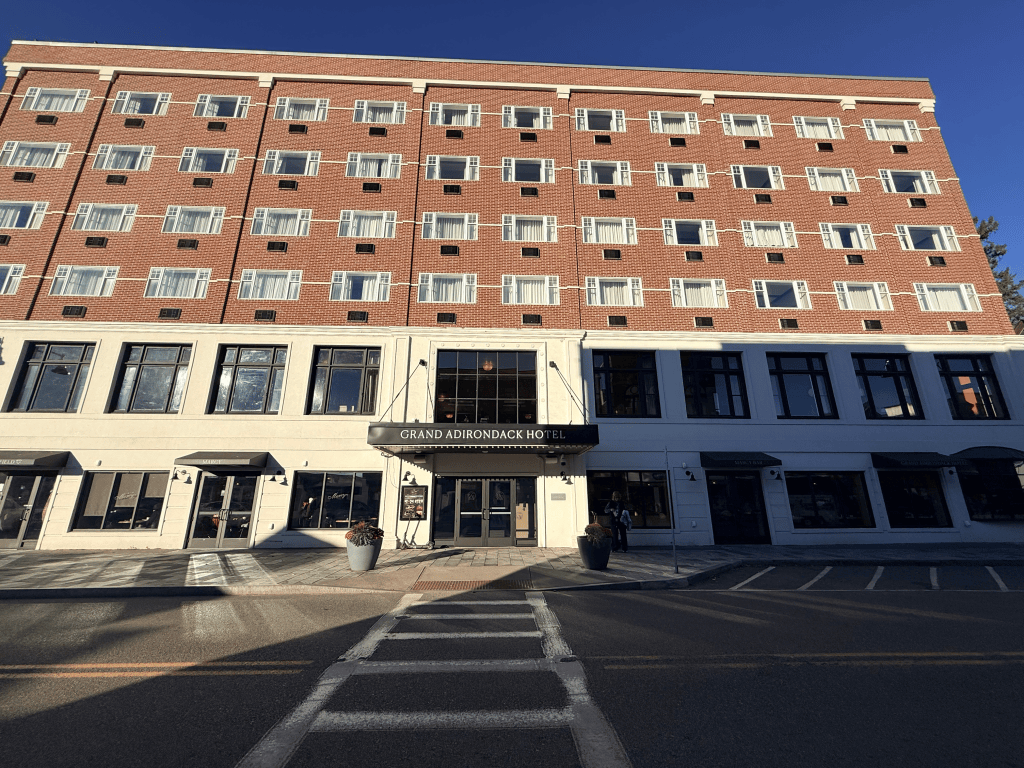
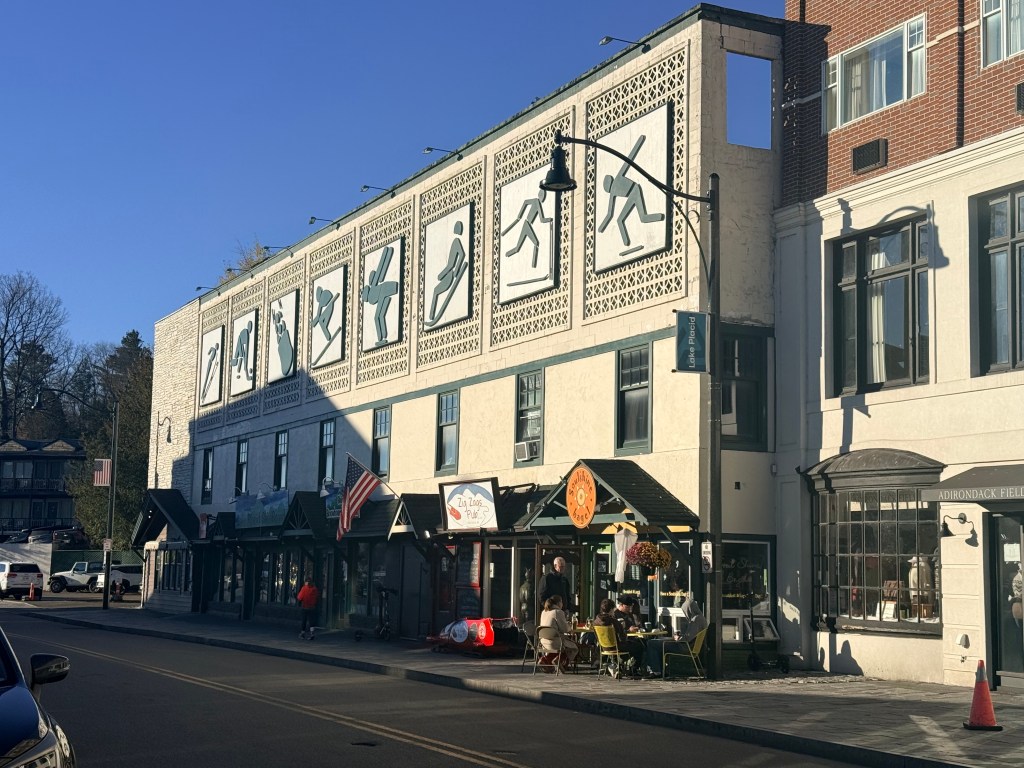
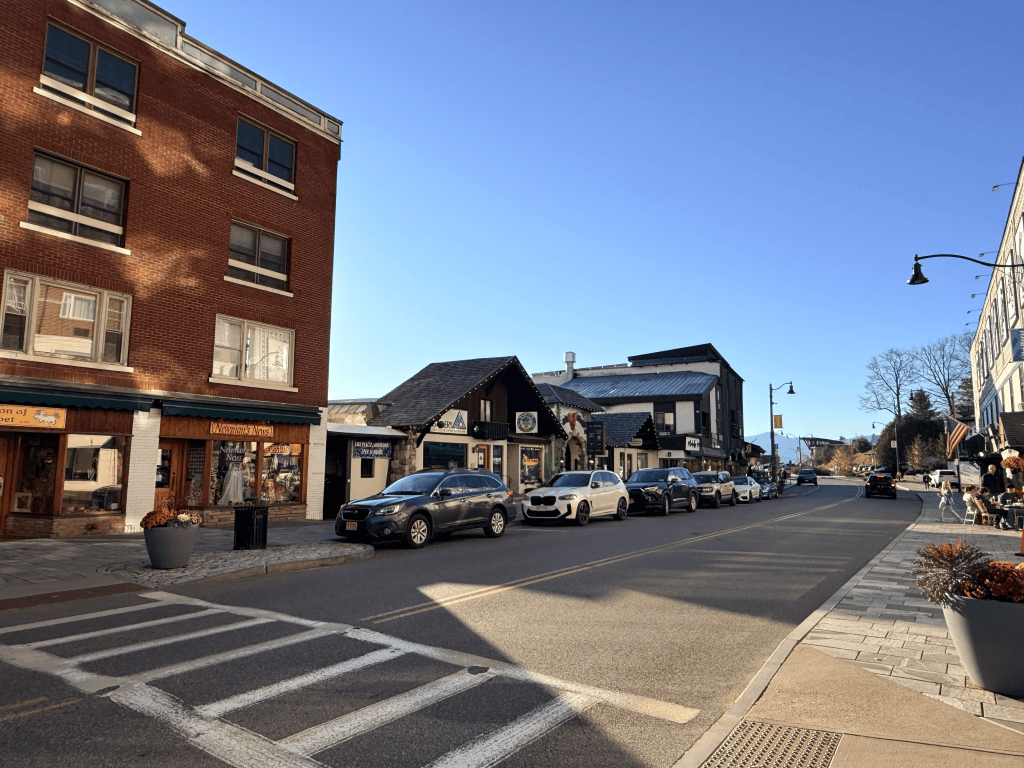
Lake Placid was adorable. Small, walkable, and surrounded by mountains, it felt exactly like the kind of town you’d expect to host the Winter Olympics.
We started the morning with breakfast at The Breakfast Club.
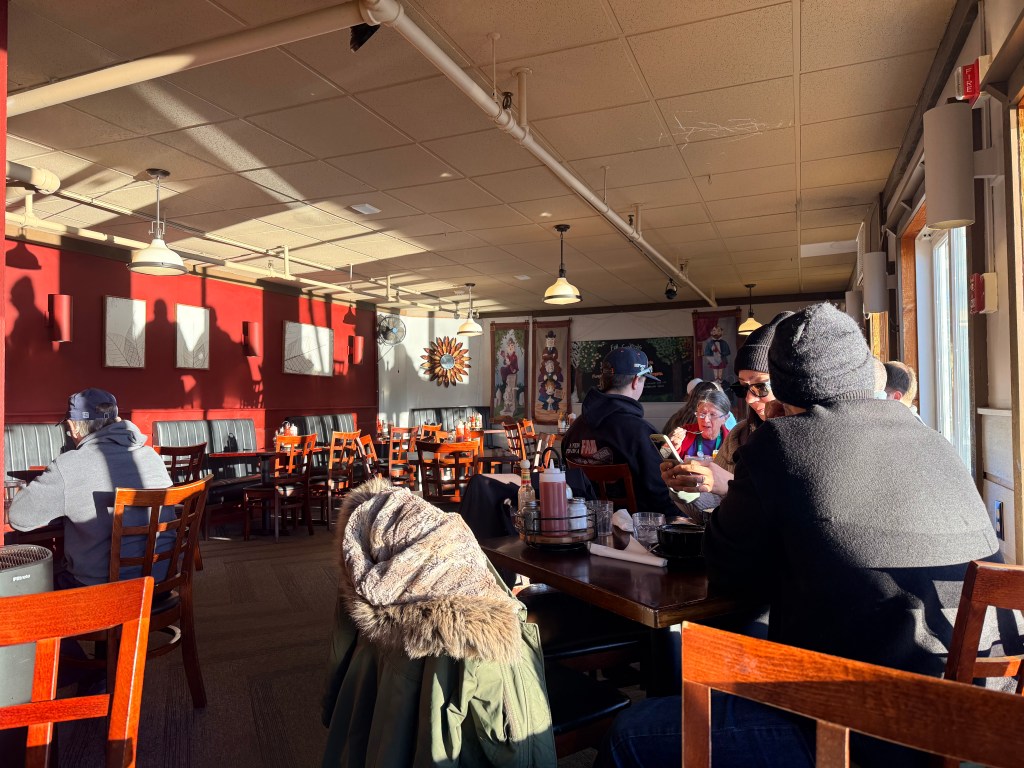
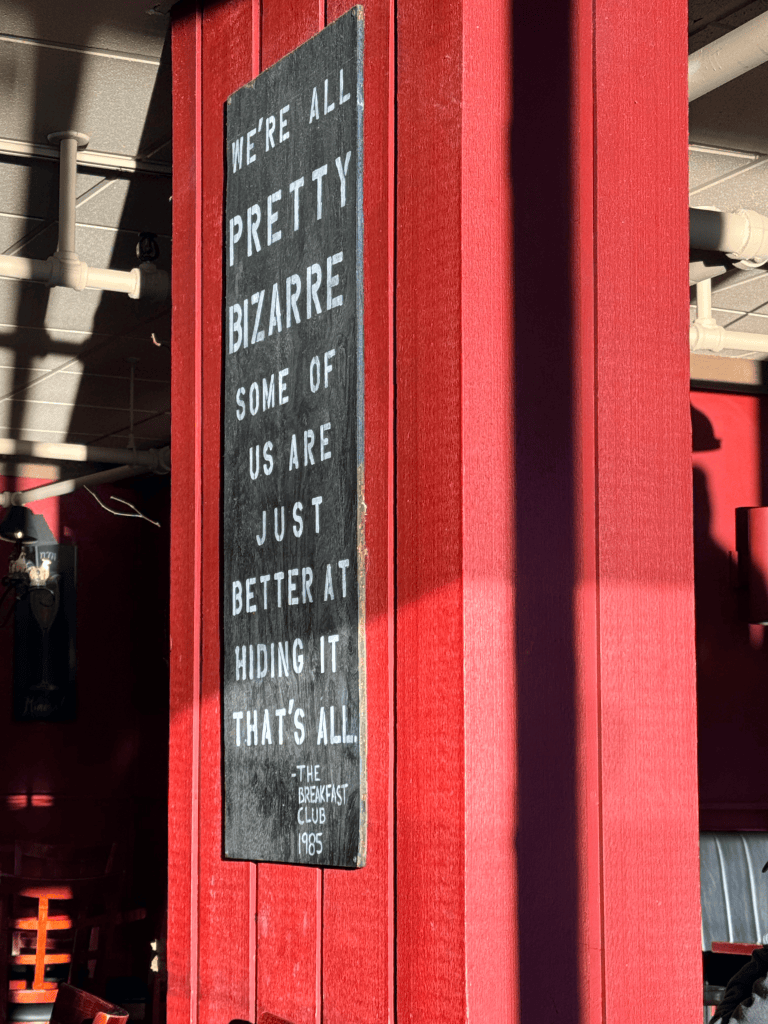
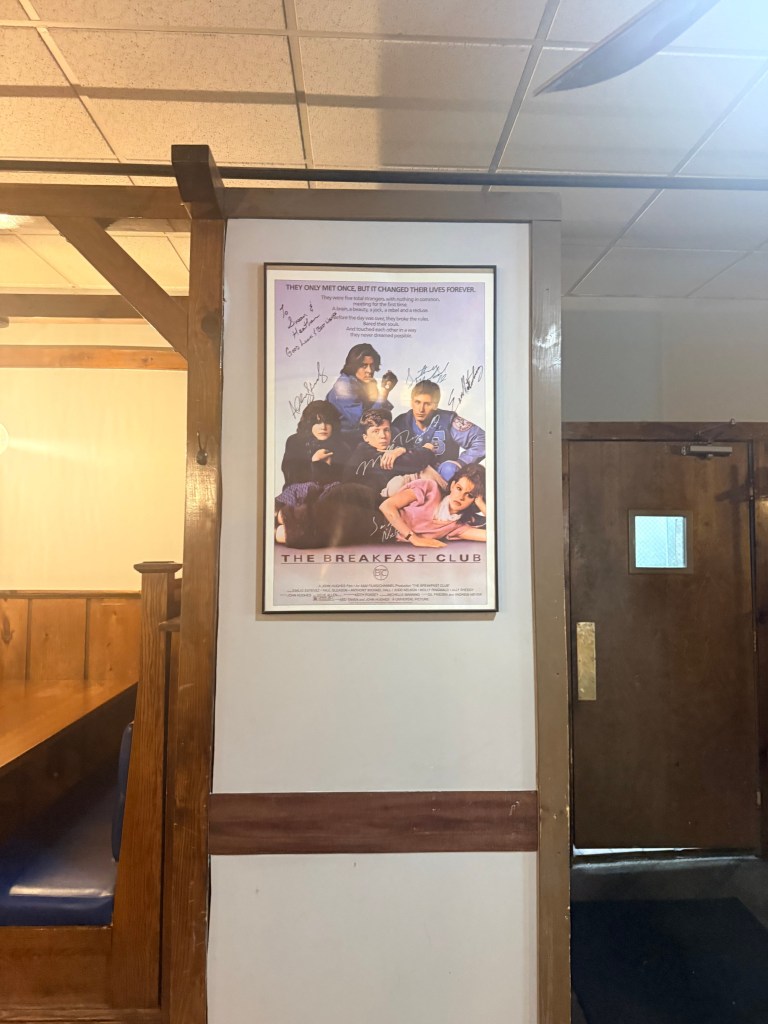
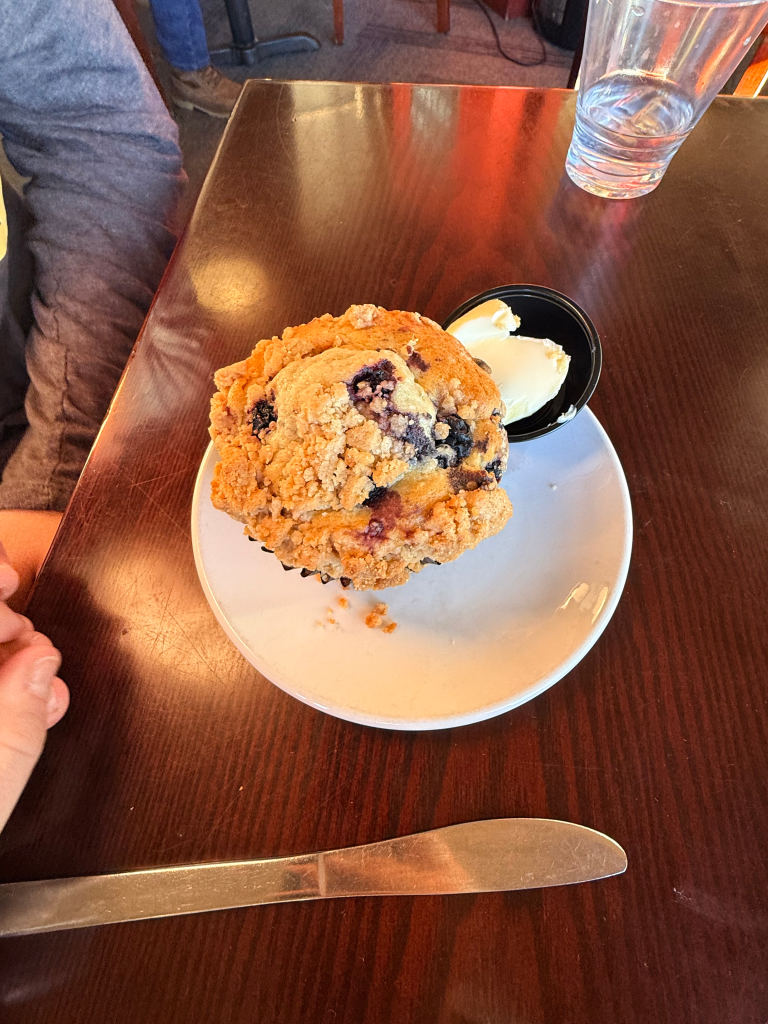
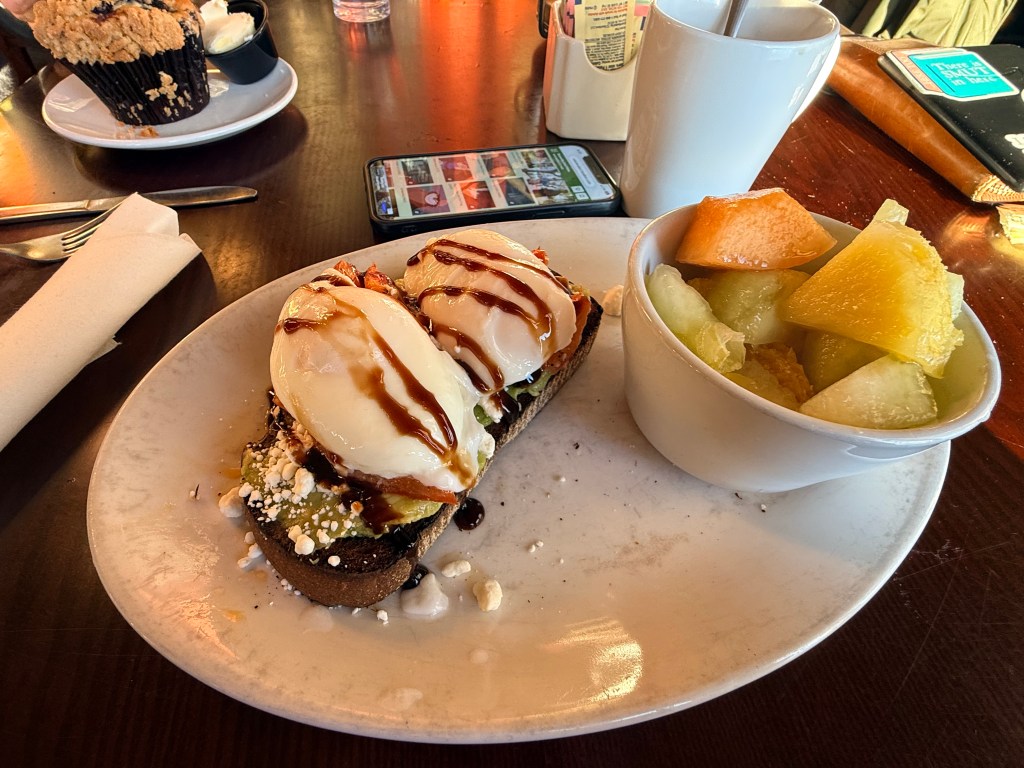

I was halfway through my avocado toast when Hunter made an announcement. Want to guess?
“I need to throw up.”
Because, folks, this is my life.
We immediately made a beeline for the restroom as I prepared for the worst. Hunter heaved…
Nothing.
Not a thing.
False alarm.
At this point, I am convinced he simply wants to make Madison Reed a very, very wealthy company.
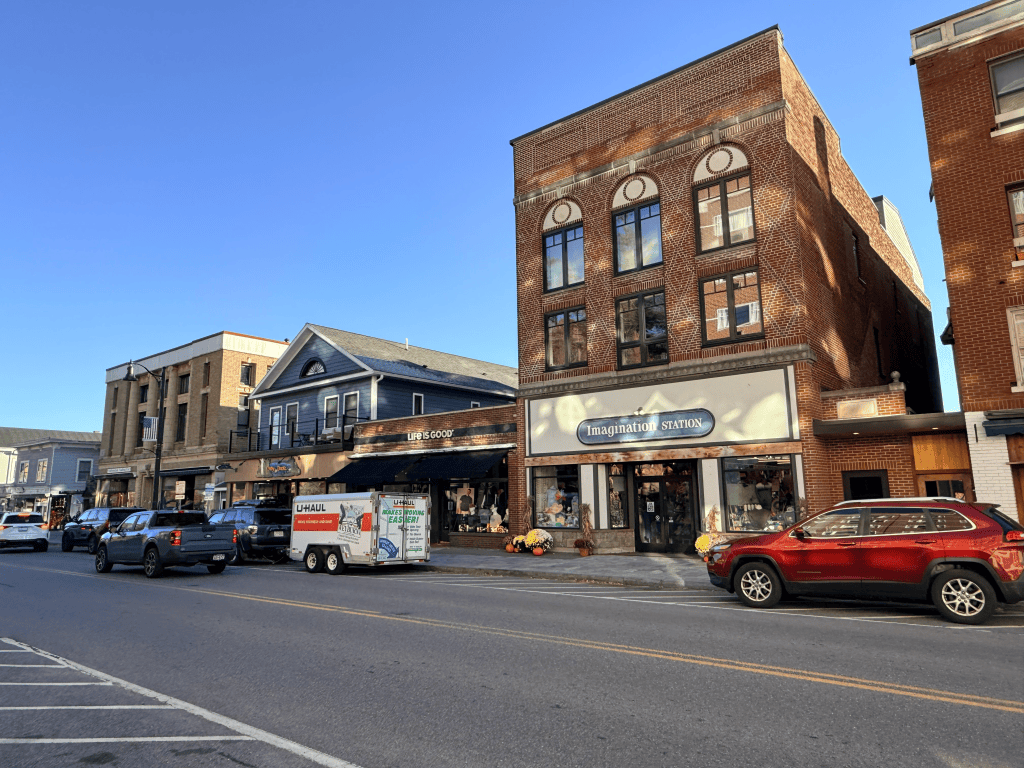
We spent a few minutes wandering through the little town of Lake Placid before heading over to the museum … everything is on the same starch of the main street.
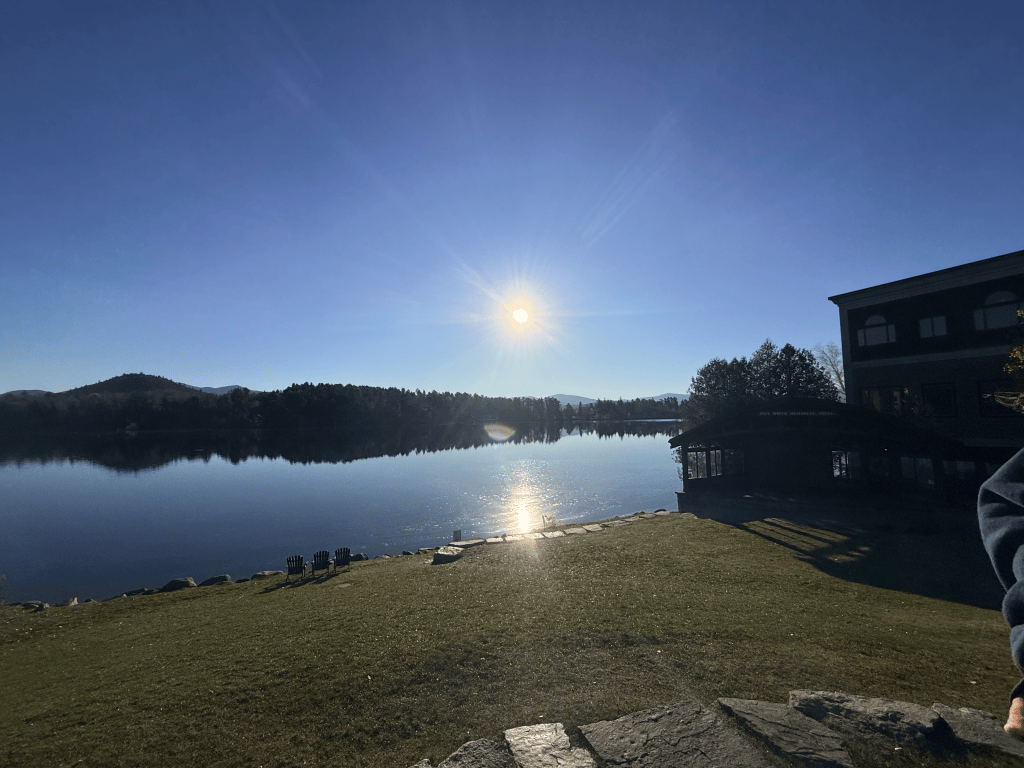
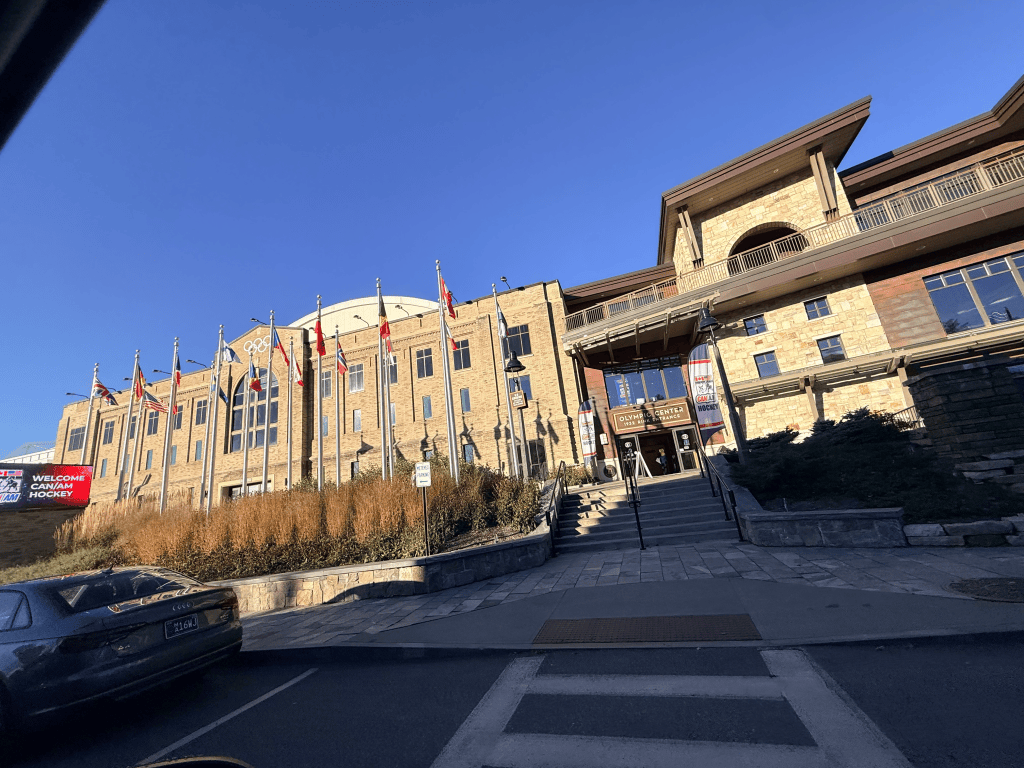
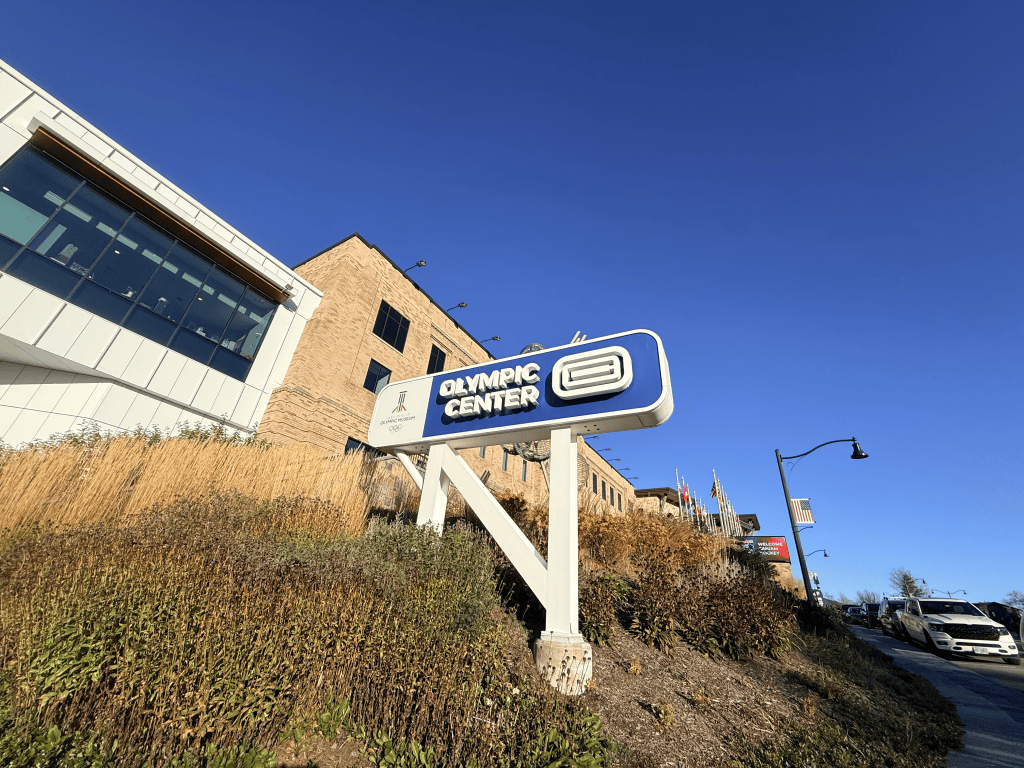
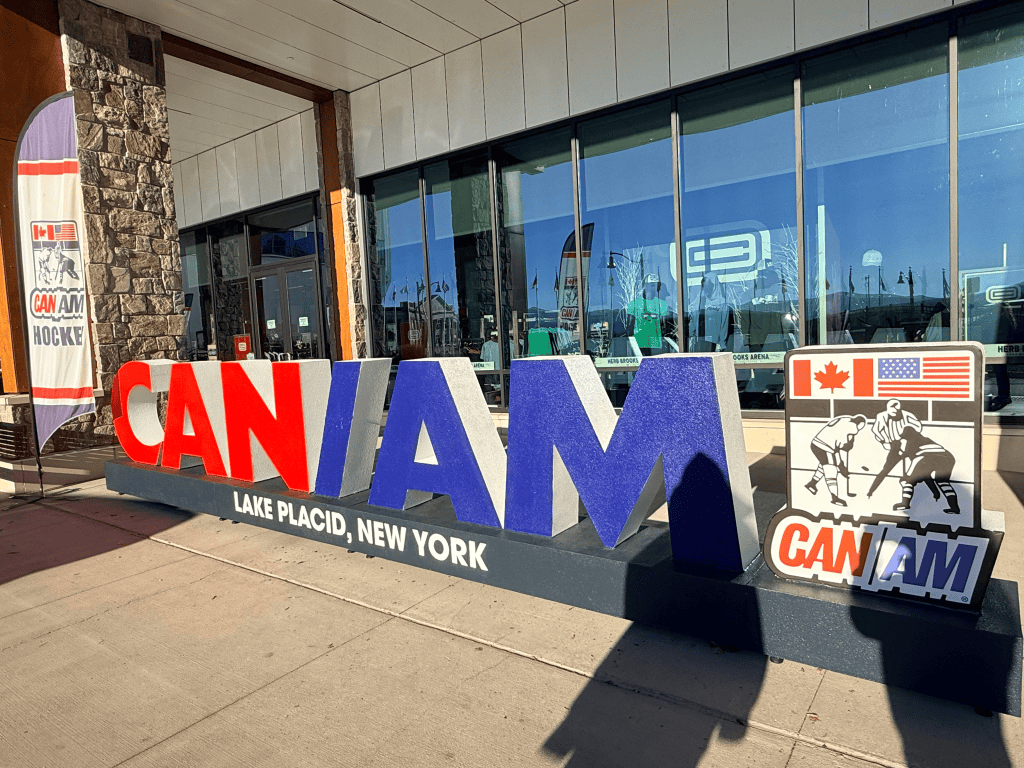
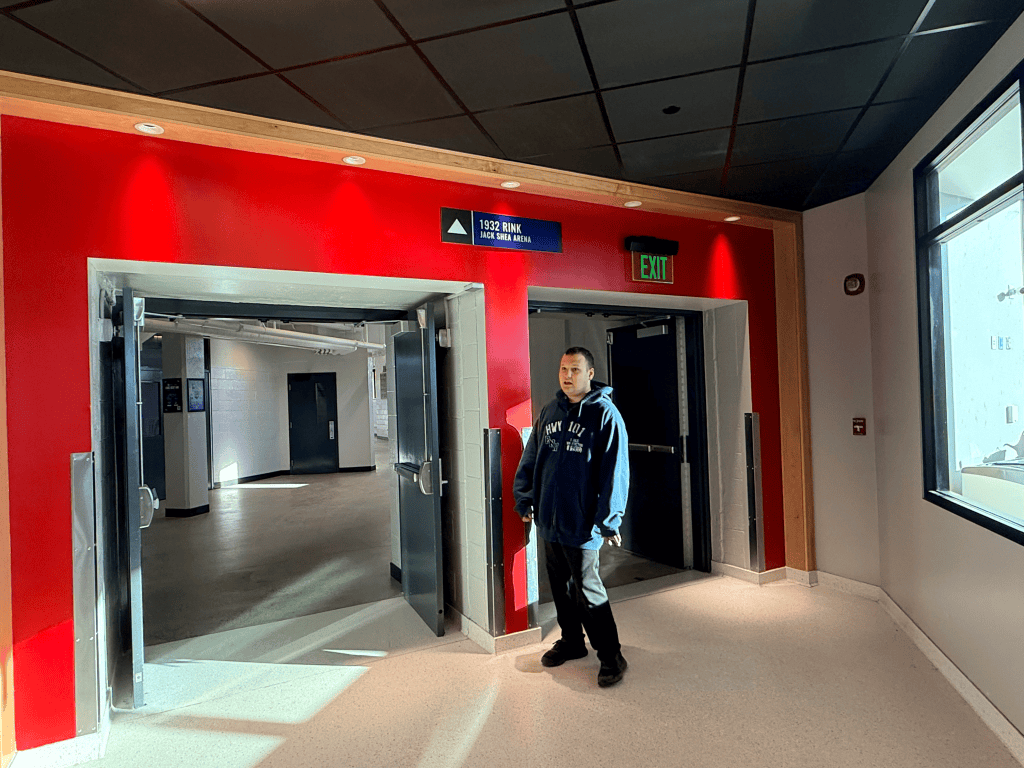
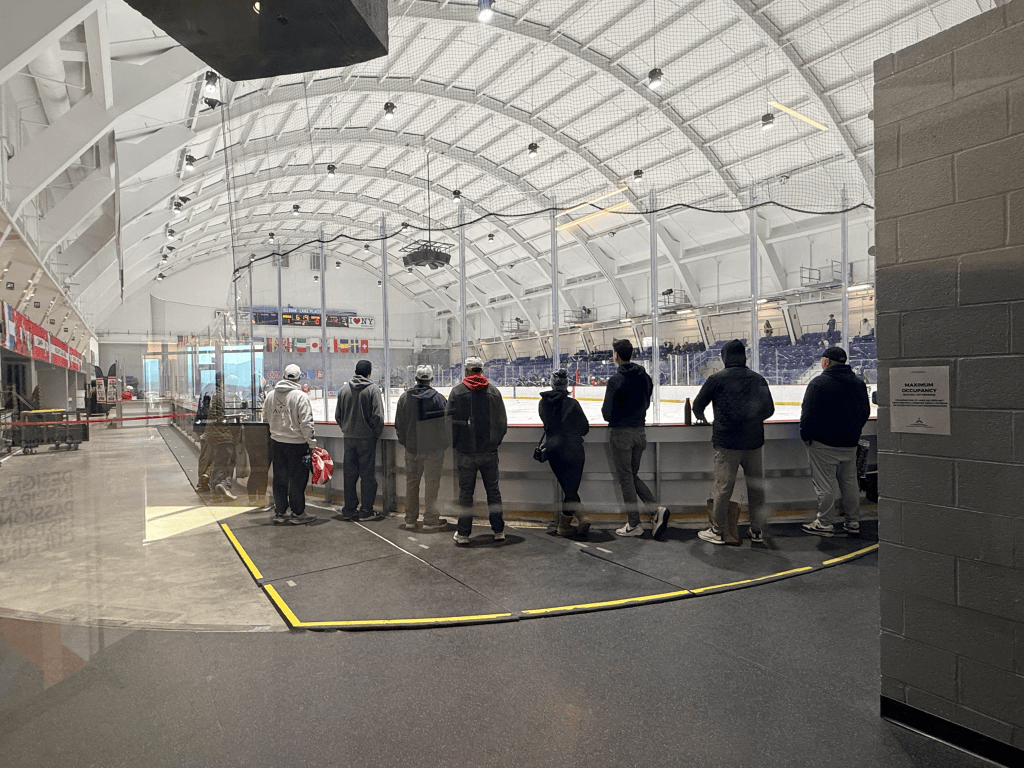
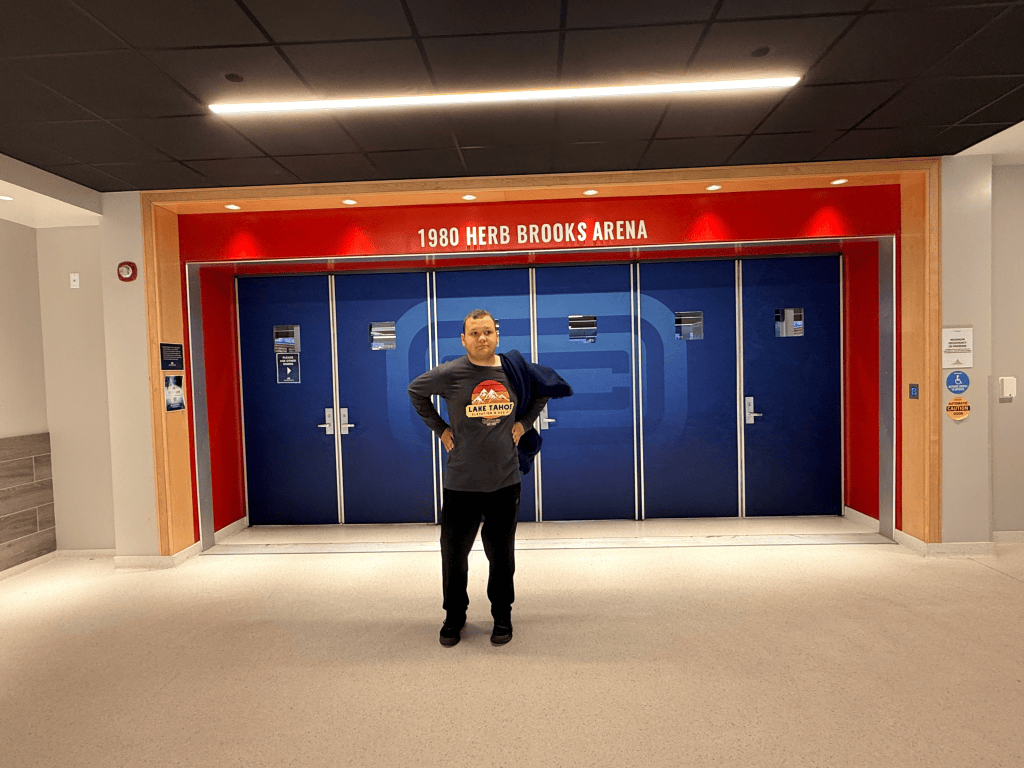
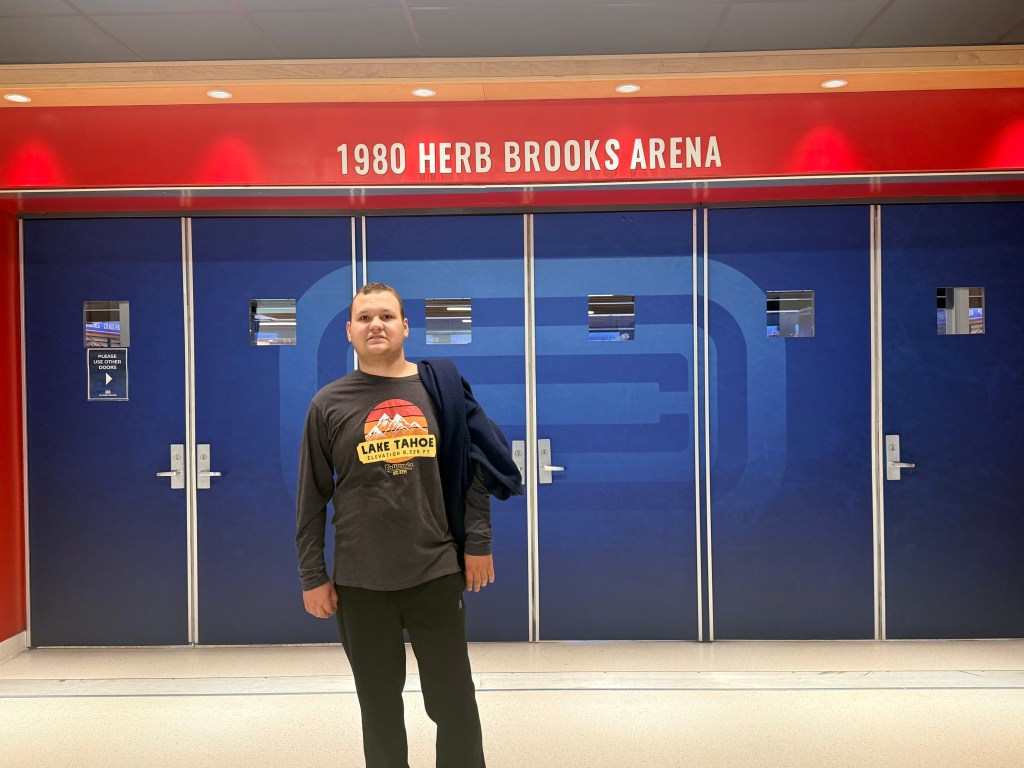
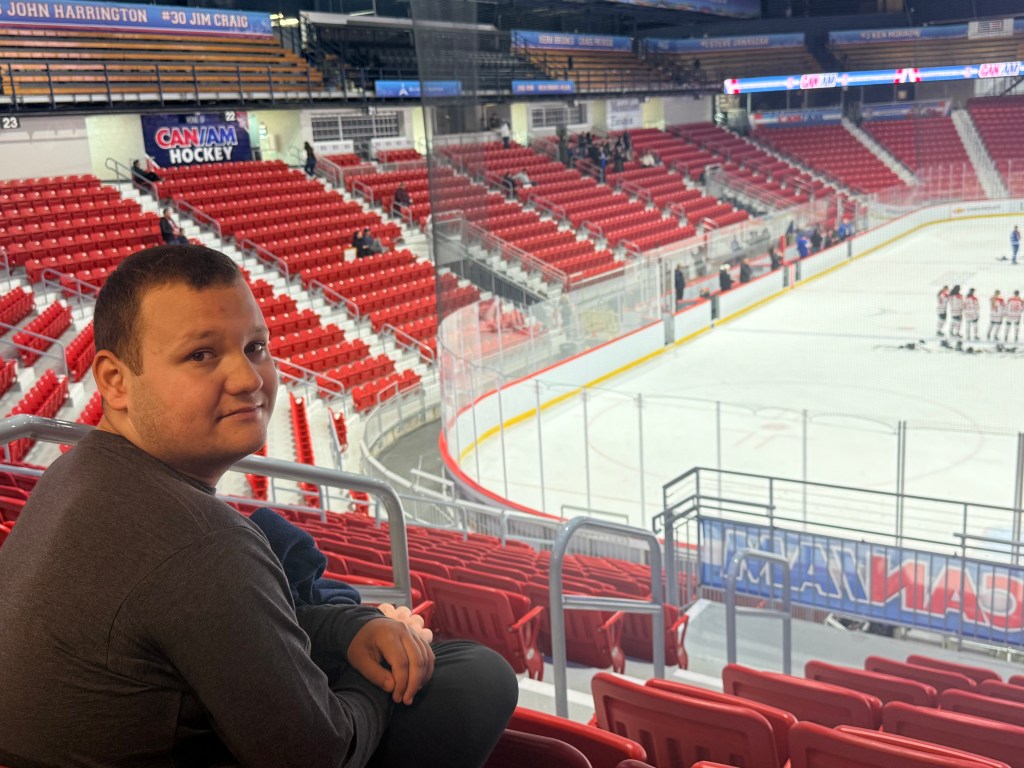
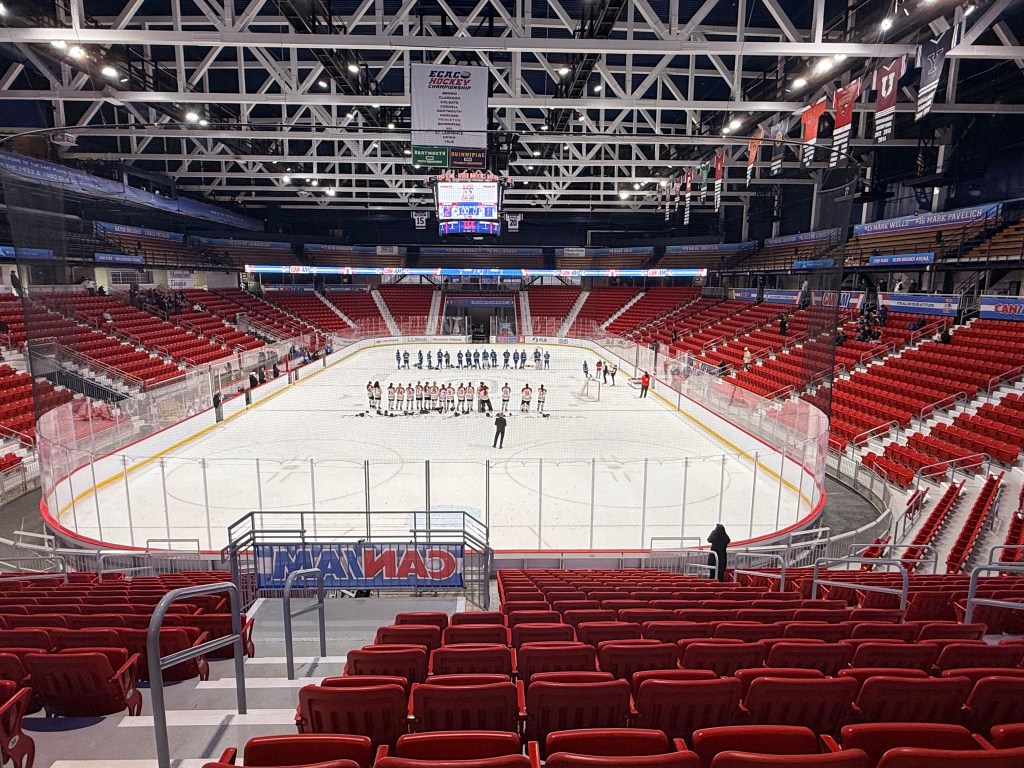
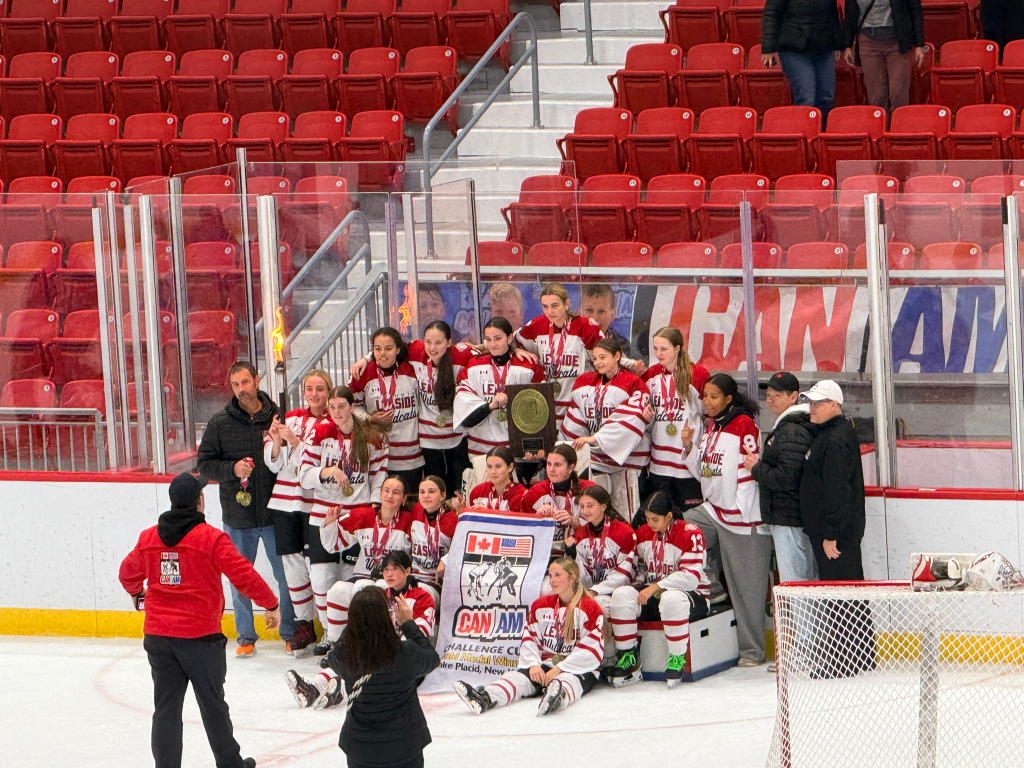
We arrived at the Olympic Center a little before the museum opened, which gave us time to wander through the arena complex. As we entered the 1980 Herb Brooks Arena, a medal ceremony for a Can/Am hockey tournament was taking place. Then, suddenly, a ceremonial flame was lit. I have absolutely no idea what it was for, but it felt appropriately Olympic and I was completely on board.

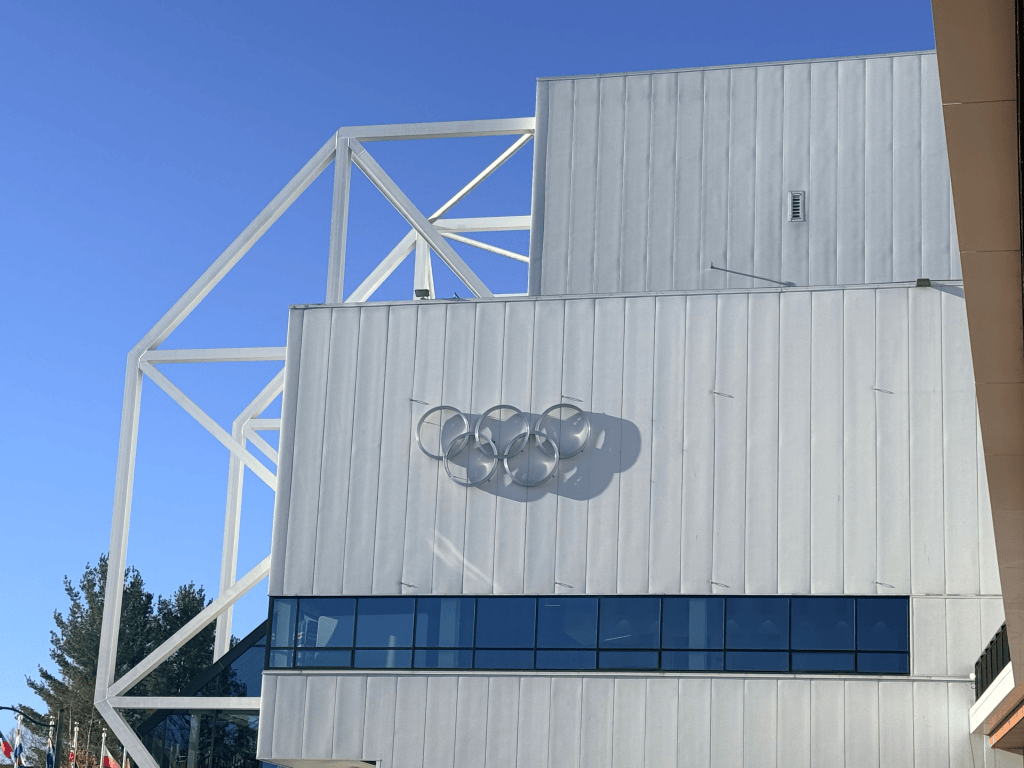
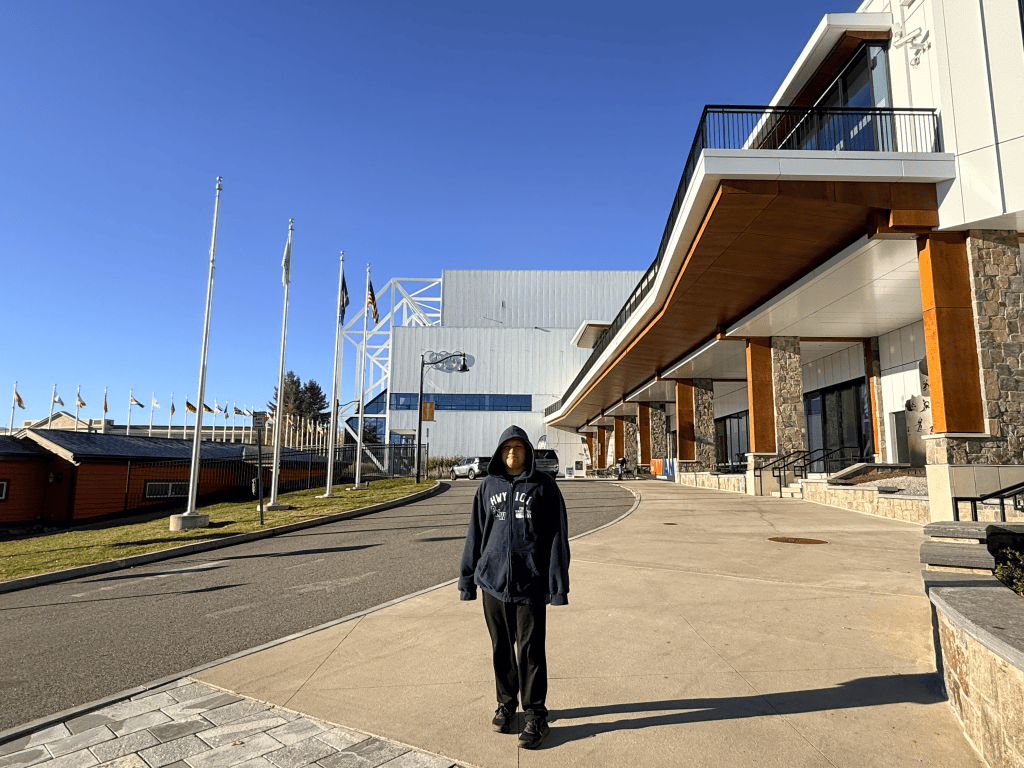

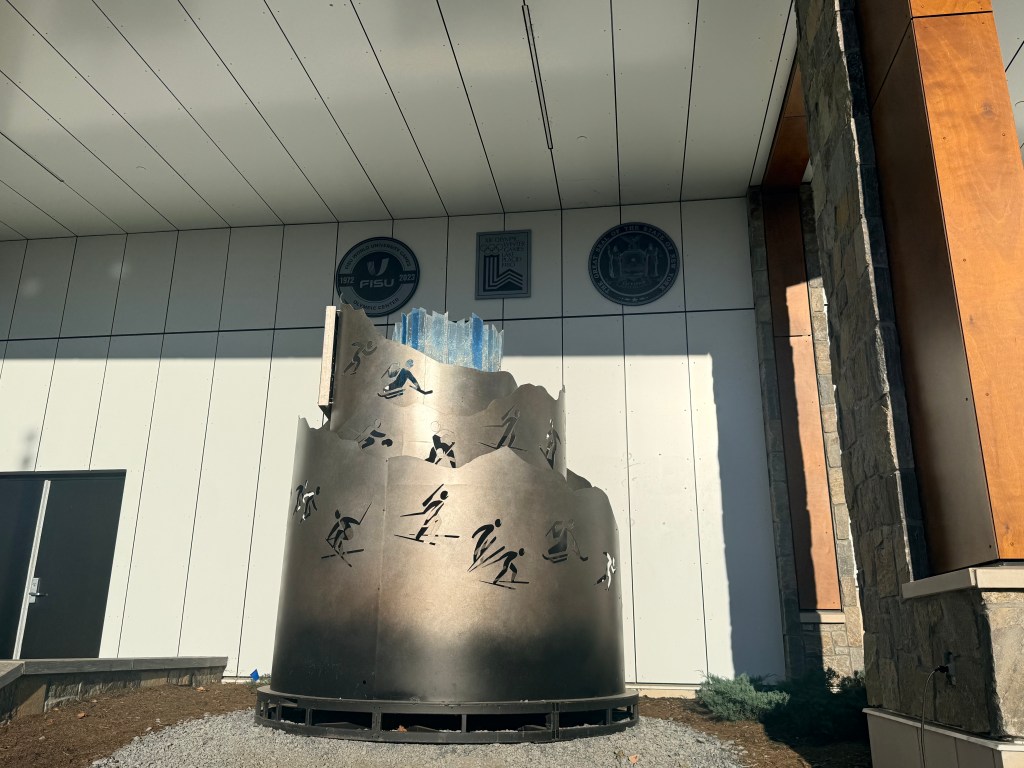
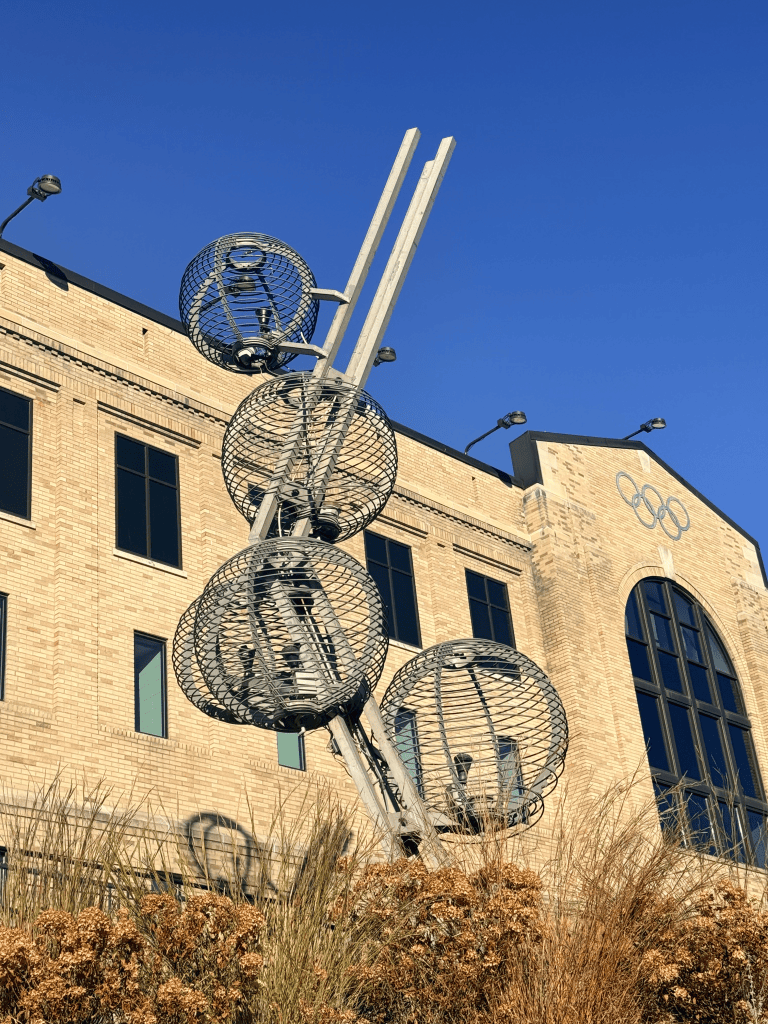
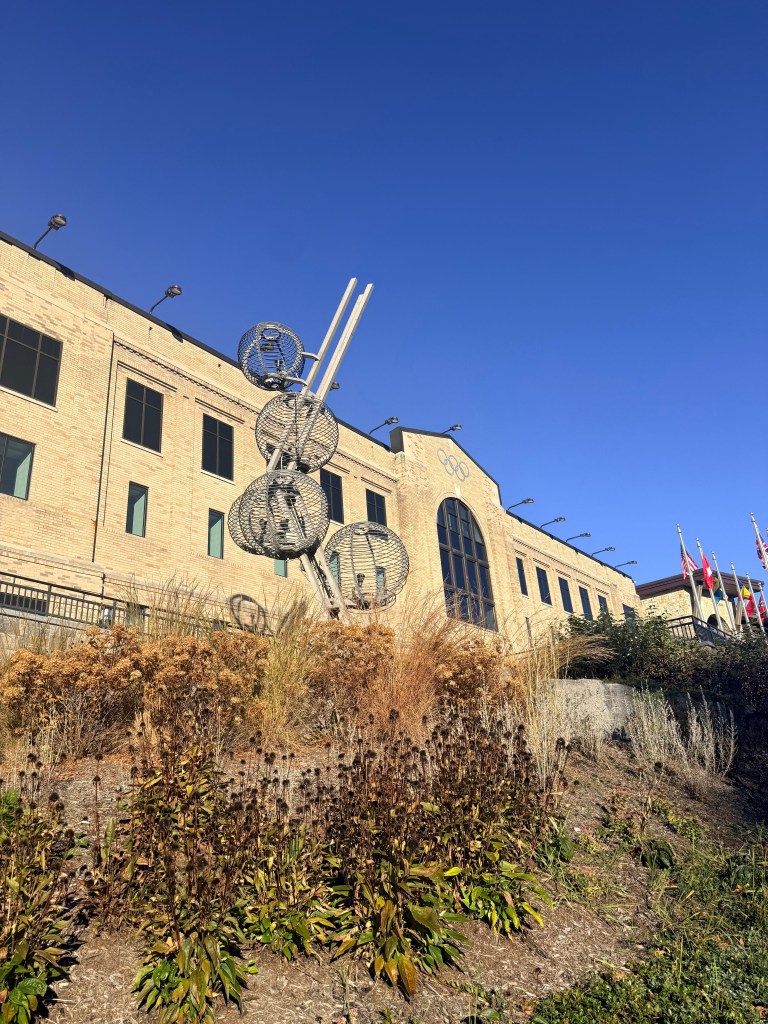
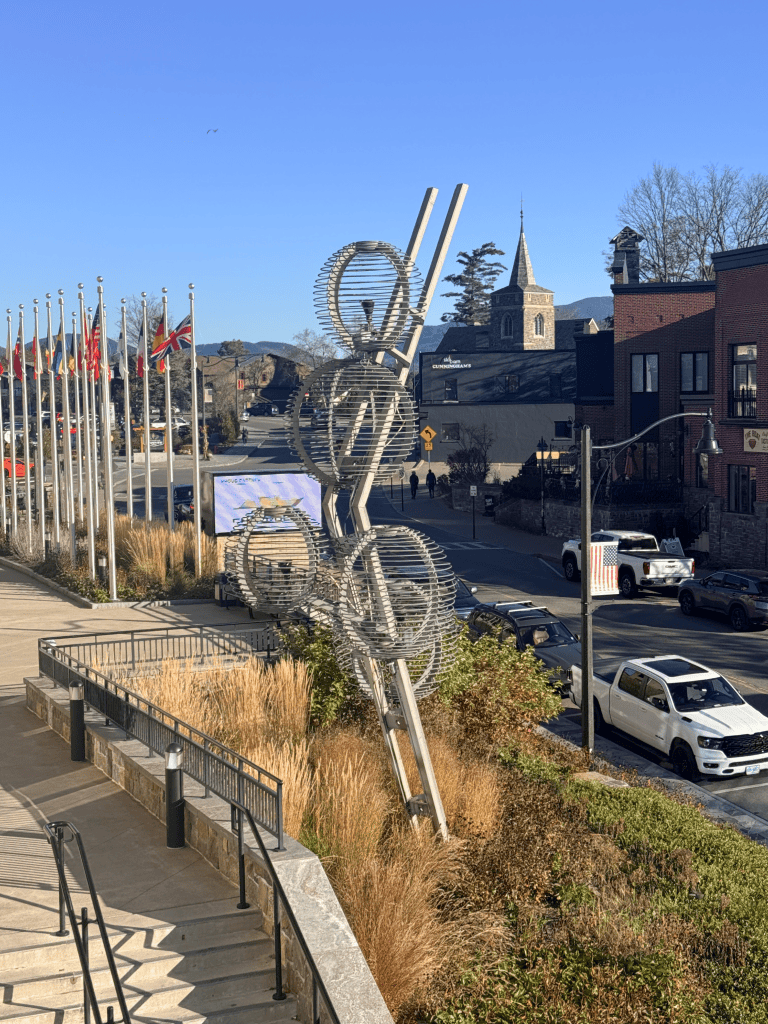
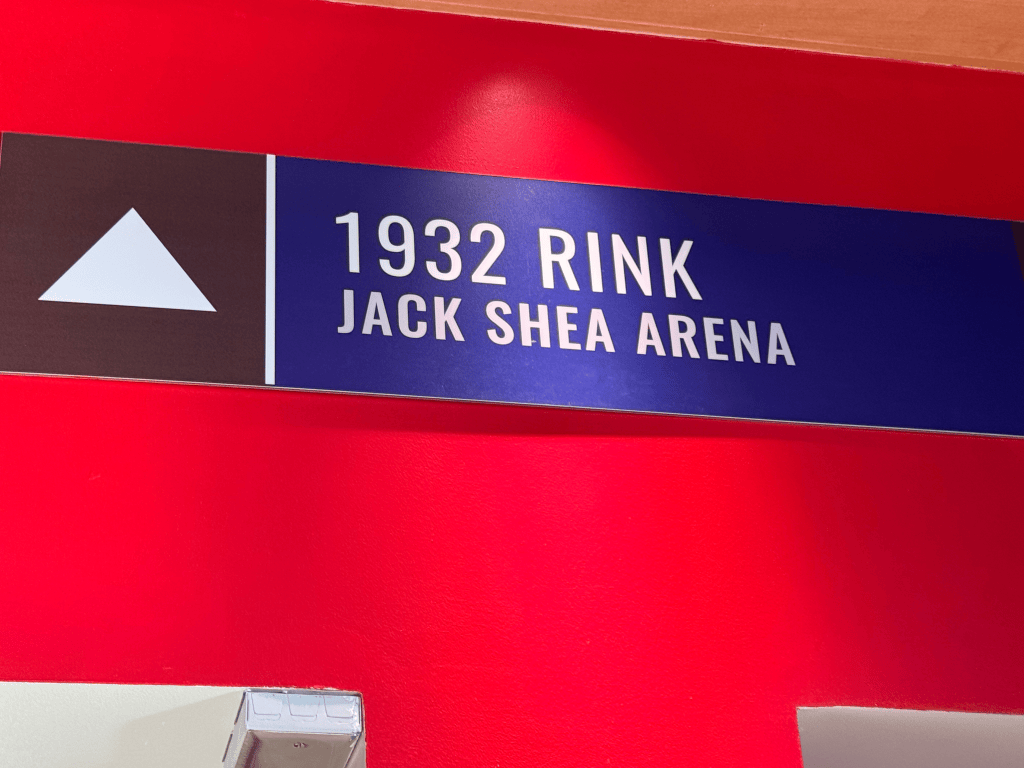

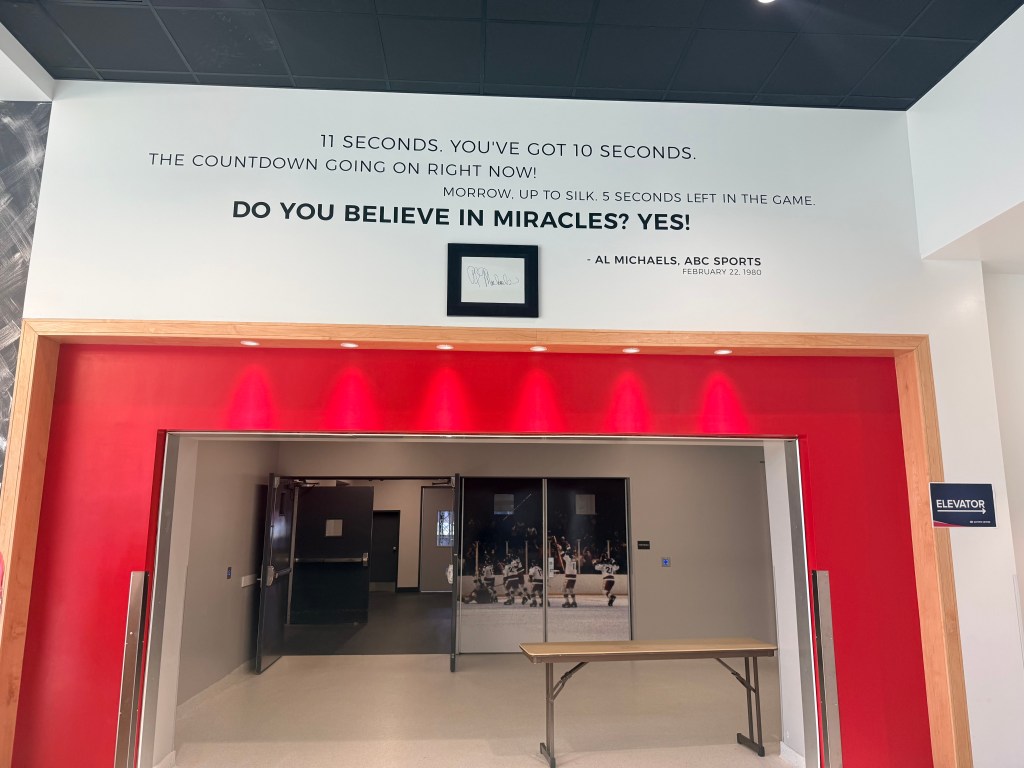

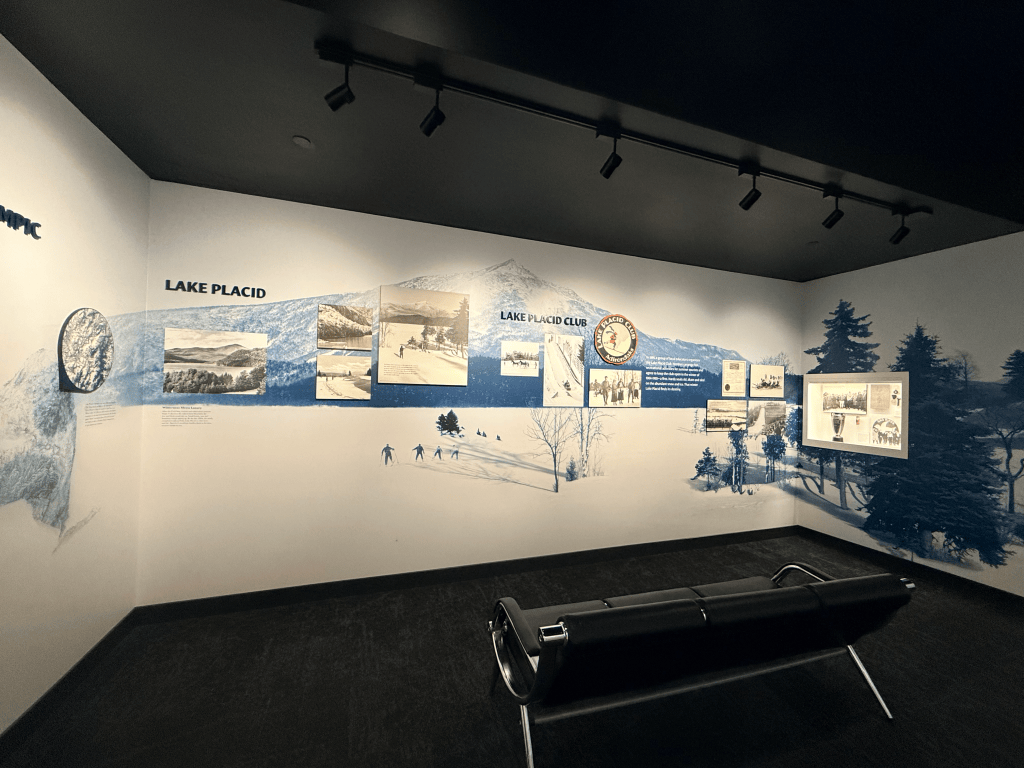
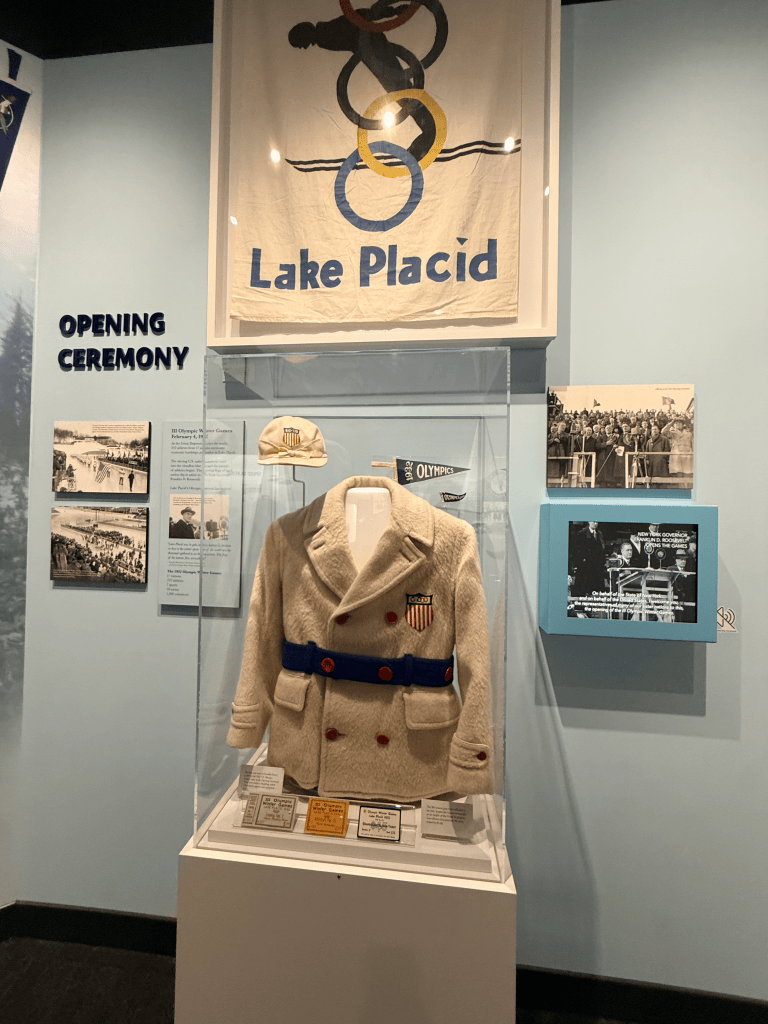
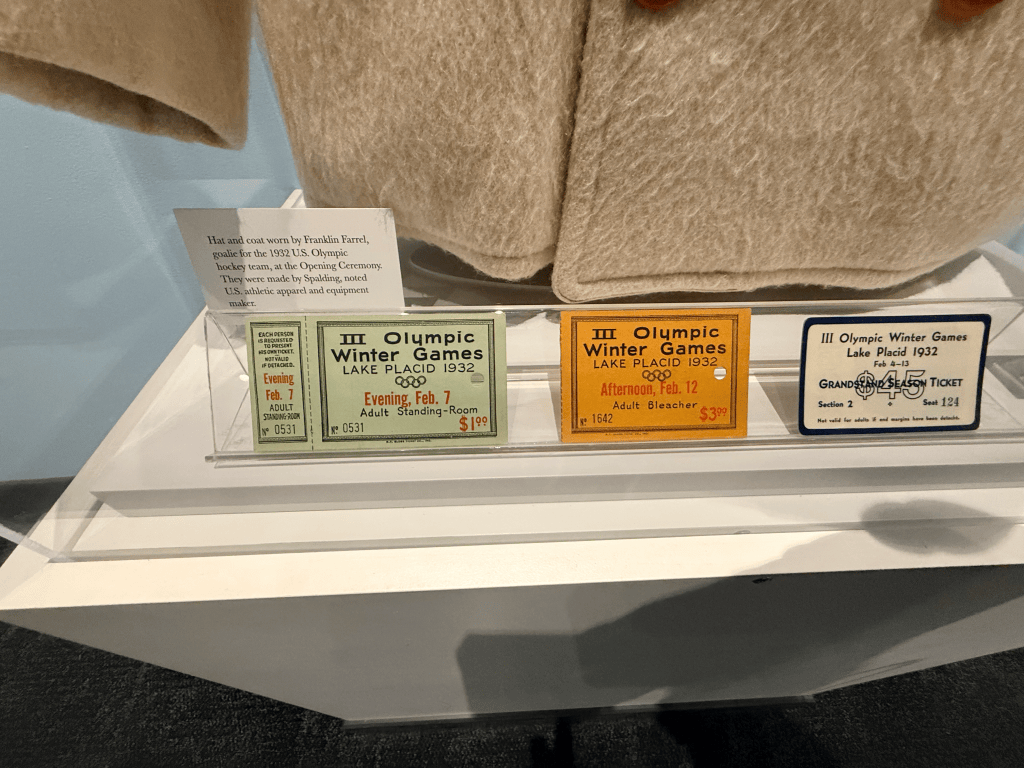
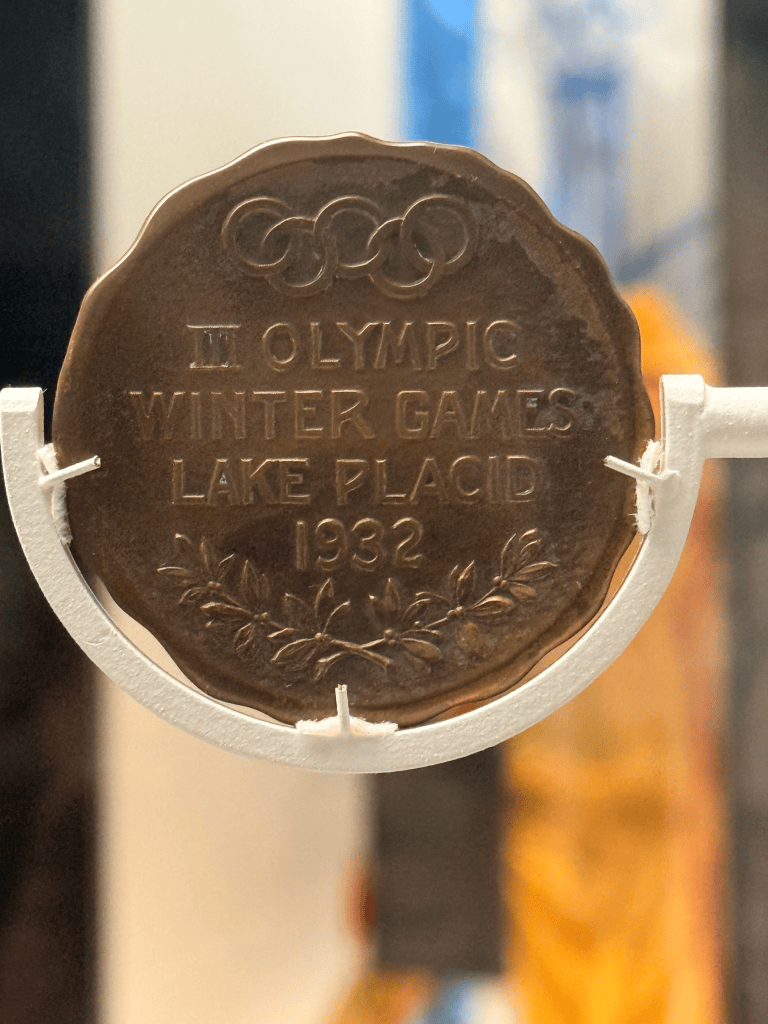
Once the museum opened, we spent about an hour exploring the exhibits. Since Lake Placid has hosted the Winter Olympics twice, in 1932 and 1980, there was a tremendous amount of history packed into the galleries. The first area focused on the 1932 Olympics

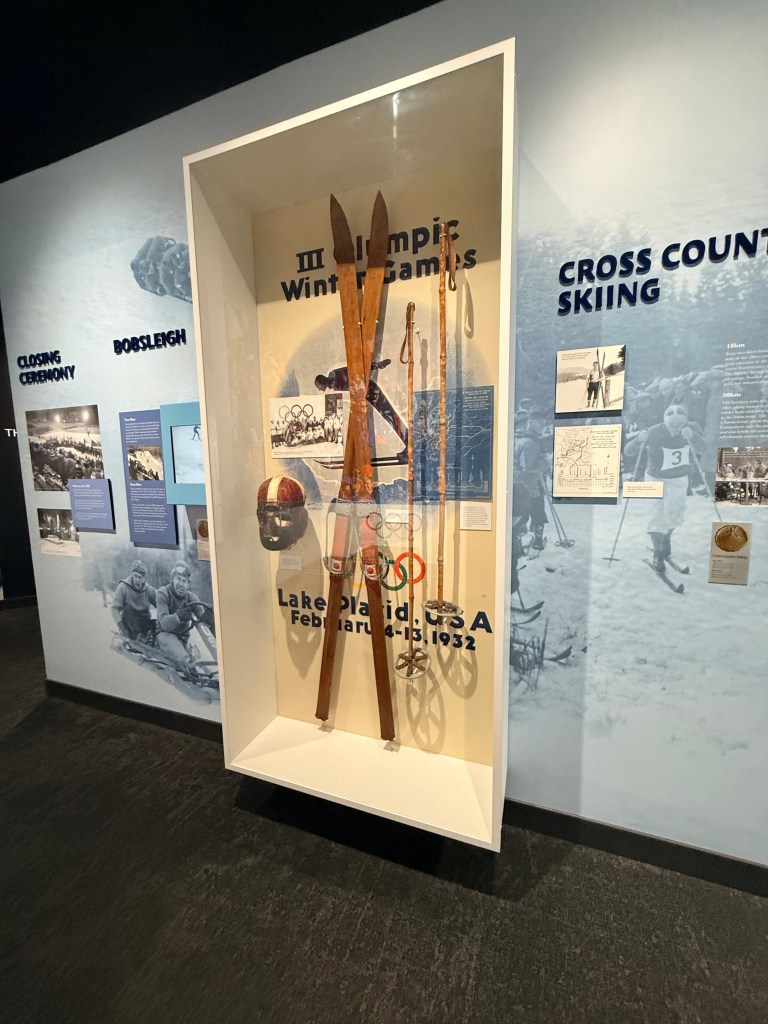
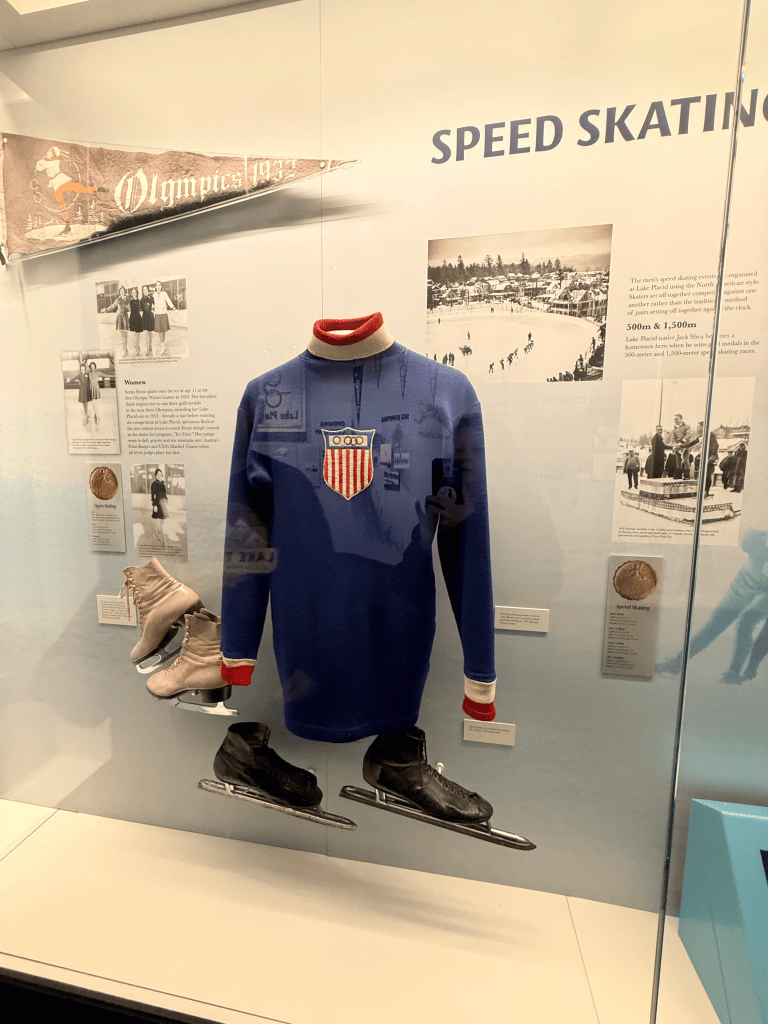
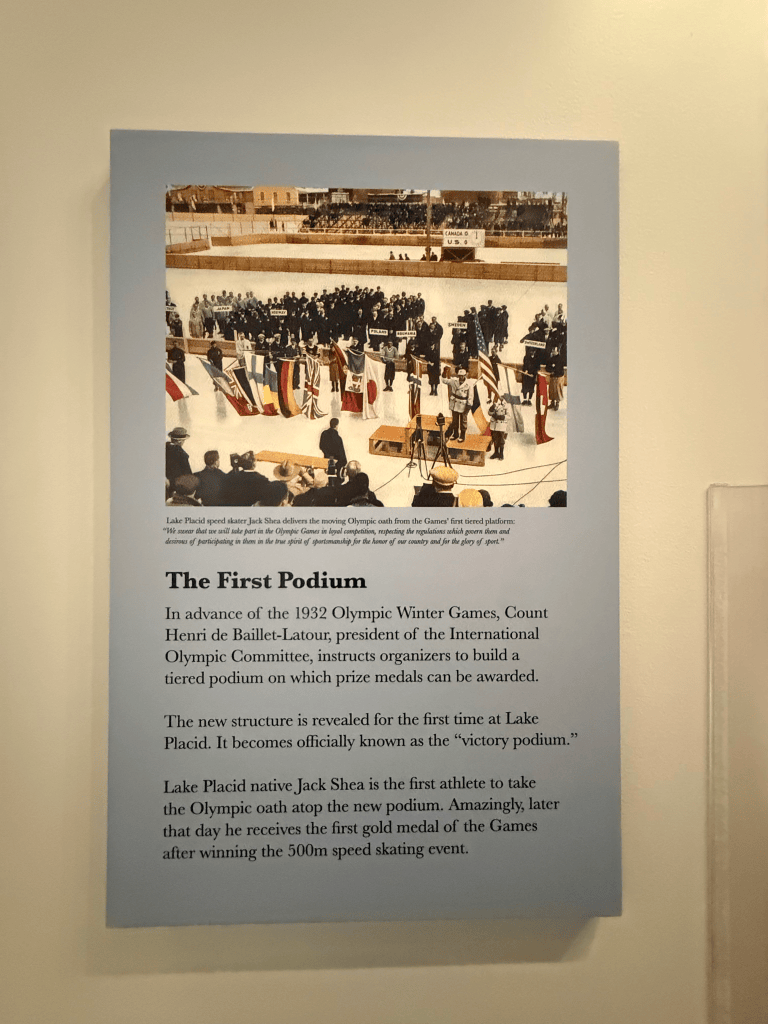
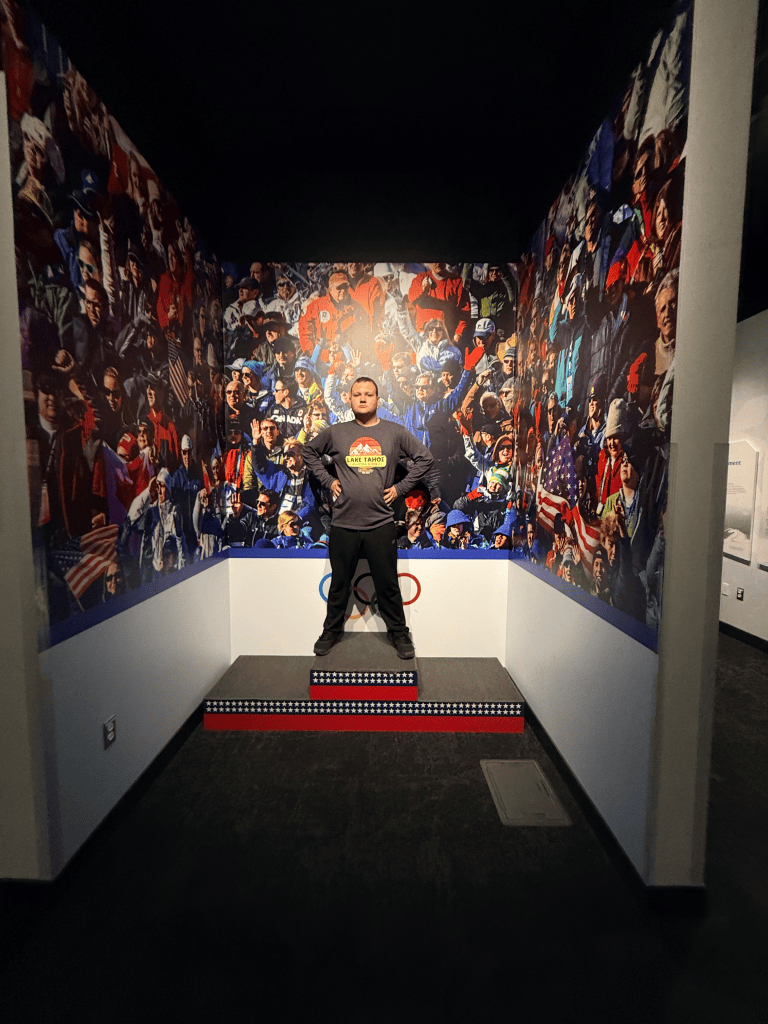
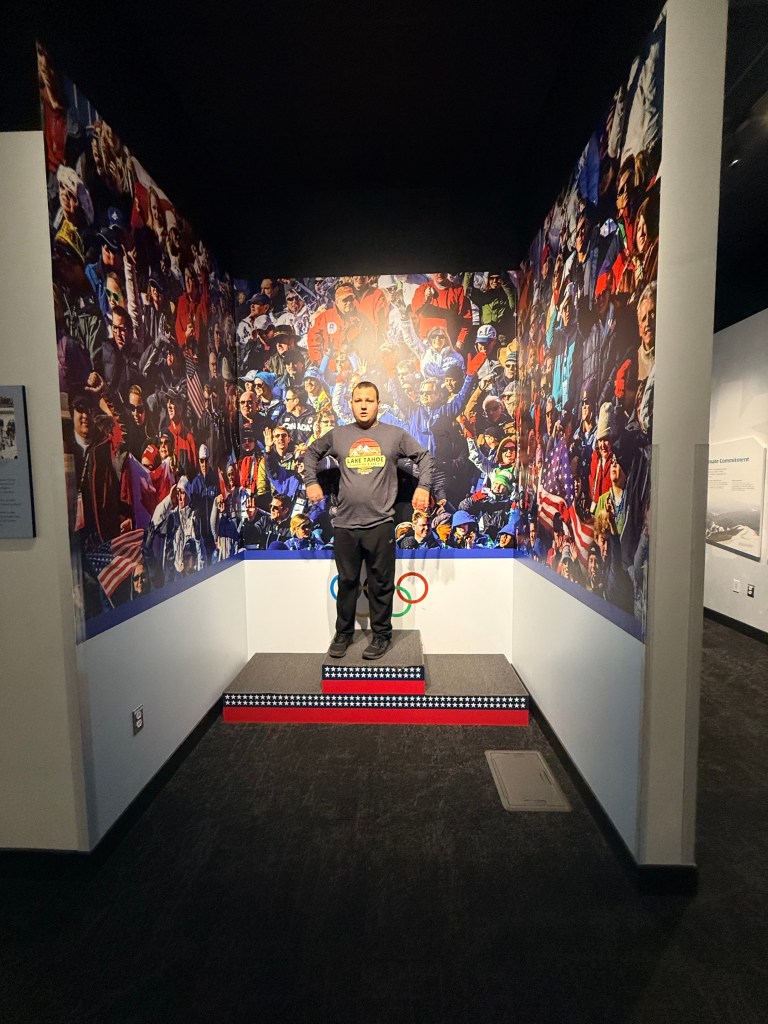
One of my biggest takeaways was learning that the 1932 Winter Olympics introduced the now-familiar three-tiered victory podium for gold, silver, and bronze medalists. The original podium was on display, and Hunter even got to stand on it.
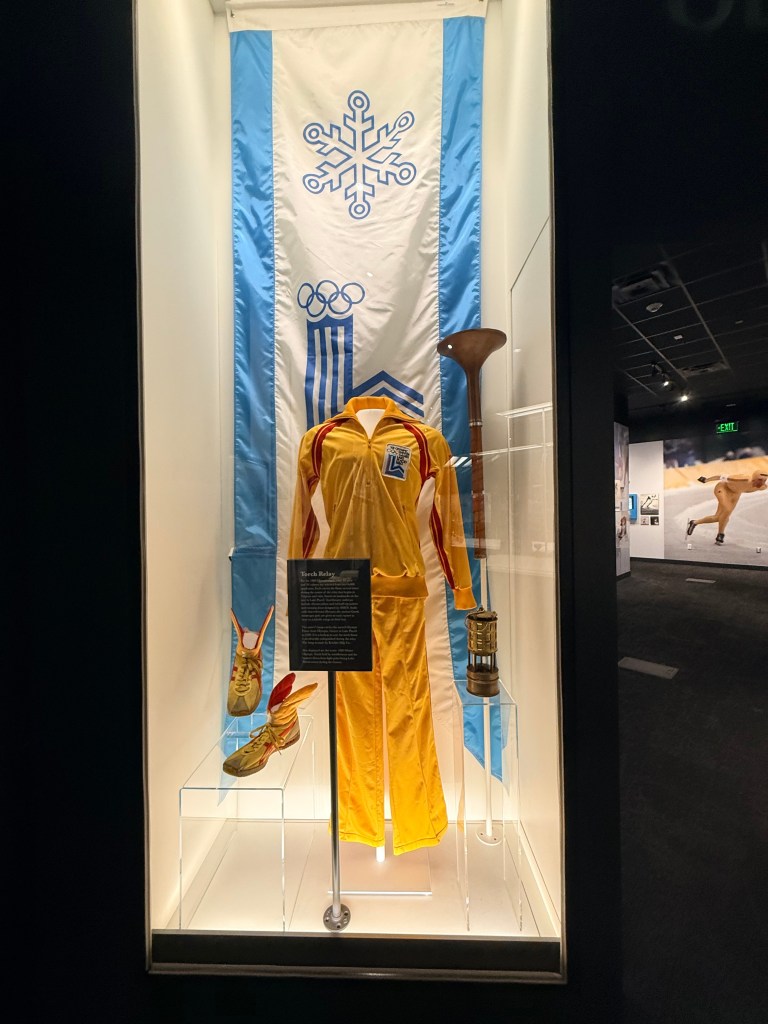
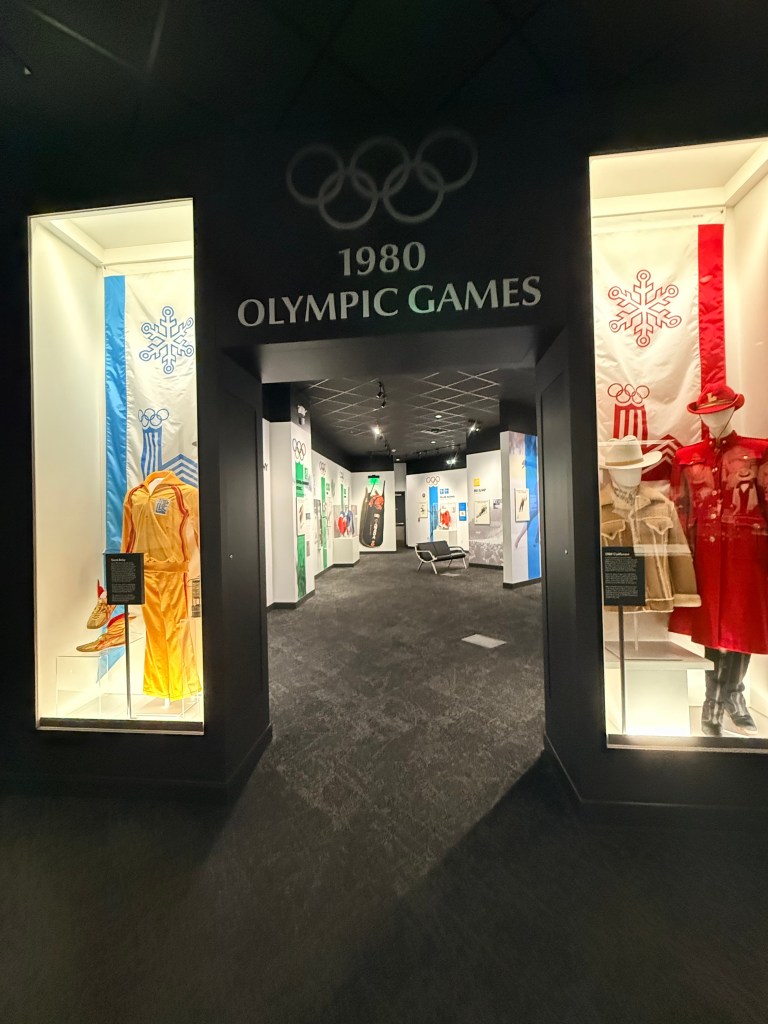
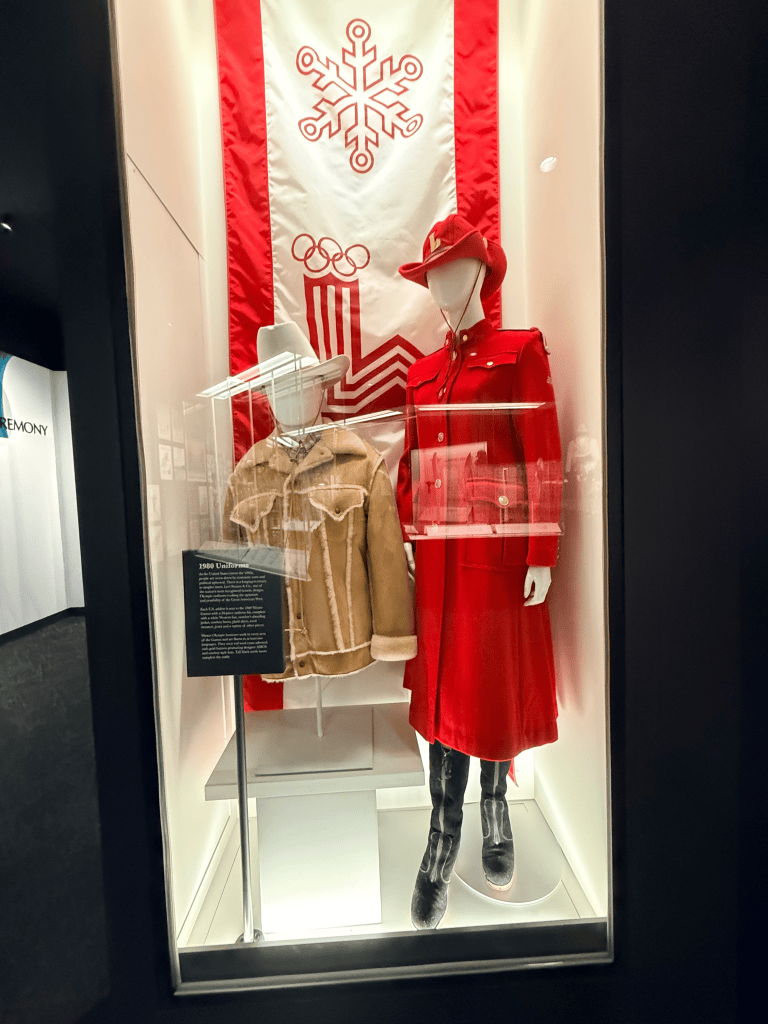
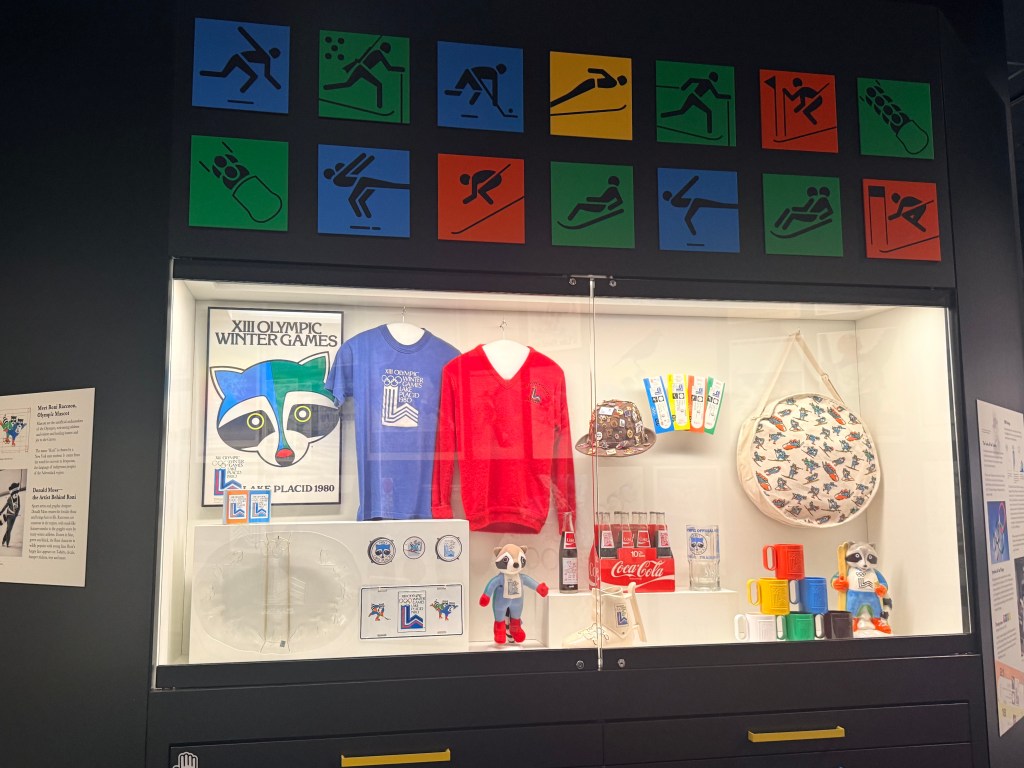
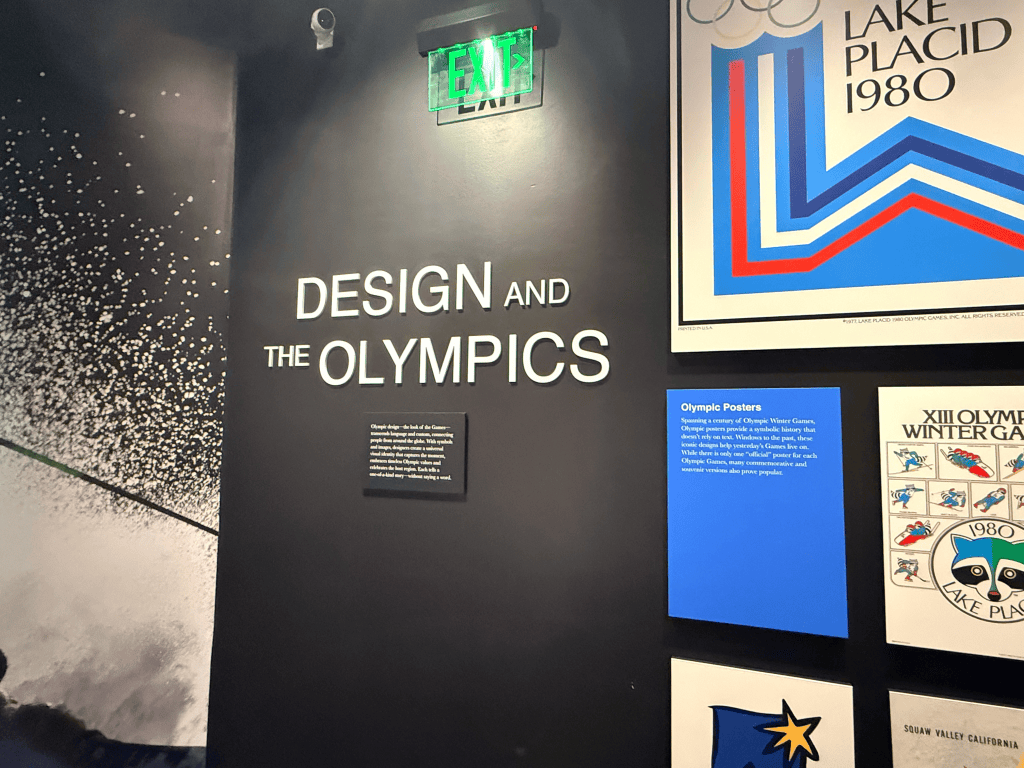
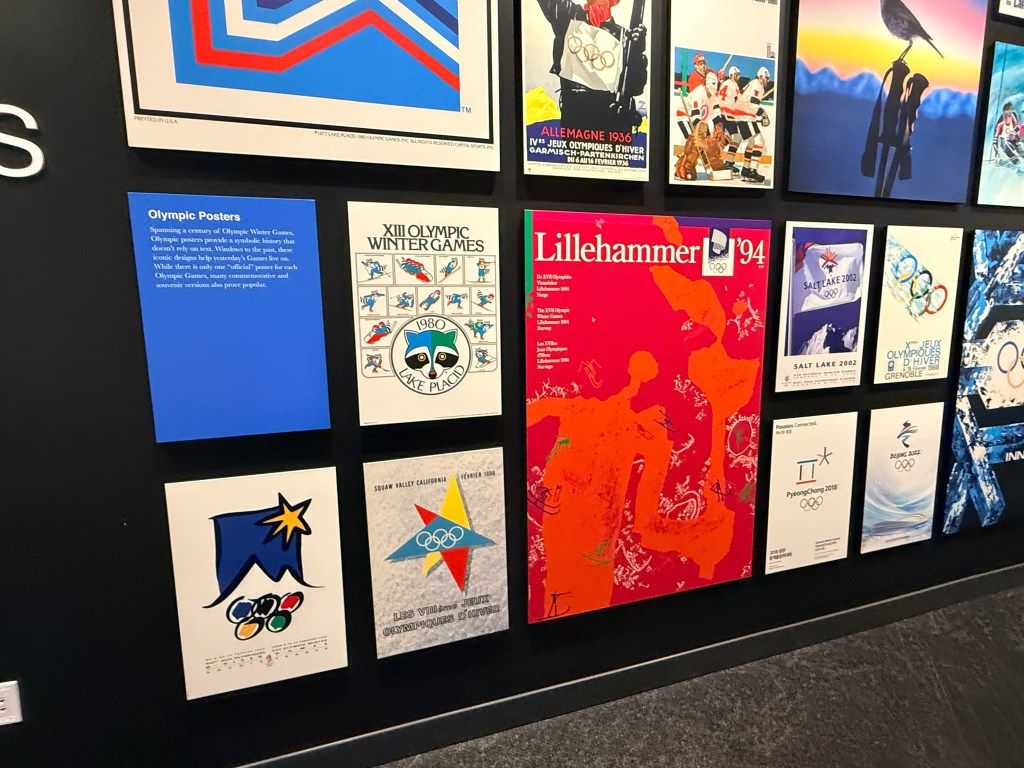
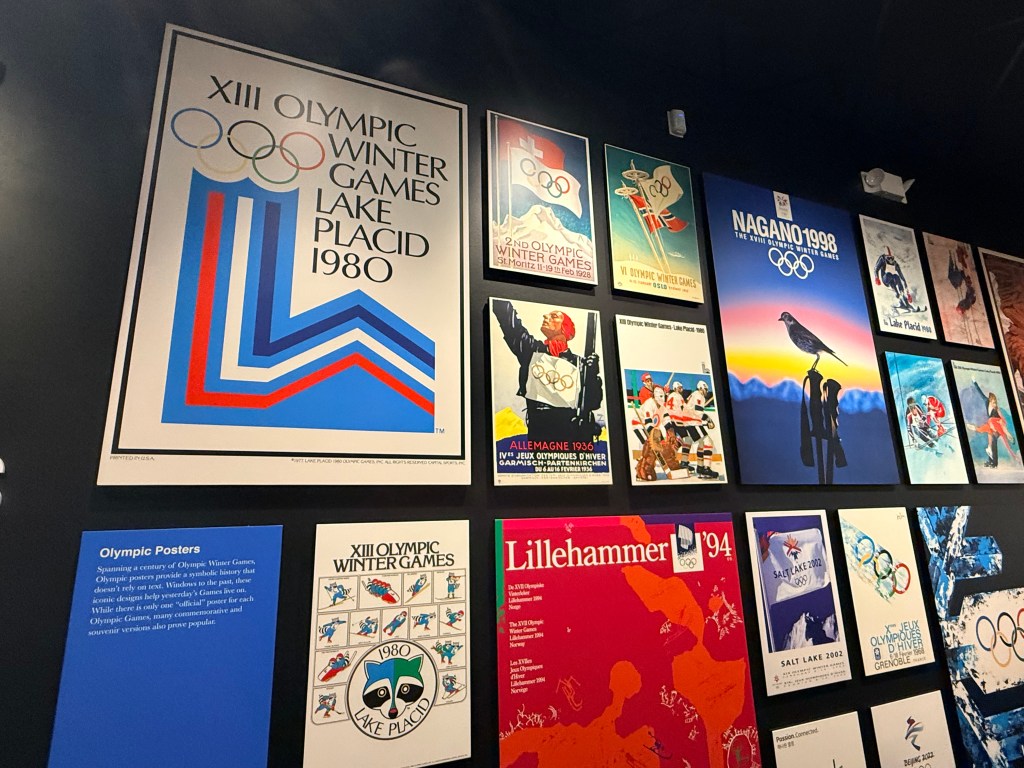
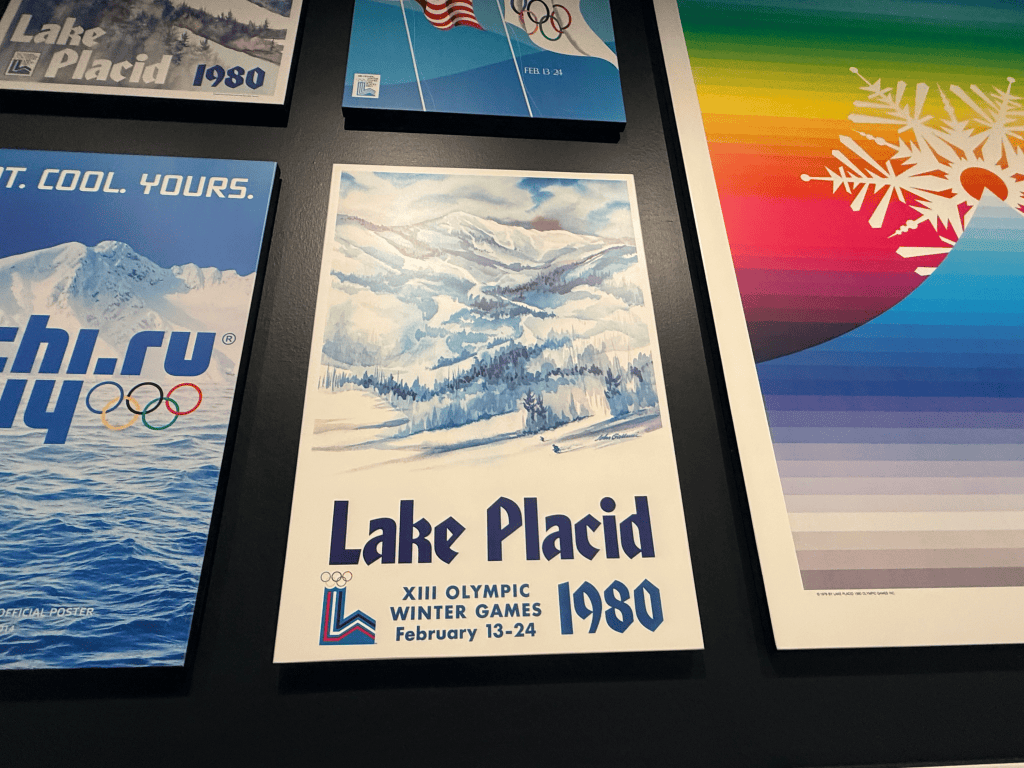
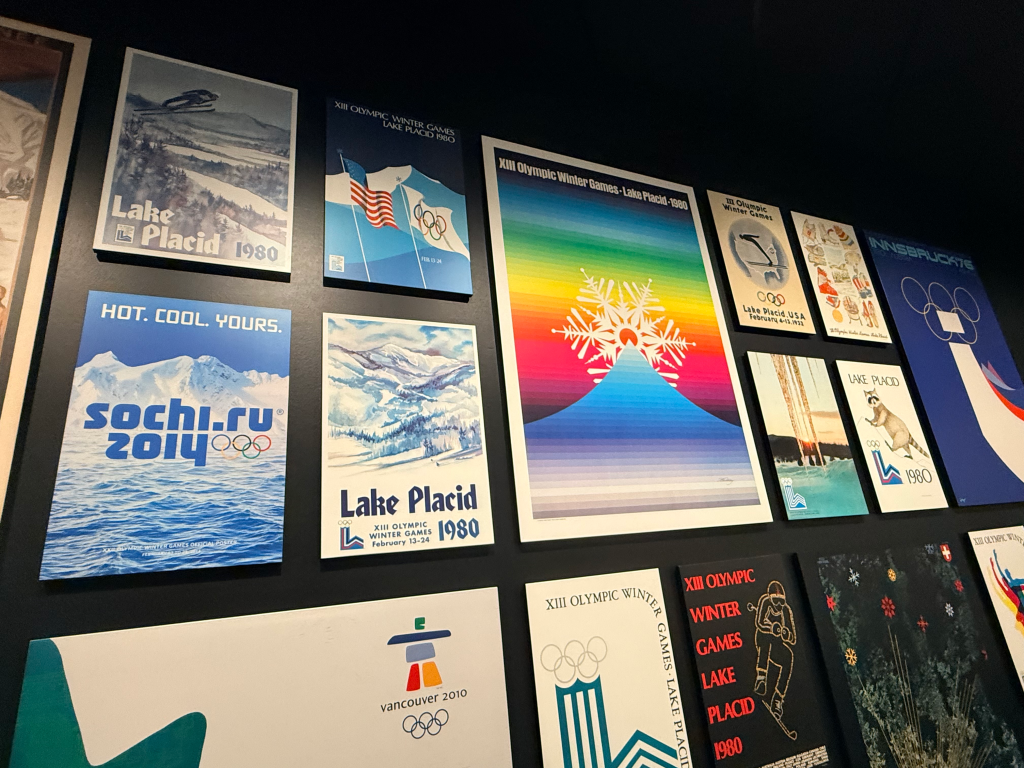
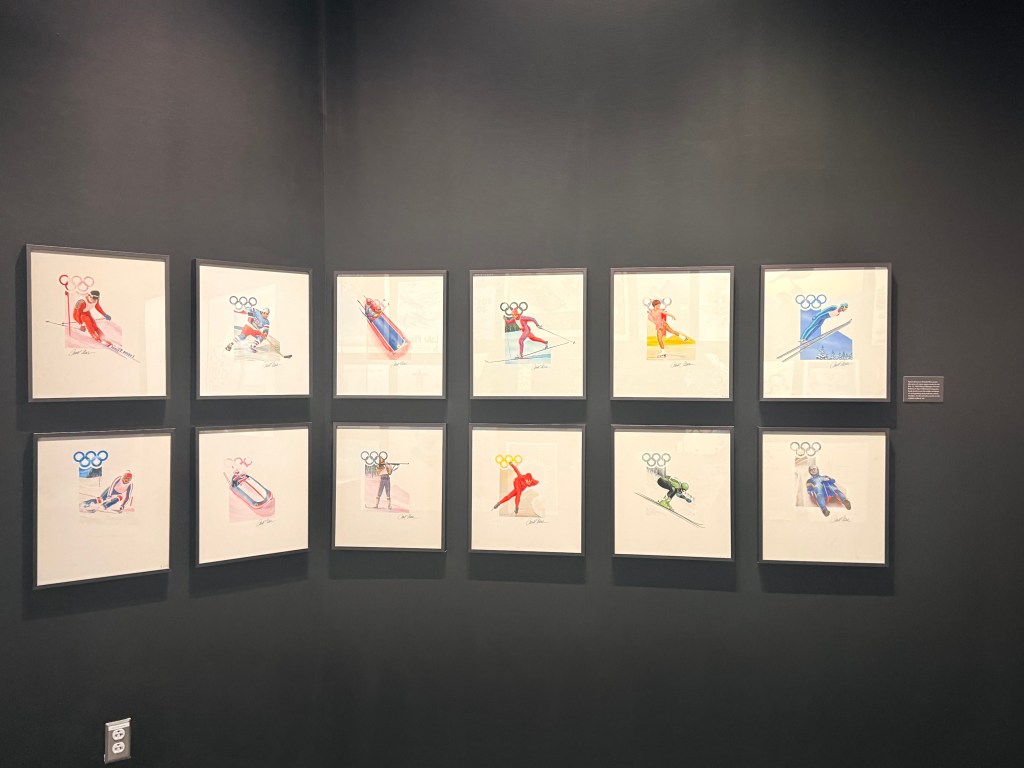
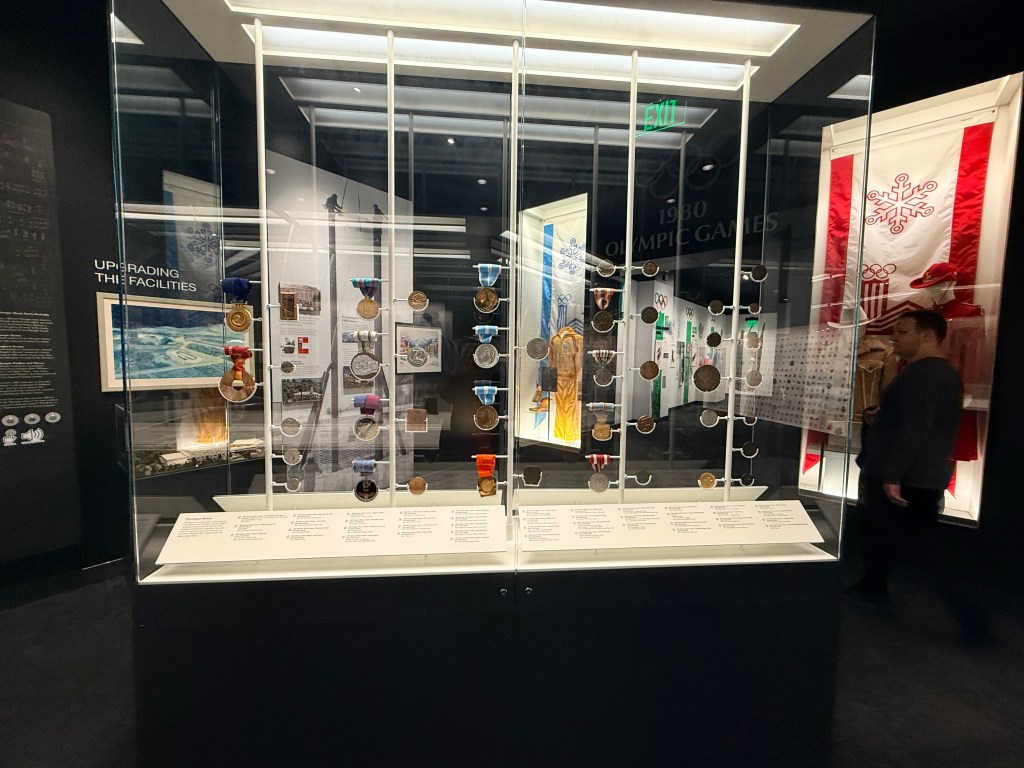
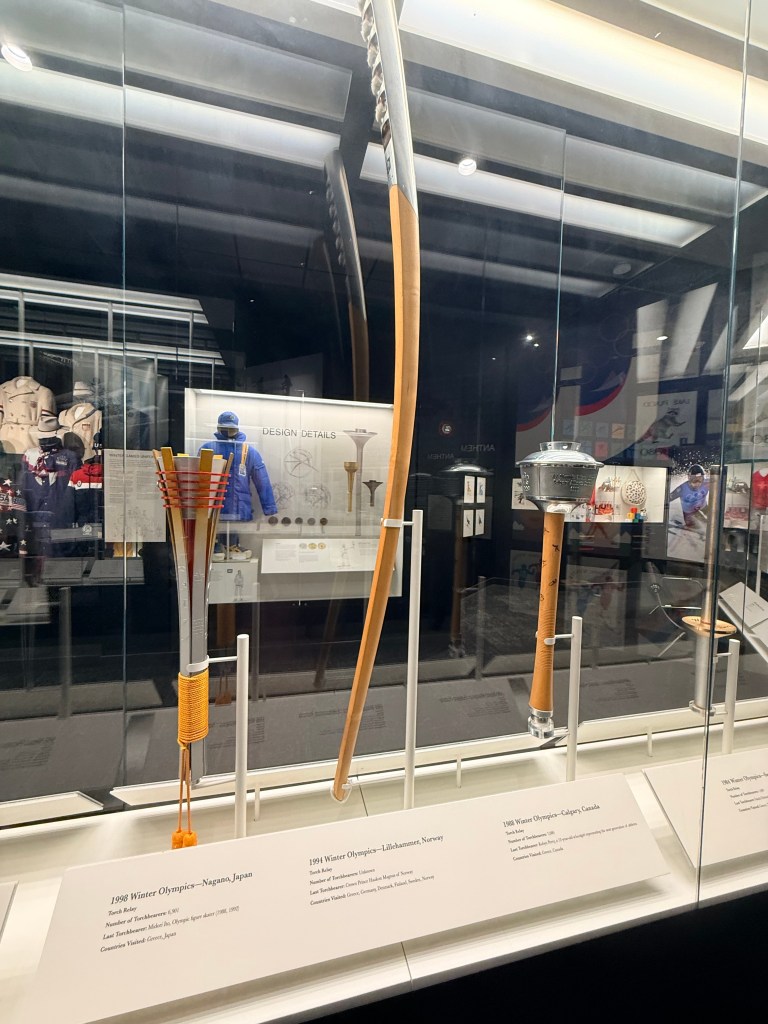
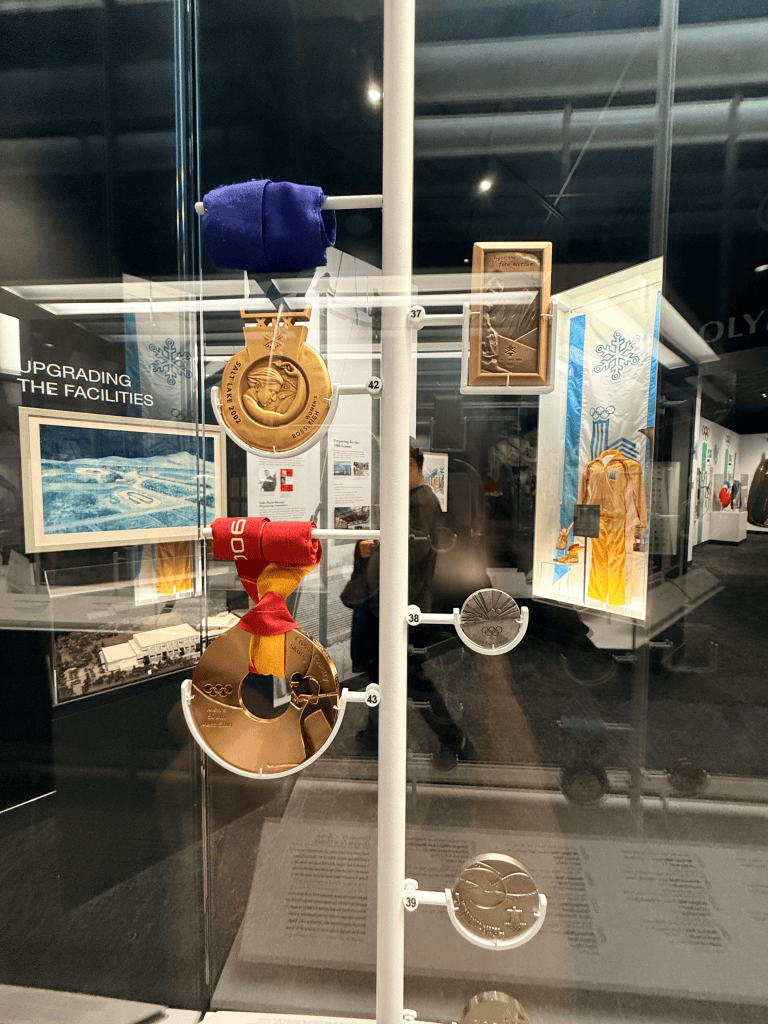
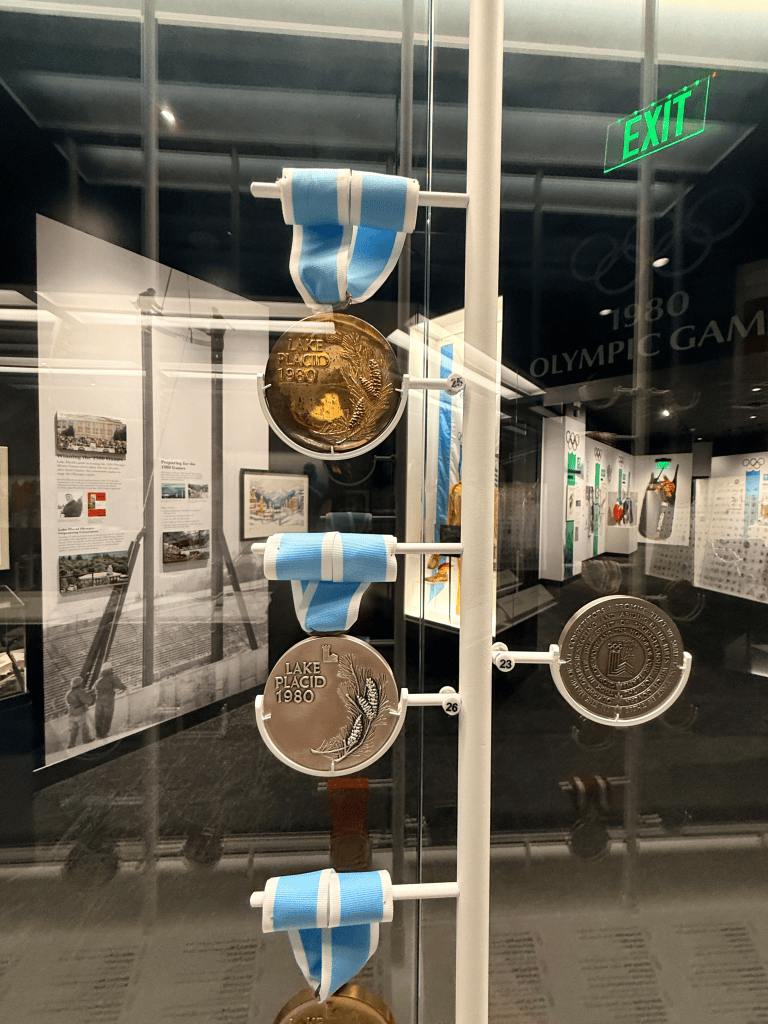
We continued on through posters, torches, pins, and Olympic uniforms. Before Ralph Lauren became the official outfitter of Team USA, Levi’s dressed the 1980 team in a very Western, ranch-inspired look.
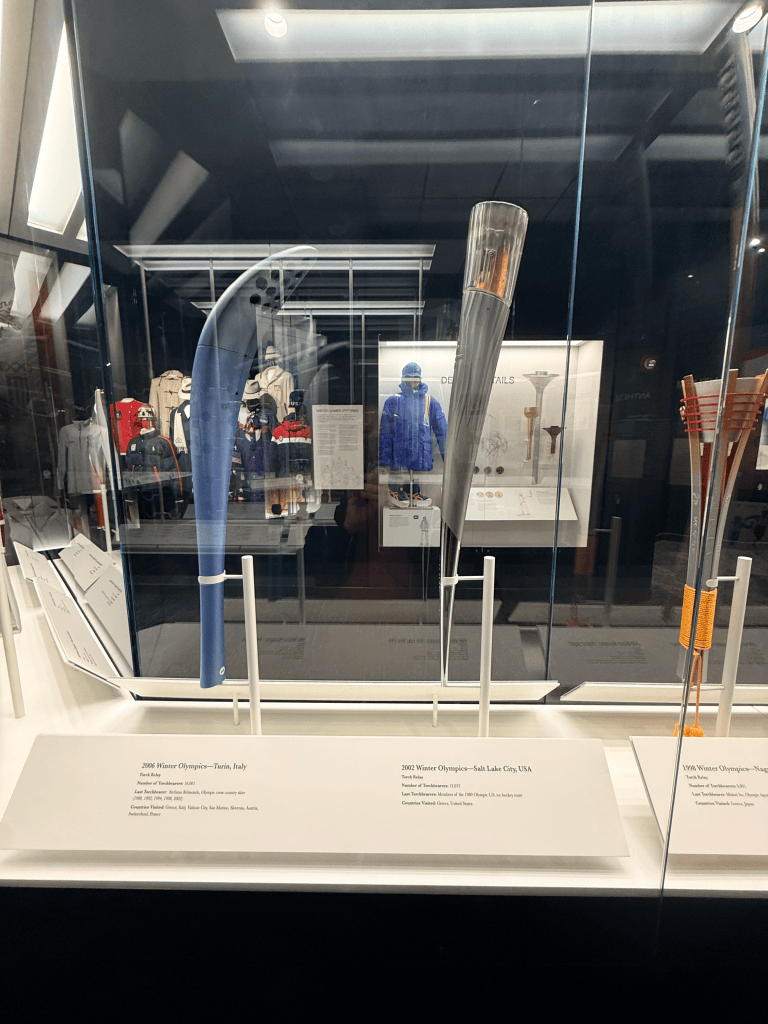
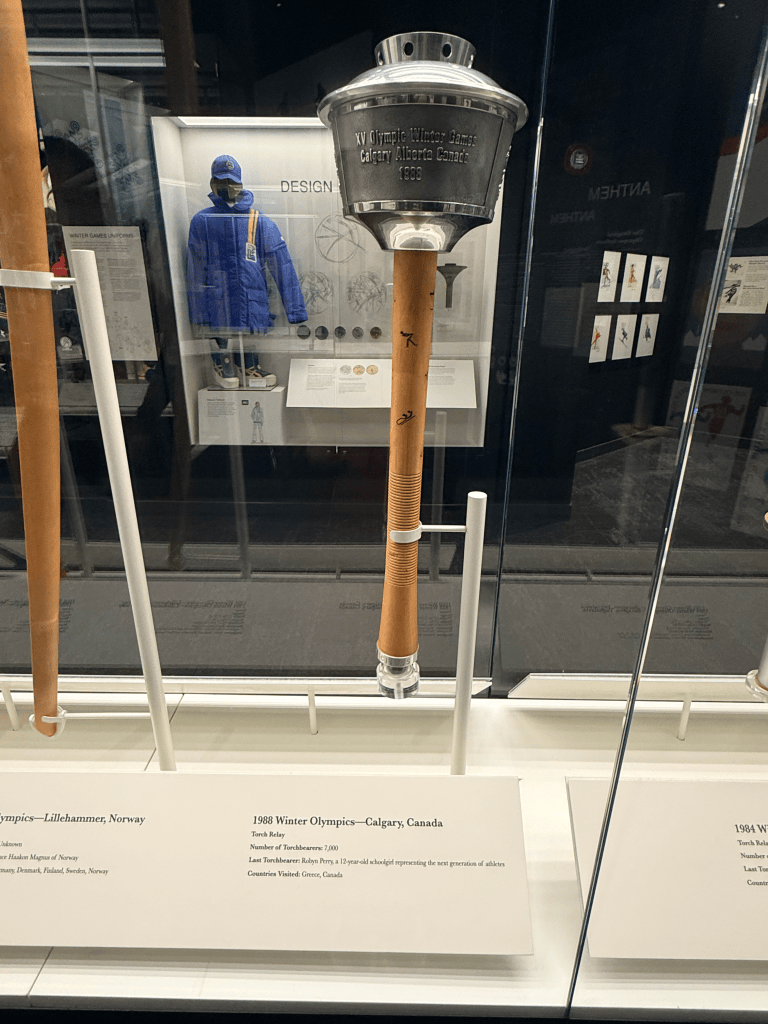
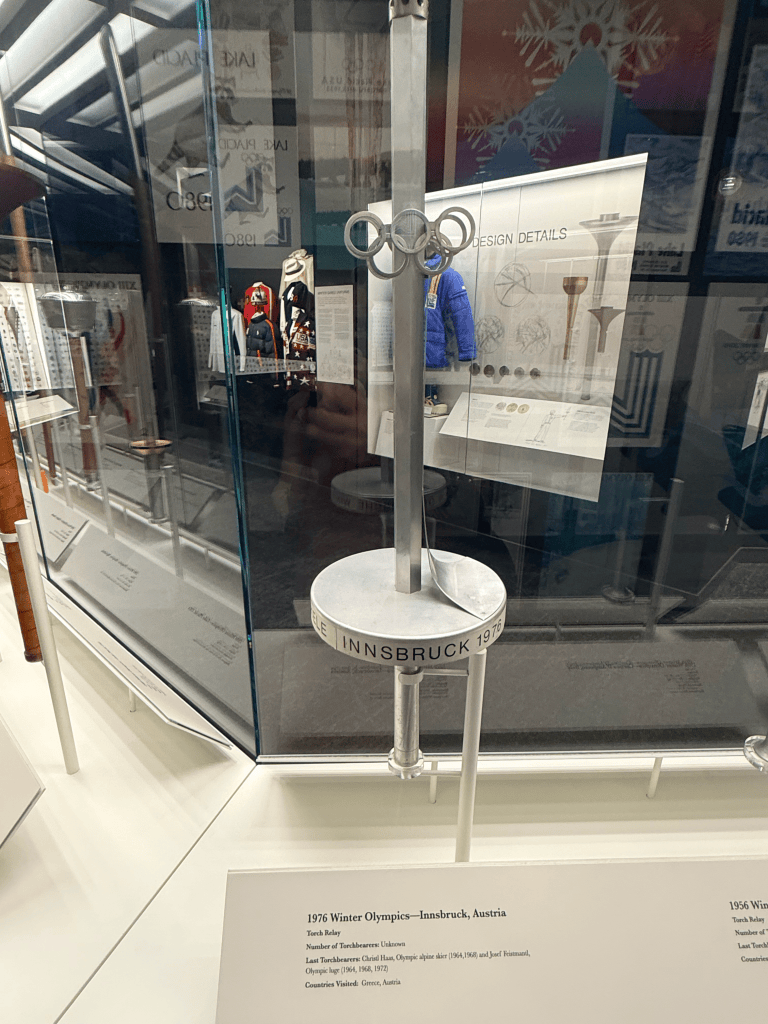
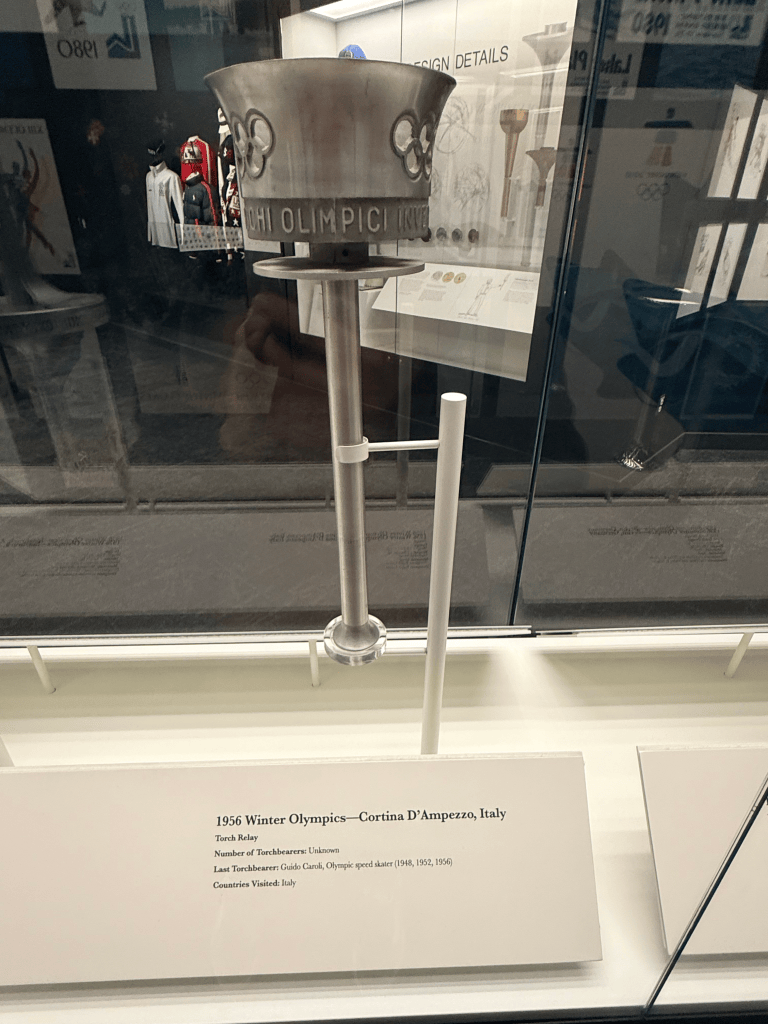


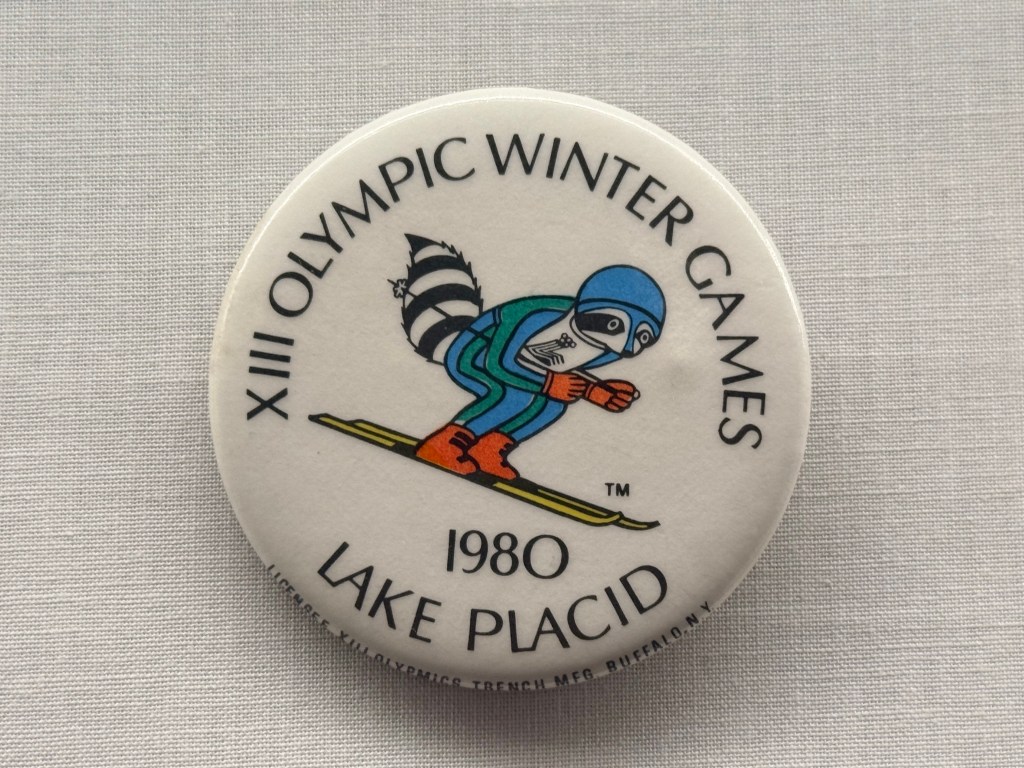
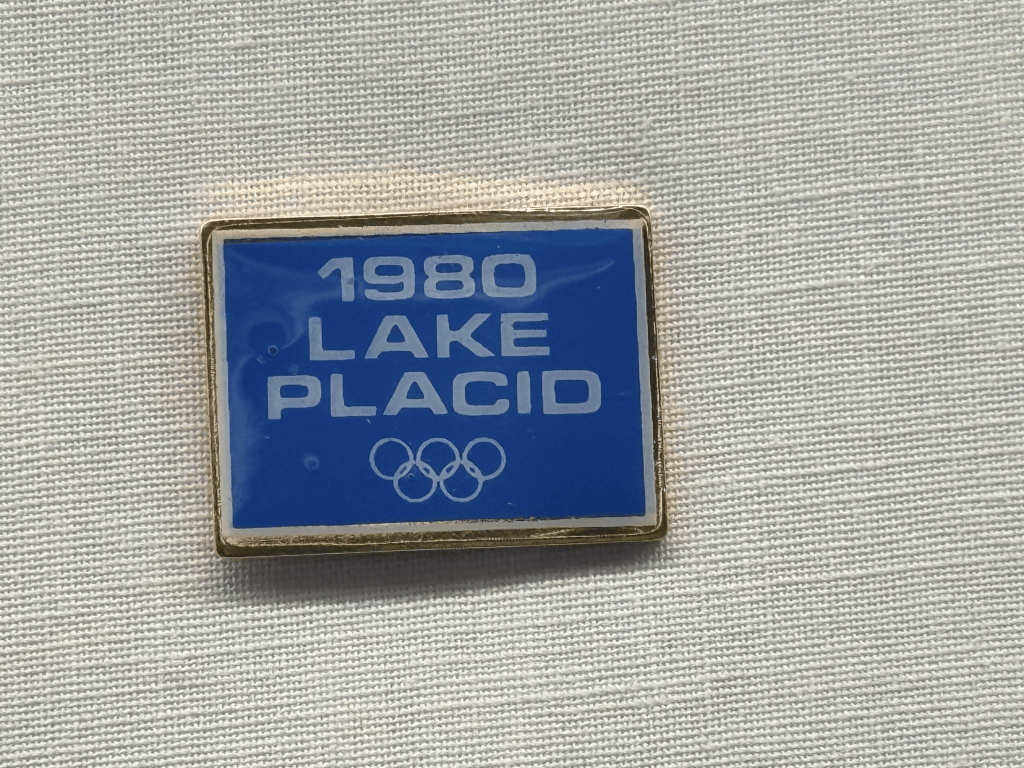
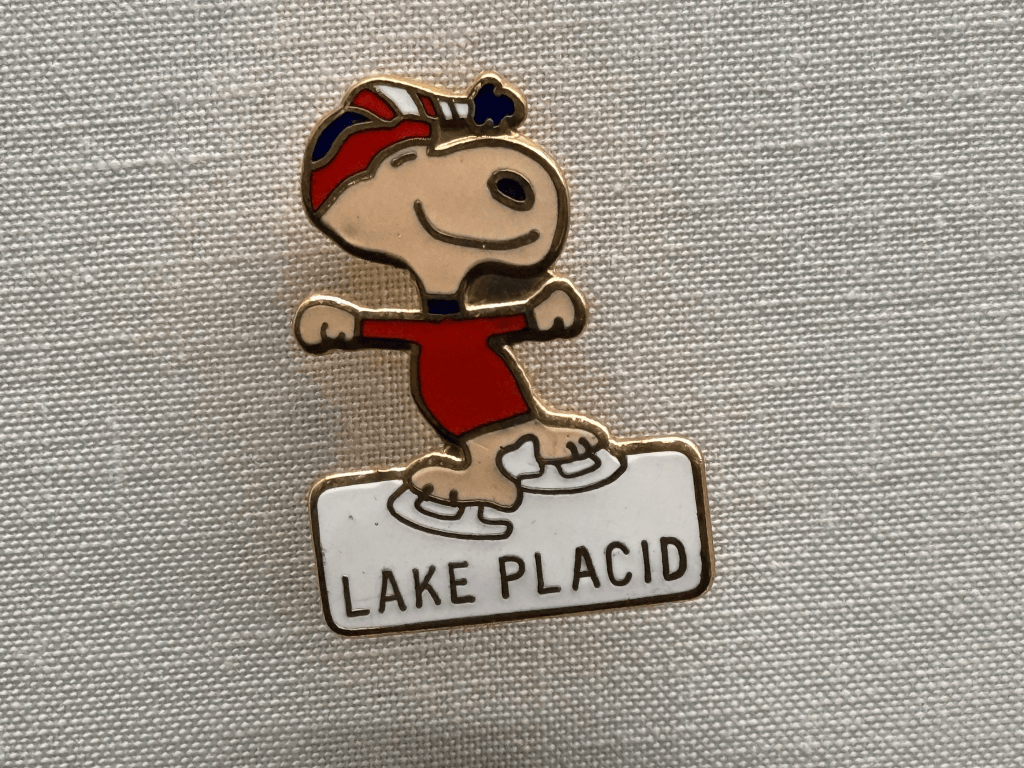
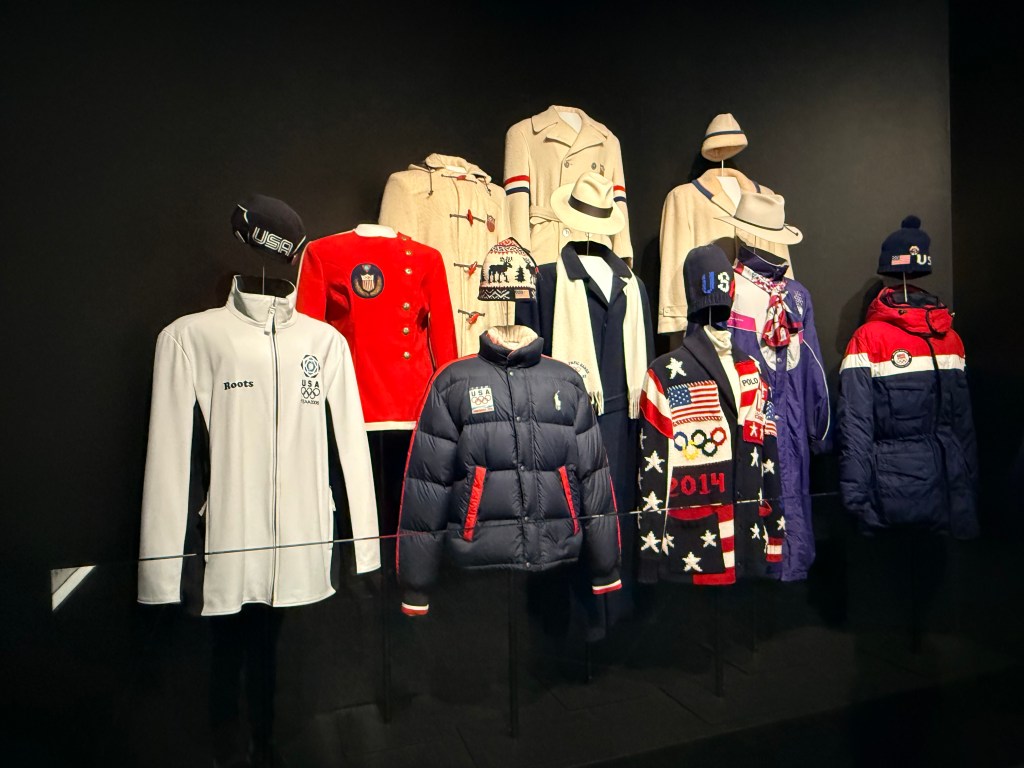
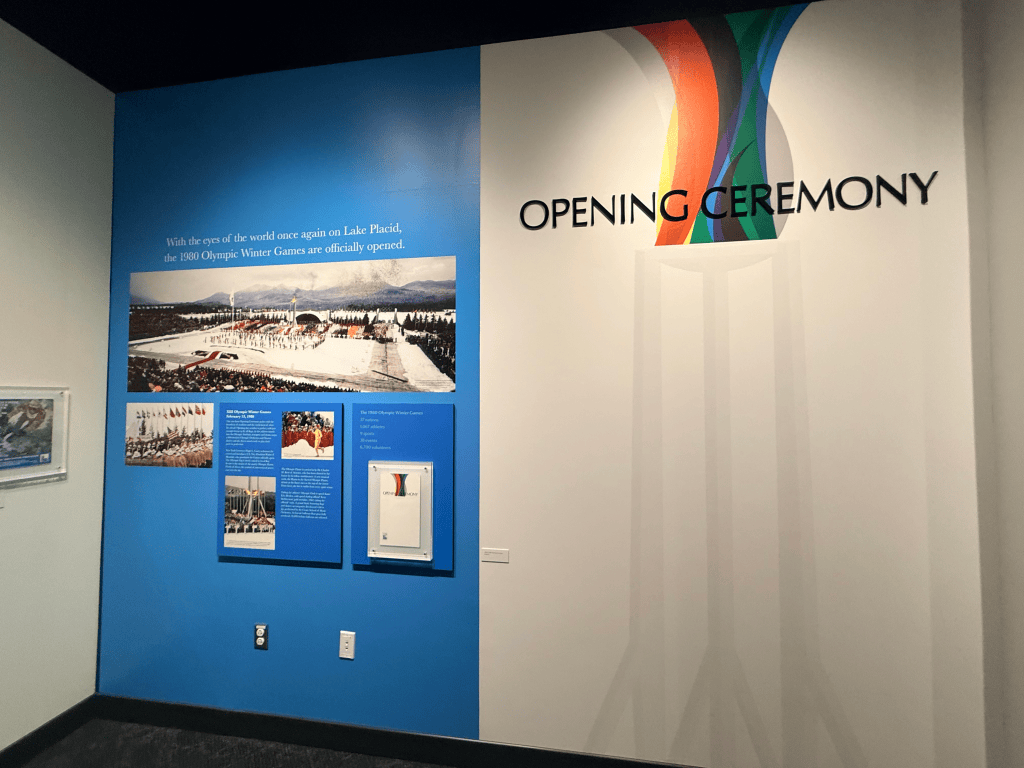
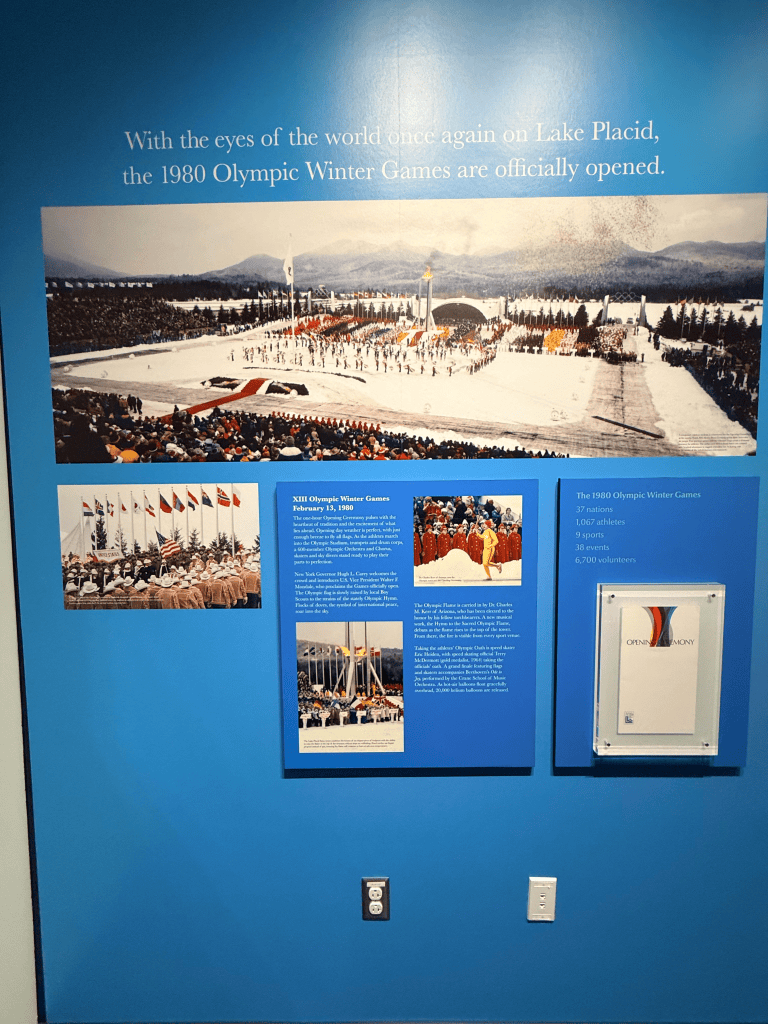
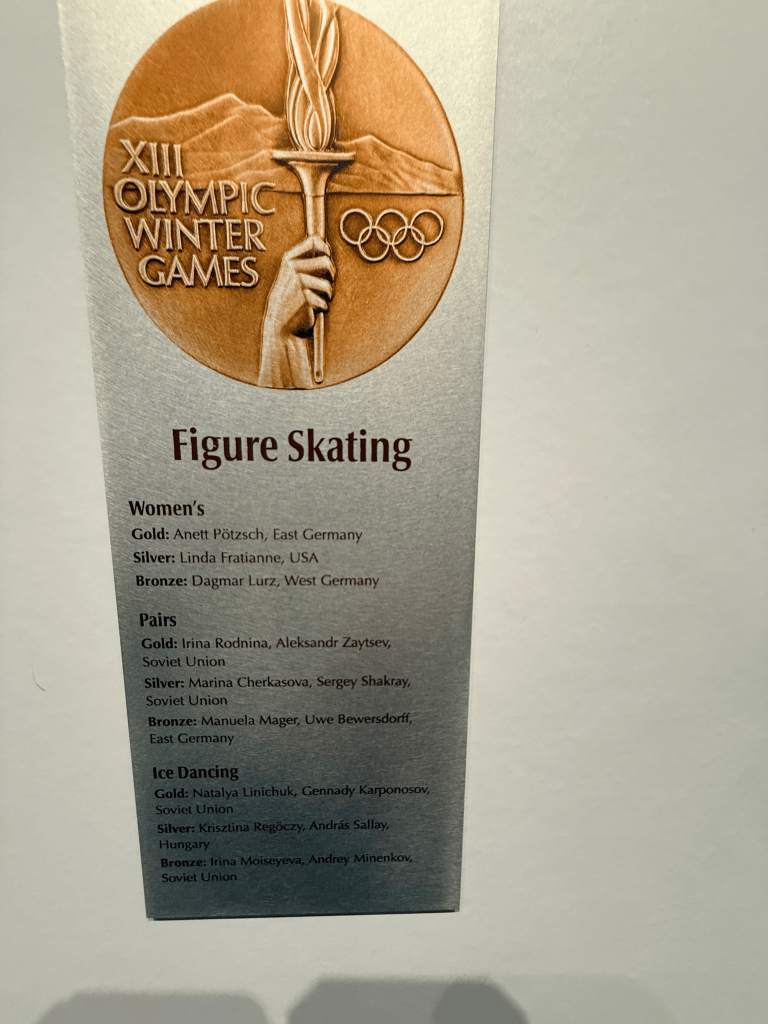
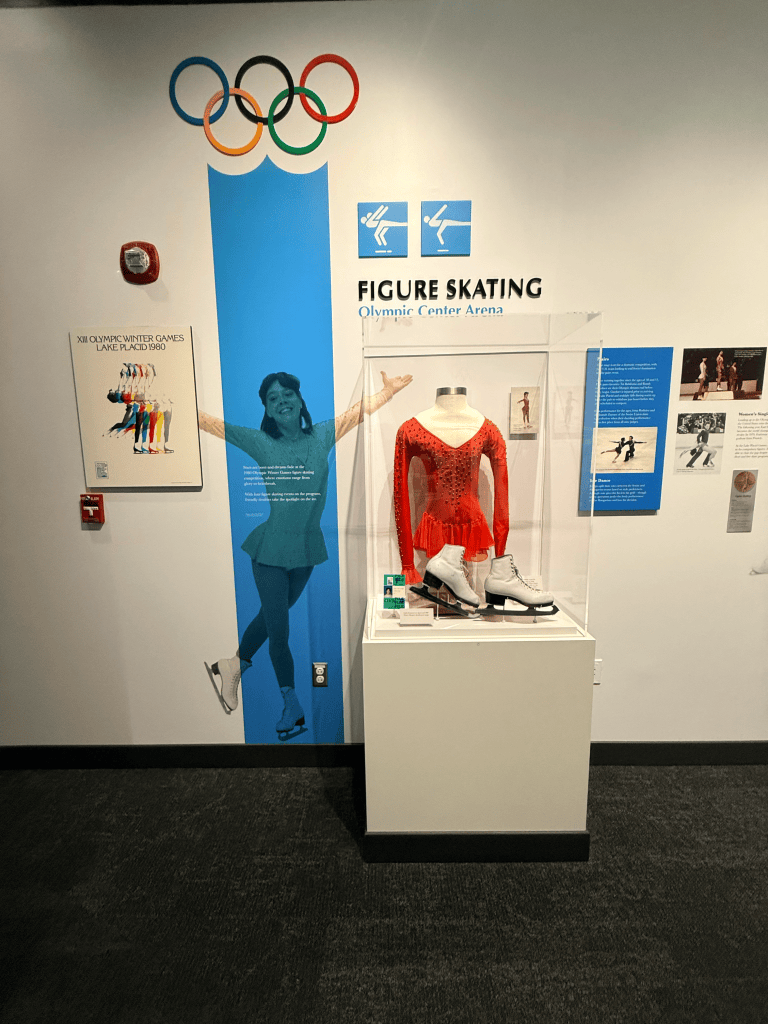
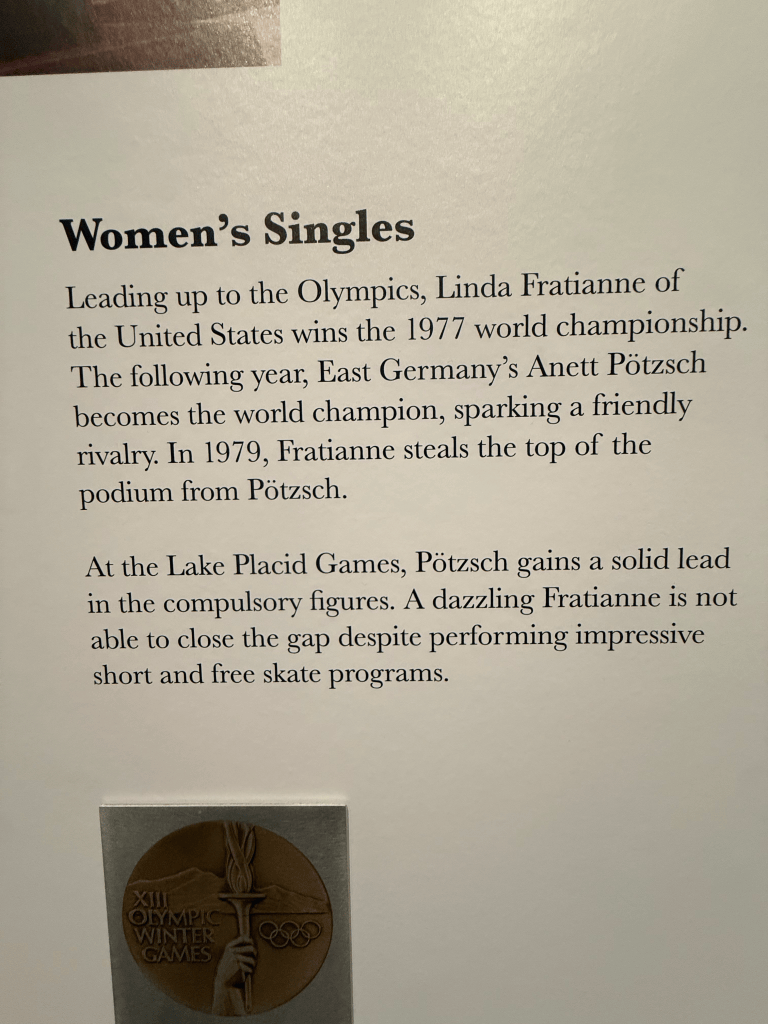
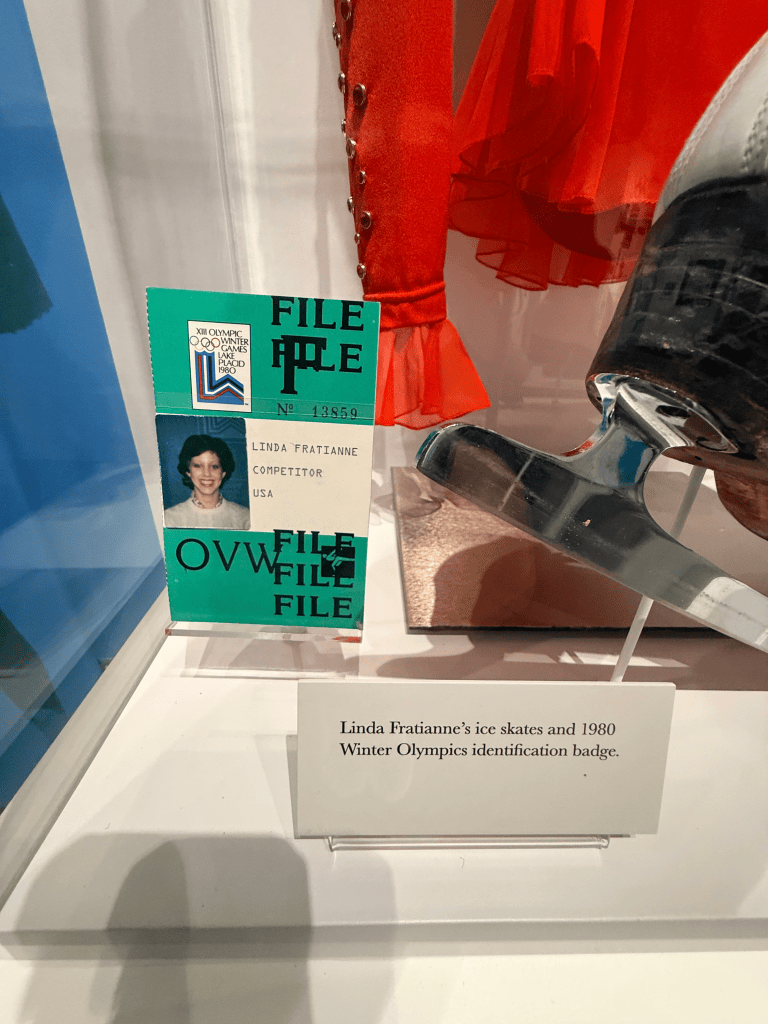
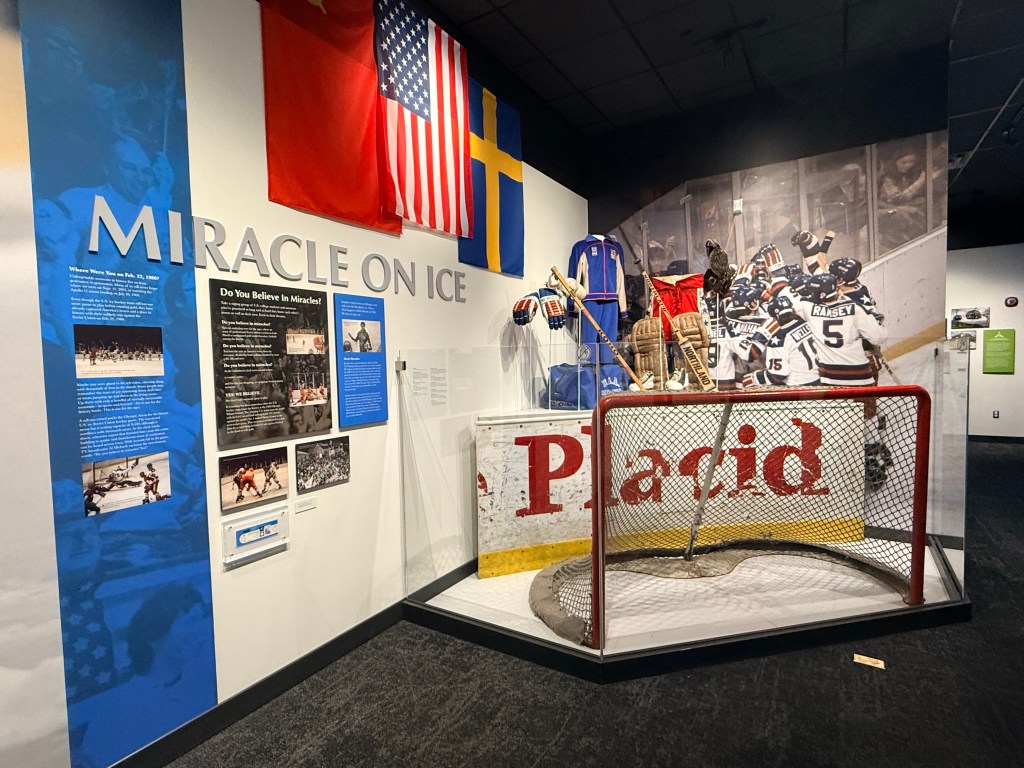
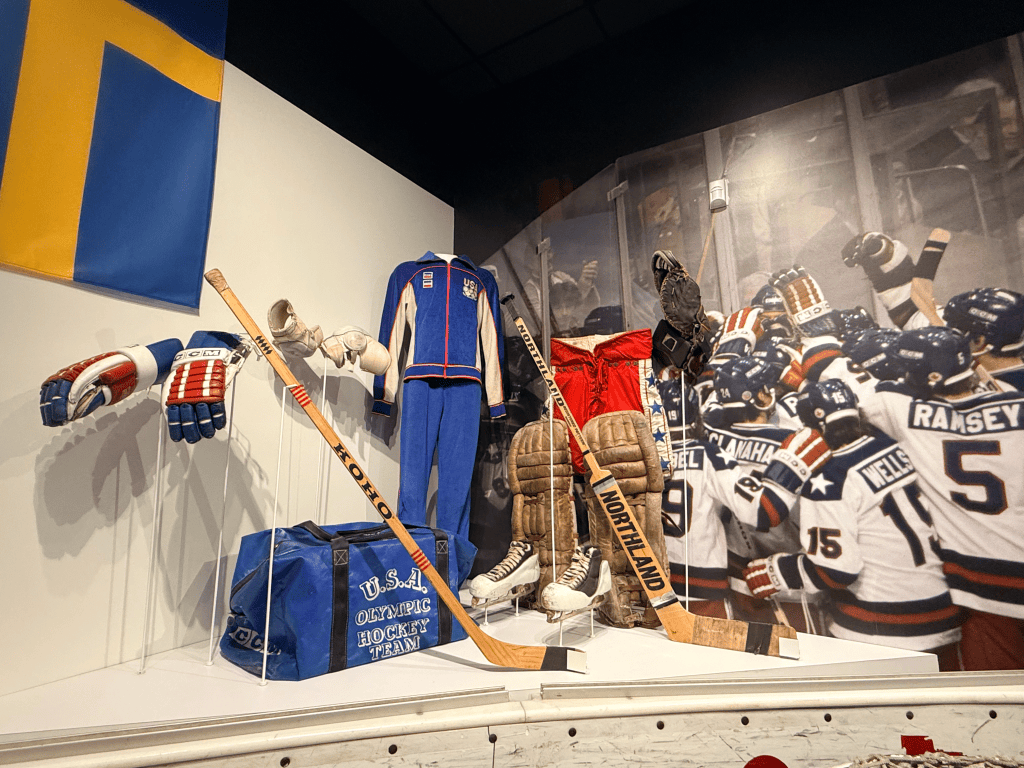
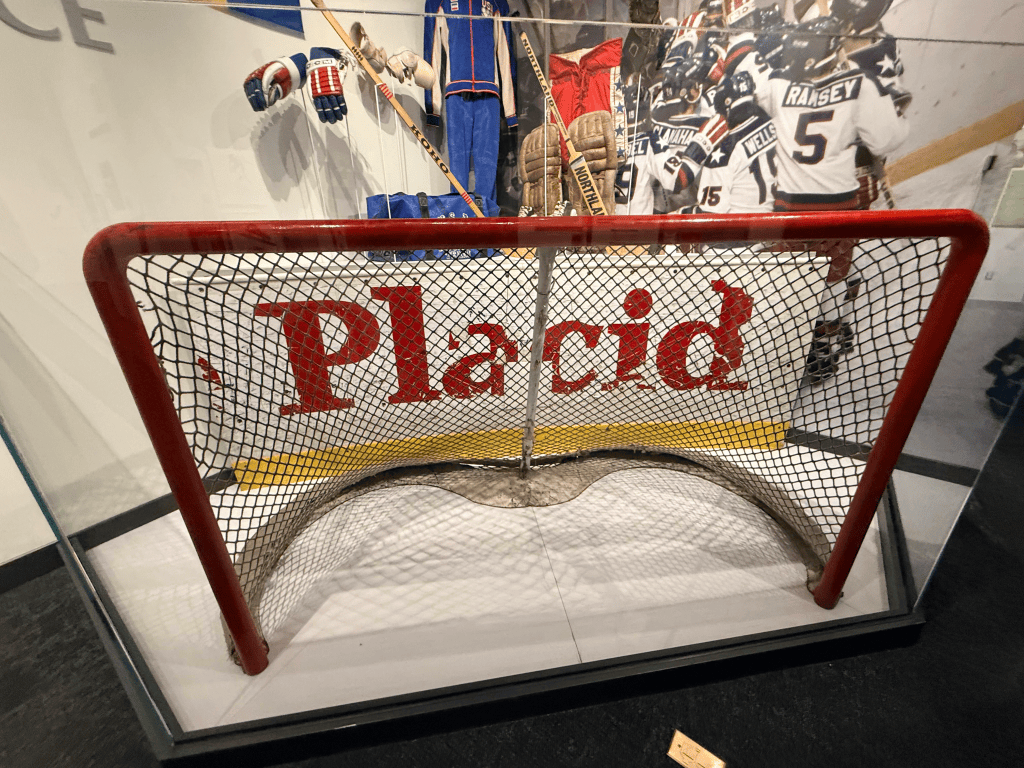
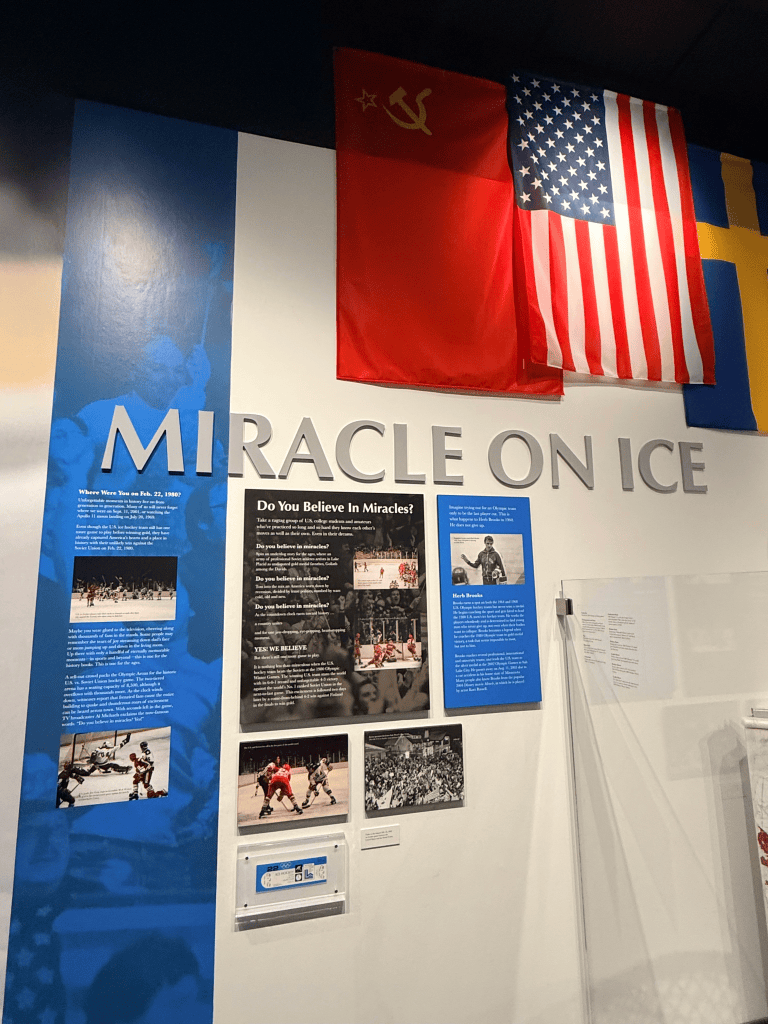
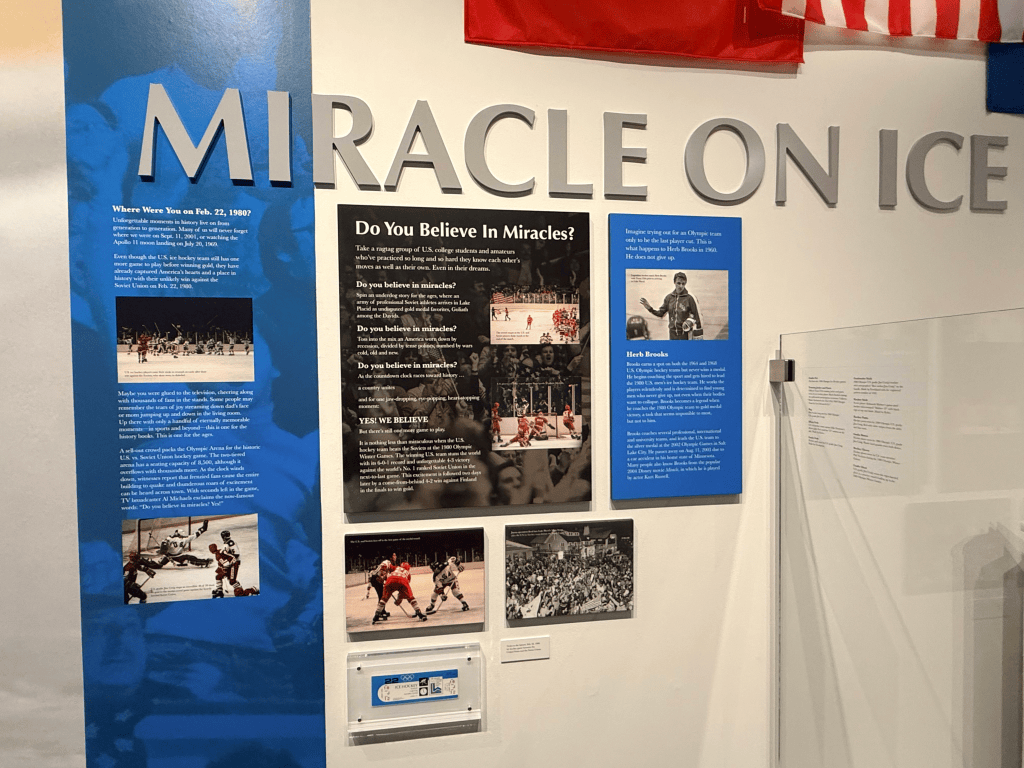
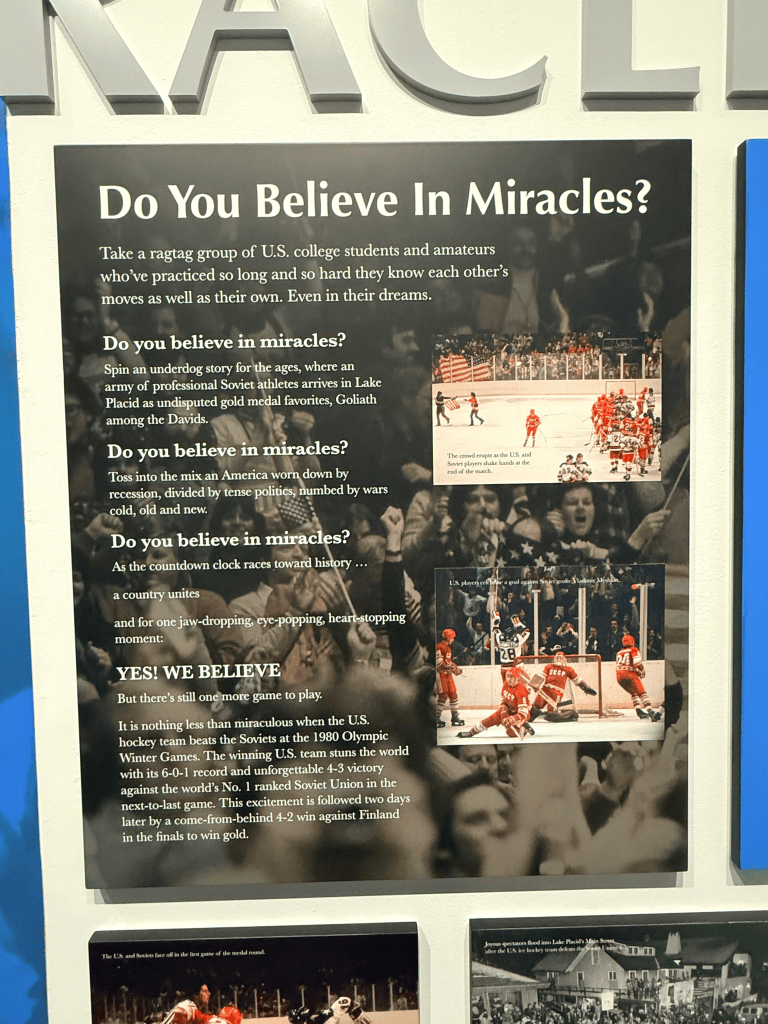
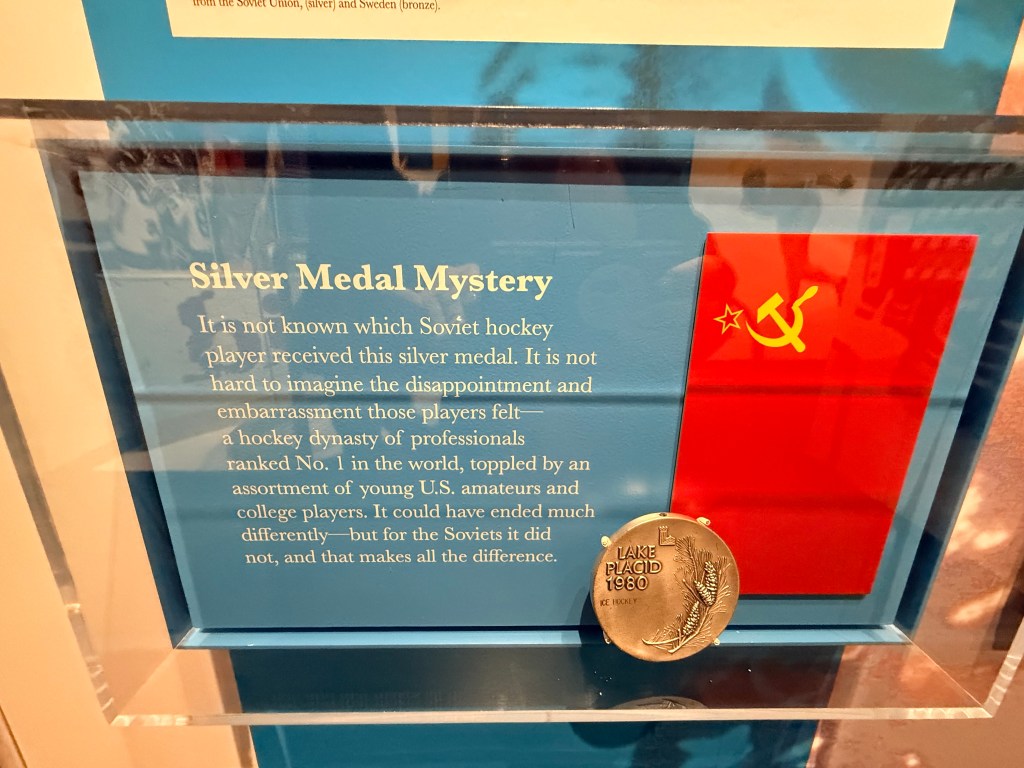
Of course, an entire section was devoted to the famous “Miracle on Ice.”
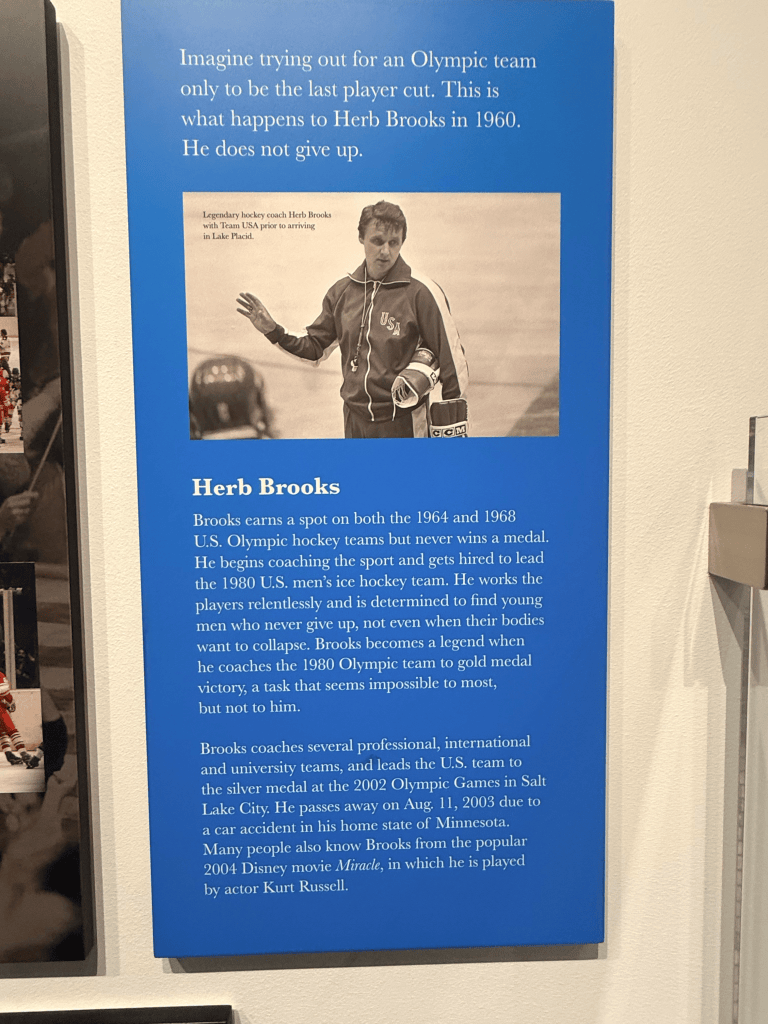
Most people know the basics of the story, but here’s the quick version. During the height of the Cold War, international Olympic competition was still restricted to amateur athletes. The Soviet Union technically complied with that rule, but their players trained and competed full-time and were widely regarded as the best hockey team in the world. The United States, meanwhile, was made up largely of college players brought together by coach Herb Brooks.
Brooks wasn’t necessarily looking for the most talented players. He was looking for the right combination of players, then he worked them relentlessly.
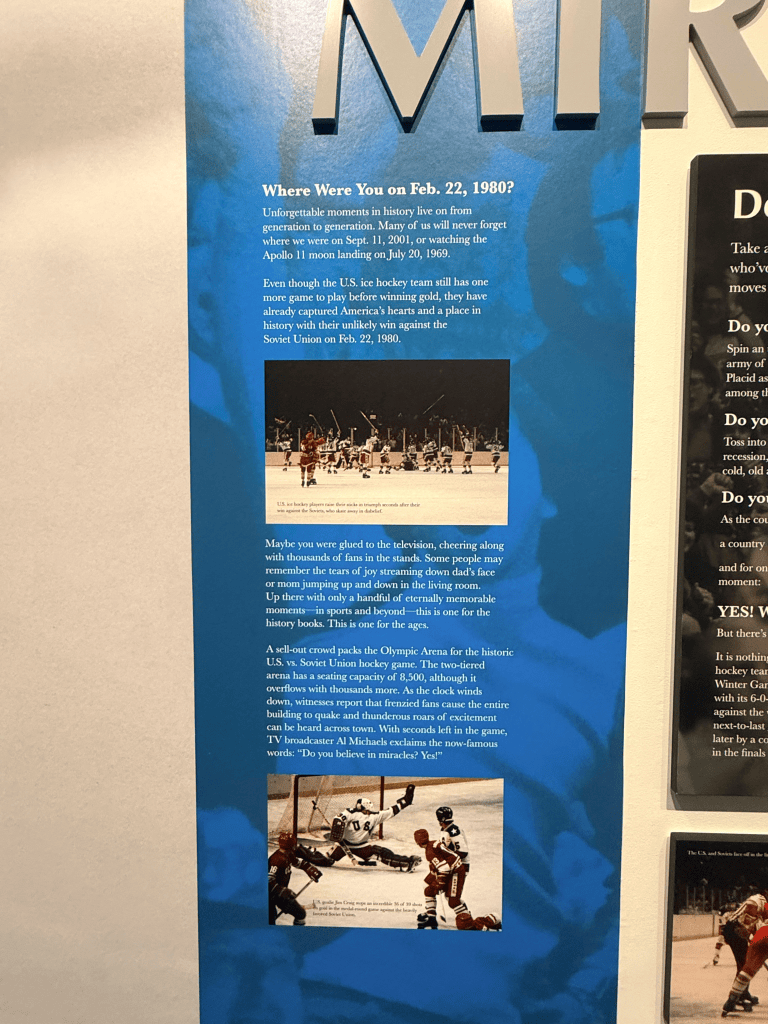
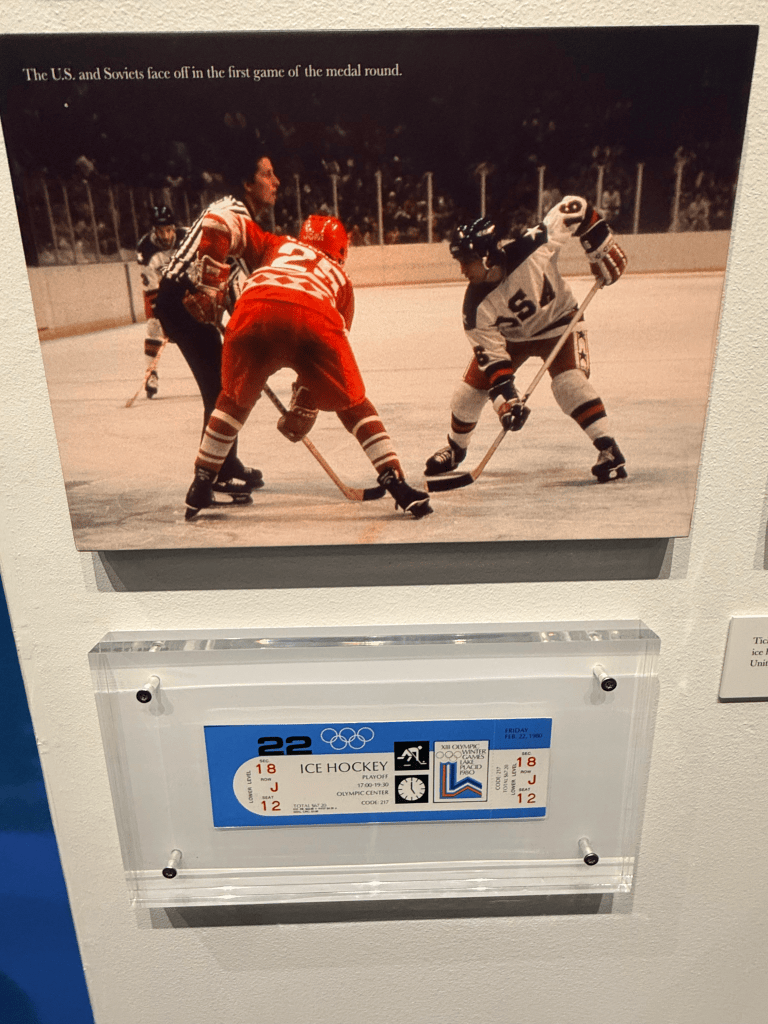
Just weeks before the Olympics, the Soviets crushed the NHL All-Stars and dominated international competition. Few people gave the Americans much of a chance. Yet somehow this group of college kids kept winning. Game after game they advanced through the tournament until they faced the Soviet powerhouse on February 22, 1980.
Against all expectations, the United States won 4-3.
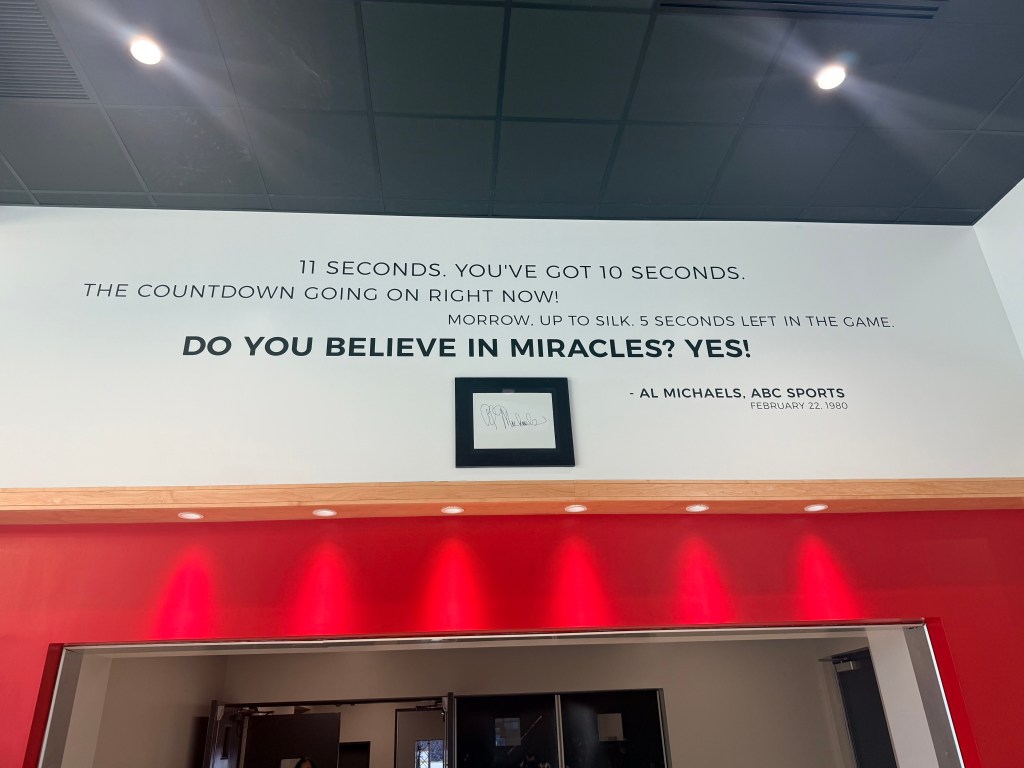
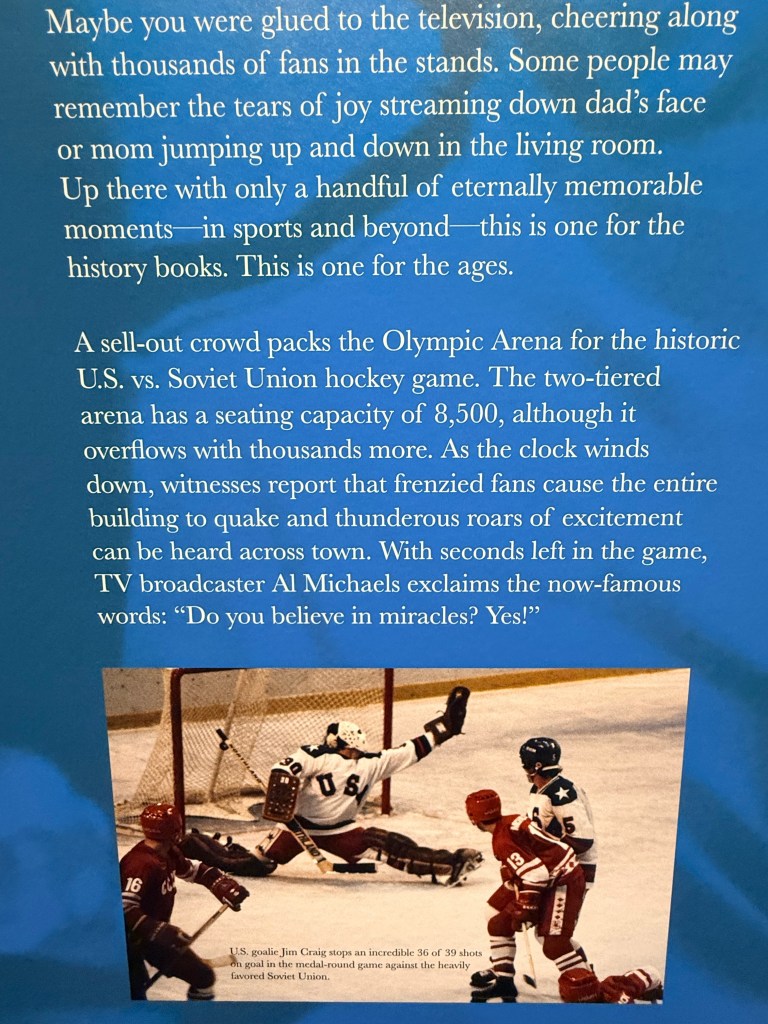
As the final seconds ticked away, broadcaster Al Michaels delivered one of the most famous calls in sports history:
“Do you believe in miracles? Yes!”
I always knew that game wasn’t the gold medal game, but I thought they didn’t win the gold medal… so here is where I learned something…
The pressure wasn’t over.
If the United States lost its final game against Finland, the Soviets would win gold. So with one more hurdle to clear, the Americans defeated Finland 4-2, completing one of the greatest upsets in sports history and securing the gold medal that everyone remembers today.

There was one last section about winter
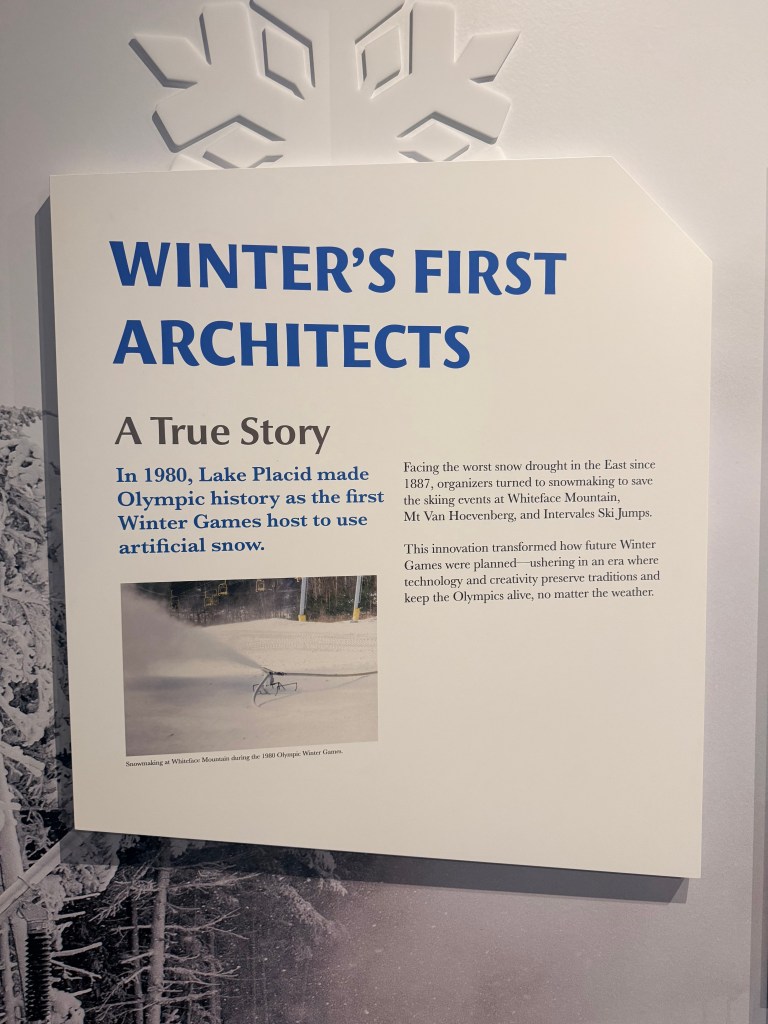

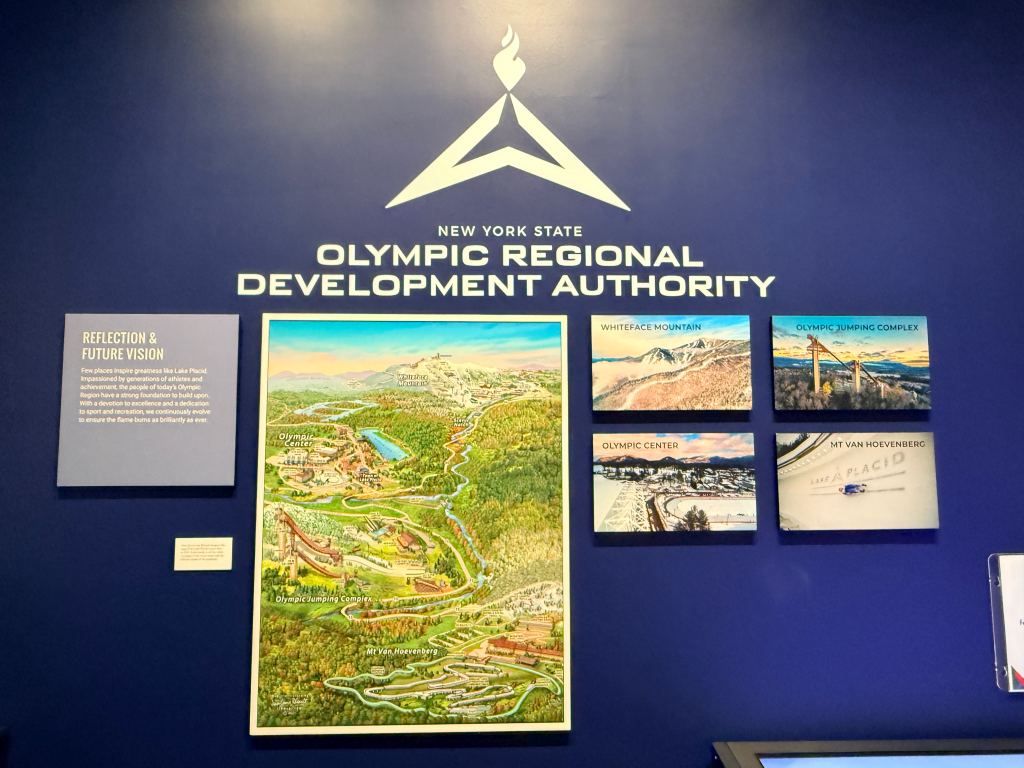
And the future of Lake Placid…as we were leaving, the lady in the gift shop told us that they are just putting in the bid for 2042 with NYC. Let’s see what happens because Park City just got 2034!
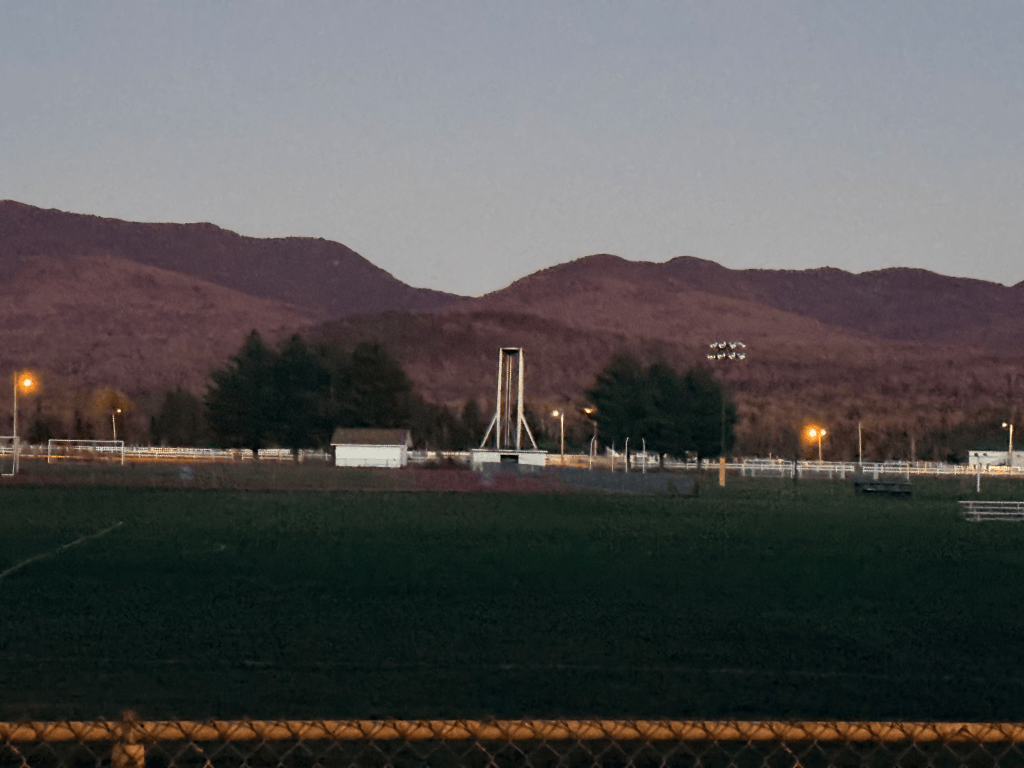
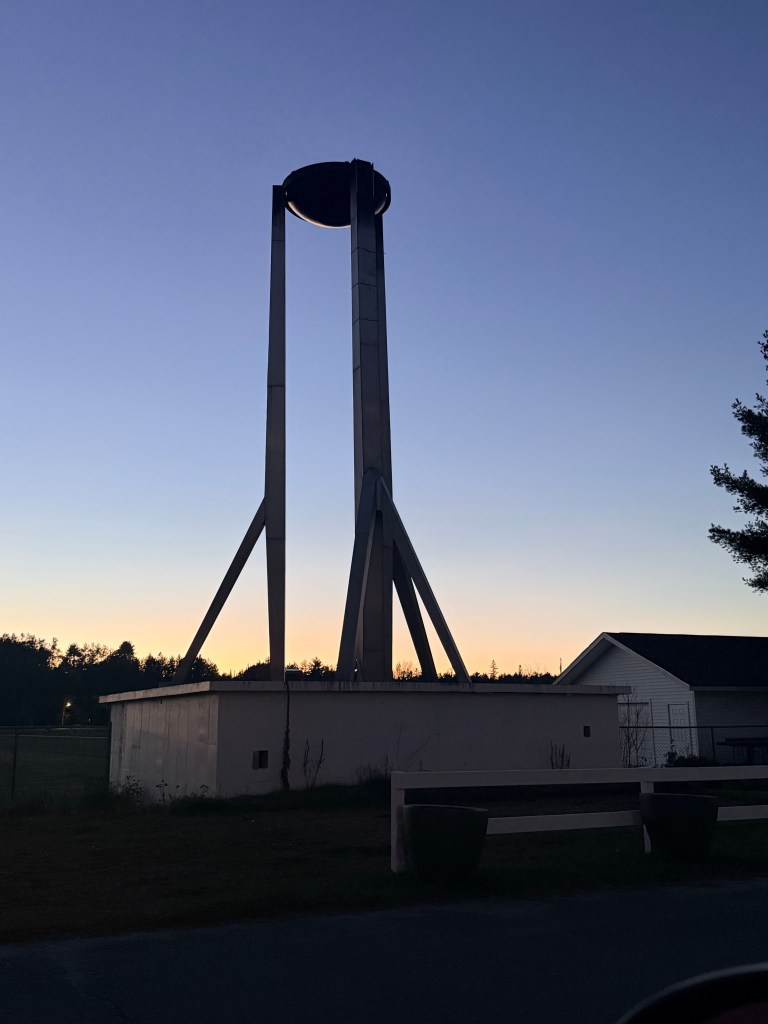
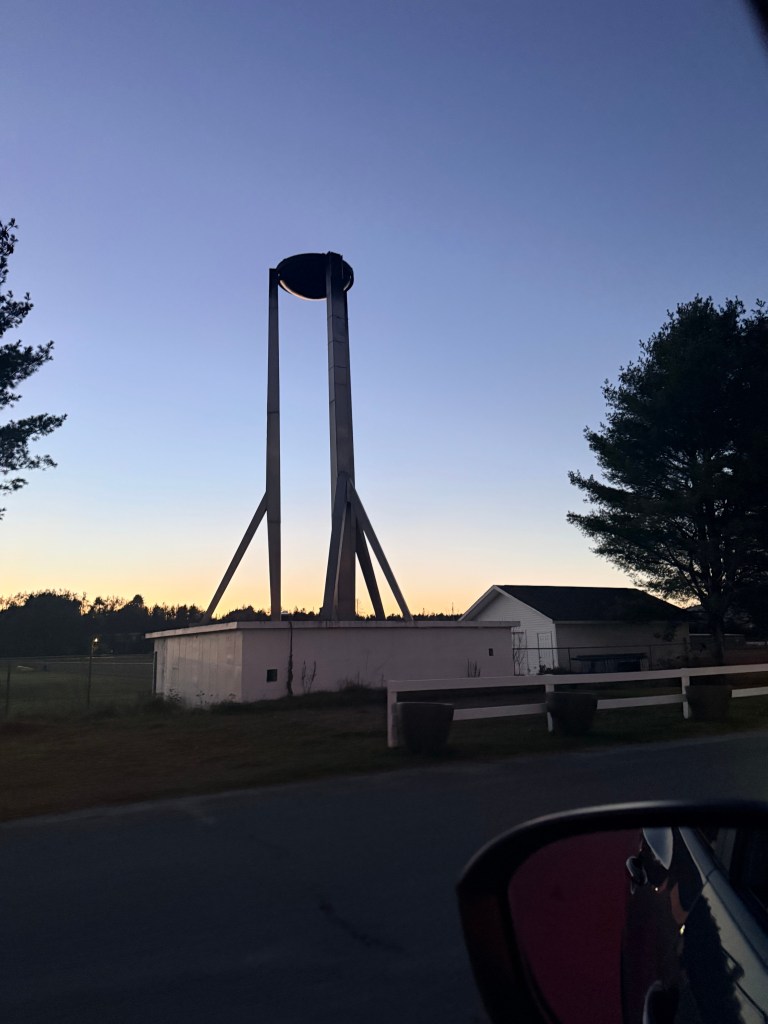
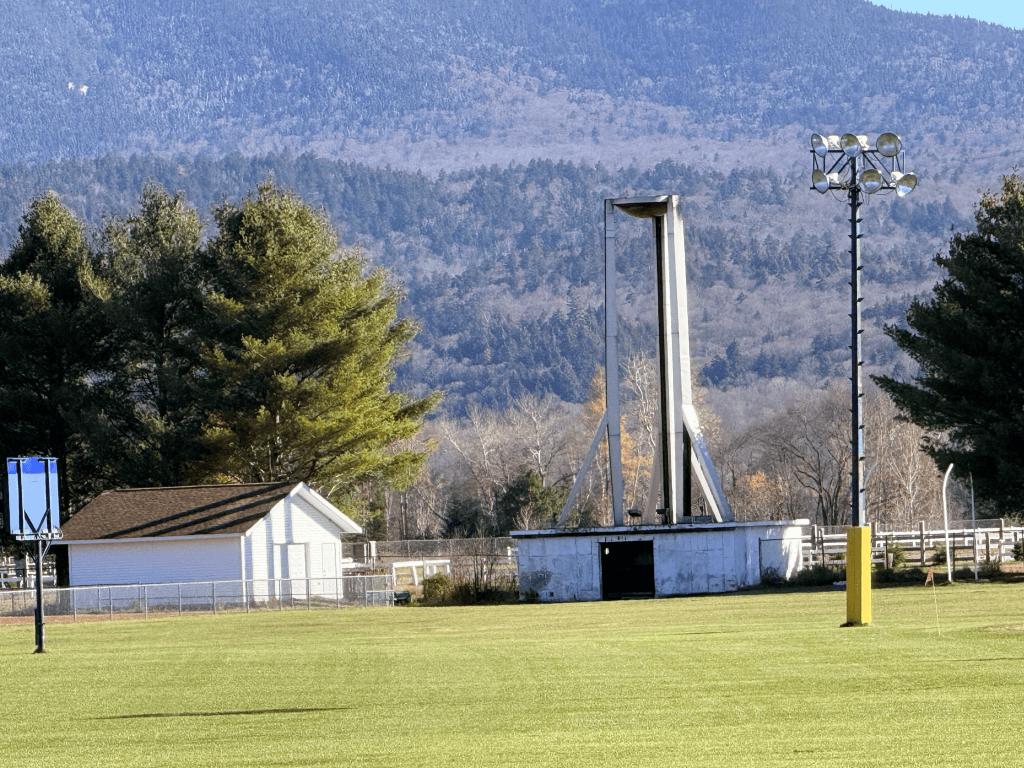
On the way out of town, we grabbed a picture of the cauldron. We also got a picture last night. Poor thing has seen better days, but it is old… and it is owned by the village and is not part of the Olympic complex.
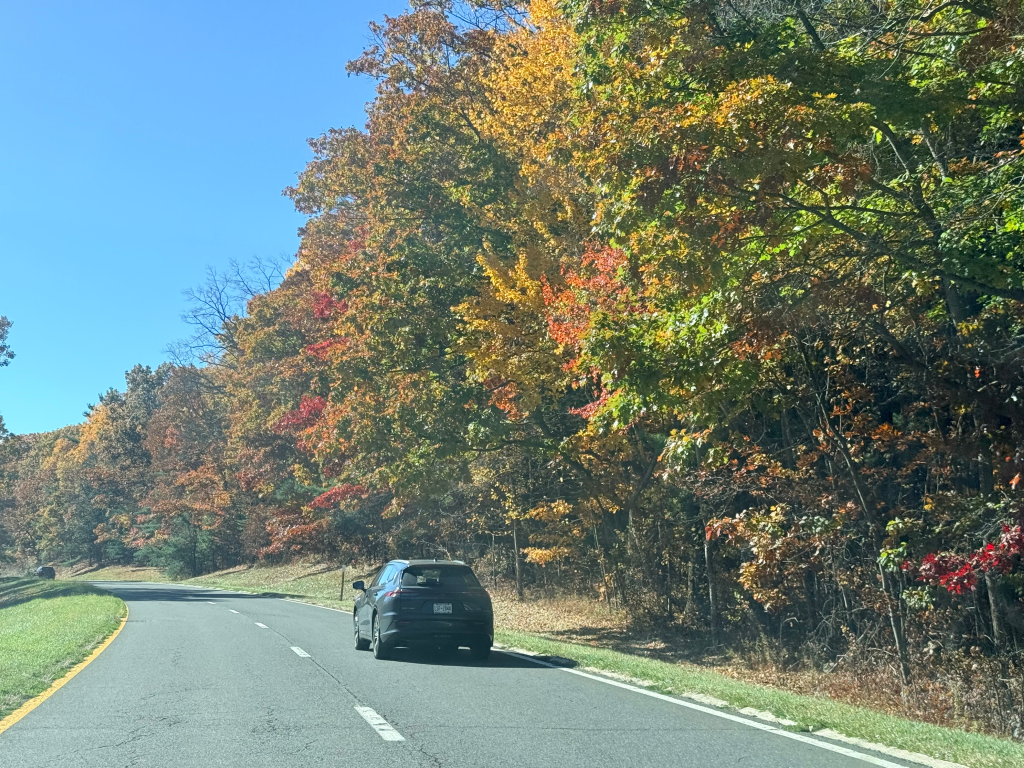
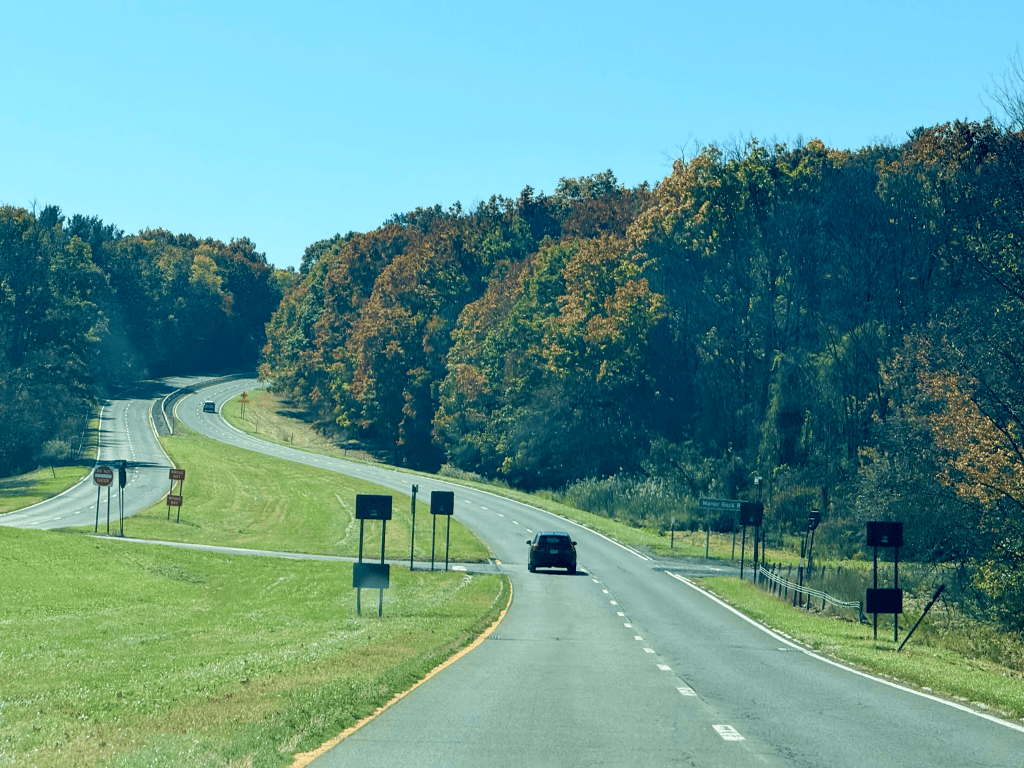
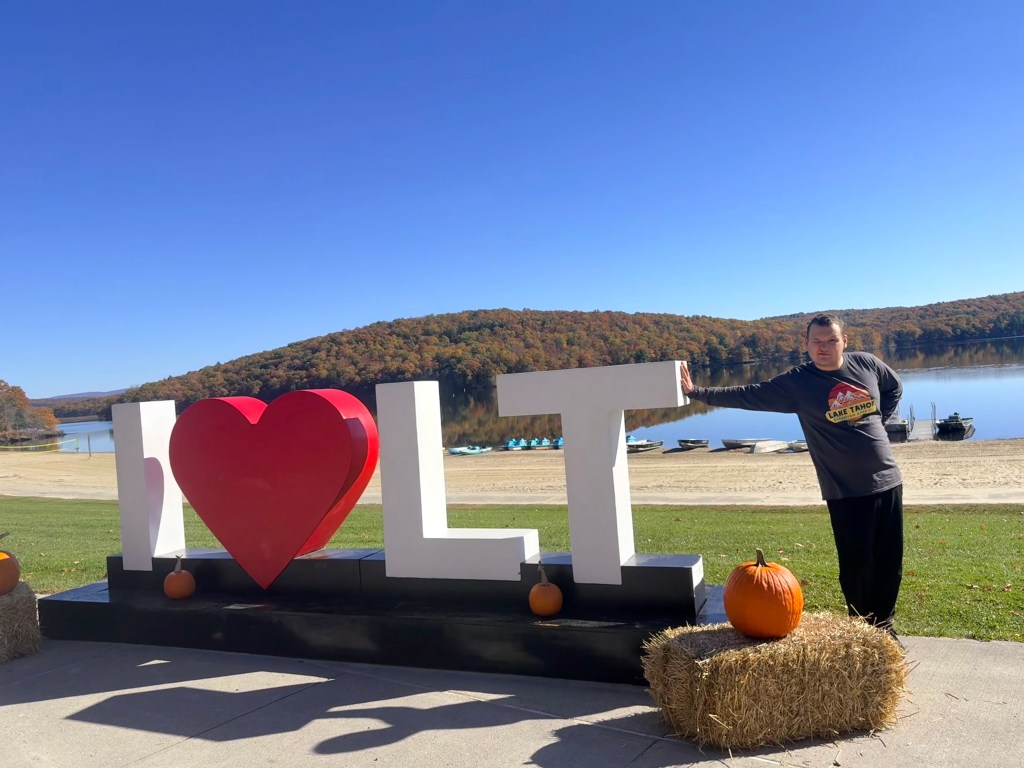
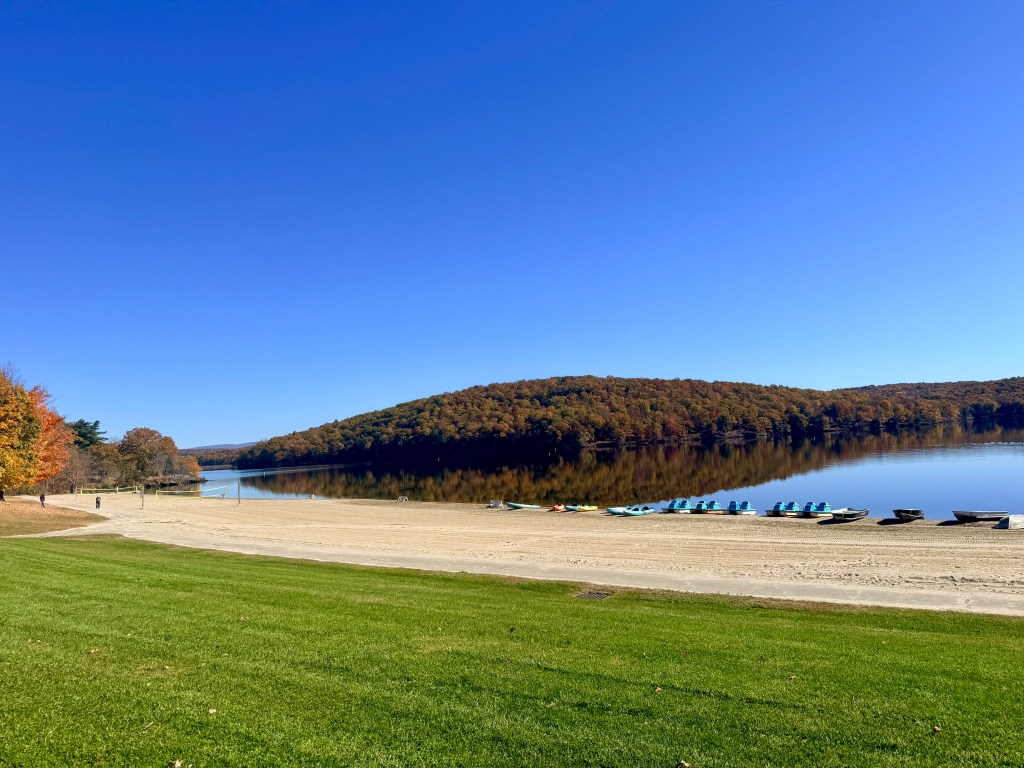
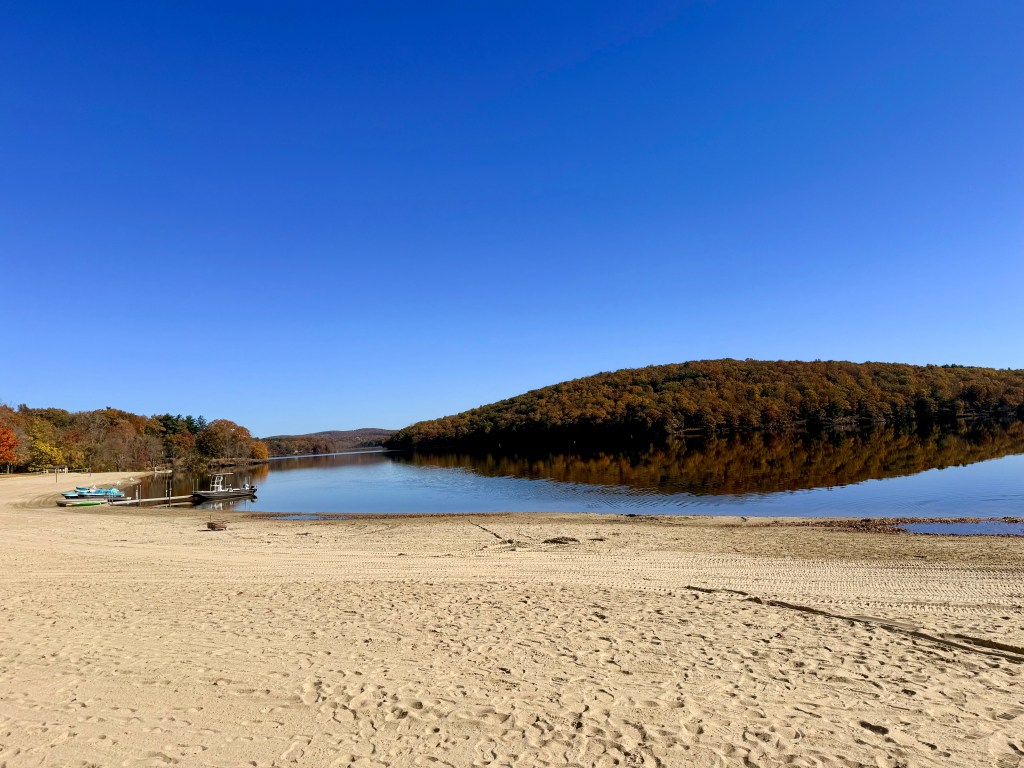
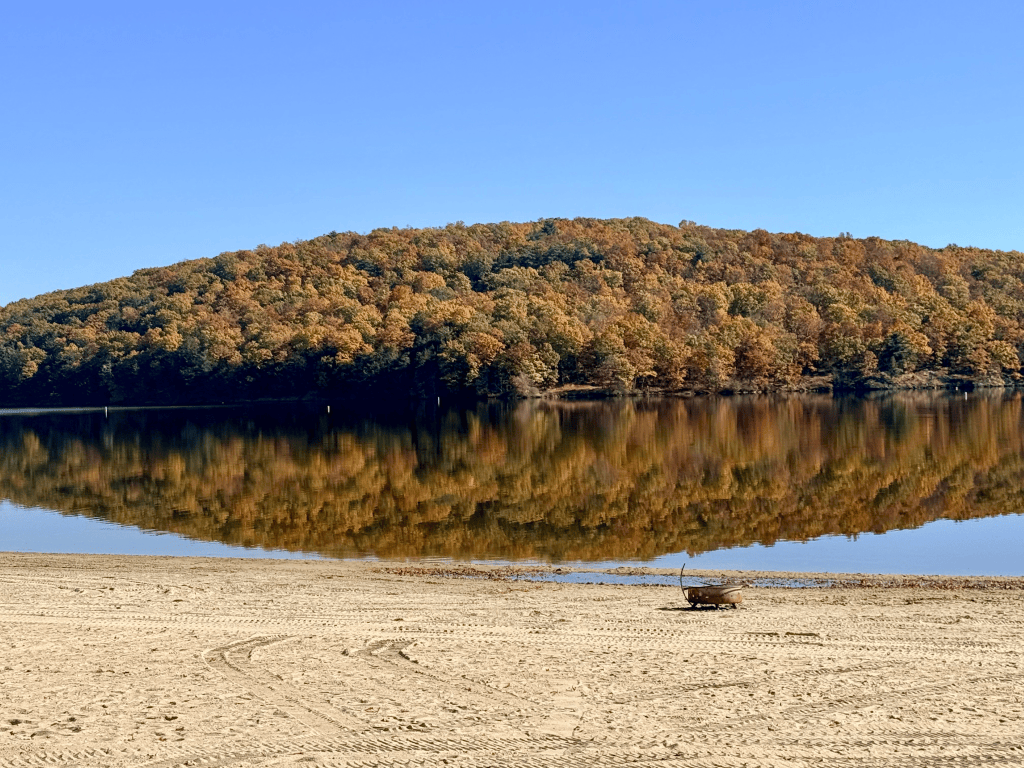
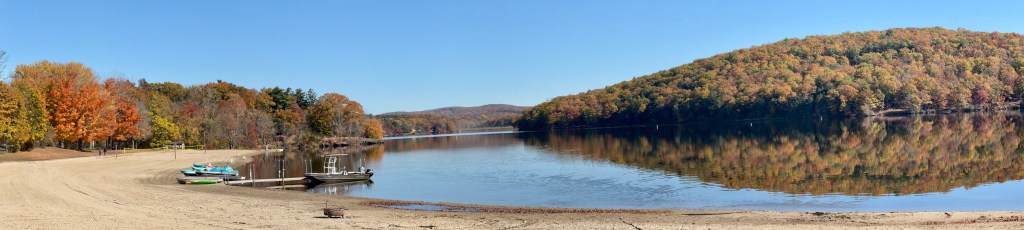
From there, we headed home stopping a few times to get some leaf changing pictures.
Unreliable Summary – Trolls, Trees, and the Miracle on Ice
Category:
Leave a Reply